John Crowley

1.3K posts

John Crowley banner
John Crowley

John Crowley

@JPCrowl

Building with AI and writing about it weekly @HarvardHBS @Kennedy_School @WestPoint_USMA

New York, NY Katılım Ağustos 2013
2.4K Takip Edilen879 Takipçiler
Sabitlenmiş Tweet
John Crowley
John Crowley@JPCrowl·
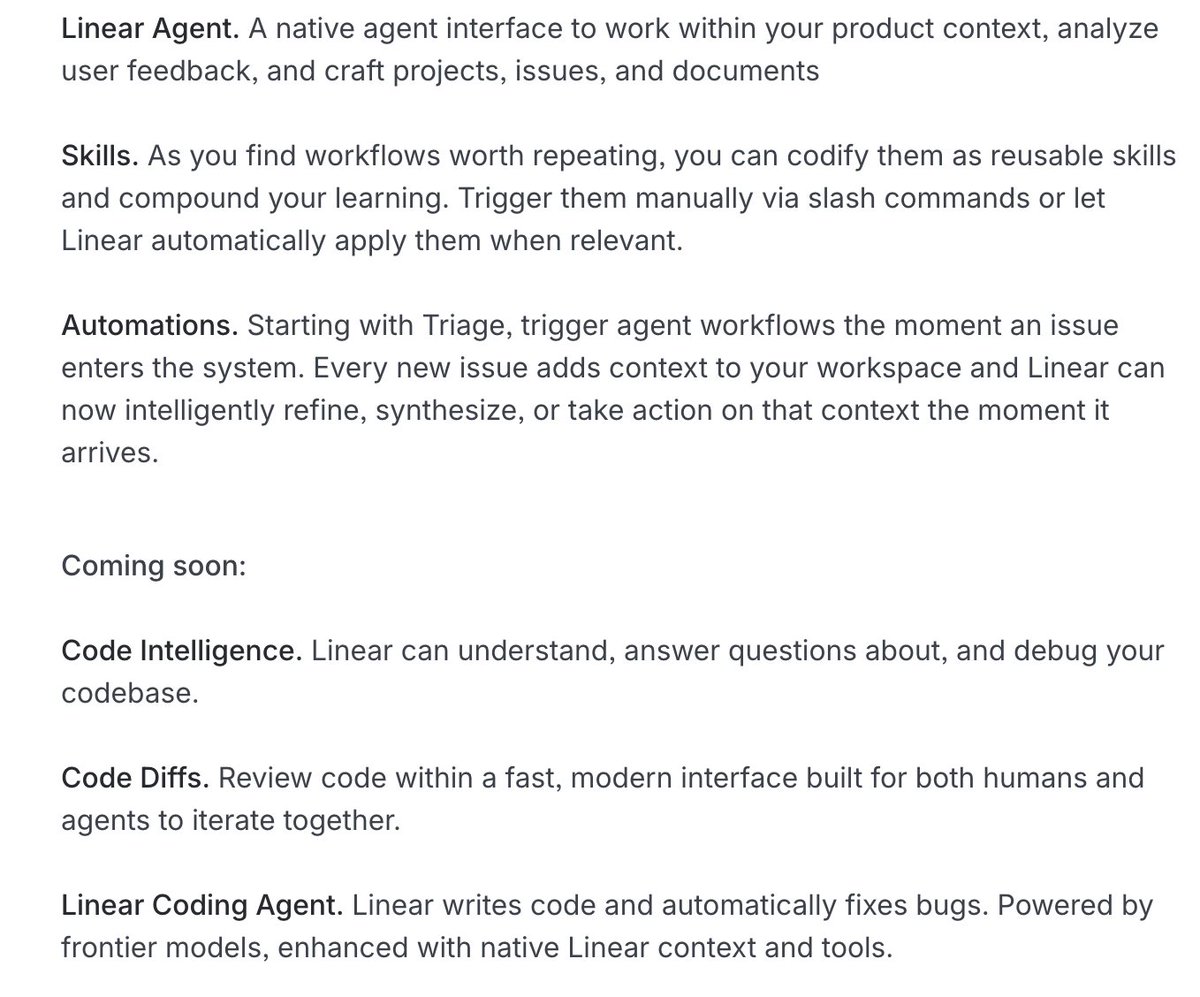
I started a newsletter. 📬 It's called Applied AI, and it's for knowledge workers who know they should be engaging with AI more seriously but haven't found the on-ramp. Most professionals I know aren't taking advantage of these tools. The gap between what's possible and what people are actually doing is enormous. The first post is about the Thayer Method. It's how I was taught to learn at West Point, and I think it's the right frame for this moment in AI. thayermethod.ai/p/a-200-year-o… More soon!
English
1
1
2
214
Tyler Denk 🐝
Tyler Denk 🐝@denk_tweets·
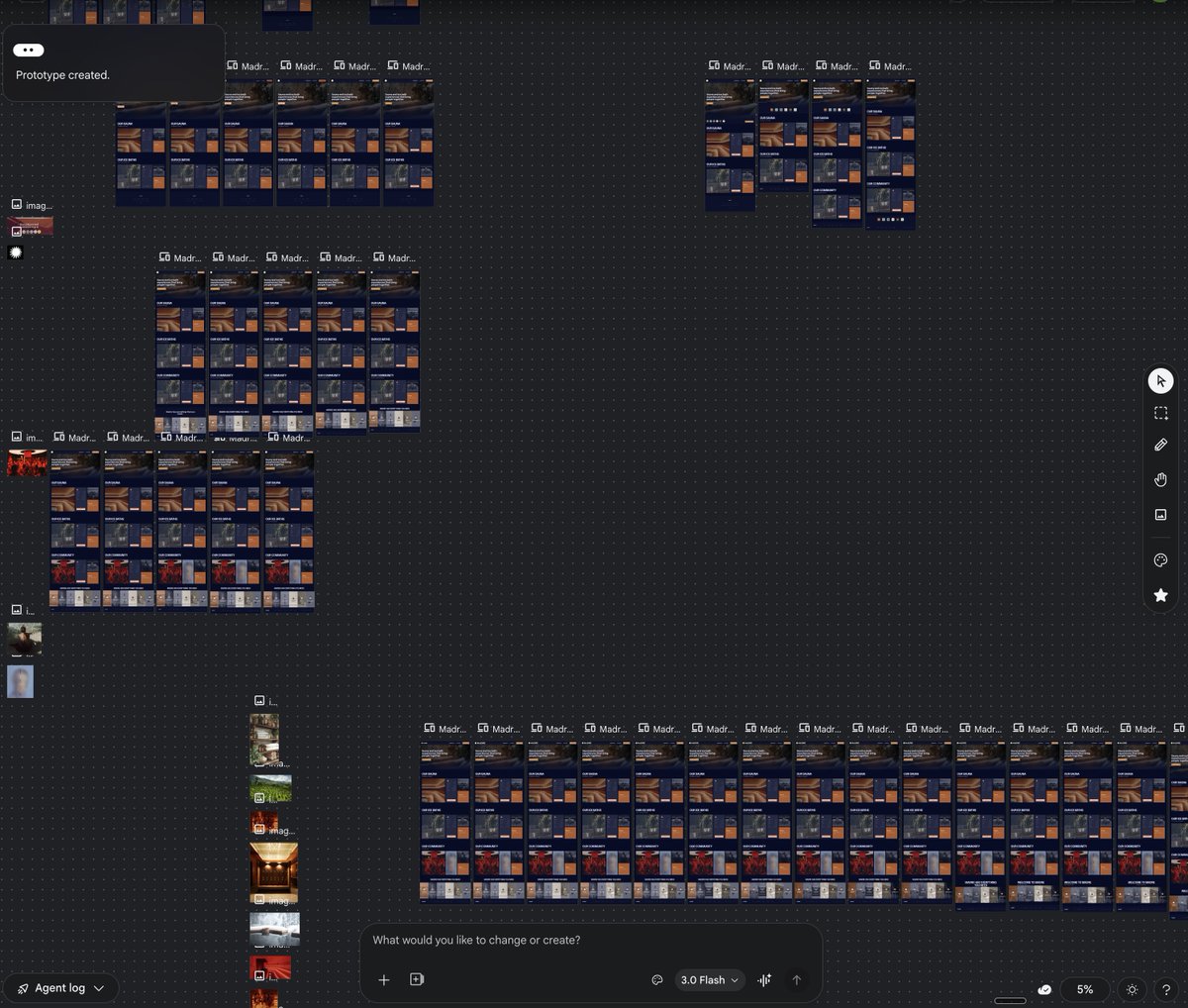
I spent 6 hours playing with Stitch (Google's new AI design and code tool) the verdict: it's pretty dope. definitely the best design capabilities of any AI website tool I've used caveats: > found a few bugs > can't share the prototype with others without giving them edit access > mostly just frontend and design, can't really deploy it as a full production site (yet) ideal workflow (imo): > start with Stitch to build the frontend design > you can export to figma or export the html/css > import either of those into lovable to refine and deploy for newsletter operators: > can start with Stitch to build a beautiful landing page or subscribe page w/ their design tools > screenshot the output and upload it to @beehiiv AI website builder to replicate it
Tyler Denk 🐝 tweet media
English
15
3
74
17.3K
John Crowley
John Crowley@JPCrowl·
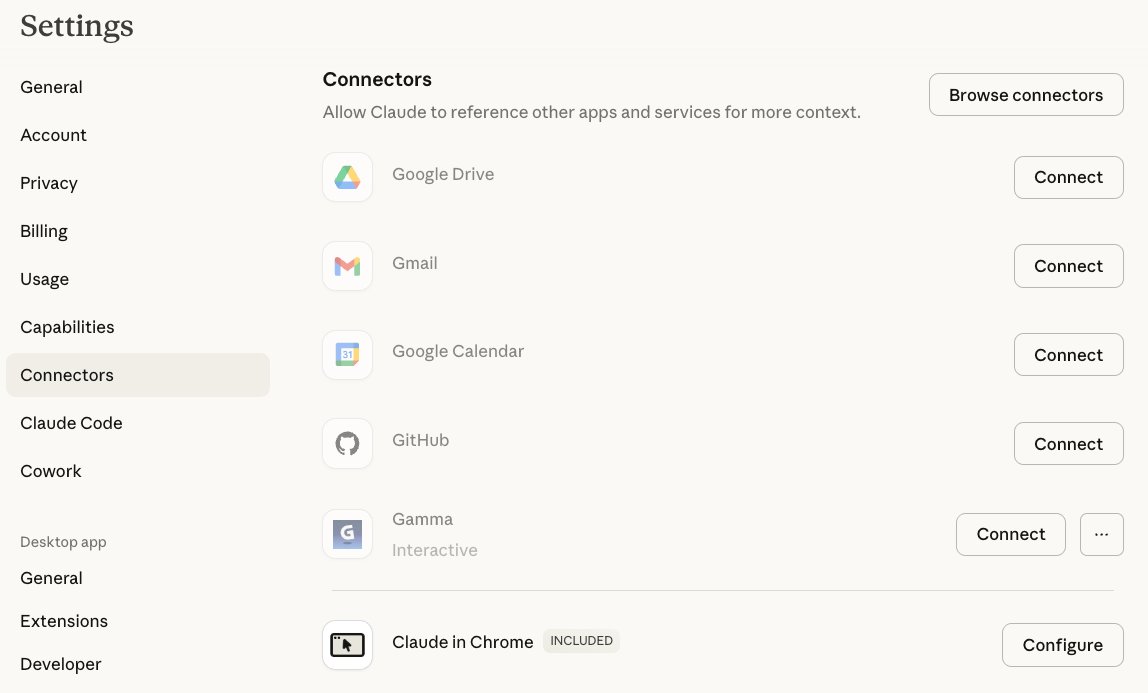
Most people using Claude or ChatGPT start every conversation from zero. The model doesn't know what you're working on, how you write, or who you're talking to. There's a setting that changes that, and it goes largely untouched. You can connect your inbox, your documents, and your calendar directly to these tools. Once you do, the model has context before you say a word. It knows what you're working on, how you write, who you're talking to. A friend who read this week's newsletter texted me last night. He runs a holdco acquiring small businesses, and he'd just set up the Gmail connector for the first time. Within 24 hours he was using it to evaluate a property acquisition, pulling from files that were already sitting in his inbox without copying and pasting a thing. It's not that Claude or Anthropic are gatekeeping this from you. They want you to succeed with their products. But that requires time, curiosity, and a willingness to figure things out on your own. Open settings in Claude or ChatGPT, find connectors or integrations, and connect one app you actually use. Gmail, Google Drive, Notion, whatever fits your workflow. It takes about five minutes. If you haven't done this yet, what are you waiting for?
John Crowley tweet media
English
0
0
0
45
John Crowley retweetledi
Damian Player
Damian Player@damianplayer·
a year later and this is still the most important distinction nobody talks about. agency is more powerful than intelligence and it’s not close.
Andrej Karpathy@karpathy

Agency > Intelligence I had this intuitively wrong for decades, I think due to a pervasive cultural veneration of intelligence, various entertainment/media, obsession with IQ etc. Agency is significantly more powerful and significantly more scarce. Are you hiring for agency? Are we educating for agency? Are you acting as if you had 10X agency? Grok explanation is ~close: “Agency, as a personality trait, refers to an individual's capacity to take initiative, make decisions, and exert control over their actions and environment. It’s about being proactive rather than reactive—someone with high agency doesn’t just let life happen to them; they shape it. Think of it as a blend of self-efficacy, determination, and a sense of ownership over one’s path. People with strong agency tend to set goals and pursue them with confidence, even in the face of obstacles. They’re the type to say, “I’ll figure it out,” and then actually do it. On the flip side, someone low in agency might feel more like a passenger in their own life, waiting for external forces—like luck, other people, or circumstances—to dictate what happens next. It’s not quite the same as assertiveness or ambition, though it can overlap. Agency is quieter, more internal—it’s the belief that you *can* act, paired with the will to follow through. Psychologists often tie it to concepts like locus of control: high-agency folks lean toward an internal locus, feeling they steer their fate, while low-agency folks might lean external, seeing life as something that happens *to* them.”

English
13
37
521
62.6K
John Crowley
John Crowley@JPCrowl·
I have an executive coaching client who is a lawyer at a prominent law firm. Like most professionals at large firms, he has access to Microsoft's AI tools through his organization's enterprise software stack. It's the approved option, the compliant one. He doesn't think it's good enough. So he does something I suspect a lot of people reading this are doing too. He selectively uses his personal device to fill the gaps, turning to ChatGPT when his work tools fall short. Is he in violation of his firm's technology policy? Probably. Almost definitely. But is his approach valid, and understandable, given the circumstances? Also yes. His firm is likely spending seven or eight figures a year on enterprise Microsoft accounts. He's getting more value from a free app on his phone. He's not alone. The enterprise AI landscape is a mess right now, and most organizations are behind. The professionals who figure it out independently, without waiting for IT to solve it, are the ones pulling ahead.
English
2
0
0
50
John Crowley
John Crowley@JPCrowl·
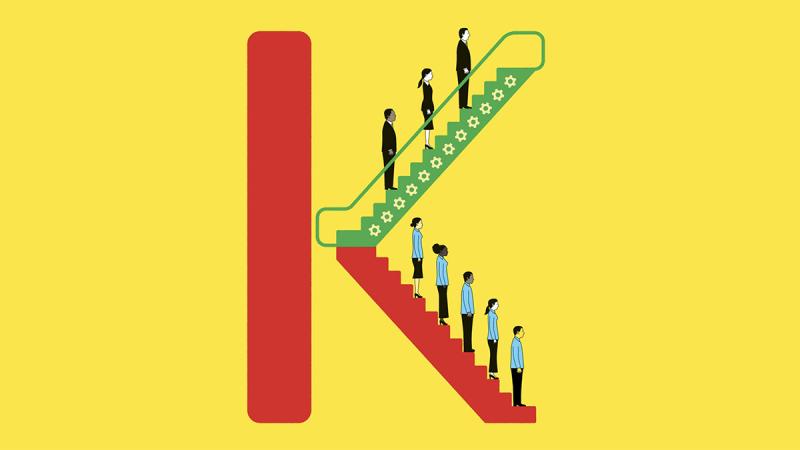
AI adoption at work is going to split into a K. Some professionals will use it to compound their thinking and pull ahead. Others will use it to avoid thinking, or not use it at all, and fall further behind. The middle gets hollowed out. The gap gets harder to close over time. The people at the top aren't working harder. They just have better tools and know how to use them. Who sees this differently?
John Crowley tweet media
English
1
0
0
29
Will
Will@WillBuildsMedia·
@JPCrowl @beehiiv Think so, just as my scheduled newsletter was going out 😬
English
1
0
1
64
John Crowley retweetledi
BetMGM 🦁
BetMGM 🦁@BetMGM·
Hang it in the Louvre
BetMGM 🦁 tweet media
English
60
919
8K
177.4K
John Crowley retweetledi
Old Row Sports
Old Row Sports@OldRowSports·
Connor Hellebuyck - Secretary of Defense
Old Row Sports tweet media
English
144
3.3K
30.4K
1.7M
John Crowley
John Crowley@JPCrowl·
I got a new laptop at the end of last summer and never reinstalled Granola. Granola is purpose-built for transcribing your meetings. I use Notion's meeting feature instead. Granola is better and I know it, but I haven't bothered to add Granola back in since Notion basically works. I was on a call last night with a lawyer at a major firm and a search fund entrepreneur, both smart guys who are genuinely curious about AI and a little overwhelmed by how much there is to learn. One of them asked why, if these tools are so good and so available, more people aren't using them. My immediate response was "switching costs." What struck me was that I'd said the exact same thing earlier in the day without thinking about it, in a separate conversation about Wispr Flow with a new hire at a venture firm. That's the real barrier to AI adoption. Not awareness. Inertia. You have a system that works well enough and rebuilding around something new takes energy that's hard to justify when everything else is competing for your attention. The only way I've found to close that gap is to set things up before you need them, not when the moment arrives.
English
1
0
0
34