Jason retweetledi

Jason
4.5K posts


@JRat_46
Passion for Christ, family and the outdoors. Crypto/Investor and enjoy Hazy IPA's.


Your browser has incognito mode. Now your swaps do too. Introducing Bungee Incognito. 🕵️

Your browser has incognito mode. Now your swaps do too. Introducing Bungee Incognito. 🕵️

You thought the fun was over? 🏈 This weekend, video takes center stage on the timeline. We’re awarding $1M, $500K, and $250K to the top three videos about @grok, created with Imagine 1.0.
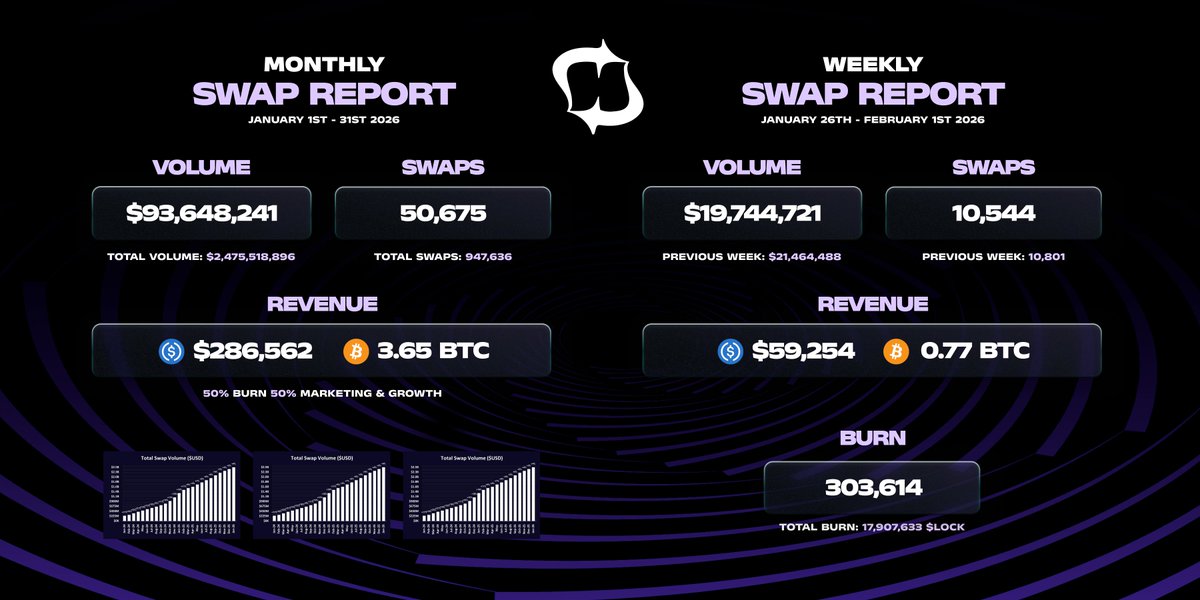
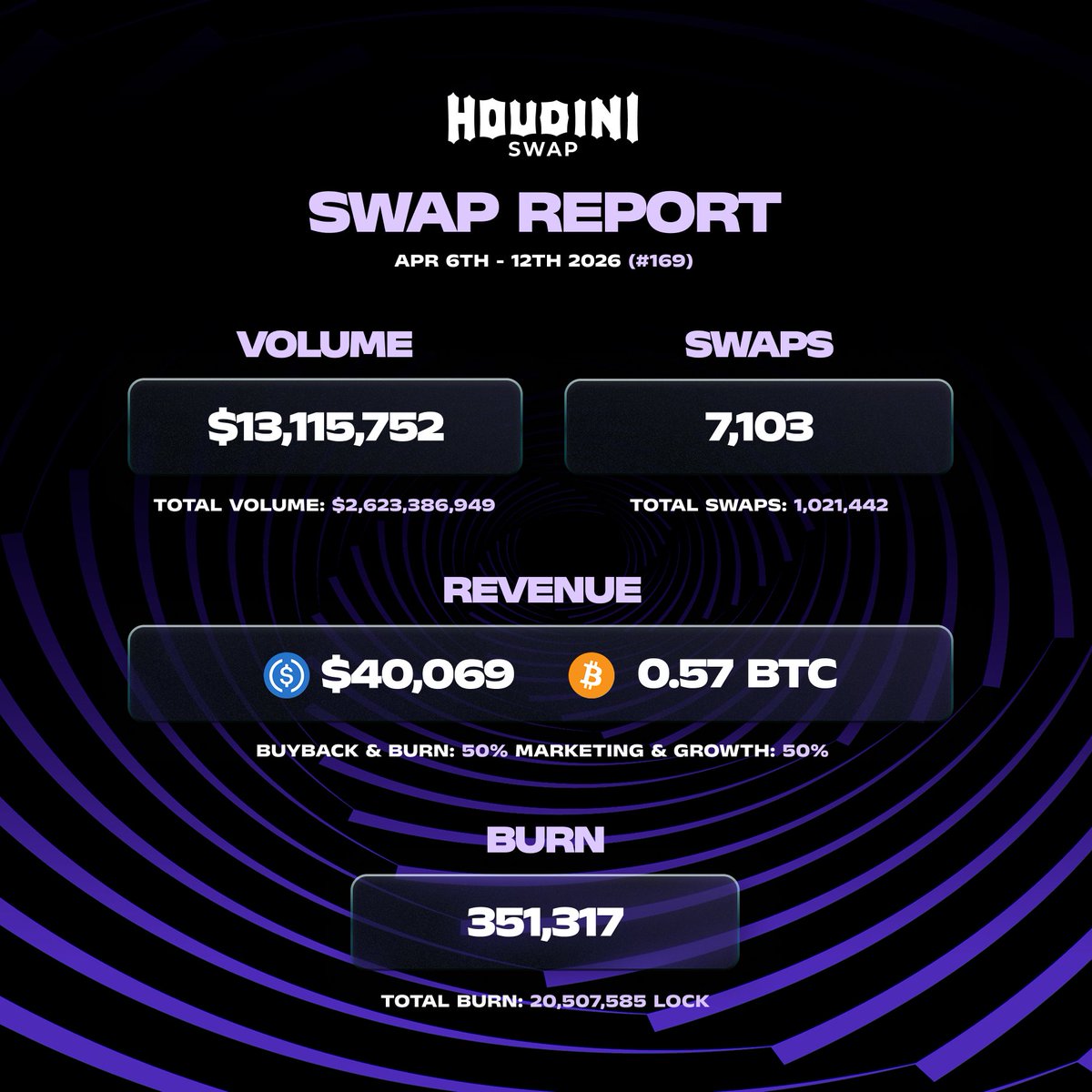
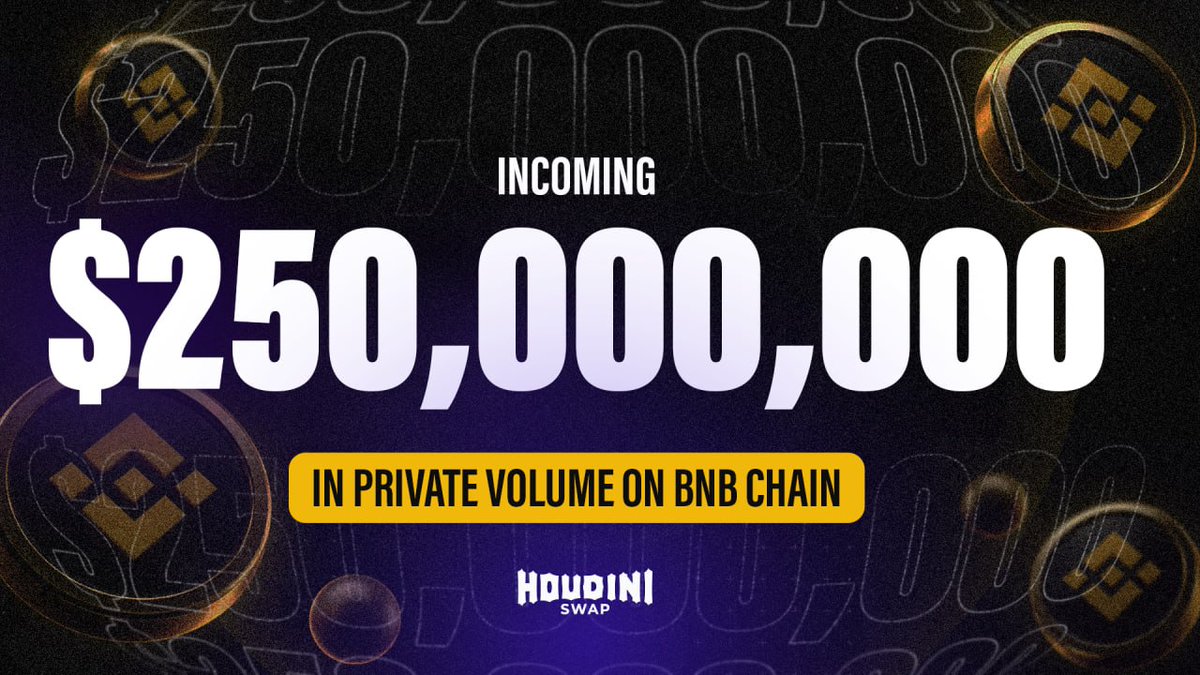
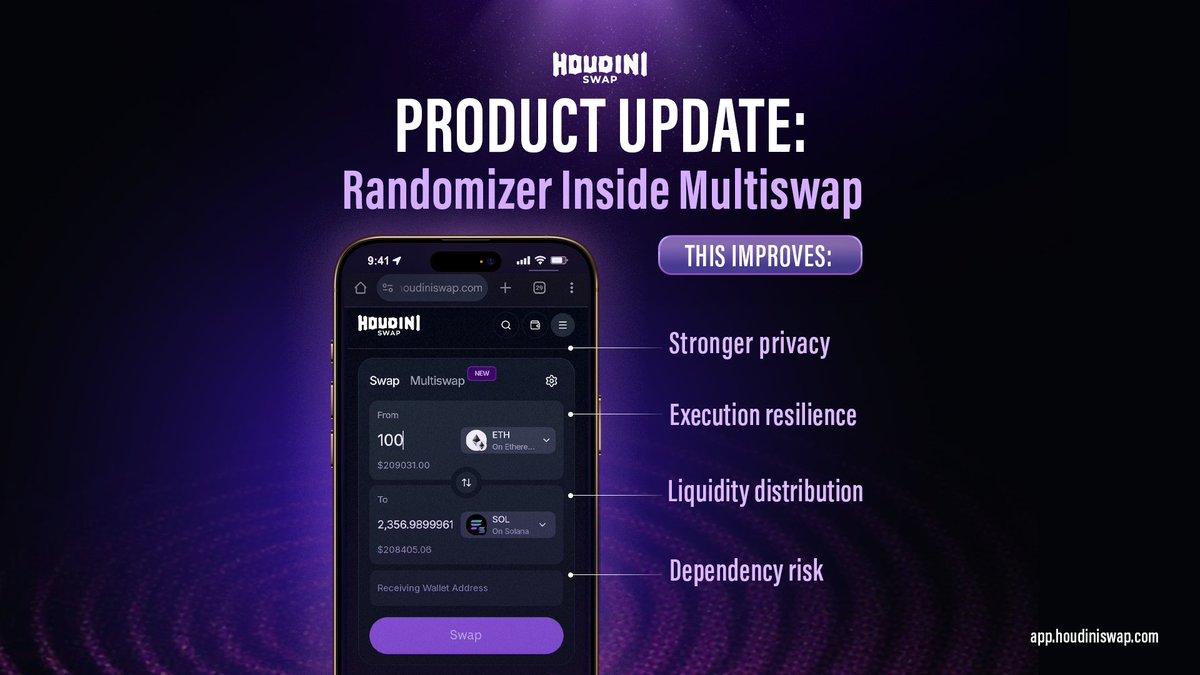
privacy has always been a core web3 layer and it keeps breaking in practice this piece looks at how @fluidkey & @HoudiniSwap try to close that gap here's what i'll cover: → where i think onchain privacy fails → fluidkey as the base layer → why houdini swap is needed → how hide trail actually works → supported paths & limits → what changes for the user this setup relies on 2 components. fluidkey as the wallet layer. houdini swap as the routing layer. they solve different parts of the same problem. one handles address-level hygiene. the other breaks transaction continuity. only together does the model hold (dramatic mode on, ofc there are other ways available) ▫️ where onchain privacy fails most users assume fresh addresses equal privacy. that only works on receipt. the moment funds move again, patterns re-form. receive → send creates LINKAGE. amounts, timing & destination collapse anonymity sets fast. explorers do not need identity. they only need graph consistency. ▫️ fluidkey as the base layer fluidkey generates a new address for every transaction. this already removes reuse. it prevents obvious clustering. but it does not erase history once funds leave. a clean inbox does not guarantee a clean outbox. so fluidkey solves surface privacy not trail deletion. that gap is intentional. it is where hide trail comes in. ▫️ why houdini swap is needed houdini swap operates as a swap aggregator w/ a private mode. i've wrote about $LOCK a while ago, check out what they do here: x.com/RaAres/status/… the key mechanism is routing. funds do not move directly from sender to receiver. they pass through 2 separate exchanges. this splits observability. no single hop sees the full path. the link between original address & final address is removed. execution is not instant. the flow takes 5 to 30 minutes. partner exchanges apply live AML monitoring during the process. privacy is achieved through separation and not obfuscation. ▫️ how hide trail actually works the action starts on an incoming transfer. not a manual swap screen. the user flow is minimal: • open the incoming transaction • tap activity details • press hide trail behind the interface, the path looks like: • sending address • exchange 1 • exchange 2 • receiving address fluidkey wraps this w/ stealth addresses on both ends. that means: • origin is shielded • destination is fresh • middle hops are fragmented the result is unlinkable endpoints onchain. not hidden balances + broken continuity baby. ▫️ supported paths & limits this feature is scoped by design. it applies only to incoming transfers. supported value range: $60 to $100,000 supported chains: • Ethereum • Polygon • Arbitrum • Optimism • Base token availability varies per chain. fees & final outputs can differ from previews. ▫️ what changes for the user privacy stops being an advanced workflow. remember, crypto doesn't automatically means privacy. actually, it's very transparent. 2 taps introduce a deliberate break in the graph. fluidkey handles address hygiene. houdini swap handles path separation. together, privacy is something you trigger. enjoy privacy fam & follow @raares for more privacy insights.
Breaking 💥 Private transactions are coming to @SuiNetwork in 2026. More on this soon!!