@jminceyturf @CabotCitrus Headed your way in early Sept! Would love to touch base.
English
James Bryce
396 posts
@JamesBryce24

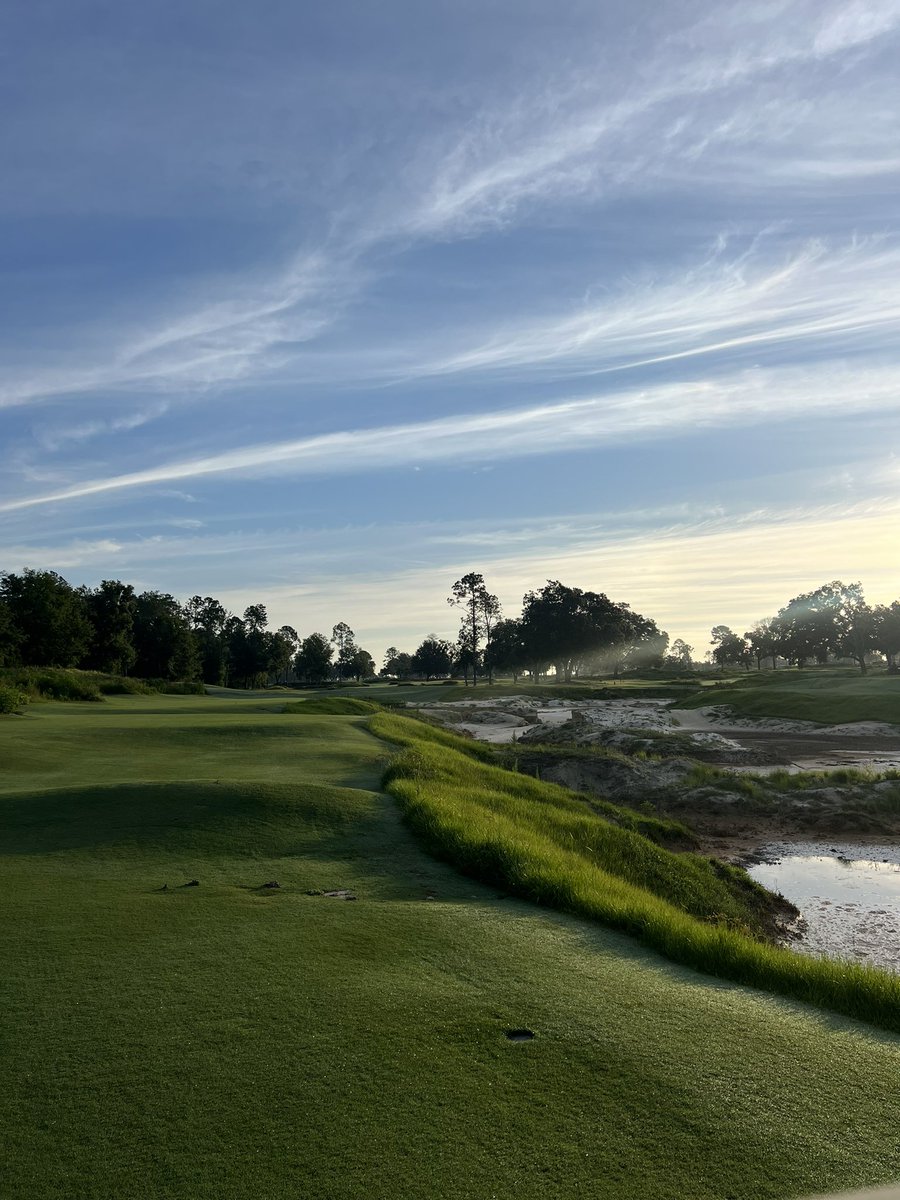

Happy Father's Day from all of us at Pinehurst, and the U.S. Open:
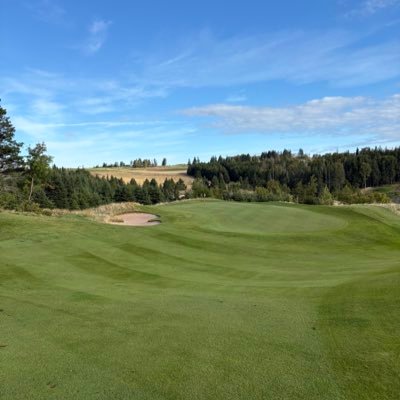


In the past 12 days this man has aerated 38 greens and 90 tee decks at Dundarave and Brudenell and today he started out doing some more… in the snow!!! The King of aeration Doug MacGregor!!
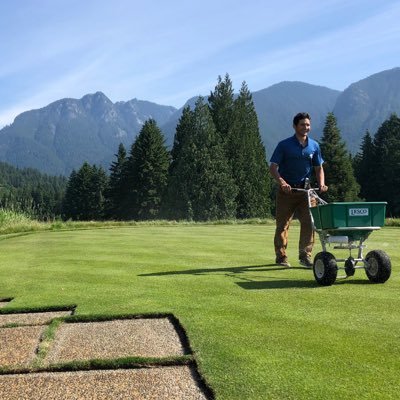
I am excited to announce an opportunity for our 2024 season. We are hiring for an Assistant Superintendent at Cabot Cliffs! QR code for more details.
The Aaron Rodgers injury has reignited the NFL debate about natural grass vs. artificial turf fields. But the data is clear — natural grass is safer. Here's a breakdown of the data and an explanation of why NFL owners are still hesitant to make the change. The irony here is that artificial turf was actually created to make people healthy, not hurt them. A U.S. military study from the 1950s revealed that young people living in urban areas were less physically fit than their suburban counterparts. So the Ford Foundation chalked this up to the lack of natural grass in most major cities and spent millions developing a synthetic solution for urban playgrounds. But the industry blew up because of sports teams. The Houston Astros were the first team to install artificial turf when they opened the Astrodome in 1965. And within just five years, more than a dozen other pro and college stadiums also went fully synthetic. Former NFL commissioner Pete Rozelle even said: "In five to ten years, any problems about playing championship games in cold-weather towns will be resolved - we’ll have artificial turf on all of our fields by then.” And Pete Rozell wasn't necessarily wrong. There are more than 8,000 artificial turf fields in the United States today — and 16 of the NFL's 32 teams have artificial turf in their home stadium, including the NY Giants and Jets, Dallas Cowboys, Buffalo Bills, LA Rams and Chargers, and more. So why do half of the NFL’s 32 owners insist on having artificial turf fields? Well, the most obvious reason is money. Artificial turf companies have long bragged about how their product can save sports teams millions of dollars annually on maintenance. They talk about how it remains consistent in every environment, including rain, sleet, or snow. And they lure owners in with the promise that they’ll be able to host other money-making events at their multi-billion-dollar stadiums, like concerts and basketball games. This enables owners to eliminate seven to eight figures in annual maintenance costs and creatively turn something typically seen as a liability into a cash-generating asset. But just because it’s good for the owner's pocket doesn’t mean it's good for player safety. NFL players have been complaining about artificial turf fields since the 1970s, and NFLPA President JC Tretter even wrote an open letter to the NFL last year saying, "Artificial turf is significantly harder on the body than grass." But he didn’t just make the claim - he backed it up with data. Tretter referenced an independent study that found players have a 28% higher rate of non-contact lower extremity injuries when playing on artificial turf. And of those non-contact injuries, players have a 32% higher rate of non-contact knee injuries on turf and a staggering 69% higher rate of non-contact foot or ankle injuries on turf compared to grass. And it's not like there aren't other solutions. The Las Vegas Raiders and Arizona Cardinals have already engineered and installed retractable field systems. This allows them to push the field outside during the week so it can get the required maintenance and sunlight, and then they move it back inside roughly 24 hours before each game. And if owners didn’t want to give up parking spaces, there’s even a solution for that. Real Madrid's new stadium has a fully retractable pitch that can be stored beneath the stadium with the push of a button. The $250 million underground greenhouse includes ventilation, air conditioning, irrigation systems, LED lighting, control cameras, and ultraviolet light therapy to maintain the pitch. But more importantly, it proves that natural grass fields can be used in any environment. So the NFL’s excuses are starting to run dry. Player safety has become a big issue within the world’s most profitable sport. And with owners having the ultimate amount of leverage against individual players, it'll probably be up to the NFLPA to negotiate this into a future CBA. ** If you like learning about the money and business behind sports, subscribe to my 3x weekly podcast. Apple: podcasts.apple.com/us/podcast/the… Spotify: open.spotify.com/show/5PLKKWZNo…
Thanking those that work so hard to create enjoyable spaces for all of us. Happy #ThankASuper Day to our members!
Keith David RASMUS July 6, 1965 - July 26, 2023 allturf.ca/news/news-arti…

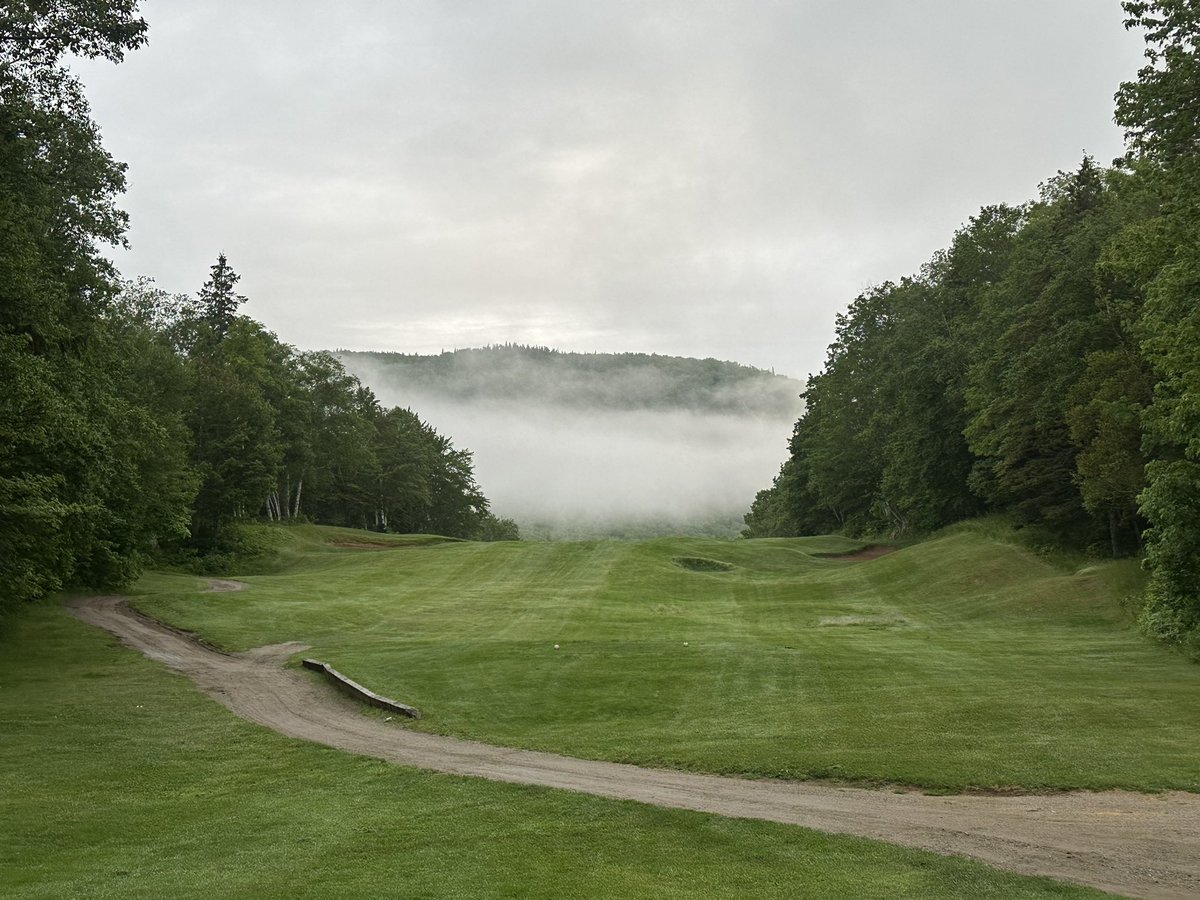
Unbelievable.

New blog post: Who are you?: The identity of the Greenkeeper has always been one of adaptation and evolution. From Old Tom Morris, to Bill Murray’s lovable Caddyshack character, Carl Spackler, to our present day incarnation, Superintendents and Course… dlvr.it/Sq9vGD