@Strijder124 Daar kon je op wachten. Spontane ontbranding door D66 global boiling. D66 zal alles aanpakken om de temperatuur 0.00038 graden te laten zakken. Dan stoppen deze magische branden namelijk....
Nederlands
Jan de Vries
17.7K posts






De Turkse groepering Hollanda Halk Cephesi vandaag in Amsterdam



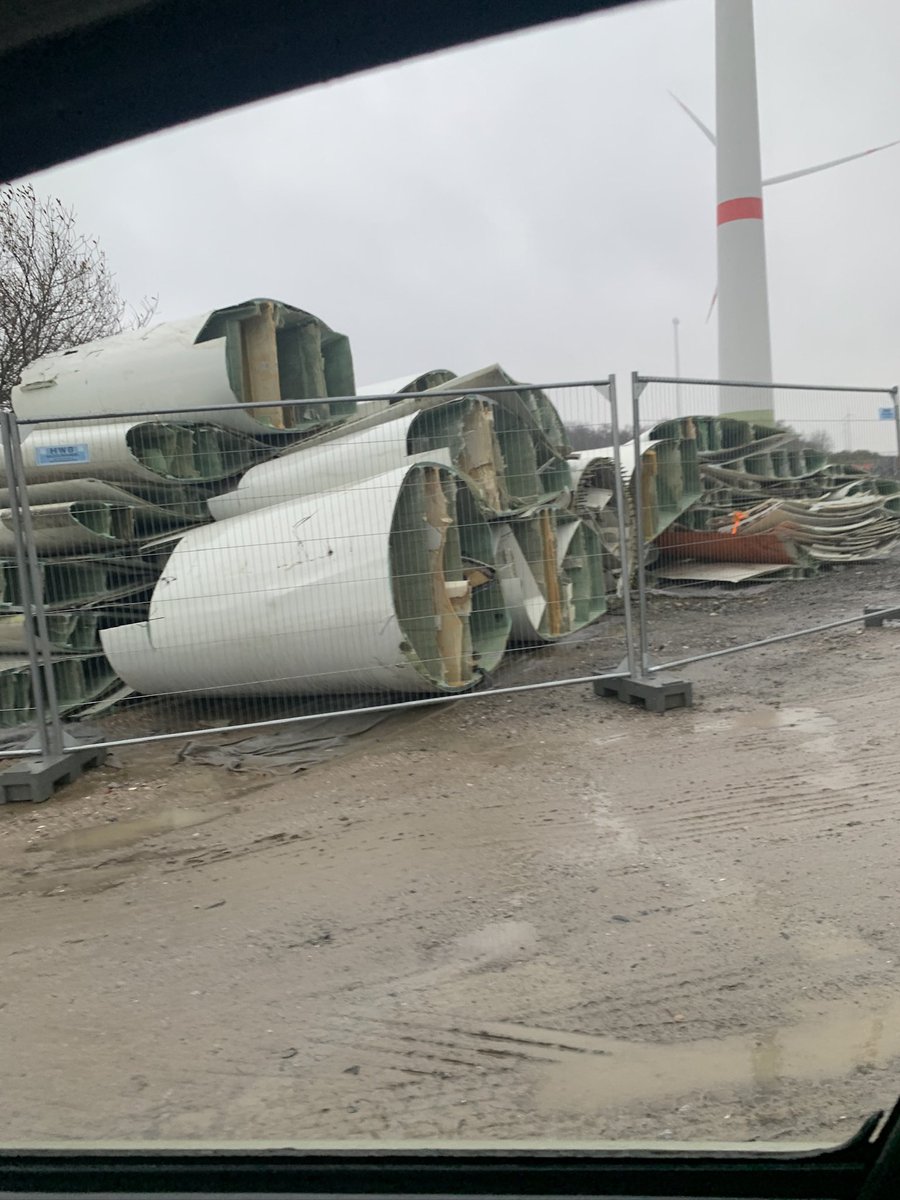
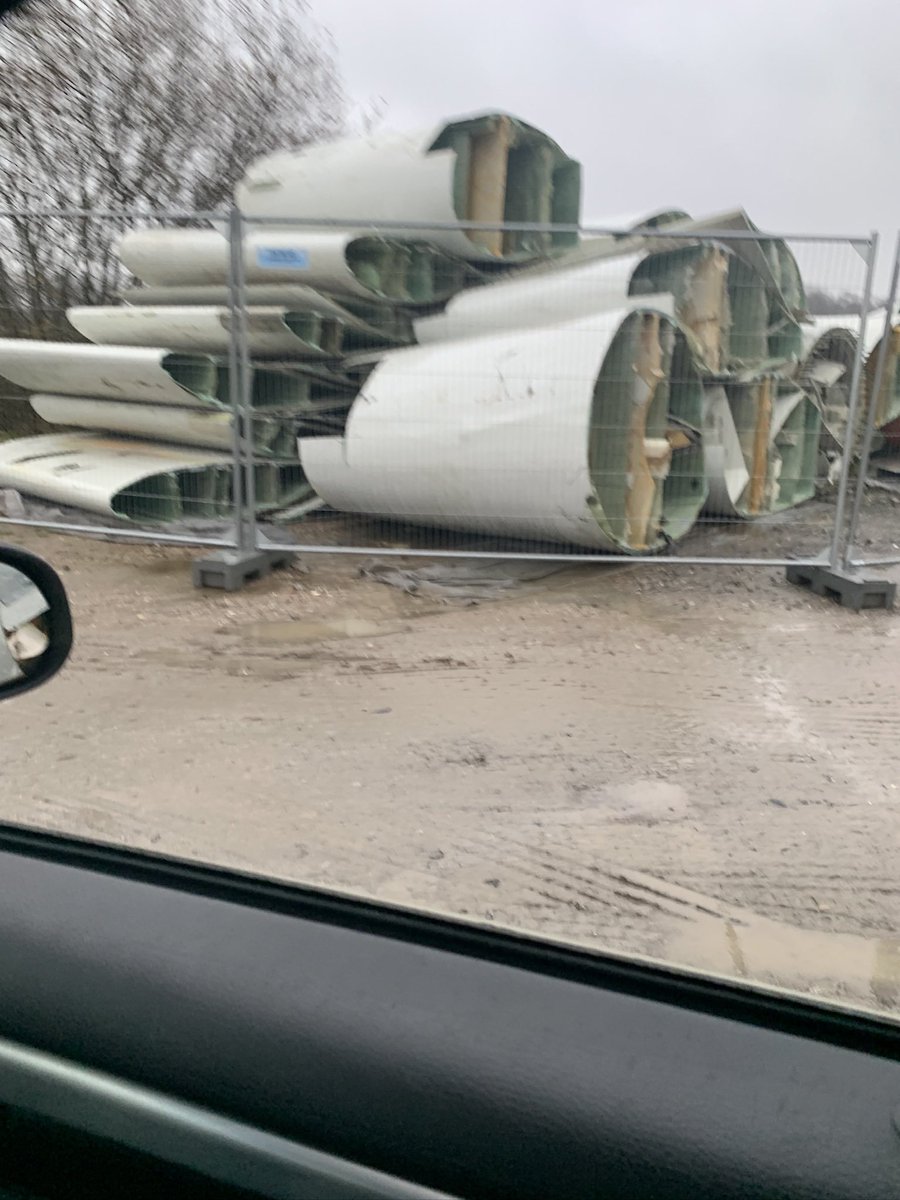

Every wind turbine and solar panel on earth today is expected to be decommissioned and replaced long before Net Zero in 2050. We aren't just building a new energy grid, we're initiating the world’s largest, most resource-intensive replacement cycle. The staggering cost of these recurring cycles is expected to add trillions to an already massive price tag. McKinsey Global estimates the transition requires $9.2 trillion per year, totaling $275 trillion by 2050. However, these figures are only the baseline - they don't account for the new price ceiling driven by the physical failure and required replacement of first-generation infrastructure. Most of today’s 225,000 wind turbines (over 1.2 TW capacity) will exceed their 20–30 year lifespans by 2050. This necessitates waves of decommissioning or 'repowering' on a scale never seen before. With wingspans rivaling an Airbus A380 or Boeing 747, these massive composite structures are fueling blade graveyards that present a disposal challenge unmatched in human history. Projections suggest 43 million tonnes of blade waste and 60–80 million tonnes of solar PV waste by 2050. A global rebuild of this scale must compete for finite resources. China currently refines 90% of the global rare earth supply, creating a precarious geopolitical dependency for the permanent magnet technology required for modern turbines. * Rare earths: Neodymium and praseodymium for magnets; dysprosium and terbium for heat resistance. * Essential metals: Massive quantities of copper for wiring, tungsten for components, and tin for soldering. * Physical scale: Larger direct-drive turbines require 0.5–2 tonnes of rare-earth magnets per MW, supported by vast quantities of steel and concrete. A 'second transition' is destined to become a third, and a fourth—replacing the entire global inventory every few decades. This demands a WWII-scale 'D-Day' mobilisation of capital and labor, occurring just as subsidies fade and private investment thins due to uneven returns. Furthermore, the 'diesel paradox' remains: heavy mining equipment is still powered by the very same fossil fuels the transition seeks to eliminate. The math suggests a looming collision between physical reality and political agendas. Image: The Casper Regional Landfill in Wyoming has become a global focal point for 'clean energy waste'.





Geen enkele Nederlander te zien.






At least 41 people have been killed as Israel launched 50 air attacks on southern Lebanon in 24 hours, despite a ceasefire being in place since 16 April. More than 2,000 people have been killed as Israel's invasion of Lebanon continues.