

Jani M. I. Turunen 🍀
106.8K posts
Jani M. I. Turunen 🍀
@Janisku7
IT engineer and huge Star Wars fan and also big fan of Nvidia products. #WindowsInsider #twitch Like robots also.
Finland Katılım Temmuz 2009
3.1K Takip Edilen1.1K Takipçiler
gopro it is #Artemis2
GoPro@GoPro
The most historic #GoPro images ever captured. Slide 1: The Moon, seen backlit by the Sun during a solar eclipse on April 6, 2026, is photographed by a GoPro on the Orion spacecraft’s solar array wing. Orion is visible in the foreground on the left. Earth is reflecting sunlight at the left edge of the Moon, which is slightly brighter than the rest of the disk. The bright spot visible just below the Moon’s bottom right edge is Saturn. Beyond that, the bright spot at the right edge of the image is Mars. Slide 2: A GoPro on NASA’s Orion spacecraft captures the Moon and the Earth in one frame during the Artemis II crew’s deep space journey at 6:42 p.m. ET on the sixth day of the mission. The right side of NASA’s Orion spacecraft is seen lit up by the Sun. A waxing crescent Moon is visible behind it. And then, a crescent Earth, tiny compared to the Moon, is about to set below the Moon’s horizon on the right. Slide 3: The Sun is rising at the left edge of the Moon, ending a nearly one-hour total solar eclipse on April 6, 2026. While the Sun hid behind the Moon, the crew aboard the Orion spacecraft, pictured in the forefront, saw a Moon shrouded in night. This offered a perfect opportunity to look for rarely seen phenomena. And the moment delivered. Calling down to Earth at 9 p.m. ET the crew reported seeing six impact flashes, which are light flashes that are created when meteoroids, traveling many thousands of miles per hour, smash into the Moon’s surface. Slide 4: The Orion spacecraft is seen in the foreground lit up by the Sun. A first quarter Moon is visible in the background. Orientale basin, a 600-mile-wide impact crater ringed by mountains, is visible toward the bottom right of the Moon. This basin straddles the Moon’s near and far sides. To the left of Orientale, which has a patch of ancient lava in its basin, is the far side; this is the hemisphere we don’t get to see from Earth. To the right of Orientale is the near side, the hemisphere we see every day from Earth. The nearside is notable for giant, dark patches of ancient lave flows that cover its surface. Credit: @NASA Learn more about GoPro's journey to the moon aboard Artemis II 👉 GoPro.com/news/gopro-cam… #Artemis #NASA #Moon #Space
English
Jani M. I. Turunen 🍀 retweetledi

The eclipse from Orion.
On April 6, external cameras attached to the Orion spacecraft's solar array wings captured the Moon backlit by the Sun during a solar eclipse.

English
kun verotusta pitää keventää ja paljon leikata julkista menoa ja paljon #yleastudio
Suomi
jahas taas sieltä tulee veronkorotus voi hyvää päivää #yleastudio
Suomi
i guess before moon was closer then than this fly by is now
English
@FinanceLancelot nasa have said its about bandwith and given that outside cam is in extracting solar panel end so not distrupt to keep all operational
English
Why did Artemis II have 4K cameras inside the capsule but 240p cameras outside the capsule?
English
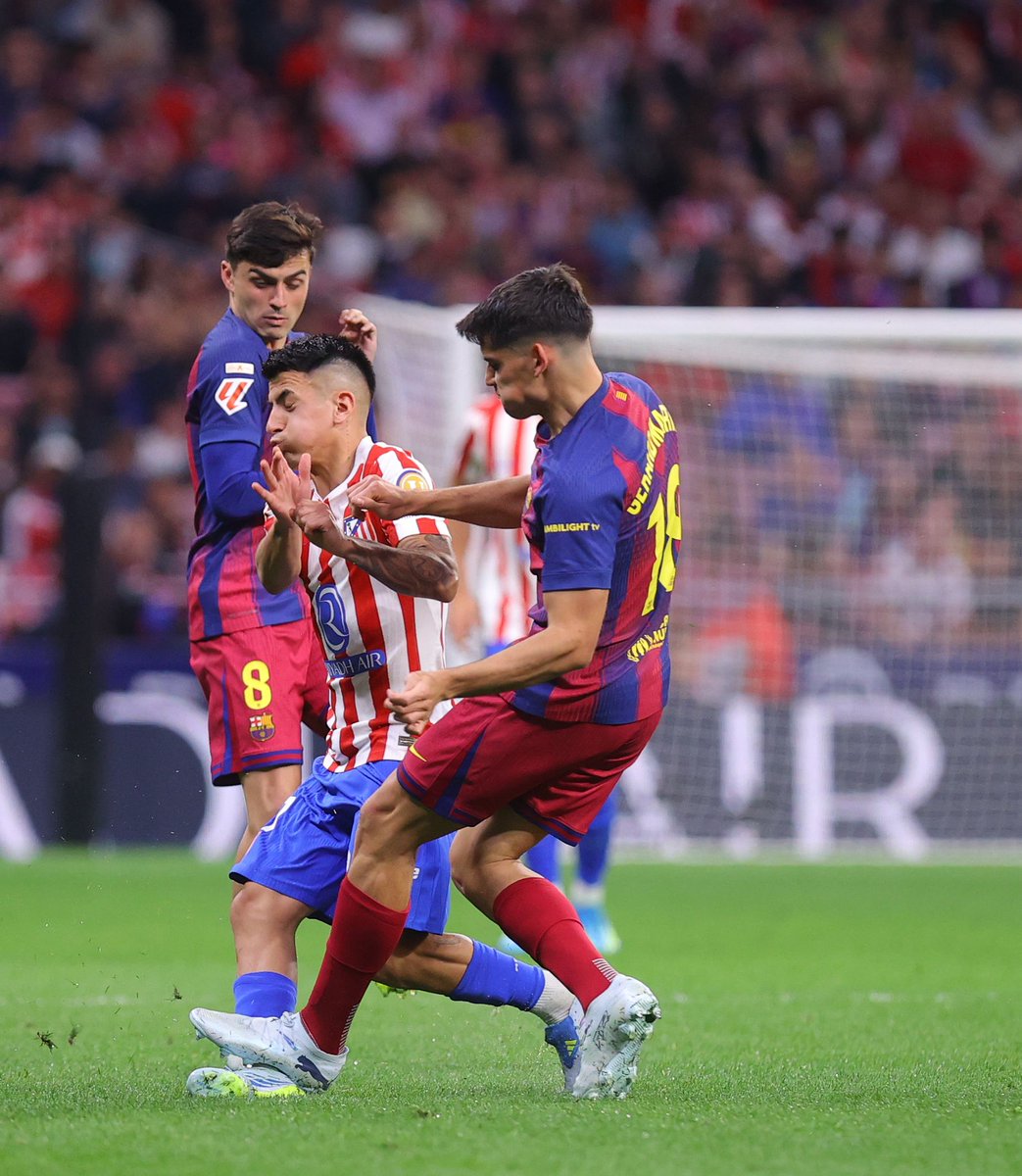
@Adesina21210429 @atletienglish well also it was also more step to opposing player foot as if it wasnt more stretched in lower, other move from martin it could be foul to athletico player side, fast decisions make differences
English

@atletienglish You can only fool those who don't watch the ball with their eyes.
He touched the ball him, so what's your point now?

English


Politiikka olisi kiistatta paljon mielenkiintoisempaa, jos kaikki poliitikot trumppaisivat julkilausumansa. Antakaapa, kun kokeilen, kröhöm...
VALTION BUDJETTI SAATANA TASAPAINOON NIIN KUIN OIS JO TAI VAPAUTAN LOHIKÄÄRMEET JA NE KÄRISTÄÄ TEILTÄ PARRAT JA PERSEET! NE ON KOMEIMMAT LOHIKÄÄRMEET JA NIILLÄ ON KUUMIMMAT LIESKAT. AIKAA YLIHUOMISEEN, TEITÄ ON VAROITETTU! IÄ, IÄ, CTHULHU FHTAGN.
Kansanedustaja TERE J. SAMMALLAHTI
Miltä kuulostaa, lähdetään tästä rakentamaan viestinnän uutta suuntaa?

Suomi
@Janosalonen luultavasti se oli se et atletico madridin pelaaja ei osunu palloo tilantees ja martinen muulin potku siihe jalkaan ja samalla jalkapohja sääriluuhun mut mistä noita tietää #laligafi
Suomi

Olis taas kiva tietää mikä oli niin painava syy tossa Martinen tilanteessa et vaihtui keltaiseksi! Jalkapohjalla sääriluuhun niin ei pitäisi olla mitään epäselvyyttä asiasta #laligafi
Suomi

@ReinoNordin varmaa jotain on cancel-kulttuurissa et ei oo uskallettu haastaa et pelätty vuosia siihe et jos jotain sanoo vastaa olettamuksia ni se henkilö leimataa ja cancellöidää
Suomi
@Janisku7 Oikeastaan mitään kantoja ei uutisoida sehän se ongelma on. Jos ei ole näkökulmia ei synny keskustelua eikä älykkäitä olettamuksia saatika sitten päätöksiä tai mitään mikä voisi liittyä todellisuuteen 😅 kenen intressi se on?
Suomi
Oletteko huomannut että yhtään uutista ei vieläkään ole Californian tai Minnesotan korruptiosta suomalaisessa mediassa. Hiljaisuus kertoo omaa tarinaansa. Follow the money
Suomi
@SarasvuoJari aikoinaa jotkut aikuiset työskenteli kaivoksilla ja nuoriso unelmoi esim avaruudesta ja rakettien laukasusta et pääsee avaruutee et voi sanoo et kovasti menty metsää
Suomi
Oletteko huomanneet, että maan näivettäminen erilaisilla hullutuksilla on edennyt jo vaarasta varsinaiseen vahinkoon?
Tässähän aletaan kipeästi tarvita aikuisia korjaamaan kakaroiden rikkoma yhteiskunta.
Marko Vestola@markovestola
Kaveri kertoi pojastaan joka opiskelee automaatiotekniikan dippainssiksi 4. vuosikurssilla. Ennen vanhaan nämä osaajat revittiin teollisuuteen ja muihin alan hommiin. Nyt yksi kurssilta oli saanut kesäksi alan työtä Lapista kaivokselta. Hieman semmoin 'WTF?' -fiilis tuli.
Suomi
@SamiOHK @AiHankala @kimvaisanen se perintö jossain tapauksis ei tuu omille lapsille vaan lapsenlapsille jolloin se valmistelu kokoajan ni ne osaa käytännöt myös. osana sitä et antaa perintöä ni on se et valmistelee niitä siihe jolloin helppo testamentata se perintö niille jotka ansaitsee sen
Suomi

@Janisku7 @AiHankala @kimvaisanen Pointti on siinä että jos me, tai kun me opetetaan korvaamaan käytäntö rahalla, he eivät osaa sitä käytäntöä.
Suomi

Näillä innovatiivisilla EK:n keinoilla Suomi uuteen nousuun!

Suomi