Jean 佘 🌿🙃

6.5K posts

Jean 佘 🌿🙃 banner
Jean 佘 🌿🙃

Jean 佘 🌿🙃

@JeanElizabethML

Hísenna! 🌻 🇸🇬 ✝️ Aspie. 📚 Support: @Dads_For_Kids, @MercatorNet, @IgnitumToday, @readNewsWeekly, @TheCanDec

Brisbane, Queensland Katılım Nisan 2012
3.3K Takip Edilen682 Takipçiler
Jean 佘 🌿🙃 retweetledi
Esteban Rafael
Esteban Rafael@EstebanRafaelJr·
✝️ Japón acaba de abrir una grieta histórica dentro de una de las instituciones más cerradas y simbólicas del planeta: la Casa Imperial. La princesa Nobuko, católica practicante, ahora lidera una nueva rama oficial dentro de la familia imperial japonesa. No, esto no significa que “Japón será católico mañana”. Pero sí revela algo mucho más profundo: incluso en civilizaciones moldeadas por siglos de sintoísmo y secularismo moderno, el catolicismo vuelve a aparecer donde nadie lo esperaba. Mientras Occidente reniega de su herencia cristiana y se hunde en nihilismo, Japón enfrenta una crisis demográfica, espiritual y civilizacional brutal. Y en medio de ese vacío, la fe católica comienza a ganar presencia silenciosa dentro de la institución más antigua del país. La historia demuestra que las conversiones de élites cambian civilizaciones enteras. Pasó en Roma. Pasó en Europa. Y Japón ya tiene mártires, samuráis cristianos y una sangre católica que jamás desapareció. Dios escribe la historia incluso cuando el mundo cree haberlo expulsado. ✝️ Viva Cristo Rey
Abrace a Tradição@abracetradicao

Um imperador católico poderá surgir no Japão. 🇯🇵✝️ Em setembro de 2025, a princesa Nobuko de Mikasa, viúva do príncipe Tomohito e primeira integrante católica da história da Família Imperial do Japão, instituiu um novo ramo da Casa Imperial. A decisão, aprovada pelo Conselho de Economia da Casa Imperial em 30 de setembro de 2025, resulta de uma reorganização interna e marca um fato inédito desde o final do século XIX. Até então, Nobuko integrava o ramo Mikasa. Com a mudança, ela passa a chefiar sua própria subfamília independente, recebendo orçamento próprio da Casa Imperial. O fato eleva o número de ramos da Família Imperial de quatro para cinco: Akishino, Hitachi, Mikasa, Takamado e o novo ramo liderado por Nobuko. O novo ramo independente dá à princesa Nobuko orçamento próprio, residência e visibilidade maior. Como católica praticante (nascida na família Asō, batizada na infância e formada em escola católica), ela pode intensificar ações de diálogo e presença pública que valorizem valores cristãos. Isso já planta uma presença católica “dentro” da instituição mais antiga e reverenciada do Japão. Com o tempo, eventos, discursos ou patronatos da princesa Nobuko poderiam normalizar a fé católica como parte da diversidade da Família Imperial, algo inédito. Hoje, a sucessão é restrita a homens da linha masculina (Artigo 1º da Lei da Casa Imperial). Com apenas o príncipe Hisahito (19 anos em 2026) como herdeiro jovem, o Japão vive uma crise demográfica imperial. A pressão pública e parlamentar (61% dos japoneses apoiam uma imperatriz, segundo pesquisas recentes) pode levar a mudanças: permitir que princesas permaneçam na família após o casamento ou adotar descendentes masculinos de antigos ramos imperiais (pré-1947). Se as reformas incluírem maior flexibilidade, o ramo Nobuko ganha peso. Embora as filhas de Nobuko (Akiko e Yoko) não estejam na linha direta hoje, uma abertura maior poderia, no futuro distante, permitir que linhas colaterais com influência católica fossem restauradas ou destacadas. Se a linha masculina direta falhar (cenário extremo, mas discutido), o Parlamento poderia restaurar ramos extintos. Um desses ramos restaurados poderia, hipoteticamente, ter laços familiares ou culturais com o ramo Nobuko. Agora some tudo isso à profunda história do catolicismo no Japão. A Igreja Católica reconhece 42 santos japoneses oficialmente canonizados, incluindo samurais. O Brasil, país com o maior número de católicos no mundo, tem 37 santos canonizados. O potencial do Japão é enorme. Porém, no curto prazo, esse caminho ainda enfrenta enormes barreiras: embora o número de católicos no Japão esteja crescendo, o percentual ainda é baixo em comparação com a população total. O evento de 2025 é, acima de tudo, um belo símbolo de que a fé católica já respira dentro da instituição mais antiga do Japão. Isso planta uma semente que, com graça divina e providência histórica, poderia florescer de formas imprevisíveis. Um passo pequeno, mas histórico. O resto depende do tempo, da oração, da vontade e da conversão do povo japonês.

Español
79
1.5K
6.8K
200.3K
Jean 佘 🌿🙃 retweetledi
Kurt Mahlburg
Kurt Mahlburg@k_mahlburg·
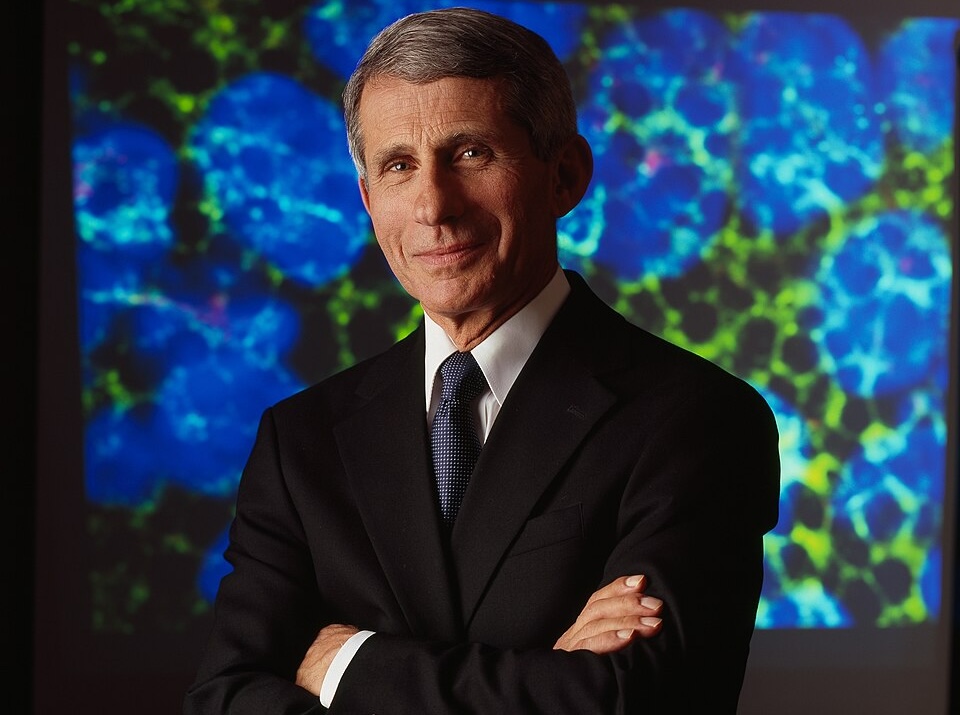
In 4 days, the statute of limitations on charging Dr Anthony Fauci with perjury will expire. He claimed the US never funded gain-of-function research in Wuhan. He lied. Here's the full case against the seediest health bureaucrat in American history 🧵
Kurt Mahlburg tweet media
English
9
44
147
3K
Jean 佘 🌿🙃 retweetledi
Alessandro Palombo
Alessandro Palombo@thealepalombo·
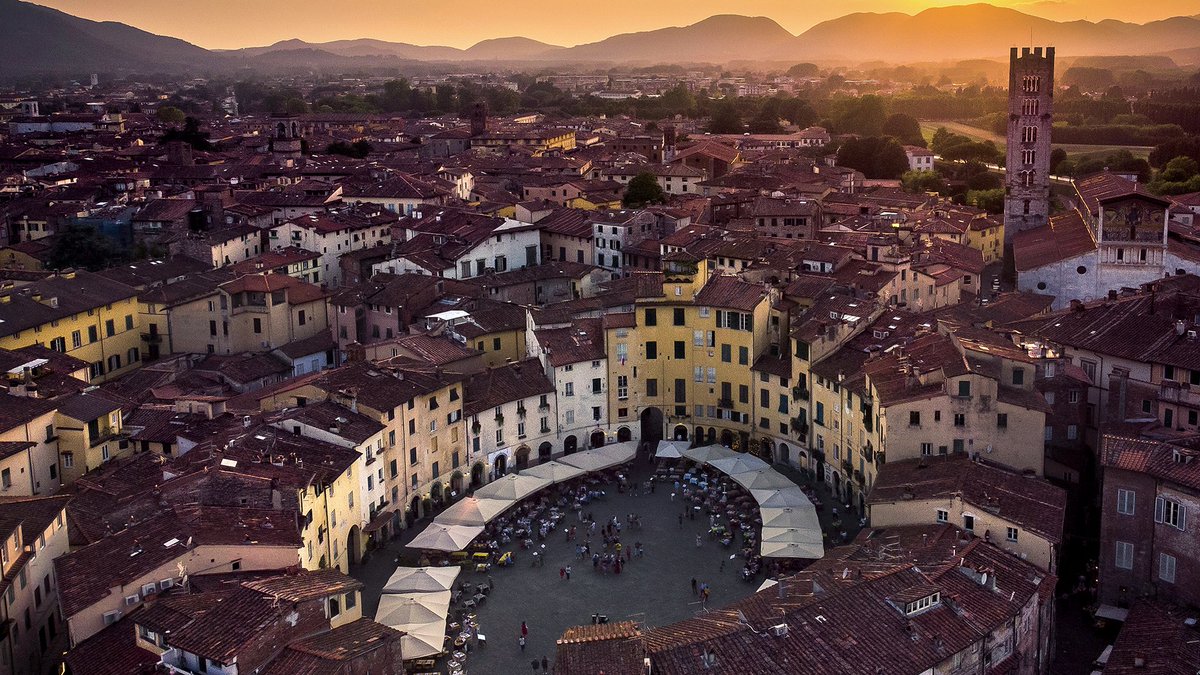
I'm from Central Italy. The Italians I know rarely spend their weekends in the hotspot cities. Not Florence. Not Rome. Not Siena. They drive an hour east, or south, to towns no foreign list ever mentions. Central Italy is the most concentrated cluster of beauty in the world. 9 underrated towns where the piazza is yours, the trattoria is real, and the Renaissance still feels personal. 🧵
Alessandro Palombo tweet mediaAlessandro Palombo tweet mediaAlessandro Palombo tweet media
English
166
856
9K
1.1M
Jean 佘 🌿🙃 retweetledi
Wylfċen
Wylfċen@wylfcen·
The Anglo-Saxons liked to give their daughters names ending in wynn, which was an archaic word for joy. Here were the most common ones: 1. Elfwyn (“elf joy”) 2. Wulfwyn (“wolf joy”) 3. Léofwyn (“beloved joy”) 4. Æðelwyn (“noble joy”) 5. Beornwyn (“bear joy”) 6. Déorwyn (“dear joy”) 7. Óswyn (“god joy”) 8. Berhtwyn (“bright joy”) 9. Sigewyn (“victory joy”) 10. Merewyn (“sea joy”)
Wylfċen tweet media
English
200
999
11.3K
420.2K
Jean 佘 🌿🙃 retweetledi
Anish Moonka
Anish Moonka@anishmoonka·
Having a baby physically shrinks part of a woman's brain. Having a second baby shrinks a totally different part. Scientists in Amsterdam just figured out why, and the explanation involves the same process that happens in teenage brains. This is from a research group in Amsterdam called the Pregnancy Brain Lab. They published their findings in Nature Communications on February 19, 2026. The team scanned the brains of 110 women. 40 were about to have their first baby, 30 were about to have their second, and 40 had never been pregnant. They scanned everyone before pregnancy and again after birth. The results were so consistent that a computer program could look at any of those brain scans and correctly tell whether the woman had been pregnant. Every single time. When a woman has her first baby, the biggest changes happen in the part of the brain that handles thinking about yourself and other people. The same region that runs daydreaming and inner monologue. That whole area visibly shrinks. And it stays shrunk for at least six years after birth, according to a 2021 follow-up study by the same team. When she has a second baby, that same area shifts a little more, but the biggest changes happen somewhere else. They happen in the part of the brain that controls what you focus on, and the part that controls how your body moves. Even the wiring between the brain and the muscles becomes more efficient. Lead researcher Milou Straathof said it looks like the brain rewiring itself for taking care of more than one kid at a time. The shrinking sounds bad. The lab compares it to what happens in teenage brains during puberty. Hormones flood the brain and trigger a kind of cleanup. Weak connections between brain cells get cleared away. The strong ones stay and get stronger. The brain ends up smaller, but the connections that remain work faster. The hormonal flood of pregnancy seems to do the same thing. Elseline Hoekzema, who runs the Pregnancy Brain Lab and has been studying this since 2017, told CNN: sometimes less is more. The pattern is layered. The first pregnancy does the deep work on identity and how a mom thinks about her baby. The second pregnancy adds a new layer focused on attention and movement. About one in five new mothers globally develops postpartum depression. The same brain circuits being remodeled here are the ones tied to mood and bonding with the baby. Mapping what a healthy maternal brain looks like is the first step toward catching when something goes wrong.
All day Astronomy@forallcurious

🚨: A second pregnancy transforms the brain, making it sharper and more efficient as it adapts to caring for two children, research finds.

English
269
4.4K
27.4K
6M
Jean 佘 🌿🙃 retweetledi
Internet Archive
Internet Archive@internetarchive·
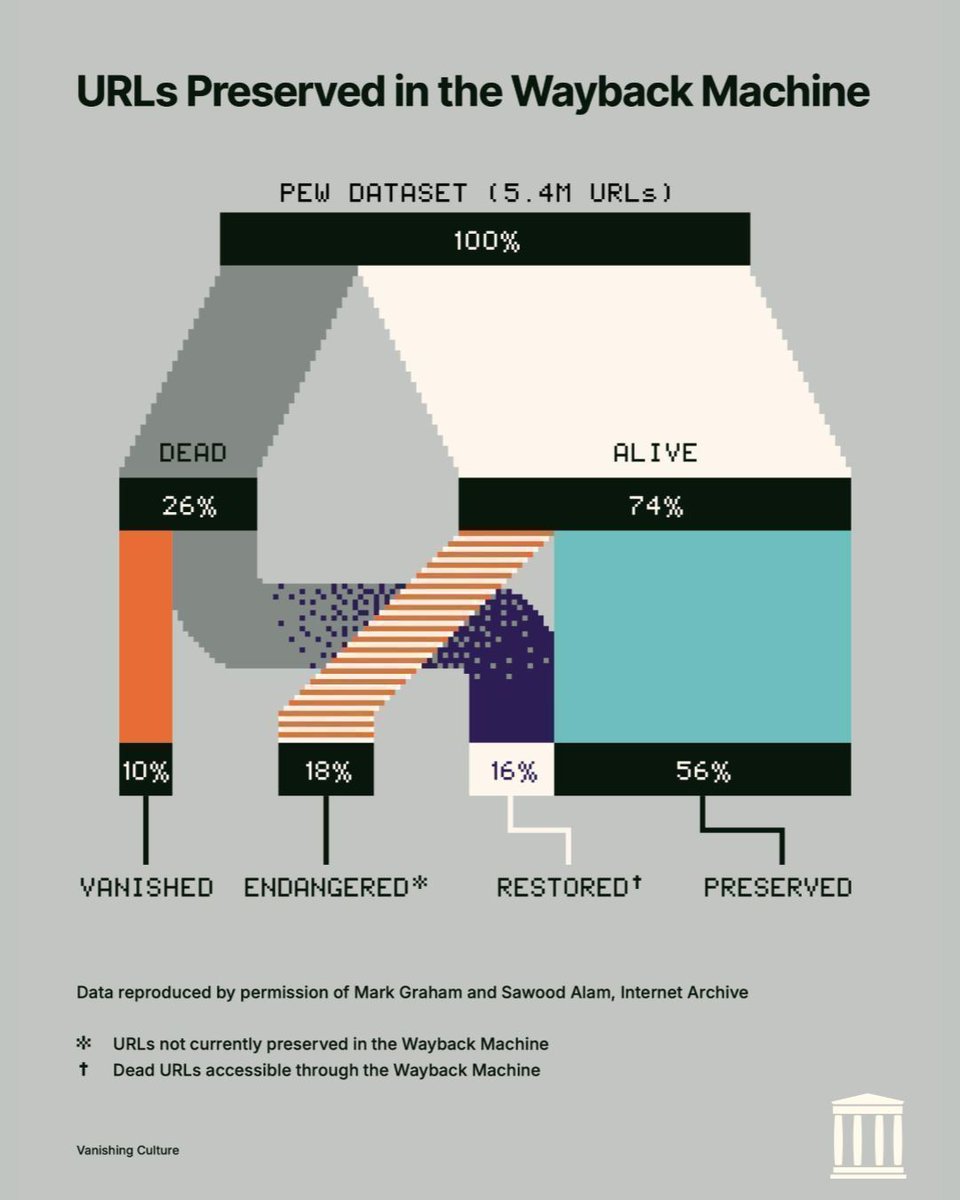
The web is disappearing 🕳️ According to a Pew Research Center report, 26% of pages from 2013-2023 are no longer accessible. But that’s not the whole story. In a new study published in Internet Archive's book, VANISHING CULTURE, data scientists working with the Wayback Machine have found: 16% have been restored through the Wayback Machine. 56% are preserved before they disappear. Preservation is the remedy for cultural loss. 📚 Read VANISHING CULTURE free from the Internet Archive 📖 Download & read: archive.org/details/vanish… 🛒 Purchase in print: betterworldbooks.com/product/detail… #VanishingCulture #DigitalMemory #InternetArchive #BookTwitter
Internet Archive tweet media
English
172
4.5K
12.4K
471.9K
Jean 佘 🌿🙃 retweetledi
karen woodall
karen woodall@woodallthoughts·
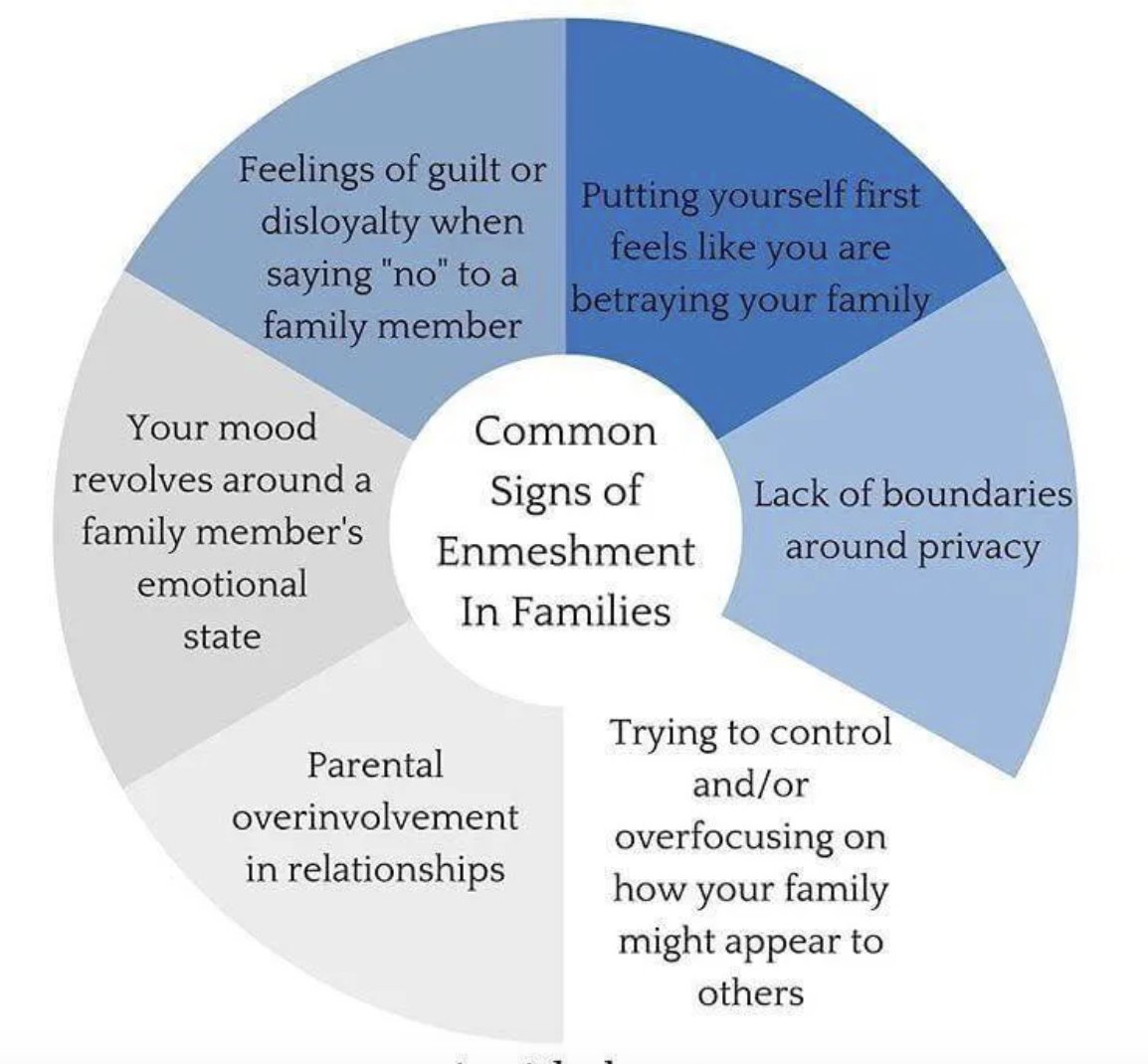
Enmeshment is one of the most common patterns of emotional and psychological abuse in families. It can be caused by traumatic shock which locks generations together, personality disorder, which causes inability to differentiate self from other and coercive control.
karen woodall tweet media
English
10
132
726
59.2K
Jean 佘 🌿🙃 retweetledi
Evan
Evan@EvanWritesOnX·
Australia was not established as a nation-building project. It was established as an extraction platform. The British did not colonize Australia to build a civilization. They colonized it to extract l; first convict labor, then wool, then gold, then minerals, then gas. The political architecture was built around that extraction logic from day one, and it has never been restructured away from it. You assume the state exists to serve the population, and therefore bad outcomes must mean the state is being run poorly. Australia is not a sovereign state that happens to have a mining sector. It is a private sector extraction platform that happens to have citizens. Every Australian who “owns” a home is servicing a debt instrument that enriches the FIC. The minerals get dug up by foreign-owned multinationals. The profits get distributed to global shareholders. The taxation office is structured; by design, through decades of lobbying, to ensure the extraction proceeds leave the country with minimal sovereign capture. The politicians are doing exactly what the structure requires of them: absorbing public anger, rotating every few years to reset the pressure valve. Australia is not mismanaged. Australia is managed perfectly, just not for Australians.
Simon Ree@simon_ree

Australia was handed one of the greatest starting positions of any country in history Massive mineral wealth. Abundant energy. World-class beaches. Amazing climate. No fault lines... no earthquakes or tsunamis If you gave a 12-year-old this setup in a civilisation-building game, they'd build a paradise Instead, we got decades of useless politicians on both sides of the aisle who couldn't run a sausage sizzle at Bunnings without a $4 billion feasibility study and a royal commission Australia isn't unlucky. It's grossly mismanaged

English
406
2K
7K
458.9K
Jean 佘 🌿🙃 retweetledi
Rorate Caeli
Rorate Caeli@RorateCaeli·
In Naples, a whole "belltower" in the Palm Sunday Procession:
English
104
1.2K
10.5K
358.1K
Jean 佘 🌿🙃 retweetledi
Khairallah AL-Awady
Khairallah AL-Awady@eng_khairallah1·
🚨 BREAKING: Someone just open-sourced a full offline computer that keeps working when the entire internet goes down. It's called Project N.O.M.A.D. Bookmark it for later. A self-contained offline server with AI, Wikipedia, maps, medical references, and full education courses. All running on your own hardware. No internet. No cloud. No subscription. No telemetry. Companies sell "prepper drives" with static PDFs for hundreds of dollars. This gives you a full AI brain, an entire encyclopedia, and real interactive courses. Free. Forever. What's packed inside: → A fully offline AI assistant powered by Ollama with GPU acceleration (NVIDIA auto-detected) → All of Wikipedia, downloadable and searchable without a connection → Offline maps of any region you choose via OpenStreetMap data → Medical references and survival guides → Full Khan Academy courses with progress tracking → Document upload with semantic search (local RAG) → Project Gutenberg library (60,000+ free books) → Everything accessible through your browser from any device on your local network Here's the part that hits different: A solar panel. A battery. A mini PC. A WiFi access point. That's your entire off-grid knowledge station. Runs on 15 to 65 watts. Works from a cabin, an RV, a sailboat, or a bunker. Internet goes down? You still have AI. You still have maps. You still have medical info. You still have an entire encyclopedia. You still have courses for your kids. 100% Open Source. Apache 2.0 License. (Link in the comments)
Khairallah AL-Awady tweet media
English
198
1.9K
7.9K
508.9K
Jean 佘 🌿🙃 retweetledi
Alessandro Palombo
Alessandro Palombo@thealepalombo·
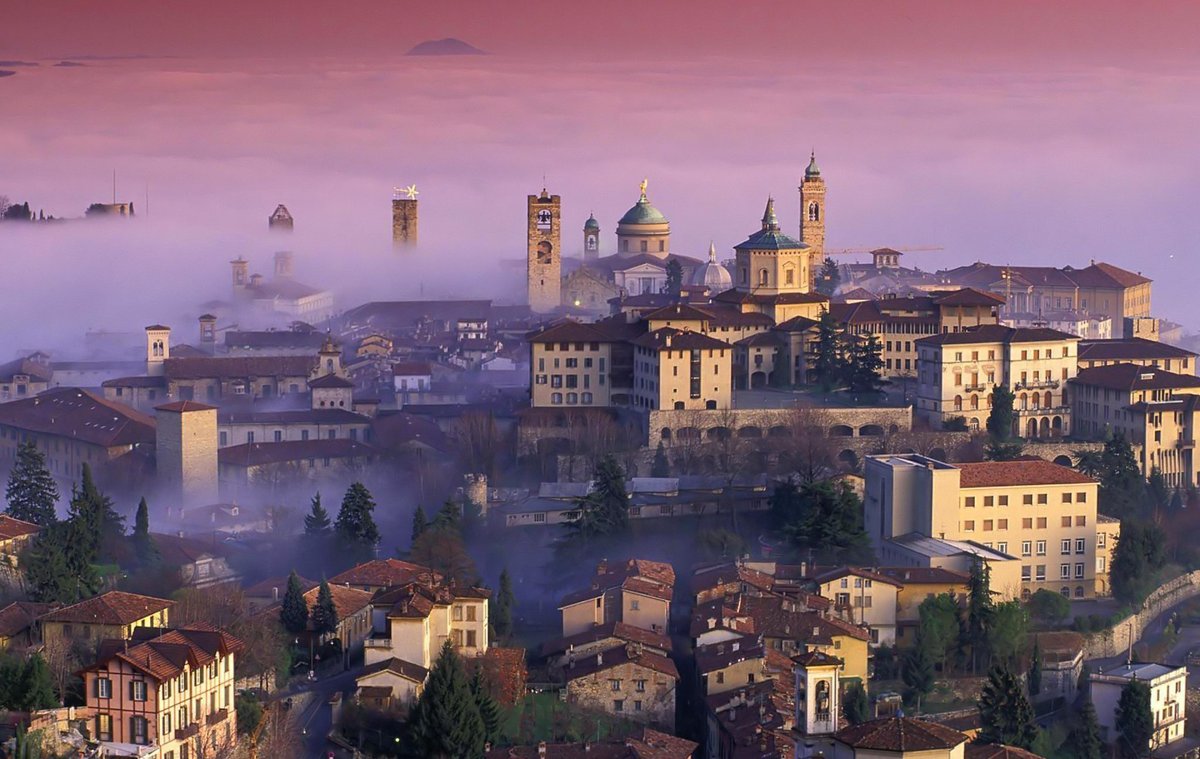
I'm Italian. I just got back from Rome. Over dinner, old friends and I started arguing about the same thing we always argue about: which cities in Italy are genuinely incredible but nobody ever talks about? We went back and forth for hours. By the end of the night, we had a list. 7 hidden cities that most people, including most Italians, will never think to visit, let alone move to. No crowds. No tourist markup. Insane quality of life. Thread 🧵
Alessandro Palombo tweet mediaAlessandro Palombo tweet media
English
392
1.1K
11.9K
2.6M
Jean 佘 🌿🙃 retweetledi
Josh Wood
Josh Wood@J_K_Wood·
After this moment, these men will statistically earn more, live longer, nearly halve their substance use, commit far less crime, and have their brains literally rewired for protection. Men need children. Children need fathers. Society needs both.
English
719
5.8K
43.9K
2.9M
Jean 佘 🌿🙃 retweetledi
Chidanand Tripathi
Chidanand Tripathi@thetripathi58·
Stop treating your phone like a diary. It’s a tracking beacon with a camera. In 2026, "Privacy" isn't a setting, it's a battle. If you haven't audited your device, you aren't a user; you're the product being mined 24/7. Here is the 18-step "Ghost Protocol" to reclaim your phone from the 1% who own your data.
English
102
2.3K
8K
984.6K
Jean 佘 🌿🙃 retweetledi
𝐓𝐡𝐞 𝐏𝐫𝐨𝐟𝐞𝐬𝐬𝐨𝐫
@Diptish09 Good 👍 I have found that framing answers with the STAR method (Situation, Task, Action, Result) helps structure this even better, especially quantifying the impact like reduced costs by 20%.
English
0
1
11
4.1K
Jean 佘 🌿🙃 retweetledi
The Cultural Tutor
The Cultural Tutor@culturaltutor·
I’ve made a short film. Look at the things around you: doors, bins, staircases, furniture, railings, doorhandles, windows. Do you like how they look, or not? Modern design has become boring, but it doesn’t have to be this way. The word “beautiful” is overused. We don’t need “beautiful” lamps, bus stops, and water fountains – we just need lamps, bus stops, and water fountains that are interesting, that actually mean something. Or, at the very least, not boring. Because the aesthetics of architecture and urban design aren’t just a bonus; they totally change how we think, feel, and behave. Boring environments make us more stressed and less productive; they erode our sense of community; they make us sadder, less trusting, and lonelier. A boring world is one where we spend even more time online and where our addictions are even harder to battle. The Problem There is global, widespread dissatisfaction with how the world looks. In this film, and the series it will lead to, we want to investigate that feeling and give it a voice. The point isn’t that we should return to the past or get rid of modernism. It’s about learning from the past in order to improve the present, and about giving the public what they very clearly want, which isn’t the eradication of modernism but the co-existence of modernism AND traditionalism. Just look where tourists go, where they take their photos, and that tells you everything you need to know about what most people find interesting or beautiful. And look at where people go on holiday. It’s always to cities filled with old architecture and design, with churches and mosques and palaces, with charming little alleyways and stone staircases and wrought-iron railings. Of the world’s fifty most visited buildings, only four were made in the 20th century, and they’re all museums or memorials. There’s a reason why posts about this go viral online all the time. Regardless of why the change happened, it is clearly the case that we no longer make things how we used to. People are rightly confused by the fact that old lamp posts (to take the example we focus on in the film) are usually so pretty, while modern ones are usually so boring. Some people say this is just an example of survivorship bias… and they’re mostly correct. But that’s the whole point! Saying old buildings are usually prettier than modern buildings is not to say that architecture used to be better, or that the past was better. It is simply to say that certain kinds of buildings, because they have been preserved, are good examples of what people like most. In which case... shouldn't we try to design at least some buildings in a way that we know people like? A Unifying Cause Everybody, from all sides of the political spectrum and all backgrounds, stands to benefit from a world that is designed more thoughtfully and imaginatively. The world could be such a colourful, meaningful, and thrilling place! So this isn’t about left versus right or conservatism versus progressivism; it’s about making our world a more interesting and meaningful place to live in. This should be a unifying cause, because everybody loses out when our homes and cities are badly designed. I want this film to unite people who think they’re on opposite sides, and to create a consensus that we need to change our approach to how we design our buildings and the objects – benches, bus stops, bins, lamp posts, aircon units – that fill our cities. The Importance of Details We are incredibly rich and have a sprawling choice of shows to stream, phones to buy, or shoes to wear… but everything feels more and more generic all the time. If you want to understand a society, don’t listen to what it says about itself – look at what it creates. You can learn everything about the Victorians – the good and the bad – just by looking at their lamp posts. And what do the ordinary details of the modern world say about us? That we are technologically advanced, very efficient… and care more about making money, about making things as quickly and cheaply as possible, than making our world an enjoyable place to actually live in. It’s important to learn about why and how things have changed, but that’s for another time. The first step is establishing that the public aren’t happy with modern architecture and design, and that something needs to be done. But what we need isn’t a total revival of so-called ‘traditionalism’; the truth is that traditionalism and modernism can (and should) co-exist. The trouble right now is that we only have one, and that people are tired of it. The Power of Noticing But this film (and the series it will, all being well, lead to) is about more than the specific argument it presents. Above all it’s about a way of seeing the world around us, a way of noticing and thinking. “How you do anything is how you do everything.” That is probably true, and it also applies to whole societies, not just individuals; a single doorbell implies everything else about the whole socio-economic and political system that gave rise to its creation. And, beyond being merely “useful”, the ability to notice details makes the world a richer place to live in, and life a richer thing to lead. This is what the film is about, more than anything: the power and joy of noticing. A Bigger Project This short film is just the beginning. We want to make a full series about the history of art and architecture, both for their own sake and also to see what we can learn about life in the twenty-first century and how to improve it. To keep updated you can join our email list over at our website, linked in the reply below. Final Words You can watch the film here on X, or over on YouTube, also linked in the reply below. So… this is where the dream begins, the dream of a new series and the dream of a more charming, more interesting, more meaningful modern world. Spread the word.
English
337
1.2K
7.6K
2.7M
Jean 佘 🌿🙃
Jean 佘 🌿🙃@JeanElizabethML·
@lichthauch I photographed my daughter taking her first steps towards her dad, it's great when someone can do the interacting and someone else can do the recording 😎
English
0
0
0
7
🕊️
🕊️@lichthauch·
I watched a man film his daughter's first steps and he watched it through the screen. she walked toward him and he was not there he was in the rectangle and she reached for a ghost. that is the whole thing now. we are building a perfect archive of a life no one attended
English
301
3.5K
50K
2M
Jean 佘 🌿🙃 retweetledi
🕊️
🕊️@lichthauch·
The father of seven has not finished a thought in four years. he is just moving. feeding. driving. wiping. his brain is soup and his back is finished and he has no opinions about civilization he is too tired for opinions. and meanwhile civilization is growing out of him like he is dirt and he doesnt even notice because there is milk on the floor again. the childfree man has read eleven books this year about the decline of the west and he is the decline and the books are the evidence and he will understand this at fifty eight in a room that is very clean and very quiet
English
494
2.4K
23.5K
1.6M
Jean 佘 🌿🙃 retweetledi
Muhammad Ayan
Muhammad Ayan@socialwithaayan·
Deleting your browser history doesn’t erase your past. Google still has the receipts. Here’s how to actually clean up your digital footprint:
Muhammad Ayan tweet media
English
57
2.4K
8.9K
2.3M
Jean 佘 🌿🙃 retweetledi
Ejaz Gujjar
Ejaz Gujjar@EjazGujjar55·
Good evening
Ejaz Gujjar tweet media
English
16
189
671
7K