Jan Jedryszek

552 posts

Jan Jedryszek banner
Jan Jedryszek

Jan Jedryszek

@JedryszekJan

working on @bioticorg I laugh at my own jokes 🙃

Munich, Bavaria Katılım Mayıs 2016
890 Takip Edilen232 Takipçiler
Sabitlenmiş Tweet
Jan Jedryszek
Jan Jedryszek@JedryszekJan·
Why we made @Bioticorg. I believe biology today stands roughly where construction and civil engineering stood 300 years ago. That needs to change. A Thread 🧵
English
1
2
16
8.8K
Jan Jedryszek retweetledi
😈
😈@turtlekiosk·
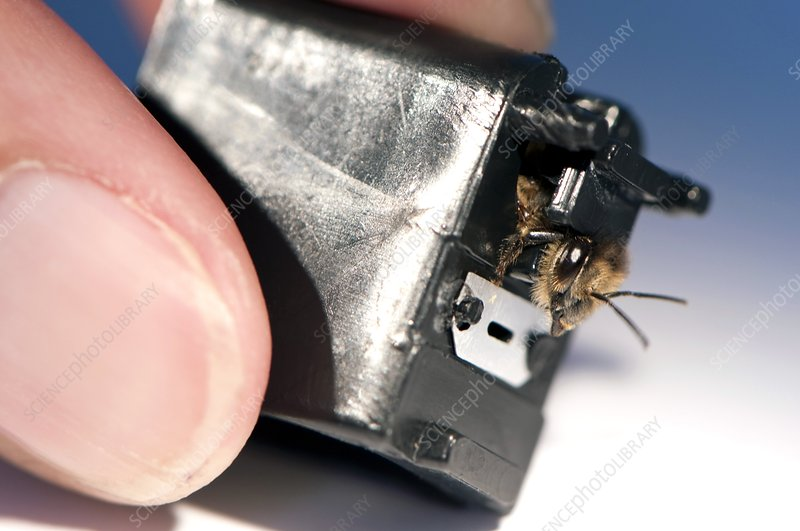
thinking about the chemical detector cartridge that just holds a bee
😈 tweet media
English
38
38
1.1K
1.4M
Jan Jedryszek retweetledi
Niko McCarty.
Niko McCarty.@NikoMcCarty·
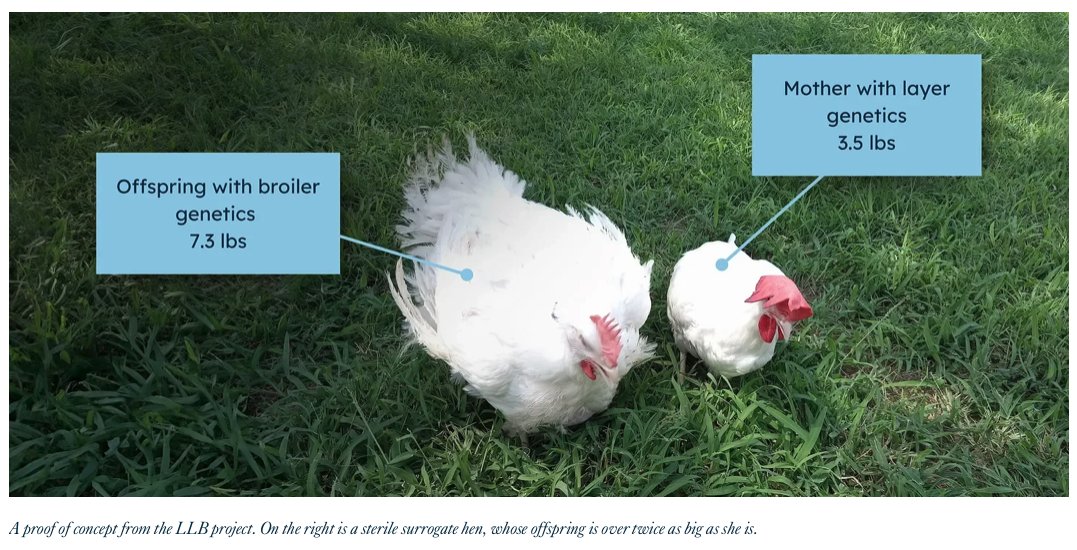
A company, NextHen, made a technology that enables chickens to lay eggs of a different breed. In other words, a 'layer' hen (optimized for egg laying) can lay eggs that hatch into broiler chicks, which are specially bred to grow fast and make more meat. In the 1950s, a typical chicken laid about 150 eggs per year. Since then, companies have bred and selected chickens so intensely that modern 'layer' chickens lay ~400 eggs per year. Companies have also bred chickens to grow over four times the weight of a natural chicken in just 6 weeks (this breed is called 'broilers'). But chickens cannot be both things at once! These are separate genetic lines. Broilers don't lay a lot of eggs, and layers don't make a lot of meat. Both 'lines' have been super highly bred, over many generations, to have distinct genetics. This raises an obvious problem. Namely: Nobody ever 'optimized' broilers to lay eggs, and yet they must lay those eggs to make more broilers (the chicken you buy from the grocery store and eat at home). But the broilers that farmers use to lay eggs suffer a lot during their life. Their bodies grow too large for their legs, and they live in constant pain. "Something you see in broiler breeders a lot is that they're not allowed to eat as much as they'd like to. They're kind of bred to have this voracious appetite so they grow very quickly, but if they were allowed to eat everything they wanted, they would die very quickly — their body wouldn't be able to sustain the weight," says Robert Yaman, CEO of Innovate Animal Ag. "And so they're kept on these restrictive diets, which leads to more aggression. Oftentimes broiler breeders will attack each other, with very high rates of mortality, and they'll just kind of be hungry all the time." Biotech can fix this! The way that this technology works is that you take a layer line and you genetically edit it to be inducibly sterile. In other words, some trigger causes the layer hen to lose its natural germ cells, so it's a sterile bird. Then, as those sterile layers (are developing inside the egg, you inject the germ cells of a fast-growth broiler breed into that egg. So the chicken itself is a layer, but its germ cells are now broiler germ cells. And when this chicken grows up, the offspring it makes will be fast-growth broiler chickens. This technology works in chickens because the bird itself and its germ cells are separable during development Why might this be good? First, because it makes farmed chickens more productive, so farmers could (plausibly) keep fewer layer hens on the farm while producing the same amount of meat. And second, because these layers won't live their life in pain, unlike the broiler breeder chickens that farmers currently use. My full podcast with Robert Yaman — on all things biotechnology + chickens — coming in a few weeks!
Niko McCarty. tweet media
English
10
16
122
9.4K
Jan Jedryszek retweetledi
Brian Roemmele
Brian Roemmele@BrianRoemmele·
Frog Gut Bacteria Achieves 100% Tumor Regression in Colorectal Cancer Models Source: Japanese researchers (JAIST) via Good News Network and peer-reviewed in Gut Microbes, Ewingella americana bacteria from Japanese tree frog guts, administered in a single IV dose, wiped out colorectal cancer tumors in mouse models with 100% success. It triggering direct cell killing and immune activation with no side effects. This natural microbial approach could revolutionize targeted cancer therapies is a low-toxicity alternative to other modalities. goodnewsnetwork.org/japanese-find-…
Brian Roemmele tweet media
English
42
209
957
29.3K
Jan Jedryszek retweetledi
SynBioBeta
SynBioBeta@SynBioBeta·
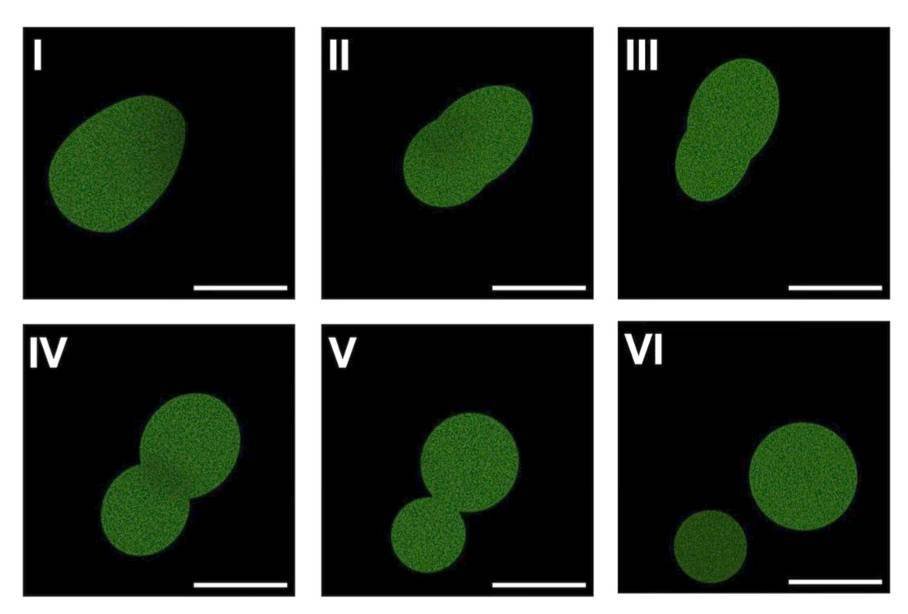
A synthetic cell, built from defined parts. @KateAdamala and the @UMNews team developed SpudCell, a bottom-up synthetic cell that can express proteins, grow, divide, and undergo selection. Now @Bioticorg, co-founded with @DrewEndy, @JedryszekJan and Chris Raggio, is building it into open infrastructure for synthetic cell engineering. synbiobeta.com/read/the-cell-… Subscribe to our newsletter and get the biggest biotech news straight to your inbox 🧬 syntheticbiologysummit.com/2027/early-bir…
SynBioBeta tweet media
English
0
5
11
1.2K
Jan Jedryszek retweetledi
normie.exe is updating
normie.exe is updating@normie_dot_exe·
Based on true events that have not happened yet
normie.exe is updating tweet media
English
68
2.3K
51.9K
424.5K
Jan Jedryszek retweetledi
Alex Petkas
Alex Petkas@costofglory·
ANNOUNCING: Documentary on the Vesuvius Challenge. The story behind the digital unwrapping of the Herculaneum Scrolls, and the people who made it possible (h/t @scrollprize). Probably the biggest humanities story of our generation. (The doc is really good). Coming soon.
Alex Petkas tweet media
English
9
23
178
25.1K
Jan Jedryszek retweetledi
John Cumbers
John Cumbers@johncumbers·
A bioreactor grows one type of cell. A fruit fly grows more than 200 at once. That's the whole bet behind @futurefieldsHQ , and it's a better one than "insects are cheap." 🧵🪰
John Cumbers tweet media
English
2
5
22
1.3K
Jan Jedryszek retweetledi
meme bastard 🍕
meme bastard 🍕@mask_bastard·
fun fact: there are two American flags in this photo
meme bastard 🍕 tweet media
English
249
2.7K
47.6K
2.6M
Jan Jedryszek
Jan Jedryszek@JedryszekJan·
Above all, SpudCell itself is the work of brilliant scientists, and the credit for it belongs to them: Nathaniel Gaut, Christopher Deich, Brock Cash, Tanner Hoog, Aaron Engelhart, Kate Adamala, and the broader community of synthetic cell researchers whose decades of prior work made it possible. This is only the beginning, and I hope you will help us build what comes next!
Jan Jedryszek tweet media
English
0
0
0
119
Jan Jedryszek
Jan Jedryszek@JedryszekJan·
If you cannot explain how a system works, you cannot reliably repair it. You can only compensate for its failures. When we can build a biological system from defined parts, every failure in it becomes diagnosable. You know what each component is supposed to do, so when something breaks you can find out exactly what and exactly why. Over decades, that is the path from treating symptoms toward understanding the molecular causes of disease itself, and from compensating for broken systems toward genuinely repairing them. I believe that glass-box biology and molecular medicine are, in the long run, the same project.
English
1
0
2
188
Jan Jedryszek
Jan Jedryszek@JedryszekJan·
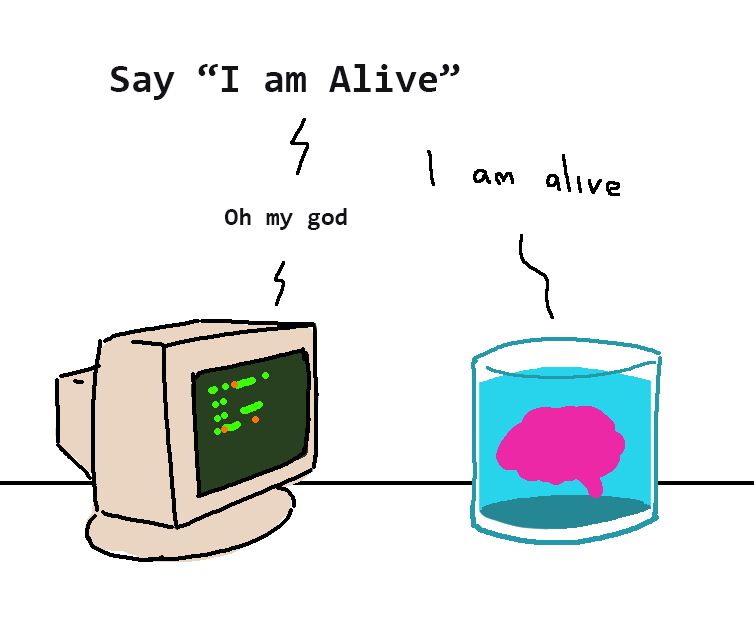
Today, much of biotechnology is built on organisms such as yeast and E. coli that remain, in many respects, extraordinarily complex black boxes. We have become very good at modifying them. Artificial intelligence will likely become better still at finding clever ways to optimize them, nudging and tuning systems we do not fully understand until they do what we want. But optimization is not the same as understanding, and a clever hack, however powerful, is still a hack. Engineering begins somewhere different. It begins when every component is specified, characterized, measurable, understood, and replaceable. That is what we mean by glass-box biology: a biology as transparent and as designable as every other mature engineering discipline. Not a system we have learned to poke effectively, but a system we can read.
English
1
0
0
113
Jan Jedryszek
Jan Jedryszek@JedryszekJan·
Why we made @Bioticorg. I believe biology today stands roughly where construction and civil engineering stood 300 years ago. That needs to change. A Thread 🧵
English
1
2
16
8.8K