
Jen Floyd 💙
157 posts

Jen Floyd 💙
@JenniferSFloyd
Clinical Pharmacist @DorothyHouseHC and @RUHBath
Bath, England Katılım Mart 2011
166 Takip Edilen151 Takipçiler
Jen Floyd 💙 retweetledi

Reminded again tonight how important our specialist pharmacists are chatting on here tonight.
The safety netting, maximising of efficacy and prevention of harm from medical prescribing that these guys do every day goes unnoticed by too many.
@HarrisElayne
English

@Existential_Doc @ShinyBlackShoe Completely agree! Plus a few of our inpatients have found it helpful with managing breathlessness and report it works quicker than oramorph
English

Finding Actimorph a really helpful addition for community settings.
Fixed dose pill reduces potential for accident misdosing compared with drawing up in syringe
Less “glugging”
Portable pill in pocket as opposed to bottle and syringe.
Revised list for X 😊 @ShinyBlackShoe
GIF
English
Jen Floyd 💙 retweetledi

July updates to the Palliative Care Formulary through #MedicinesComplete include a brand-new monograph for Direct oral anticoagulants (DOACs) featuring the latest information on their use in cancer-related VTE.
Find our more: bit.ly/3PZ3McM
English

@mundell_amy @PCCongress With some of the most complex pharmacotherapy (& almost all risk factors for drug related harm in buckets), it always amazes me that not all palliative care teams include specialist pharmacists.
If I was a hospice CEO anything less than daily input would keep me awake at night
English


Jen Floyd 💙 retweetledi

This means 𝐞𝐯𝐞𝐫𝐲𝐭𝐡𝐢𝐧𝐠 ⚔️
Watch @BathRugby vs @SaleSharksRugby battle for the last @premrugby final spot today from 3:30pm
📺 @TNTSports & @discoveryplusUK
English
Jen Floyd 💙 retweetledi

🏉 @ChippenhamRFC minis started 2024 with a weekend that showcased rugby in all its forms, including a trip to see former Chippenham player and current U6s coach @tomdunn92 play for @BathRugby
❤️ Read about how the club hopes to inspire the next generation's love of the game ⬇️
English
Jen Floyd 💙 retweetledi

As part of our preparation for the #MensWalkToSupport, we hosted a very special chat at @BathRugby, featuring some of their players, including our Ambassador @tomdunn92. We'll be dropping the full video later this week, but here's a quick teaser!
English

2️⃣0️⃣0️⃣ appearances for Bath Rugby. Always proud to wear the shirt and we are so proud of him 💙🖤🤍@tomdunn92


English

In 1956, ducklings were utilized as an integral component of medical treatment.
In the realm of medical history, there have been numerous groundbreaking advancements and innovative treatments. However, there are also some lesser-known chapters that offer a glimpse into the peculiar and unconventional approaches taken in the past. One such fascinating example dates back to 1956 when ducklings were utilized as an integral component of medical treatment. This unexpected therapeutic method aimed to provide solace and support to patients during their recovery. Let's explore this intriguing story further.
In the mid-1950s, healthcare professionals embarked on a unique experiment to incorporate ducklings into medical therapy. The rationale behind this unconventional approach stemmed from the belief that the presence of these small, endearing creatures could have a positive impact on patients' emotional well-being, aiding in their recovery process. Hospitals and clinics started introducing ducklings into various departments, particularly those caring for children and individuals experiencing emotional distress.
The therapeutic impact of ducklings was indeed remarkable. Their presence brought joy and cheer to patients, creating a welcoming and uplifting atmosphere within medical facilities. The gentle interactions between patients and ducklings helped alleviate stress, reduce anxiety, and promote a sense of companionship. Children, in particular, found solace in the company of these adorable creatures, often forming deep emotional connections.
The utilization of ducklings as a form of therapy eventually became a popular phenomenon in medical institutions worldwide during the 1950s. However, as medical science progressed and more evidence-based practices emerged, the focus shifted towards more traditional therapies. Consequently, the era of duckling therapy gradually faded away, and other interventions took center stage.
The incorporation of ducklings as an integral component of medical treatment in 1956 remains a peculiar but captivating episode in medical history. Although this unorthodox approach might seem unconventional today, it highlights the significance of emotional well-being in the healing process. The use of ducklings provided comfort, support, and a sense of joy to patients, ultimately contributing to their overall well-being. While the era of duckling therapy may have passed, its legacy serves as a reminder of the continuous search for innovative and compassionate methods to enhance the medical experience for patients of all ages.

English

Day Services at Dorothy House are always a highlight for our patients, and recently, they had a very special visitor - Charlie the donkey! 💜
A big thank you to @kellysdonkeys for bringing Charlie to the Hospice - we loved having him with us! 🥰
#AnimalTherapy #DayHospice

English
Jen Floyd 💙 retweetledi

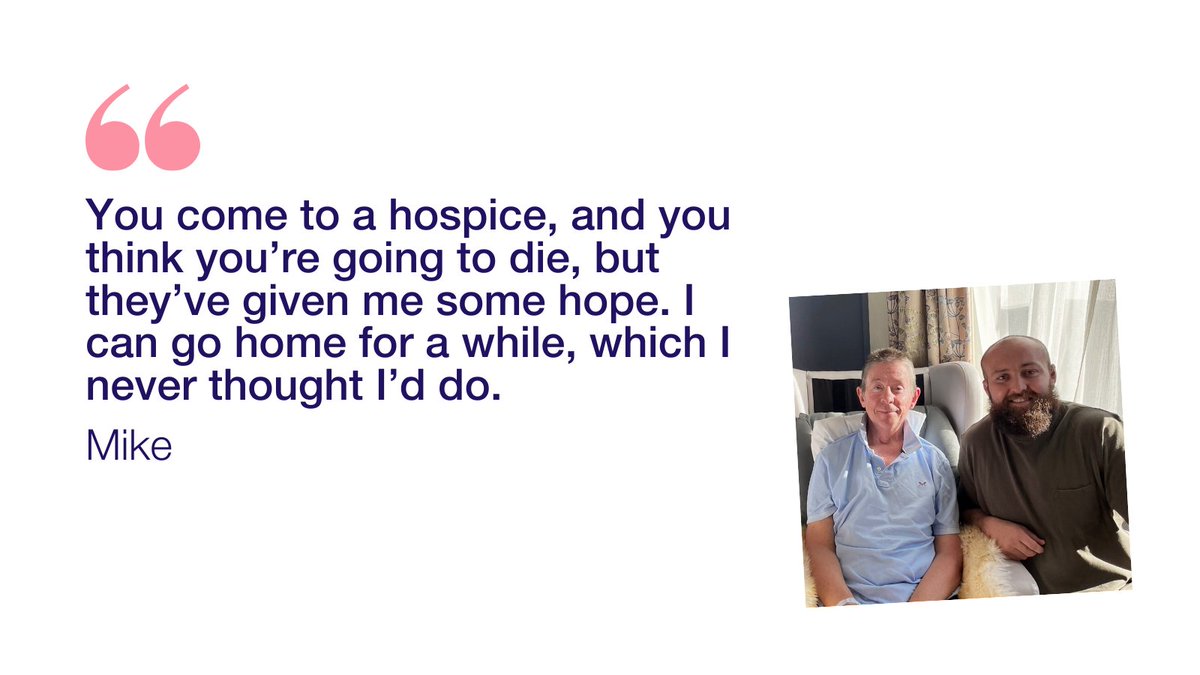
It's common for people to think you enter a hospice to spend your final days. Mike was one of those people, but after a two week stay on our Inpatient Unit for respite, he has a whole new outlook! Read his story over on our website: loom.ly/5u-gipY
#MND #PalliativeCare

English

@margijenkins @RUHCriticalCare @RUHBath @RUHStaff We had a donkey come and visit patients at the hospice today, get Charlie the donkey involved!!🐴
English

A very special visit - our hospital dog. Importantly our long term patient with GB, their day made complete with a flicker of movement in hands not moved for a while - the power of AAT🙏💖 #PATdog #AAT #rehablegend #GBS @RUHCriticalCare @RUHBath @RUHStaff

English

👋🏻
Dorothy House@DorothyHouseHC
Say hello to our four new Ambassadors! 👏 Each with a personal passion for outstanding end of life care, they will be using their unique skills and experiences to champion the work of Dorothy House 💜 Read the full story here: loom.ly/6sg5Nns @tomdunn92 @KittyDimbleby
ART

@JenniferSFloyd @theASPCP @APMPostTweets @PELi_Cam Took it, along with the Just in case drugs PGD, to the CQC CD lead, who were really helpful.
Discussed security/diversion risk aspects with the police CDLO
Commissioned an external review (focused on regulatory compliance)
English

Taking drugs (incl CDs) out from the hospice to people at home - I've been asked a lot about this recently.
Symptoms aren't always foreseen & don't always respond to just in case drugs so @MountbattenIW started BYOD (bring your own drugs) system 3yrs ago
We find it invaluable
English

@Paul_Howard_IoW @theASPCP @APMPostTweets @PELi_Cam Also very interested in this! And happy to contribute, my email is Jennifer.floyd1@nhs.net
Did your CD AO take it to your CD LIN for approval?
English

From emails I've had, there seems a widespread desire/need for similar systems. I wonder if anyone would be interested in putting together a resource pack to help people considering setting this up? I'd be very happy to contribute/collaborate
@theASPCP @APMPostTweets @PELi_Cam
English