
Sabitlenmiş Tweet
KD
4.5K posts

KD
@JerryDBoi
Digital Marketer | Great man for great people | Sports |
Bomet, Kenya Katılım Aralık 2019
5.7K Takip Edilen5.9K Takipçiler

KD retweetledi

Kenyan duo of Munyua and Wachiuri have everything to play for in Portsmouth zurl.co/SWIin
English
KD retweetledi




KD retweetledi

KD retweetledi


KD retweetledi
The Iranian Navy has announced a full blockade of the Strait of Hormuz.
English
KD retweetledi

KD retweetledi
Show up tired.
Show up unsure.
Show up imperfect.
Just don’t stop showing up.
English
KD retweetledi

KD retweetledi


KD retweetledi



KD retweetledi

KD retweetledi
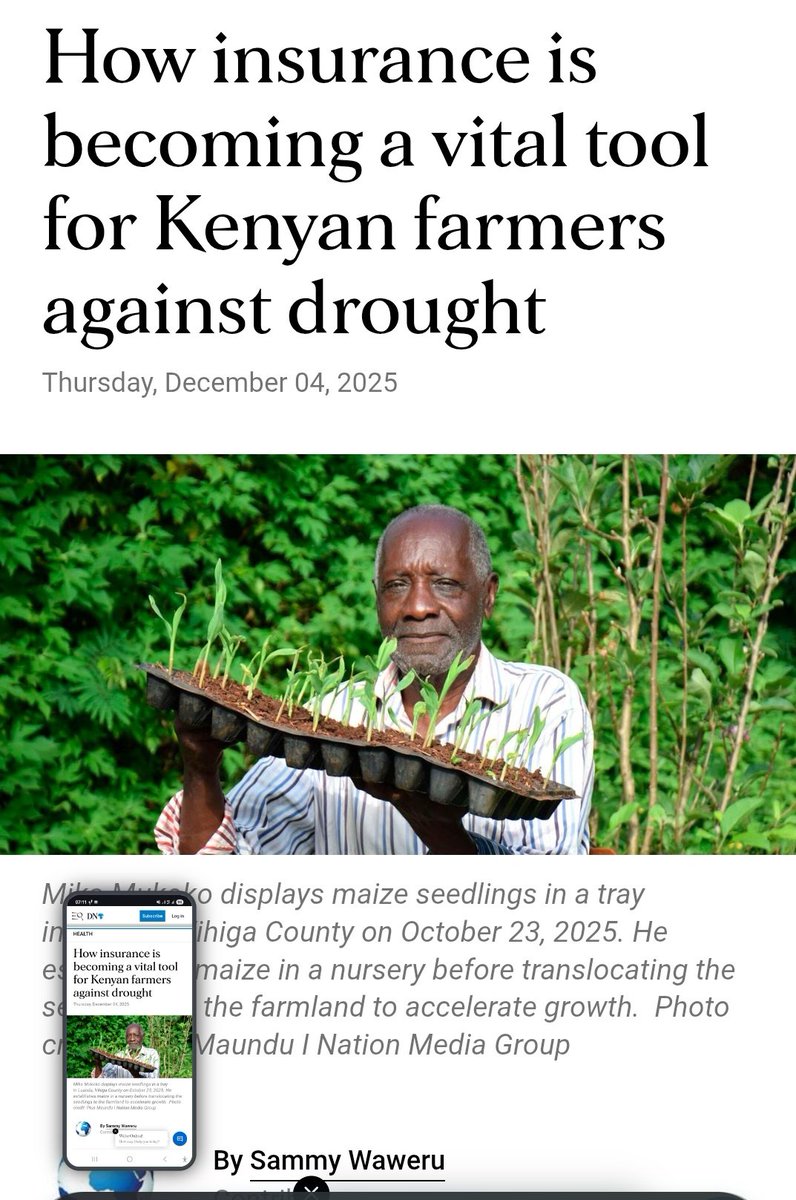
I came across this interesting read on Nation Africa. It spotlights a growing but little-used lifeline for farmers trying to survive increasingly unpredictable seasons.
Take the story of Kiragu, who invests KES 4,000 per animal to insure his livestock. Why? Because he knows that drought, disease, or climate shocks could wipe out the value of that animal overnight. For him, insurance isn’t a luxury. It’s a form of resilience.
At the same time, agricultural and climate insurance remains underutilised (less than 1% of farmers and pastoralists) in Kenya). This is despite the fact that 98% of Kenya’s agriculture is rain-fed, making smallholder farmers especially exposed to climate and weather shocks.
By the end of 2024, data from the Insurance Regulatory Authority (IRA) indicated that about 610,905 Kenyans had insured 2.96 million livestock, paying premiums of around KES 1.06 billion.
Common obstacles seem to be: high premiums, lack of trust in insurers, unclear payout triggers, and maybe limited awareness.
What do you think is really holding back uptake of agricultural/climate insurance in Kenya (or in Africa more broadly)?
Is it affordability, or do we need better-suited, lower-cost insurance products?
Is it mistrust or past bad experiences with insurers?
Or is the issue a lack of clear communication / education about what insurance, can and cannot, cover?
What would convince more farmers to insure their crops or livestock?
I would love to hear your take.
English
KD retweetledi
If it doesn’t move you closer to the goal, it’s a distraction - no matter how good it feels.
English
KD retweetledi
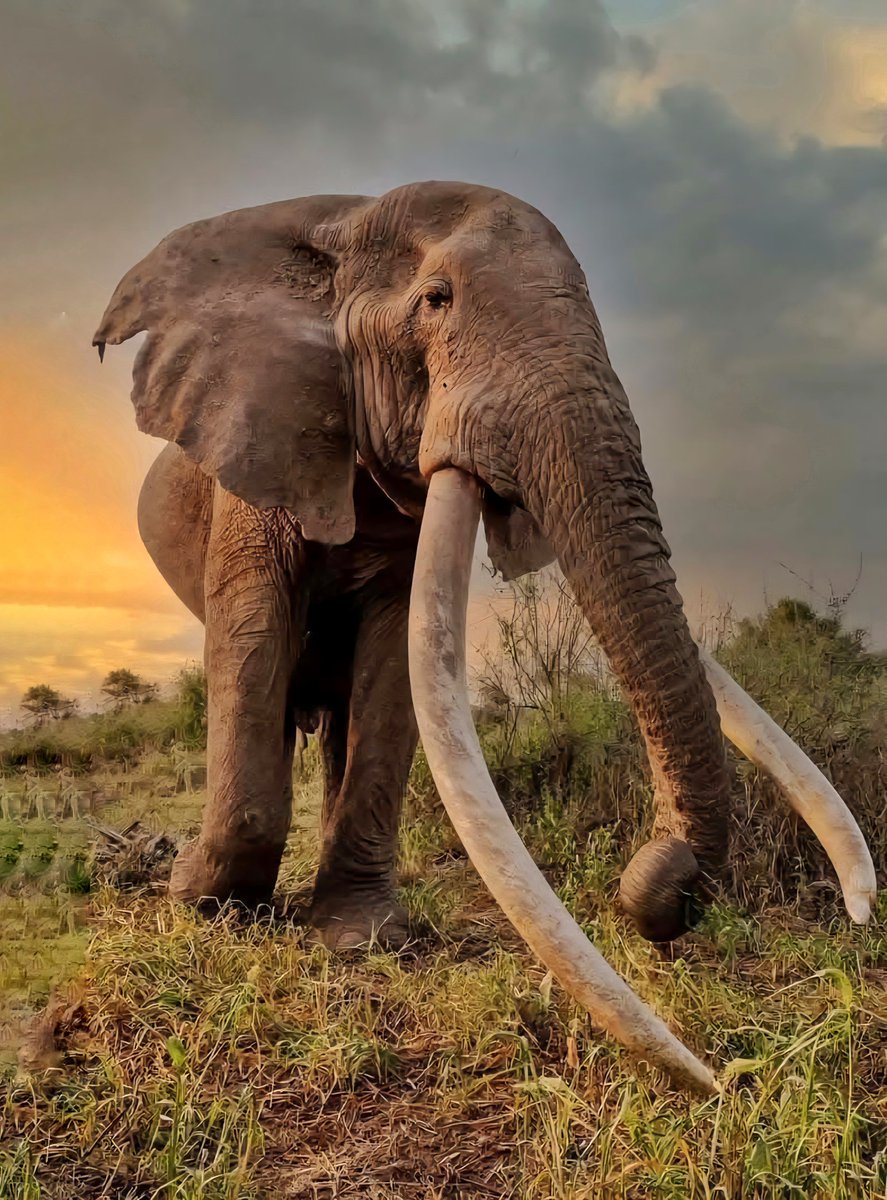
𝐅𝐚𝐫𝐞𝐰𝐞𝐥𝐥 𝐭𝐨 𝐂𝐫𝐚𝐢𝐠 – 𝐀 𝐆𝐞𝐧𝐭𝐥𝐞 𝐆𝐢𝐚𝐧𝐭 𝐚𝐧𝐝 𝐒𝐮𝐩𝐞𝐫 𝐓𝐮𝐬𝐤𝐞𝐫 𝐊𝐧𝐨𝐰𝐧 𝐭𝐨 𝐭𝐡𝐞 𝐖𝐨𝐫𝐥𝐝 🐘
Early this morning, Amboseli National Park, Kenya - and indeed the world - lost a true icon. Craig, the legendary super tusker famed for its immense, ground-sweeping tusks and calm, dignified presence, passed on at the age of 54.
Born in January 1972 to the great matriarch Cassandra of the CB family, Craig lived a life that few elephants ever do.
Craig was one of the last remaining super tuskers in Africa - a rare class of bull elephants whose two tusks weigh over 45 kilograms (100 lbs) each. Fewer than a handful remain today, making him a living monument to Africa’s natural heritage.
He fathered a number of calves, ensuring that his powerful bloodline and gentle character live on across generations.
Beyond its extraordinary tusks, Craig was deeply loved for its remarkably calm nature. He appeared to understand its place in the world - often pausing patiently as visitors photographed and filmed him. Widely documented and admired globally, he became a true ambassador of Amboseli and a symbol of what successful conservation looks like.
In 2021, Craig was proudly adopted by East African Breweries Limited (EABL) through the Tusker brand, reflecting his worldwide appeal. His long life and survival to such maturity were made possible through decades of dedicated protection by Kenya Wildlife Service (KWS), working in close collaboration with conservation partners and the local community.
Continuous monitoring, anti-poaching efforts, habitat protection, and community stewardship ensured that Craig lived freely and safely - demonstrating what collective commitment to wildlife conservation can achieve.
Drop a memory of Craig down below and let's celebrate its legacy. #TunzaMaliYako
English
KD retweetledi
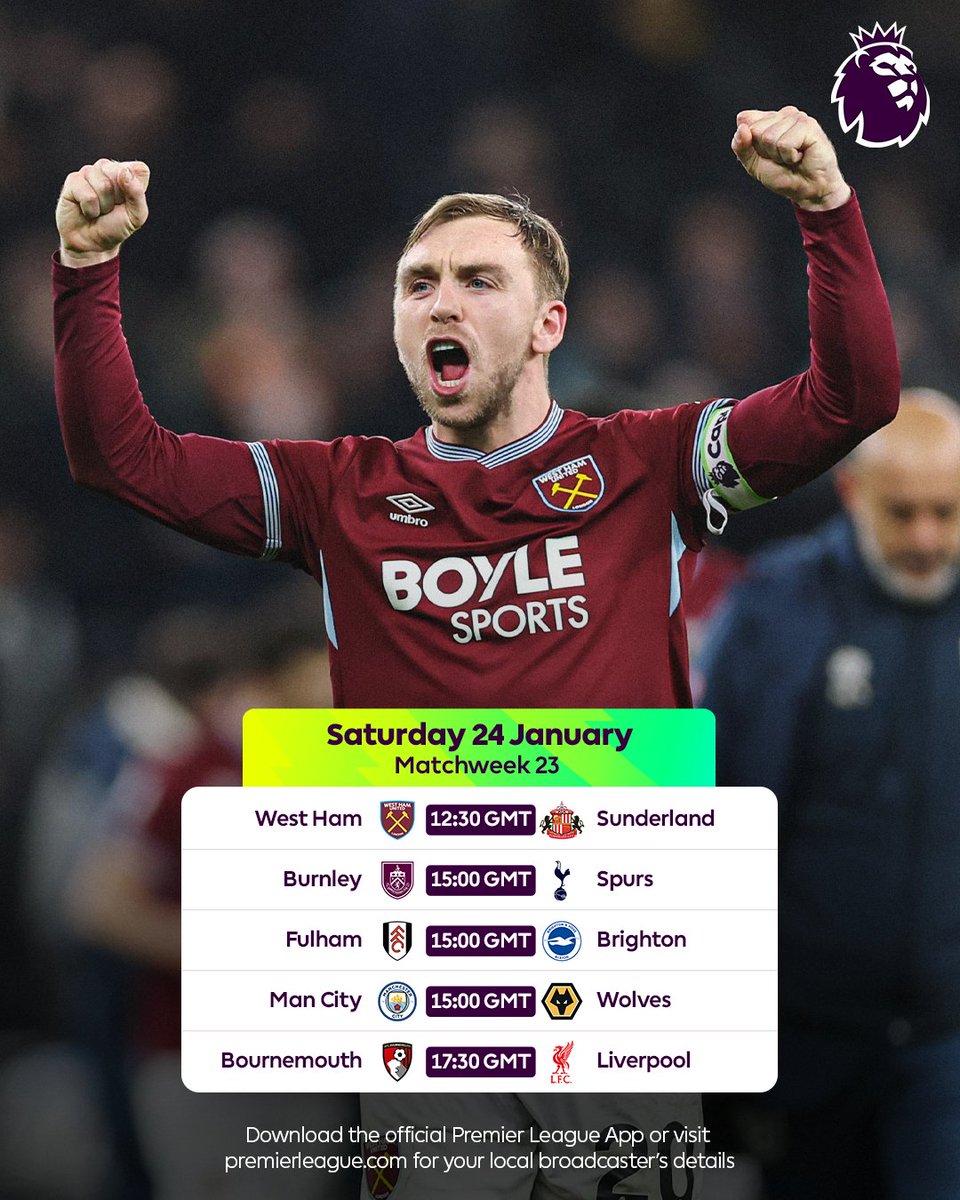
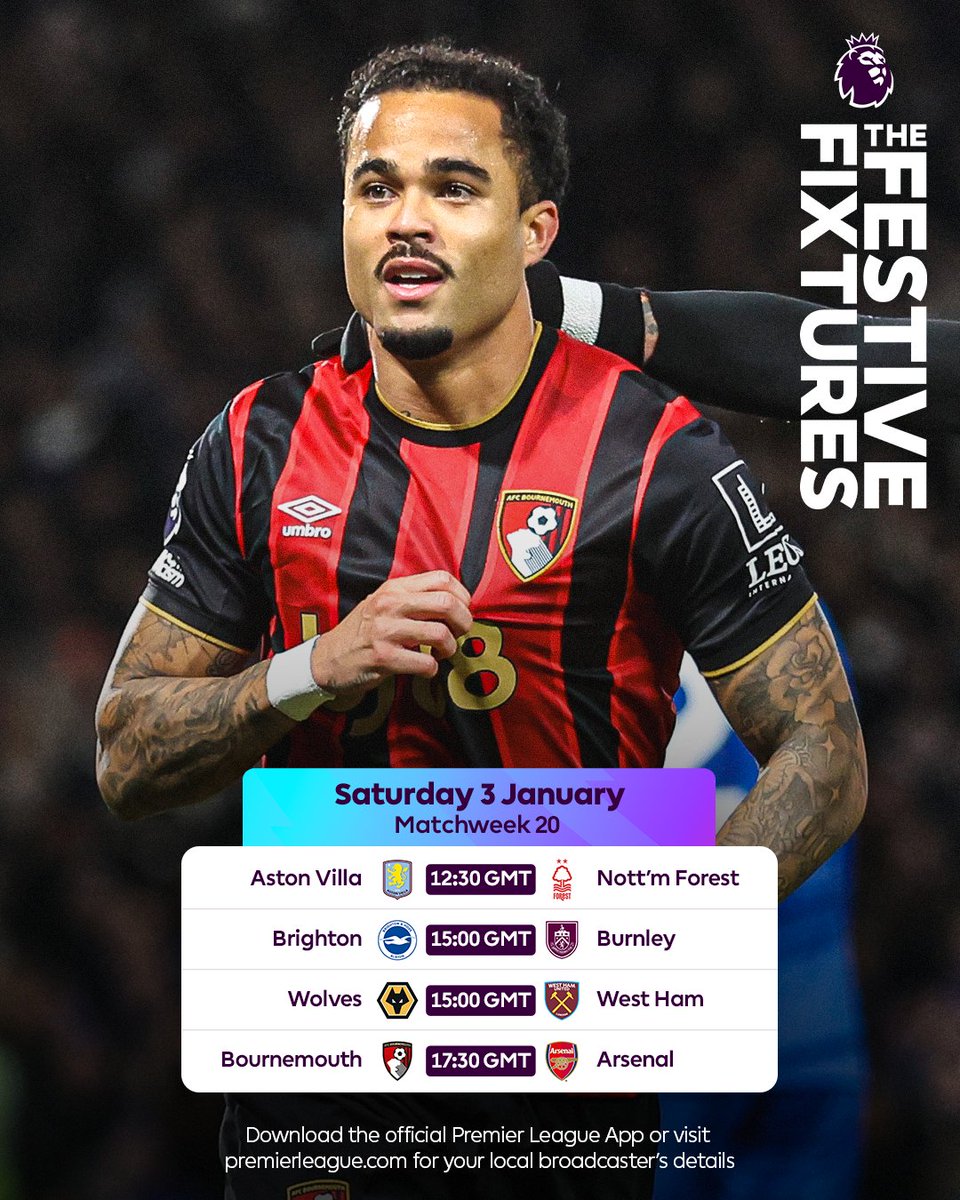
Enjoy the first Saturday of 2026 with some Premier League action 👊
English
KD retweetledi

Venezuelan Vice President Delcy Rodríguez says the government doesn’t know the whereabouts of President Nicolás Maduro and First Lady Cilia Flores.
"We demand immediate proof of life from the government of President Donald Trump,” Rodríguez said in an call to state-run VTV
English

