Jizoid 🎅🏼🤖
19.8K posts

@Jizoid
Chelsea FC Fanatic!🦁💙|Fundamental Edge Seeker🦄|₿usiness Savvy⚓️| NFT👉 @LT3NFT | $OBEX 📈💰🏦🧳 $Pi mining invite code:CryptoBoatman


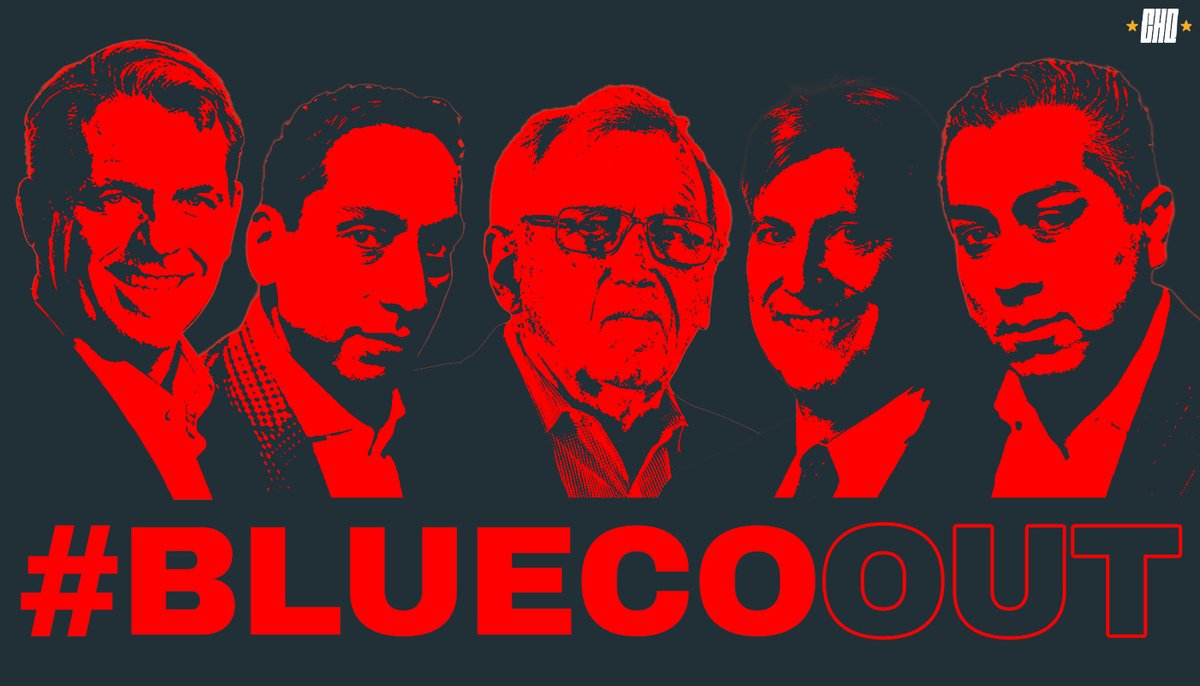
Do your part, they all need to go. #BlueCoOUT


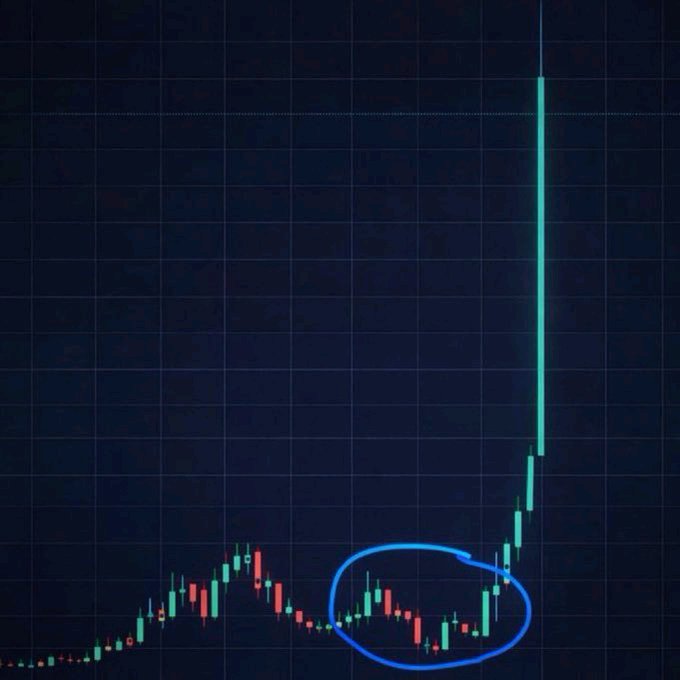
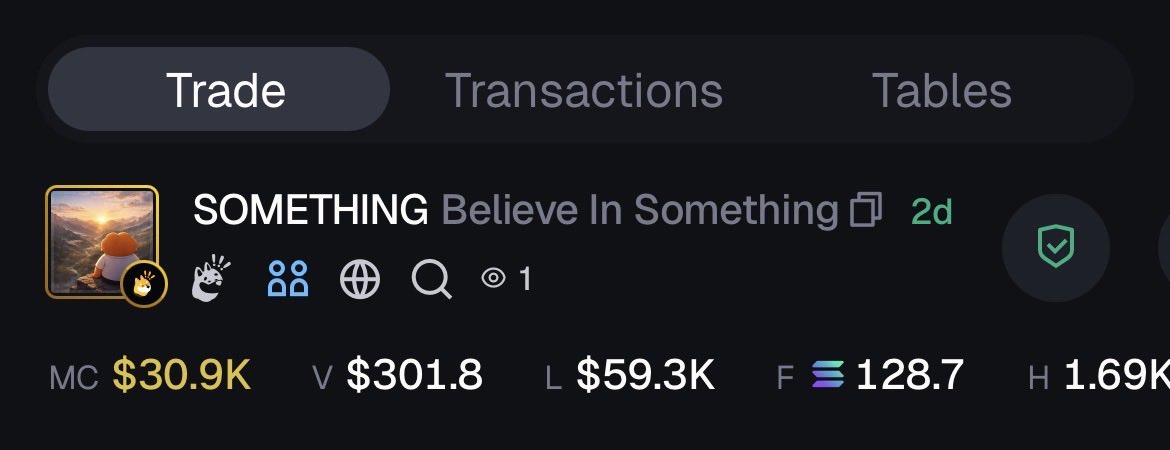
I want to buy a coin and hold. Do we really want to keep chasing the next bundled new pair, or the serial deployers spamming CAs on every news tweet? Do we honestly think normies, or anyone else, will want to join the memcoin space like that? Bonk just gave us the catalyst with the liquidity tech to actually try building something for a change. Will you join us in building something? Will you believe in something?


Here’s my take on the 10-year restriction, specifically on what can be sold in the Blueco structure. It starts with the Articles of Association for 22 Holdco Limited, which are available on UK Companies House. The first thing to understand is that “Majority Shareholder” in the Articles does not mean one person owns more than 50% of the whole company. 22 Holdco has two classes of shares: Class A and Class B. So the Articles create two separate controlling holders. When you match that to the shareholder filing at Companies House, the A shares are held by BLUES INVESTMENT MIDCO, L.P. (owned by Clearlake) and the B shares are held by BLUECO 22 HOLDINGS L.P. (owned by Boehly group). In plain English, that means: Class A = Clearlake Class B = Boehly, Walter and Wyss The Articles use separate defined terms for a “Sale” and an “Asset Sale”, so I am not saying those are literally the same legal route. Once you decode the structure, the same two shareholder groups sit over the company, namely Clearlake and the Boehly group. That is why “shares are blocked but assets are open” is too neat a way of putting it. On the share side, Article 26.1 is the 10-year lock-up. That is where the line “they can’t sell for 10 years” comes from. But all it actually says is that shares cannot be transferred during the first 10 years unless the transfer fits one of the permitted exceptions. So it is a rule about share transfers, not a rule saying nothing connected to Chelsea can ever be sold. Article 26.2(c) is one of those exceptions. It says a Majority Shareholder can transfer only with the prior written consent of each other Majority Shareholder. Put simply, if Clearlake wants to sell its shares during the lock-up, it needs the Boehly group’s written consent, and if the Boehly group wants to sell its shares during the lock-up, it needs Clearlake’s written consent. The board rules point in the same direction too. Articles 5.1 and 5.2 give the Board the power to run the company. Article 7.1 says the Board can have up to six directors, with each Majority Shareholder allowed to appoint up to three. So Clearlake can appoint up to three directors and the Boehly group can appoint up to three. Article 9.2 is a quorum rule, not a voting rule. It means you do not even have a valid board meeting unless both shareholder groups are represented. Article 9.6(a) goes further and says meaningful board action needs support from both groups as well. That is the practical point. No former owner, government or outside third party has to give consent under these Articles. The only people who have to agree are Clearlake and the Boehly group. The 10-year restriction is on share transfers, and even there the consent sits entirely within the same ownership group. On the asset side, the board provisions show that those same shareholder groups sit over the company’s decision-making. So the real question is: do Clearlake and the Boehly group want to sell, and can they agree with each other? The Articles of Association point back to the same answer throughout: if the owners agree among themselves to sell, 22 Holdco or any asset it owns can be sold at any time without consent from any third party.

Here’s my take on the 10-year restriction, specifically on what can be sold in the Blueco structure. It starts with the Articles of Association for 22 Holdco Limited, which are available on UK Companies House. The first thing to understand is that “Majority Shareholder” in the Articles does not mean one person owns more than 50% of the whole company. 22 Holdco has two classes of shares: Class A and Class B. So the Articles create two separate controlling holders. When you match that to the shareholder filing at Companies House, the A shares are held by BLUES INVESTMENT MIDCO, L.P. (owned by Clearlake) and the B shares are held by BLUECO 22 HOLDINGS L.P. (owned by Boehly group). In plain English, that means: Class A = Clearlake Class B = Boehly, Walter and Wyss The Articles use separate defined terms for a “Sale” and an “Asset Sale”, so I am not saying those are literally the same legal route. Once you decode the structure, the same two shareholder groups sit over the company, namely Clearlake and the Boehly group. That is why “shares are blocked but assets are open” is too neat a way of putting it. On the share side, Article 26.1 is the 10-year lock-up. That is where the line “they can’t sell for 10 years” comes from. But all it actually says is that shares cannot be transferred during the first 10 years unless the transfer fits one of the permitted exceptions. So it is a rule about share transfers, not a rule saying nothing connected to Chelsea can ever be sold. Article 26.2(c) is one of those exceptions. It says a Majority Shareholder can transfer only with the prior written consent of each other Majority Shareholder. Put simply, if Clearlake wants to sell its shares during the lock-up, it needs the Boehly group’s written consent, and if the Boehly group wants to sell its shares during the lock-up, it needs Clearlake’s written consent. The board rules point in the same direction too. Articles 5.1 and 5.2 give the Board the power to run the company. Article 7.1 says the Board can have up to six directors, with each Majority Shareholder allowed to appoint up to three. So Clearlake can appoint up to three directors and the Boehly group can appoint up to three. Article 9.2 is a quorum rule, not a voting rule. It means you do not even have a valid board meeting unless both shareholder groups are represented. Article 9.6(a) goes further and says meaningful board action needs support from both groups as well. That is the practical point. No former owner, government or outside third party has to give consent under these Articles. The only people who have to agree are Clearlake and the Boehly group. The 10-year restriction is on share transfers, and even there the consent sits entirely within the same ownership group. On the asset side, the board provisions show that those same shareholder groups sit over the company’s decision-making. So the real question is: do Clearlake and the Boehly group want to sell, and can they agree with each other? The Articles of Association point back to the same answer throughout: if the owners agree among themselves to sell, 22 Holdco or any asset it owns can be sold at any time without consent from any third party.