After the U.S. hockey team recently won the Olympic gold medal, a friend of mine attended an event where the team's goalkeeper had invited a father and his boy to dinner and thanked them for being such big fans of the team.
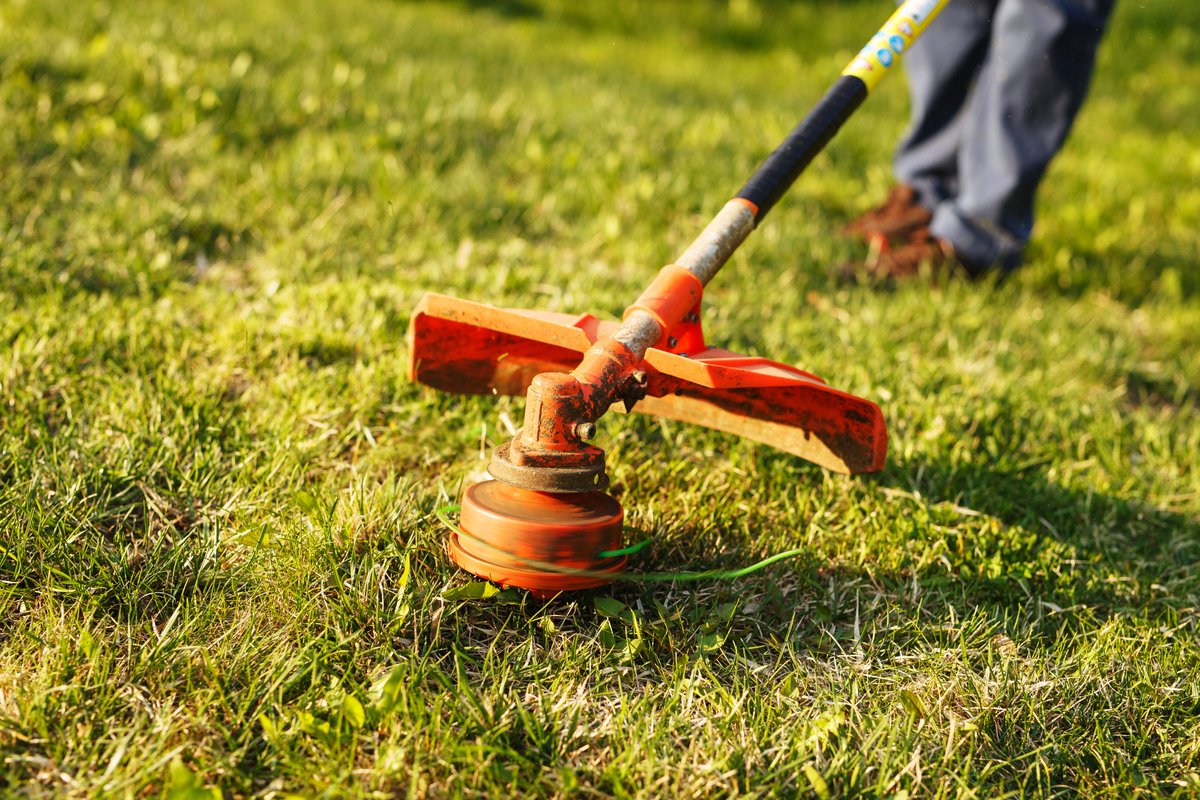
In the U.S., it's also commonly called "weed wacker," while in Australia, and Canada the most popular name for the device is a "whipper snipper." They all feature a spinning nylon cord to do the cutting.
Did you know...The string trimmer, a powered lawn tool used for cutting grass and weeds was invented in the early 1970s by George Ballas of Houston, Texas. He called it the "weed eater."
Did you know...
A study commissioned by the Irish brewer Guinness estimates that every year in the UK, 24,000 gallons of beer are wasted, as it disappears into men's moustaches and beards. I kid you not!
and you have a mixture that has the taste and texture of a banana. A little yellow food coloring makes it even more like the real thing. By the way, I didn't invent this. It's what the British did in WWII when their imports of bananas were cut off by Germany.
Did you know...
If you ever crave a banana and don't have any, you can make a surprisingly good "fake banana" by boiling or roasting the root vegetable parsnip. Then mash in some sugar, add a splash of artificial banana essence (flavoring),
Did you know...
The name "Crayola" is a combination of two French words that means "oily chalk." Alice Binney, the wife of company founder Edwin Binney, coined the word Crayola in 1903.
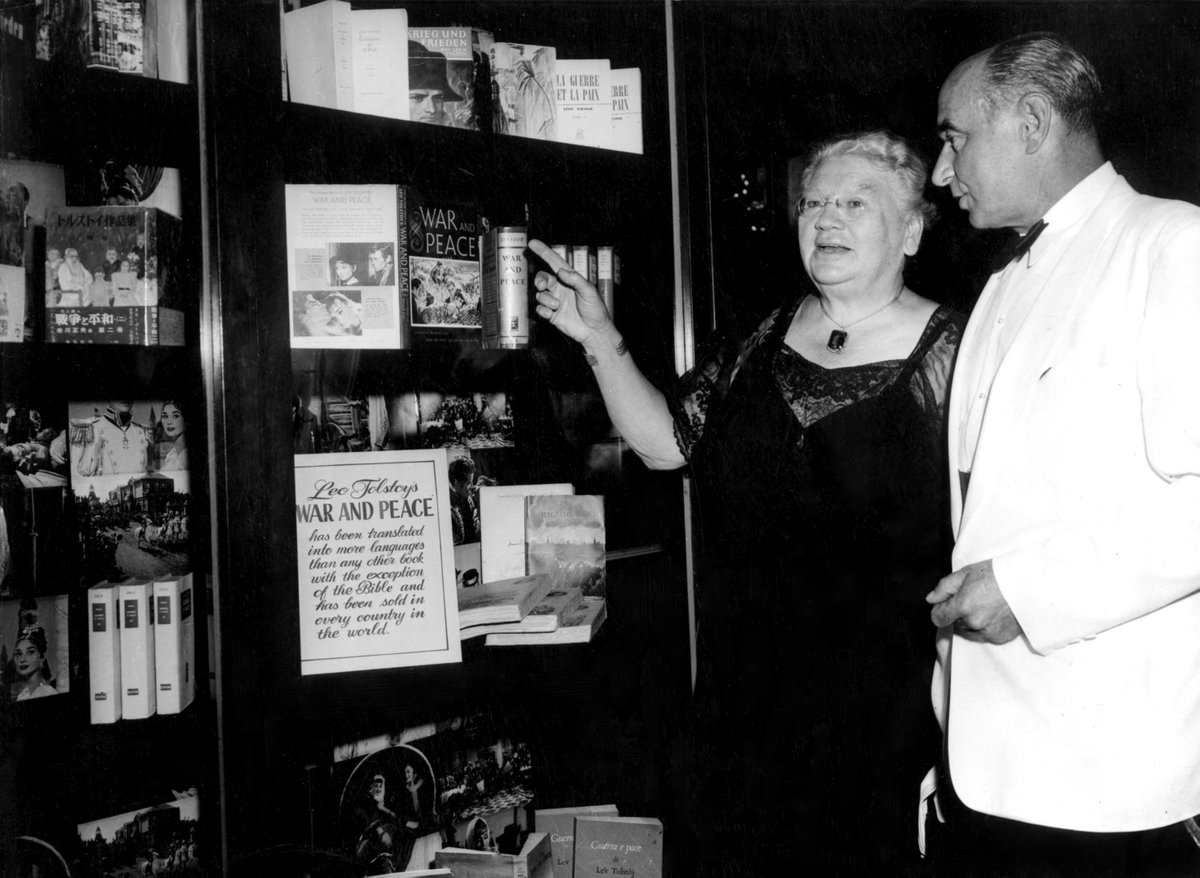
but then he changed his mind and told a friend, "with all due respect to Shakespeare, 'All's Well That Ends Well' is just too lighthearted for the epic nature of this story." Instead, Tolstoy went with "War and Peace."
Did you know...
Leo Tolstoy's magnum opus, "War and Peace," was almost called something else. Right up until the final version of the book was published in 1869, Tolstoy had decided to call the book "All's Well That Ends Well,"
When you bump the tip of your elbow, the olecranon, you hit the ulnar nerve, which creates the "funny bone sensation," a sharp, tingling, electric shock sensation that makes you want to laugh and cry at the same time.
Did you know...
The pointy, bony tip of your elbow is called the olecranon. It's also mistakenly known as the "funny bone," which actually is not a bone at all, but rather the ulnar nerve which runs under the olecranon.
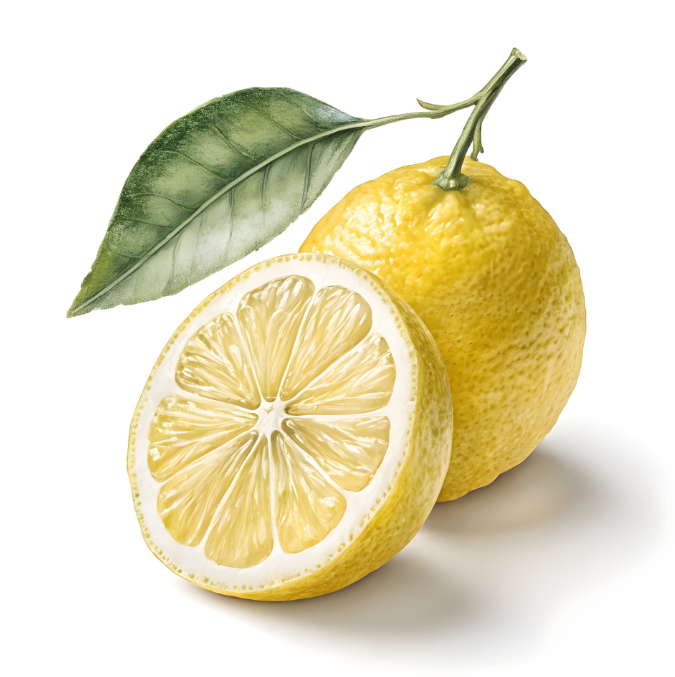
They have a strong, tangy flavor often described as sour and more floral with lime-like undertones than more common lemon varieties. The baboon lemons are hard to squeeze because of their thick skin.
Did you know...
There's a variety of lemon called the "baboon lemon." And, yes, that's really its name. It's a less common variety originating from Brazil. They are particularly large (sometimes as big as a grapefruit) and have thick textured skin that's vibrant yellow in color.
Did you know...
Chicago's nickname as "The Windy City" goes back to 1858, and had nothing to do with weather conditions. A scathing article in the Chicago Press and Tribune newspaper criticized Chicago's elites and politicians as
Did you know...
The word porpoise comes from a French word that means "pig fish," likely
referring to the animal's blunt snout and plump body shape, which medieval observers thought resembled a pig.