Joe Ruck
402 posts

@JoeRuck
VP, Marketing & Communications @AmbiRobotics


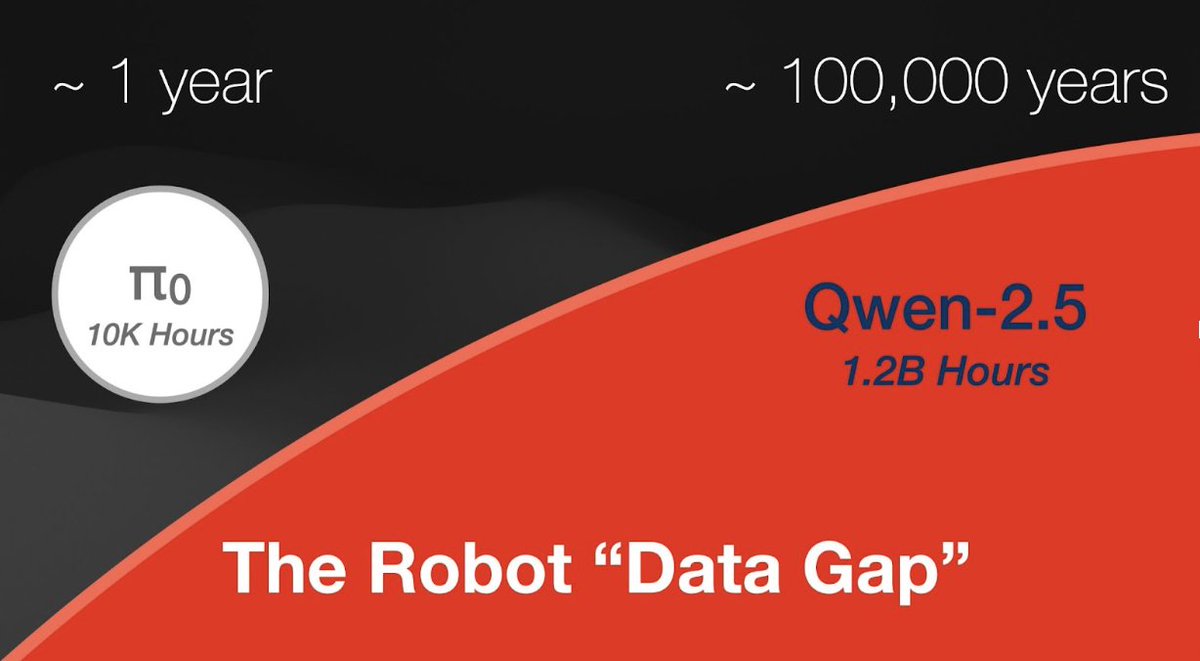
How to close the 100,000 year data gap in robotics? (1/3) I attended @Ken_Goldberg's talk yesterday without knowing much about robotics, and I found it super interesting! Apparently, the bitter lesson follows you everywhere... Data has solved language and vision. Does it also solve robotics? Yes, it will but with some caveats. Building effective robotic systems comes down to two things: 1️⃣ Data (there is so little in comparison to what's used to train LLMs) 2️⃣ Good old fashioned engineering (GOFE) - modularity, algorithms, and metrics → just designing good systems We've seen GOFE in AI systems shifting to modular systems (like DSPy!) and biological control systems like the brain.


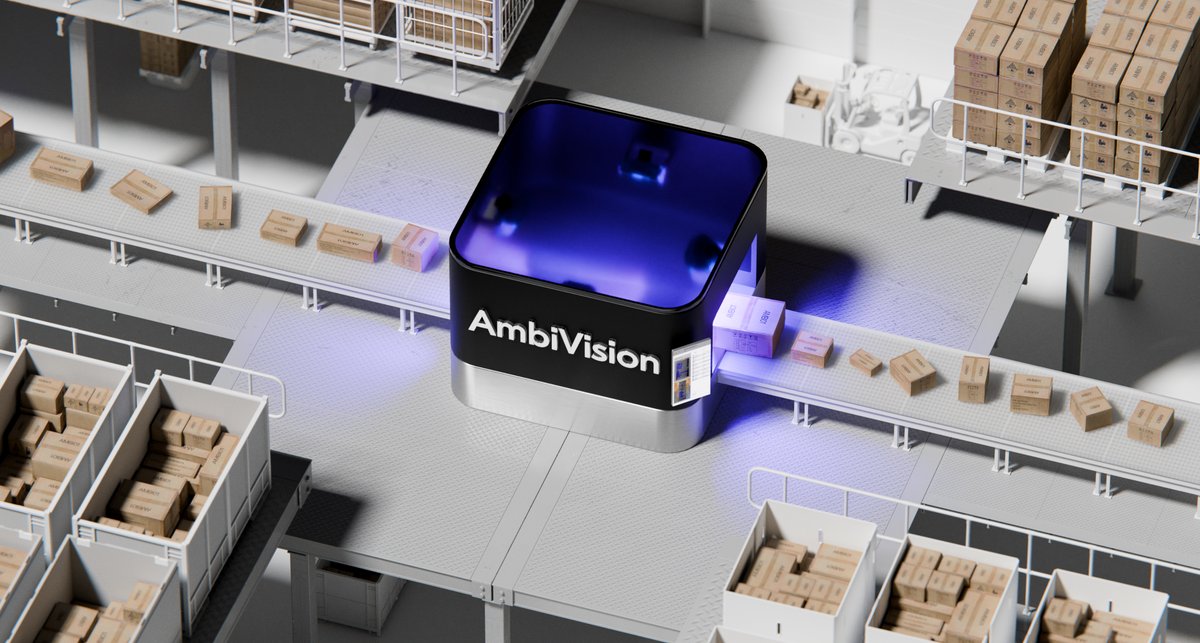
We discussed @AmbiRobotics technology, but the business case is even more exciting! 💰 The focus on return on investment is crucial for decision-makers, especially CFOs. AmbiStack addresses a significant cost challenge in warehouse operations, which makes the business case compelling. Its ability to optimize pallet and container density to reduce transportation costs directly affects the bottom line. One of the primary benefits of AmbiStack is that it removes repetitive, injury-prone tasks, allowing workers to transition into higher-value roles. This challenges the myth of robots stealing jobs by instead enhancing the workforce’s skill set. AmbiStack leverages AI to optimize stacking in containers, maximizing space utilization. This directly impacts shipping costs by increasing the efficiency of container loading, Results? Reduced transportation expenses. 📉 The system adapts to current workflows, whether it's building inbound pallets or stacking containers for parcel transport, minimising implementation disruptions and capital expenditures. Their scalability model offers a low-risk way for companies to test the solution, starting with one application, proving the ROI, and then expanding. This is especially valuable in a fast-growing market like warehouse automation, which is projected to reach $55 billion by 2030. Early adopters stand to gain a competitive edge.