
Sabitlenmiş Tweet
Ann Jones
21.4K posts

Ann Jones
@jones_ann
on insta @ _annjones_ What the Duck?! (@RadioNational), Noisy by Nature (@ABCaustralia Kids), How Deadly (@ABCScience) and sometimes Catalyst (@ABCTV)
Katılım Şubat 2010
3.3K Takip Edilen7.2K Takipçiler

@jones_ann those two episodes on sex is weird were some of the best radio i've heard. not sure how you kept a straight face
English
Ann Jones retweetledi

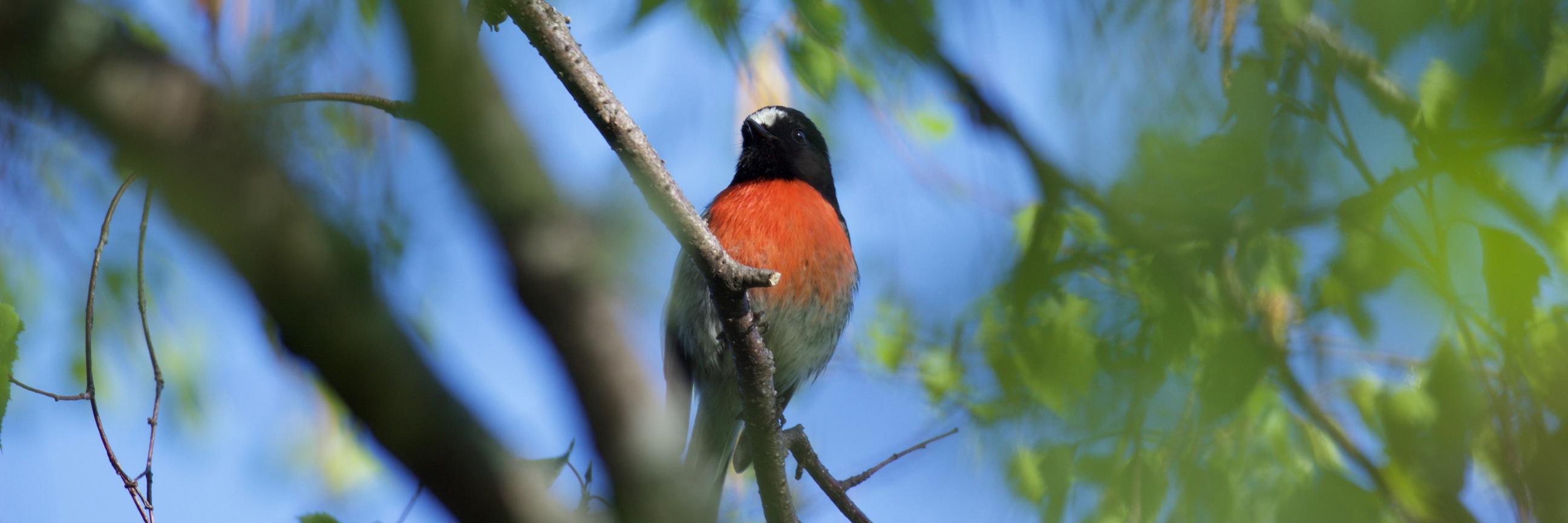
We were on ABC TV! Allison joined host Dr. @jones_ann and friend of the Fairywren Project, Mark Eatwell to visit Mark’s friendly Splendid Fairywrens in the Perth hills. If you missed the program you can catch it on iview - episode 4: iview.abc.net.au/video/SC2203H0…
English
Ann Jones retweetledi
We won again! Thanks @NYFestivals for the nod and congrats to @jones_ann and team. You watch this exploration of the physics of sound in nature on ABC iview.


English
Ann Jones retweetledi

Eight new Pacific masked bees just dropped 🐝! What’s really cool about these bees is that (i) they’re mostly restricted to forest canopies, (iii) prefer for red flowers, and (ii) resolve how Hylaeus tuamotuensis got to French Polynesia!
1/16
t.ly/qiTh0

English
@_iamthefran And some birds swoop down at night in front of cars because insects appear in the lights! I think it's a very complex question!
English
@_iamthefran Oh! That is a great hypothesis. I think the eye position means that they have patches of vision that is bad - but I'm not sure if an object as big as a car would be impacted by that.
I was wondering if they just underestimate the speed of the car!?
English

@jones_ann we almost hit a bird recently while driving, your biggest fan Isla would like to know if her theory on why birds fly in front of cars is correct...
English
@_iamthefran Some birds have a flying pattern where they just swoop down to fly up - that can mean they appear in front of the car as if on purpose.
English
Matt's brother is very rude.
Matthew Holden 🏳️🌈 @matthholden.bsky.social@MattHHolden
Listen to weird facts about the animals we found in our Brisbane house (out of 1,000+ species!) on @ABCscience podcast with @jones_ann 👉 abc.net.au/listen/program… My brother says her's is better than the version we wrote 😂😅 👉doi.org/10.1002/ecy.42… pic 👇by Andrew Rogers
English
Ann Jones retweetledi

English
Ann Jones retweetledi

Ann Jones retweetledi
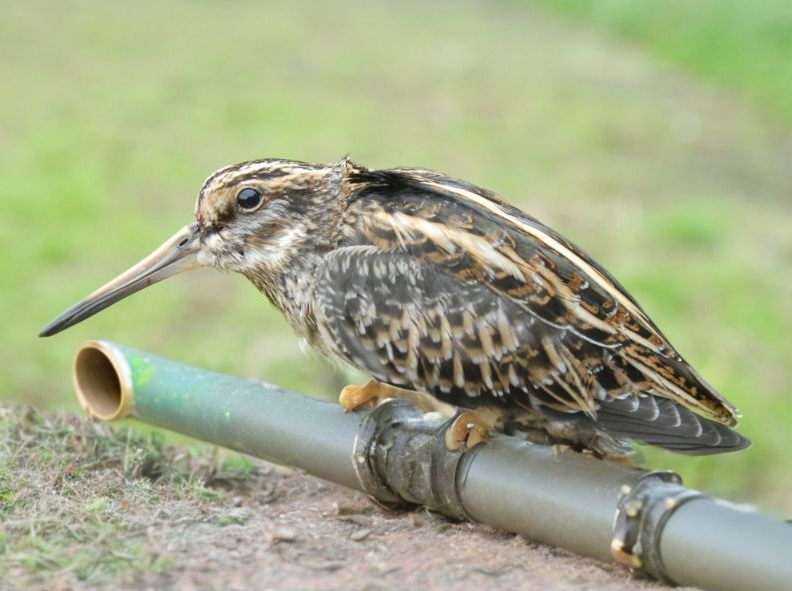
You've heard of Elf on the Shelf, now get ready for...
English
Ann Jones retweetledi

Turreted Wrap-around Spider - Dolophones turrigera
Woy Woy Bay NSW Australia

English
Ann Jones retweetledi

A pair of brown falcons nest over in the neighbour's pine tree and one just flew over the house with a decent sized snake in its talons.
Now I can hear much happy screeching from the tree top
English
Ann Jones retweetledi

Penguins + fire = bad news.
So we’re changing the habitat in the world’s largest little penguin colony, making it more resilient to climate change. abc.net.au/news/2023-12-1…
English
Ann Jones retweetledi
Did you know that only one species of Christmas Beetle is found in Tassie? It's called the A. suturalis. So we need as many people as possible to tell us when they spot one. Find out more at invertebratesaustralia.org/christmasbeetl… #Tasmania #christmasbeetlecount #invertebratesaustralia

English
Ann Jones retweetledi

A few weeks back @jones_ann asked me a seemingly straightforward question which immediately sent me into a spiral.
Come wade into the muddy waters with us as we attempt to answer the question “what is a species?”
abc.net.au/listen/program…
English
Ann Jones retweetledi
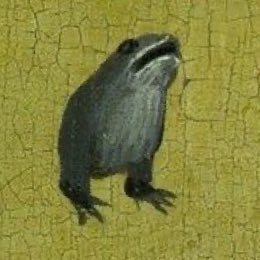
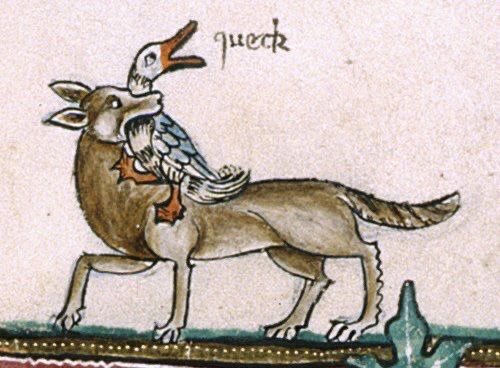

(Misplaced?) conservation optimism👇
The reality: the Cambodian population of Bengal Florican Houbaropsis bengalensis seems to have been inexorably declining for c.20(+) yrs and threats are multifarious.
Nos. in S Asia also declining and even smaller!
tinyurl.com/acjckdu9


Ann Jones@jones_ann
The Bengal florican, a large grassland bird found in Asia, was predicted to go extinct by 2023. It’s now 2023, so what happened? #ProjectWildABC Bengal floricans like to live in tall grass. But grasslands also happen to be one of the easiest places for humans to develop…
English
So it’s 2023 and the Bengal florican isn’t extinct. Individual birds like this gorgeous little chick have the species’ future riding on thier survival.
Stream Project Wild: Cambodia on @abctv for more of this cutey.
Watch—-> iview.abc.net.au/show/project-w…

English

The Bengal florican, a large grassland bird found in Asia, was predicted to go extinct by 2023. It’s now 2023, so what happened? #ProjectWildABC
Bengal floricans like to live in tall grass. But grasslands also happen to be one of the easiest places for humans to develop…

English