JM Montull

19.8K posts

JM Montull

JM Montull

@JoseM_Montull

Researcher at @ETSEA_UdL Integrated Weed Management, PhD, agronomist. CEO at https://t.co/REYhPqtLDG

Ballobar, Spain Katılım Ocak 2011
791 Takip Edilen957 Takipçiler
Precision Planting Argentina
Precision Planting Argentina@PPlantingARG·
Poder ver 🧐 el #surco donde se posicionan las #semillas, nos permite comprender si esas semillas están en un ambiente que les permitirá prosperar 🌱 Con SmartFirmer, ahora tenés ojos en el surco 😏
Español
1
3
21
1.2K
JM Montull retweetledi
El Debate
El Debate@eldebate_com·
🚨 La baliza V16 vuelve al Congreso: sobre la mesa su desaparición y el regreso de los triángulos El incremento de la siniestralidad en Semana Santa demuestra que la baliza V16 no reduce los accidentes ✍ @IvanMingoP eldbt.com/5rhnc1
Español
104
610
1.2K
34.7K
JM Montull retweetledi
J. Pascual
J. Pascual@JuanPascual4·
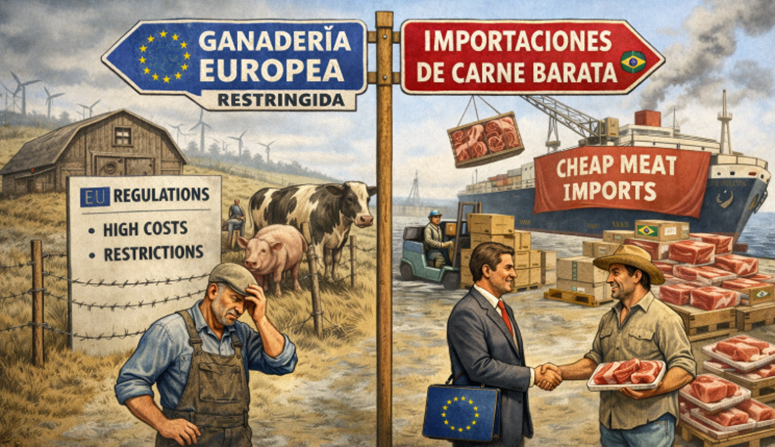
1 Estamos cometiendo un error estratégico de primer orden: sustituir ganado local por carne importada. No es solo economía. Es territorio, fuego, biodiversidad y control del sistema alimentario. Europa prohíbe, regula y encarece su ganadería… y luego importa carne de fuera para sustituirla. Si parece incoherente, es porque lo es.
J. Pascual tweet media
Español
39
504
830
19.5K
JM Montull retweetledi
Claudio Gianni
Claudio Gianni@ClaudioGianni·
La superficie con trigo en Australia para la cosecha 2026/27 caería a su nivel más bajo en 7 años, debido a que los bajos precios y la escasez de fertilizantes y combustible lastran las perspectivas del cultivo....
Bloomberg@business

Australia’s wheat acreage for the 2026/27 crop is expected to fall to a seven-year low as weak prices and shortages of fertilizer and fuel weigh on harvest prospects bloomberg.com/news/articles/…


Español
0
9
21
1.9K
JM Montull retweetledi
WarAgainstWeedsPodcast
WarAgainstWeedsPodcast@WarAgainstWeeds·
S11 E11 - HRAC 2026 Update What’s new on the HRAC Mode of Action poster? Join us as we chat with Hudson Takano to break down the 2026 updates, including new herbicides, revised groups, and key takeaways for resistance management! hracglobal.com/tools/2026-hra…
WarAgainstWeedsPodcast tweet mediaWarAgainstWeedsPodcast tweet media
English
0
6
8
779
JM Montull
JM Montull@JoseM_Montull·
@Bernard_GD Con lo que vale el amoniaco que se queda en el suelo al no evaporar, pagas la barra de aplicar
Español
1
0
2
700
Bernardo Garcia Diaz 🇪🇸
Nos hicieron poner estos aplicadores en las cubas del purín (caros) por que decían que según lo aplicabamos en abanico emitiamos gases contaminantes a la atmósfera, al igual que otras prohibiciones como el óxido de zinc en el pienso de
Español
3
5
38
9.2K
JM Montull
JM Montull@JoseM_Montull·
@galeanodavid Debajo de los aerogeneradores se puede seguir cultivando por lo que el uso del suelo no debería computar al 100%
Español
0
0
1
4
David Galeano 📘☢
David Galeano 📘☢@galeanodavid·
4. En particular, la incorporación de fuentes con alta densidad energética puede reducir la presión sobre el territorio y facilitar la integración de renovables, lo que sugiere que el uso del suelo debe ser una variable explícita en la planificación de la expansión eléctrica.
Español
3
0
0
308
David Galeano 📘☢
David Galeano 📘☢@galeanodavid·
Comparación de la cantidad de suelo requerido para generar aproximadamente 10 TWh/año con distintas tecnologías. (Ver hilo 🧵)
David Galeano 📘☢ tweet media
Español
11
19
46
5.4K
JM Montull retweetledi
Claudio Gianni
Claudio Gianni@ClaudioGianni·
Indonesia va hacia un 50% de biocombustible derivado del aceite de palma en el gasoil. Se mantendrá dividido en 2027 según el tipo de diésel y será obligatorio para todos los usuarios en 2028. Puede ser una buena noticia para el resto de los aceites vegetales....
Abdul Hameed@hameed_sky

Indonesia formalized its biofuel roadmap: B50 starts July 1, 2026 for wider use, stays split in 2027 depending on diesel type, and becomes mandatory for all users by 2028. Bigger palm diversion could tighten export supply.

Español
1
4
14
1.3K
JM Montull retweetledi
Fertilizer Week
Fertilizer Week@FertilizerWeek1·
Chart showing weekly #urea production in the Middle East. A range of facilities have been hit by strikes. Oman remains the only producer able to export given its location outside the Gulf. At least 986,000 t is loaded within the Strait of Hormuz #fertilizer #nitrogen
Fertilizer Week tweet media
English
4
31
75
11K
JM Montull retweetledi
🇫🇷 Patrick Hautefeuille
🇫🇷 Patrick Hautefeuille@PHautefeuille·
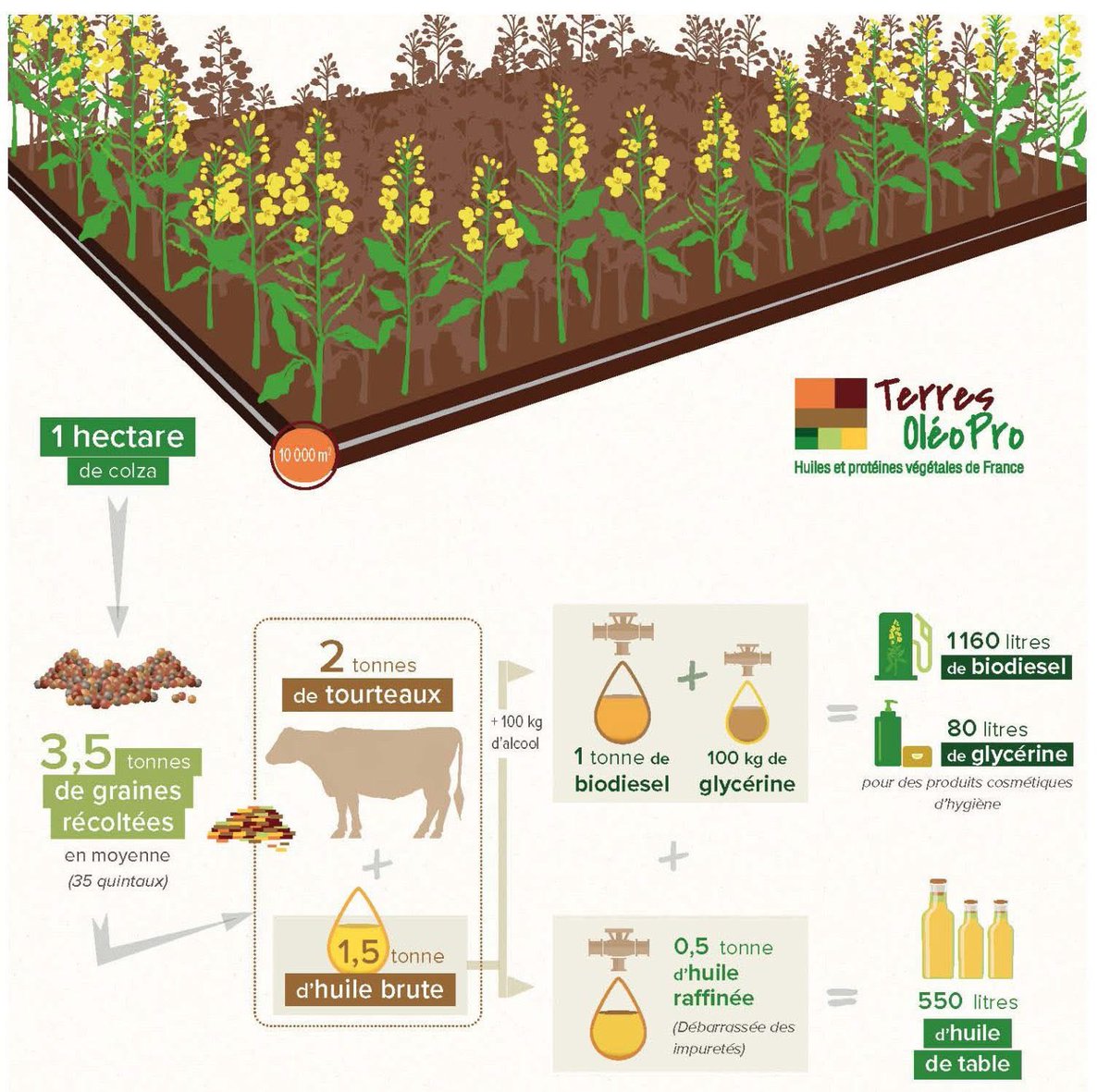
🟡 #Colza : bien plus qu’un paysage jaune… un pilier de notre souveraineté agricole et énergétique. Chaque printemps, nos campagnes se couvrent d’or. Mais derrière cette beauté, il y a une réalité trop souvent ignorée 👇 ➡️ 1 hectare de colza, c’est : 🌾 3,5 tonnes de graines 🐄 2 tonnes de tourteaux (protéines locales pour nourrir nos animaux) 🛢️ 1,5 tonne d’huile brute 🥗 550 litres d’huile alimentaire ⛽ 1160 litres de biodiesel 🧴 80 litres de glycérine Et on oublie souvent l’essentiel… 🍯 Le colza, c’est aussi une ressource majeure pour les abeilles. Une des premières grandes floraisons de l’année. Un carburant vital pour les colonies au sortir de l’hiver. 👉 Sans colza, pas de démarrage dynamique des ruches. 👉 Sans ruches fortes… pas de pollinisation efficace. On parle souvent d’opposer agriculture et biodiversité. Le colza prouve exactement l’inverse. ✔️ Il nourrit ✔️ Il produit de l’énergie ✔️ Il structure nos rotations ✔️ Il soutient l’apiculture Bref, il fait bien plus que “jaunir le paysage”. Alors la prochaine fois que vous verrez ces champs en fleurs… ne voyez pas juste une carte postale. 👉 Voyez une chaîne de valeur complète, du champ à l’assiette, du tracteur à la ruche. #Agriculture #Apiculture #SouverainetéAlimentaire #Energie
🇫🇷 Patrick Hautefeuille tweet media
Français
9
172
334
9.7K
JM Montull retweetledi
Vida Rural
Vida Rural@VRural·
EXTENSIVOS 🌾 Agricultura de precisión para la optimización de la eficacia #herbicida. 🌱 ✍️ AA.VV. | DCEFA. @UdL_info. IPM Advice SL. ADV d’Almacelles. ADV Coop. Agrària De Miralcamp. ADV Productors de Conreus Extensius de Girona. Más información ⬇️ agronegocios.es/vida-rural/ext…
Vida Rural tweet media
Català
0
1
1
107
JM Montull retweetledi
Daniel Plaza-Bonilla
Daniel Plaza-Bonilla@DPlaza_Bonilla·
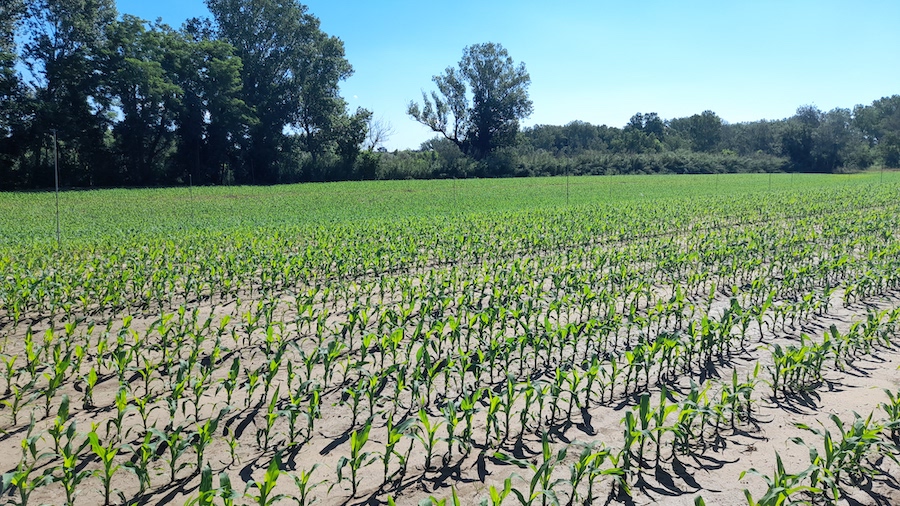
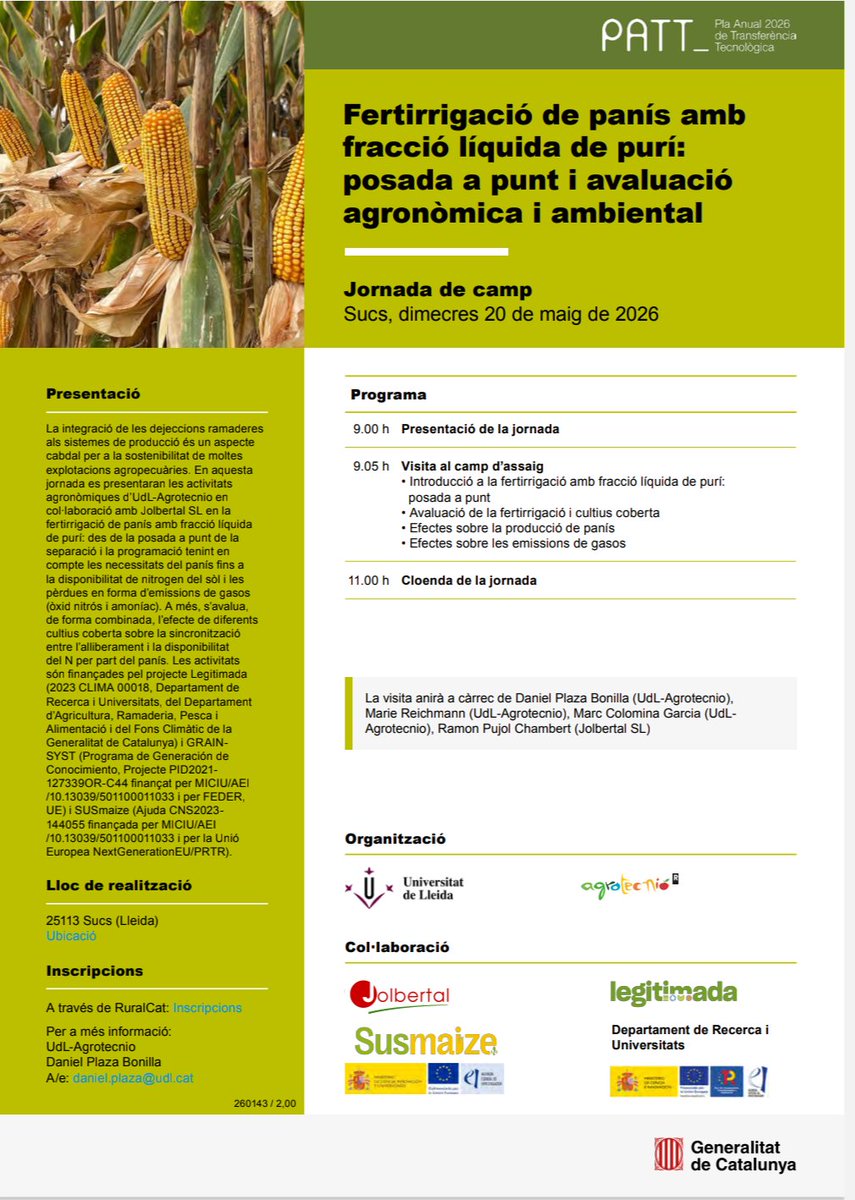
Organitzem la Jornada Tècnica: Fertirrigació de panís amb fracció líquida de purí: posada a punt i avaluació agronòmica i ambiental @Agrotecnio @UdL_RDI @ETSEAFIV_UdL 📍Sucs, Lleida 🗓️ 20 de maig 2026 🕘9:00 h
Daniel Plaza-Bonilla tweet media
Català
0
4
4
236
JM Montull
JM Montull@JoseM_Montull·
@f_miranda_s Y aquí con la limitación a 170kg de N orgánico teniendo purin y estiércol de sobras en muchas zonas...
Español
1
0
1
20
JM Montull retweetledi
Fernando Miranda
Fernando Miranda@f_miranda_s·
👇Worth reading
Shanaka Anslem Perera ⚡@shanaka86

Corn requires 140 to 180 pounds of synthetic nitrogen per acre. Soybeans require near zero because rhizobia bacteria in their root nodules fix atmospheric nitrogen directly from the air. This biological fact is now the most consequential variable in American agriculture because the synthetic nitrogen that corn needs is manufactured through the Haber-Bosch process, the Haber-Bosch process runs on natural gas, and one third of the world’s seaborne fertiliser trade transits the Strait of Hormuz, which has been effectively closed for five weeks. The USDA’s March 31 Prospective Plantings report confirmed the shift. Corn planted intentions fell to 95.3 million acres, down 3.45 million from 2025. Soybean intentions rose to 84.7 million acres, up four percent. Anhydrous ammonia hit $1,035 per tonne at retail, the first time above $1,000 since April 2023. Urea hit $826, the first time above $800 since November 2022. The urea-to-corn price ratio reached 126 bushels per tonne against a historical average of 75. At that ratio, planting corn on marginal land is a guaranteed loss. The farmer is not making a philosophical choice. The farmer is doing arithmetic. And the arithmetic says soybeans. America produces 75 to 94 percent of its ammonia domestically. It is not Bangladesh, which shut four of five state urea plants within a week. It is not Sri Lanka, which reactivated military-escorted QR fuel rationing. The United States will not have a nitrogen famine. What it will have is a nitrogen price trap that alters the composition of what is planted, how much nitrogen is applied to what remains, and what that means for the 6.2 billion bushels of corn that the USDA projects will be consumed as animal feed this marketing year. The chain is linear and each link is verified. Strait closed. Gas trapped. Haber-Bosch plants offline or repriced. Urea surges. Corn margins collapse. Farmers shift acres to soybeans. Fewer corn acres at harvest. Tighter supply against sticky feed demand and inelastic ethanol mandates under the Renewable Fuel Standard, which alone consumes 5.6 billion bushels annually regardless of price. Higher corn prices transmit into feed costs for cattle, hogs, and poultry. Livestock producers absorb, pass through, or liquidate herds. Meat, dairy, and egg prices rise 10 to 25 percent by early 2027 according to commodity analysts tracking the acreage shift. India says its stockpile is “comfortable.” American farmers face a different test: not whether they can get nitrogen, but whether they can afford it before the biological window closes in mid-May. Every acre that shifts from corn to soybeans removes a feed grain acre. Every pound of nitrogen skipped on remaining corn reduces yield on a quadratic curve: the first 20 pounds cut cost far more in lost bushels than the last 20 applied. The war is in Iran. The strait is in the Gulf. The molecule is methane. The reaction is Haber-Bosch. The product is urea. The crop is corn. The consumer is a chicken in Arkansas, a hog in Iowa, a dairy cow in Wisconsin, and every American who buys what they produce. The strait and the steak are connected by a single chemical reaction that was invented in 1909 and has fed half the world’s population ever since. When the feedstock for that reaction is trapped behind a naval blockade, the steak reprices. Not today. At harvest. And harvest does not wait for diplomacy. open.substack.com/pub/shanakaans…
English
1
1
3
301
JM Montull retweetledi
J. Pascual
J. Pascual@JuanPascual4·
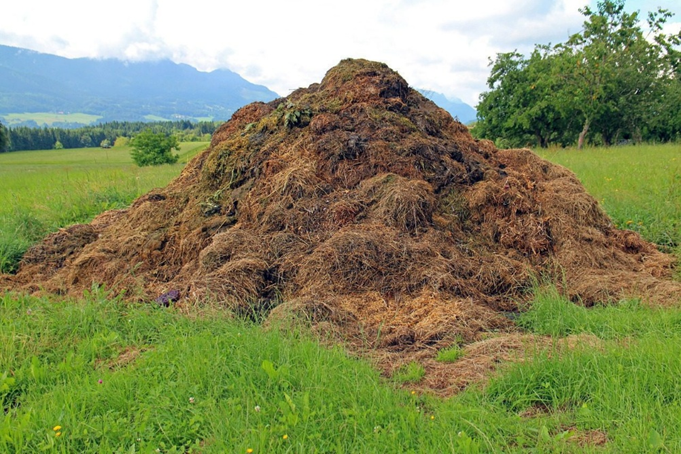
1/ Se dispara el valor del estiércol animal. Con el gas y los fertilizantes en máximos, el campo europeo está viviendo un cambio silencioso: lo que antes era un residuo (estiércol, purines) hoy empieza a cotizar como un activo estratégico. No es ideología. Es aritmética agraria. Abro hilo 👇
J. Pascual tweet media
Español
55
518
1.3K
108.1K
JM Montull retweetledi
Visio-Crop
Visio-Crop@VisioCrop·
@BONNIN1402 @OlivierCOSTE2 @terresinovia Ici, mon analyse, me dit que la cause est due à des mauvais INN en début montaison, (Azote efficicae le 13-15/3)car n'avons pas eu de températures gélive depuis le 15/2, il n'y a pas de LGA dans les tiges, et trés peu dans les feuilles !! Pire dans les sols superficiels ...
Français
1
1
2
257
Emmanuel BONNIN
Emmanuel BONNIN@BONNIN1402·
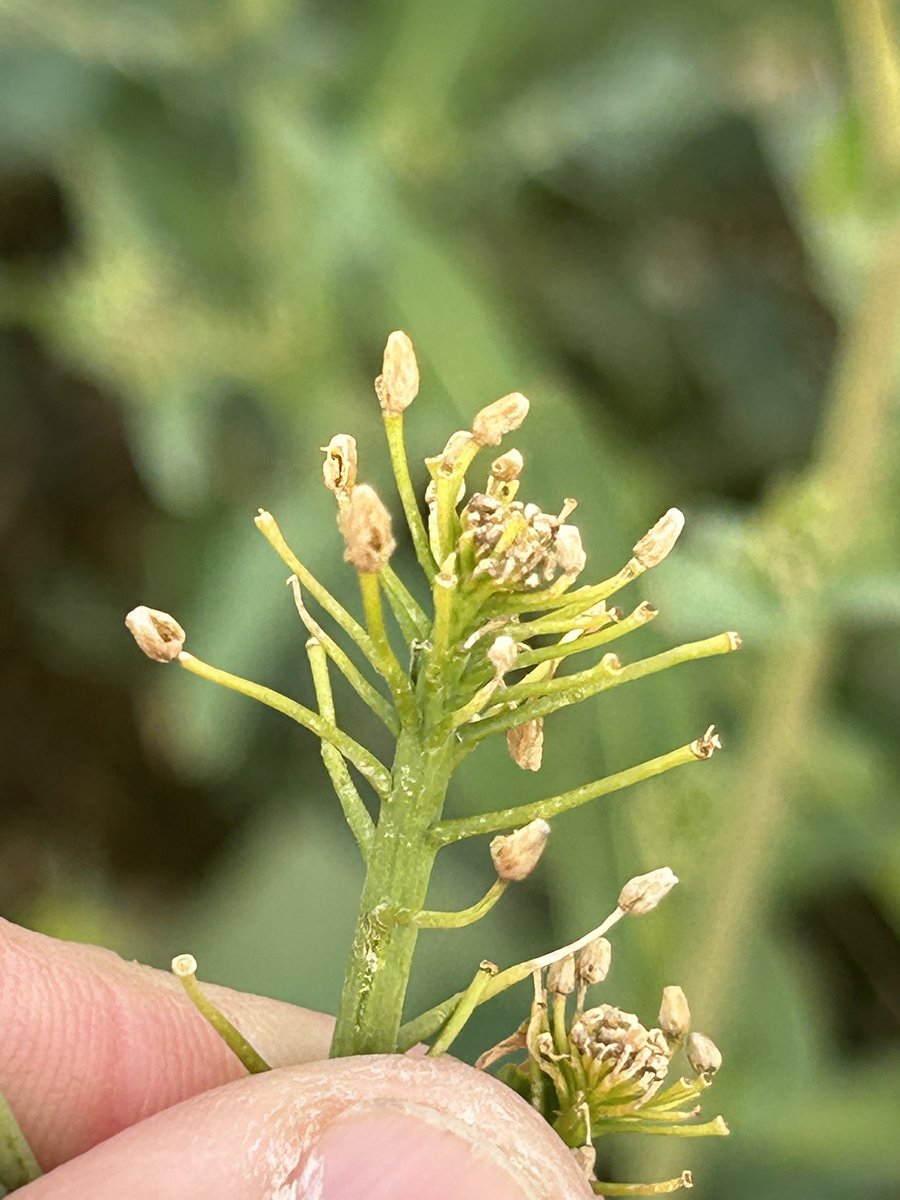
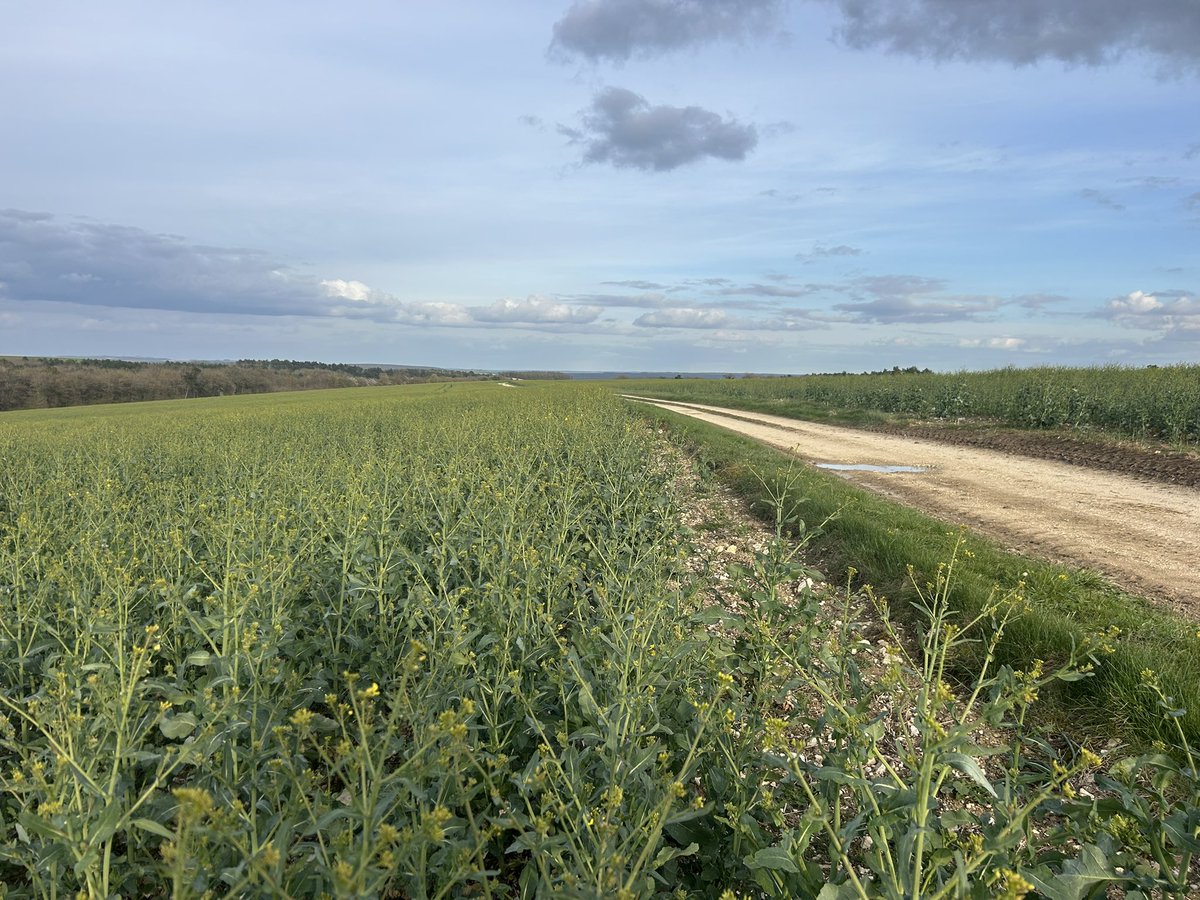
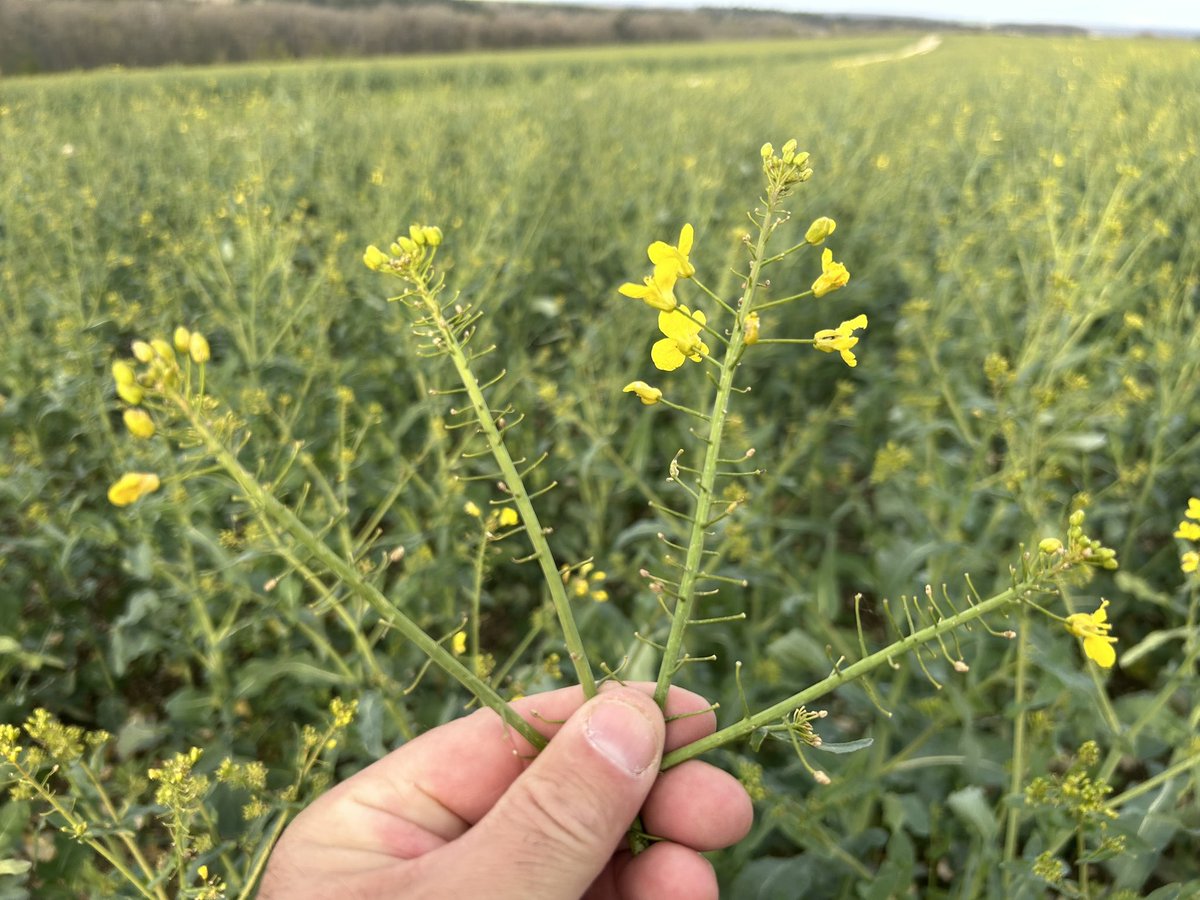
Tu y crois @OlivierCOSTE2 a leur histoire de températures stressantes ? Ce n’est pas à cette altitude qu’il a bcp gelé … pourtant je cherche une silique! Et c’était un très beau colza robuste. Il en manque tout de même 6 999/m2. @terresinovia En 24 ans, je n’ai jms vu cela
Emmanuel BONNIN tweet mediaEmmanuel BONNIN tweet mediaEmmanuel BONNIN tweet media
Français
21
10
45
16.2K