Juan Bordera🌍🇵🇸

19.8K posts

Juan Bordera🌍🇵🇸 banner
Juan Bordera🌍🇵🇸

Juan Bordera🌍🇵🇸

@JuanBordera

Guionista/periodista. Coautor de El otoño de la civilización y ¿El final de las estaciones? Activista en la Global Sumud Flotilla y en Rebelión Científica.

València - Alcoi. Katılım Mayıs 2010
2.5K Takip Edilen27.6K Takipçiler
Sabitlenmiş Tweet
Juan Bordera🌍🇵🇸
Juan Bordera🌍🇵🇸@JuanBordera·
Olas de calor, huracanes, inundaciones e incendios golpean más lugares, con más frecuencia y fuerza. Tras semanas trabajando sobre las causas del aumento de los fenómenos extremos, por fin podemos contaros que... El🧵más importante que he hecho nunca. ➡️ctxt.es/es/20231101/Fi…
Juan Bordera🌍🇵🇸 tweet media
Español
76
1.6K
2.5K
641.6K
Juan Bordera🌍🇵🇸 retweetledi
Jim Stewartson, Decelerationist 🇨🇦🇺🇦🇺🇸
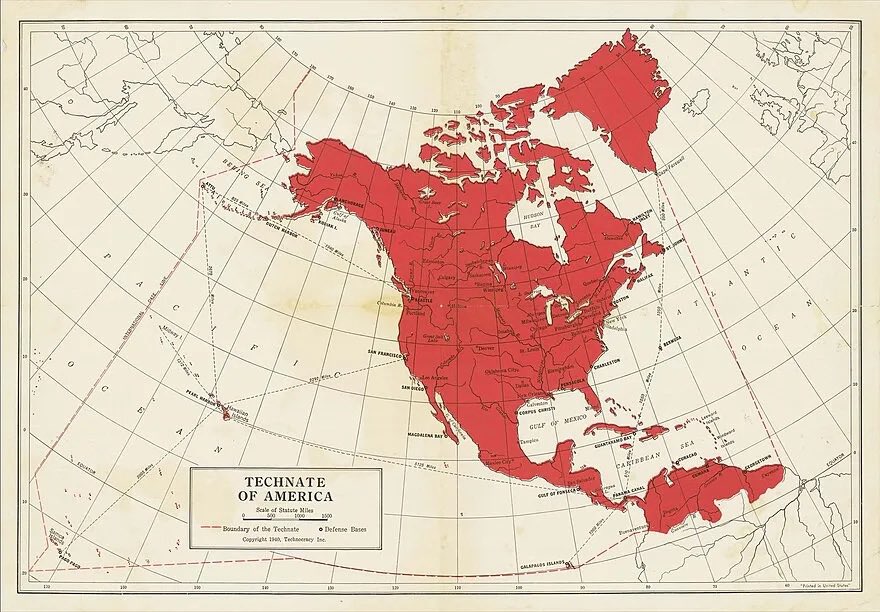
In the 1930s, Elon Musk’s grandfather was involved in a fascist movement called Technocracy, Inc. that proposed to replace democracy with authoritarian rule by technocrats—while taking over all of North and Central America. Now it’s called Palantir.
Jim Stewartson, Decelerationist 🇨🇦🇺🇦🇺🇸 tweet mediaJim Stewartson, Decelerationist 🇨🇦🇺🇦🇺🇸 tweet media
Jim Stewartson, Decelerationist 🇨🇦🇺🇦🇺🇸@jimstewartson

Thiel said this in 2010: “The basic idea was we could never win an election… because we were in such a small minority. But maybe you could actually unilaterally change the world without constantly having to convince people… through a technological means.” He must be stopped.

English
55
3.2K
7.7K
130.9K
Juan Bordera🌍🇵🇸 retweetledi
Prof. Eliot Jacobson
Prof. Eliot Jacobson@EliotJacobson·
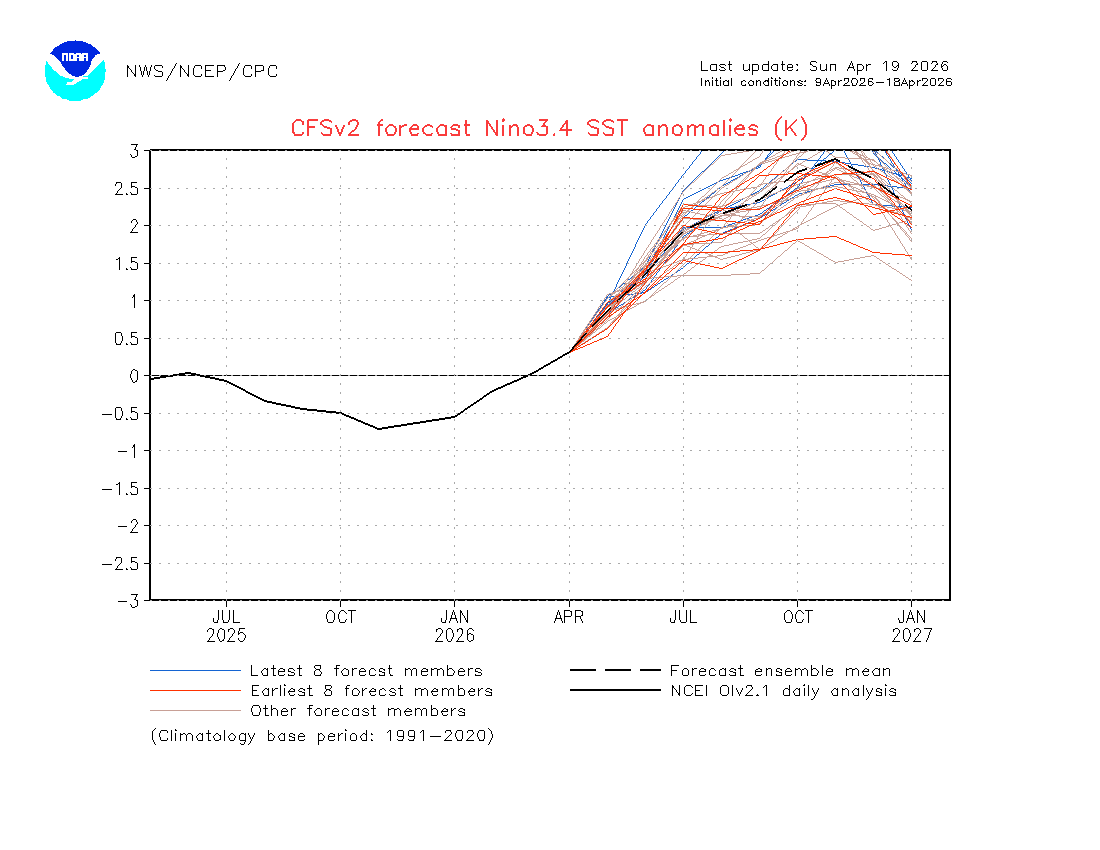
I see El Nino coming It's rolling round the bend And I ain't seen the sunshine Since I don't know when ...
Prof. Eliot Jacobson tweet media
English
15
112
441
10.5K
Juan Bordera🌍🇵🇸 retweetledi
Jim Stewartson, Decelerationist 🇨🇦🇺🇦🇺🇸
Thiel said this in 2010: “The basic idea was we could never win an election… because we were in such a small minority. But maybe you could actually unilaterally change the world without constantly having to convince people… through a technological means.” He must be stopped.
Palantir@PalantirTech

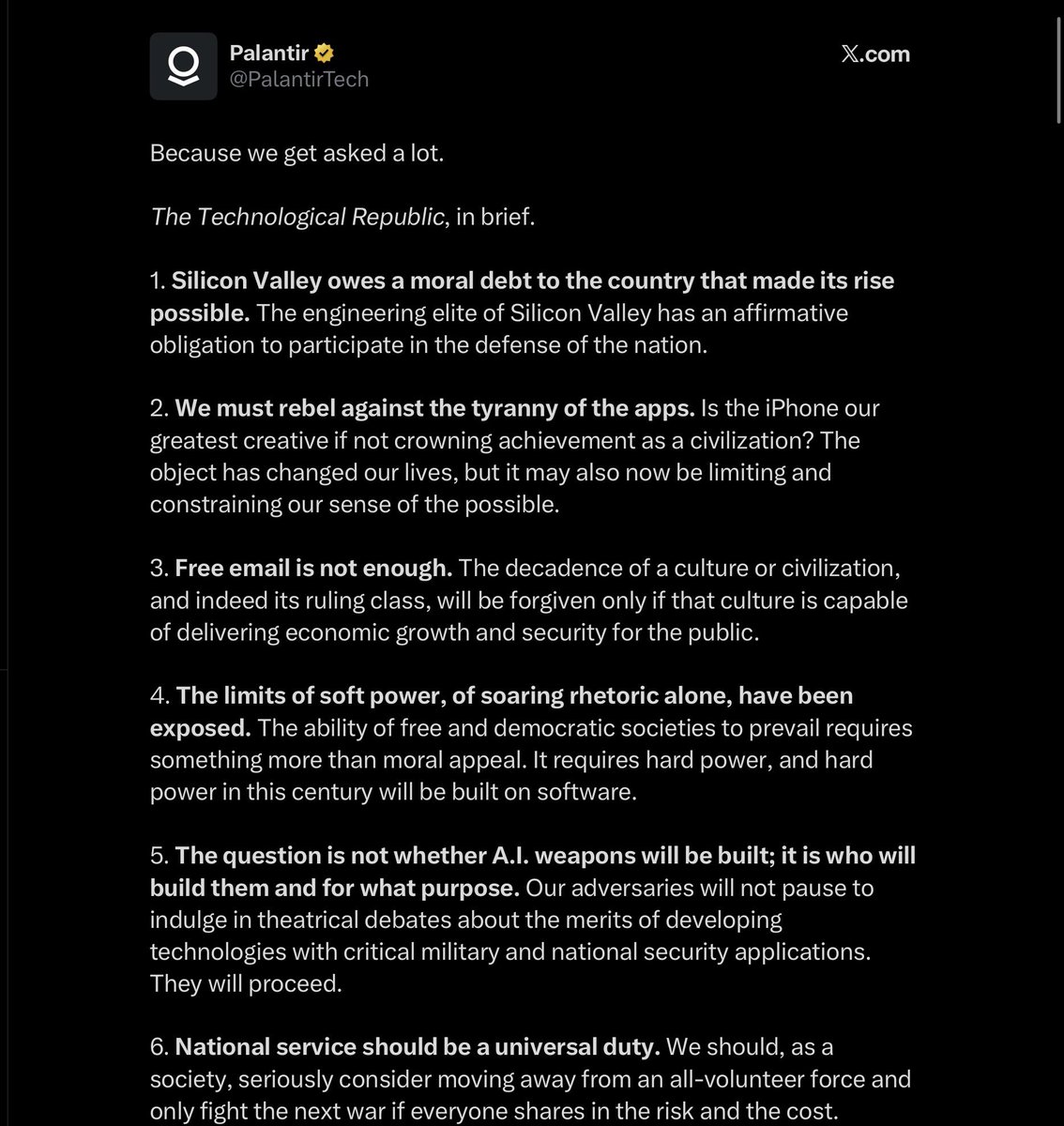
Because we get asked a lot. The Technological Republic, in brief. 1. Silicon Valley owes a moral debt to the country that made its rise possible. The engineering elite of Silicon Valley has an affirmative obligation to participate in the defense of the nation. 2. We must rebel against the tyranny of the apps. Is the iPhone our greatest creative if not crowning achievement as a civilization? The object has changed our lives, but it may also now be limiting and constraining our sense of the possible. 3. Free email is not enough. The decadence of a culture or civilization, and indeed its ruling class, will be forgiven only if that culture is capable of delivering economic growth and security for the public. 4. The limits of soft power, of soaring rhetoric alone, have been exposed. The ability of free and democratic societies to prevail requires something more than moral appeal. It requires hard power, and hard power in this century will be built on software. 5. The question is not whether A.I. weapons will be built; it is who will build them and for what purpose. Our adversaries will not pause to indulge in theatrical debates about the merits of developing technologies with critical military and national security applications. They will proceed. 6. National service should be a universal duty. We should, as a society, seriously consider moving away from an all-volunteer force and only fight the next war if everyone shares in the risk and the cost. 7. If a U.S. Marine asks for a better rifle, we should build it; and the same goes for software. We should as a country be capable of continuing a debate about the appropriateness of military action abroad while remaining unflinching in our commitment to those we have asked to step into harm’s way. 8. Public servants need not be our priests. Any business that compensated its employees in the way that the federal government compensates public servants would struggle to survive. 9. We should show far more grace towards those who have subjected themselves to public life. The eradication of any space for forgiveness—a jettisoning of any tolerance for the complexities and contradictions of the human psyche—may leave us with a cast of characters at the helm we will grow to regret. 10. The psychologization of modern politics is leading us astray. Those who look to the political arena to nourish their soul and sense of self, who rely too heavily on their internal life finding expression in people they may never meet, will be left disappointed. 11. Our society has grown too eager to hasten, and is often gleeful at, the demise of its enemies. The vanquishing of an opponent is a moment to pause, not rejoice. 12. The atomic age is ending. One age of deterrence, the atomic age, is ending, and a new era of deterrence built on A.I. is set to begin. 13. No other country in the history of the world has advanced progressive values more than this one. The United States is far from perfect. But it is easy to forget how much more opportunity exists in this country for those who are not hereditary elites than in any other nation on the planet. 14. American power has made possible an extraordinarily long peace. Too many have forgotten or perhaps take for granted that nearly a century of some version of peace has prevailed in the world without a great power military conflict. At least three generations — billions of people and their children and now grandchildren — have never known a world war. 15. The postwar neutering of Germany and Japan must be undone. The defanging of Germany was an overcorrection for which Europe is now paying a heavy price. A similar and highly theatrical commitment to Japanese pacifism will, if maintained, also threaten to shift the balance of power in Asia. 16. We should applaud those who attempt to build where the market has failed to act. The culture almost snickers at Musk’s interest in grand narrative, as if billionaires ought to simply stay in their lane of enriching themselves . . . . Any curiosity or genuine interest in the value of what he has created is essentially dismissed, or perhaps lurks from beneath a thinly veiled scorn. 17. Silicon Valley must play a role in addressing violent crime. Many politicians across the United States have essentially shrugged when it comes to violent crime, abandoning any serious efforts to address the problem or take on any risk with their constituencies or donors in coming up with solutions and experiments in what should be a desperate bid to save lives. 18. The ruthless exposure of the private lives of public figures drives far too much talent away from government service. The public arena—and the shallow and petty assaults against those who dare to do something other than enrich themselves—has become so unforgiving that the republic is left with a significant roster of ineffectual, empty vessels whose ambition one would forgive if there were any genuine belief structure lurking within. 19. The caution in public life that we unwittingly encourage is corrosive. Those who say nothing wrong often say nothing much at all. 20. The pervasive intolerance of religious belief in certain circles must be resisted. The elite’s intolerance of religious belief is perhaps one of the most telling signs that its political project constitutes a less open intellectual movement than many within it would claim. 21. Some cultures have produced vital advances; others remain dysfunctional and regressive. All cultures are now equal. Criticism and value judgments are forbidden. Yet this new dogma glosses over the fact that certain cultures and indeed subcultures . . . have produced wonders. Others have proven middling, and worse, regressive and harmful. 22. We must resist the shallow temptation of a vacant and hollow pluralism. We, in America and more broadly the West, have for the past half century resisted defining national cultures in the name of inclusivity. But inclusion into what? Excerpts from the #1 New York Times Bestseller The Technological Republic: Hard Power, Soft Belief, and the Future of the West, by Alexander C. Karp & Nicholas W. Zamiska techrepublicbook.com

English
255
5.3K
16.4K
926.1K
Juan Bordera🌍🇵🇸 retweetledi
Ryan Maue
Ryan Maue@RyanMaue·
The upcoming "mega El Niño" could be the strongest since the 1877 event that wiped out 4% of the Earth's population due to heat waves, drought and pestilence. Scientists watching every weather model update are getting "heart palpitations" ❤️
Ryan Maue tweet media
English
369
1.9K
7.9K
2.4M
Juan Bordera🌍🇵🇸 retweetledi
Peter Dynes
Peter Dynes@PGDynes·
Godzilla is coming. The tropical Pacific is warming at the fastest rate this century. A potential super El Niño is building — primed to disrupt global weather, intensify extremes, and push global temperatures to new highs.
Peter Dynes tweet media
English
41
662
1.9K
109.5K
Juan Bordera🌍🇵🇸 retweetledi
Arnaud Bertrand
Arnaud Bertrand@RnaudBertrand·
If governments were actually doing their job, this Palantir document 👇 wouldn't be a manifesto they proudly boast about, but a clear sign of the urgent need to purge its software from the public institutions it has infiltrated. What are they saying, essentially? They basically promote a clash of civilization worldview in which there exists a "they" - the supposed enemies of Western civilization, whose cultures the document codes as inferior - and a "we" who must stop indulging in decadent restraint and invest massively in AI weapons and defense software (which conveniently makes Palantir's product catalog the civilizational cure). Look at point 4 for instance. They write that "the limits of soft power, of soaring rhetoric alone, have been exposed. The ability of free and democratic societies to prevail requires something more than moral appeal. It requires hard power, and hard power in this century will be built on software." It all rests on a pretty massive assumption: that coexistence is impossible. Why would "free and democratic societies" (by which they obviously mean Western-style liberal-democracies) need to "prevail"? Why can't they simply coexist with other civilizations or political systems out there? Nowhere in the document do they defend this assumption: it's simply asserted as the starting condition of the argument. But it's the entire ballgame: if civilizations and political systems can coexist - as they largely have, imperfectly but recognizably, throughout history - then the entire case they make in the document evaporates. In fact one can argue that, studying history, the big problem was not that civilizations couldn't coexist: it was that, from time to time, one of them decided that others were inferior, threatening, or standing in the way of its rightful expansion - and acted accordingly. So many catastrophes and so much human suffering in history trace back not to the fact of plural civilizations, but to one of them deciding it could no longer tolerate the others. The problem, in other words, has almost always been exactly the worldview Palantir is now selling. Their manifesto isn't warning against the cause of some of the worst periods in history: it's arguing for reviving them! Or take point 15: they explicitly call for the re-armament of Germany and Japan, and an end to "Japanese pacifism". Basically undoing one of the foundational settlements of the post-WW2 order. I mean, think about the insanity of this for a second: a private company - unelected, answerable only to its shareholders - is casually proposing to overturn the security architecture of two continents. A settlement that took a world war, and tens of millions of dead to establish. Why do they propose this? There is obviously a commercial motivation: a remilitarized Germany and Japan are massive new defense-software markets. But the more troubling answer is that point 15 fits into the ideological project the rest of the manifesto lays out - a civilizational contest requires a consolidated Western bloc, and pacifist members are a liability in such a contest. So taking a step back we now have what's the most influential defense-software company in the world, with its code deeply embedded in all the machinery of Western states - intelligence agencies, militaries, police forces, welfare systems, border controls - openly outing itself as an ideological project. They're effectively saying "our tools aren't meant to serve your foreign policy. They're meant to enforce ours." Because, worryingly, that's what they CAN do. Palantir software is all about basically telling states: "these are your threats, these are the people and groups to watch, these are the patterns that matter, these are the targets that warrant action." For instance the DGSI - the French intelligence services - use Palantir (see: x.com/RnaudBertrand/…): do you honestly think the software is warning them about, say, the NSA tapping the phones of French government officials? About the weaponization of US extraterritorial law against French companies? Did it warn them about the AUKUS ambush that cost France a sixty-billion-euro submarine contract? Obviously not. And that's exactly what the manifesto is saying. They've positioned themselves as advocates of Western civilizational unity, so their software can't undermine it. The ideological position and the product roadmap have to align, or the whole project falls apart. This makes their software not only deeply dangerous for the world as a whole but also, almost by definition, for any country using it. When it comes to your security as a state, it is primordial you base yourself on truth as opposed to ideology. The entire point of an intelligence agency is to tell its government what is true, not what your so-called "allies'" defense contractors would like you to see. A state that outsources its threat assessment to a company with an explicit ideological agenda is not gathering intelligence, it is essentially subscribing to propaganda. The conclusion couldn't be more obvious. Every government still running Palantir software in its intelligence, security, or public-service infrastructure needs to start ripping it out, now! Lest they want to be embarked on the delusional and deeply destructive clash-of-civilizations crusade Palantir has now openly committed itself to.
Palantir@PalantirTech

Because we get asked a lot. The Technological Republic, in brief. 1. Silicon Valley owes a moral debt to the country that made its rise possible. The engineering elite of Silicon Valley has an affirmative obligation to participate in the defense of the nation. 2. We must rebel against the tyranny of the apps. Is the iPhone our greatest creative if not crowning achievement as a civilization? The object has changed our lives, but it may also now be limiting and constraining our sense of the possible. 3. Free email is not enough. The decadence of a culture or civilization, and indeed its ruling class, will be forgiven only if that culture is capable of delivering economic growth and security for the public. 4. The limits of soft power, of soaring rhetoric alone, have been exposed. The ability of free and democratic societies to prevail requires something more than moral appeal. It requires hard power, and hard power in this century will be built on software. 5. The question is not whether A.I. weapons will be built; it is who will build them and for what purpose. Our adversaries will not pause to indulge in theatrical debates about the merits of developing technologies with critical military and national security applications. They will proceed. 6. National service should be a universal duty. We should, as a society, seriously consider moving away from an all-volunteer force and only fight the next war if everyone shares in the risk and the cost. 7. If a U.S. Marine asks for a better rifle, we should build it; and the same goes for software. We should as a country be capable of continuing a debate about the appropriateness of military action abroad while remaining unflinching in our commitment to those we have asked to step into harm’s way. 8. Public servants need not be our priests. Any business that compensated its employees in the way that the federal government compensates public servants would struggle to survive. 9. We should show far more grace towards those who have subjected themselves to public life. The eradication of any space for forgiveness—a jettisoning of any tolerance for the complexities and contradictions of the human psyche—may leave us with a cast of characters at the helm we will grow to regret. 10. The psychologization of modern politics is leading us astray. Those who look to the political arena to nourish their soul and sense of self, who rely too heavily on their internal life finding expression in people they may never meet, will be left disappointed. 11. Our society has grown too eager to hasten, and is often gleeful at, the demise of its enemies. The vanquishing of an opponent is a moment to pause, not rejoice. 12. The atomic age is ending. One age of deterrence, the atomic age, is ending, and a new era of deterrence built on A.I. is set to begin. 13. No other country in the history of the world has advanced progressive values more than this one. The United States is far from perfect. But it is easy to forget how much more opportunity exists in this country for those who are not hereditary elites than in any other nation on the planet. 14. American power has made possible an extraordinarily long peace. Too many have forgotten or perhaps take for granted that nearly a century of some version of peace has prevailed in the world without a great power military conflict. At least three generations — billions of people and their children and now grandchildren — have never known a world war. 15. The postwar neutering of Germany and Japan must be undone. The defanging of Germany was an overcorrection for which Europe is now paying a heavy price. A similar and highly theatrical commitment to Japanese pacifism will, if maintained, also threaten to shift the balance of power in Asia. 16. We should applaud those who attempt to build where the market has failed to act. The culture almost snickers at Musk’s interest in grand narrative, as if billionaires ought to simply stay in their lane of enriching themselves . . . . Any curiosity or genuine interest in the value of what he has created is essentially dismissed, or perhaps lurks from beneath a thinly veiled scorn. 17. Silicon Valley must play a role in addressing violent crime. Many politicians across the United States have essentially shrugged when it comes to violent crime, abandoning any serious efforts to address the problem or take on any risk with their constituencies or donors in coming up with solutions and experiments in what should be a desperate bid to save lives. 18. The ruthless exposure of the private lives of public figures drives far too much talent away from government service. The public arena—and the shallow and petty assaults against those who dare to do something other than enrich themselves—has become so unforgiving that the republic is left with a significant roster of ineffectual, empty vessels whose ambition one would forgive if there were any genuine belief structure lurking within. 19. The caution in public life that we unwittingly encourage is corrosive. Those who say nothing wrong often say nothing much at all. 20. The pervasive intolerance of religious belief in certain circles must be resisted. The elite’s intolerance of religious belief is perhaps one of the most telling signs that its political project constitutes a less open intellectual movement than many within it would claim. 21. Some cultures have produced vital advances; others remain dysfunctional and regressive. All cultures are now equal. Criticism and value judgments are forbidden. Yet this new dogma glosses over the fact that certain cultures and indeed subcultures . . . have produced wonders. Others have proven middling, and worse, regressive and harmful. 22. We must resist the shallow temptation of a vacant and hollow pluralism. We, in America and more broadly the West, have for the past half century resisted defining national cultures in the name of inclusivity. But inclusion into what? Excerpts from the #1 New York Times Bestseller The Technological Republic: Hard Power, Soft Belief, and the Future of the West, by Alexander C. Karp & Nicholas W. Zamiska techrepublicbook.com
English
337
5.3K
13.6K
912.3K
Juan Bordera🌍🇵🇸 retweetledi
LaHistoriadora™
LaHistoriadora™@LaHistoriadora_·
Hoy es viral: arqueólogos españoles han hallado en Egipto una momia con un papiro de la 'Ilíada' de Homero en su interior. ¿Qué hace un texto griego en una tumba egipcia de época romana? Como arqueóloga, os explico por qué este hallazgo es increíble. Abro hilo👇🧵
Español
247
3.2K
15.6K
1.3M
Juan Bordera🌍🇵🇸 retweetledi
Christophe Boutry
Christophe Boutry@Ced_haurus·
Palantir vient de publier son manifeste. Lisez-le. Pas pour ce qu'il dit sur la tech. Pour ce qu'il dit sur le politique. Sur l'idéologie de Karp et Thiel. Sur la guerre. Sur vous. Quand une entreprise privée se donne pour mission de définir qui doit être surveillé, ciblé, prédit, neutralisé, et qu'elle publie simultanément un texte expliquant pourquoi contester cela serait de la faiblesse civilisationnelle, on n'est plus dans la stratégie d'entreprise. On est dans la privatisation du souverain. Le droit de décider de l'ennemi, qui fut toujours le geste politique fondateur des États, est en train d'être racheté par une entreprise cotée au Nasdaq. Ce manifeste repose sur un seul tour de passe-passe, répété sous vingt formes différentes : rendre l'inévitable ce qui est en réalité un choix. Les armes à IA ? Elles seront construites de toute façon, alors autant que ce soit nous. La surveillance algorithmique ? La réalité géopolitique l'exige. Le réarmement de l'Occident, la hiérarchie des cultures, la disqualification du pluralisme comme naïveté dangereuse ? Simple lucidité face au monde tel qu'il est. C'est le geste idéologique par excellence : ne pas interdire la question, mais la rendre indécente. Ce que Palantir appelle réalisme est en fait une décision philosophique radicale : le conflit est la vérité permanente du monde, la délibération démocratique est une fragilité que l'adversaire exploitera, et une élite technologique privée est mieux placée qu'un peuple pour tirer les conséquences de cette vérité. C'est du schmittisme en hoodie. C'est littéralement la structure de leur pensée. Le danger n'est pas qu'ils soient fous. Le danger est qu'ils soient riches, cohérents, et déjà à l'intérieur des États. Palantir ne frappe pas à la porte des gouvernements pour vendre un outil. Elle arrive avec une cosmologie complète : voici comment fonctionne le monde, voici vos ennemis, voici pourquoi vous ne pouvez pas vous permettre de débattre, et voici notre contrat. Palantir est l'ennemie des peuples et de la démocratie. Ce qu'ils construisent, c'est un pouvoir technocratique que personne n'a élu et que personne ne pourra destituer.
Palantir@PalantirTech

Because we get asked a lot. The Technological Republic, in brief. 1. Silicon Valley owes a moral debt to the country that made its rise possible. The engineering elite of Silicon Valley has an affirmative obligation to participate in the defense of the nation. 2. We must rebel against the tyranny of the apps. Is the iPhone our greatest creative if not crowning achievement as a civilization? The object has changed our lives, but it may also now be limiting and constraining our sense of the possible. 3. Free email is not enough. The decadence of a culture or civilization, and indeed its ruling class, will be forgiven only if that culture is capable of delivering economic growth and security for the public. 4. The limits of soft power, of soaring rhetoric alone, have been exposed. The ability of free and democratic societies to prevail requires something more than moral appeal. It requires hard power, and hard power in this century will be built on software. 5. The question is not whether A.I. weapons will be built; it is who will build them and for what purpose. Our adversaries will not pause to indulge in theatrical debates about the merits of developing technologies with critical military and national security applications. They will proceed. 6. National service should be a universal duty. We should, as a society, seriously consider moving away from an all-volunteer force and only fight the next war if everyone shares in the risk and the cost. 7. If a U.S. Marine asks for a better rifle, we should build it; and the same goes for software. We should as a country be capable of continuing a debate about the appropriateness of military action abroad while remaining unflinching in our commitment to those we have asked to step into harm’s way. 8. Public servants need not be our priests. Any business that compensated its employees in the way that the federal government compensates public servants would struggle to survive. 9. We should show far more grace towards those who have subjected themselves to public life. The eradication of any space for forgiveness—a jettisoning of any tolerance for the complexities and contradictions of the human psyche—may leave us with a cast of characters at the helm we will grow to regret. 10. The psychologization of modern politics is leading us astray. Those who look to the political arena to nourish their soul and sense of self, who rely too heavily on their internal life finding expression in people they may never meet, will be left disappointed. 11. Our society has grown too eager to hasten, and is often gleeful at, the demise of its enemies. The vanquishing of an opponent is a moment to pause, not rejoice. 12. The atomic age is ending. One age of deterrence, the atomic age, is ending, and a new era of deterrence built on A.I. is set to begin. 13. No other country in the history of the world has advanced progressive values more than this one. The United States is far from perfect. But it is easy to forget how much more opportunity exists in this country for those who are not hereditary elites than in any other nation on the planet. 14. American power has made possible an extraordinarily long peace. Too many have forgotten or perhaps take for granted that nearly a century of some version of peace has prevailed in the world without a great power military conflict. At least three generations — billions of people and their children and now grandchildren — have never known a world war. 15. The postwar neutering of Germany and Japan must be undone. The defanging of Germany was an overcorrection for which Europe is now paying a heavy price. A similar and highly theatrical commitment to Japanese pacifism will, if maintained, also threaten to shift the balance of power in Asia. 16. We should applaud those who attempt to build where the market has failed to act. The culture almost snickers at Musk’s interest in grand narrative, as if billionaires ought to simply stay in their lane of enriching themselves . . . . Any curiosity or genuine interest in the value of what he has created is essentially dismissed, or perhaps lurks from beneath a thinly veiled scorn. 17. Silicon Valley must play a role in addressing violent crime. Many politicians across the United States have essentially shrugged when it comes to violent crime, abandoning any serious efforts to address the problem or take on any risk with their constituencies or donors in coming up with solutions and experiments in what should be a desperate bid to save lives. 18. The ruthless exposure of the private lives of public figures drives far too much talent away from government service. The public arena—and the shallow and petty assaults against those who dare to do something other than enrich themselves—has become so unforgiving that the republic is left with a significant roster of ineffectual, empty vessels whose ambition one would forgive if there were any genuine belief structure lurking within. 19. The caution in public life that we unwittingly encourage is corrosive. Those who say nothing wrong often say nothing much at all. 20. The pervasive intolerance of religious belief in certain circles must be resisted. The elite’s intolerance of religious belief is perhaps one of the most telling signs that its political project constitutes a less open intellectual movement than many within it would claim. 21. Some cultures have produced vital advances; others remain dysfunctional and regressive. All cultures are now equal. Criticism and value judgments are forbidden. Yet this new dogma glosses over the fact that certain cultures and indeed subcultures . . . have produced wonders. Others have proven middling, and worse, regressive and harmful. 22. We must resist the shallow temptation of a vacant and hollow pluralism. We, in America and more broadly the West, have for the past half century resisted defining national cultures in the name of inclusivity. But inclusion into what? Excerpts from the #1 New York Times Bestseller The Technological Republic: Hard Power, Soft Belief, and the Future of the West, by Alexander C. Karp & Nicholas W. Zamiska techrepublicbook.com

Français
436
10.3K
25.4K
2.9M
Juan Bordera🌍🇵🇸 retweetledi
The Kobeissi Letter
The Kobeissi Letter@KobeissiLetter·
It's official: We are now witnessing the largest energy supply disruption in modern history. Since the start of the Iran War on February 28th, more than 500 million ​barrels of crude and condensate have been removed form the global market. In other words, global supply has now lost ~$50 billion ​worth of crude oil production since the Iran war began nearly 50 days ago. This is the same amount of fuel it takes to run the world's international shipping industry for 4 months. The world has never seen anything like this before.
The Kobeissi Letter tweet media
English
349
2.4K
7.8K
661.1K
Juan Bordera🌍🇵🇸 retweetledi
Prof. Eliot Jacobson
Prof. Eliot Jacobson@EliotJacobson·
Breaking News! Code: Preliminary Mega-Yikes!!! Preliminary SSTs are spiking near a new record all-time high. The final data will take about 2 weeks to be posted. With the record ocean heatwave in the Eastern pacific and a rapidly developing El Nino, hang on to your tenterhooks!
Prof. Eliot Jacobson tweet media
English
7
159
438
17K
Juan Bordera🌍🇵🇸 retweetledi
José Vico 🔻🇵🇸🇿🇦
Vais a flipar, ya os lo digo La causa que investiga el reparto entre amigos de las VPO de Alicante ha empezado. Un funcionario de la Generalitat ha declarado esta mañana y ojo a lo que ha contado. Hubo un decreto que él ha denominado, decreto Mazón, que derogó la ley anterior del botánic, de la izquierda, para poder repartir las VPO entre los amigos. Recuerdo que hacia 20 años que no se construían VPO en Alicante. O sea, se derogó la ley, se construyó y se las repartieron. No las han devuelto. En dos y medio el PP ha devuelto al país Valencià al pozo de la corrupción. Es impresionante.
Español
37
2.3K
3.3K
39.7K
Juan Bordera🌍🇵🇸 retweetledi
Leon Simons 🌍
Leon Simons 🌍@LeonSimons8·
🌊🔥🔋📈 The Equatorial Pacific heat battery is almost fully charged and about to break temperature records and disrupt weather patterns around the world!
Leon Simons 🌍 tweet media
James Edward Hansen@DrJamesEHansen

Yes, we have an El Nino – probably Super-Duper – see the better diagnostic (Fig. 2) – comparison to ordinary and Super El Ninos See Super-Duper El Nino: mailchi.mp/caa/super-dupe… Also available on Substack: jimehansen.substack.com/p/super-duper-…

English
2
69
168
4.7K
Juan Bordera🌍🇵🇸 retweetledi
Julián Macías Tovar
Julián Macías Tovar@JulianMaciasT·
Estas imágenes no son de una película de nazis llevando a judíos a la cámara de gas. Son de esta mañana en Bala (Cisjordania), soldados israelís detienen a decenas de palestinos que podrán ser ahorcados por militares tras ser torturados, por la nueva ley.
Español
1.2K
47K
104.6K
1.7M
Juan Bordera🌍🇵🇸 retweetledi
Olga Rodríguez Francisco ✍️
Olga Rodríguez Francisco ✍️@olgarodriguezfr·
El periodista estadounidense kuwaití palestino, Ahmed Eldin, lleva semanas detenido en Kuwait. El Comité Internacional para la Protección de los Periodistas pide su puesta en libertad Compartí charla con él recientemente en Roma y lo conozco desde hace años Free Ahmed
Olga Rodríguez Francisco ✍️ tweet mediaOlga Rodríguez Francisco ✍️ tweet mediaOlga Rodríguez Francisco ✍️ tweet mediaOlga Rodríguez Francisco ✍️ tweet media
Español
6
1K
1.2K
16.7K
Juan Bordera🌍🇵🇸 retweetledi
David Windt
David Windt@DavidLWindt·
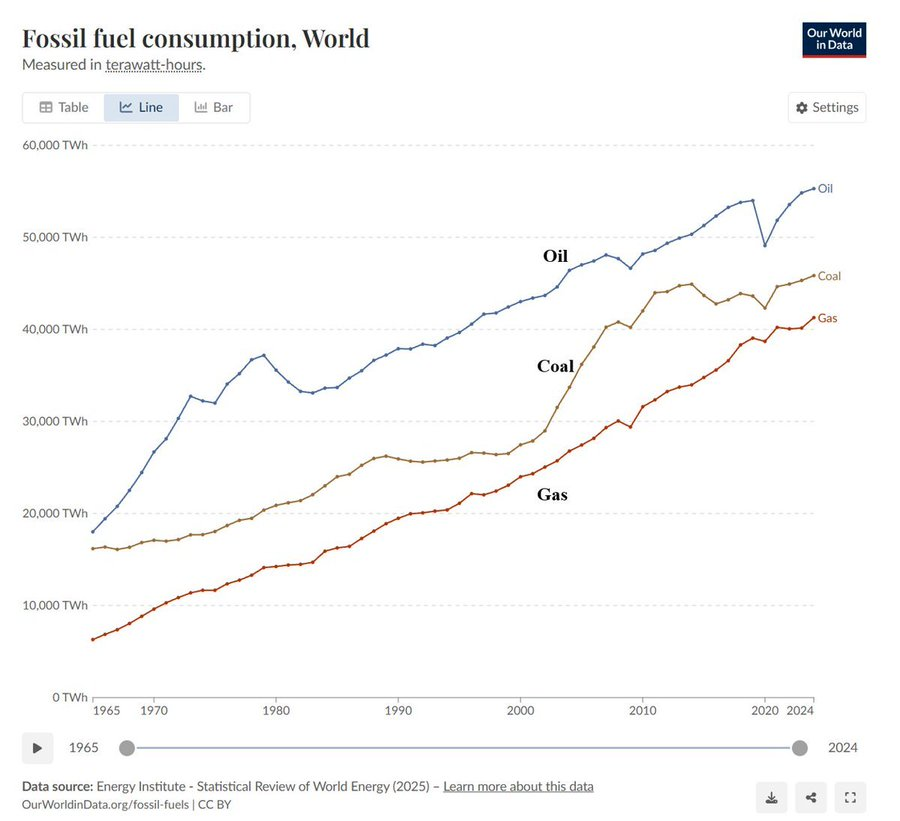
Don't be fooled: renewables are NOT REPLACING fossil fuels, they're ADDING to them. Emissions are at record levels and rising, and global warming is accelerating. What matters for the climate is fossil fuel consumption, not how fast renewables are growing.
David Windt tweet media
Ember@ember_energy

WEBINAR | In 2024, a RECORD rise in renewables pushed the world past 40% clean power 📈 What changed in 2025? Ember’s seventh annual Global Electricity Review provides the answers. 🗓️ Join the launch webinar on 21 April 2026 ember-energy.org/latest-updates… #GER2026

English
31
93
231
12.2K
Juan Bordera🌍🇵🇸 retweetledi
Accountable
Accountable@Accountable2019·
Evolución de impuestos en USA. A la derecha, los millonarios. Es una guerra de clases y los ricos están arrasando toda vida.
Español
172
1.2K
4.8K
447.3K
Juan Bordera🌍🇵🇸 retweetledi
Papi Robles
Papi Robles@papirusa·
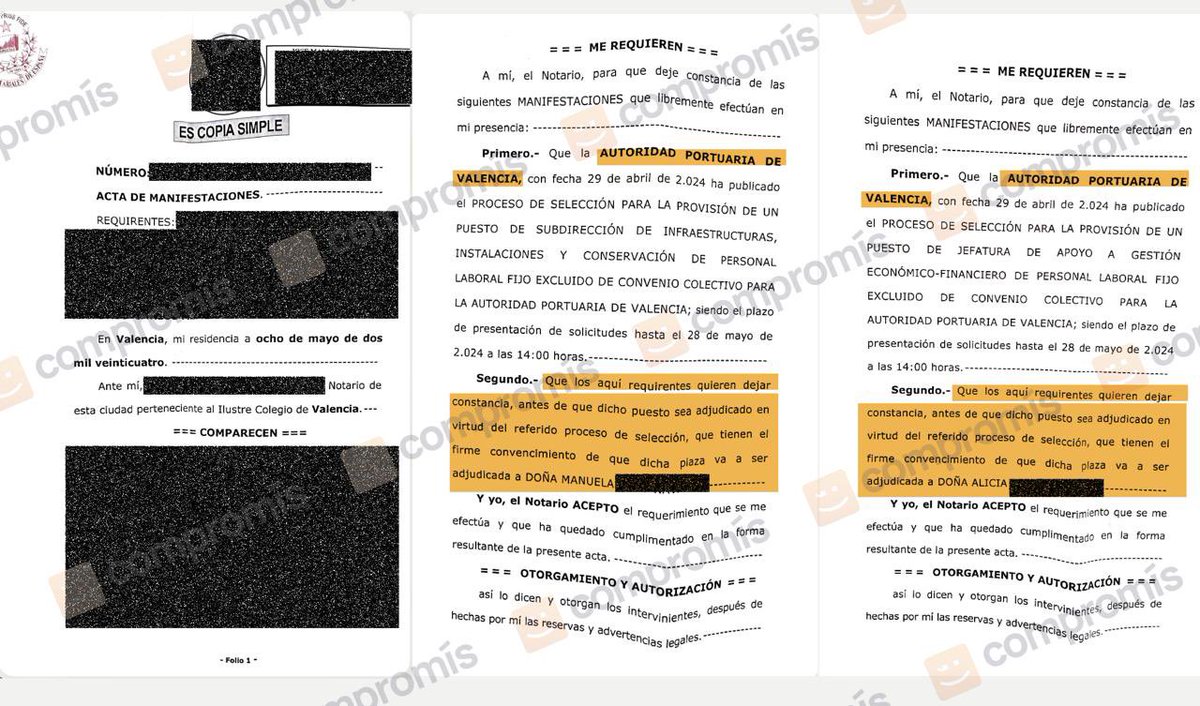
GAME OVER CATALÁ 🗞️La Fiscalía investiga a Catalá y la presidenta del Puerto de Valencia tras una denuncia de Compromís lasexta.com/noticias/nacio… Òbric un breu fil i vos explique🧵
Español
25
37
140
6.8K