

Jun jun
615 posts
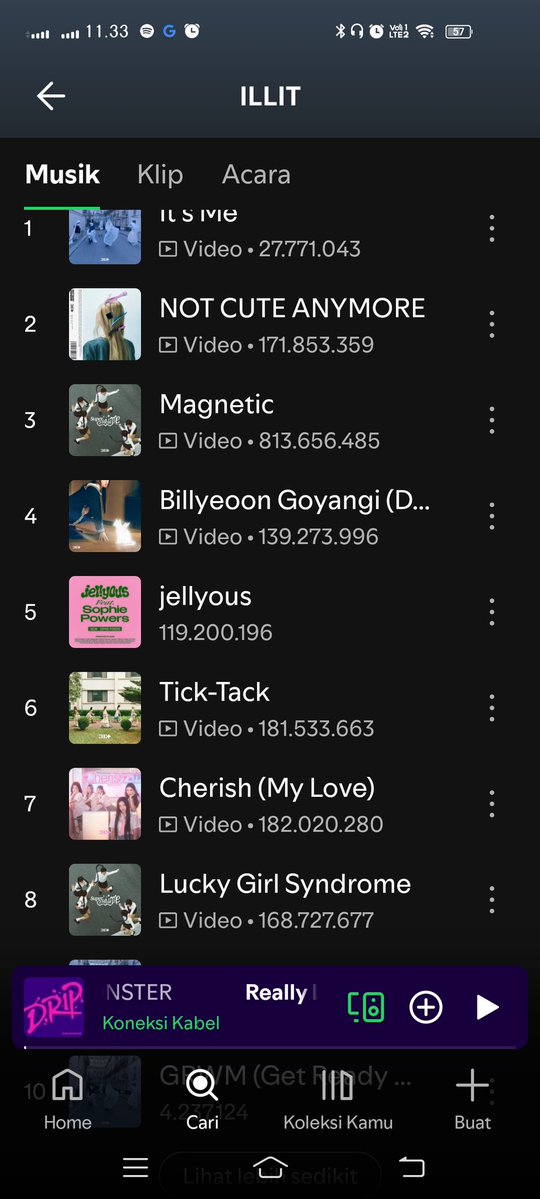

@JunL2025 @ladydiorz h2h sih setara semua, strem spo, youtube, apple music, sampe chart korea. dan gacor menang mushow🤣 lah flopmonster apa kabar?
minimal h2h kemaren bisa bersaing ama bp, lah flopmonster? skrg aja dipantatin ama illit+cortis 🤣
Indonesia


@hooluvvv @ladydiorz Wahh skrg h2h udah bisa bersaing dengan BP? Ulalaaaa... Gacor banget ya 💅💅 luar biasa bangett h2h. Astagaaaa sungkem dulu lah sama h2h.
Indonesia
@hooluvvv @ladydiorz Wahh h2h segacor itu? Streaming nya Udah berapa ratus juta nih??
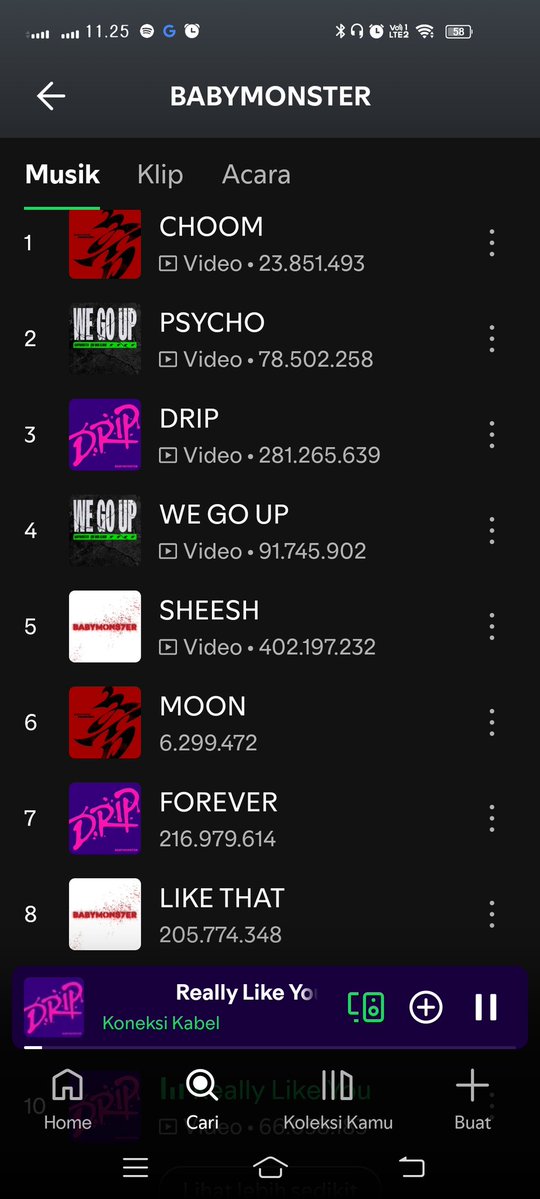
BM cuma segini doang nih.. kasian flop abis soalnya. H2h pasti jauh lebih tinggi dong ya.. kan gacor 💅

Indonesia
@hooluvvv @ladydiorz Kalo ratusan juta stream itu masih di bilang flop trus KPop yang gak sampe ratusan juta apa nama nya ya kak?
Indonesia
@JunL2025 @ladydiorz ratusan juta tapi menang mushow ngesot😂
the power of ads kaga bisa nolong flop monster
Indonesia

What happened with Snowdrop is a perfect masterclass in how these massive online historical panic-campaigns play out under Korean law versus internet noise.
When it aired, the public backlash against Snowdrop was arguably the most intense in modern K-drama history—significantly larger and more legally aggressive than anything happening now—yet absolutely nothing happened to the show. It finished its entire broadcast run safely and remains fully available on global streaming platforms.
The situation played out across three distinct fronts:
1. The Blue House Petition (The 365k Wall)
The online backlash exploded when early script leaks suggested a romance between a South Korean university student and a North Korean spy disguised as a democracy activist.
The Scale: A public petition demanding the government step in and stop production completely blew past the 200,000-signature threshold, eventually racking up over 365,000 signatures.
The Government's Response: The Presidential Blue Office officially rejected the petition. They stated that under Article 4 of Korea's Broadcasting Act, the state strictly guarantees the freedom and independence of media programming. They clarified that direct government intervention in creative works is a dangerous violation of free expression, declaring that the state must take a highly cautious approach and leave content evaluation to the choices of the private market, creators, and audiences.
2. The Court Battle (The Dismissed Injunction)
When the political petition route failed, an activist civic group took it straight to the legal system, filing a formal court injunction to force the cable network (JTBC) to stop broadcasting the drama immediately.
The Court's Ruling: The Seoul Western District Court completely dismissed the injunction.
The Legal Precedent: The judges ruled that even if a drama contains a distorted historical viewpoint, "it is difficult to believe that viewers will blindly accept it as fact." The court firmly established that simply offending a group of citizens' historical perspective does not meet the legal threshold required to infringe upon the public's right to view a fictional broadcast.
3. The Network's Self-Correction
Because the legal and governmental bodies refused to censor the show, the battle shifted entirely to public relations. JTBC didn't delete the drama; instead, they used internal edits to de-escalate the tension:
They completely renamed the female lead (originally named after a real-life democracy activist) to a fictional name.
They aired a special consecutive-episode block early in the schedule to prove to viewers that the plot wasn't glorifying spy agencies, which successfully took the steam out of the narrative.
Why This Precedent Matters:
The Snowdrop case is the ultimate legal shield. If a drama facing 365,000+ signatures and a formal court injunction was ruled legally protected under free expression laws—even while dealing with highly sensitive, real-world 1987 pro-democracy history—a 27k or 50k petition against a purely 架空 (fictional/alternate universe) modern royal drama like Perfect Crown stands zero chance.
The legal system simply does not delete international streaming content over internet comment threads
#PerfectCrown
English
Rt kelakuan fans iuhh buat bukti.
Filipe@filipe910910
What happened with Snowdrop is a perfect masterclass in how these massive online historical panic-campaigns play out under Korean law versus internet noise. When it aired, the public backlash against Snowdrop was arguably the most intense in modern K-drama history—significantly larger and more legally aggressive than anything happening now—yet absolutely nothing happened to the show. It finished its entire broadcast run safely and remains fully available on global streaming platforms. The situation played out across three distinct fronts: 1. The Blue House Petition (The 365k Wall) The online backlash exploded when early script leaks suggested a romance between a South Korean university student and a North Korean spy disguised as a democracy activist. The Scale: A public petition demanding the government step in and stop production completely blew past the 200,000-signature threshold, eventually racking up over 365,000 signatures. The Government's Response: The Presidential Blue Office officially rejected the petition. They stated that under Article 4 of Korea's Broadcasting Act, the state strictly guarantees the freedom and independence of media programming. They clarified that direct government intervention in creative works is a dangerous violation of free expression, declaring that the state must take a highly cautious approach and leave content evaluation to the choices of the private market, creators, and audiences. 2. The Court Battle (The Dismissed Injunction) When the political petition route failed, an activist civic group took it straight to the legal system, filing a formal court injunction to force the cable network (JTBC) to stop broadcasting the drama immediately. The Court's Ruling: The Seoul Western District Court completely dismissed the injunction. The Legal Precedent: The judges ruled that even if a drama contains a distorted historical viewpoint, "it is difficult to believe that viewers will blindly accept it as fact." The court firmly established that simply offending a group of citizens' historical perspective does not meet the legal threshold required to infringe upon the public's right to view a fictional broadcast. 3. The Network's Self-Correction Because the legal and governmental bodies refused to censor the show, the battle shifted entirely to public relations. JTBC didn't delete the drama; instead, they used internal edits to de-escalate the tension: They completely renamed the female lead (originally named after a real-life democracy activist) to a fictional name. They aired a special consecutive-episode block early in the schedule to prove to viewers that the plot wasn't glorifying spy agencies, which successfully took the steam out of the narrative. Why This Precedent Matters: The Snowdrop case is the ultimate legal shield. If a drama facing 365,000+ signatures and a formal court injunction was ruled legally protected under free expression laws—even while dealing with highly sensitive, real-world 1987 pro-democracy history—a 27k or 50k petition against a purely 架空 (fictional/alternate universe) modern royal drama like Perfect Crown stands zero chance. The legal system simply does not delete international streaming content over internet comment threads #PerfectCrown
Indonesia
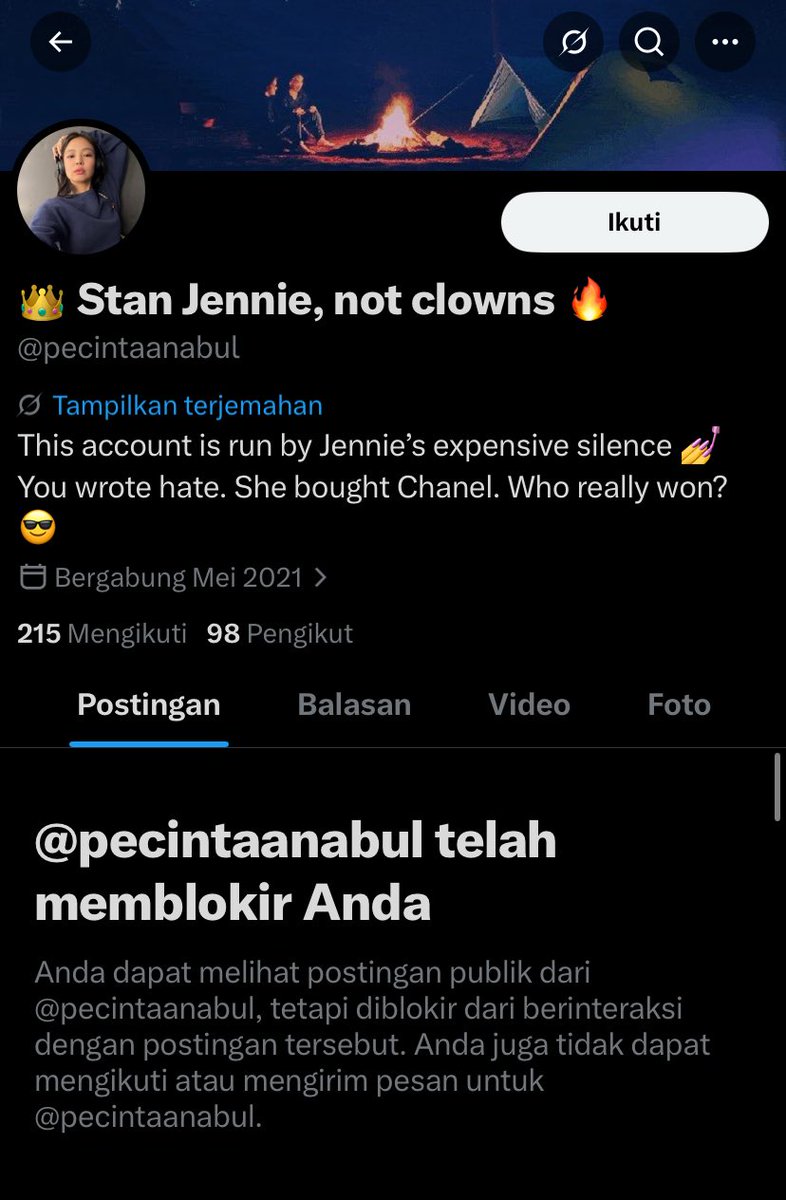
@xtzmou @pecintaanabul Gw kena jg anjirr lah, ngata²in gw, hbs ngatain ehh gw di blokir, kan kampret, blum jg gw katain balik sialan.
Indonesia


@jisoomons Ombak + matahari + jeruk. Topi angka 30? Tanggal 30 musim panas?
Indonesia




@puputTua @ladydiorz Bearti situ jg gak boleh mampir ke stankpop global ya, kan situ jg org indo, trus Napa dimari?
Indonesia

@JunL2025 @ladydiorz Kpoper indo gak usah mampir di stankpop global deh, Lo pada gak bisa engres malah marah2 duluan
Maksud tweet diatas itu emang ngejoke buat blink dan yg punya akun blink
Indonesia


How many tracks you think there'll be in jisoo's first full album? 👀🤭
English
@lunch404 @hooluvvv @ladydiorz Serba salah ya, stream ratusan juta : "bangga amat Ama ads".
Stream dikit :
" FLOP". 🤣🤣
Indonesia

@JunL2025 @hooluvvv @ladydiorz Bangga amat ama ads klu di total dr era debut ampe sekarang dah ratusan juta tuh mana bukan mv doang di ads sin wkwkkw
Indonesia
@carmeniiitaa @tumbalsss81598 @ladydiorz DIA BUKAN SOLO STAN JISOO, Silahkan mampir aja ke akun nya dan liat postingan nya dan dftar yg dia ikuti, Di akun nya aja posting segala grup KPop. Kenapa bilang dia solo stan jisoo sedangkan Yg dia follow selain akun fans jisoo ada fans akun riize, BM, BP, Taylor Swift, aespa.
Indonesia

@JunL2025 @tumbalsss81598 @ladydiorz dia aja solo stan jissoo loh ka buktinya mana ya dia fans h2h? fans h2h ngapain coba jumawa ke seniornya yang udah di level berbeda dan udah mengglobal hfftt
Indonesia
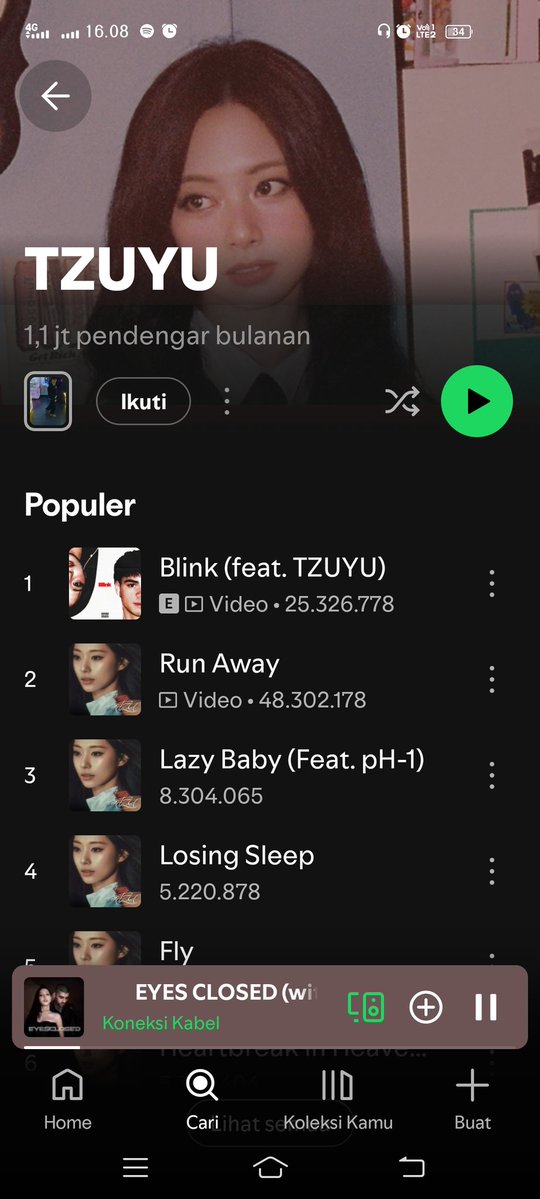
@POGTWICE @jisoosical @mrtnormal This it's your fav? Terlalu ngurusin jisoo sampe fav nya flop minta ampun 🤣🤣

Indonesia

@jisoosical @mrtnormal sadly for u, tzuyu can outsing and outdance jisoo 😭 never in 10 years she was criticized for bad dancing unlike jisooo who got criticized since debut until now 😭😭
English


Yah gabisa reply ini gue udah blok 🤣🤭 dikasih fakta malah bawa2 data. Stress! @filipe910910

Indonesia
@JunL2025 @ladydiorz Bawa² grup lain anjir haus validas?takut kalah saing apeh gimana??? Bawa² sejarah lagi oh iya kan cb kan terbaru pada flop cuman bisa bawa view yt
Indonesia