JusticeTruth88
4K posts
JusticeTruth88
@JusticeTruth88
Yahshua is my King. The only one we should please is our Father in heaven the God of Abraham Isaac Jacob and Moses.
None of Your Business Katılım Eylül 2017
156 Takip Edilen100 Takipçiler
Have you noticed that it's the deep state countries …
… that are being most affected by fuel shortages because of their treasonous climate policies❓
They didn’t EXPECT to be exposed❗️
Not at all.
English
Rothschild Fabian Socialists/Greens were implementing a gradual plan to create SCARCITY through their ‘Climate Agenda’.
Draconian measures were going to enforce their totalitarian state.
They NEVER expected the underlying fallacies of their SCAM to be suddenly exposed❗️❗️❗️
🤣
English
@craigkellyAFEE Who is voting Labor? Are Aussies that dumb 🤔
English

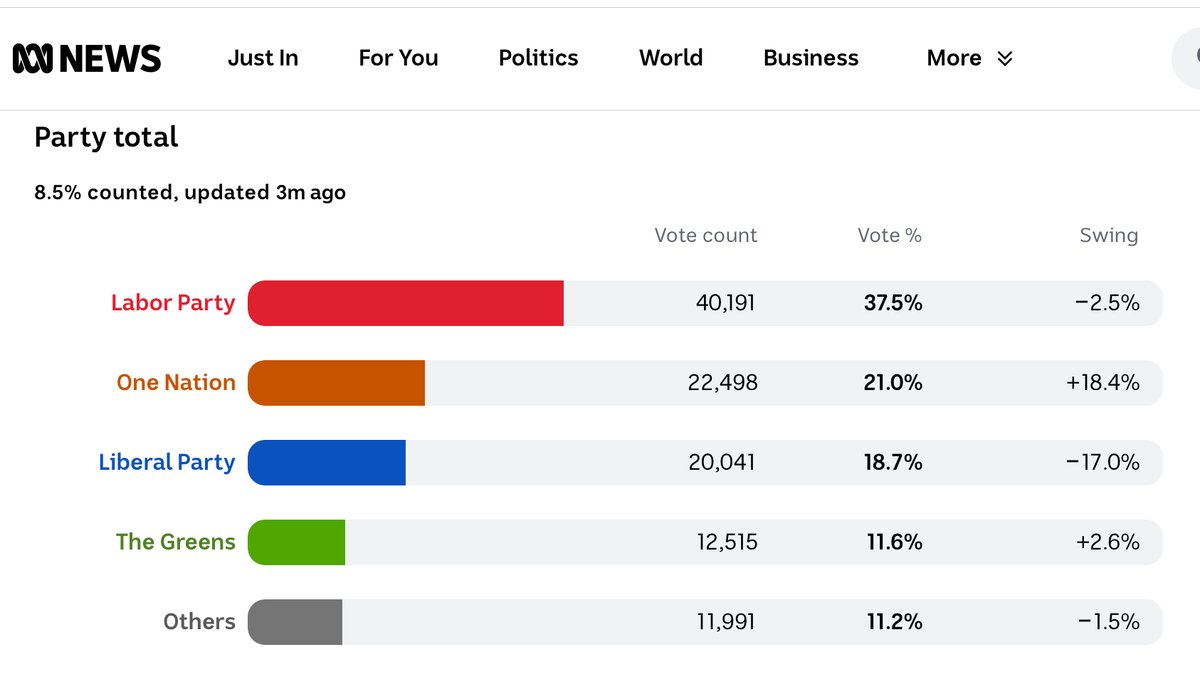
Astonishing that the SA Liberals have lost around half of their voters to One Nation.
English
@adamseconomics @OneNationAus Enough to beat corrupt Labor?
English
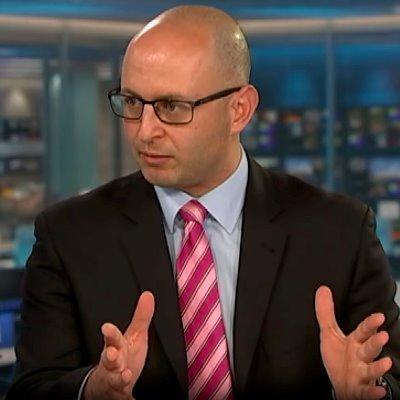
🚨 BREAKING 🚨
A POLITICAL REVOLUTION IS UNFOLDING IN SOUTH AUSTRALIA!
In early SA figures, @OneNationAus is polling 25% across the state with a very strong 31%+ primary in Liberal seats!
English
@RennickGBR @TheIPA We should help with the Strait of Homuse its in our interest. And we need America to help keep China at bay. I agree Israel can fix their own mess
English
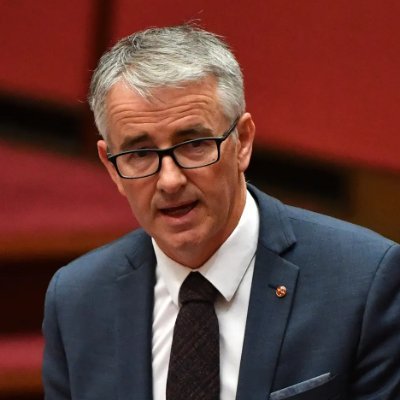
@TheIPA We aren’t helping America. We are helping Israel and they will never fight for any other country
English

“If we don’t help America, why is America going to help us?”
Alliances are built on reciprocity — not dependence. If Australia wants support in a crisis, we must be willing to stand with our allies.
📺 On this episode of the Australia's Future podcast, former Prime Minister @HonTonyAbbott and Daniel Wild discuss the Australian and United States alliance and how walking away risks weakening one of our most important strategic relationships: bit.ly/4bUwM0z
English
There’s not a single prediction I’ve gotten wrong in 20yrs. It’s honestly disturbing
English
@KillAuDeepState How does Labour Poll high still? Surely its rigged?
English
Albanese has been forced to flee Lakemba Mosque in Sydney.
He was attending a vote grovelling session when the crowd turned on him over the war.
His most rusted-on adherents were furious.
He looked terrified.
abc.net.au/news/2026-03-2…
English
TAKING APOLOGIES FROM ALL PEASANTS AND HATERZ NOW THAT MY SILVER PREDICTION TO BURST AND CRASH TO $50-60 HAS BEEN REALIZED. LEAVE IN MY INBOX 📥 I WON’T BE READING ANY OF THEM !
English
@OwenShroyer1776 No he didn’t. He’s virtue signaling an Imminent NUKE !!!!!!!
English

JusticeTruth88 retweetledi

Thanks to John Lyons for sharing the newspaper ad of 500+ Australian Jews calling on Australia to say NO to Trump and Netanyahu’s plan for the ethnic cleansing of Palestinians.
The advertisement was organised by an independent collective of Jews.
#OZJewsSayNO #NO2TrumpsPlan
English
@KillAuDeepState How do you explain this ? Genuine question
x.com/i/status/20334…
jamiemcintyre@jamiemcintyre21
Prepare
English
President Trump is baiting the left, and these fools are walking right into the trap.
There are many facets to this long-planned fake war, but watching the left deal with the realities of green energy policy will be one of the most entertaining.

English
BREAKING WWIII EMERGENCY !!!!!!!!!! BUG OUT NOW EXIT THE CITIES & US BAN... youtube.com/live/r-AGTf4-C… via @YouTube

YouTube
English
@senatorbabet Why did you abstain from One Nation's withdrawal of Paris agreement proposal???
English

I have to say, I do not want to see the war continue, but I understand the geopolitical reasons behind it. I have discussed this at length. You can read more here: x.com/senatorbabet/s…
Piers Morgan Uncensored@PiersUncensored
"It’s: ‘I can't believe he did this to us - I just feel so depressed about it’." Tucker Carlson says the majority of people who voted for Trump feel let down by him over Iran: "It's heartbreaking!" Watch more👇 📺 youtu.be/05Ht361gLok @piersmorgan | @TuckerCarlson
English
@adamseconomics Now you know why they promote Mental Health to Weaponise it
English
🚨 BREAKING 🚨
TOTALITARIANISM OUT OF CONTROL!
A man in Sydney, Australia who has been attempting to exposed Government corruption has been detained under Schedule 3 of the Mental Health Act 2007!
Health care professionals & NSW Police entered this man’s home WITHOUT a warrant this morning, produced a non-clinical declaration that he is mentally ill & forced him to go to a local hospital!
He has been told he is not allowed to leave! (I just spoke to him!)
On what planet can the Government arbitrarily detain a freedom fighter, produce a fictional medical diagnosis & detain him at a hospital against his will???
Corruption in Australia has NO BOUNDS!
English
Chris Wick@ChrisWickNews
I Was Fooled by Donald Trump I’ll admit it. I voted for Donald Trump. Back then, like millions of others, I believed the promises. Drain the swamp. Stand up to the global elites. Put the people first. It sounded like the beginning of a revolution. But years later… the truth looks very different. The wars didn’t stop. The power structures didn’t fall. The same financial empires still control the system. And the people? Still struggling. It makes you wonder… Was the outsider image real — or just another performance inside the same political machine? Sometimes the hardest thing to admit is this: We wanted to believe. But believing doesn’t make it true. If more people start questioning the system, maybe real change can finally happen. Share this if you think people need to start asking harder questions. #ChrisWickNews #PoliticalAwakening #TruthMatters
QME

🚨 JUST IN: The so-called experts are stunned after oil prices crashed from over $100 a barrel to below $80 while markets rapidly bounce back.
Just days ago the media was screaming about panic and energy shocks.
President Trump said the spike would be temporary and told everyone to stay calm.
Now the numbers are moving exactly the other direction.
Another reminder that Trump doesn’t panic.
He plans.
English

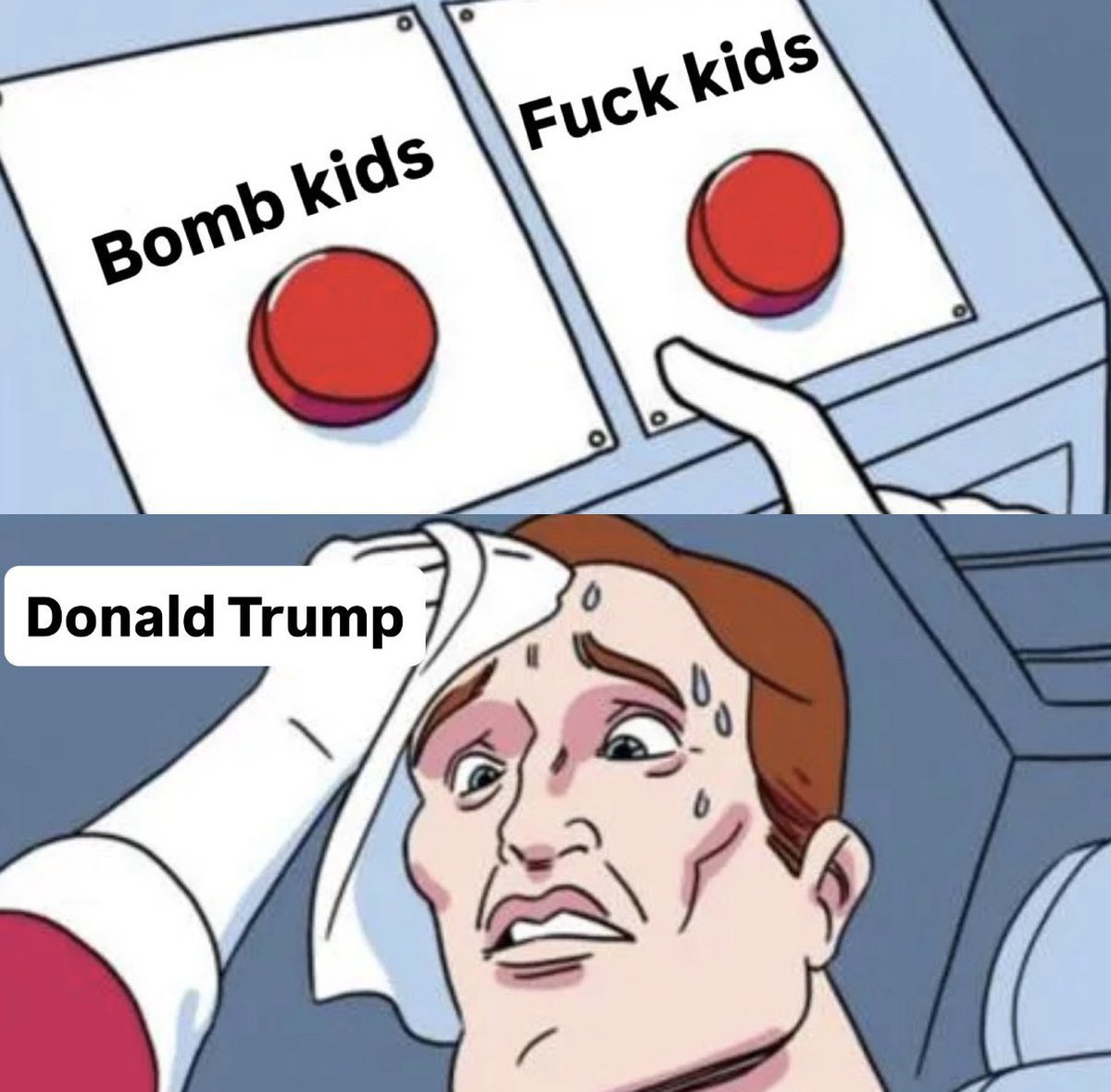
He’s lying about everything else
Of course he’s lying about raping kids
English