Justin Su'a
15.1K posts

Justin Su'a
@Justinsua
Founder, The Performance Advisory Group | Designing performance systems for elite sports organizations
Katılım Nisan 2009
1.2K Takip Edilen28.3K Takipçiler
Justin Su'a retweetledi

Direction matters more than speed.
Don’t just ask, “How much am I doing?”
Instead, ask: “Is this actually moving me forward?”
Let direction guide your effort.
h/t @Justinsua
English
Justin Su'a retweetledi

"The leaders of great teams know: What you tolerate becomes the standard. What you ignore becomes permission. What you repeat becomes the culture. Excellence isn’t accidental; it’s engineered with intention and systems." @justinsua @pagpros
English

This weekend, I had the chance to speak at the 42X Conference in Fresno, CA, where I shared some principles of building high-performance systems. One of the key ideas was: you can create something great, but if there’s a zero in the system, the entire thing collapses.
No matter how strong your system appears, anything multiplied by zero becomes zero.
You can have all the skills, discipline, intelligence, and talent in the world, but if there’s a "zero" in the equation—cheating, lack of integrity, or a corner you consistently cut when no one’s watching—that single zero doesn’t just subtract from the system; it erases everything.
You can’t outwork a lack of integrity or outperform the consequences of being a toxic teammate.
Character is the ultimate multiplier—it either elevates everything or wipes it all out.
Where is the potential zero in your system right now? If left unchecked, it will eventually surface. You’ve worked too hard to let one zero take it all down.
Try it: Set aside five minutes today. Identify one potential “zero” in your system—a habit, shortcut, or standard you’re not fully living. Write it down honestly, without justifying or minimizing it. Then, choose one clear action you’ll take to address it right away. Small adjustments now prevent total breakdowns later.

English
Justin Su'a retweetledi

“Hurricanes will reveal the things that are solid and expose the things that are not.”
I love this analogy about how to navigate adversity and failure from @Justinsua
English
Justin Su'a retweetledi

Hear firsthand from @obiemegano as he shares how working with @justinsua helped shape the direction of his career and life.
🎧 Check it out: youtube.com/watch?v=fSm-3D…

YouTube
English

Last year, I had the tremendous opportunity to conduct a leadership training session with an executive team at Lululemon.
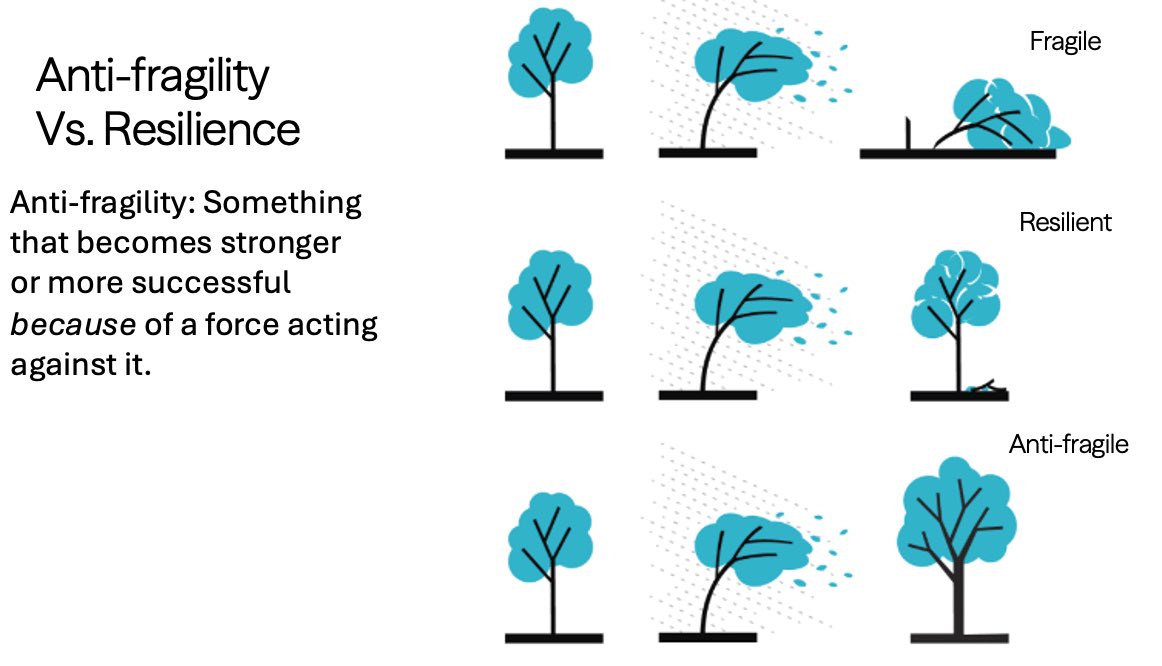
One of the concepts we explored was Nassim Taleb’s idea of antifragility. As shown in the image below, there are three responses to adversity:
1️⃣Fragile — Break under pressure.
2️⃣Resilient — Bounce back to previous form.
3️⃣Anti-fragile — Bounce back stronger than before.
Taleb’s insight is powerful: antifragile systems don’t just recover; they improve.
They become sharper, smarter, and stronger due to the stress. It reminds me of the quote, “Wind can blow out a candle, but it fuels a fire.”
As an athlete, the goal is to become antifragile. Learn from losses. Grow from failure.

English
Justin Su'a retweetledi

“It doesn’t matter what you sell — it’s how you sell it.”
— @Justinsua
The strongest messages include:
1️⃣ Authenticity
2️⃣ Vulnerability
3️⃣ Openness
4️⃣ Transparency
5️⃣ Passion
English

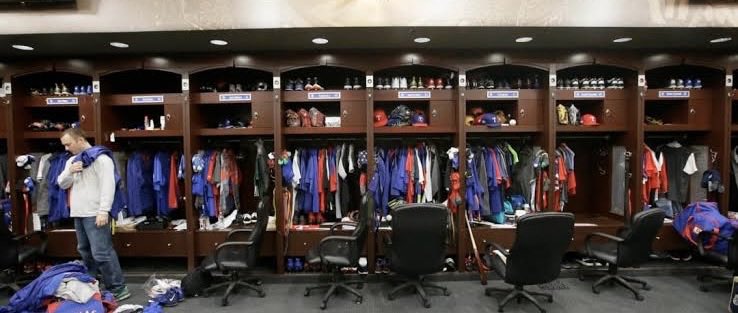
Every athlete changes clothes before a game. The best ones also change their mindset.
I once worked with a Major League baseball player who was struggling to separate an off-field situation from his performance. Together, we designed a system he ended up calling his, “Mental Locker.”
As he changed out of his street clothes and into his uniform, he added one more step. He opened a journal, turned to a clean page, and wrote down everything on his mind that he didn’t want to focus on during the game—family issues, financial stress, even simple things like grocery shopping or ticket requests. He brain-dumped it all.
When he finished, he’d look at the page and tell himself, “I’ll pick this up after the game.” Nothing was ignored or buried; it was simply set aside. And with that, he stepped onto the field lighter, clearer, and fully locked in.
After the game, when he got back into his street clothes, he gave himself permission to pick everything on his list back up, and he re-engaged as a dad and husband.
In the end, the mental locker wasn’t about writing things down; it was about giving himself permission to be fully present where it mattered most.

English


@Justinsua Instead of specific question you've suggested, preference is 4 this 1 ... even more simple ... right here:
"What exactly is this?"
(with 'this' being any person, place, thing, object, idea, concept, feeling, etc)
English

A common principle we discuss at the highest level of sport is: Pressure doesn’t ruin performance, panic does.
I read a story once of a rookie astronaut who got tangled during a training drill. It started small — just a minor mistake. But instead of slowing down, he rushed to fix it.
The tether wrapped around his helmet, then his tools, then his body.
An experienced astronaut reminded him of Hoot’s Law: No matter how bad things seem…You can always make them worse.
That’s true in space, in sport, in leadership, and in life. When pressure hits, our instinct is to speed up. We want to fix it fast. But rushed reactions often tighten the knot.
Sometimes the best move isn’t immediate action, but rather a brief pause to understand what’s actually happening.
Before asking, “How do I fix this?”
Ask, “If I react poorly, how can I make things worse?”
Slow down. See things clearly. Then move with intention.


English

Incredible issue of Justin Su’a’s @Justinsua newsletter!!! Super applicable to college pitchers!!
Worth your while to check it out and subscribe!!
English
Justin Su'a retweetledi

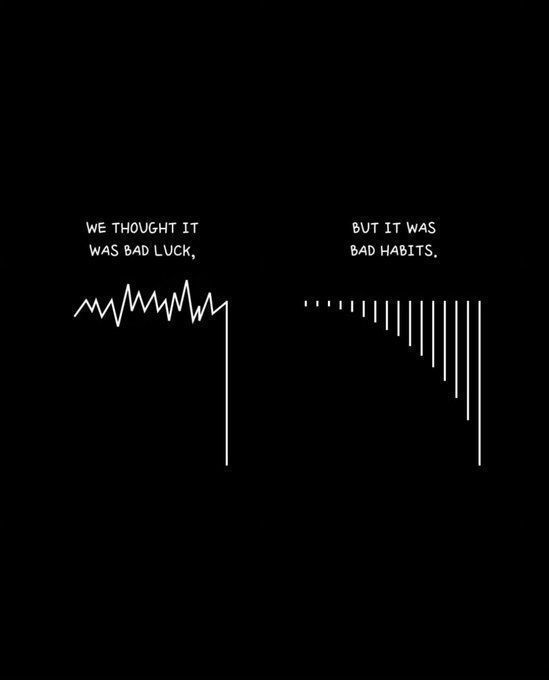
Option A: Small good habits
Option B: Small bad habits
Consistently executed over time, both will produce noticeable results.
The choice is yours.
~ via @JustinSua

English

“Your success makes me a failure, which is why I can’t let you be better than me.” This mindset is called the crab mentality—and it’s one of the most common culture killers for your team.
A bucket full of crabs doesn’t need a lid because if one crab tries to climb out, the others will yank it back down. No one escapes. Everyone loses.
The same behavior emerges in bad cultures.
You start improving, making progress, and rising when all of a sudden—the whispers begin. The eyes roll. You receive subtle digs. And before you know it, your supposed supporters start pulling you down. That’s the crab mentality in action.
Break yourself free from this bad team habit through these two things:
First: Refuse to be pulled down. Some people will be threatened by your success. Stand tall anyway.
Second: Don’t become the crab. Cheer for your teammates as they win and applaud their progress.
The tide rises all ships.
Call out the crab mentality when you see it. And build a culture where people push each other up, not pull each other down.

English