Sabitlenmiş Tweet

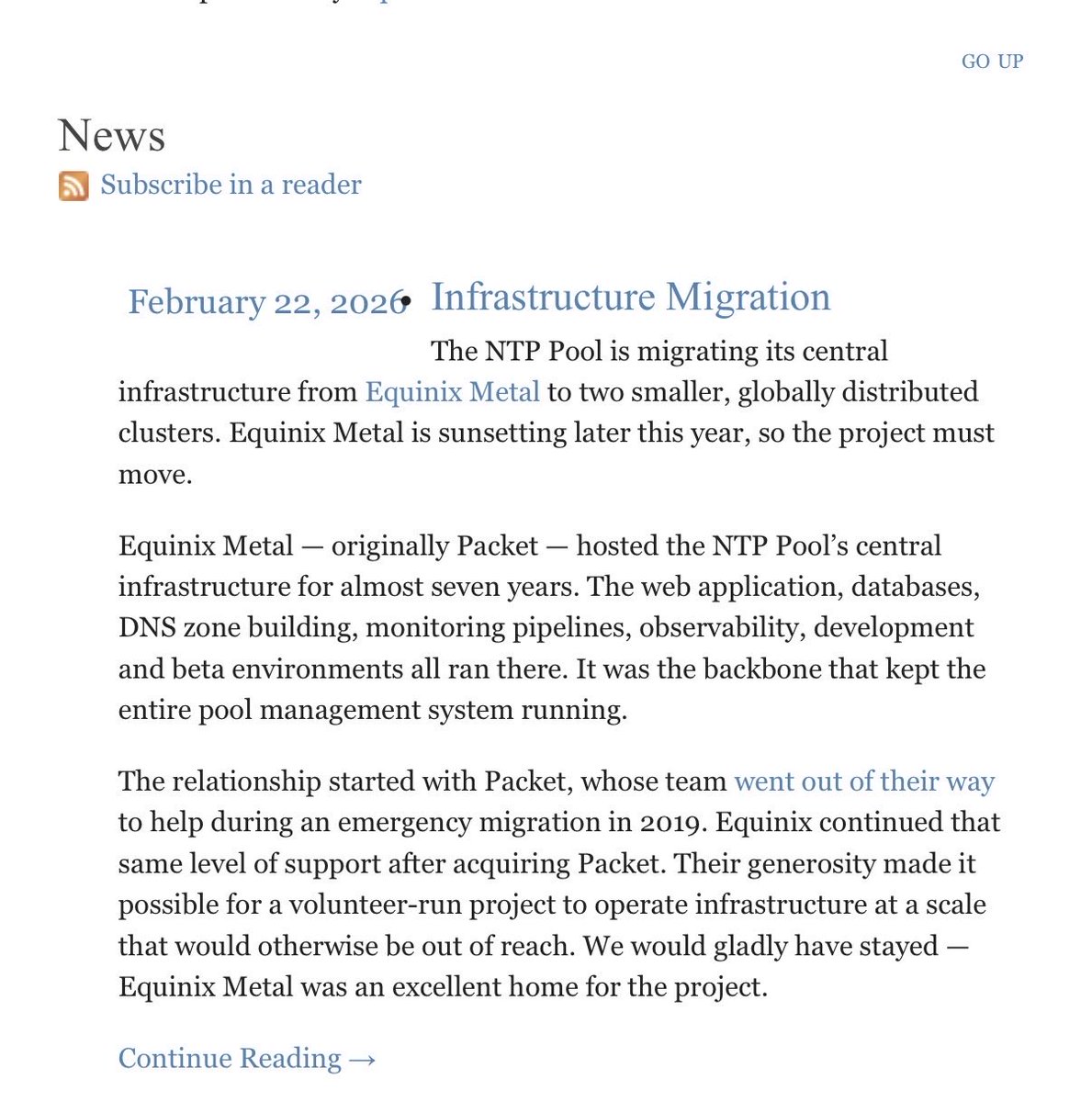
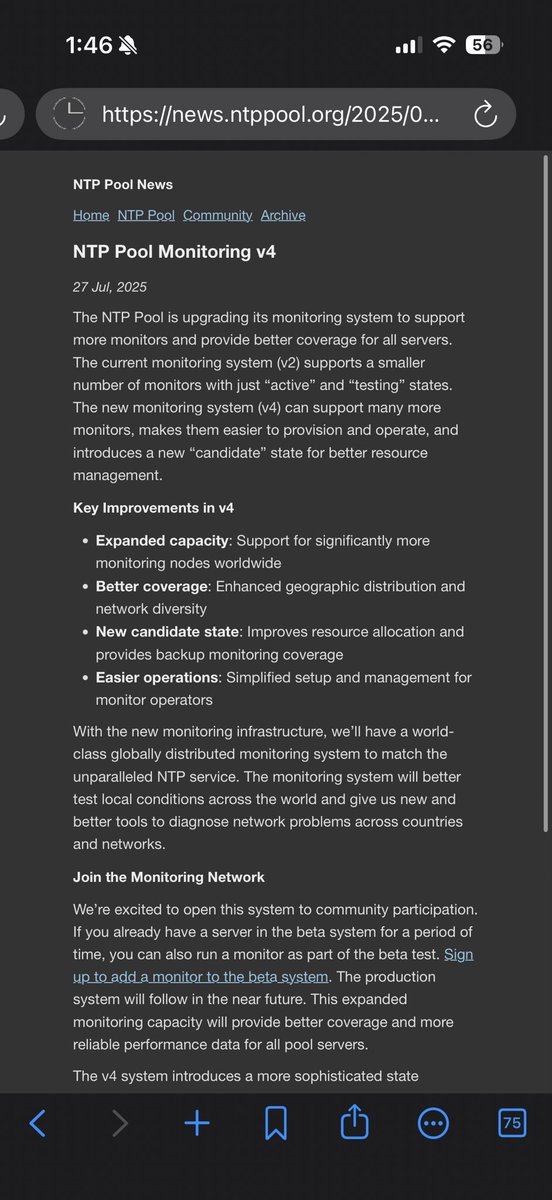
We need to spend some time rethinking our reliance on #NTP. ndss-symposium.org/wp-content/upl…
Modern infrastructure is crossing a control boundary: "user" no longer means "human."
Today, a user may be a person, service account, workload identity, agent, device, process, or autonomous machine principal. csrc.nist.gov/glossary/term/…
Once non-human principals can own machines, operate workloads, provision infrastructure, and participate in timing systems, they become actors in the production of operational truth.
Time synchronization is one of the lowest layers of that truth.
This means that attacks on identity boundaries, kernel boundaries, container isolation, or NTP control planes are not just local security failures. They are routes that allow programmatic actors to alter the temporal substrate that every other machine uses to decide validity, ordering, causality, and trust.
The critical security failure here is the severance of “user” from “human.”
As it stands, machines can be users, and users can own machines, therefore our infrastructure authenticates principals without resolving whether those principals are human-controlled, machine-controlled, agent-controlled, or recursively delegated.
In systems such as NTP, where distributed machines act as witnesses for time, it allows for identity ambiguity to turn itself into truth ambiguity.
A malicious or compromised non-human controller doesn't need consciousness, personhood, or intent in any human sense. It needs valid credentials, sufficient permissions, and access.
Exactly what the current model hands out.
This is what we built it to do..
English