Kimberly Schertzer, MD

42 posts

Kimberly Schertzer, MD

Kimberly Schertzer, MD

@KASchertzer

Director of EM Simulation, EM Simulation Fellowship Director, Clinical Assistant Professor, Stanford University. Views my own.

Stanford, CA Katılım Mart 2019
158 Takip Edilen242 Takipçiler
Brian Dang
Brian Dang@DangEMPharm·
Congrats to @DeckC_PharmD for finishing her PGY-2 EM Pharmacy Residency!!! She did an amazing job all year long and we are happy to announce she will be joining the team as an EM Clinical Pharmacy Specialist. Congrats again!
Brian Dang tweet media
English
5
0
40
0
Kimberly Schertzer, MD
Kimberly Schertzer, MD@KASchertzer·
@SMKrzyz @StanfordEMED I’d have been there even if not moderating. Love hearing your thoughts on psychological safety for learners! Especially love hearing the 5 actionable steps on how to create a safe learning climate. Thanks for the tools!
English
0
0
5
0
Kimberly Schertzer, MD
Kimberly Schertzer, MD@KASchertzer·
Many of us in academic emergency medicine use In Situ Simulation to improve systems, teamwork, and communication skills. It can be a helpful tool for community emergency departments as well!
English
0
2
4
0
Kimberly Schertzer, MD
Kimberly Schertzer, MD@KASchertzer·
Good debriefing skills are transferrable beyond just the sim lab! Simulation fellow Dr. Kristen Ng (@thekristenng) shares how Advocacy-Inquiry can be used to debrief an observed (real) patient encounter. Where else do you find yourself using your debriefing skills?
Kimberly Schertzer, MD tweet media
English
0
2
4
0
Kimberly Schertzer, MD
Kimberly Schertzer, MD@KASchertzer·
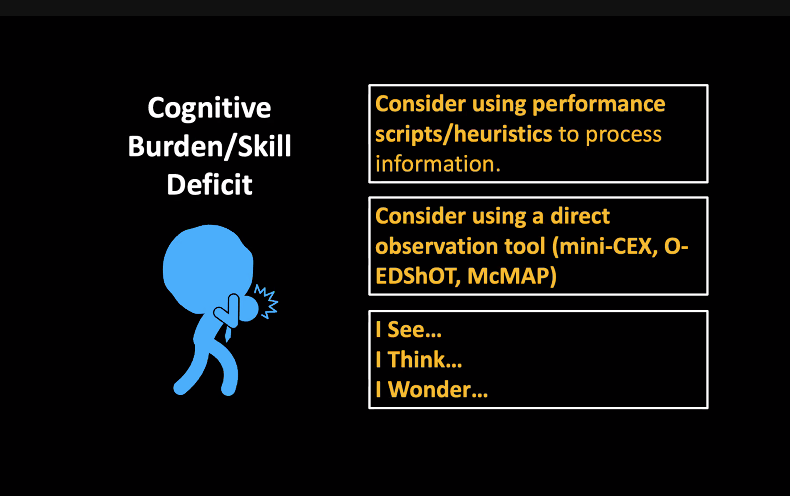
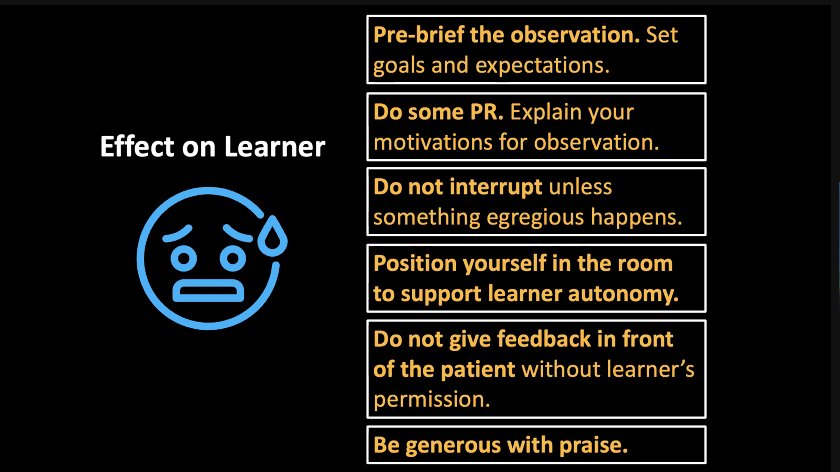
Harness the power of direct observation even with senior residents, but understand it can be nerve-wracking for learners. Simulation fellow Dr. Kristen Ng shares tips on how to do this well.
Kimberly Schertzer, MD tweet media
English
0
2
4
0
Kimberly Schertzer, MD
Kimberly Schertzer, MD@KASchertzer·
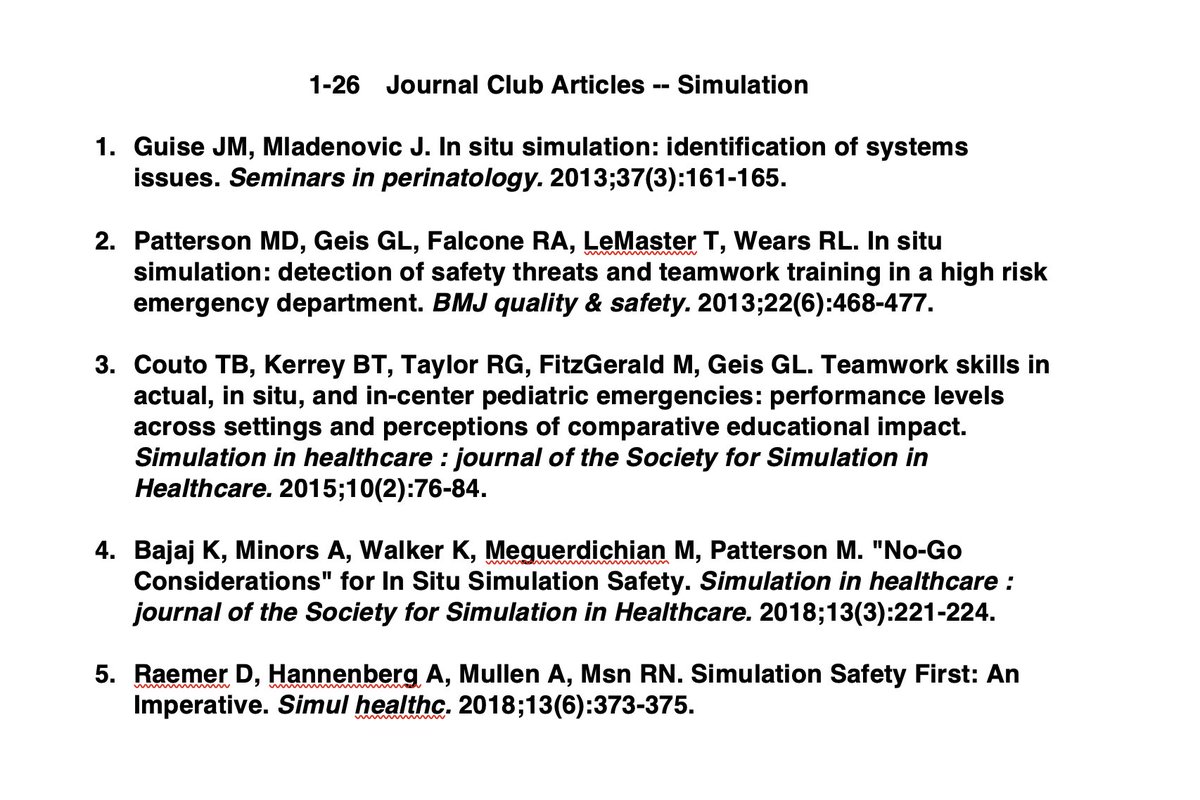
Great discussion today about In Situ Simulation featuring several must-know articles about its benefits and also its risk! Each paper is worth your time...
Kimberly Schertzer, MD tweet media
English
0
3
7
0
Kimberly Schertzer, MD
Kimberly Schertzer, MD@KASchertzer·
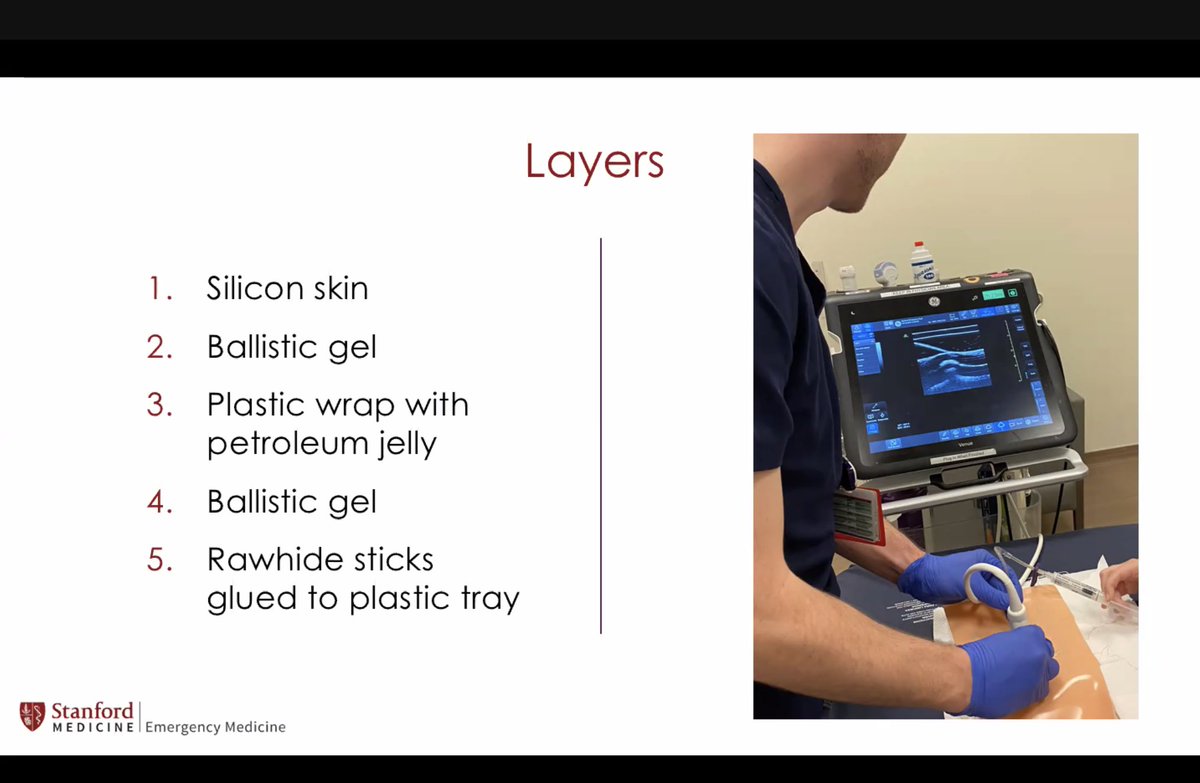
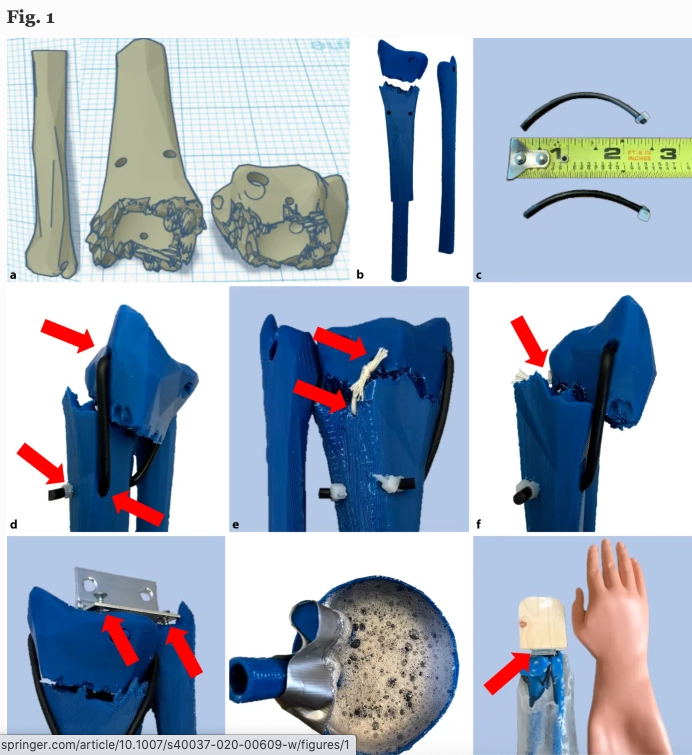
Dr. Ash Rider (@ac_rider) presenting at IMSH how easy-to-find materials can be used to create a realistic model to train residents on Serratus Anterior Nerve blocks. Look how realistic it looks on ultrasound!
Kimberly Schertzer, MD tweet media
English
0
4
3
0
Kimberly Schertzer, MD
Kimberly Schertzer, MD@KASchertzer·
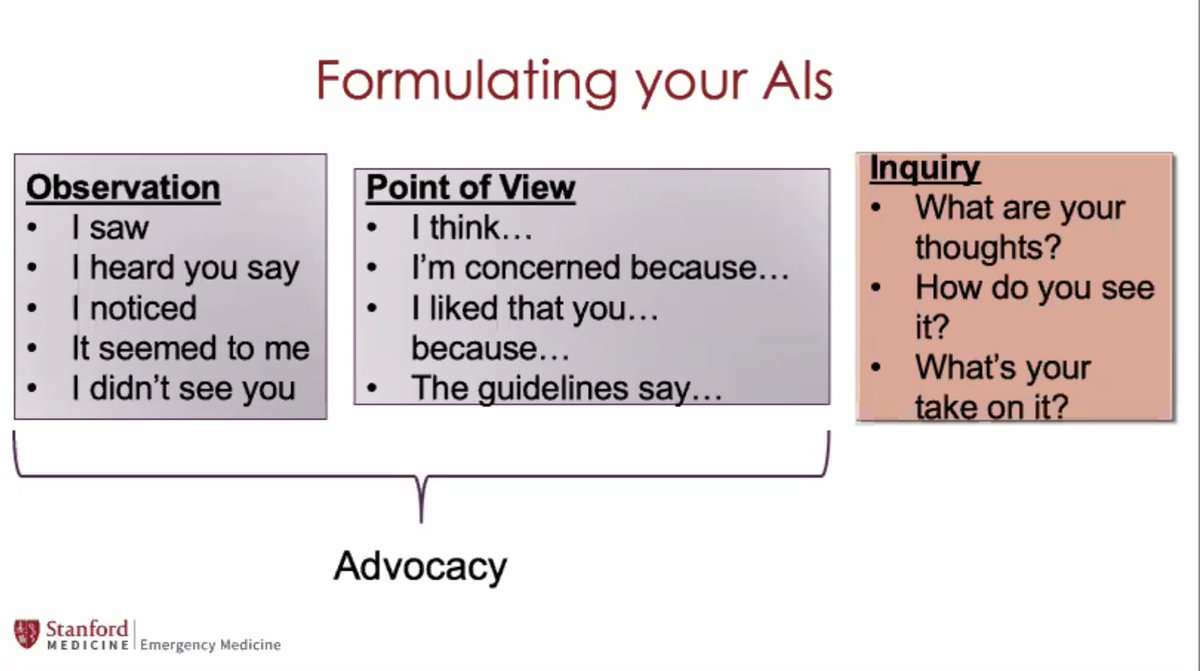
Dr. Roszczynialski shares a fabulous way to put Advocacy/Inquiry Debriefing together! Practice this until it feels natural and try it during your next debriefing. @KRoszczynialski
Kimberly Schertzer, MD tweet media
English
0
7
8
0
Kimberly Schertzer, MD
Kimberly Schertzer, MD@KASchertzer·
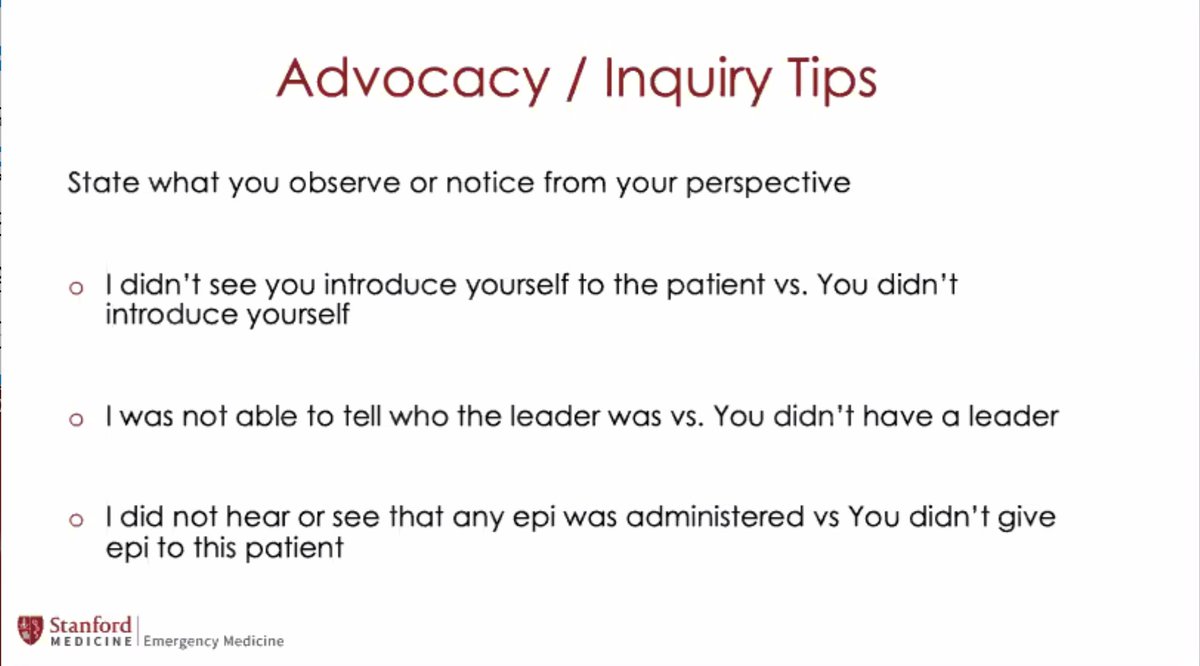
Love this tip from @KRoszczynialski! Make sure to comment from YOUR perspective in Advocacy/Inquiry debreifing. "I didn't see" gives learners the benefit of the doubt. Maybe it happened but you didn't see it... Prevents defensiveness and keeps learners open to learning!
Kimberly Schertzer, MD tweet media
English
0
0
3
0
Kimberly Schertzer, MD
Kimberly Schertzer, MD@KASchertzer·
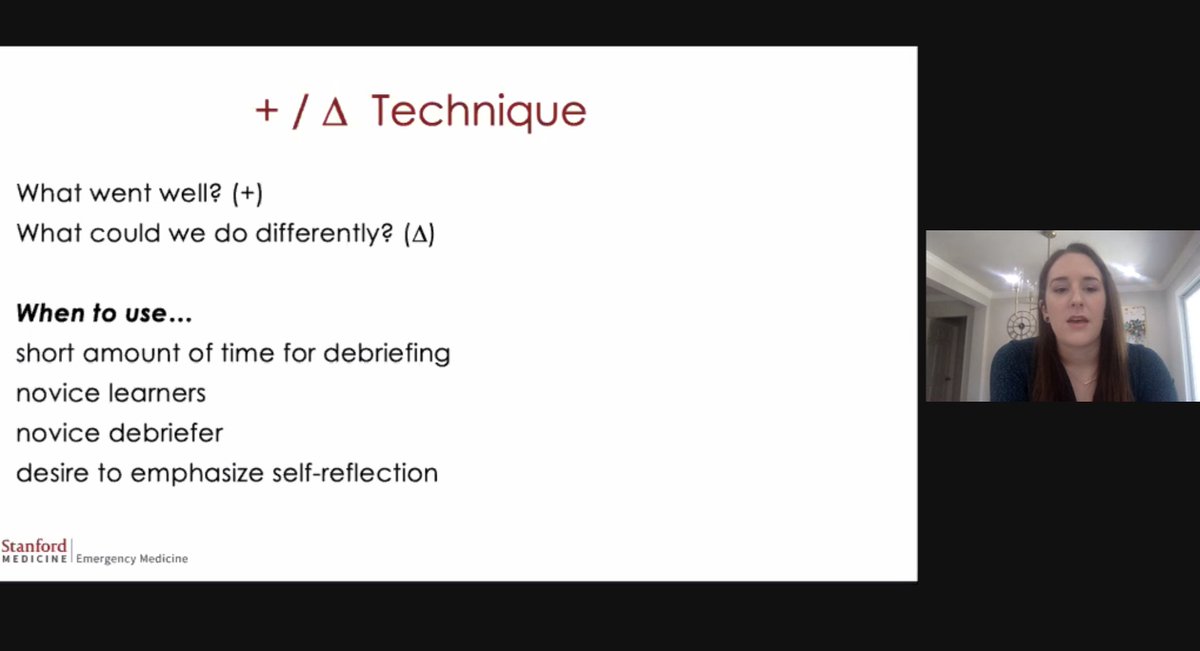
More Debreifing pearls from @KRoszczynialski -- Plus/delta can be a helpful debreifing technique when you have novice learners who don't know WHY they did what they did. Just don't forget to reinforce the positives! What actions/behaviors do you want them keep for the future?
Kimberly Schertzer, MD tweet media
English
0
0
1
0
Kimberly Schertzer, MD
Kimberly Schertzer, MD@KASchertzer·
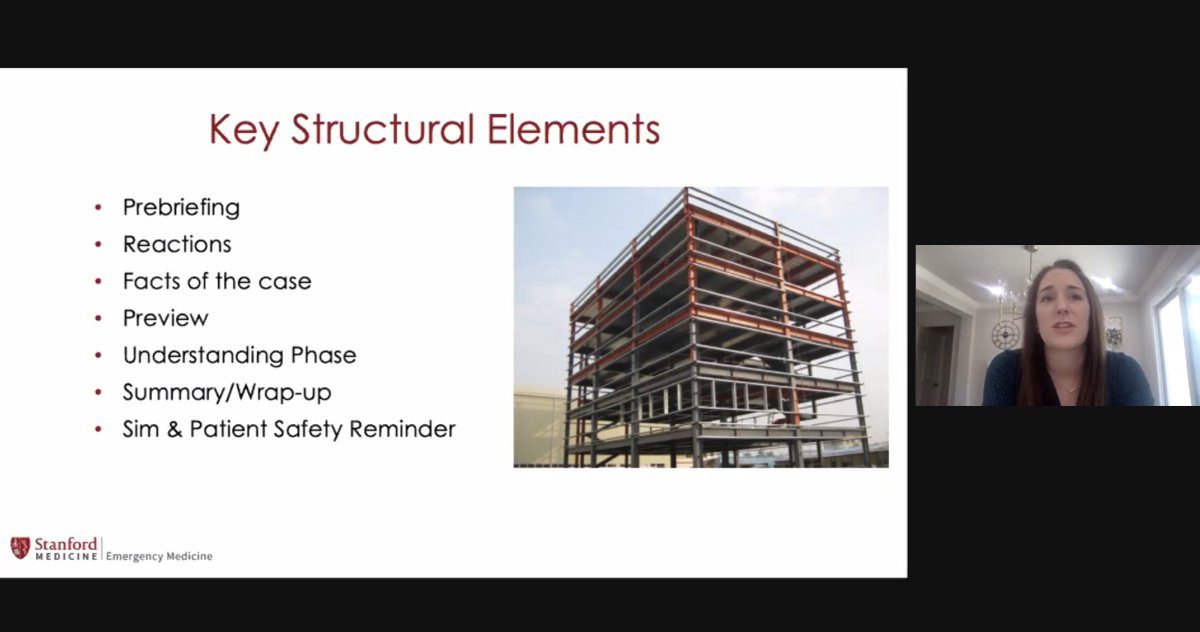
Fabulous Simulation Faculty Kelly Roszcynialski sharing her pearls on high-quality debriefing. @KRoszczynialski Don't forget the "post sim pat-down" to make sure all simulated supplies are returned (preserves patient safety). Think about it as the last step of debriefing!
Kimberly Schertzer, MD tweet media
English
0
0
2
0