
Kelly Clark retweetledi

Kids don’t come to school excited about education the way adults think about it.
They’re not thinking about tests or standards or where they fall on a chart, especially not in kindergarten.
They’re excited about who they’ll talk to, who they’ll sit by, and who they’ll play with.
They’re curious about the room, the toys, the books, and the teacher.
They’re trying to figure out whether this feels like a place where they belong.
When school ignores that and rushes straight to measurement, some kids start disconnecting before we ever notice.
That doesn’t suddenly change as they get older.
If students don’t see why what they’re learning matters to them, or isn’t taught in ways they can connect with, they check out.
Not because they’re lazy or unmotivated, but because information alone doesn’t feel compelling anymore.
Facts are everywhere. Meaning is not.
What students still need is someone to help them make sense of it and why it matters to them.
Good teachers have always understood this.
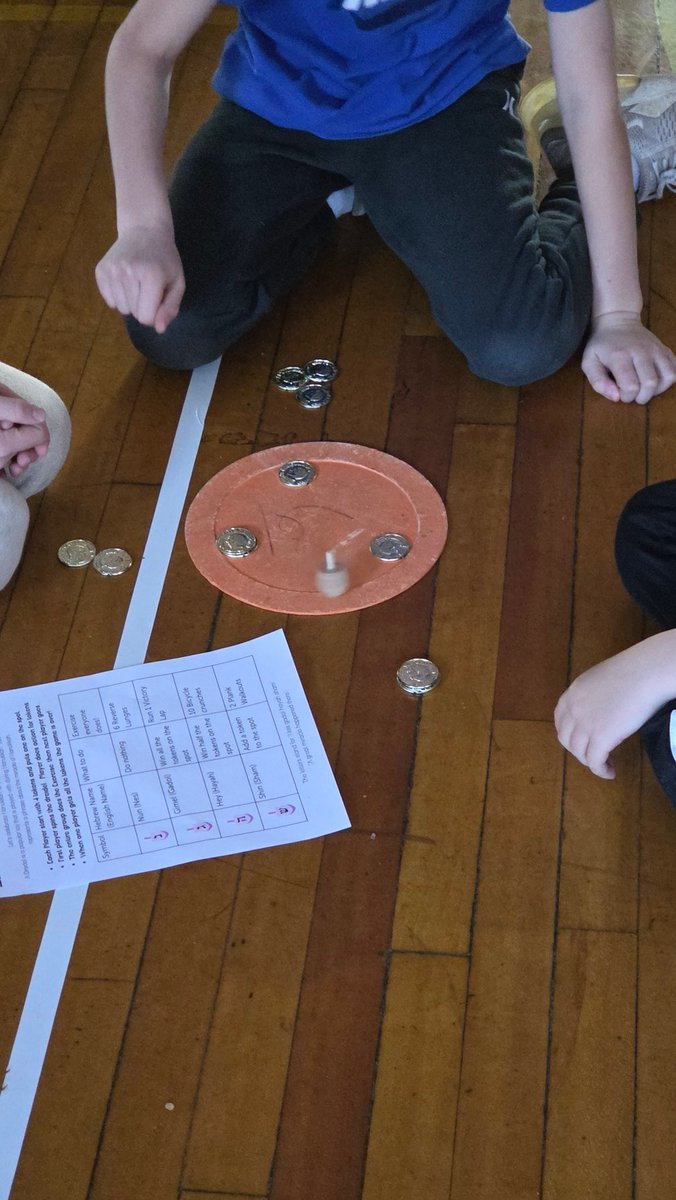
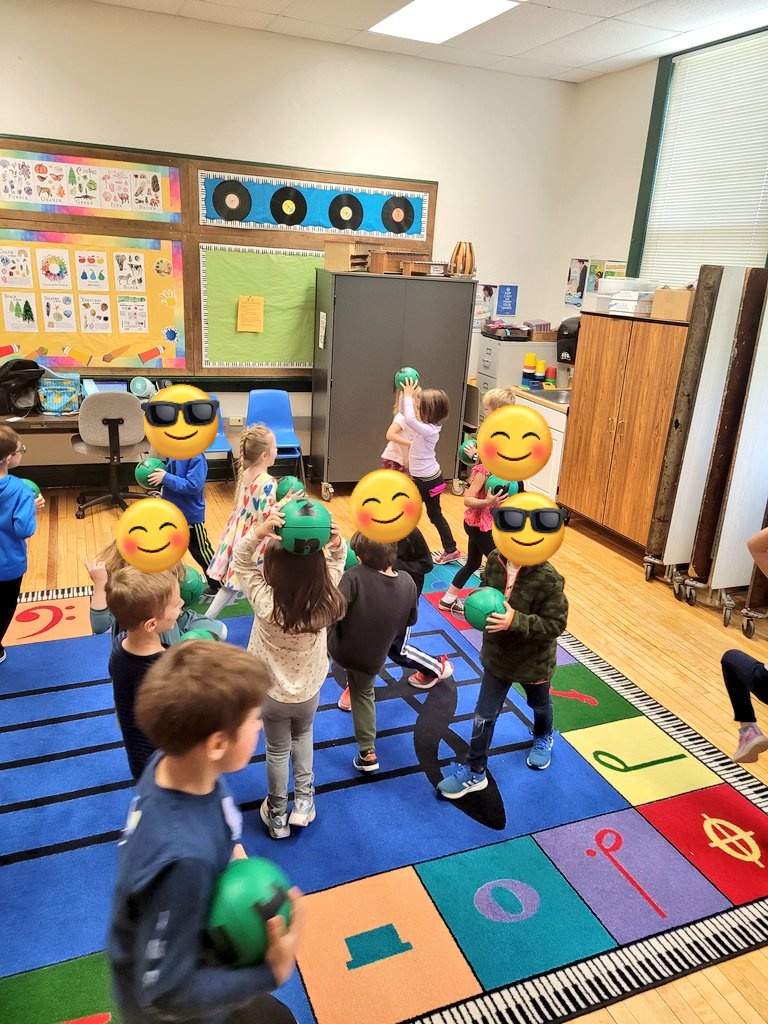
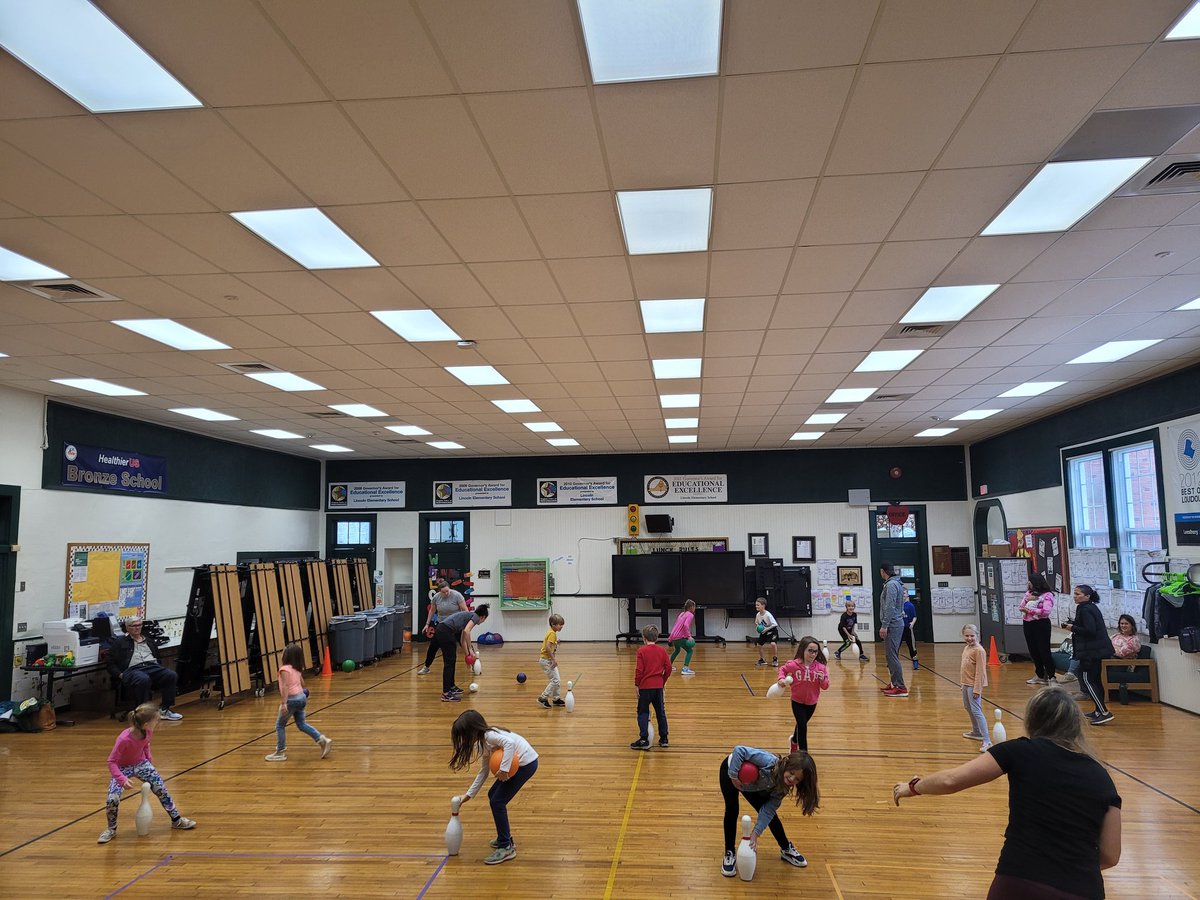
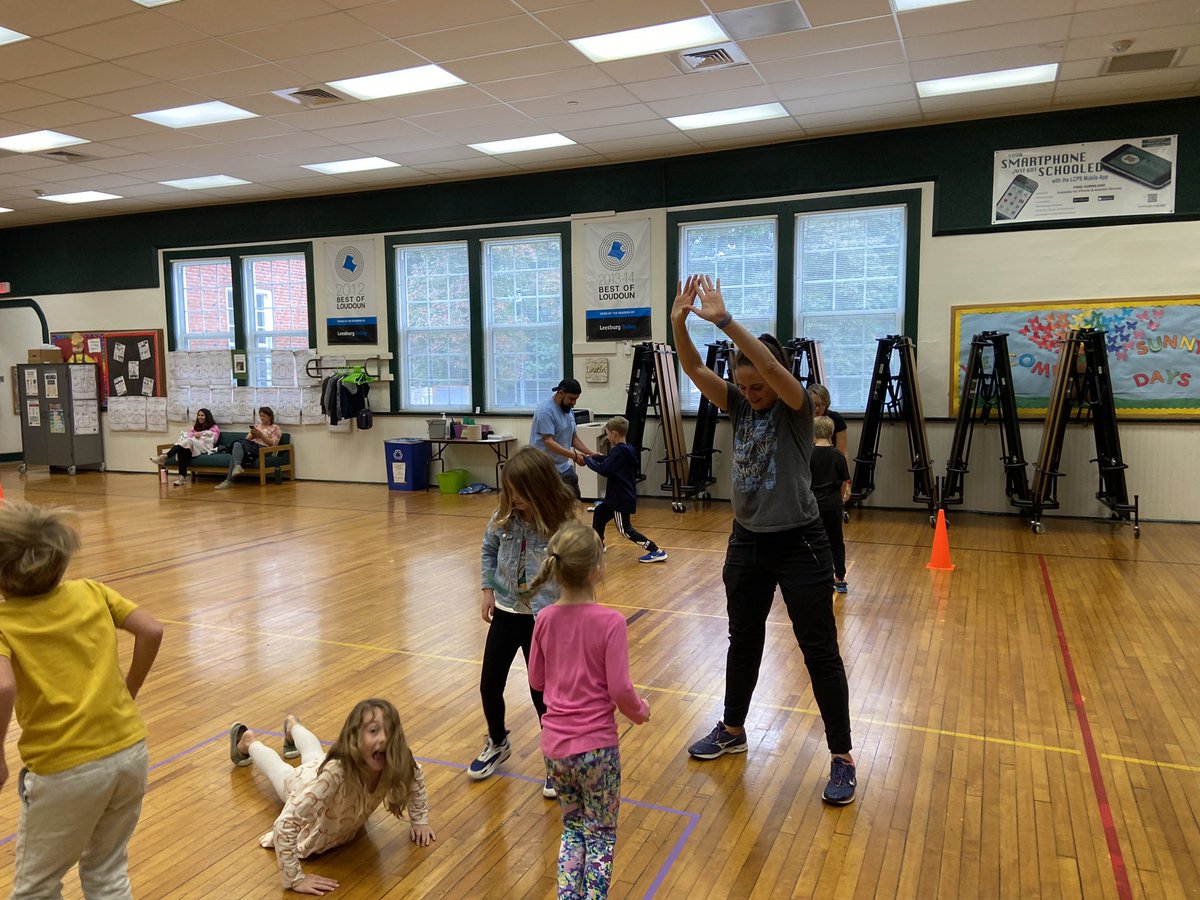
When students get time to play, create, move, and explore, they’re far more willing to do the harder, less exciting work too.
The practice. The repetition. The struggle.
But when school becomes nothing but work, day after day, students don’t rise to the challenge.
They either comply or they disengage.
That’s what great teachers understand.
Not standards.
Not testing.
Not pacing guides.
Great teachers make learning matter because they know learning is human before it’s academic.
Standards can organize a system.
Tests can measure a moment.
But neither one convinces a student to care.
Great teachers do.
English