A NEW POLITICAL GENERATION FOR NIGERIA:
Path to Youth Empowerment and Social Transformation
By Abdullahi Ghali Basaf
Friday, 16th May, 2026
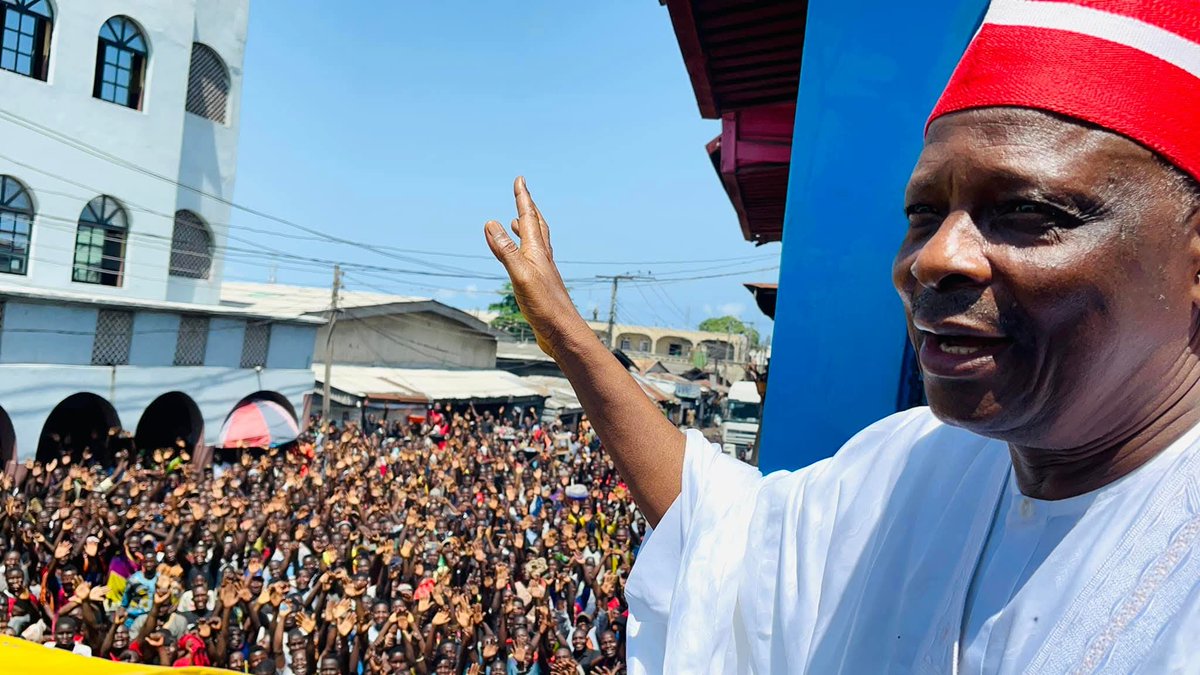
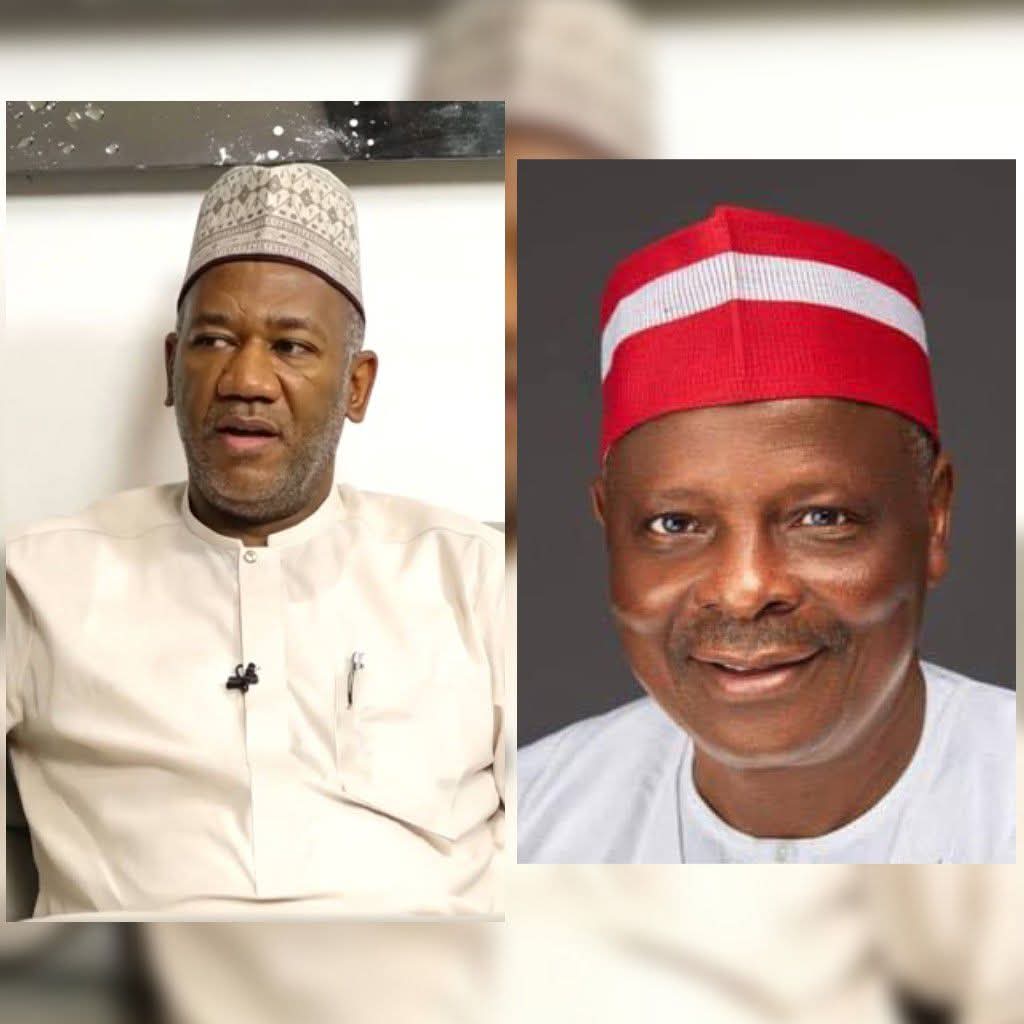
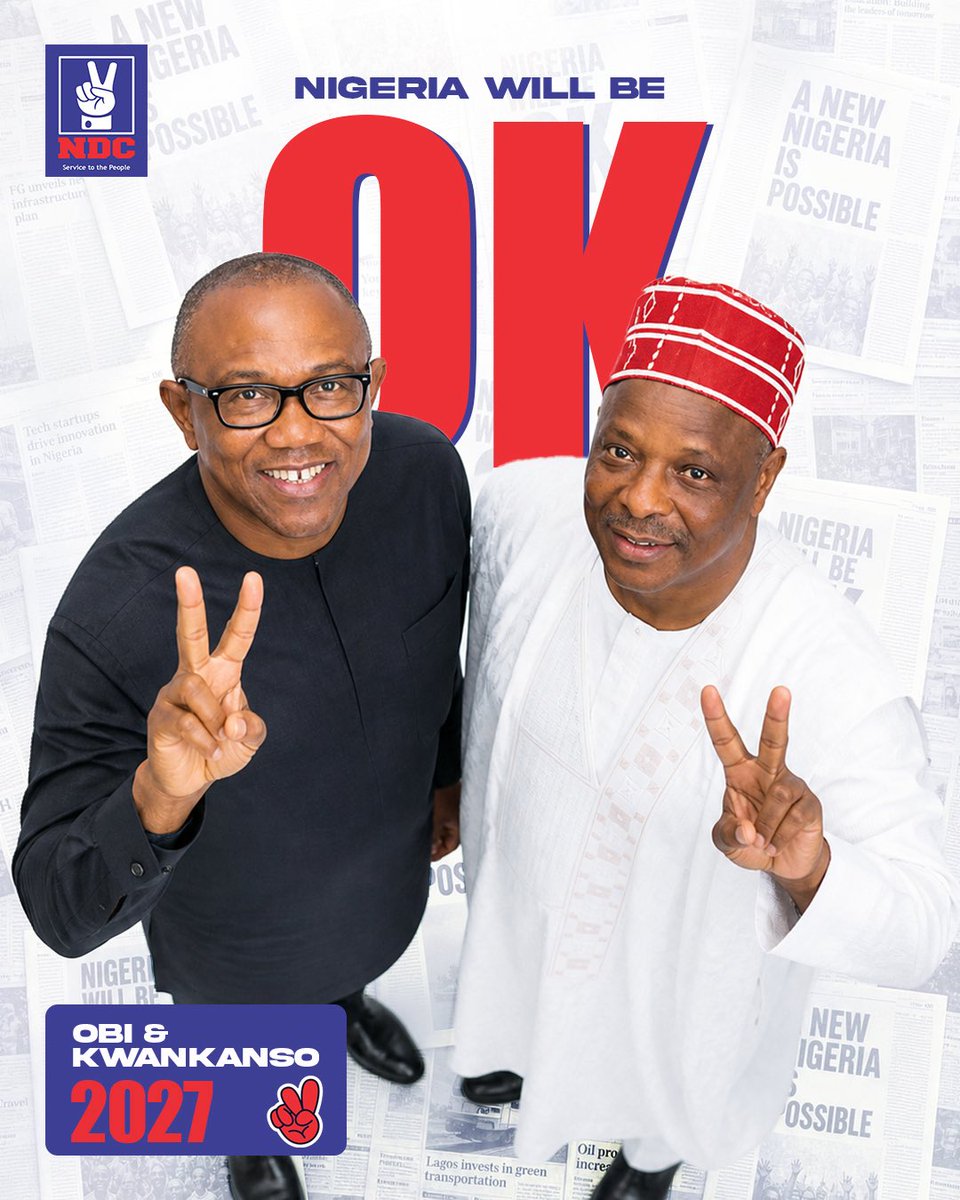
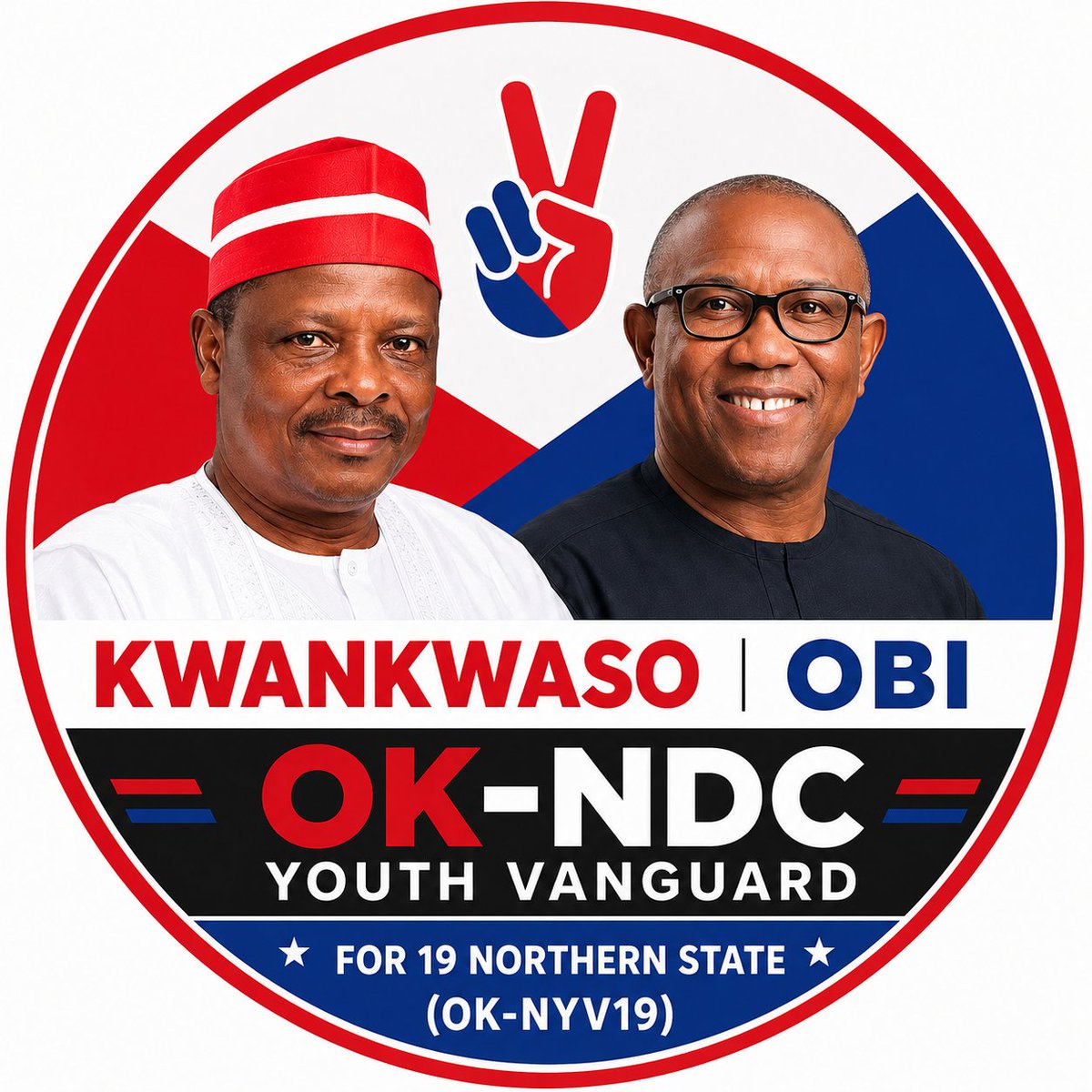
Nigeria stands at a defining political moment. For decades, the nation’s leadership space has remained dominated by an aging political class, while millions of young Nigerians continue to struggle with unemployment, poverty, exclusion from governance, and lack of opportunities. The proposed alliance between Peter Obi and Rabiu Musa Kwankwaso represents more than a political coalition; it symbolizes the rise of a fresh and new political generation determined to reshape Nigeria’s future.
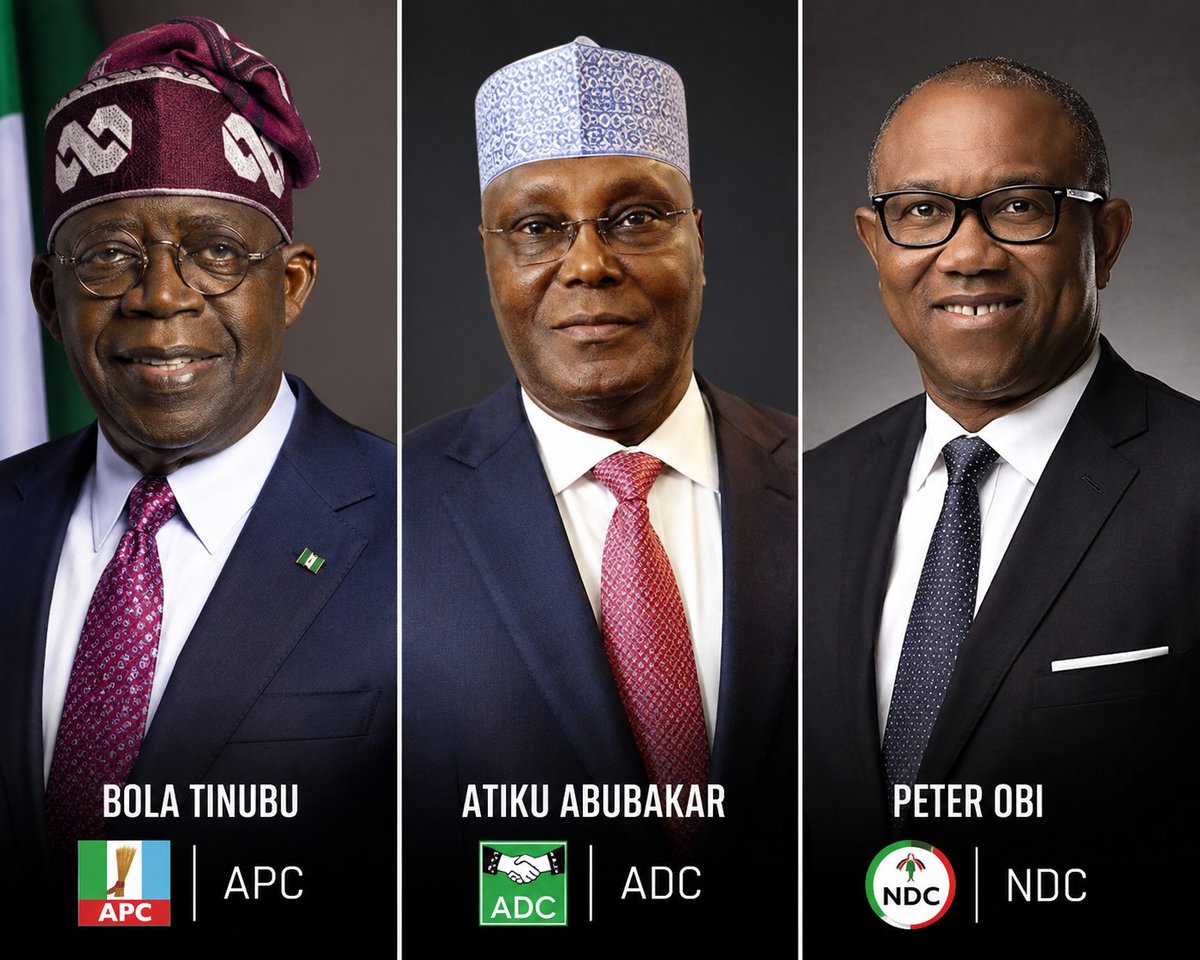
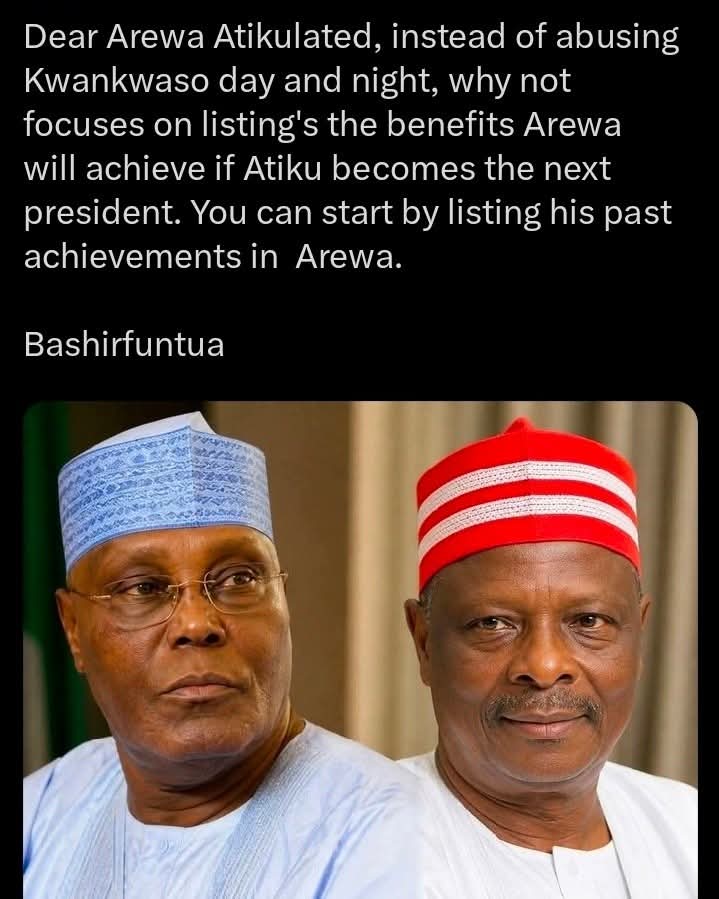
This movement is increasingly seen by many Nigerians as an opportunity to break away from the long-standing dominance of older political figures such as Atiku Abubakar and Bola Ahmed Tinubu, whose generation has controlled the nation’s political structure for decades. Young people across the country are now demanding a government that reflects merit, inclusion, competence, and empowerment rather than political inheritance and elite monopolies.
One of the strongest arguments in favor of the Obi–Kwankwaso alliance is its long-standing connection with youth development and grassroots empowerment. During his tenure as Governor of Kano State, Kwankwaso became widely known for investing heavily in education and human capital development. Through the Kano State foreign scholarship initiative, thousands of students were sponsored to study in countries such as India, Malaysia, Egypt, and the United Kingdom in fields including medicine, engineering, and technology. Reports and public records from his administration frequently cited between 2,000 and 4,000 beneficiaries of the foreign scholarship programs across different phases.
Kwankwaso also built a political structure that elevated ordinary young people into leadership positions. Many prominent politicians in Northern Nigeria today, including Abba Kabir Yusuf, Abdullahi Umar Ganduje, and many others, rose politically through the Kwankwasiyya movement. His style of leadership created opportunities for individuals from humble backgrounds to participate actively in governance and political organization. For many supporters, this represents a practical example of political mentorship and mass inclusion.
Similarly, Peter Obi’s reputation has largely been built around investment, economic prudence, and enterprise development. Before entering politics, Obi was a successful businessman who invested in banking, trade, manufacturing, and other sectors that created employment opportunities for thousands of Nigerians. As Governor of Anambra State, he became known for improving state finances, supporting educational institutions, and promoting responsible public spending. Many Nigerians view Obi as a symbol of productive leadership and economic discipline capable of encouraging entrepreneurship and youth-driven economic growth.
From an ideological perspective, the Obi–Kwankwaso movement can also be connected to elements of socialism and Marxist political thought. Socialism emphasizes the empowerment of ordinary citizens, the reduction of inequality, public investment in education, and the redistribution of opportunities toward the working and lower classes. Karl Marx argued that societies progress when power and opportunity are no longer concentrated in the hands of a privileged elite alone.
The growing support for an Obi–Kwankwaso ticket therefore reflects more than electoral calculations; it reflects frustration among young Nigerians who feel excluded from the current system. Millions of graduates remain unemployed, while talented youths struggle to access political space due to godfatherism and financial barriers. The alliance offers hope that governance can become more inclusive and merit-driven.
This movement is also a clarion call to Nigerians who have continuously complained about bad leadership, corruption, insecurity, and lack of opportunities.

English