

Kurt Kloborg
3.3K posts
En 23-årig syrisk mand er anholdt, oplyser politiet til det franske nyhedsbureau AFP.
- En mand angreb tilfældigt forbipasserende med en kniv. Et offer, en 14-årig dreng, døde, siger politiets talsperson Rainer Dionisio til AFP.
Dansk
Kurt Kloborg retweetledi


🚨BREAKING: German patriots march streets chanting ‘those who hate Germany must leave Germany!”
The AfD must win next week.
English
Mitch McConnell’s annual salary: $193,400.
His estimated net worth: $95 MILLION.
Should DOGE investigate?
English
@Dom_inaAmina Vær nu glad for at i kvinder må være ude efter kl 16.
Dansk

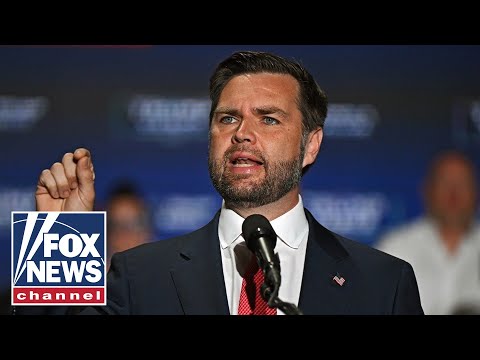
Kan nogen forklare mig, efter de har hørt den tale, hvordan den er et angreb på europæiske værdier?
Jeg kan simpelthen ikke forstå det udsagn her fra Stine.
#dkpol #eupol
Link til hele talen:
youtube.com/live/TOkaaX8SR…
YouTube
Stine Bosse / Christine@BosseStine
This is an attack on our European values. No more and no less #dkpol #EP
Dansk
Kurt Kloborg retweetledi

$MMTLP Greg McCabe responds to social media posts. He also refers to FINRA's "suspicious and indefensible U3 Halt"

English
Kurt Kloborg retweetledi

PART 3: A perspective for CEOs (and their Boards) on the @OTCMarkets
Below Mr Ryan Schadel - @CRyanSchadel, the CEO of $MVCO, offered a great comment (thank you), which cuts to the core of the issue, (and inspired me to write Part 3), he wrote:
“If companies could raise $ without needing to take on toxic financing, there would be less toxic financing.”
It’s not a big mystery why these predatory deals exist, they fill a funding gap. Since the SROs are not doing much to protect issuers or investors, a reasonable question is, what can OTC CEOs do to avoid such deals?
If you’ve been following the discussion around predatory deals on @OTCMarkets, it’s no secret that “death spiral” convertible notes are everywhere.
In this shark-infested arena, dilution goes nuclear, a few get richer, and shareholders and entrepreneurs? They’re left holding a bag of shattered dreams. But why does this feeding frenzy never end?
The consensus is bleak: OTC companies are starving for safe, non-toxic capital, and the predators know it.
Does that mean it’s game over for everyone involved? Or is there still a sliver of hope in all the chaos?
As an observer, I see a conundrum with Capital raises in the OTC markets:
1. Regulatory Complexity
Raising legitimate capital as an OTC issuer often involves a maze of regulatory hurdles, especially for Pink Sheet companies with fewer reporting requirements or resources.
Filing a registered offering (Form S-1) is expensive and time-consuming. Meanwhile, major banks or institutional investors typically overlook OTC issuers due to perceived risk and limited liquidity, creating a capital vacuum.
2. Limited Access to Traditional Funding
- Banks and Traditional Lenders often see OTC companies as too small, too risky, or lacking sufficient collateral.
- Venture Capital usually targets private startups with high-growth potential, not microcap public entities lacking a clear exit path.
- Equity Lines of Credit (“At-the-Market” Issuances) might appear non-toxic on paper, but can still become dilutive if not managed carefully or if the stock is already thinly traded.
3. Urgency Meets Predators
Small-cap CEOs can find themselves in a cash crunch with no easy alternatives.
Enter the “toxic” lender who offers quick funding through convertible notes at a steep discount.
The devastating cycle ensues: more conversions → price drops → more conversions → endless dilution.
Are there any practical solutions for OTC CEOs? Here are my TOP 5 suggestions:
1. PLEASE Explore Regulation A+ !!!
Reg A+ (especially Tier 2) allows companies to raise up to $75 million from both accredited and non-accredited investors, subject to SEC qualification.
Yes, the process requires audited financials and an Offering Circular, but comes with strategic benefits to both issuers and investors:
- Transparent Capital: you have a set share price and clear disclosures reducing the risk of a death spiral.
- Broader Investor Base: You’re not relying on a single toxic fund. Instead, you pitch your business to retail investors, family offices, and potentially even institutions.
- Liquidity Potential: Post-raise, you can choose to up-list on a national exchange or remain on the OTC with a stronger balance sheet and a more distributed shareholder base.
2. Look at Non-Convertible Debt or Mezzanine Financing options:
- Enterprise Debt: Traditional loans, or private credit facilities WITHOUT conversion rights.
- Mezzanine Debt: Sits between senior debt and equity, often with warrants or small equity kickers, but still avoids the unlimited dilution of convertible notes.
If your fundamentals (revenue, IP, assets) can support these structures, you can dodge the endless conversion trap.
3. Strategic Partnerships & Licensing
If you have a unique product or IP, a partnership or licensing deal with a bigger industry player can inject capital or recurring royalty streams.
Although it might not bring a big lump sum, it can be more stable and less dilutive than a convertible note.
4. Direct Registration (Form S-1)
While costly and time-intensive, a fully registered offering provides a transparent way to raise capital.
It’s a heavier lift than Reg A+ in some respects, but if done properly, it can attract higher-caliber investors who value robust disclosures and want to see you transition from OTC to a more reputable listing tier over time.
5. Equity Crowdfunding Under Reg CF
For smaller capital needs (up to $5 million per year), Reg CF can be a solution. It brings a crowd of retail investors on board who often double as brand ambassadors.
While not suitable for every OTC issuer, it’s an avenue worth exploring if your story resonates with a broad retail/consumer audience.
Why do these 5 alternatives matter?
1. Build Investor Trust
When you rely on structured, transparent capital-raising, you build trust with existing and future shareholders.
Toxic notes, conversely, breed fear and uncertainty, leading to collapses in both price and reputation.
2. Reduce Dilution
Toxic financing often leads to catastrophic dilution. In contrast, non-convertible debt, mezzanine funding, and equity offerings with fixed pricing let CEOs and shareholders clearly gauge dilution before signing any deal.
3. Long-Term Value Creation
Capital is a means to grow your business, not an end in itself.
Structures that constantly hammer your share price do the opposite of growth, they kill momentum.
Transparent funding paves the way for strategic initiatives, product launches, and potential up-listing to a national exchange.
4. Attracting Better Investors
High-quality institutional and in many cases HNW/retail investors (not traders) avoid predatory structures because they’re not aligned with long-term value.
By opting for stable financing methods, you attract the kind of investors who become PARTNERS rather than short-term predators.
Yes, Ryan is absolutely correct, raising capital on the OTC is cumbersome.
But that’s exactly why toxic lenders thrive: they exploit the gap. CEOs have to be proactive to find a better path...
The OTC might feel like the Wild West, low liquidity, limited oversight, and a daunting capital-raising process. But CEOs who make the effort to do it right can:
- Avoid the perpetual trap of death-spiral notes,
- Maintain stronger share structures and brand reputations, and
- Attract the type of investors who believe in long-term growth rather than short-term exploitation.
This means more work upfront. But if you’re serious about building a sustainable public company, and want to dodge the meltdown we see all too often, these alternative funding paths are your best bet, in my opinion.
As more CEOs embrace these ‘better’ strategies, I’m sure... the OTC will MAGICALLY transform into a glorious land of genuine opportunity... because, hey, their track record so far totally suggests that... RIGHT⁉️
Of course, that might actually require @FINRA and the OTC to do more than shrug their shoulders... while the usual toxic finance sharks circle around for the next meal... but I wouldn’t hold my breath.
Does @DOGE have something to say about it?
Ryan Schadel@CRyanSchadel
"market more easily. On paper, that sounds reasonable. In reality, it ignores the fact that the bulk of predatory financings, death spiral convertible notes, insider enrichment, etc. happens right on the OTC’s watch." I would argue the reason the above is so prevalent is because it is too cumbersome to raise capital on the OTC. If cos could raise $ w/o needing to take on toxic financing, there would be less toxic financing.
English

Hvis jeg er utilfreds med f.eks. @politiken kan jeg opsige mit abonnement. Hvis jeg ikke ønsker at være medlem af Folkekirken kan jeg melde mig ud. Hvis jeg er utilfreds med Danmarks Radio kan jeg hvad? #danmarksradio
Dansk
USA’s anklager mod Europa – et spejlbillede af dem selv!
lnkd.in/dEFQzRtV
Dansk
@KatrineDaugaard Skaden er jo sket og valget i Grønland manipuleret.
Dansk

DR’s notat om sig selv, rejser ærlig talt flere spørgsmål end det giver svar.
Hvorfor valgte man Naja som hovedperson? Og hvorfor informerer man ikke om, at hun er aktivist? Når DR fremstiller hende som forsker efterlader man jo seerne med forestillingen om, at man har med en objektiv ekspert at gøre. Altså lige indtil hun bryder sammen i gråd over de fiktive tal.
Den marxistiske økonom som man har skulle helt til Indien for at finde, repræsenterer en marginal og ekstremt politisk vinkel, der åbenlyst afviger markant fra konsensus. DR valgte at præsentere dette som et troværdigt og lødigt indspark ift Danmarks fortjeneste, hvad det tydeligvis er blevet opfattet som af bl.a. selvstyrets formand og en lang række grønlandske politlkere.
Dette lugter langt væk af overlagt politisering og vi bliver nødt til at have en uafhængig og kompetent granskning af hvordan det kunne lade sig gøre, at DR sender en dokumentar ud på alle deres platforme. En dokumentar som økonomiske vismænd betegner som groft vildledende.
Sandie French sagde i går til @jyllandsposten at hun ville ønske at DR havde spottet kritikpunkterne på forhånd. Vi ved nu, at de ikke alene var spottet, der blev advaret meget kraftigt imod at bruge tallene, regnemetoden og bringe dokumentaren. Det så ledelsen bort fra og gjorde ondt værre ved efterfølgende at stå på mål for en vildledende politiseret dokumentar midt i en grønlandsk valgkamp.
En undersøgelse hvor DR udviser fuld åbenhed er nødvendig, så vi finder ud af, hvad der er op og ned. Her siger det sig selv, at DR naturligvis ikke skal stå for at undersøge sig selv. Den skal nedsættes politisk. #dkpol
Dansk
Kurt Kloborg retweetledi

Danskerne betaler i gennemsnit 100.000 i skat om året.
100 danskere skal altså stå ved samlebåndet hver dag i et helt år. For at betale til et projekt om “Intersektionel grøn feminisme” i Georgien😒💸💸💸💸
Kan regeringen være det bekendt overfor de 100 danskere?
Martin Buch Thorborg@thorborg
10 millioner kr. er ikke meget i det store budget. Men tænk hvor mange mennesker der går på arbejde hver dag for at finansiere det. Der klattes bare penge væk til højre og venstre, det er så forargeligt.
Dansk