
K-State Agronomy

8.7K posts

K-State Agronomy banner
K-State Agronomy

K-State Agronomy

@KStateAgron

Valuable Information for Producers, Practicing Professional Agronomists, and Soil Scientists. Social media user policy: https://t.co/u0RqzByU52

Katılım Mart 2013
211 Takip Edilen9.9K Takipçiler
K-State Agronomy
K-State Agronomy@KStateAgron·
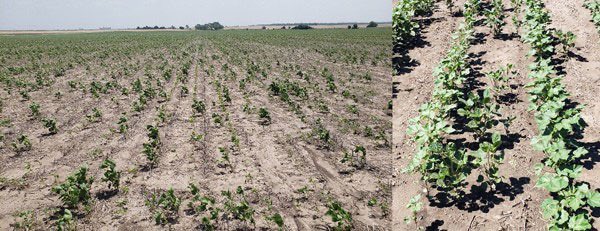
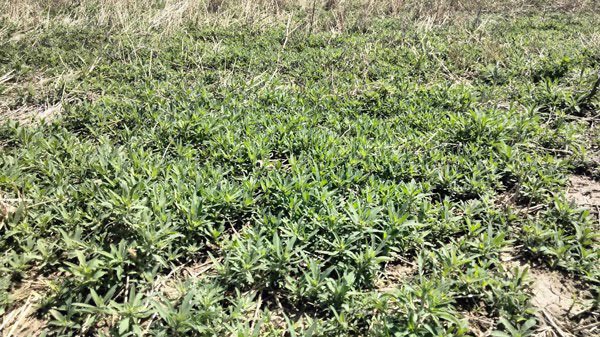
The latest Agronomy eUpdate is available now! This issue covers freeze injury in wheat, final first hollow stem updates, fungicide efficacy resources, and marestail control strategies in soybeans. bit.ly/4bT3OhA #kstateagronomy
K-State Agronomy tweet media
English
0
1
4
275
K-State Agronomy
K-State Agronomy@KStateAgron·
Join a Shallow Burial with Carbon training and demonstration on April 8 in Manhattan. The program will cover carcass disposal methods, site construction, and management practices. bit.ly/4uwz25M #kstateagronomy
K-State Agronomy tweet media
English
0
0
0
189
K-State Agronomy
K-State Agronomy@KStateAgron·
Kansas just experienced its second warmest winter on record, with temperatures nearly 5°F above the 30-year average and below-normal precipitation across the state. bit.ly/4bk6Da3 #kstateagronomy
K-State Agronomy tweet media
English
0
0
1
272
K-State Agronomy
K-State Agronomy@KStateAgron·
Brown wheat mite activity has been reported in western Kansas wheat fields. Dry, cool conditions favor this pest, so producers should scout fields and watch for leaf stippling and scorched plant appearance. bit.ly/4lnv7ns #kstateagronomy
K-State Agronomy tweet media
English
0
1
4
470
K-State Agronomy
K-State Agronomy@KStateAgron·
First hollow stem has been reached in several wheat varieties near Hutchinson. Producers grazing wheat should closely monitor fields and remove cattle once wheat reaches this stage to prevent yield loss. bit.ly/4usdmay #kstateagronomy
K-State Agronomy tweet media
English
0
0
4
498
K-State Agronomy
K-State Agronomy@KStateAgron·
The latest Agronomy eUpdate is here! This week’s issue includes updates on wheat first hollow stem development, brown wheat mite activity, a look back at Kansas’ record-setting 2025-26 winter, and an upcoming livestock carcass handling training. bit.ly/4blbojx #kstateagronomy
K-State Agronomy tweet media
English
0
5
10
982
K-State Agronomy
K-State Agronomy@KStateAgron·
Interest in hemp production for grain and fiber continues, but questions remain about markets, management, and profitability. This article explores the outlook for hemp production in 2026. bit.ly/40geRuR #kstateagronomy
K-State Agronomy tweet media
English
0
1
4
416
K-State Agronomy
K-State Agronomy@KStateAgron·
Alfalfa weevils are already active in Kansas. Degree-day accumulations are ahead of normal, so producers should begin scouting now and watch for early feeding damage in alfalfa fields. bit.ly/4rYsgUw #kstateagronomy
K-State Agronomy tweet media
English
0
1
5
649
K-State Agronomy
K-State Agronomy@KStateAgron·
Ammonium sulfate (AMS) can improve herbicide uptake, slow droplet drying, and enhance weed control. It’s important to know when AMS should and shouldn’t be used. Click here to learn more about AMS: bit.ly/3OZVVxV #kstateagronomy
K-State Agronomy tweet media
English
1
19
58
6.4K
K-State Agronomy
K-State Agronomy@KStateAgron·
First hollow stem is approaching in Kansas wheat. Once wheat reaches this stage, cattle should be removed from pastures to avoid yield loss. See the latest variety monitoring update from Hutchinson. bit.ly/40dIlcS #kstateagronomy
K-State Agronomy tweet media
English
0
2
6
601
K-State Agronomy
K-State Agronomy@KStateAgron·
Before irrigation season begins, make sure your pivot system is operating as designed. Checking pivot charts, nozzles, pressure, and travel speed can help ensure accurate water application throughout the season. bit.ly/4s4ffZq #kstateagronomy
K-State Agronomy tweet media
English
0
3
7
592
K-State Agronomy
K-State Agronomy@KStateAgron·
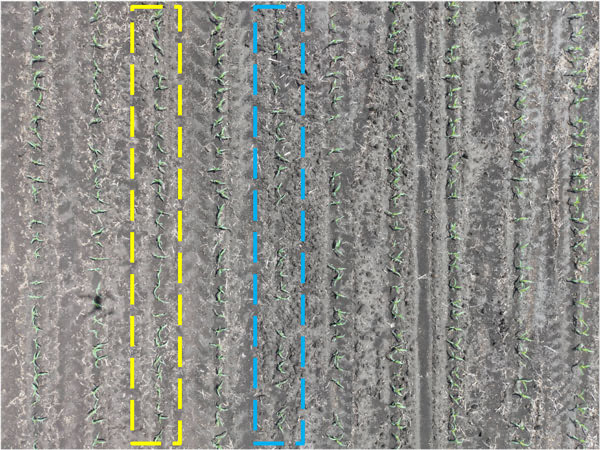
Residual herbicides play a key role in early-season weed control in corn, helping prevent yield loss and improving POST herbicide effectiveness. Learn about herbicide groups, resistance management, and program selection. bit.ly/46CII4k #kstateagronomy
K-State Agronomy tweet media
English
0
3
14
1.5K
K-State Agronomy
K-State Agronomy@KStateAgron·
The latest Agronomy eUpdate is here! This week’s issue covers residual herbicides for corn, irrigation system prep, wheat first hollow stem updates, ammonium sulfate in spray tanks, alfalfa weevil activity, hemp markets, and Crop Talk webinars. bit.ly/4lg3z3p #kstateagronomy
K-State Agronomy tweet media
English
0
2
6
582
K-State Agronomy
K-State Agronomy@KStateAgron·
Irrigated soybean acres are shifting eastward in Kansas. Share your management practices to help guide future research and recommendations. Take the survey: bit.ly/4tWAAW3 #kstateagronomy
K-State Agronomy tweet media
English
0
2
3
535
K-State Agronomy
K-State Agronomy@KStateAgron·
#Wildfires across Kansas raise questions about forage recovery, stocking rate adjustments, and grazing management. Recovery depends on timing, moisture, and follow-up management. Learn more here: bit.ly/4sjbyPz #kstateagronomy
K-State Agronomy tweet media
English
0
1
9
465
K-State Agronomy
K-State Agronomy@KStateAgron·
Winter #canola should be topdressed with nitrogen and sulfur during the rosette stage to maximize yield potential. Rate decisions should factor in residual nitrogen and yield goals. bit.ly/4bbjo7T #kstateagronomy
K-State Agronomy tweet media
English
0
1
7
485
K-State Agronomy
K-State Agronomy@KStateAgron·
First hollow stem monitoring continues across 12 Kansas wheat varieties. As of Feb. 23, stem elongation has begun in some entries. Learn more here: bit.ly/4sjbyz3 #kstateagronomy
K-State Agronomy tweet media
English
0
0
5
473
K-State Agronomy
K-State Agronomy@KStateAgron·
First hollow stem is the key stage for removing cattle from dual purpose wheat to protect grain yield. Grazing past this stage can reduce yields 1–5% per day. Learn how to identify FHS: #kstateagronomy" target="_blank" rel="nofollow noopener">bit.ly/4tXgqLR#kstate
K-State Agronomy tweet media
English
0
1
8
933