Over at @TGC I have an article on how to assess the argument that Hebrews teaches Jesus's sacrifice is a heavenly sacrifice. For a longer discussion, the article links to an essay I wrote in the WTJ from @WestminsterTSthegospelcoalition.org/article/does-j…
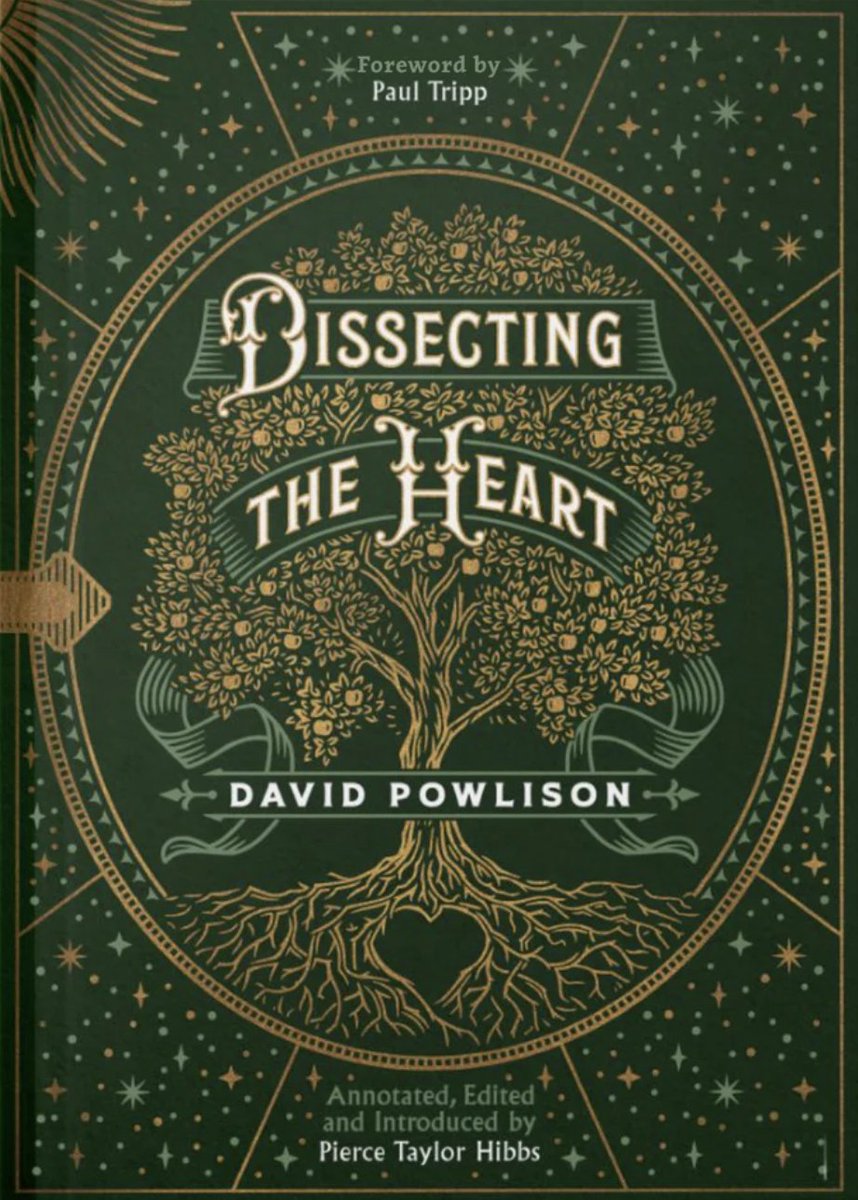
What's a Christian response to the mental health crisis? I wrote this Point of Contact from @WestminsterTS to get into the details, mining the wisdom of David Powlison and applying it to contemporary culture: Sigmund Freud, Carl Rogers, B.F. Skinner, and even @AbigailShrier. God is at the center of our mental health, and he always will be. You can get this delivered to your physical mailbox by signing up here:
wm.wts.edu/point-of-conta…
Great balance of showing compassion while sharing truth as Wes Huff responds to the question of why a good God would allow evil:
"Well, that is arguably the hardest and most pressing apologetic question there is, because ultimately, the very tidy philosophical and theological answer isn't the right answer sometimes. You know, sometimes the right answer to the wrong question is the wrong answer, because I've encountered situations where someone has brought up a variation of the problem of evil to me, and I've just felt uneasy about maybe the tenor that they're coming at with the question...and asking them, 'You know, that's a great question. Why are you asking that question in particular?' and finding out once again (like the previous question related to it), they're personally hurting.
And so, in that sense, I could give a tidy answer about if you're positing that something is good, you're positing that there's an objective good and evil, and if there's an objective good and evil, then you're positing an objective law, and objective law needs an objective lawgiver. So where do we find the groundwork for an objective lawgiver to begin with? Otherwise, you may not like certain things, but to say they ought not to happen is actually an ethical leap to an objective reality that you may or may not have groundwork for.
But if that person is struggling because a family member of theirs has cancer, then that particular, maybe tidy, tied-up-in-a-nice-bow answer is not going to speak to them whatsoever. And so that's why that's the hardest question because there are actually very good answers to it, but often it doesn't speak to the person in front of you, because questions have questioners that sit behind them.
And one of the pitfalls of my chosen field of ministry apologetics is that sometimes we give answers where we talk at people rather than with people. And there's a danger to that because the Christian faith isn't just an intellectual assent, right? It's a personal relationship. And that should also be played out in the answers that we give..."
Solid. This is how you preach Luke 19:1-10. Alumnus and pastor of Meadowcroft PCA, Max Benfer shows us how to understand the scene with Zacchaeus. Listen.
“God continues to reveal himself in the facts of the created world, but the sinner needs to interpret every one of them in the clearer light of Scripture.” - Van Til, Cornelius. The Reformed Pastor and Modern Thought
“If one does not make human knowledge wholly dependent upon the original self-knowledge and consequent revelation of God to man, then man will have to seek knowledge within himself as the final reference point.” - Van Til, Cornelius
@howertonjosh is right here. This is called Redemptive Historical Hermeneutics. I learned this from my teacher G. Vos at Old Princeton before we continued the method at @WestminsterTS
@KeesVanTil@WestminsterTS Yes, I was immensely blessed by many Westminster lectures online when I was learning to preach and the Keller / Clowney "Preaching Christ in a Postmodern World" lectures series I still go back to every now and then. Grateful.