
Sabitlenmiş Tweet
Kelu
1.7K posts


Kelu
@Keluman0
232. إعلان من الوزارة الاتحادية للعدالة بتاريخ 30 أغسطس 1963 بشأن إلغاء الجملة الأخيرة من المادة 12 من لائحة وزارة العدل الاتحادية بتاريخ 14 يناير 1954، الجريدة
Iraq Katılım Mart 2021
297 Takip Edilen64 Takipçiler
Kelu retweetledi

Kelu retweetledi
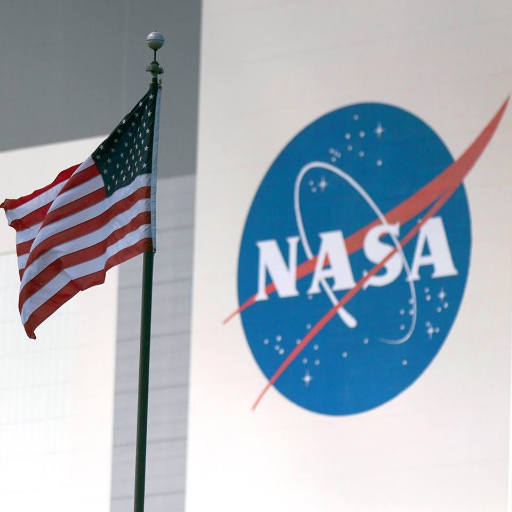
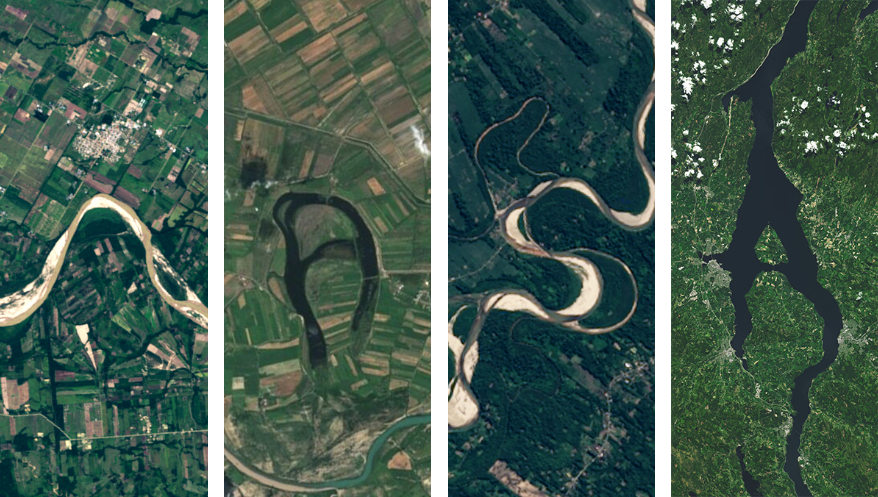
The planet can spell your name – literally. 🔤🌍
This Earth Day, see your name written in landscapes captured by Landsat: go.nasa.gov/4ak4Cdu
English
Kelu retweetledi

Master Chief boards Warship Gbraakon - Halo Infinite 2021

English
Kelu retweetledi

Kelu retweetledi


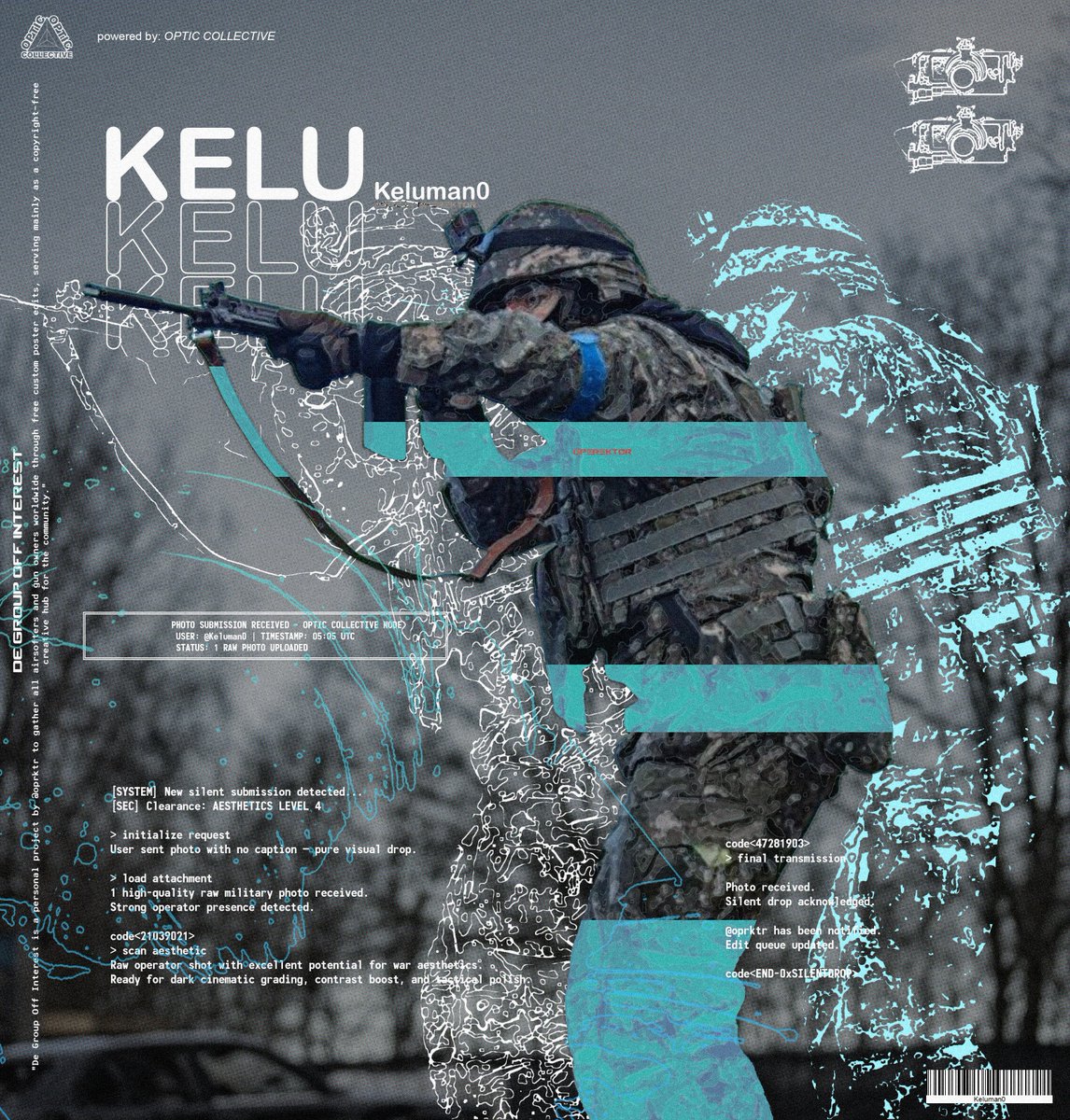
Anyways to all Airsofters and Gun Owners,
You’re now part of
“De Group Off Interest”!
This is a free creative space where we make custom poster edits and photo edits for airsofters and gun owners
to help promote your content.
Don’t forget to follow @OpticCollective
𝙊𝙥𝙧𝙚𝙠@oprktr
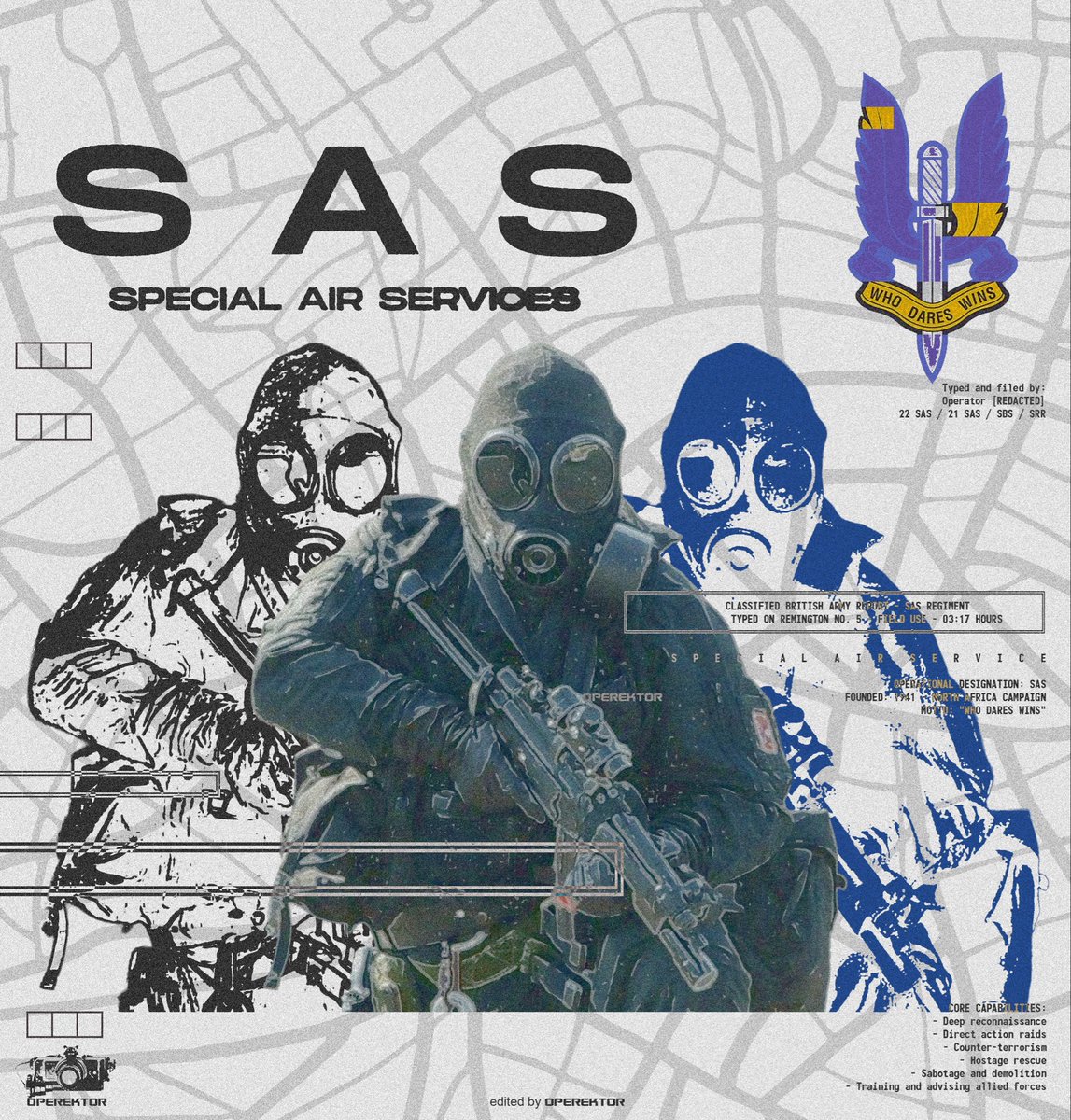
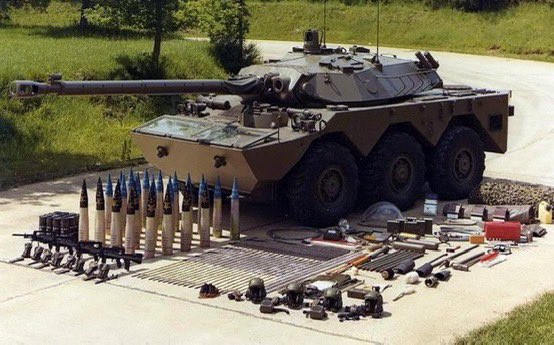
to those who wanted a photo poster edits like this style you can send some raw military photos on my comment section cuz im going to lock-in on photo edits the good thing is its FREE so send it now :D
English



Kelu retweetledi


Kelu retweetledi

Kelu retweetledi
Kelu retweetledi

Kelu retweetledi

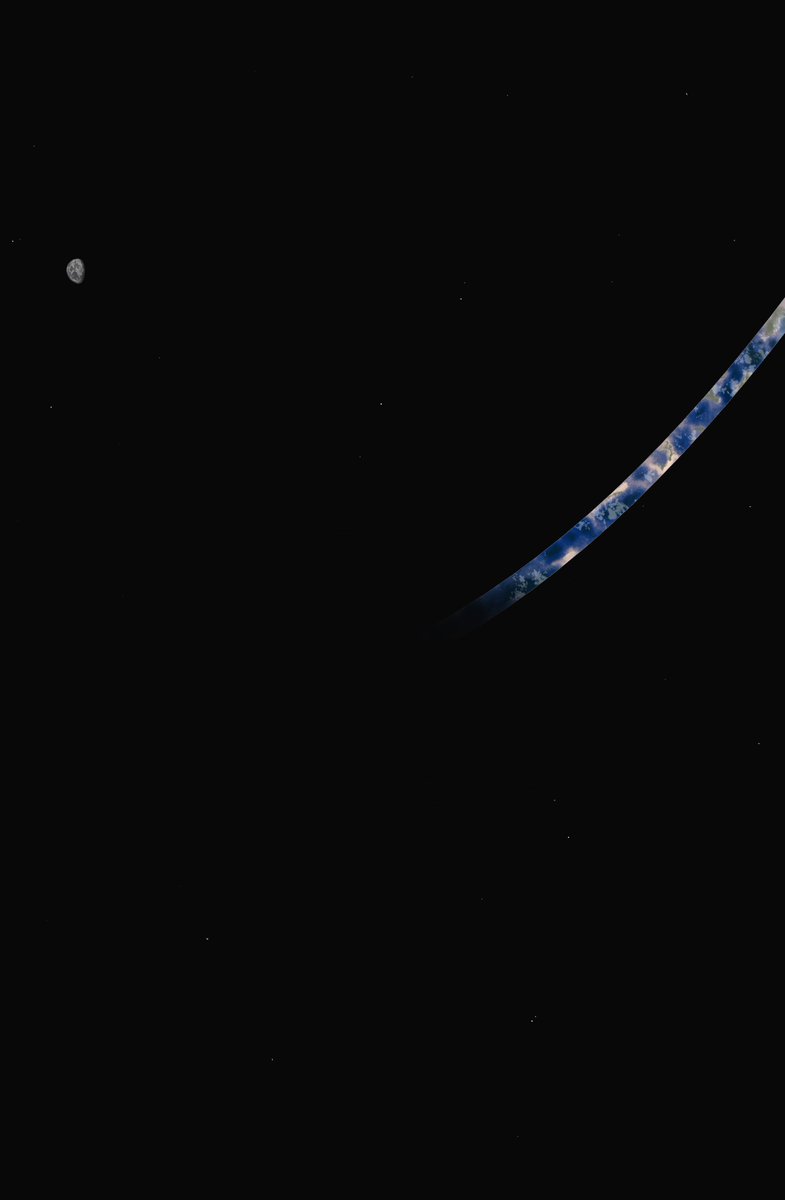
When i'm bored i open a black canvas and draw what i'm 99% sure a halo ring would look like if you approached it in real life and then i understand why everyone in halo is always Tweaking
English
Kelu retweetledi

Noticia de última hora. Andalucía inventa “un cacharro”.
Reuters@Reuters
Northwestern University researchers developed modular robots using AI that can adapt to damage and navigate unpredictable terrain, according to a new study
Español

Kelu retweetledi
