

Kerrin Begg
10.2K posts

Kerrin Begg
@KerrinBegg
Public Health Specialist & Educator w passion for #HLM #HPE #MedEd #Quality #Healthcare #HealthSystems #HealthPolicy for impact on health outcomes esp #LMICs
Cape Town, South Africa Katılım Ekim 2011
1.2K Takip Edilen1.5K Takipçiler
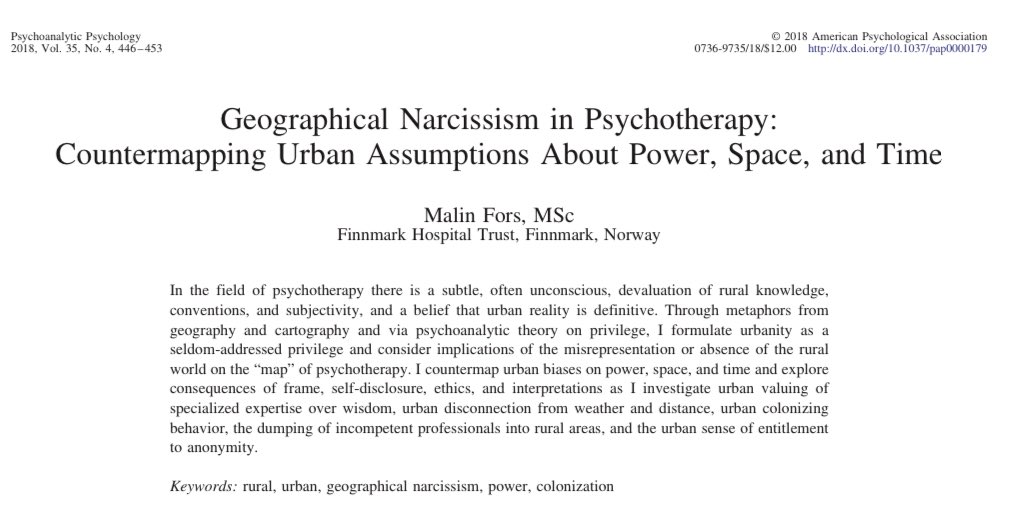
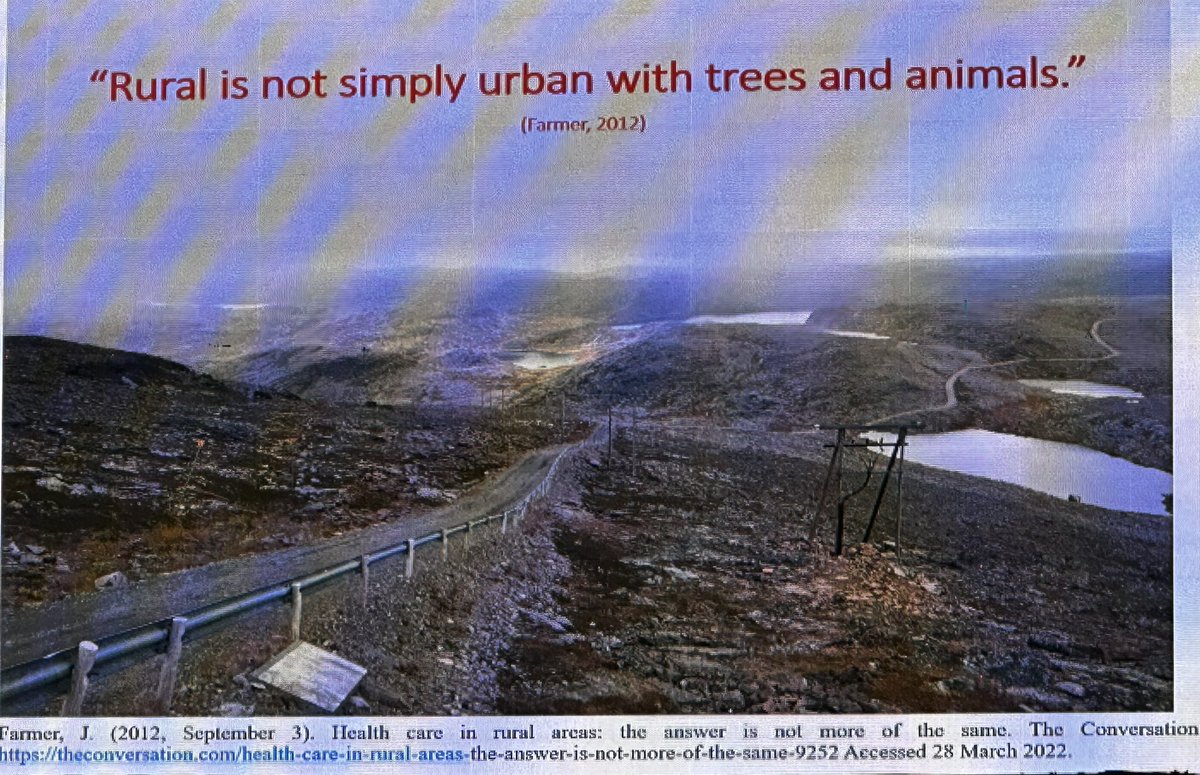
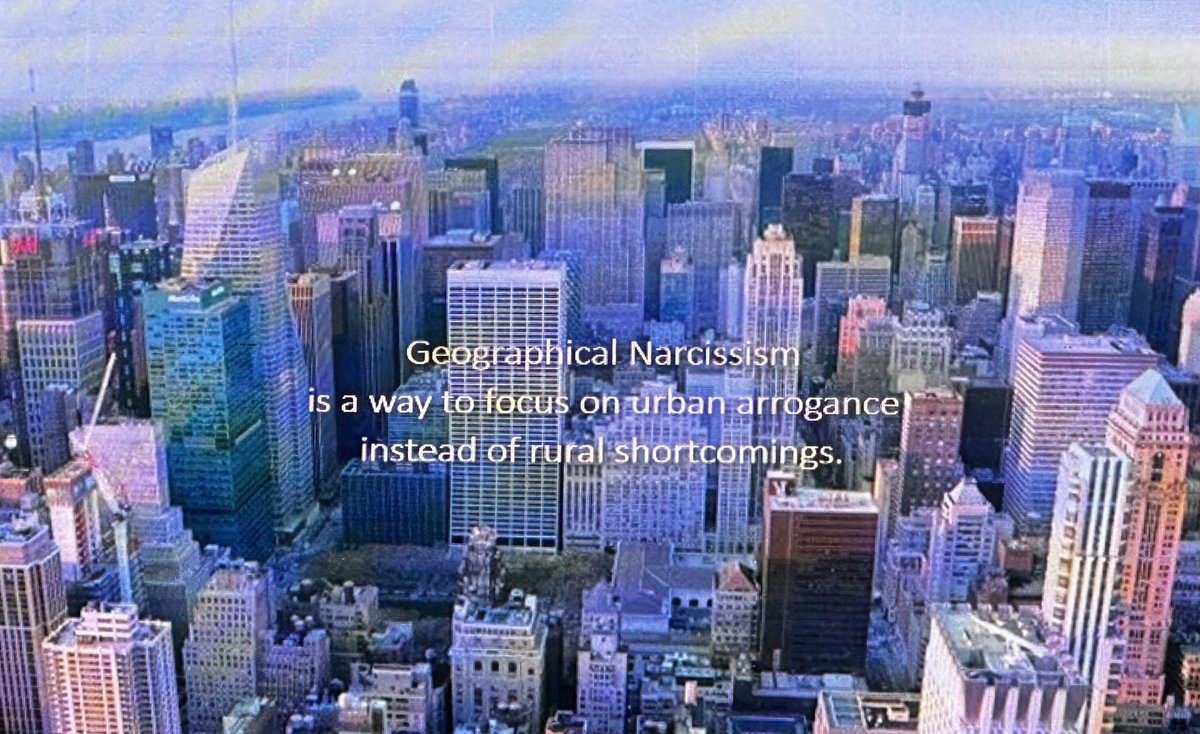
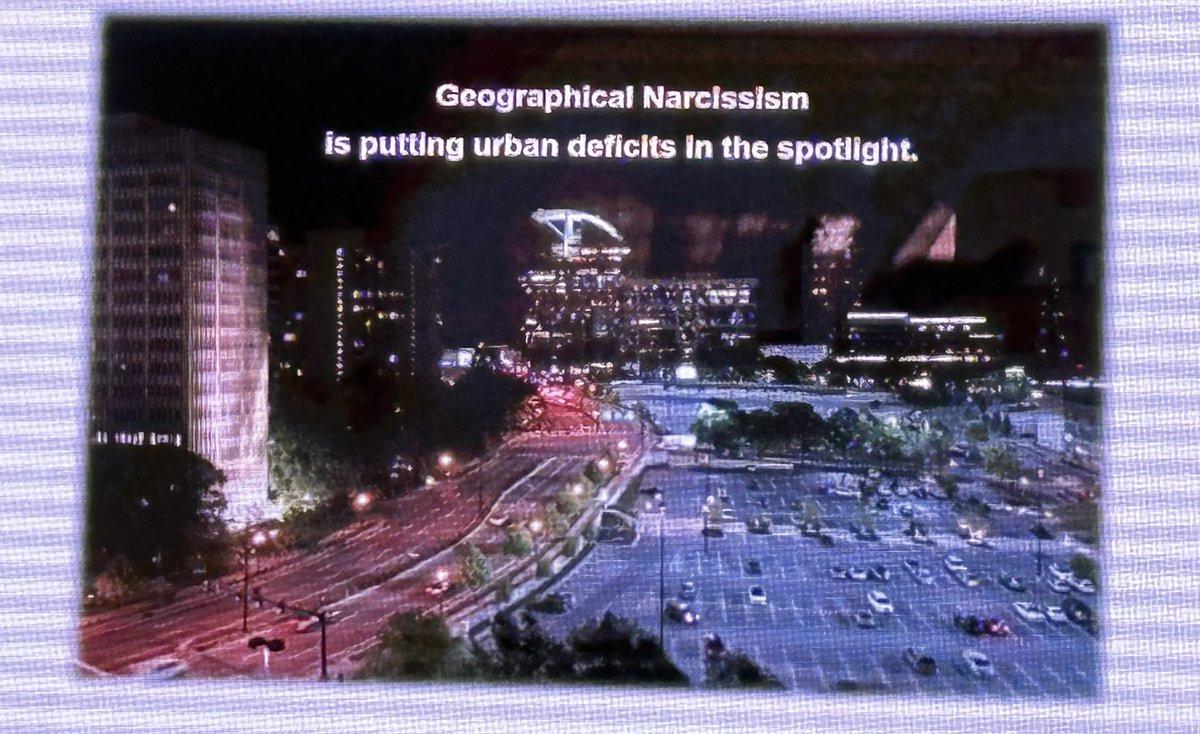
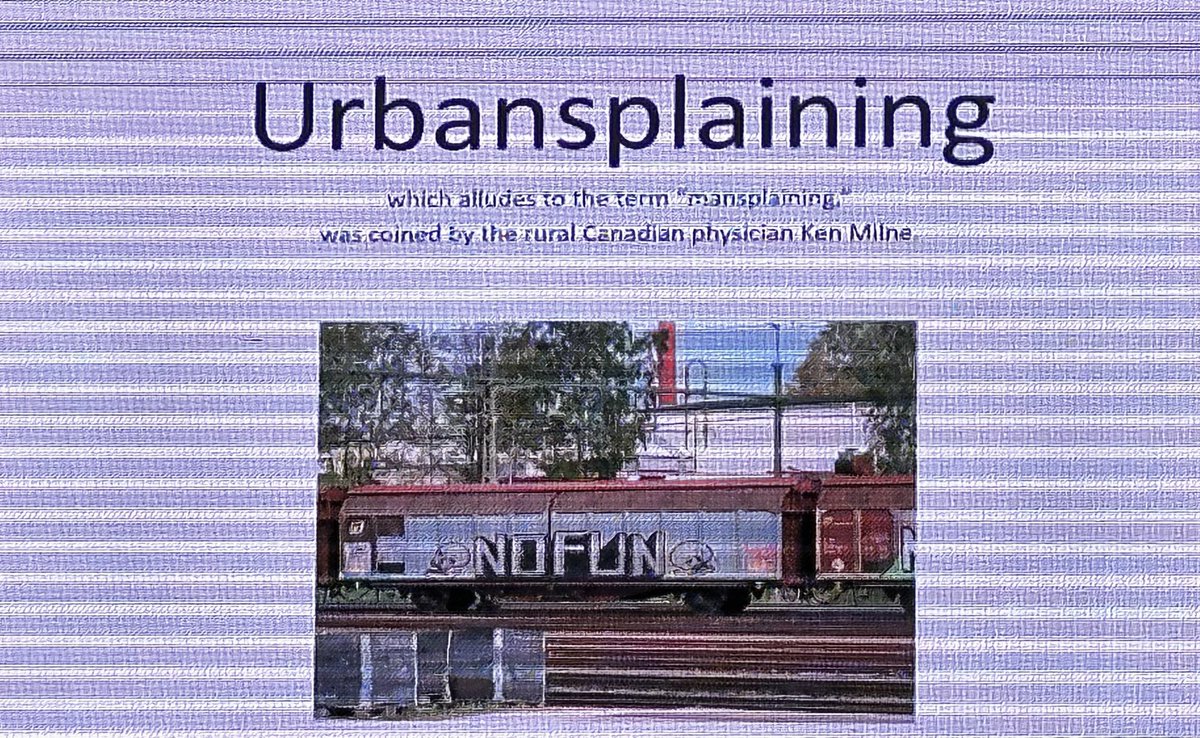
Thought-provoking & sobering keynote at #TUFH #Ubuntu2024 conference about #GeographicalNarcissm
Prof Malin Fors challenged us on urban privilege & bias, & pathologising rurality (rural professionals = “urban rejects”). Beware “urbansplaining”
#socialaccountability
English
Helen Bevan@HelenBevan
The post I made a couple of days ago on the differences between efficiency and productivity has been turned into a superb sketchnote & accompanying blog by @tnvora: qaspire.com/efficiency-and…. For those who couldn't open the original article by Avi Siegal, here's another link: archive.ph/NzBle.
English

Adding MSc Global Surgery (UCT) to my CV 🤩🥳. So grateful to @GlobalUct, @MrsMaswime and Dr Gordon for all their support throughout the journey. So grateful to God for this achievement.


English
Helen Bevan@HelenBevan
I really like this new article on psychological safety (a belief that we can speak up, take risks & make mistakes without fear of being judged, humiliated or punished) at work. It sets out a series of activities/approaches that all of us can use to build psychological safety in our teams. These include: - Manual of Me - Team Charter - Lifelife - Activity from Google that ranks sources of anxiety - 5-word Fridays - Team temperature check uxdesign.cc/creating-psych…. By @ChristinaLai1, via @Elaineking91. A link to an archived version of the article, in case the above link doesn't work for you: archive.ph/VDr0k
English
Mpox showing us echoes of #vaccineinequity in COVID19 & Ebola & TB
#poorlivesmatter
English
Useful reflection on collaborative work to effect #change - or more importantly #improvement
Need to add metrics and follow-through to ensure action happens 👍🏼
#leadership #collaboration #co_creation #HLM #HPE
Helen Bevan@HelenBevan
As a change leader, I've spent a lot of my professional life in workshops. I've participated in many workshops that have resulted in outstanding insights leading to positive action. I've also been in workshops that were a waste of everyone's time. So I appreciated this new article on "When to workshop" by Jemma Frost. The factors that create the conditions for an effective workshop include: - The workshop has a clear goal & timing & activities that make sense to participants - All the voices that should be part of the decision making are in the room - The workshop is structured but not so structured that it doesn't allow for emergence of different ways forward - Having an effective facilitator medium.com/user-experienc…. Via @Medium. I paired this with a graphic from @NNgroup
English
Kerrin Begg retweetledi

🆕 “Experts call for public health approach to suicide prevention, with social factors addressed in addition to clinical treatment services”
Explore a new 6-paper @TheLancetPH Series: hubs.li/Q02Ph92_0 #WSPD #WorldSuicidePreventionDay

English
Kerrin Begg retweetledi

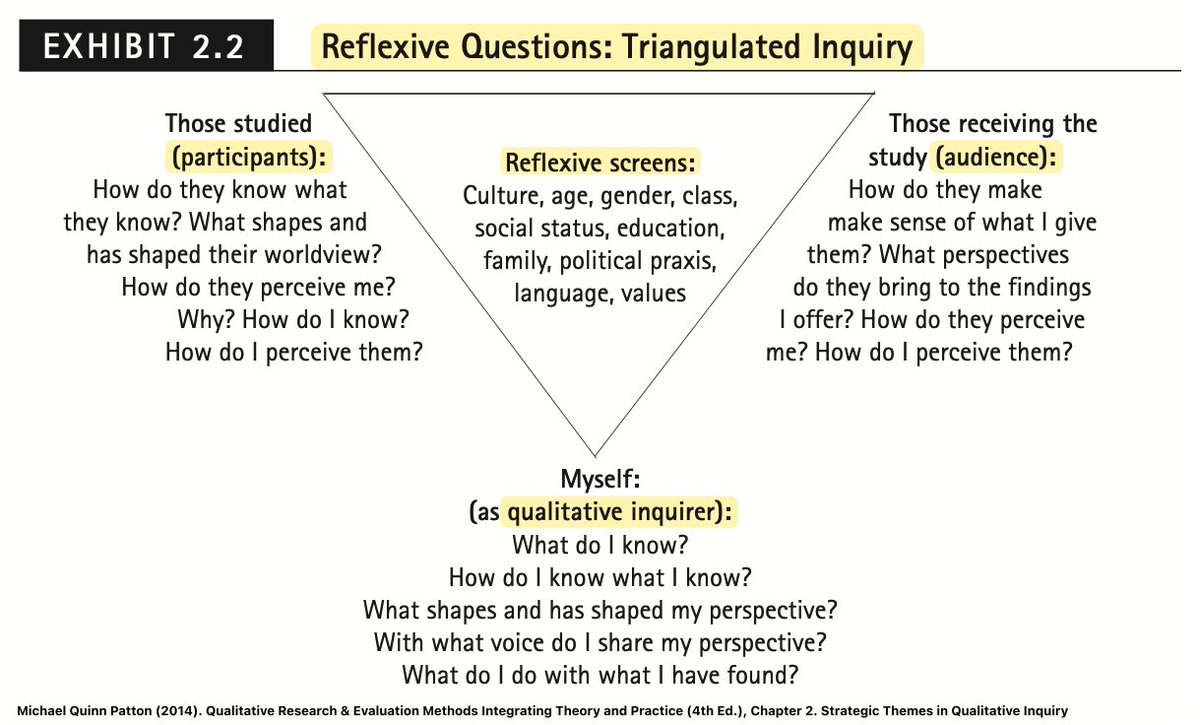
Research blind spots killing your insights?
The 3 crucial perspectives you're missing:
• Participants: What shapes their worldview?
• Audience: How do they interpret your findings?
• Yourself: What biases color your analysis?
Ask the right questions.
Find truths.
English
English
Recently got news! Appointed Extraordinary Assoc. Professor @StellenboschUni! Thrilled to continue working with stellar faculty, colleagues & students.
@TarynYoung3 @AmandaAniB @Research_Ambit @MikeMcCaul3 @ReneEnglish20 @jvolmink @EleanorOO @AnkeRohwer @cebhc @IDS_UK
English
#socialtissue #socialcohesion for effective teams
Helen Bevan@HelenBevan
When people describe the best teams they ever worked in, they typically describe teams that are socially cohesive. Socially cohesive teams have a high degree of connectivity & solidarity, belongingness & emotional support. This "social tissue" creates the conditions for high performance. Here is some excellent practical advice on how to build social cohesion in teams: 1) Create a compelling team identity 2) Establish shared norms & values 3) Promote shared experiences & team rituals medium.com/the-liberators…. Thank you Christiaan Verwijs. Graphic: @owlcation.
English
Helen Bevan@HelenBevan
If we want to create large scale, radical change, we need to shift from a "manager’s mindset" (building consensus & redesigning processes to make them more predictable & efficient) to a "changemaker’s mindset" (building coalitions & creating space for exploration & discovery). See new article by @Digitaltonto: @greg-satell/why-the-right-way-is-usually-the-hard-way-89d0dcce8597" target="_blank" rel="nofollow noopener">medium.com/@greg-satell/w…
. It reminds me of "the hierarchy of capabilities" in "Humanocracy: how to create organisations as amazing as the people in them" by @profhamel & @MicheleZanini. If we want people to innovate for new ways of working, we have to create the space, conditions & leadership support for it. See also @PaulIanTaylor on the "values of innovation" vs the "values of production: paulitaylor.com/2017/07/02/sto… QHT
Kerrin Begg retweetledi
If we want to create large scale, radical change, we need to shift from a "manager’s mindset" (building consensus & redesigning processes to make them more predictable & efficient) to a "changemaker’s mindset" (building coalitions & creating space for exploration & discovery). See new article by @Digitaltonto: @greg-satell/why-the-right-way-is-usually-the-hard-way-89d0dcce8597" target="_blank" rel="nofollow noopener">medium.com/@greg-satell/w…. It reminds me of "the hierarchy of capabilities" in "Humanocracy: how to create organisations as amazing as the people in them" by @profhamel & @MicheleZanini. If we want people to innovate for new ways of working, we have to create the space, conditions & leadership support for it. See also @PaulIanTaylor on the "values of innovation" vs the "values of production: paulitaylor.com/2017/07/02/sto…

English
Helen Bevan@HelenBevan
There's an increasing need to collaborate across teams & systems. Yet many leaders report "collaboration drag": too many meetings & collaborative processes that are messy, political & frustrating. Research shows that trying to reduce "collaboration drag" through senior leadership alignment can actually make it worse. Three ways to reduce "collaboration drag": 1) Understand where the critical relationships are to get work done across the organisation/system & support the people involved. 2) Invest in building skills that help teams navigate difficult group dynamics, see how different pieces of a project fit together & speak a common language. 3) Practice reducing collaboration drag within your own function or team: hbr.org/2024/06/why-cr…. Via @Gartner_inc @HarvardBiz. Graphic: @planio
QHT
Helen Bevan@HelenBevan
A term I'm hearing more & more often in the world of large scale change is "agentic". Agentic people are able to lead change, make decisions, manage their own learning & act with purpose. Being "agentic" brings a higher level of personal initiative & autonomy than being "empowered". According to @thomassbateman, it’s the highest form of competence-related mindset: psychologytoday.com/us/blog/gettin…. Being "agentic" isn't just a feeling or personal competence. It's a result of being in a system that supports people individually & collectively to make their best contribution.
QHT
Useful guide for #communication in differential power dynamics
Helen Bevan@HelenBevan
One of the best weekly newsletters I subscribe to is the Psychological Safety newsletter from @tom_geraghty. It always has excellent (relevant & useable) content. This week's topic is "graded assertiveness" (when we need to communicate an important message to someone who is much higher in the power gradient in a way that's respectful & has the intended impact). Tom suggests the PACE framework; we first “Probe”, then “Alert”, then “Challenge” if necessary, & if we have to, we can resort to “Emergency”: psychsafety.co.uk/pace-graded-as…. The link includes a sign up to the newsletter. Tom, thank you for your generosity in all the resources you share to promote psychological safety.
English