خالد

10.1K posts

خالد

خالد

@Khalid014Qa

Katılım Nisan 2024
278 Takip Edilen174 Takipçiler
خالد
خالد@Khalid014Qa·
@PROMAKOS_ الإسلام حكم الأندلس ل800 سنة واعداد الاندلسيين المسلمين يصل الى عشرات الملايين. لا يمكن اختزال هذا العدد ببضع امثلة عن أمراء فاسدين. الطبقات الحاكمة دائماً تميل للرفاهية والفساد وهذا ليس محصور في الاندلسيين. حتى في العصر الحالي مثل ال سعود عرف عن كثير منهم شرب الخمر سراً.
العربية
0
0
6
522
Promakos
Promakos@PROMAKOS_·
Los musulmanes de al-Ándalus bebían vino. Y bastante. La imagen popular de al-Ándalus como una sociedad islámica de abstinencia estricta choca con lo que dicen las fuentes andalusíes cuando se las lee sin filtro. El Corán prohíbe el consumo de alcohol, pero los propios emires, califas y reyes de taifas que gobernaron al-Ándalus durante casi ocho siglos dejaron un rastro documental de consumo de vino que va desde la poesía cortesana hasta los tratados de agricultura, pasando por la jurisprudencia y la numismática. El emir al-Hakam I (r. 796-822) organizaba banquetes donde, según las fuentes, "eludía los preceptos y prohibiciones del Corán y se entregaba a cenas extravagantes en las que los vinos de postre corrían en abundancia". Abd al-Rahman III (r. 912-961), el califa que convirtió Córdoba en la ciudad más poblada de Europa occidental, bebía vino en su corte y lo toleraba en otros siempre que fuese con moderación. Al-Mu'tamid, rey taifa de Sevilla (r. 1069-1091), compuso poesía sobre el vino siguiendo la tradición de los grandes poetas del género khamriyyat (poesía báquica islámica), cuyo exponente más célebre fue Abu Nuwas (m. c. 813), autor de un libro entero de poemas dedicados al vino. Ziryab, el músico y cortesano iraquí que transformó los usos de la corte de Abd al-Rahman II en el siglo IX (se le atribuye la introducción del ajedrez y los cimientos de la música andalusí), recomendó a su emir beber vino en copas de cristal en lugar de los recipientes metálicos habituales para apreciar mejor sus cualidades, lo que indica que el consumo era tan corriente que ya existía una cultura del servicio. La Escuela de Estudios Árabes del CSIC ha demostrado que los agrónomos andalusíes desarrollaron técnicas de poda y fructificación de la vid más detalladas que las de los tratados griegos y latinos, con tres tipos de poda diferenciados según la variedad (larga para la uva melar y blanca, corta para la negra de racimos compactos, e intermedia para la jallādī). Ibn Luyun de Almería dedicó varios capítulos de su tratado de agricultura del siglo XIII al cavado, limpieza, layado, poda, injerto y prensado de las uvas. Las monedas del Califato de Córdoba llevaban racimos de uva como motivo, lo cual resulta difícil de explicar si el producto era un tabú social. En Málaga se producía el xarab al-malaquí, un vino de pasas consumido por musulmanes y judíos que era famoso y celebrado por los poetas. Averroes, el jurista y filósofo cordobés, abordó la cuestión en su enciclopedia de jurisprudencia islámica comparada argumentando que la causa subyacente de la prohibición coránica del vino era que impide el recuerdo de Dios y genera enemistad, y que esa causa "solo se encuentra en una cierta cantidad del licor intoxicante, no en lo que es menos que esa cantidad", con lo cual solo debería prohibirse la cantidad que embriaga. Rudi Matthee, en su estudio de referencia sobre el alcohol en el Islam, concluyó que el consumo de vino en la edad de oro islámica fue "una práctica literal dominante, a veces incluso entrelazada con rituales religiosos", y que reducirlo a metáfora mística o a la transgresión de musulmanes poco observantes falsea el registro histórico. Al-Ándalus fue uno de los ejemplos más documentados de esa realidad. Bibliografía recomendada: – Matthee, R., Angels Tapping at the Wine-Shop's Door: A History of Alcohol in the Islamic World, Oxford UP, 2023. – Kennedy, P.F., The Wine Song in Classical Arabic Poetry: Abu Nuwas and the Literary Tradition, Clarendon, 1997. – García Sánchez, E., "La alimentación en al-Andalus", Escuela de Estudios Árabes, CSIC.
Promakos tweet media
Español
54
151
889
74.2K
خالد
خالد@Khalid014Qa·
@JAlArb لو كل كلب عوى القمته حجر لأصبح الصخر مثقالاً بدينار.
العربية
0
0
1
1.1K
خالد
خالد@Khalid014Qa·
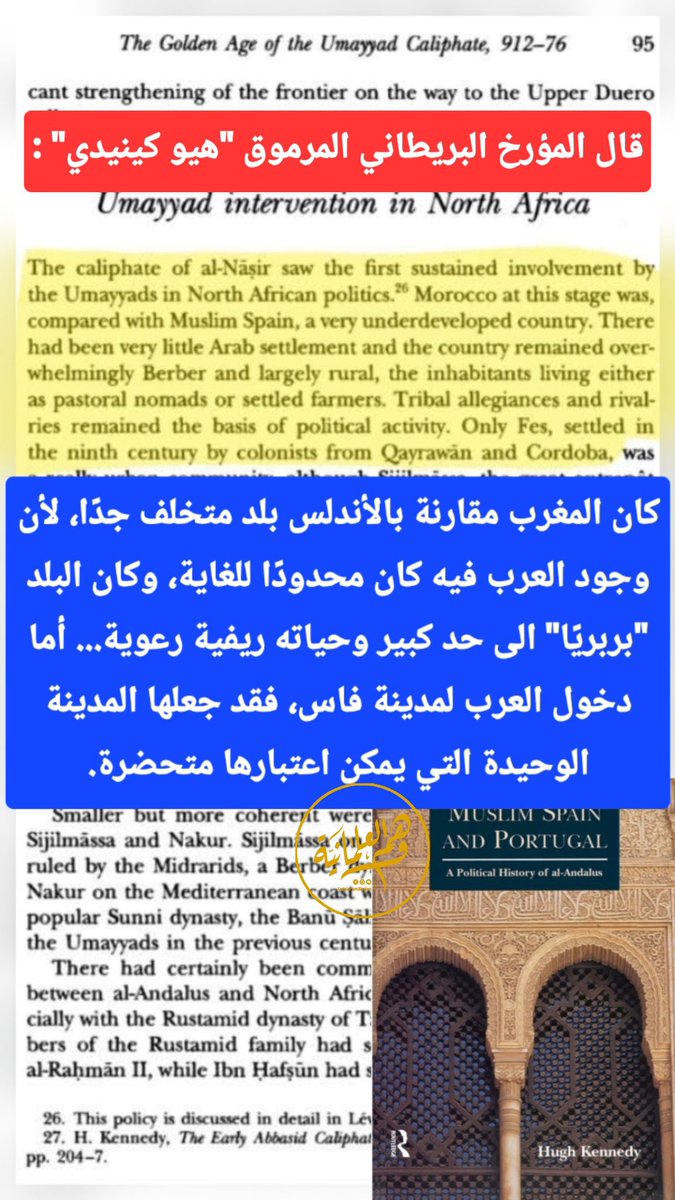
@YassineYas49235 @_NMR_85 @nimses1010 طارق بن زياد لم يكن بربري. ولم يكن للمغرب معمار قبل قدوم العرب وكان عمرانها بدائي بسبب قلة العرب فيها
خالد tweet media
العربية
0
1
3
47
Yassine
Yassine@YassineYas49235·
@_NMR_85 @nimses1010 يوجد الدليل بأن سكان المغرب عندهم معمار قبل الذهاب إلى الأندلس مع القائد المغربي طارق ابن زياد، ما زال أرضى الحجاز لم يتم تأسيسها
العربية
3
0
1
56
kosovi
kosovi@nimses1010·
"لم تر العين مثل حدائقها التي تجري من تحتها الأنهار، ولا مثل قصورها التي صممت لتبدو وكأنها قطع من السماء هبطت إلى الأرض." - مؤرخون "مدرسة طليطلة الرهبان الاوربيين " -
العربية
6
34
190
5.4K
خالد
خالد@Khalid014Qa·
@YahyaAlhadid على اي اساس افترضت انهم استهدفوهم لمجرد انهم شيعة بل وعلى اي اساس افترضت انهم مواطنين؟ ثانياً، من قال ان القضاء على الايديولوجيات/الاديان المخالفة يفتقر للنضج السياسي؟ بل على العكس كل الدول المستقرة قامت على ذلك بداية من اسبانيا واقصاء المسلمين واليهود وحتى الهراطقة.
العربية
0
0
0
52
يحيى الحديد Yahya Alhadid
تحويل المواطنين إلى كبش فداء للصراعات الإقليمية يعكس أزمة حقيقية في مفهوم الدولة بالخليج. استهداف الشيعة لمجرد النكاية بإيران هو سلوك يفتقر للنضج السياسي، ويؤكد أننا أمام إدارة بعقلية قبيلة لا تقبل التعددية، وتتعامل بمنطق المافيا مع مكونات شعبها. #الإمارات
يحيى الحديد Yahya Alhadid tweet media
العربية
100
107
423
30.6K
خالد
خالد@Khalid014Qa·
@Amazght الزناتيين معروف عنهم انهم بدو رحل ولم يستقروا في المدن الا بعد الفتح العربي بكثير. وفوق هذا الزناتيين اكثر من ادعى النسب العربي فادعوا تاره انهم من حمير وتارة من قيس عيلان وكانوا اكثر المستعربين من البربر واسرعهم.
العربية
0
0
0
40
سَـارة الزناتي
تخيلوا اسرتي متحضرة ومذكورة في حاضرة طرابلس في السجلات الحفصية للمدينة، ومنزل واملاك جدي في المدينة القديمة لما جده القذر هذا لا يقرا ولا يكتب ولا يعرف من الدين الا رسمه
ابو يوسف الأزدي@p6o7uw

@Amazght @Umayyad_1 البربرية الهمجية الامية تحسب فيه فرق بين بدو وحضر الحجاز 😭😭😭😭

العربية
4
0
0
507
خالد
خالد@Khalid014Qa·
@SonOfJenin شي طبيعي ان الغرب والصهاينه عندهم مشروع يحقق مصالحهم. المصيبة ان الدول العربية ما عندها مشروع. الدولة الوحيدة اللي عندها شبه مشروع هي للأسف الإمارات.
العربية
0
0
2
134
ذو الندبة
ذو الندبة@SonOfJenin·
@Khalid014Qa مشروع صهيوني/غربي لإزالة الهوية العربية وللأسف الدول العربية لقمة سائغة لهذة المؤامرات الخبيثة
العربية
1
1
6
488
ذو الندبة
ذو الندبة@SonOfJenin·
There’s a very dumb double standard applied to Arabs when discussing the nature of Arab identity. All ethnic identities on this planet are based on cultural and political factors, not just Arab identity. And all ethnic identities have a degree of diversity and “sub-sections”. Even tiny groups like Assyrians, Armenians and Ossetians have “sub-sections” and various dialects which are not mutually intelligible. Lineage is used to reinforce a shared sense of ethnic identity but it’s never the actual source of that identity. Lineage refers to descent from a specific ancestor. If Arab identity was originally based on lineage from a specific ancestor (we know it’s not), who is this specific ancestor that the original Arabs descend from? Abbasid period mythology tells us that it’s a Yemeni man named Ya’rub who single-handedly invented the Arabic language. Yemen before Islam did not even speak Arabic and one man obviously can’t single-handedly invent the Arabic language. This is clearly a myth. So if it’s not Ya’rub, who is it? And who is this common ancestor for Kurds? Germans? Armenians? Punjabis? Tamils? Amazigh? Chinese people? Ethnic identity does not function like a family/tribe where membership is determined based on descent from a specific individual. Arab tribes function that way and almost all Arab tribes are named after a specific ancestor. ‘Banu Tammi’ is ‘sons of Tamim’ and all members are named ‘Tamimi’. If ethnic identity functioned this way, we’d expect ethnicities to be named after a specific person and all members/descendants would carry that person’s name as we do with family/tribal identity. ‘Lineage’ itself is also murky because the memory capacity of humans is limited. How far back you can reliably trace your lineage is constrained by the inherent limits of the human mind. No one living in the 8th Century AD can remember the name of their great grandfather from the 8th Century BC. To compensate for this shortcoming, humans resort to mythological origin stories to reinforce the idea of a “shared lineage”. We invent stories to “prove” that specific tribes/communities have a shared lineage. The Arabs had the story of Adnan/Qahtan, the Greeks had the story of Hellen, the Romans had the story of Aeneas, the Magyars (Hungarians) had the story of Magor, the Armenians had the story of Hayk, etc. Language, religion, geography and even race are more reliable and verifiable than lineage (before the invention of DNA tests in the 1900s). You can’t lie about being a Persian speaker for example. And most importantly: language, religion, geography and race have a far greater impact on your daily life than distant ancestral lineage. By “race” I’m referring to the fact that people are more likely to form an ethnic identity with other people that physically resemble them. Humans have always noticed physical appearance.
English
5
17
109
7K
Stella Escobedo
Stella Escobedo@StellaEscoTV·
So cool to see Dave Matthew honor the terrorist rape machine. You know- the same machine who stole people, took them into tunnels like rats and starved them. Oh and shoved knives up women’s vaginas.
English
1.2K
655
3.4K
126.4K
خالد
خالد@Khalid014Qa·
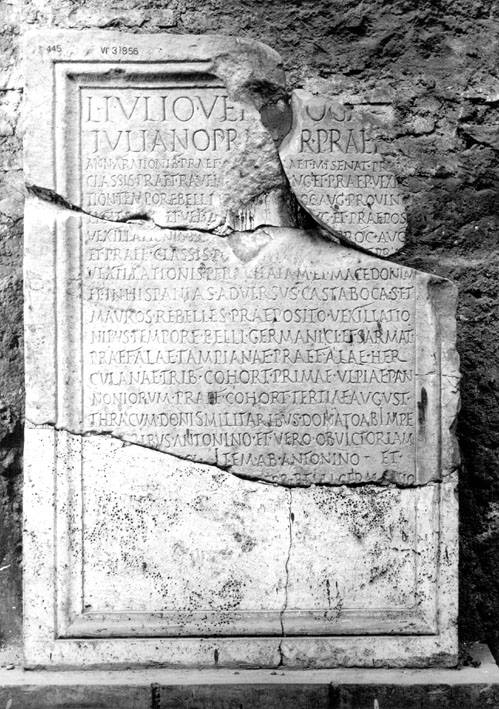
@AglidYazid @hafouDz This wasn't a campaign to conquer Spain, it was a series of raids and plunders which Berbers took advantage of Romans being busy in the Marcomannic wars. Berbers did the same in the Umayyad Cordoba.
English
0
0
3
32
ⵢⴰⵣⵉⴷ🇲🇦
@Khalid014Qa @hafouDz The inscription mentions General Lilius Vehilius Gallus Iulianus leading a campaign against the Moors in Spain in 171 CE. They had invaded Iberia around 146–147 CE and controlled parts of it for years before being defeated. The inscription calls them "rebels" (Mauros Rebelles)
ⵢⴰⵣⵉⴷ🇲🇦 tweet media
English
1
0
0
220
خالد
خالد@Khalid014Qa·
@AglidYazid @hafouDz Yeah. Berbers were just chilling for thousands of years and getting enslaved by Phonecians and Romans, before suddenly deciding they wanted to conquer Spain and spread Arab culture for no reason whatsoever. Makes sense.
English
1
0
3
75
ⵢⴰⵣⵉⴷ🇲🇦
@hafouDz Yes, it was only the Umayyads... with an army that was entirely Amazigh (Berber), without any Arab soldiers at all. Tariq invaded Andalusia with the help of Julian al-Ghumari, both Amazigh, without any Umayyad approval... 👇🏻
English
5
0
11
450
خالد retweetledi
خالد
خالد@Khalid014Qa·
@Yugocana Nah. Jews will just start a new ADL and claim it was an orphanage and saint Epstein was defamed by the evil antisemites just like what they did with Leo Frank.
English
1
10
201
3.2K
Brian Ross
Brian Ross@RossBrian30643·
@WalshFreedom The biggest reason we have problems in the Middle East today is because the Arabs refused a two state solution back in 1947 when they had the opportunity to do so. The children of Abraham should’ve looked out for one another, especially when one of them was almost wiped out
English
8
0
1
937
Joe Walsh
Joe Walsh@WalshFreedom·
From the very beginning, the Arabs refused to accept a two state solution. Bcuz from the very beginning, the Arabs refused to accept a Jewish state. And so, from the very beginning, the Arabs went to war against the Jews and continued to go to war against the Jews year after year after year. And the Jews kept winning each & every war.👇
Captain Allen@CptAllenHistory

This day (April 16) in 1948, the British withdrew from Safed & 100s of Arabs immediately attacked the city’s ancient Jewish community. The Arab commander cabled the Arab Liberation Army: “Our morale is very high, the young people are enthusiastic, we’re going to massacre them." The outnumbered Jews chose to stay and fight rather than flee; and, along with a small garrison of Haganah fighters, they managed to repel the attack. The Arab assault was part of the “civil war” portion of the 1948 War that was launched the moment the UN voted to partition Mandate Palestine into a Jewish state and an Arab state on November 29, 1947. From day one, the Arabs rejected any Jewish state on any part of the Land. In fact, on this same day (April 16, 1948), as Arab armies massed on the borders to invade the day the British Mandate ended, Jamal Husseini - acting chairman of the Arab Higher Committee - told the UN Security Council: “The representative of the Jewish Agency told us yesterday that they were not the attackers, that the Arabs had begun the fighting. We did not deny this. We told the whole world that we were going to fight.” And “fight” they did. The Arabs answered the UN vote with immediate terror: buses ambushed, passengers shot, the Jewish market in Jerusalem stormed with Arabs armed with knives and axes, entire convoys wiped out on the roads with no prisoners taken and corpses mutilated. Jewish civilians were dying at a rate of more than fifty per week. By March 1948, the Arabs were winning the “battle for the roads” and had the Jewish population on the verge of strangulation and, in Jewish Jerusalem, starvation. This is where the wildly misunderstood Plan Dalet came into effect. It was a desperate military counter-offensive to reopen supply lines and prevent total annihilation. It was never a “blueprint for expulsion” as propagandists like to claim. The real ethnic cleansing intent came expressly and proudly from the Arabs whose war cry was literally: Itbah al Yahoud! — “Slaughter the Jews!” On May 14, 1948, Israel declared independence. The next day, five Arab armies invaded with the explicit goal of wiping the Jewish state off the map before it could even breathe. They failed. That failure is what Arabs originally called the "Nakba" — “the catastrophe.” Its original use had exactly nothing to do with “refugees,” but was meant to give a word to the humiliating Arab failure to destroy the wildly outnumbered Jews and prevent Israel from being born. In reality, the vast majority of local Arabs fled before Israeli forces arrived, urged on by their own leaders who promised a quick victory and return. Those who stayed, by the way, became full citizens of Israel with equal rights; and they make up more than 20% of Israel's population today. Perhaps most importantly, there would NEVER have been a single refugee had the Arabs accepted the UN partition and/or chosen not to invade with genocidal intent. Like so many anti-Israel narratives that reverse cause and effect today, the “Nakba” narrative inverts aggressor and victim. It erases the fact that the Jews were fighting for survival against a war of annihilation explicitly declared by the Arabs from day one. What are some other ways cause and effect is reversed in modern anti-Israel discourse? Let me know your thoughts below.

English
223
132
551
228.4K
خالد
خالد@Khalid014Qa·
@Haqiqatjou I hate that guy and he is deviant but this is clearly AI. Couple of comments already posted the original video so just take it down if you care about your reputation.
English
0
0
0
54
خالد
خالد@Khalid014Qa·
@abdullahihz @Haqiqatjou You're defending an AI video. Talk about bein a sheep with critical thinking skills of a vegetable.
English
0
0
0
21
خالد
خالد@Khalid014Qa·
@HB1934C @Alghurabaaaaaa You can't blame jews without blaming those who created the perfect environment for them.
English
4
0
9
2.2K
سند
سند@sanad61530·
شفت المنشن وبصراحة مافيه رد عقلاني كل كلامهم انه احنا ديننا الصح ولازم ننشره طيب حتى هم يشوفون ان دينهم الصح وعندهم نفس المبدأ ايش الي يفرقهم عنا؟ او الي يقول المسلمين طوروا الأراضي الي دخلوها طيب لو بكرة جت دولة غزتنا وطورتنا هل هذا يجعل الغزو شيء كويس ولا المبدأ هذا بس للمسلمين
Youssef Aabou@misahax

لماذا دخول الغير لأرضنا نسميه غزوا واحتلالا ، في المقابل دخولنا لأراض الغير نسميه فتحا ؟

العربية
184
71
1.4K
151.2K