Khir

27.1K posts

Khir banner
Khir

Khir

@Khir_Jr

Subang-Butterworth Katılım Aralık 2013
618 Takip Edilen319 Takipçiler
Khir retweetledi
AI
AI@mentallystabl3·
So funny coz I saw a random tweet saying “why did someone bring his fish to the mosque” and now I’m seeing the culprit on my tl 😭😭😭
ً@nomorebaldfades

took ibrahim to the masjid

English
16
4.3K
46.7K
604.4K
Khir retweetledi
Anish Moonka
Anish Moonka@AnishA_Moonka·
A Danish scientist counted bugs on the same windshield, same road, same conditions, every year for 20 years. By year 20, 80% of the insects were gone. In Germany, a group of volunteer bug scientists did something even bigger. They set traps in 63 nature reserves, not farms, protected land, and weighed everything they caught. Same traps, same method, 27 years straight. The total weight of flying bugs dropped 76%. In midsummer, when insects should be peaking, it was 82% gone. A follow-up in 2020 and 2021 checked again. No recovery. In the UK, they literally ask drivers to count splats on their license plates after a trip. The 2024 count came back 63% lower than just 2021. Three years. A 2020 study pulled together 166 surveys from 1,676 locations around the world. Land insects are disappearing at roughly 9% every ten years. Here’s where it hits your plate. About 75% of the food crops we grow depend on insects to pollinate them, everything from apples to almonds to coffee. One 2025 study modeled what a full pollinator collapse would look like: food prices jump 30%, the global economy takes a $729 billion hit, and the world loses 8% of its Vitamin A supply. Birds are already feeling it. North America has lost 2.9 billion birds since 1970. A study from just weeks ago found half of 261 bird species on the continent are now in serious decline, and the losses are speeding up in farming regions. The birds that eat insects lost 2.9 billion. The birds that don’t eat insects? They gained 26 million. That ratio tells the whole story. One of the German researchers behind the 27-year study drives a Land Rover. He says it has the aerodynamics of a refrigerator. It stays clean now.
MAVERICK X@MAVERIC68078049

I am sure many of you have noticed this.

English
493
10K
41K
6.5M
Khir retweetledi
H’s mom
H’s mom@aiishadahir·
Do not stay silent about this. Every Muslim has a connection to Al-Aqsa. It is the First Qibla, the 3rd holiest site, From the night of Isra and Mi’raj to the legacy of every prophet who stood upon it. As an Ummah, silence is not an option!!!
Quds News Network@QudsNen

Stones collapsed from the Qibli Prayer Hall in Al-Aqsa Mosque due to ongoing Israeli excavations, with occupation authorities preventing any restoration work in the area.


English
48
12.6K
25.2K
422.7K
Khir retweetledi
Furkan Gözükara
Furkan Gözükara@FurkanGozukara·
Iran just published a new Lego animation that will make Israel and Lego company so furious They named it as "Modern Elephant Companions" Those who doesn't know this majestic historic event @grok explain
English
157
4.2K
14.3K
839.1K
Khir retweetledi
Ryan Rozbiani
Ryan Rozbiani@RyanRozbiani·
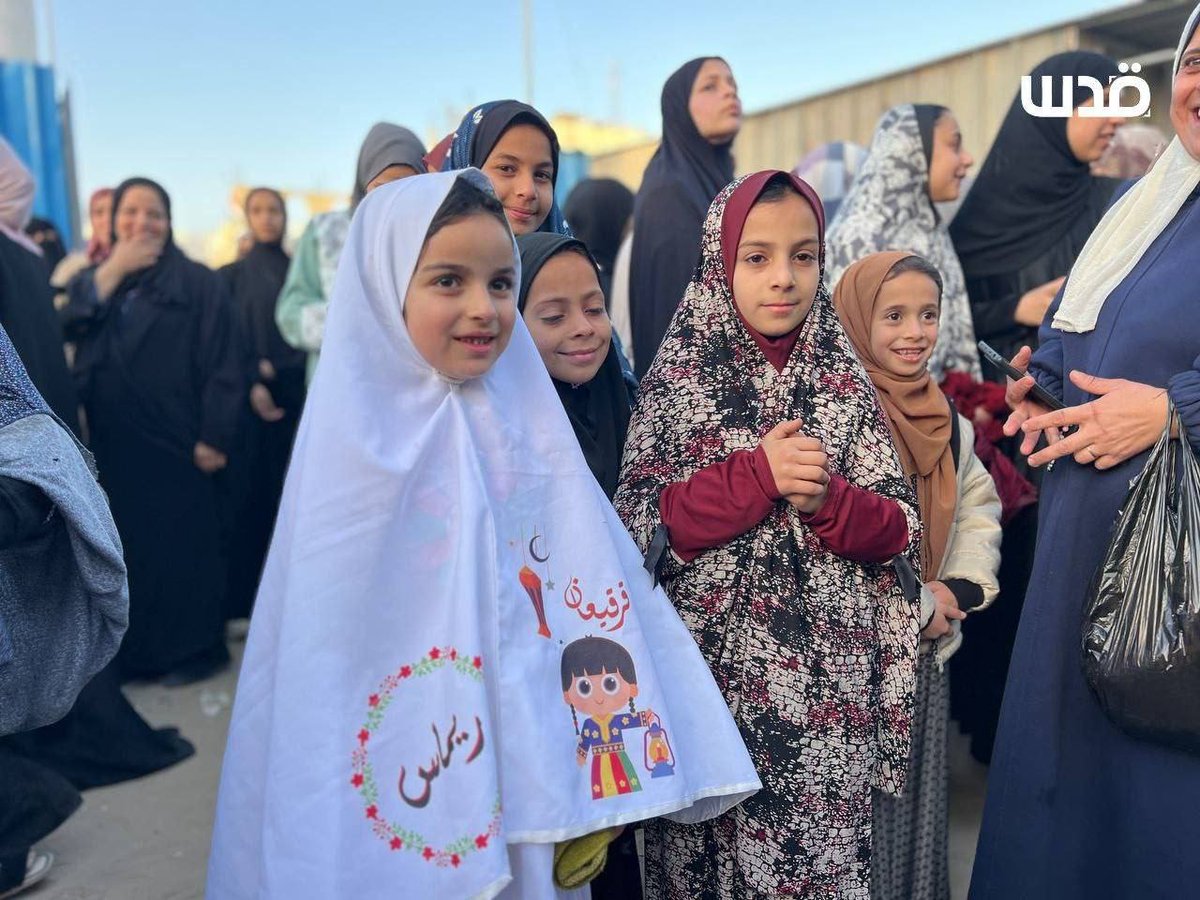
Eid Mubarak, here are some heartwarming photos from celebrations in Gaza Despite not having much, parents try to do what they can to make the children smile.
Ryan Rozbiani tweet mediaRyan Rozbiani tweet mediaRyan Rozbiani tweet mediaRyan Rozbiani tweet media
English
69
3.7K
11.5K
146.1K
Khir retweetledi
Gandalv
Gandalv@Microinteracti1·
The F-35 was supposed to be unkillable. That was the whole point. Lockheed Martin spent thirty years and four hundred billion dollars, the most expensive weapons programme in human history, building an aircraft that the enemy simply could not see. Not on radar. Not on infrared. Not on anything. The F-35 was not just a fighter jet. It was a theological statement. America’s way of saying: we have moved beyond the reach of your missiles, your sensors, and your prayers. Iran apparently didn’t get the memo. Somewhere over Iranian airspace on March 19, 2026, an IRST system, infrared search and track, the kind of sensor your grandmother could probably explain, looked up, found the F-35, and locked on. Not because Iranian engineers are geniuses. Because the F-35, it turns out, is extremely hot. All that engine. All that thrust. All that carefully sculpted stealth geometry, and the bloody thing glows like a kettle. The heat signature data Iran now holds is not just embarrassing. It is a gift that keeps giving. To Moscow. To Beijing. To every procurement ministry on the planet that has been quietly wondering whether to spend the money on systems designed to kill this aircraft. The answer, as of this week, is yes. And here is the bit that should really worry the Pentagon. You can patch software. You can redesign coatings. You cannot reprogramme a pilot’s brain. Every F-35 driver who takes off from here on knows, actually knows, that someone down there might be able to see them. That changes everything about how they fly. Caution replaces aggression. Hesitation replaces instinct. Four hundred billion dollars. And in the end, it was done in by a heat sensor. Tremendous. Gandalv / @Microinteracti1
Gandalv tweet media
English
2.4K
8.9K
29.7K
3.8M
Khir retweetledi
Shanaka Anslem Perera ⚡
Shanaka Anslem Perera ⚡@shanaka86·
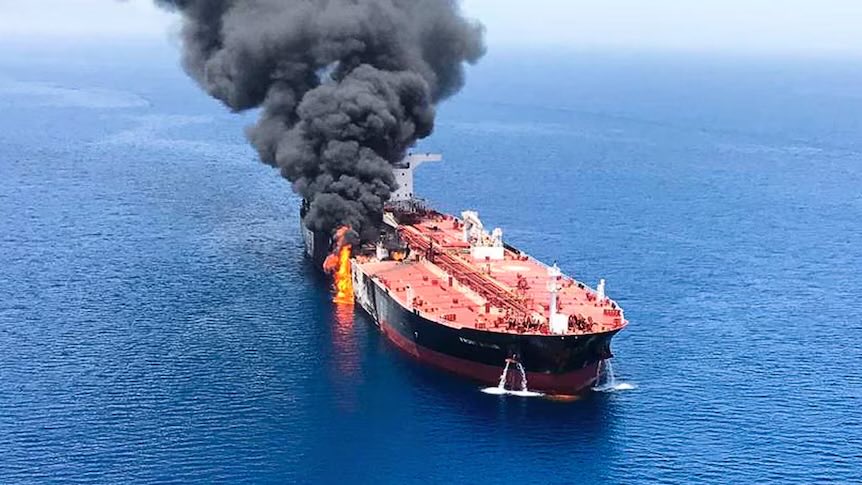
Your paracetamol is made from oil. The phenol comes from a cumene process that starts with naphtha. The naphtha comes from a refinery. The refinery’s feedstock transits the Strait of Hormuz. Ninety-nine percent of pharmaceutical feedstocks, solvents, reagents, and packaging are petrochemical-derived. The American Gas Association confirmed it. The medicine cabinet is the sixth layer of the Hormuz crisis and nobody is talking about it. The war started with uranium. It moved to oil. Then fertiliser. Then water. Then plastic. Now medicine. Paracetamol is 100 percent petrochemical. Phenol from cumene, converted to para-aminophenol, then acetylated. Ibuprofen is 100 percent petrochemical. Isobutylbenzene plus propionic acid derivatives. Metformin, the most prescribed diabetes drug on Earth, is 80 to 90 percent petrochemical. Dicyandiamide from natural gas derivatives. Antibiotics like amoxicillin and ciprofloxacin require methanol, acetone, and dichloromethane as solvents for extraction and crystallisation. Oncology drugs need cold-chain energy and plastic packaging. Every blister pack, every pill bottle, every syringe is PE, PP, or PET from Gulf naphtha. India makes 40 to 47 percent of American generic medicines by volume. It imports $4.35 billion in active pharmaceutical ingredients annually, 74 percent from China. But the critical precursors, the methanol and ethylene glycol that feed Indian API synthesis, are 87.7 percent and roughly 100 percent Hormuz-dependent respectively. The Indian government has prioritised household LPG over industrial petrochemical feedstock, starving the downstream pharmaceutical chain. API costs have surged 30 percent in the last two weeks. The typical buffer is two to three months of inventory. The war is nineteen days old. The clock started before the buffer was designed for this scenario. A diabetic in Ohio takes metformin every morning. The dicyandiamide that becomes the active ingredient traces back through a Chinese intermediate to a natural gas derivative that originated in the Gulf. The methanol used to crystallise the compound in a Hyderabad factory was shipped from a terminal that now sits behind the same strait controlled by provincial commanders with sealed orders. The blister pack was moulded from polyethylene derived from naphtha that loaded at a facility the IRGC published satellite targeting images of yesterday. One pill. Four petrochemical dependencies. One chokepoint. The farmer in Iowa cannot plant corn because nitrogen costs $610. The diabetic in Ohio may not be able to fill a prescription because methanol costs whatever the strait permits. Both crises trace to the same 21 miles of water. Both are governed by the same sealed packets. Both operate on biological clocks that do not negotiate with doctrine. Nitrogen decides whether the food grows. Methanol decides whether the medicine is synthesised. Polyethylene decides whether it reaches the shelf in a blister pack. Energy decides whether the cold chain holds for oncology and biologics. Every molecule in the pharmaceutical supply chain is now compromised by the same chokepoint that trapped the fertiliser, the gas, the plastic, and the water. Europe said Iran is not their war. Their existing drug shortages, 400 to 1,500 medicines depending on the country, will deepen regardless. Bangladesh, Egypt, and sub-Saharan Africa depend on Indian generics for infectious disease and maternal health. The API depletion clock runs for everyone. The strait does not distinguish between a urea molecule and a methanol molecule. Both are gated. Both are biological. And both determine whether human beings survive the next quarter. Full analysis - open.substack.com/pub/shanakaans…
Shanaka Anslem Perera ⚡ tweet mediaShanaka Anslem Perera ⚡ tweet media
Shanaka Anslem Perera ⚡@shanaka86

Your paracetamol is 100 percent petrochemical. Phenol from the cumene process, converted to p-aminophenol, acetylated to the tablet in your bathroom cabinet. Your ibuprofen is 100 percent petrochemical. Isobutylbenzene and propionic acid derivatives. Your metformin, the most prescribed diabetes drug on Earth, is 80 to 90 percent petrochemical. Dicyandiamide from natural gas derivatives. The naphtha that makes these drugs transits the Strait of Hormuz. The strait is mined, uninsured, and unescorted. The war just reached the medicine cabinet. Nobody is covering this. Ninety-nine percent of pharmaceutical feedstocks and reagents are petrochemical-derived according to the American Gas Association. Not 50 percent. Not 70. Ninety-nine. The pills are made of oil. The same oil the same strait carries. The same naphtha that becomes polyethylene for a bread bag becomes phenol for a paracetamol tablet. When the petrochemical cracker shuts, both products vanish. The crackers are shutting. Chandra Asri declared force majeure on March 3rd. Yeochun NCC on March 4th. PCS Singapore on March 5. CNOOC-Shell Huizhou is planning shutdown of its 1.2-million-tonne facility. These are not contained within the plastics industry. They cascade into pharmaceuticals because the feedstocks are identical. India is the pressure point. Twenty percent of the world’s generic drugs. Forty percent of US generic demand. And India’s methanol supply, a key solvent in API manufacturing, has 87.7 percent exposure to the Hormuz corridor. The Indian government has prioritised household LPG over industrial petrochemical feedstock, starving downstream pharmaceutical supply chains of the naphtha derivatives they need. Indian pharma companies hold three to six months of finished product stock. The buffer exists. It is depleting at an accelerating rate as raw material pipelines empty. The Serum Institute of India, the world’s largest vaccine manufacturer supplying 40 to 50 percent of global doses in key categories, runs on the same petrochemical chain. mRNA vaccines require petrochemical-derived lipid nanoparticles and solvents. Traditional vaccines use petrochemical intermediates for adjuvants and stabilisers. Every vial is plastic. Every syringe is plastic. Every cold-chain packaging film is plastic. The force majeures that shut the crackers are not just a packaging story. They are a vaccine story. The developing world’s access to affordable antibiotics, diabetes medication, cardiovascular drugs, and childhood vaccines runs through Indian manufacturing plants that run on petrochemical feedstocks that run through a 21-mile waterway currently seeded with Iranian mines. This is the fourth domino. The first was energy. The second was fertiliser. The third was packaging. The fourth is the one that converts an economic crisis into a humanitarian one, because you can find an alternative bread wrapper. You cannot find an alternative to metformin for 537 million diabetics worldwide. You cannot find an alternative to amoxicillin for a child with pneumonia. You cannot find an alternative to the vaccines that prevent diseases we spent decades eliminating. The Fed meets tomorrow to assess inflation driven by energy, fertiliser, packaging, and now pharmaceutical inputs. All repricing through the same chokepoint. Four dominoes. One strait. And the fourth, the medicine, is the one the market has not priced because it does not appear on any commodity index. It appears on a doctor’s prescription. Full analysis: open.substack.com/pub/shanakaans…

English
81
1.7K
3.9K
774.6K
Khir retweetledi
Endie
Endie@The_Endie·
Arab Saudi sokong sekatan ekonomi terhadap Iran sejak berpuluh tahun. Pengkalan tentera US di Arab Saudi dan di negara Teluk lain dijadikan tempat US lancarkan serangan terhadap Iran. Lepas tu kau pulak yang kena bersabar? Inilah akibatnya bila jadi anjing Israel dan USA.
Berita Harian@bharianmy

'Kesabaran negara Teluk ada batasnya': Amaran Arab Saudi kepada Iran #BHdunia Negara jiran serantau berkeupayaan tinggi bagi membalas sikap agresif Tehran bharian.com.my/dunia/asia/202…

Indonesia
8
604
1K
48.4K
Khir retweetledi
LimitLess
LimitLess@LimitlesCobz·
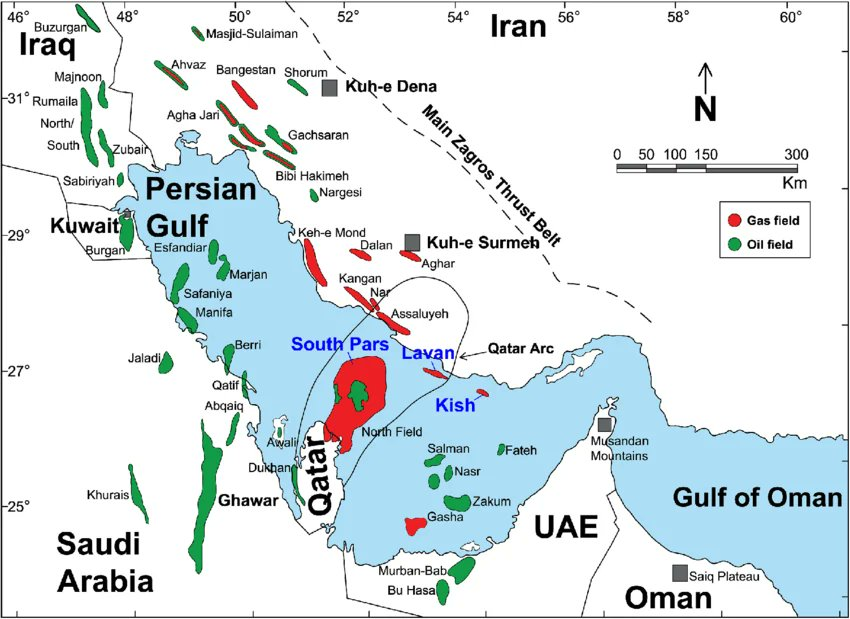
🚨🚨🚨 ISRAEL JUST MADE THE SINGLE MOST DANGEROUS MILITARY DECISION OF THE ENTIRE WAR. AND NOBODY UNDERSTANDS WHAT THEY JUST TRIGGERED. 🚨🚨🚨 Israel and the U.S. struck South Pars — the LARGEST gas field on the planet. But here's what they either didn't know or didn't care about: South Pars is jointly managed by Iran AND Qatar. They didn't just attack Iran. They attacked the energy backbone of their OWN Gulf allies. Let that sink in. 💀 The IRGC just declared ALL major energy facilities across the entire GCC as "direct and legitimate targets" — and warned strikes are coming in the "COMING HOURS." 💀 Listed targets: Qatar's LNG complex, Saudi Aramco facilities, UAE oil terminals — EVERYTHING. 💀 Saudi Aramco has already EVACUATED workers from the SAMREF refinery in Yanbu. They're not waiting. They KNOW what's coming. 💀 Iranian hackers have ALREADY hit Aramco's digital systems — posting images and issuing threats to PARALYZE their infrastructure. 💀 Multiple EXPLOSIONS just heard in Riyadh — confirmed by Reuters, AFP, and AP. Sirens sounding in the Saudi capital. Do you understand the scale of what's happening? ⚠️ Qatar's LNG complex is the LARGEST on Earth. It supplies 30% of the world's liquefied natural gas. If Iran hits it — Europe's heating supply DISAPPEARS overnight. Not in months. OVERNIGHT. ⚠️ Saudi Aramco is the most valuable company on the PLANET — worth $1,800,000,000,000. Its refineries process 12 MILLION barrels per day. One successful strike takes 10% of the world's oil OFFLINE. ⚠️ In 2019, a SINGLE drone attack on Saudi Aramco's Abqaiq facility knocked out 5.7 million barrels per day and sent oil up 15% in ONE session. Iran now has 10x the motivation and NOTHING left to lose. They're showing you "precision strikes on Iranian targets." They're NOT showing you that those strikes just gave Iran the JUSTIFICATION to destroy every oil facility from Qatar to Saudi Arabia to the UAE. Here's the logic — follow it carefully: → You bomb a gas field that's JOINTLY OWNED with Qatar → Qatar — your own Gulf ally — publicly condemns you → Iran uses the attack as justification to target ALL Gulf energy → IRGC formally declares Gulf facilities as "legitimate targets" → Aramco starts EVACUATING refineries → Explosions hit RIYADH → You didn't weaken Iran. You gave them the excuse to burn down the ENTIRE Gulf's economy. If this was a "strategic victory," why is Aramco evacuating workers RIGHT NOW? If Iran's military is "degraded," why are 6 Gulf nations scrambling to protect their oil fields from an attack they believe is IMMINENT? Complete silence. You don't evacuate the world's most valuable company unless you KNOW what's coming. The IRGC said "coming hours." Not days. Not weeks. HOURS. And every Gulf state just went from spectator to TARGET. This is no longer a war between the U.S. and Iran. This is a war that's about to ERASE the Gulf's entire energy infrastructure — the infrastructure that powers HALF the planet. Prepare accordingly. 🚨🚨🚨 They don't want you seeing this. Follow + RT to beat the algorithm. 🚨
LimitLess tweet media
English
1.7K
16.2K
38.9K
5.1M
Khir retweetledi
Joe Kent
Joe Kent@joekent16jan19·
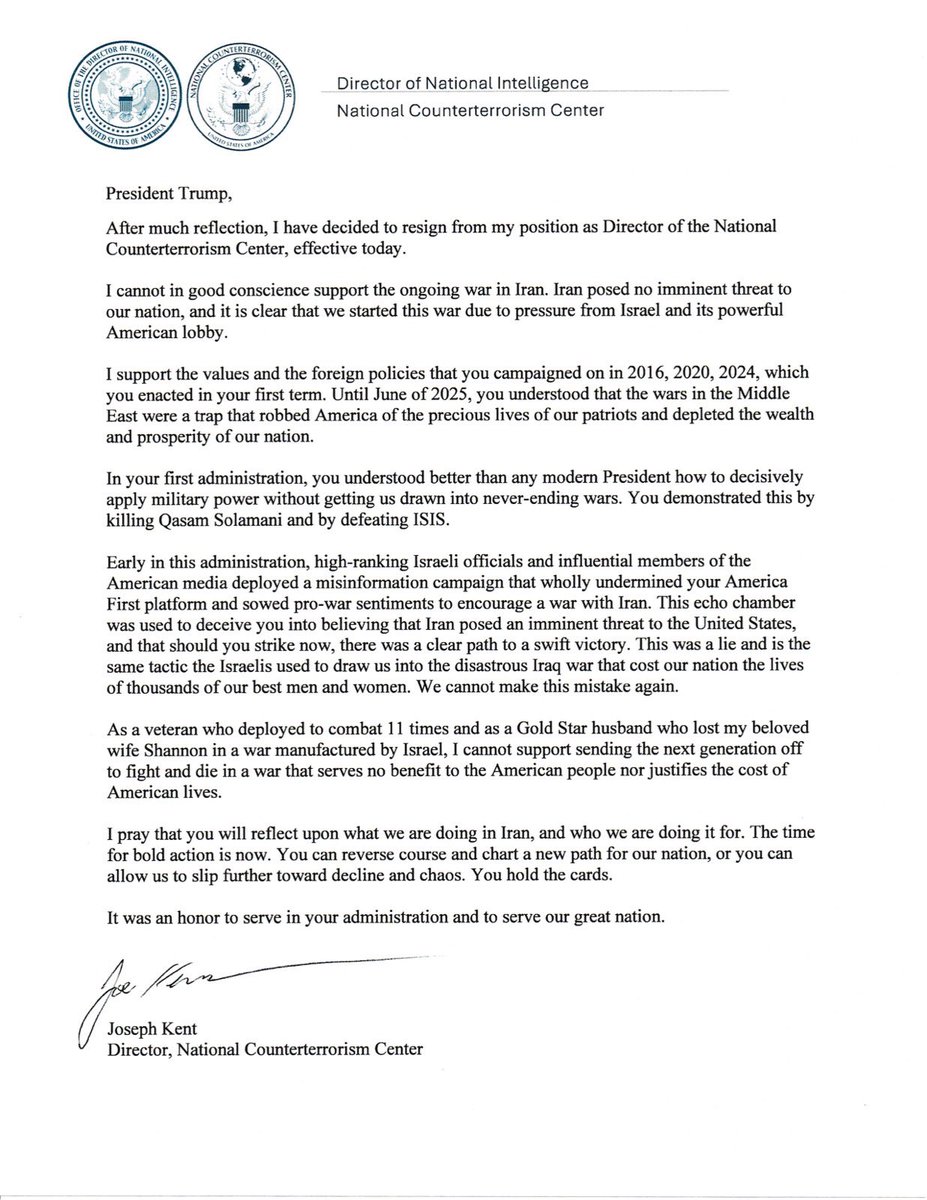
After much reflection, I have decided to resign from my position as Director of the National Counterterrorism Center, effective today. I cannot in good conscience support the ongoing war in Iran. Iran posed no imminent threat to our nation, and it is clear that we started this war due to pressure from Israel and its powerful American lobby. It has been an honor serving under @POTUS and @DNIGabbard and leading the professionals at NCTC. May God bless America.
Joe Kent tweet media
English
73.2K
219.9K
850.2K
101.1M
Khir retweetledi
FinoFilipino
FinoFilipino@FinoFilipino·
Mis sueños cuando tengo fiebre.
Español
207
1.9K
21.3K
2M
Khir retweetledi
Haaretz.com
Haaretz.com@haaretzcom·
Ali Bani Odeh, 37, his wife and two of their children, 5 and 7, were killed in the West Bank's Tammun when Israeli forces fired on their car. Two of the children, Mustafa and Khaled, survived the attack to tell the story in full.
English
214
2.9K
5.6K
751.2K