Khloros Phyllo

1.1K posts

Khloros Phyllo banner
Khloros Phyllo

Khloros Phyllo

@KhlorosP

Desirous of higher civilization. Animal & nature guardian. History, Art, Philosophy, Politics.

Katılım Eylül 2023
1K Takip Edilen316 Takipçiler
Sabitlenmiş Tweet
Khloros Phyllo
Khloros Phyllo@KhlorosP·
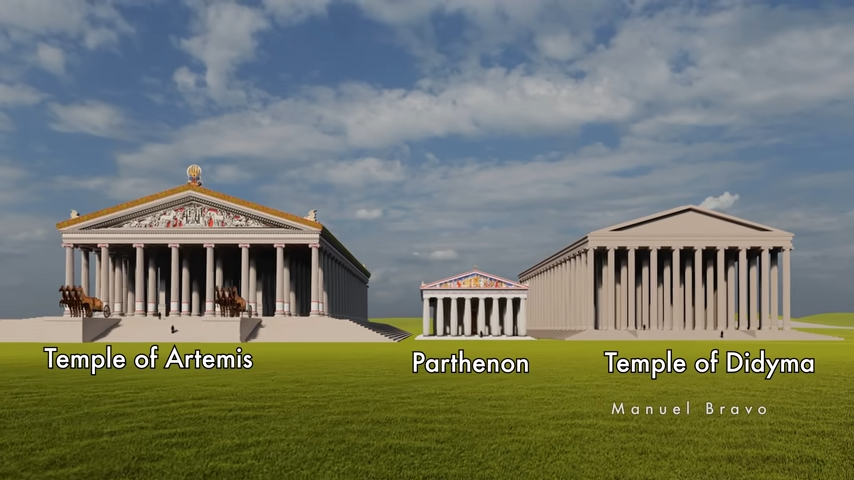
A size comparison between the Temple of Artemis (one of the seven wonders of the ancient world), the Parthenon and the Temple of Apollo at Didyma.
Khloros Phyllo tweet media
English
10
147
1.5K
48K
Khloros Phyllo
Khloros Phyllo@KhlorosP·
According to Pausanias, Polykleitos the Younger is the architect of the theatre.
English
0
1
5
112
Khloros Phyllo
Khloros Phyllo@KhlorosP·
Pausanias on the Theatre of Epidaurus: "while the Roman theaters are far superior to those anywhere else in their splendor, and the Arcadian theater at Megalopolis is unequalled for size, what architect could seriously rival Polycleitus in symmetry and beauty?"
Khloros Phyllo tweet media
English
1
20
166
2.8K
Khloros Phyllo
Khloros Phyllo@KhlorosP·
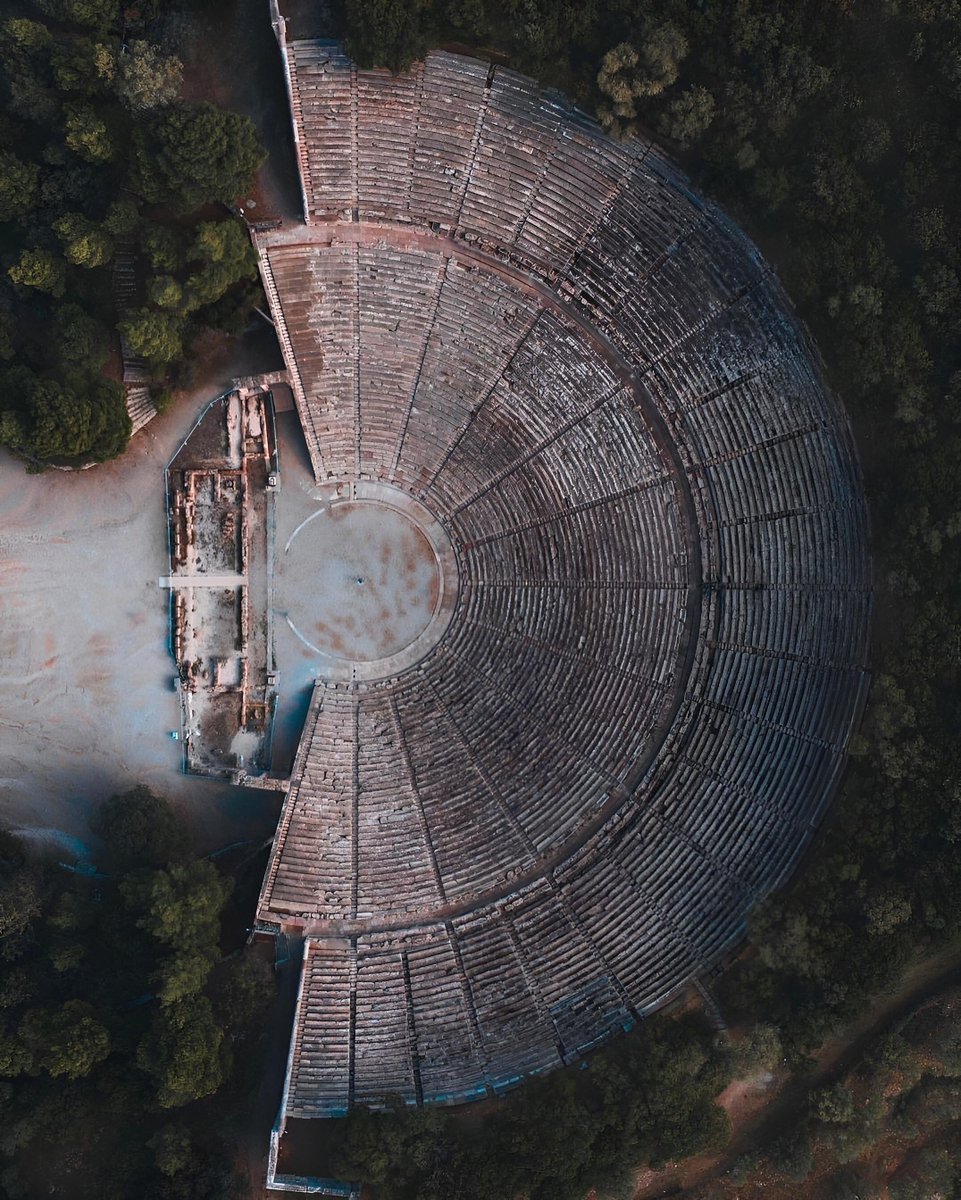
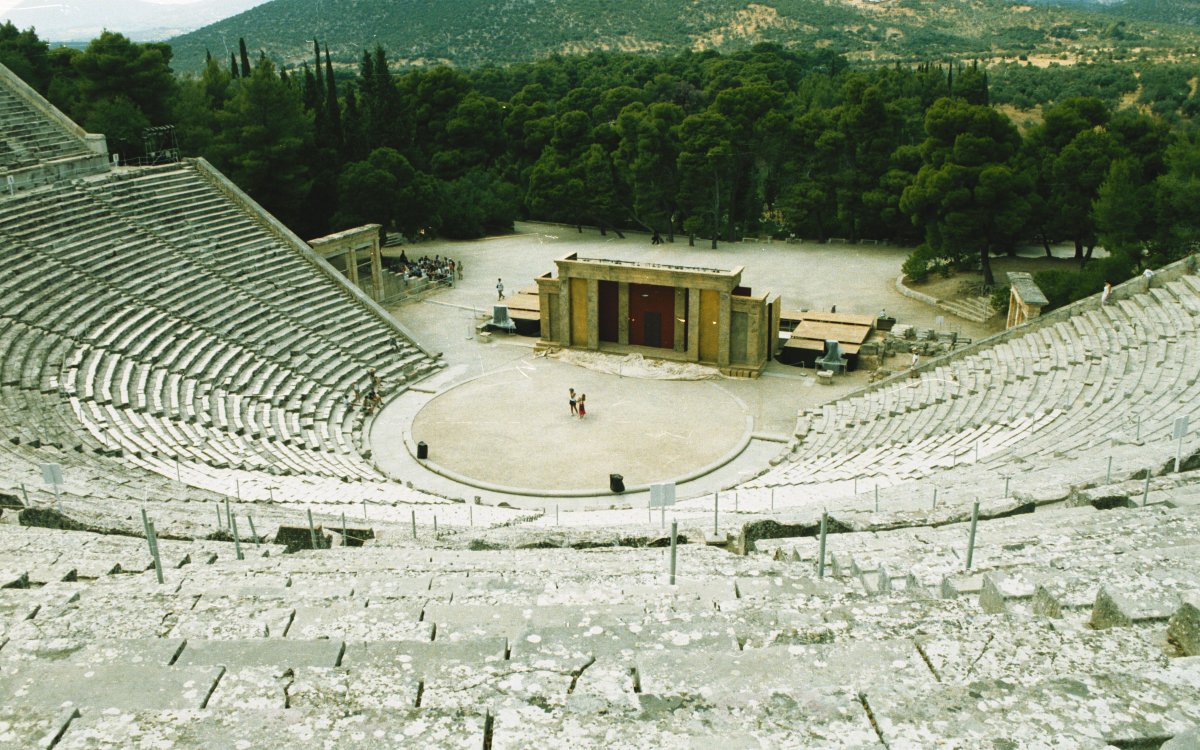
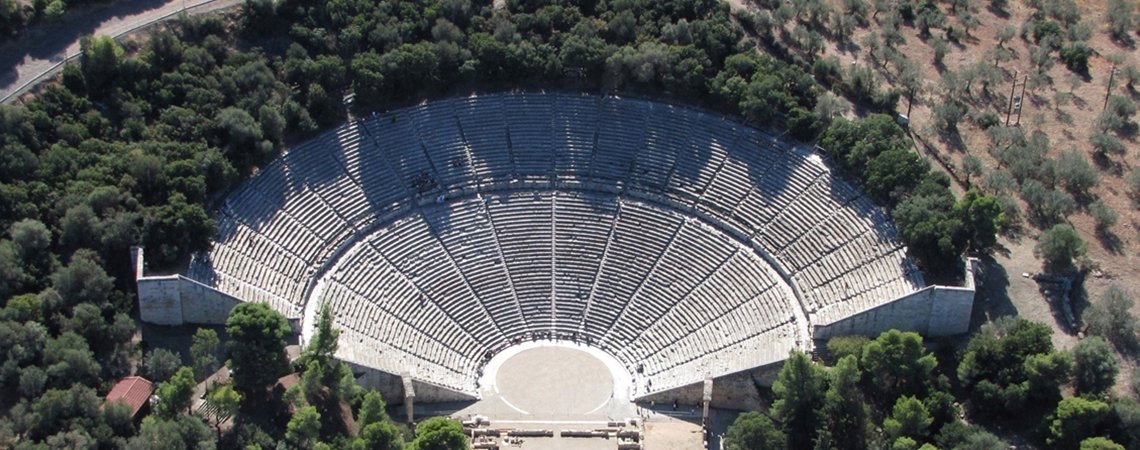
The Theatre of Epidaurus, the best-preserved theatre from Ancient Greece. Known for its incredible acoustics, even someone speaking in a soft voice can be heard in the outer rows.
Khloros Phyllo tweet mediaKhloros Phyllo tweet mediaKhloros Phyllo tweet mediaKhloros Phyllo tweet media
English
2
23
186
2.8K
Khloros Phyllo
Khloros Phyllo@KhlorosP·
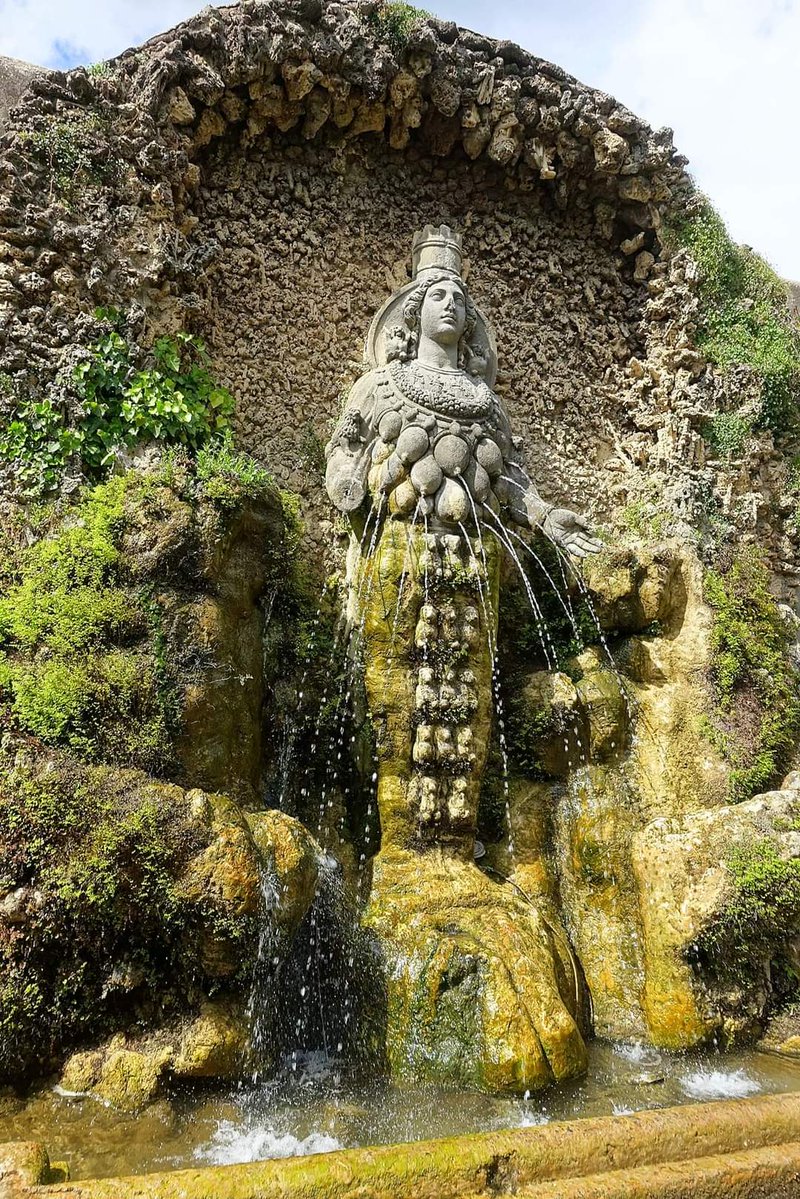
The Ephesian Artemis as a fountain. Made in the 16th century. In the Villa d'Este, Italy.
Khloros Phyllo tweet media
English
4
88
573
19K
Khloros Phyllo retweetledi
The Timeless Traveler
The Timeless Traveler@TimelessTrvlr·
You’ve heard of Athens. You’ve heard of Santorini. But the most underrated place in Greece? A ghost town called Mystras, and it’s mind-blowing….🧵
The Timeless Traveler tweet media
English
8
11
106
26.7K
Khloros Phyllo retweetledi
Byzantine Tales
Byzantine Tales@byzantinetales·
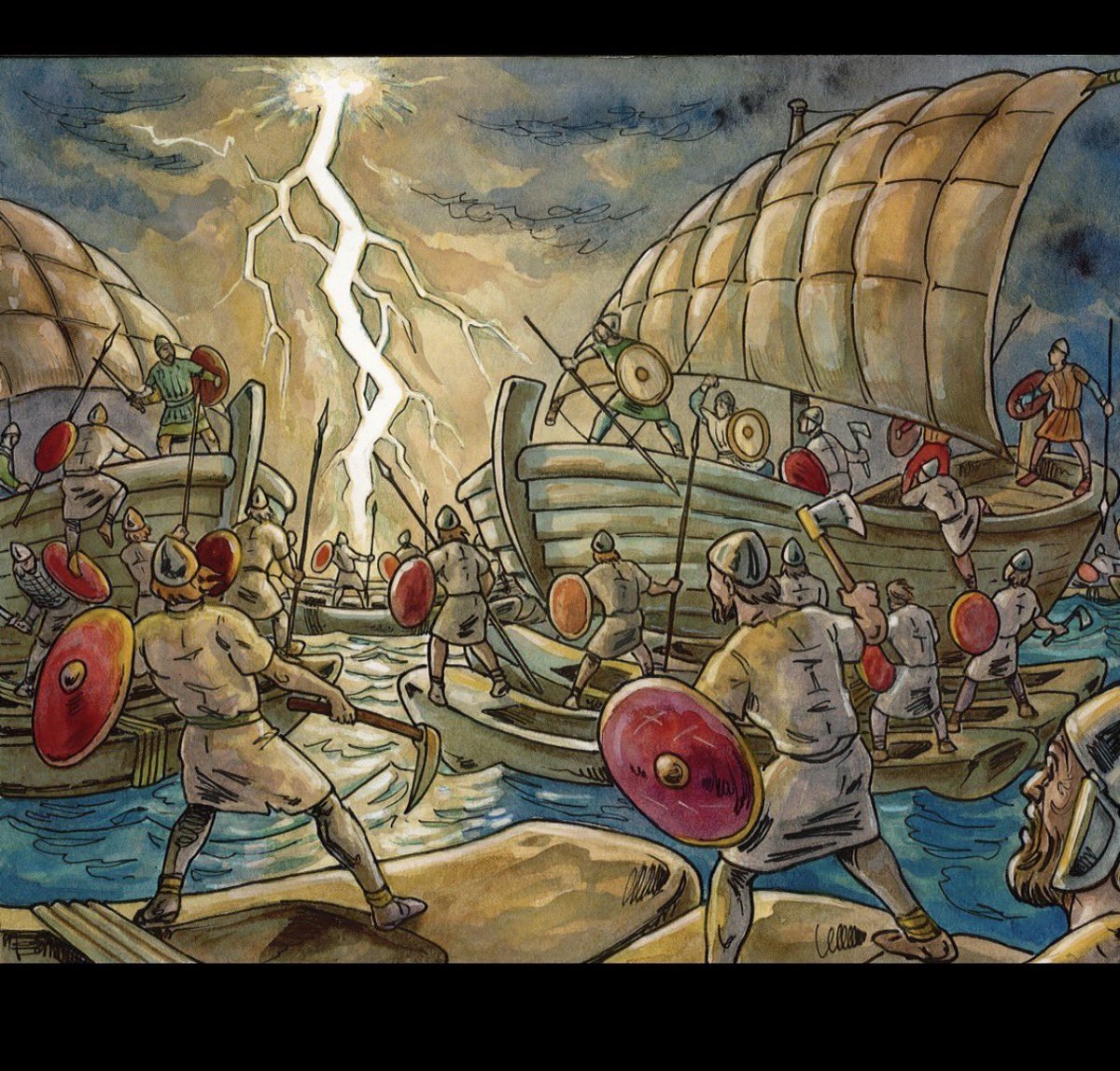
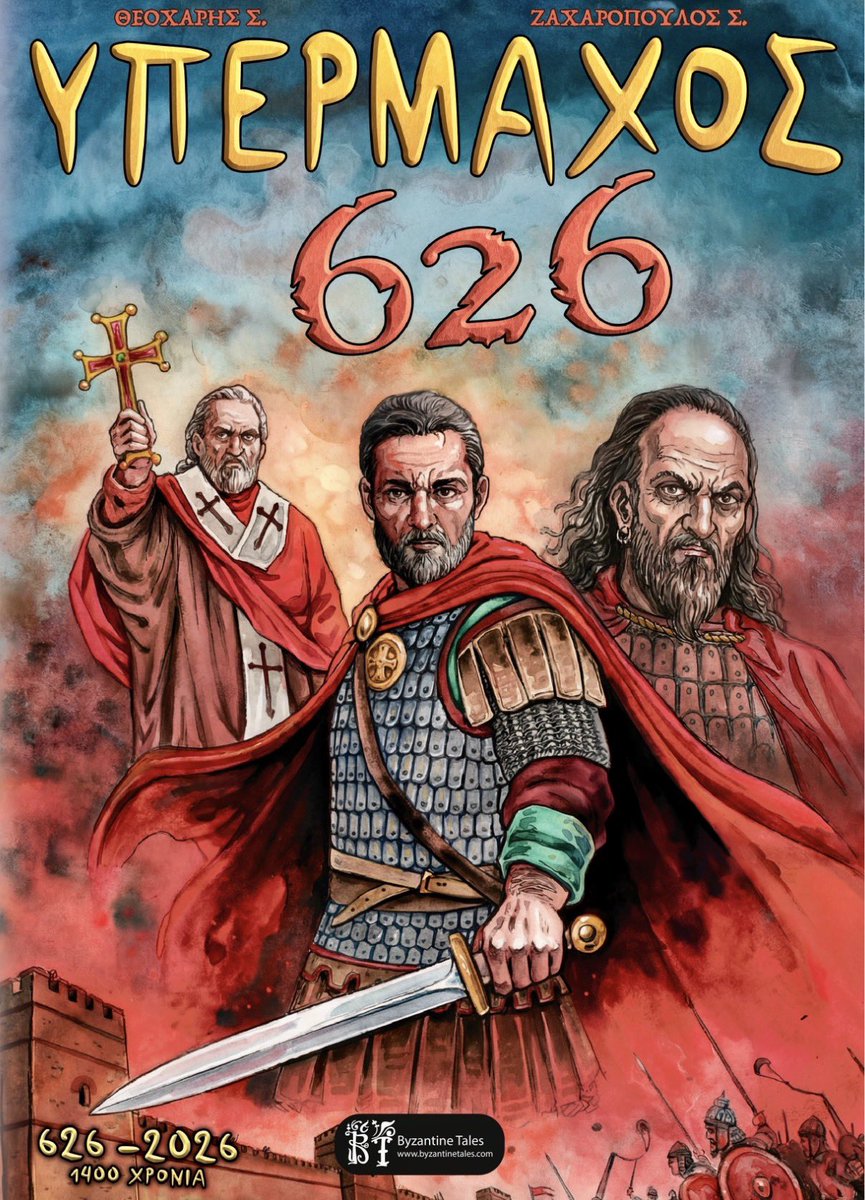
The odds of this siege were so overwhelming against the defenders that many events of this siege are described as out of this world. The Avar siege of 626 is coming into a graphic novel, exactly 1400 years after.
Byzantine Tales tweet mediaByzantine Tales tweet media
English
2
18
100
5.3K
Khloros Phyllo retweetledi
Barbarian Herodotus
Barbarian Herodotus@BBHerodotus·
The Virginia Hercules! Washington called him a one-man-army. Peter Francisco was a Portuguese born American Blacksmith who stood at 6 ft 6 in and 265 lbs. His feats of strength during the American Revolution gave him the monikers, The Virginia Hercules and the Giant of the Revolution. 1/15🧵
Barbarian Herodotus tweet media
English
3
6
33
2.8K
Khloros Phyllo
Khloros Phyllo@KhlorosP·
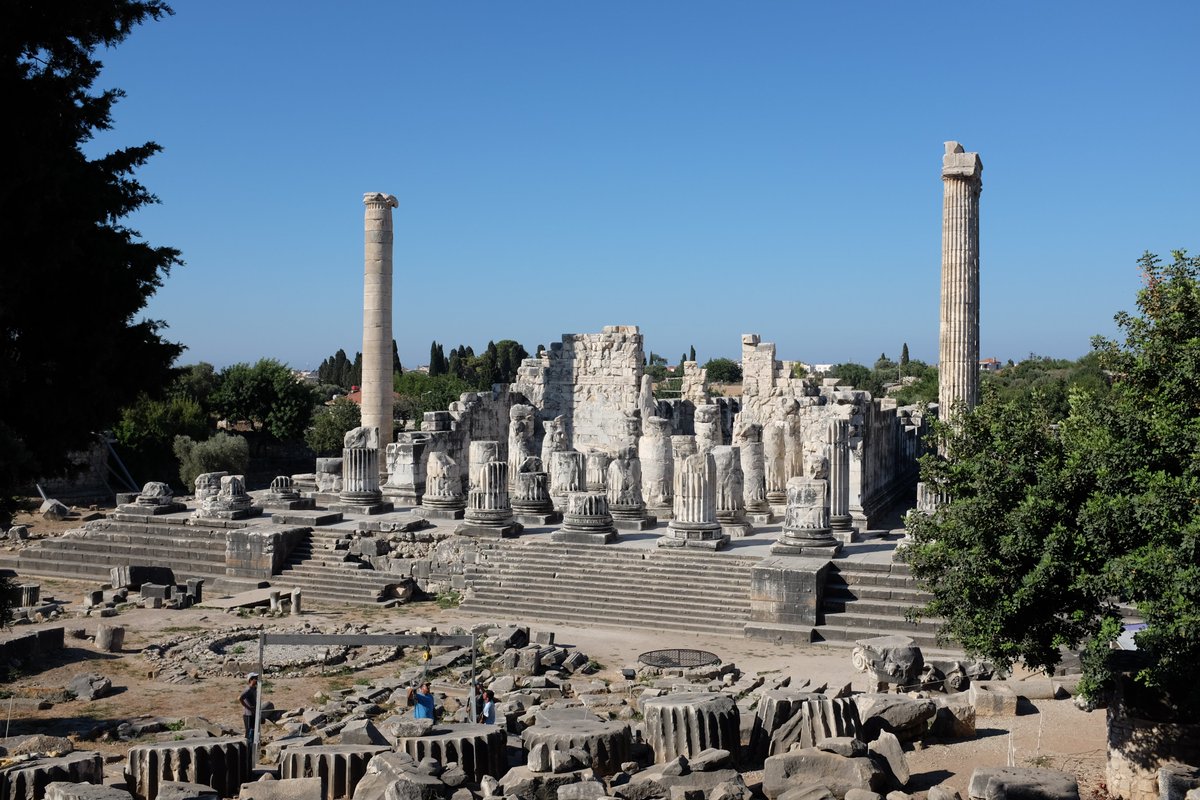
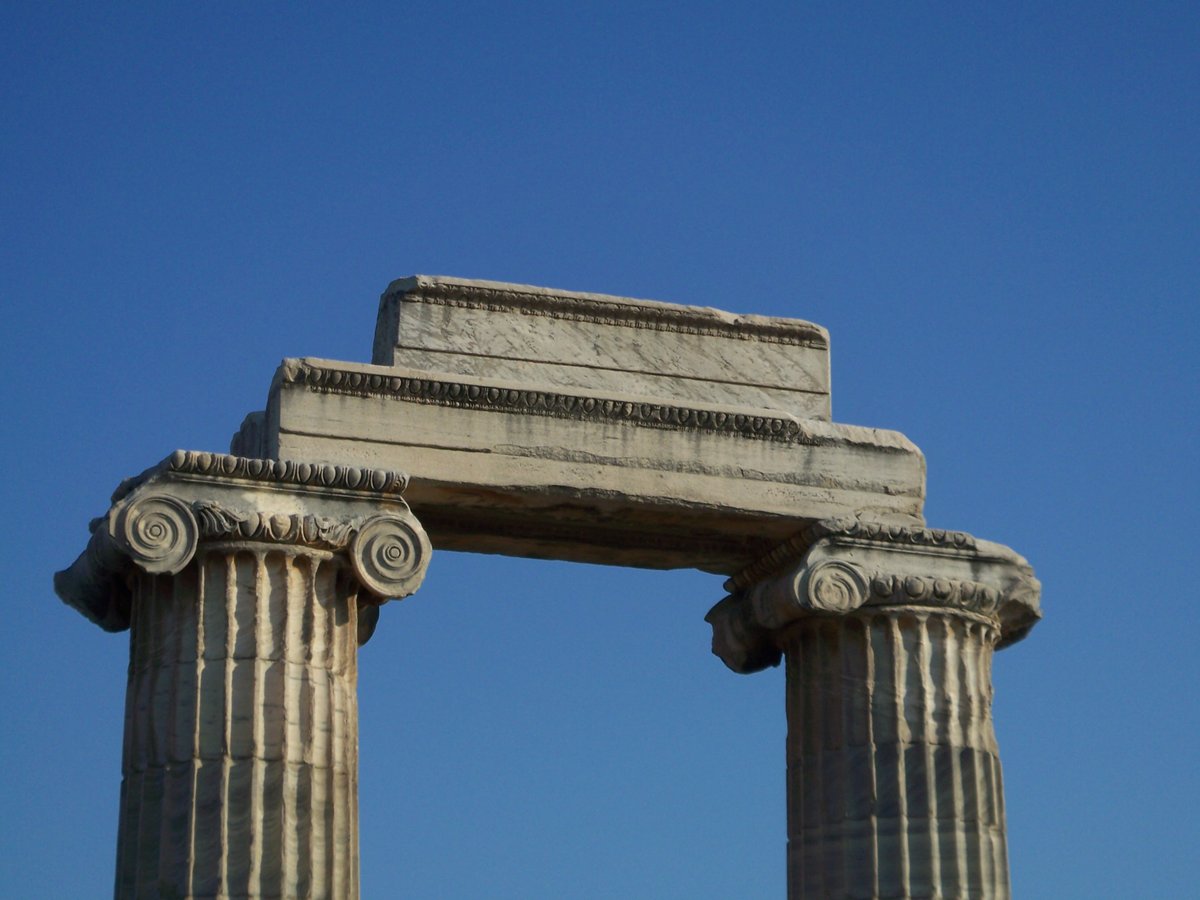
What remains of the Temple of Apollo at Didyma
Khloros Phyllo tweet media
English
2
31
345
18.8K
Khloros Phyllo
Khloros Phyllo@KhlorosP·
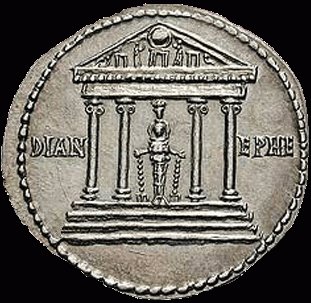
@ivan_ruggeri I've actually come some coins that may depict the temple, or at least they show Artemis of Ephesus in a temple
Khloros Phyllo tweet media
English
2
0
2
20
Khloros Phyllo
Khloros Phyllo@KhlorosP·
A size comparison between the Temple of Artemis (one of the seven wonders of the ancient world), the Parthenon and the Temple of Apollo at Didyma.
Khloros Phyllo tweet media
English
10
147
1.5K
48K
Khloros Phyllo
Khloros Phyllo@KhlorosP·
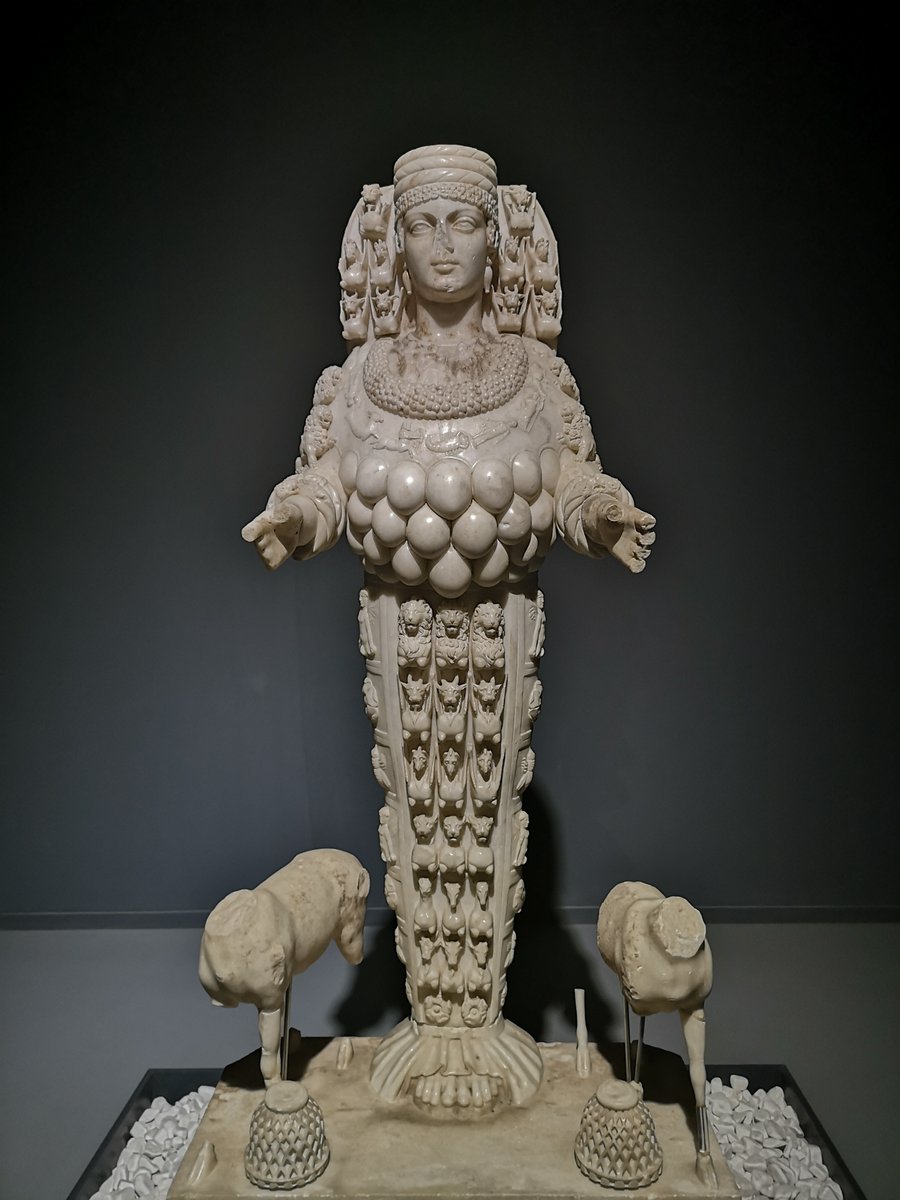
"But all cities worship Artemis of Ephesus... Three other points as well have contributed to her renown, the size of the temple, surpassing all buildings among men, the eminence of the city of the Ephesians and the renown of the goddess who dwells there." - Pausanias
Khloros Phyllo tweet media
English
3
17
138
1.4K
Khloros Phyllo
Khloros Phyllo@KhlorosP·
The Artemis worshipped in Ephesus was a mother goddess rather than her usual form of a huntress.
Khloros Phyllo tweet media
English
6
39
251
7.5K
Khloros Phyllo
Khloros Phyllo@KhlorosP·
@MitraHispana Congratulations on the hit post. It was very good. I'm interested in pretty much all the topics you cover but I've been reading and posting about Ancient Greece recently so that would be cool. Neoplatonism I want to learn more about so perhaps that.
English
0
0
1
7
Mitra Hispana
Mitra Hispana@MitraHispana·
I was very flattered this got such a response 😊 🙏🏼 Anything in particular you’d like me to talk about? I’m always jumping into one obsessive after another.
Mitra Hispana@MitraHispana

I love studying history and it’s my greatest source of inspiration in fiction writing. For both heroes and villains. One of the most evil *real-life* historical villains was Lucius Aelius Sejanus, praetorian prefect under the stern and cruel Emperor Tiberius. 😱 The praetorians began as an elite bodyguard, but under Sejanus the praetorians became a sort of secret police. Murder, torture, kidnapping people in the middle of the night. Standard dictatorship behavior, even today. They ran a vast network of spies and encouraged their victims to give up names under torture…leading to more kidnapping and torture and more names… Sejanus was smart. He knew Tiberius was growing increasingly paranoid and depraved with age. By constantly making arrests and coercing “confessions” from “traitors”, Sejanus wormed his way into power at Tiberius’s right hand, eventually becoming the only man he thought he could trust. An incredible feat for Sejanus, who came from an equestrian (middle class) family and wasn’t a patrician noble! Like a snake, Sejanus was patient, cold, and merciless. A quiet manipulator. Emotionally intelligent, he knew how to cultivate a fearsome reputation so that he never had to raise his voice. When he walked into the room you knew you might already be dead. Poetic justice, I suppose, that Sejanus, who later conspired to kill Tiberius and become emperor himself by marrying his daughter, was himself betrayed and died a grisly death. Sadly, his young children were also killed. 😔 his young daughter posed a juridical problem for Roman authorities. Under Roman law, virgin women and girls could not get the death penalty. According to Tacitus, the executioner was ordered basically “you figure that out” and told to proceed with execution one way or another. 😱 Sejanus was a wicked man who hurt SO MANY people, but what’s truly scary to me is that his “lawful evil” archetype still exists today and probably always will.

English
6
0
14
354
Khloros Phyllo retweetledi
Burak 🏺🏛
Burak 🏺🏛@bvrakvs·
An example of the prosperity of Asia Minor's coastal trade towns is that individual cities like Ephesus could rival the Athenian Empire in absolute economic scale at its peak, despite the empire controlling much of the Aegean through its league of allies. While the works in Athens were impressive for mainland Greece, there was a clear disparity in wealth between the coastal trade towns of Asia Minor and the Greek mainland. Ephesus in particular was a juggernaut of profit-making thanks to its near-perfect location and its natural harbor (shallow, safe waters that would eventually silt up😢) along with its control of key east Mediterranean trade routes linking Greece, Anatolia, Syria, and Egypt. Busy ports handled grain, wine, olive oil, timber, and luxury goods, while the city cleverly leveraged the cult of Artemis to promote its coinage and the banking services of the Artemision, which loaned huge sums of money across the east Mediterranean. This wealth was enough for Ephesus to build the Temple of Artemis twice on a grand scale. The original temple, funded in part by the Lydian King Croesus, was already the grandest in the Aegean. Yet the Ephesians surpassed even that, funding an even more majestic structure while clearing the rubble from the previous one (thanks to Herostratus, if that was his name). It wasn’t just bigger, it was a much more insane engineering and financial beast: an all-marble dipteros with a forest of columns. Meanwhile the Milesians constructed the huge Temple of Apollo at Didyma, a temple of similar immense size and scale that they even tried to surpass Ephesus's masterpiece but ultimately fell short in completion and overall grandeur.
Khloros Phyllo@KhlorosP

A size comparison between the Temple of Artemis (one of the seven wonders of the ancient world), the Parthenon and the Temple of Apollo at Didyma.

English
5
10
67
3.2K
Khloros Phyllo retweetledi
Burak 🏺🏛
Burak 🏺🏛@bvrakvs·
The works in Athens were impressive for mainland Greece, but there was a clear disparity in wealth between the coastal trade towns of Asia Minor and the Greek mainland. Ephesus in particular was a juggernaut of profit-making, thanks to its near-perfect location and its natural harbor (shallow, safe waters that would eventually silt up 😢). The city also cleverly leveraged the cult of Artemis to promote its coinage and the banking services of the Artemision. The original temple, funded in part by the Lydian King Croesus, was already the grandest in the Aegean. Yet the Ephesians managed to surpass even that, funding an even more majestic structure while clearing the rubble from the previous one. (Thanks to Herostratus, if that was his name) There was virtually no way Athens in 520 BC could've managed to build anything even close to the Artemision really, it wasn't just bigger, it was a much more insane engineering and financial beast (an all-marble dipteros with a forest of columns). Even in the Periclean period, it was a challenge to create the Parthenon, which put significant strain on the treasury (though being on a hill does make it more impressive).
English
1
1
10
257