Sabitlenmiş Tweet
质
867 posts


质
@Kida_Jing
答应好好爱自己/只接受腹肌男和美女私信(有腹肌身材好不等于可以白嫖我 不约炮)
芒果星球 Katılım Nisan 2022
77 Takip Edilen973 Takipçiler
质 retweetledi

阿里这次搞的 Accio Work 有点猛啊... 😱
以前开个跨境电商店得搞选品、设计、运营,现在只要跟 AI 说句话,它直接帮你全包了。
视频里这老哥 20 分钟就搭好了一个 Shopify 店,连竞品差评分析都给你做得明明白白。
感觉以后一个人真的能活成一支队伍了,想做跨境或者副业的兄弟赶紧去试试!👇
中文
质 retweetledi

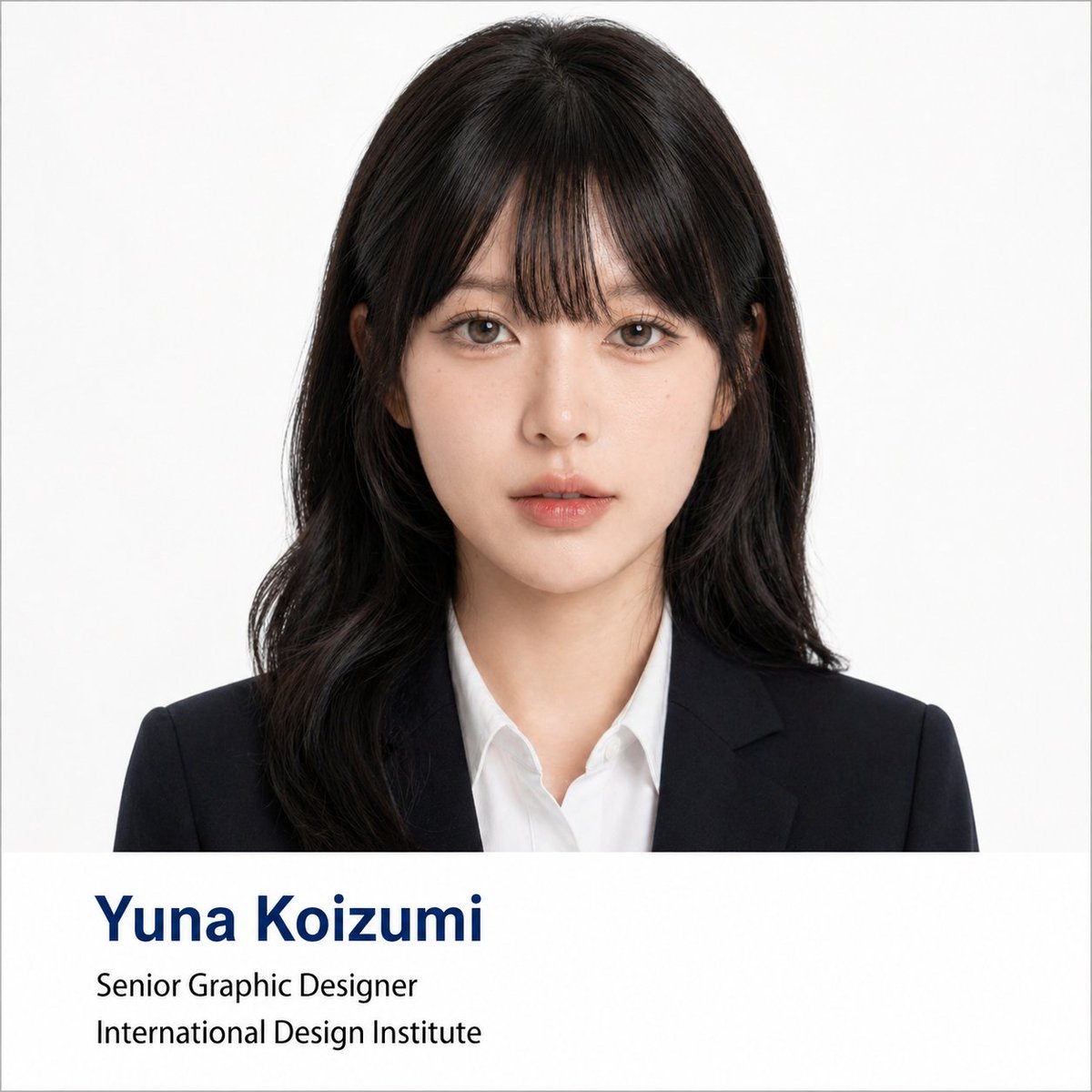
开源一个能挣钱的提示词,效果见图一,抖音大把的账号在帮做这类证件照。这篇帖子热度够高就再开源一个爆款3:4提示词,见图二。
✍️中文提示词:
请基于我上传的人像照片生成一张正式商务档案头像海报。保留人物真实身份特征、五官比例、脸型基础和整体气质,不要改变人物身份。
可以适度优化面部轮廓,使脸部线条更清晰、自然、上镜;平滑皮肤质感,减少瑕疵、暗沉和肤色不均,但不要过度磨皮,保留真实皮肤细节和自然光影。
请根据人物脸型设计一款匹配的商务发型。发型应干净利落、成熟专业、适合正式场合,发丝自然、有层次,不夸张。请为人物搭配正式商务穿搭,例如深色西装外套、白色或浅色衬衫,可搭配领带。整体造型应高级、简洁、专业、可信赖。
画面为正面半身肖像,人物居中,直视镜头,表情自然自信。背景为纯白色素色背景,光线柔和均匀,类似专业证件照、企业头像摄影或大学官网个人档案照。整体风格干净、正式、商务、高清写实摄影质感,方形比例 1:1。
画面下方预留简洁信息栏,并添加现代简洁排版文字:
姓名:[小泉柚奈]
身份/职位:[高级平面设计]
专业/部门/机构:[国际设计院]
重要文字规则:
如果用户输入的姓名、身份、职位、专业、部门、机构或其他需要显示在图片上的文字是中文或其他语言,请先将这些内容翻译成自然、准确、正式的英文,再放入图片中。除非用户明确要求保留中文,否则图片中不要显示中文文字。
排版要求:
第一行姓名使用深蓝色粗体大字号英文文字;第二行和第三行使用黑色常规字号英文文字。整体排版参考大学官网个人档案、学术会议人物介绍卡片或专业商务头像海报风格。

中文
质 retweetledi
别傻傻手剪视频了!Codex装上这个插件,直接“写代码”生成MP4!普通人也能批量做号!
还在用剪映一帧帧调?太慢了!今天教你个降维打击的野路子:Codex + HyperFrames。不用懂代码,不用会剪辑,HTML直接变视频,效率提升10倍!
1⃣ 安装与开启:
在Codex的插件市场找到“HyperFrames by HeyGen”,一键启用。它能把Codex变成你的“视频导演+剪辑师”。
2⃣ 下达指令(参数锁定):
直接告诉Codex你要做什么。公式:用途 + 尺寸 + 时长 + 风格 + 平台。
例:“用HyperFrames做一个3:4竖屏教程视频,45秒,Swiss Pulse风格,用来发抖音。”
Codex会自动拆结构、写分镜、安排时间轴。
3⃣ 全自动执行流:
你只需看着它跑。Codex会自动生成HTML源文件、GSAP动画、同步字幕、甚至配音。
核心逻辑:HTML就是视频源文件。文字、卡片、时间轴全用代码精确控制,改一个参数,整个视频自动更新。
4⃣ 一键导出:
跑完流程,直接预览并渲染成MP4。特别适合做工具教程、产品宣传片、数据图表视频。
别把时间浪费在重复劳动上。这套SOP跑通了,你一个人就是一个MCN。
中文
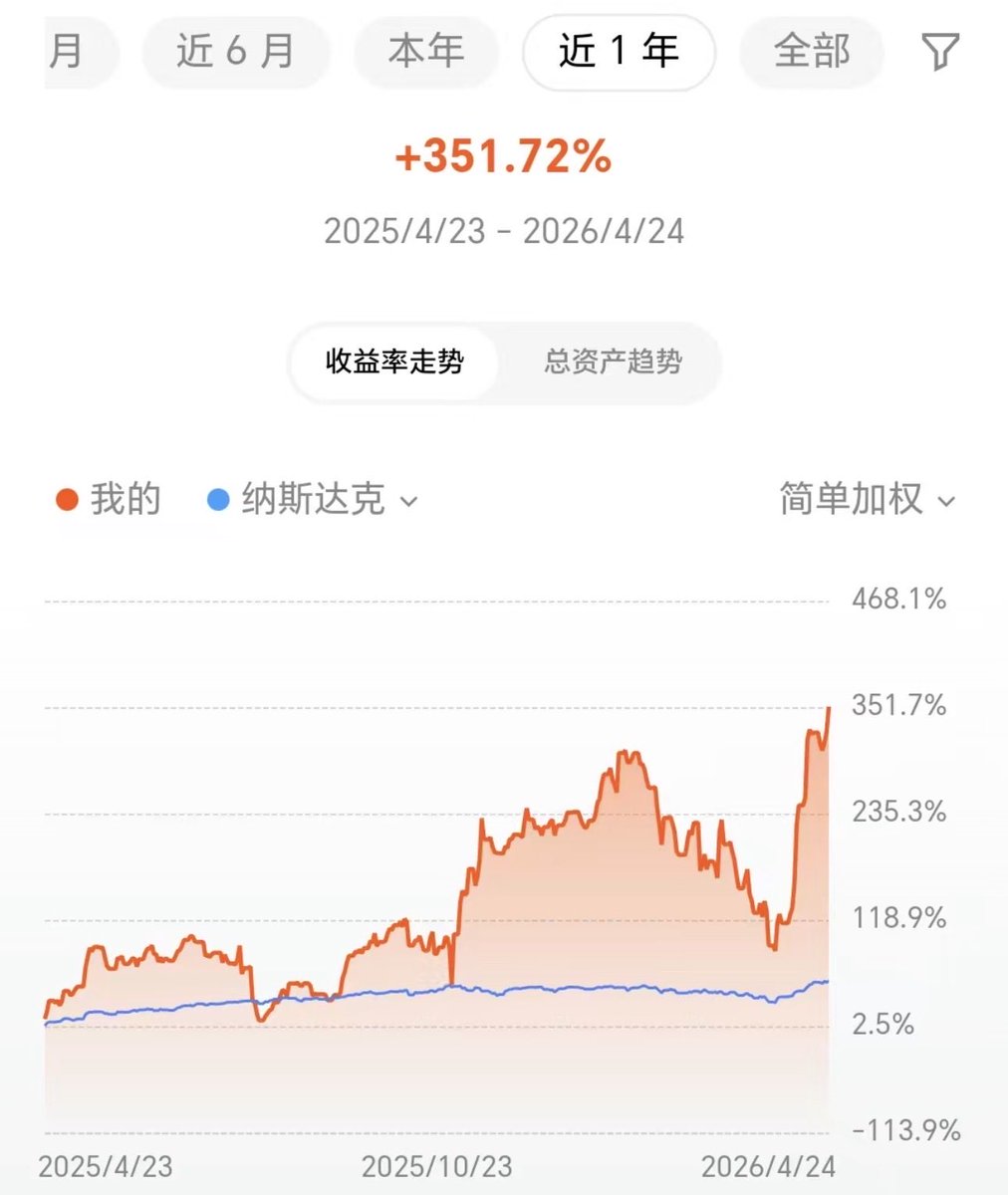

整整两年半没工作。去年给自己规划了很多线路尝试,先尝试直播,每次都坐不满4小时,又尝试小红书,然后就被网暴两次,大学生组团来骂我是鸡。现在私域团购也月月业绩下滑。我问保安,别人都主业加副业。我现在月入3k都够呛,是不是不太好。他说,你好不容易才有现在的生活,能躺平为什么要出去工作…
中文


质 retweetledi

质 retweetledi

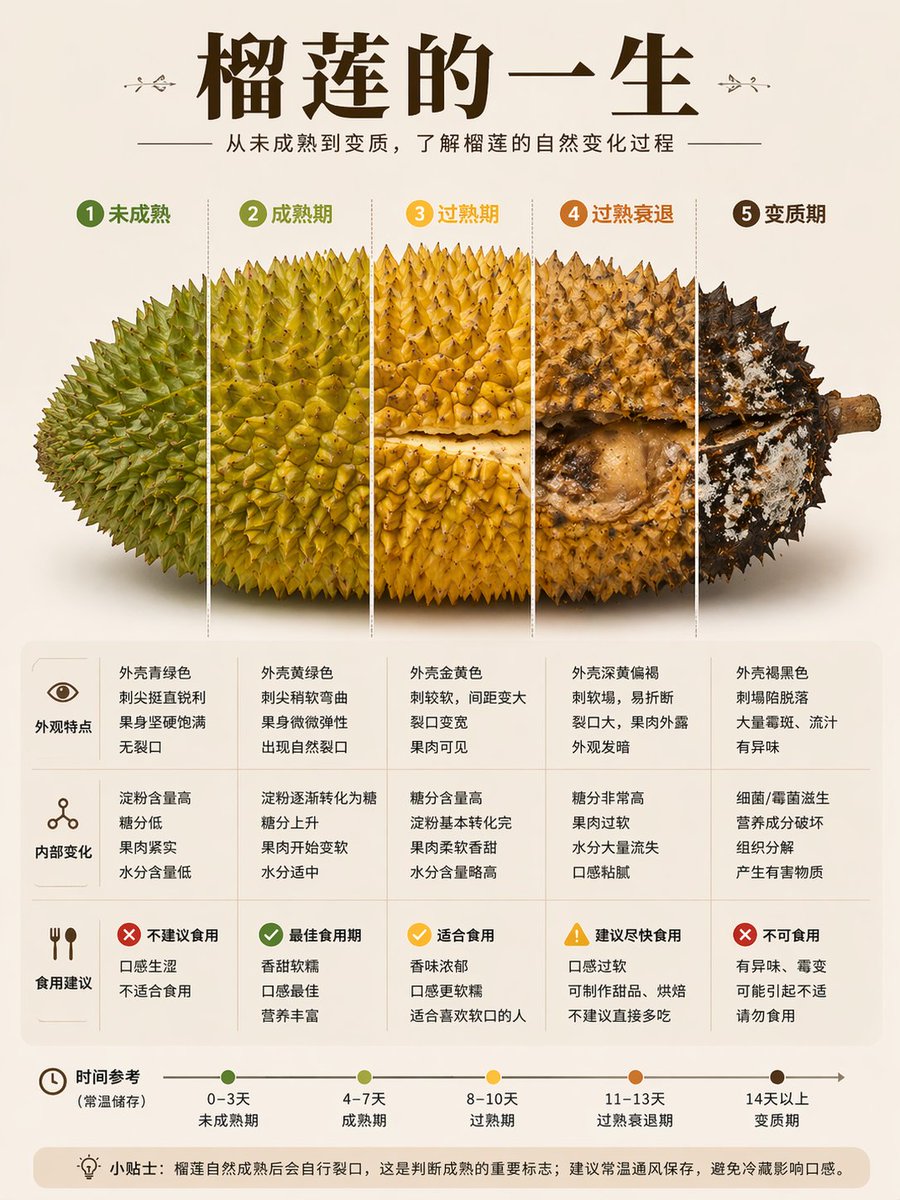
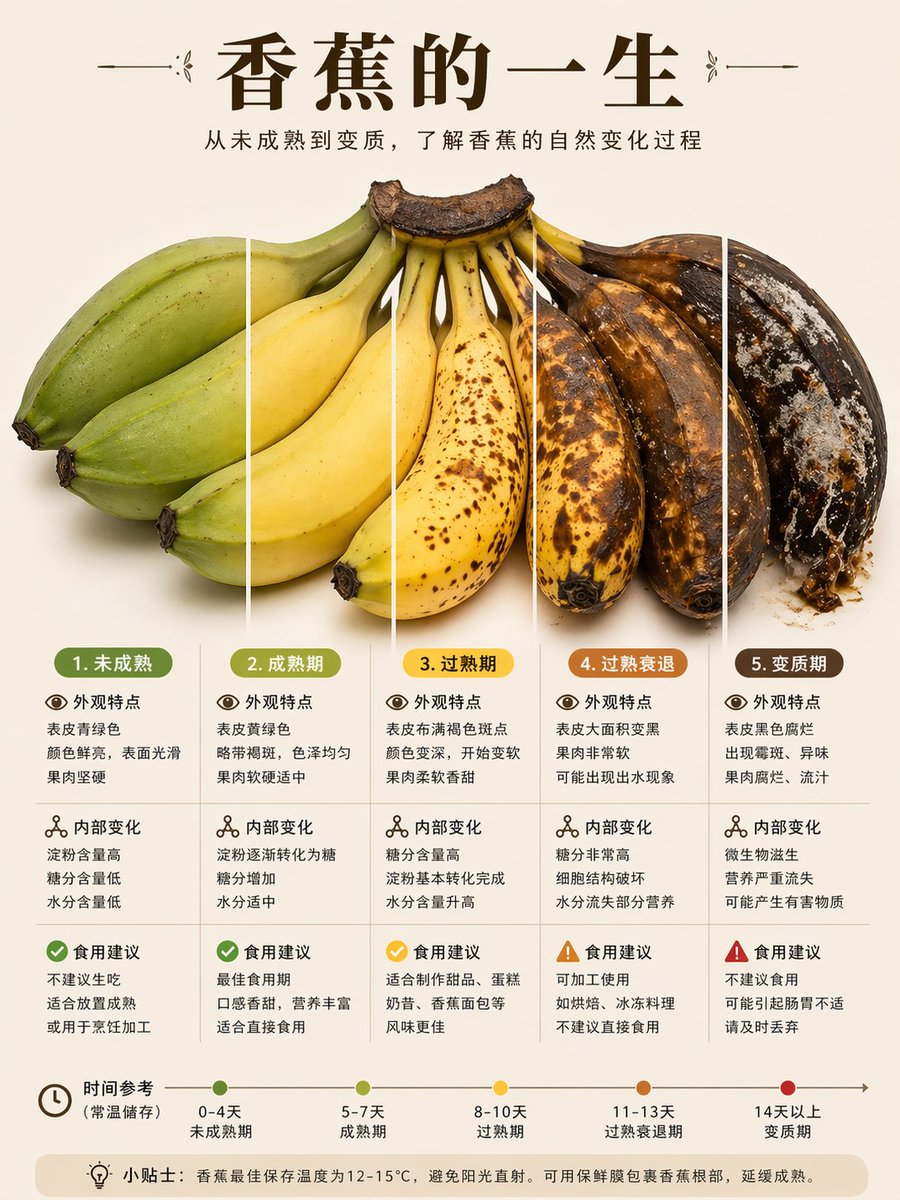
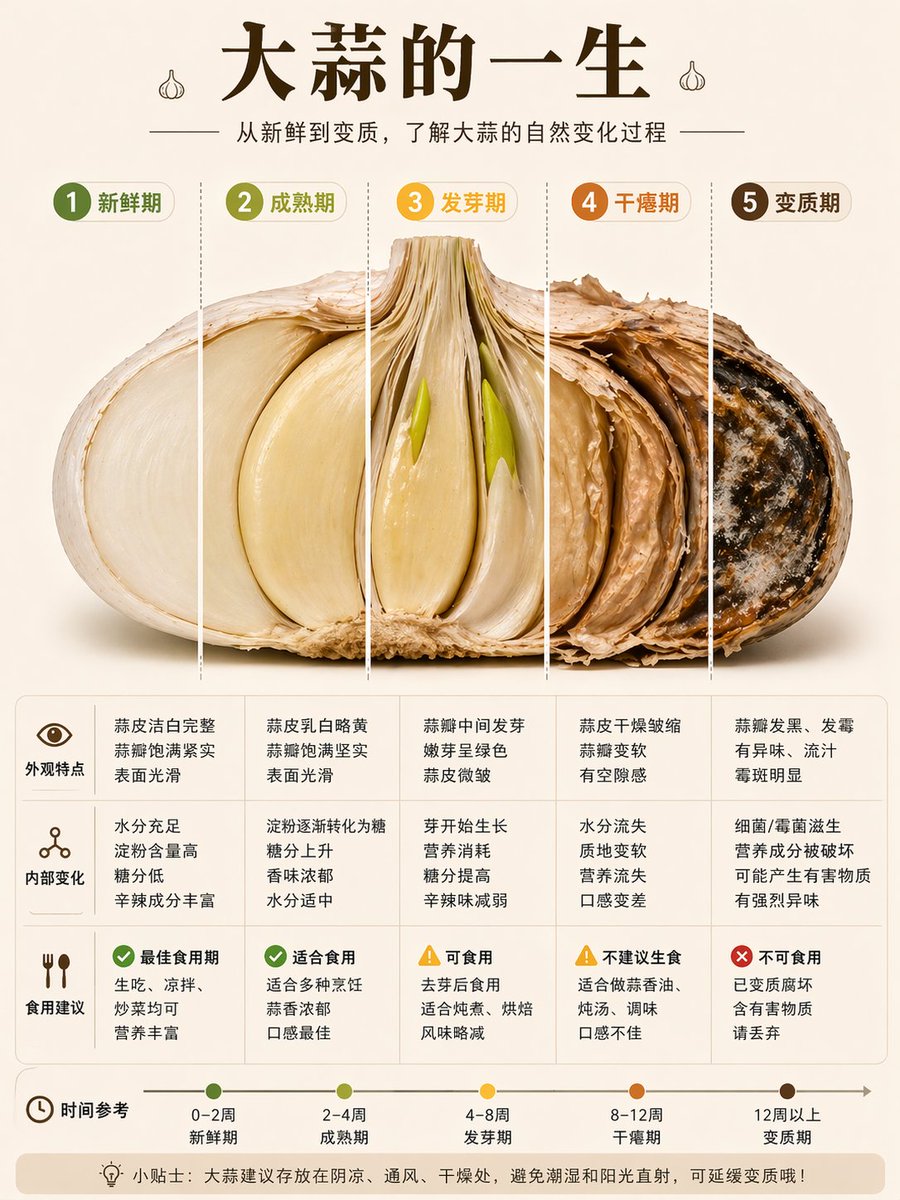
今天拆解一个AI图文起号的小红书博主—懂吃研究所,30条笔记涨粉1.3w
专门做美食科普,以拆解食物的一生图文为要爆款进行收割。这种使用GPT-Image 2 非常容易复刻。
提示词如下:
以“{食物名称}的一生”为主题的科普信息图。
画面中必须是“一个完整的单体食物”(如一个土豆 / 一把香蕉 / 一头大蒜),
通过横向切片的方式,表现同一个食物在不同时间阶段的变化,而不是多个不同食物拼接。
食物主体保持结构连续、形状一致,只是在不同切片区域呈现不同成熟度(像时间被切开)。
画面为竖版3:4比例,主体居中横向展开,被均匀分割为4-6段:
从左到右:未成熟 → 成熟 → 过熟 → 变质
每一段体现真实变化:
颜色变化(青→黄→黑等)
质地变化(饱满→软化→皱缩→腐坏)
特征变化(发芽、出水、霉变等)
每个阶段配文字说明:
阶段名称
外观特点
内部变化(糖分/淀粉/水分变化)
食用建议(推荐/适合烹饪/不可食用)
设计风格:
极简浅色背景(米色)
高真实感摄影风格
清晰分割线(时间切片感)
中文科普排版,小红书风格
适当使用⚠️✔️等标识
画面顶部标题:“{食物名称}的一生”
关键要求:必须表现为“同一个食物随时间变化的切片”,而不是多个独立个体拼接
食物名称:大蒜

中文
质 retweetledi
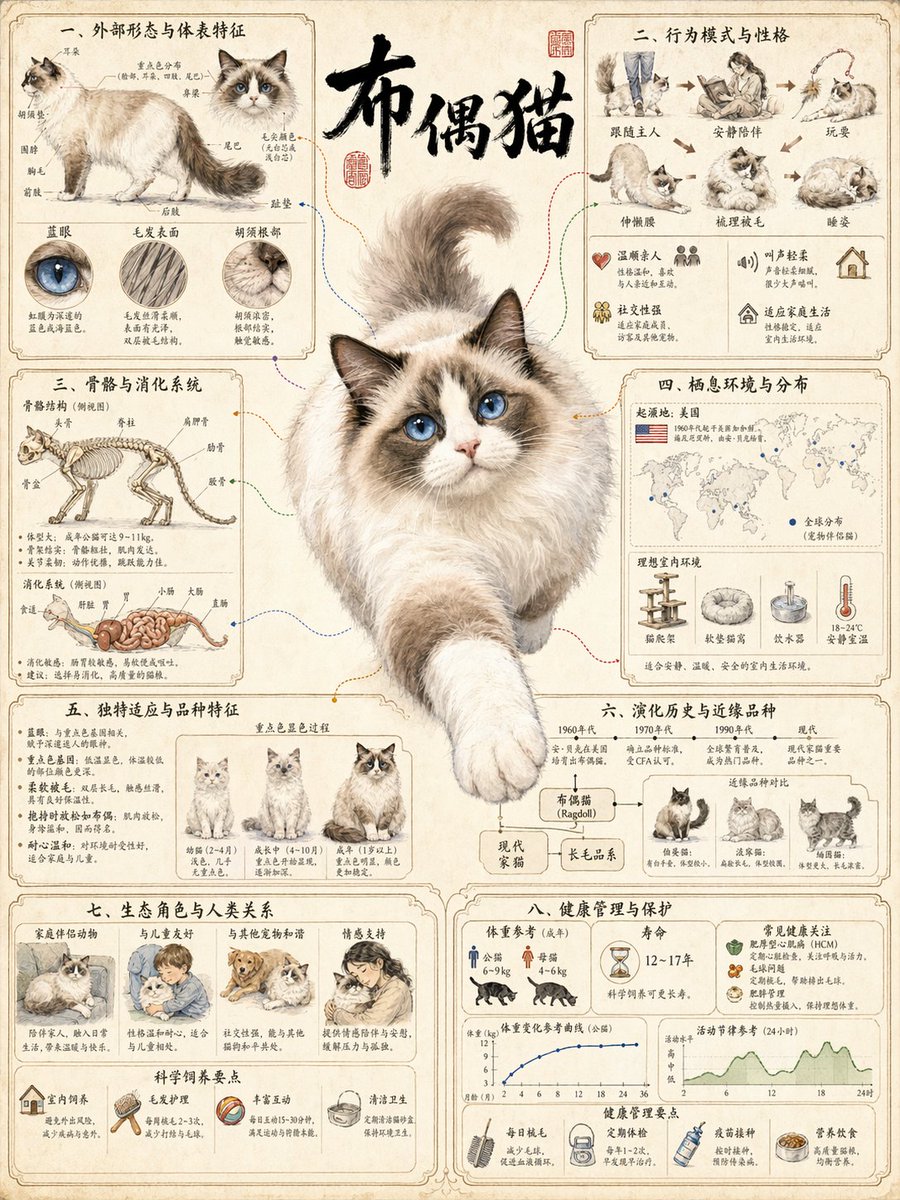
今天继续拆解一位AI图文起号的博主【图解万物】【万物图鉴】4个月不到时间全网涨粉20多W,矩阵号coze工作流操作手法、前期以图解猫猫狗狗为主要爆款进行疯狂收割,后期工作流稳定每篇笔记流量非常大,非常的残暴!
目前变现方式:1.官方创作者分成、2教学出售价值1千大几的coze会员工作流和打包课程、 3.接一些猫狗粮商单等。
这种图文使用GPT-Image 2 非常的容易复刻。
提示词分两个部分:首页群像封面图和单体图
首页封面:
A breathtakingly intricate masterpiece conceptual infographic of [SUBJECT: 11 species of Canidae cubs / various cat breeds / professional characters], strictly designed based on a natural history museum encyclopedia aesthetic.
[CANVAS & COLOR DICTATORSHIP]
BASE CANVAS (L0): Aged vintage parchment texture, warm hex #E8DFD1, featuring subtle water stains, distressed paper edges, and organic fiber grain.
SYSTEMIC COLOR (L1): Highly realistic and naturalistic rendering of [SUBJECT], capturing every fine detail of fur, skin, and eyes.
ACCENT COLOR (L3): Vermillion red (#A3262A) strictly reserved for traditional Chinese seals, title brackets, and critical tier markers (S, A, B, C).
[SPATIAL GRAVITY & TOPOLOGY]
COMPOSITION: A dense, layered collage of multiple [SUBJECT] subjects. Larger, more significant subjects are placed slightly centrally, while smaller ones fill the periphery with subtle overlapping to create 3D depth.
BOUNDARIES: No hard frames for individual subjects; they breathe naturally on the parchment. A thin, 1pt technical border defines the entire composition's outer limits.
MODULE TOPOLOGY: Approximately 9-15 distinct subjects arranged in a multi-node grid. Each subject acts as an independent information module.
[DIMENSIONALITY & GRAPHIC PHYSICS]
STYLE: Digital scientific illustration. A fusion of 19th-century zoological sketches and modern high-fidelity 3D rendering. Ultra-fine detail on textures (fur, feathers, or clothing).
LINE LANGUAGE: 0.5pt micro-technical lines for labels and taxonomy guides.
[TYPOGRAPHY ECOSYSTEM — ADAPTIVE DENSITY]
TYPOGRAPHY DENSITY: Visual-heavy (70% subjects / 30% text).
T1 MACRO HEADER: Massive, ultra-bold Traditional Chinese "Kaiti" or "Songti" characters enclosed in large black or red brackets 「 」. Estimated ~96px. Must be strictly pure Chinese (Hanzi).
T2/T3 LABELS: Each subject is accompanied by its name in bilingual format: small-caps English (Sans-serif) and medium-weight Chinese (Heiti).
T4 ANNOTATIONS: Micro-text placeholders for scientific descriptions, arranged in crisp technical blocks near each subject.
TEXT PHYSICAL BEHAVIOR: Text is "floating" beside subjects with precise spatial alignment. High contrast (dark ink on light parchment).
[NARRATIVE FLOW]
NARRATIVE MODE: Comparison and Classification.
VISUAL ENTRY POINT: The central T1 Header at the top, then the eye moves to the largest central subject.
COGNITIVE LOAD: Information is chunked by individual subject modules, each with its own ID and label.
[ICONOGRAPHY & METAPHOR]
ICON STYLE: Scientific pictograms and vintage wax seals.
CORE METAPHOR: The "Natural History Encyclopedia" page.
SPECIAL ELEMENTS: Include "S/A/B/C Tier" medals in red/gold gradients for hierarchy, and a traditional red ink artist seal at the bottom right.
[FINAL EXECUTION LOCK]
Render as a single unified composition. All visual systems must be internally consistent. High-density detail, museum-quality print aesthetic, scientific clarity.
主体:布偶猫、缅因猫、英国短毛猫、波斯猫、苏格兰折耳猫、孟加拉猫、西伯利亚猫、阿比西尼亚猫、暹罗猫、挪威森林猫。比例3:4, 文字清晰可读。
单体图:
Role: World-class Scientific Encyclopedia Illustrator & Knowledge Graph Architect.
Task: Generate a highly detailed, extremely intricate, and visually stunning "Universal Illustrated Encyclopedia Science Infographic" in a classic, unbranded (NO logos) scientific encyclopedia style.
Subject Matter: Choose one from [People, Plants, or Animals].
Specific Subject: [e.g., The Giant Squid / Leonardo da Vinci / The Sequoia Tree].
Style: Fine, detailed scientific illustration on a retro, aged beige paper background. Delicate linework. Intricately complex and professional.
Key Visual Requirements:
1. Lifelike 3D Effect (The Central Subject): The central subject in the "C position" must be rendered with extraordinary realism and dynamism. Create a dramatic sense of depth where the character, plant, or animal appears to break the frame, leaping or bursting out of the flat paper towards the viewer (an effect similar to anamorphic 3D or dynamic pop-out, with high-precision realism).
2. Layout & Strategic White Space:
* Central Subject: Dominates the center, with intentional "strategic white space" around it to enhance the popping-out effect and make the figure the clear focal point.
* Surrounding Modules: The surrounding area (left, right, top, bottom, and corners) must be filled with 6-8 distinct, highly organized knowledge modules, depending on the subject. There should be a sense of organized density, not random clutter. The modules themselves must have clear borders, headers, and extensive, detailed content.
3. Connections: Use a complex, logical network of fine leader lines, arrows, brackets, dotted lines, and small connection points to link the central figure to all surrounding modules, and interconnect the modules themselves into a cohesive knowledge web.
4. Text & Annotation (Hard Requirement - Must be CLEAR Chinese):
* Main Title: A large, prominent, beautifully executed **Chinese calligraphy** (书法体) of the specific subject's name [e.g., "大王乌贼"].
* Calligraphic Accents: Scattered throughout the main content and module titles, use beautiful, clear Chinese calligraphy for important terms.
* Standard Chinese Text: All other descriptive text, handwritten notes (大量清晰中文手写注释), module content, and annotations must be clear, legible Chinese characters (简体中文), not gibberish or unreadable symbols. Ensure text clarity is prioritized.
* Leader Line Annotations: Every single small component, detail, submodule, diagram, or illustration within the modules must have detailed leader line annotations (拟解剖图) pointing directly to it for maximum professionalism and educational value. Every part should be labeled.
Subject-Specific Module Structure (Example for general reference):
A. For Humans [People]:
- Module 1: Anatomy & Skeletal Structure (w/ magnified cross-sections)
- Module 2: Physiological Processes (e.g., Circulatory/Nervous System)
- Module 3: Historical Context & Timeline (Key Achievements)
- Module 4: Major Contribution Diagram (Detailed breakdown)
- Module 5: Cognitive Process / Psychological Insight
- Module 6: Genetic Profile / Evolution
- Module 7: Global Influence & Cultural Impact
- Module 8: Cultural Representations / Legacy
B. For Animals:
- Module 1: Full External Sketch & Anatomy (w/ microscope magnified detail circular windows)
- Module 2: Behavioral Patterns & Lifecycle (e.g., Mating/Migration, Flowchart style)
- Module 3: Digestive & Skeletal System
- Module 4: Habitats & Distribution Map (with environmental details)
- Module 5: Unique Adaptations (e.g., camouflage, hunting tools)
- Module 6: Evolutionary History & Relatives
- Module 7: Symbiotic Relationships / Ecosystem Role
- Module 8: Conservation Status & Human Interaction
C. For Plants:
- Module 1: Full Plant Sketch & Anatomy (w/ magnified leaf/root details)
- Module 2: Photosynthesis & Lifecycle Flow (w/ icons for environment)
- Module 3: Cellular Structure (Magnified circular views)
- Module 4: Medicinal Properties / Practical Applications (as in original original prompt)
- Module 5: Environmental Adaptations / Unique Features
- Module 6: Distribution Map & Environmental Context
- Module 7: Genetic Variations & Cultivation
- Module 8: Historical Usage & Folklore
Overall Composition: Extremely dense with information, organized into 6-8 structured modules, but balanced with strategic empty space around the center to allow the main, hyper-realistic figure to pop. Hard-core, professional, academic, but visually engaging due to the dynamic 3D central figure. No branding from any specific encyclopedia (e.g., no "DK" logos). All annotations must be legible. All handwritten notes must be clear. Main titles in Chinese calligraphy. Aspect Ratio: 3:4.
[主题内容]


知识猫图解@GeekCatX
今天拆解一个AI图文起号的小红书博主—懂吃研究所,30条笔记涨粉1.3w 专门做美食科普,以拆解食物的一生图文为要爆款进行收割。这种使用GPT-Image 2 非常容易复刻。 提示词如下: 以“{食物名称}的一生”为主题的科普信息图。 画面中必须是“一个完整的单体食物”(如一个土豆 / 一把香蕉 / 一头大蒜), 通过横向切片的方式,表现同一个食物在不同时间阶段的变化,而不是多个不同食物拼接。 食物主体保持结构连续、形状一致,只是在不同切片区域呈现不同成熟度(像时间被切开)。 画面为竖版3:4比例,主体居中横向展开,被均匀分割为4-6段: 从左到右:未成熟 → 成熟 → 过熟 → 变质 每一段体现真实变化: 颜色变化(青→黄→黑等) 质地变化(饱满→软化→皱缩→腐坏) 特征变化(发芽、出水、霉变等) 每个阶段配文字说明: 阶段名称 外观特点 内部变化(糖分/淀粉/水分变化) 食用建议(推荐/适合烹饪/不可食用) 设计风格: 极简浅色背景(米色) 高真实感摄影风格 清晰分割线(时间切片感) 中文科普排版,小红书风格 适当使用⚠️✔️等标识 画面顶部标题:“{食物名称}的一生” 关键要求:必须表现为“同一个食物随时间变化的切片”,而不是多个独立个体拼接 食物名称:大蒜
中文
质 retweetledi

质 retweetledi