Kim Jirak

26K posts

Kim Jirak banner
Kim Jirak

Kim Jirak

@KimJirak4

I got tossed off Twitter had over 1000 followers now knocked off wtf. #blue-crew. #resist

New Smyrna Beach, FL Katılım Ağustos 2022
6.8K Takip Edilen6.2K Takipçiler
Kim Jirak retweetledi
Suzie rizzio
Suzie rizzio@Suzierizzo1·
WTF! How much of a Narcissist do you have to be to put your freaking image on the food you serve at Maralago! How would you feel if you were served this? 🤢
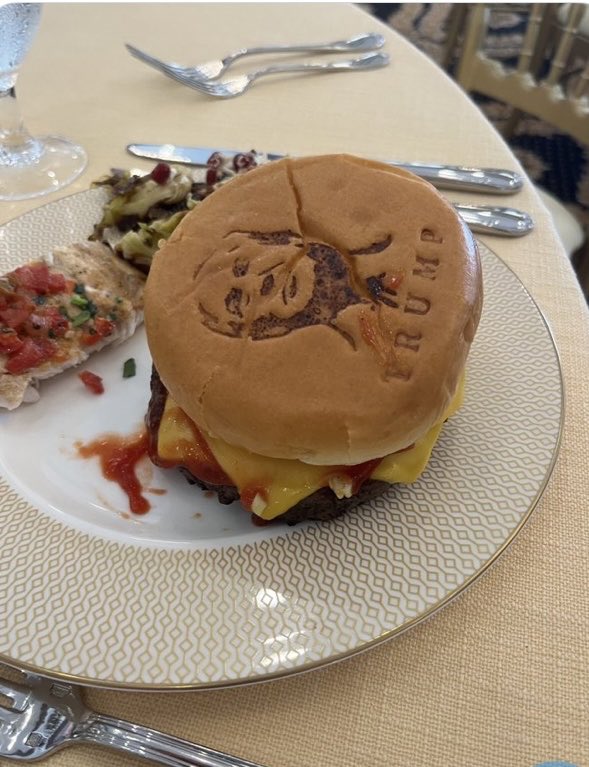
Suzie rizzio tweet media
English
995
272
1.1K
40.4K
Kim Jirak retweetledi
Suzie rizzio
Suzie rizzio@Suzierizzo1·
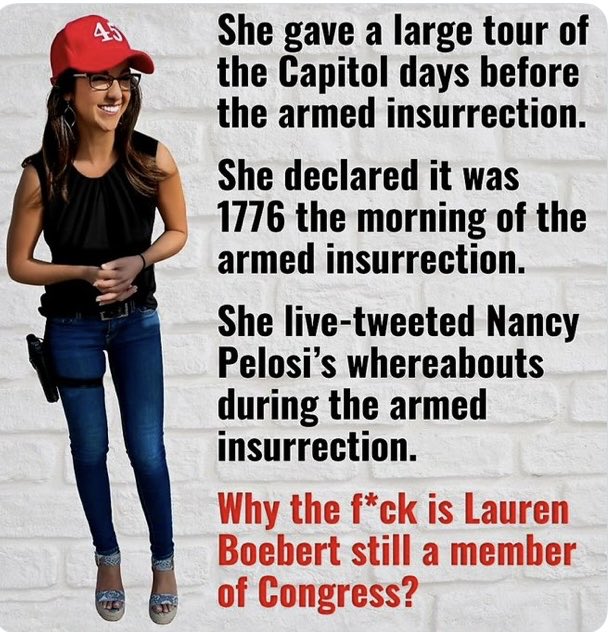
This is what you call a traitor of the Country and anyone that voted for her after knowing what she’s done is a traitor too! 😡😡😡
Suzie rizzio tweet media
English
22
55
135
3K
Kim Jirak retweetledi
Suzie rizzio
Suzie rizzio@Suzierizzo1·
Harvard’s refusal to bow down to Trump is a historic moment in history! So many other Universities just gave in with no fight and that’s pathetic! 😡
English
0
17
50
1.1K
Kim Jirak retweetledi
Suzie rizzio
Suzie rizzio@Suzierizzo1·
The “Hands Off” March will end up being a huge part of History! These amazing people went out like so many others around this Country and the World to fight for our Freedom from a Dictator! 💙🎤
English
2
28
76
1.3K
Kim Jirak retweetledi
Suzie rizzio
Suzie rizzio@Suzierizzo1·
Do you think that older racist people are a product of their time? Listen to this because it’s inspiring! 👇👇👇👇
English
42
479
3K
30.2K
Kim Jirak retweetledi
Jack Grodeska
Jack Grodeska@JackGrodeska·
Good question. So, I asked Elon Musk's Grok: "Deep Search Analysis: Why Are Lisa Murkowski and Her Colleagues Afraid of Retaliation from Trump Beyond Being Primaried? Sen. Lisa Murkowski’s statement on April 17, 2025, that “we are all afraid” of retaliation from President Donald Trump’s administration, as reported by multiple sources, reflects a pervasive fear among some Republican lawmakers and constituents. Her remarks, made at a summit of nonprofit and tribal leaders in Anchorage, Alaska, explicitly highlight anxieties about speaking out against Trump’s policies due to the “real” threat of retaliation. While the fear of being primaried—facing a Trump-backed challenger in a Republican primary—is a known concern, Murkowski’s comments and broader context suggest deeper, more systemic reasons for this fear. Below, I analyze the potential reasons beyond primaries, based on recent reports, X posts, and a critical examination of the political climate as of April 19, 2025. Context of Murkowski’s Statement Murkowski, a moderate Republican senator from Alaska with a history of criticizing Trump, made her remarks in response to a question about addressing fears among Alaskans regarding Trump’s second-term policies. She stated, “We are all afraid… I’m oftentimes very anxious myself about using my voice, because retaliation is real. And that’s not right.” Her pause and careful choice of words, as noted in video coverage by the Anchorage Daily News, underscore the gravity of her admission. She described the current political climate as unprecedented in her over 20 years in the Senate, pointing to “head-spinning” policy changes, including tariffs, executive orders, and cuts to federal agencies led by Elon Musk’s Department of Government Efficiency (DOGE). Murkowski’s fear is not isolated. She has previously noted that her Republican colleagues are “zip-lipped” due to fears of being “taken down” or primaried, but her April 2025 comments suggest a broader scope of retaliation that extends beyond electoral challenges. Below, I explore the reasons for this fear, drawing on web reports, X sentiment, and critical analysis. Reasons for Fear Beyond Being Primaried Based on a deep search and analysis of recent sources, the following factors contribute to Murkowski and her colleagues’ fears of Trump’s retaliation, beyond the threat of being primaried: 1. Political and Professional Intimidation Through Public Attacks Trump’s history of using public platforms, such as Truth Social and X, to target critics creates a chilling effect. Murkowski herself has been subject to Trump’s ire, notably after voting against his defense secretary nominee Pete Hegseth and opposing tariffs on Canada. Trump described her and three other dissenting senators as “extremely difficult to deal with” and “disloyal” to the Republican Party, signaling potential consequences. These public attacks can damage reputations, alienate voter bases, and invite harassment from Trump’s supporters, as evidenced by X posts amplifying Murkowski’s fears and criticizing her stance. Evidence: Murkowski noted that Republicans fear being “given names in the media,” suggesting that Trump’s ability to weaponize his platform and loyal media outlets (e.g., Fox News, Breitbart) amplifies personal and professional risks. Former Rep. Joe Walsh, a Trump critic, highlighted on X that speaking out against Trump has led to “years of threats & hate,” indicating a broader culture of intimidation. Impact: This intimidation discourages dissent, as lawmakers face not only electoral risks but also personal vilification and potential ostracism within their party. For Murkowski, who has already considered leaving the GOP, such attacks exacerbate her anxiety about speaking out. 2. Administrative Retribution Against Federal Employees and Allies Murkowski’s comments were partly in response to Alaskans’ fears, particularly federal workers who have faced abrupt layoffs and program cuts under Trump’s DOGE initiative. She recounted stories of federal employees approaching her “in tears,” terminated without notice and falsely cited for poor performance. Alaska, with one of the highest concentrations of federal workers, is particularly vulnerable to these cuts, which Murkowski described as “unlawful” and lacking “fundamental decency.” Evidence: Reports indicate Trump has signed over 100 executive orders and overseen mass firings across federal agencies, often without congressional input. Murkowski cited the “obliteration” of the U.S. Agency for International Development (USAID) and rumors of cuts to AmeriCorps as examples of chaotic, unilateral actions. These moves create a climate where public servants—and by extension, lawmakers defending them—fear arbitrary retribution. Impact: Lawmakers like Murkowski, who represent constituents reliant on federal programs, fear retaliation against their states or districts through targeted cuts. This could include defunding critical programs like Medicaid (23% of Alaskans are enrolled) or infrastructure projects, which Murkowski explicitly warned against. 3. Fear of Legal or Institutional Overreach Trump’s second term has been marked by aggressive executive actions, including 124 executive orders and clashes with federal judges, raising concerns about the erosion of checks and balances. Murkowski criticized Congress for failing to act as a “balancing” force and expressed alarm at attempts to politicize the federal judiciary, calling it a “very dangerous place.” The fear of legal or institutional retaliation is heightened by Trump’s rhetoric about “retribution” against political enemies, including law firms and colleges opposing his policies. Evidence: Critics on X, such as MSNBC’s Symone Sanders-Townsend, have questioned whether this climate resembles a “functioning democracy,” pointing to the unprecedented fear among sitting senators. Murkowski’s reference to “unlawful” cuts and her staff’s struggle to verify “rumors” of policy changes suggest a lack of transparency and potential abuse of executive power. Impact: Lawmakers fear being sidelined or targeted by investigations, audits, or legal challenges orchestrated by Trump’s administration. For example, Trump’s pardon of 1,500 January 6 rioters, which Murkowski condemned, signals a willingness to wield executive power in ways that could intimidate dissenters. 4. Social and Personal Safety Concerns The polarized political climate, amplified by Trump’s rhetoric, has led to increased threats against public officials. Murkowski’s statement about being “very anxious” about using her voice aligns with reports of other Republicans facing “heated criticism” and “shouting matches” with constituents, some requiring police intervention. The broader MAGA movement, while not monolithic, includes factions that have engaged in aggressive rhetoric or actions, as seen in the January 6, 2021, Capitol riot, which Murkowski voted to convict Trump for inciting. Evidence: Murkowski’s encounters with Alaskans in airports and meetings, where they expressed fears for their jobs and safety, reflect a broader climate of anxiety. X posts from critics like @mommie_dee_ suggest that lawmakers may fear personal repercussions, including “something on them” that Trump could reveal or exploit. While speculative, this aligns with historical fears of political blackmail in highly polarized environments. Impact: The fear of physical or social harm, whether from constituents or organized groups, adds a layer of personal risk to opposing Trump. This is particularly acute for Murkowski, who has faced Trump-backed challengers and public criticism but remains a visible target. 5. Erosion of Party Autonomy and Internal Pressure The Republican Party’s transformation into what Murkowski called “a party of Donald Trump” creates internal pressures that go beyond primaries. Lawmakers fear being ostracized or losing influence within the GOP, which is increasingly aligned with Trump’s agenda. Murkowski’s refusal to vote for Trump in 2024 and her consideration of leaving the GOP highlight her alienation, but even she feels compelled to “find places to work” with the administration to serve her constituents. Evidence: Reports note that other GOP senators, like Mitch McConnell, have opposed Trump’s nominees and tariffs but face similar pressures to conform. X posts from @WesternLensman in December 2024 criticized Murkowski for lamenting “accountability” to Trump’s base, suggesting that internal party dynamics enforce loyalty. Impact: The fear of losing committee assignments, fundraising support, or party backing for legislative priorities creates a coercive environment. For Murkowski, who has survived Trump’s opposition before, this pressure is compounded by the need to maintain relevance in a Trump-dominated GOP. Critical Examination: What’s Driving the Fear? While the above factors outline specific reasons for fear, a critical analysis reveals deeper structural and psychological drivers: Trump’s Cult of Personality: Trump’s ability to mobilize his base and media allies creates a unique power dynamic. Unlike traditional political retaliation (e.g., primaries), Trump’s approach leverages populist outrage, social media, and executive authority to target dissenters. This aligns with Murkowski’s description of a “time and place” she has never experienced, suggesting a shift toward authoritarian tactics. Lack of Congressional Pushback: Murkowski’s critique of Congress’s failure to check the executive branch points to institutional weakness. The GOP’s reluctance to challenge Trump, as noted by critics like Steve Benen, enables a culture of fear where dissenters like Murkowski are isolated. Economic and Social Vulnerability: In states like Alaska, reliant on federal funding, the threat of targeted cuts amplifies fears. Murkowski’s focus on Medicaid and federal jobs reflects a broader concern that Trump could punish entire communities for her dissent, a form of collective retaliation. Polarization and Echo Chambers: X posts reveal a split in sentiment—some praise Murkowski’s candor, while others, like @hateGOP , amplify her fears to criticize Trump. This polarization fuels a cycle where dissenters face both MAGA backlash and pressure from anti-Trump factions to do more, increasing their anxiety. Counterarguments and MAGA Perspective From the perspective of Trump supporters, as seen in some X posts and White House statements, fears of retaliation are exaggerated or misplaced. White House spokesperson Taylor Rogers claimed, “President Trump’s only retribution is success and historic achievements for the American people.” Supporters argue that Trump’s actions—tariffs, DOGE cuts, executive orders—are fulfilling campaign promises to streamline government and prioritize American interests. They view dissenters like Murkowski as obstructing a mandate, given Trump’s 2024 victory and GOP majorities. Primary as the Main Threat: Some sources suggest that primaries remain the primary fear, with Trump and Musk threatening to back challengers against dissenters. However, Murkowski’s comments and the broader context of federal layoffs and public attacks indicate that primaries are only one facet of retaliation. Constituent Support: In Alaska, Trump won 54% of the vote in 2024, less than in staunchly red states. This suggests Murkowski’s fears may also reflect constituent pressure, but her focus on federal workers and policy impacts points to broader administrative retribution. Conclusion Lisa Murkowski and her colleagues’ fears of retaliation from Trump extend far beyond the threat of being primaried. They stem from a combination of public vilification, administrative retribution against federal employees and programs, potential legal or institutional overreach, personal safety concerns, and internal party pressures. Murkowski’s candid admission, amplified by reports and X posts, reflects a political climate where dissent is met with multifaceted consequences, from media attacks to economic punishment. Her reference to “unlawful” actions and a failing Congress underscores a deeper anxiety about democratic erosion, a concern echoed by critics but dismissed by Trump’s defenders as resistance to necessary reform. As of April 19, 2025, this fear remains a significant barrier to GOP dissent, with Murkowski’s voice a rare exception in a party increasingly aligned with Trump’s agenda. Sources: Web results; X posts Note: Information from X posts is treated as sentiment, not conclusive evidence, and all sources have been critically evaluated to avoid uncritical acceptance of narratives. If you need specific links to any source, let me know, and I can provide the citation details."
English
1
8
19
1.1K
LC 🇺🇸
LC 🇺🇸@LClawson12·
@RossKneeDeep The left is afraid of Trump because he can't be bought! Simple as that
English
131
0
25
3.3K
Kim Jirak retweetledi
Just saying
Just saying@kangaroos991·
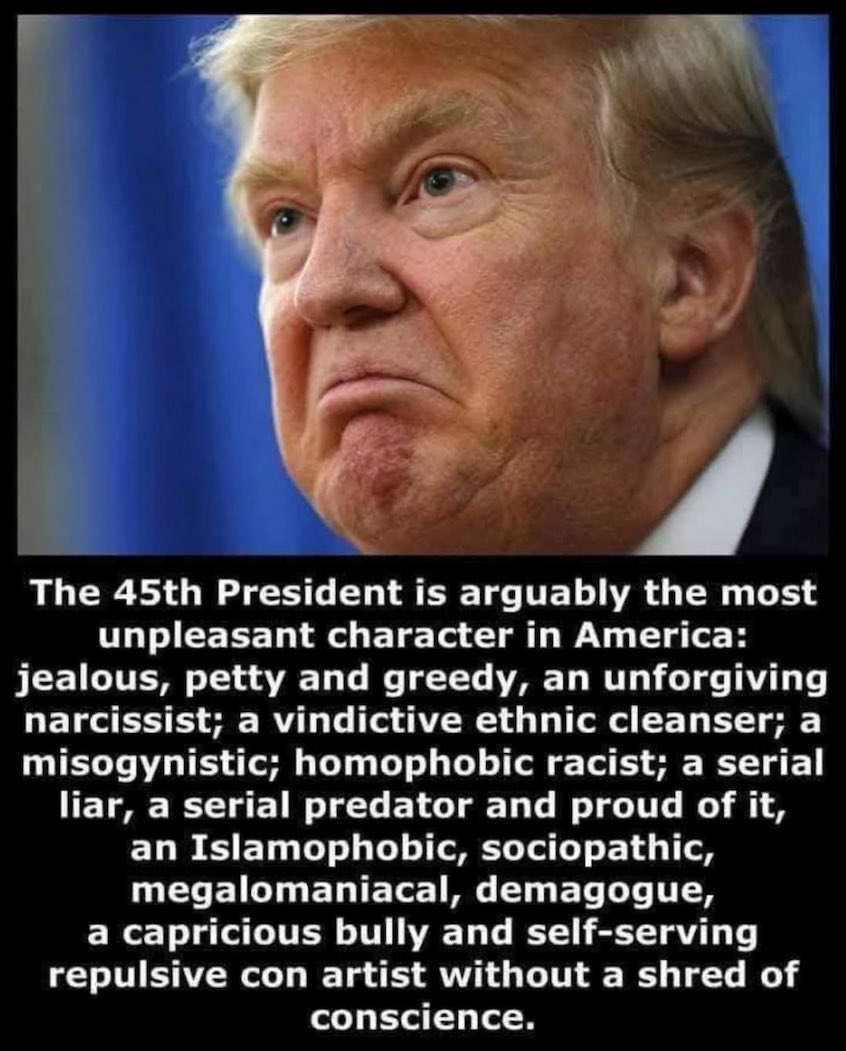
Drop a 🤡 if you think this bozo is UNFIT to be anywhere near the Oval Office! 🤡
Just saying tweet media
English
3.5K
3.4K
12.8K
188.4K
Kim Jirak retweetledi
Ryan Shead
Ryan Shead@RyanShead·
Happy Easter to all the Radical Rapist Sympathizing MAGA muppets out there. Donald Trump is invoking Joe Biden this resurrection day, which means his dementia is flaring up again. This is cult level manipulation. Stay focused and don’t listen to Nancy Mace, my friends. 🇺🇸
English
34
136
554
29.8K
Food Pleaser
Food Pleaser@FoodPleaser·
Question: Is bacon better chewy or crispy? 🥓
Food Pleaser tweet media
English
942
108
1.3K
55K
Osamuskwasis Roan
Osamuskwasis Roan@Nativetoday_·
If you support Native American people’s, history & culture 🥰Say.. “Yes
English
2.7K
3.4K
25.1K
218.8K