
Kimmi Del Prado retweetledi

The biggest thing holding you back isn't lack of talent. It's listening to people whose opinions don't actually matter.
English
Kimmi Del Prado
73 posts

@Kimmi_DP
A mother of two, an unschooling and drug policy reform advocate, a rebel and freedom fighter.





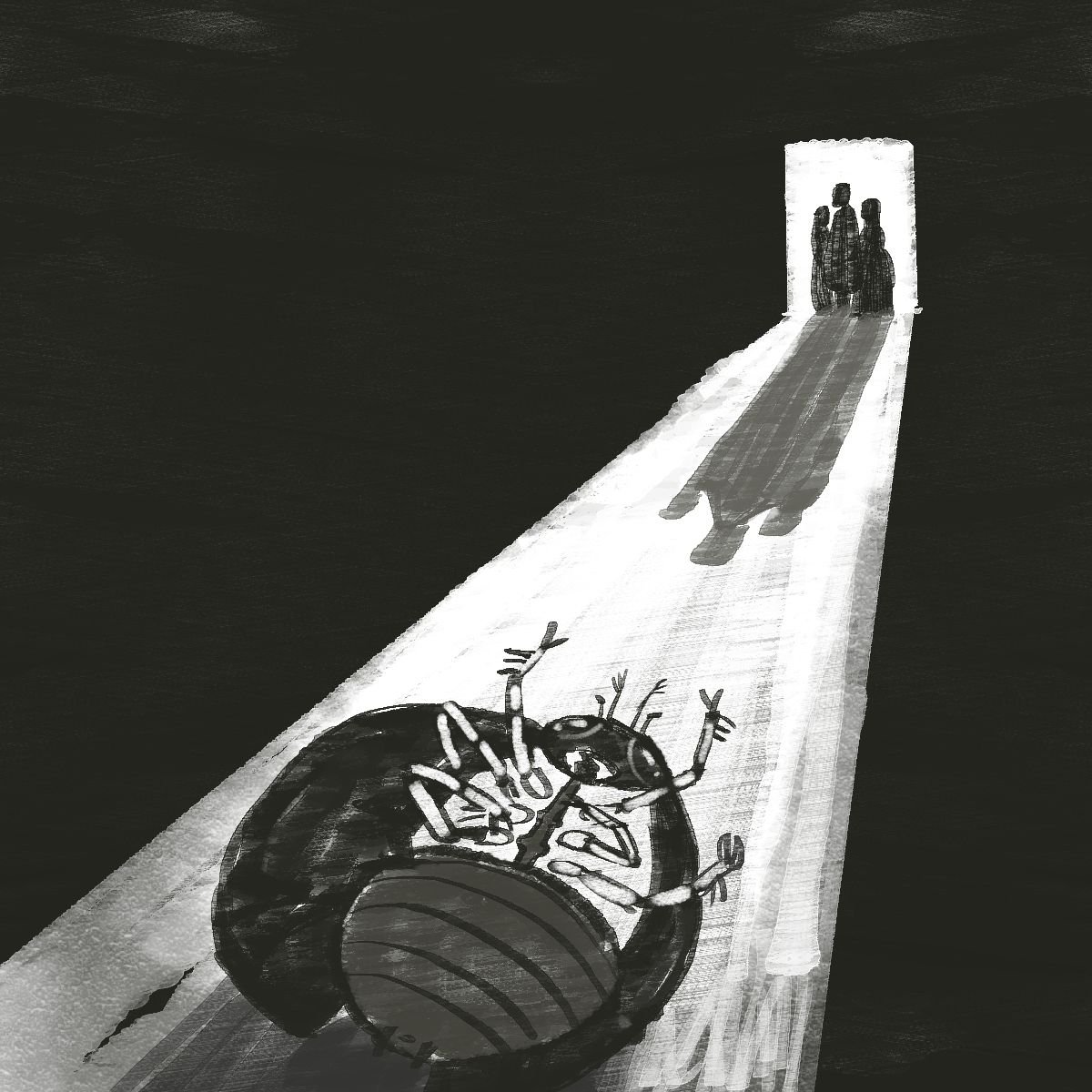
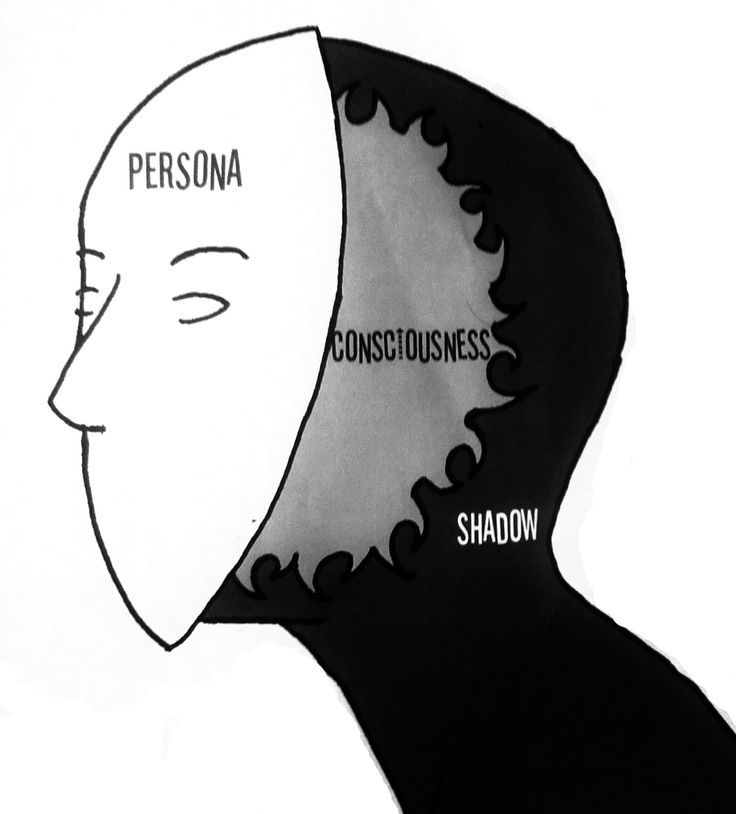
Some of the smartest psychologists in the world couldn't see a predator standing right in front of them. The Epstein files exposed a psychological blueprint for how brilliant minds become blind ↓ Epstein wasn't just a financier. He was a Visiting Fellow in Harvard's Psychology Department. He funded neuroscience labs. He dined with some of the world's most prominent scientists. And after his 2008 conviction, many kept coming back. Why? Prestige bias. We overweight the opinions of high-status people. The logic is seductive: "If Harvard accepts him, he must be fine." "If Nobel winners attend his dinners, I'm overthinking this." Epstein surrounded himself with so much prestige that questioning him meant questioning everyone around him. Once academics accepted his money or flattery, a second trap activated: cognitive dissonance. Multiple researchers later claimed they had "never had the slightest knowledge of the darker sides" and wished they had "asked more questions." That's textbook self-justification. When actions clash with our self-image, we don't change the self-image. We change the story: • "No one really knew" • "I just saw him as a donor" • "His conviction seemed minor" The mind protects its owner even at the cost of truth. Then came the most insidious mechanism... Gradual moral disengagement. Emails show academics joking about whether female students were "cute." One scientist asked for the email of "the redhead" he'd met through Epstein after the conviction. These weren't grand crimes. They were micro-fails. Laughs that should've been silence. Emails that should've been deleted. Questions that should've been asked. Complicity never starts big; rather, it starts small enough to excuse. And Epstein himself? Forensic psychologists point to the Dark Triad: psychopathy, narcissism, Machiavellianism. But those traits only became dangerous because institutions amplified them. Lenient plea deals. Universities accepting donations. Networks offering access. A predator without enablers is limited. A predator inside a prestige machine is unstoppable. These academics weren't uniquely bad. They illustrate vulnerabilities we all share: • Excusing what benefits us • Outsourcing moral judgment to prestigious others • Underestimating the damage of "just looking the other way" Epstein didn't just exploit victims. He exploited the psychology of everyone around him. The scariest part? He didn't need sophisticated tools. Just our own biases, handed right back to us. — Thanks for reading! Enjoyed this post? Follow @BigBrainPsych for more content like this.
Everyone debates democracy like it's flawless. But the man who invented Western philosophy saw its fatal flaw. Athens killed him for exposing it. Here's what Socrates understood that we still ignore: In 399 BC, Socrates stood trial before 500 Athenian jurors on trumped-up charges of "corrupting the youth." By a narrow margin, they voted guilty. His sentence? Death by hemlock. The tragic irony ↓ Socrates had spent years warning that untrained voters would make catastrophic decisions. His own execution proved him right. In Book Six of Plato's Republic, Socrates poses a devastating question: "If you were sailing on a dangerous voyage, who would you want steering the ship? Just anyone? Or someone educated in seafaring?" Obviously the expert, his student Adeimantus replies. "Then why," Socrates asks, "do we think any random person should decide who rules a country?" His point was radical: Voting is a skill — not a random intuition. And like any skill, it must be taught systematically. Letting uneducated citizens vote is like putting untrained passengers in charge of a ship during a storm. But here's where it gets uncomfortable... Socrates wasn't elitist in the traditional sense. He never believed only the wealthy or powerful should vote. He believed only the *thoughtful* should vote. There's a crucial distinction: • Democracy by birthright = anyone born here can vote • Intellectual democracy = anyone who has learned to think deeply can vote We've completely forgotten this difference. The Doctor vs. Sweet Shop Owner Socrates asked his students to imagine an election between two candidates: One is like a doctor. The other is like a sweet shop owner. The sweet shop owner tells voters: "My opponent hurts you! He gives you bitter medicine and tells you not to eat whatever you like. I'll give you feasts of pleasant things!" The doctor's honest reply? "I cause you discomfort and go against your desires in order to help you." Socrates asks: Who do you think wins that election? The answer is obvious. And terrifying. We are wired to choose comfort over truth. The result? Demagogues. Athens learned this the hard way through figures like Alcibiades — a wealthy, charismatic, smooth-talking politician who eroded basic freedoms while telling people exactly what they wanted to hear. Socrates saw it all coming. And was executed for saying so. The lesson that haunts modern society: Democracy is only as good as the education system that surrounds it. Without teaching citizens *how* to think — not *what* to think — we don't get wisdom. We get sweet shop owners. We've elected many of them. And very few doctors. — Thanks for reading! Enjoyed this post? Follow @BigBrainPsych for more content like this.