Ari

424 posts

Ari banner
Ari

Ari

@KurdiCompendium

Focused on building an archive of academic and research-driven posts about Kurds.

Katılım Eylül 2022
43 Takip Edilen1.1K Takipçiler
Ari
Ari@KurdiCompendium·
Kurdish obsession with being a series of autochthonous of unrelated Mesopotamian or Cis-Zagrosian groups is a coping mechanism and directly related to slave mentality. Saying Kurds are not Iranians by ethnic origin is straight up delusional, and these copers need to be brutally crushed and suppressed in every capacity possible.
English
8
4
32
1.1K
Ari
Ari@KurdiCompendium·
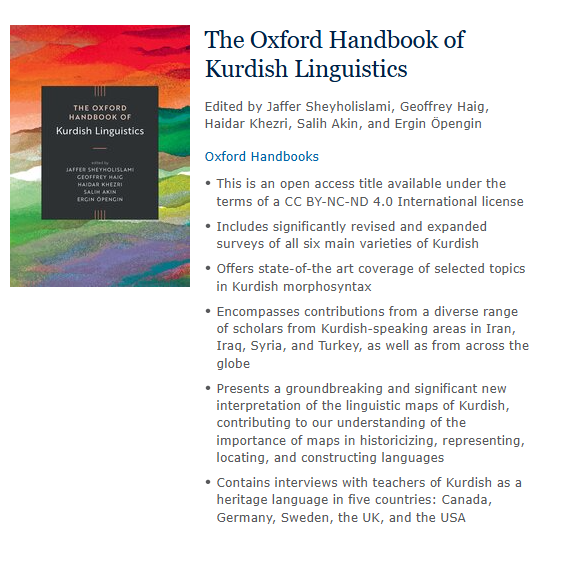
This major upcoming publication should not be understated in terms of how important it will be for the academic study of the Kurdish languages. It will provide a comprehensive scholarly overview of what we already know, while also building on that knowledge further. Importantly, it will break down the phonology, morphology, syntax, language contact, and more at a dialectal level, something that is currently lacking in many existing publications on Kurdish, even though we have a decent holistic overview so far. As such, this is likely to become one of the most defining works in the field, and it will be referenced for years to come. It is set to be published on 30 December 2026. Its contents page is particularly interesting and is structured as follows: Chapter 1: Introduction: Kurdish and its representation in this volume Jaffer Sheyholislami, Geoffrey Haig, Haidar Khezri, Salih Akin, & Ergin Öpengin Part I: VARIETIES OF KURDISH Chapter 2: Northern Kurdish Ergin Öpengin & Geoffrey Haig Chapter 3: Central Kurdish Ergin Öpengin Chapter 4: Southern Kurdish Masoud Mohammadirad & Gholamhossein Karimi-Doostan Chapter 5: Gorani Parvin Mahmoudveysi & Denise Bailey Chapter 6: Zazaki Mahir Dogan & Ludwig Paul Chapter 7: Laki Sara Belelli Part II: COMPARATIVE KURDISH PHONOLOGY AND MORPHO-SYNTAX Chapter 8: Phonology of Kurdish: Comparative overview and theoretical issues Erik Anonby & Ergin Öpengin Chapter 9: Bound argument ordering across Central Kurdish and the Gorani substrate Masoud Mohammadirad Chapter 10: The so-called absolute prepositions in Central Kurdish Shuan Osman Karim Chapter 11: A formal introduction to verbal morphology of Central Kurdish Sina Ahmadi & Geoffrey Haig Chapter 12: Historical Kurdish phonology and morphology Ludwig Paul Chapter 13: Complex predicates in Kurdish revisited Songül Gündogdu Chapter 14: Language contact in Kurdish Yaron Matras Part III: SOCIOLINGUISTICS Chapter 15: Mapping Kurdish Erik Anonby & Jaffer Sheyholislami Chapter 16: Standardisation of Northern Kurdish Salih Akin Chapter 17: Dynamics of standardization and variation in Kurdistan Region-Iraq Michiel Leezenberg Chapter 18: Kurdish language policy and Language Rights in Kurdistan Jaffer Sheyholislami & Salih Akin Chapter 19: Articulating Kurdish identity through Kurdish: Roots, outcomes, and possibilities for unification Anne Schluter Part IV: APPLIED LINGUISTICS Chapter 20: Teaching and learning Kurdish in Kurdistan: Achievements and Challenges Sehmus Kurt, Hewa Salam Khalid, Rahim Surkhi, Yasin Duman, Adel Mohammedi, & Elizabeth Sabbagh Chapter 21: Lexicography in Kurdish Behrooz Chamanara, Michael L. Chyet, & Zaniar Naghshbandi Chapter 22: Corpus linguistics of Kurdish Hossein Hassani Chapter 23: Kurdish as a Heritage Language: Challenges and Achievements Amir Sharifi, Nubin Ciziri, Birgul Yilmaz, M. Serif Derince, Zuzan Barwari, Haidar Khezri, & Jaffer Sheyholislami Chapter 24: The acquisition of Kurdish in multilingual contexts Katharina Brizic, M. Serif Derince, Kateryna Iefremenko, Yasar Kirgiz, Yazgül Simsek, & Christoph Schroeder Part V: Kurdish in Arts and Literature Chapter 25: The influence of written prose on Kurdish Haidar Khezri Chapter 26: Kurdish oral tradition: Transmission, endangerment, and survival Christine Robins Chapter 27: Kurdish Language and music Estelle Amy de la Bretèque
Ari tweet media
English
1
16
70
7.5K
Ari
Ari@KurdiCompendium·
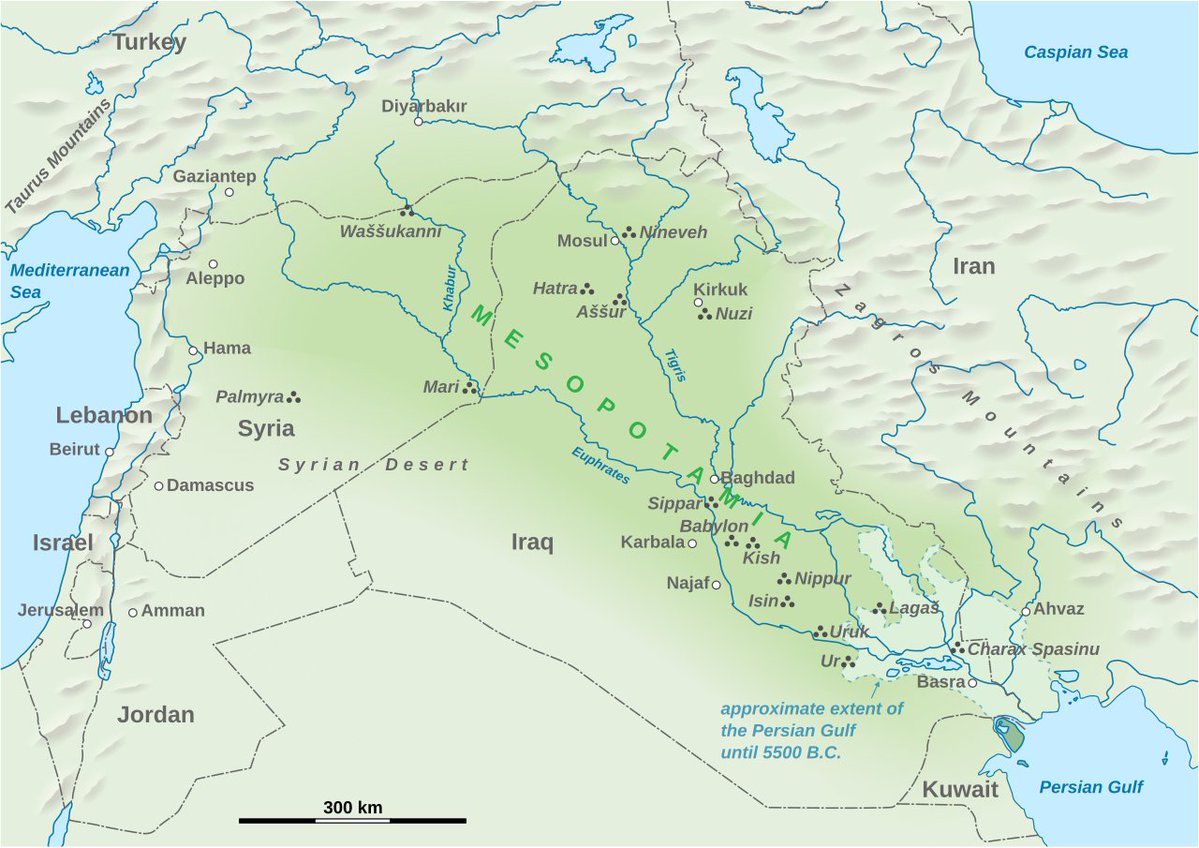
It depends on how you define it, but generally Mesopotamia is understood as the fertile plains surrounding and adjacent to the Euphrates and Tigris rivers. Everything west of the Zagros mountain chain. A large part of Bashur would, by definition, also be located within Mesopotamia. solidified As for why some Kurds claim a Mesopotamian identity, it is a post 20th century phenomenon driven by people seeking legitimacy through claims of autochthony, as if that were the only metric by which a nation can be validated. These mentally insane people try to transform Kurdish roots through a prism of self victimisation in order to justify Kurdish nationalism. Or lie to themselves and force some random unrelated group in history that lived near what is now Kurdistan as a part of our history. Soran Hamarash and a few others are a part of the big bastardisation campaign. It is fairly clear that Kurds do not originate from either the Armenian Highlands or Mesopotamia, or even large sections of the Zagros. People and particularly in the Middle East, often struggle to accept that populations shift over time. Some groups invade and conquer, while others simply migrate. In the case of the Kurds, the lands we are from have been solidified over the course of 1 millennia and a half. This is not even disputable if anyone has seriously looked into this topic.
Ari tweet media
English
3
6
34
1.7K
Shoresh Geshti
Shoresh Geshti@Geshti_Azadi·
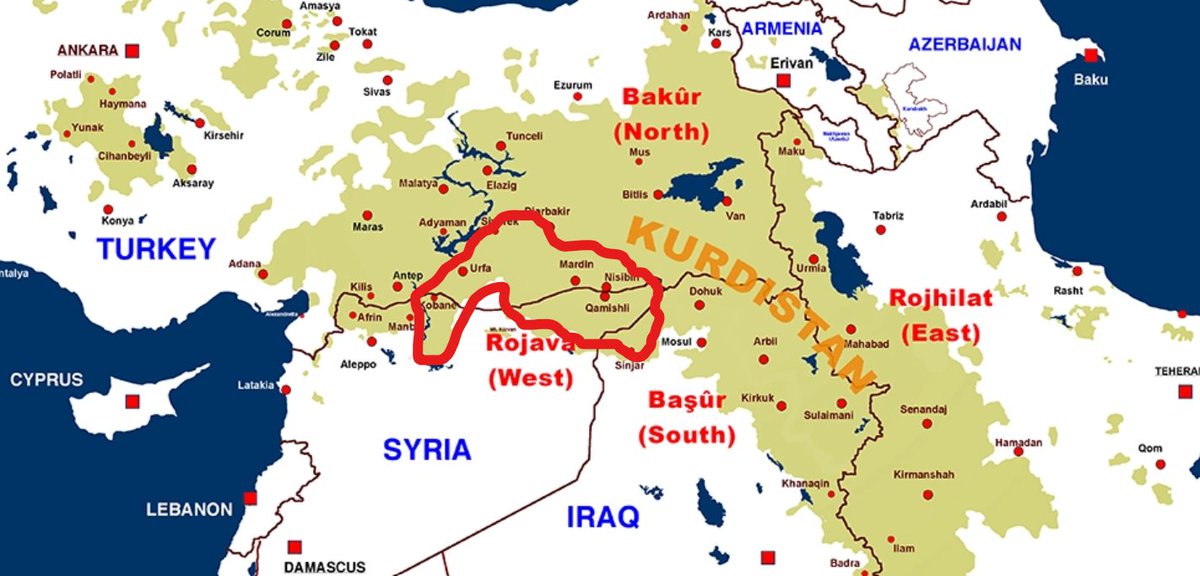
I don't understand why the Mesopotamia narrative ever gained traction among the Kurds. The only part of Kurdistan that is actually within Mesopotamia is this:
Shoresh Geshti tweet media
English
26
5
108
11.2K
Ari
Ari@KurdiCompendium·
He’s half Khorasani Kurd. SKs + Khorosani Shiite Kurds in Iran have proportional representation and participation in the Islamic regime of Iran when you look strictly at the numbers. Lurs (whom many Kurds insist are one of us) have the greatest overrepresentation in the Islamic regime. Double what would be considered proportional. Another large segment of the Lur community consists of Pahlavi monarchists. Look at Goldie Ghamari, Niyak Ghorbani, and many other prominent figures supporting the Reza Pahlavi camp. Among the SKs I know, about half support the regime and a large % support Reza Pahlavi. Much more than what Kurds would like to admit. Many people speak on behalf of SKs in Iran, but they don’t know the reality on the ground. As much as people criticize Bakuris, they tend to be more nationalist than SKs in Iran. This is even without considering the Laks of Iran, a very large % of whom have moved away from Kurdish identification altogether. And they number 1-2 million. If you stay around pro Kurdish camps of course you will find a lot of outliers, but that’s just because the types of people you are likely to interact with is going to be self selecting. The Kurdish population of Iran is realistically about 9% as of 2026. I wouldn’t be surprised if it drops to 5-6% in a hundred years if Kurds don’t manage to break off Iran. Sunni Kurdish regions have the most hope as there is a religious barrier against what else goes on in Iran.
English
1
0
28
1.6K
Shoresh Geshti
Shoresh Geshti@Geshti_Azadi·
This guy is also ethnically Kurdish. The "Kurds" are always the ones with the most hardline, radical approaches towards the Kurdish cause, probably cause they feel a need to prove themselves to their peers.
NEXTA@nexta_tv

Iranian parliament speaker Mohammad Bagher Ghalibaf said that any possible incursion by Kurdish or other armed groups into Iran will result in a “massacre.” According to him, Iran intends to act against them “without any mercy.”

English
4
0
23
1.7K
Ari
Ari@KurdiCompendium·
The empire that never existed: The Median empire. In Book 1 of The Histories, Herodotus devotes considerable attention to the rise of the Achaemenid Empire. He begins by describing the revolts of the Medes against the Neo-Assyrian Empire. According to his account, the Medes had four kings, the last of whom was defeated by Cyrus the Great, who then founded the Achaemenid Empire. For a long time, academic study relied heavily on Greco-Roman sources to understand the peoples of the East, particularly ancient Iranians. With the increasing availability of neo-Assyrian and Babylonian records that are more directly contemporary to the historical events in question, many accounts written by classical authors can now be cross-referenced and examined. Some elements of Herodotus’ narrative can indeed be verified through these sources, but his overall narrative is heavily distorted to fit his build up of the story regarding the Achaemenid origin, and by extension the Hellenic worlds interactions with the Iranians. A considerable amount of evidence contradicts his account. It should be noted that the precise extent of Median political authority remains uncertain, but the available evidence suggests that it did not extend much beyond what is traditionally considered north-western Iran. Textual Evidence Assyrian royal annals and inscriptions provide references to the Medes between roughly 850 BCE and 670 BCE. Determining the precise arrival of the early Iranian groups who later became known as the Medes is difficult, but a reasonable estimate places their arrival in the late second millennium BCE (late 1000s BCE). This would place them intermediate between cultural developments in Central Asia such as the Yaz-Dahistan and the Chust, which emerged after 1500 BCE. Assyrian records indicate that Median political organization became more complex in response to repeated attempts by Neo-Assyrian rulers to impose authority over the region. Kings such as Shamshi-Adad V and Adad-Nirari III conducted campaigns in Media. Later rulers including Tiglath-Pileser III are said to have invaded extensively. Even if these campaigns achieved temporary success, they did not result in lasting control or permanent subjugation of the Medes. Sargon II appears to have been somewhat more successful than his predecessors and gained partial control over a large part of Media. Even so, the Assyrian texts suggest that the Medes were not ruled by a unified monarch, much less having a continuous dynastic line of kings. Instead, they appear as a decentralized confederation of pastoral tribes that dominated the region over many years. This differs greatly from Herodotus’ description of a centralized kingdom ruled by four successive monarchs. Although the Medes did control numerous city states, many of these settlements may have been populated largely by non-Iranian peoples. When Esarhaddon became king of Assyria, the relationship with Media entered a new phase. Rather than attempting direct control, Assyria withdrew from Media and established treaties with Median groups. These agreements encouraged trade and commerce, and Median bodyguards even entered the Assyrian royal court. Assyrian sources continue to mention various rulers, but after around 672 BCE references increasingly shift toward singular leaders rather than numerous tribal chiefs. Of the four kings mentioned by Herodotus, only the final two can be verified in the Assyrian record: Cyaxares and Astyages. The first two kings mentioned by Herodotus have never been conclusively identified despite repeated attempts by historians. Babylonian records covering the period from 615 BCE to 550 BCE confirm that Cyaxares did play a role in the destruction and sack of Nineveh. They also record that the Medes under Astyages were eventually defeated by Cyrus the Great. Beyond these references, however, there is little evidence for the existence of a large Median empire ruling between 612 BCE and 550 BCE. For roughly forty to fifty years, between about 610 BCE and 570 BCE, the Medes largely disappear from the textual record. They only briefly reappear when Astyages is defeated by Cyrus. Another reference appears in the Bible, specifically in the Book of Jeremiah, which refers to the kings of Media in the plural rather than a single monarch. Babylonian sources show a similar pattern, mentioning one ruler followed by several fragmentary kings before Astyages appears again as a single ruler prior to his defeat. At that point the Median army is recorded as partially dissolving upon contact with Cyrus’ forces. Archaeological Evidence Archaeology presents further problems for the traditional narrative. Median art and architecture remain extremely difficult to identify with certainty. Even within the supposed Median heartland, confident assignments are rare. Sites such as Godin Tepe and Nush-i Jan were previously attributed to the Medes, yet these identifications remain debated. Even if we take these sites to be Median there is still major problems we encounter. One particularly striking absence is the complete lack of a Median archive discovered by archaeologists. If a large empire had existed, it would be reasonable to expect some form of administrative records or written material. At present, no confirmed accounts of Median writing has been discovered. The city traditionally described as the capital of the Median Empire, Ecbatana, has still not been fully excavated. Even monuments sometimes associated with the Medes remain uncertain. The Qizqapan tomb, for example, has not been securely dated and its cultural attribution remains shaky. But given the large Median decline during the period it is supposed to be built, it makes it less likely to be a construction of the Median era, but rather of later Iranian periods. It is also worth noting that many artifacts marketed online as “Median” are labelled that way primarily to increase their value in the antiquities market. We don't really know how Median material culture looks like. Nush-i Jan The site of Nush-i Jan highlights many of the problems surrounding supposed "Median" archaeology. Assyrian texts mention a Median town located roughly fifty kilometres south of Ecbatana, and archaeologists believe they may have identified this settlement. Excavations at the site revealed several phases of occupation. The earliest phase, dated roughly between 750 BCE and 600 BCE, includes a fire temple constructed in the eighth century BCE and columned structures built during the seventh century BCE. However, these buildings were later abandoned. By the sixth century BCE, when the Median Empire is supposed to have been at its height, the structures were occupied only by squatters. Much of the material culture recovered from the site appears to belong either to earlier Assyrian periods or to later Achaemenid phases. Conclusion Taking everything into consideration it seems that after the Medes under Cyaxares fought the Assyrians, they entered into steep decline, and did not transform into a superpower. Went back into decentralised sets of tribes, who were only briefly reunited under Astyages when the threat of invasion under Cyrus the great became apparent. If you are interested in investigating further read my other posts regarding the Medes: Are Kurds even Median? x.com/KurdiCompendiu… I will focus even more on the Archaeology of the Medes in a future post.
Ari tweet media
English
6
11
62
14.2K
Ari
Ari@KurdiCompendium·
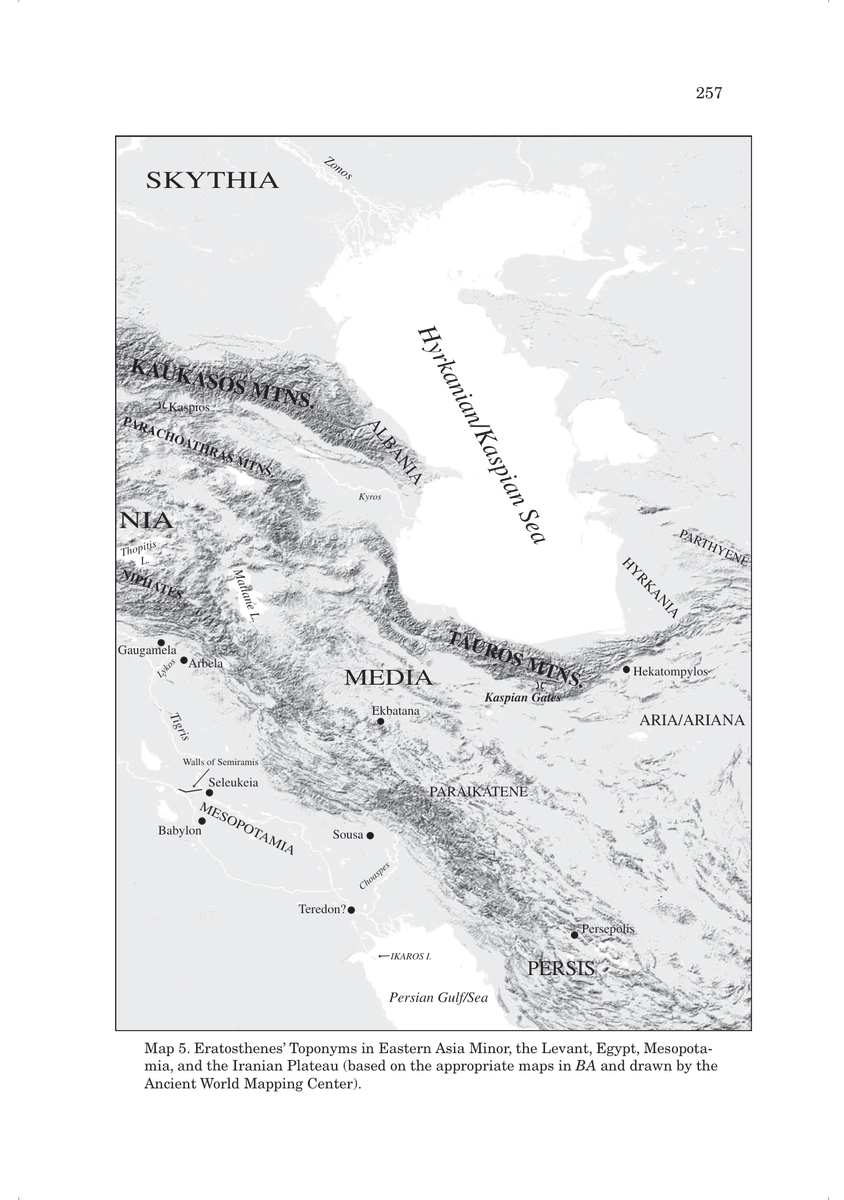
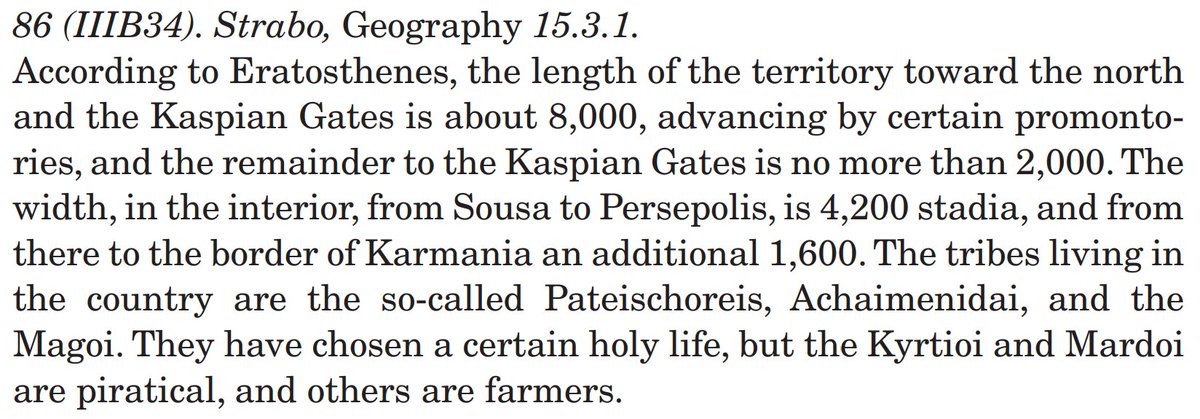
The ancient Greek Eratosthenes of Cyrene (276–194 BC) provides the earliest reliable attestation of the Kurds. Writing sometime after 240 BCE during the early Ptolemaic Kingdom (soon after the Achaemenid collapse), when he served as chief librarian at the Library of Alexandria, he describes the Kyrti (Kurds) as a tribe living in the province of Persis in southwest Iran, alongside other Iranian groups such as the Pateischoreis, Achaimenidai, Magoi, and the Mards. We know of his works only through later Greek authors, and this particular account survives through Strabo. In this account, the Kyrti (Kurds) and the Mards are described as being known for brigandry, plundering, or general lawlessness, unlike the other local tribes. Such descriptions are commonly applied to nomadic or semi-nomadic groups in ancient sources. Whether this reflects contemporary information available to Eratosthenes is a point that needs to be considered. The Achaimenidai clan is mentioned less than a century after the collapse of the Achaemenid Empire. Presumably, the dynastic line would have been targeted after Alexander the Great conquered Iran. Of course, it is possible that remnants remained, or that by “Achaimenidai” the author meant the broader Pasargadae tribe, of which the Achaimenidai were a part of. Linguistically, Kurdish is known to have had extensive contact with Persian, unlike almost all other Northwestern Iranian languages, beginning when Old Persian was still spoken. There is roughly a 150-year gap between this historical account of Kurds living in Persis and the period when Old Persian began transitioning into Middle Persian in the 400s BCE. Unfortunately, there is a lack of historical documentation from this period. Words like Korduk, Corduene, Carduchis, Karduchoi, etc have all been systematically refuted as having any relation to Kurds by modern scholarship consensus. Therefore they can not be regarded as early attestations of the word Kurd. If anyone is wondering if its linguistically feasible for the word Kýrti to evolve into the word Kurd, check out this post: x.com/KurdiCompendiu…
Ari tweet mediaAri tweet media
English
11
16
58
22.1K
Ari
Ari@KurdiCompendium·
@HemdadArwandi The Asbārān were the very backbone of the Sassanian military and were primarily composed from the Iranian nobility. They were similar to how knights were in medieval feudal Europe.
English
1
0
11
379
Ari
Ari@KurdiCompendium·
Are Kurds ethnically Mede? The question itself is misleading because it assumes a clear misunderstanding of what a Mede was. In reality the Medes were not an ethnic group, but an organised tribal political group of Iranians much like the Mards, Sagartians, Persians, and many others. As with many such confederations in the old Iranian era, the Median political structure eventually dissolved. Through legacy name Media/Median/Medes however, survived in provincial toponyms and regional identities, particularly in north-western Iran. This phenomenon was common throughout the Iranian world. For example, someone from the province of Kerman might historically identify as a Kermani. After the old Iranian era where the Persian confederation disintegrated, the term Persian came to mean someone whose roots were in the province of Persis in south west Iran. Demonyms were a large part of how Iranians used to identify, and has decreased in usage in the pre-modern period. So if its impossible for Kurds to be ethnically Mede, then were Kurds at least a part of the Median confederation? If we examine the historical sources from the period when the Medes existed as a confederation, there is no mention of Kurds among them. According to Herodotus, the Median confederation consisted of six tribes: the Busae, Parataceni, Struchates, Arizanti, Budii, and the Magi. There is also no evidence that any of these tribes gradually evolved into the Kurds. When the Median confederation dissolved, its constituent tribes likely merged into the wider population of north-western Iran, a region that contained numerous Iranian and non-Iranian groups. Could Kurds be among these locals of north-west Iran? No. There is quite a lot of evidence that points towards the Kurds only arriving in north-western Iran only in the final phases of the Sassanian era, which automatically discounts them as locals of the region. Read my post here for the full details on why that is the case: x.com/KurdiCompendiu… If Kurds later acquired elements from populations historically associated with Media, this would have occurred through interaction and mixture non-Kurdish "Adharic" groups like the Tats and Talysh. Although we know this to have occurred as we have remnants of pre-Kurdish Iranian local groups among the Kurds speaking Gorani and Zazaki. Two languages which are not directly related to Kurdish other than the fact they are both north-western Iranian languages. The label “North-Western Iranian” does not refer strictly to languages spoken in the geographic north-west of Iran. Before the spread of New Persian, almost all of the Iranian plateau, apart from the south-western regions such as Persis, Khuzestan, and parts of Kerman, spoke languages belonging to the north-western Iranian branch. The term Median and north-western Iranian can NOT be used interchangeably. For that reason, the fact that Kurdish belongs to the North-Western Iranian family does not imply that it is derived from Median. The idea that these languages spread because of a vast Median empire is itself uncertain, particularly in the form described by Herodotus, as archaeological and historical data from other accounts seem to contradict the existence of this empire. The Medes never seem to extend far beyond their base in north-west Iran. The only clearly attested North-Western Iranian language from antiquity is Parthian, which left no direct descendant languages and whose influence was largely areal. Kurds appear clearly in the historical record during the Seleucid period as it's own distinct tribal confederation active in regional politics. A reference often cited is found in the Kārnāmag ī Ardaxšīr ī Pābagān, which mentions Kurdānšāh ī Māhīg. This phrase is sometimes interpreted as proof that Kurds were Medes. The context suggests something different. Important to note that Ardashir’s conflict was not with all Kurds but with a particular Kurdish group located in Media. At the same time, other Kurdish groups supported him during his rise to power within Persis. The phrase Kurdānšāh ī Māhīg denotes a demonym for this sub section of Kurds; i.e. the Kurdish king of Media. The term Median also survived in biblical and ecclesiastical traditions. Kurdish translations of Christian texts are labelled as Median. The Apostolic prayer written in Kurdish or Michael the Syrians account can be used to suggest this. This needs to be contextualised as this terminology is repurposed from biblical and local understanding, to describe a new people in terms they were already familiar with. I.e., the Parthians and the Medes. It is possible that the Kurdish tribal confederation emerged during the Seleucid period or earlier through the fragmentation and reformation of older Iranian tribes, which was a common process in tribal societies. If we are going to speculate about a possible ancient Iranian precursor, the Sagartians is a candidate that stands more plausible than that of the Medes. Another possibility is that the Kurds represent a local population of the Iranian plateau that gradually became Iranised during the Old Iranian era and retained its name as it integrated into Iranian society. Determining which scenario is correct is extremely difficult and would involve considerable speculation. What can be stated with confidence is that the Kurds were an Iranian tribal people whose ethnic identity developed gradually after the Islamic period. The idea that Kurds are simply the direct ethnic descendants of the Medes depends on assumptions about both Median identity and Kurdish origins that are not supported by the available evidence.
Ari tweet media
English
14
15
79
19.8K
Ari
Ari@KurdiCompendium·
@Rozekurdno Zazaki was probably already in the Armenian highlands before Islam. Gorani effectively never reached there. Kurdish arrived there at the tail end of the Sassanians and progressively spread throughout the Islamic age.
English
2
0
4
139
Ari
Ari@KurdiCompendium·
The Mazanjan in particular were a very important militarised Kurdish tribe, known for their high value horse breeds. The Kurds of Persis are the root from which NCS Kurds originate. The problem is that tribes come and go, so it’s hard to make an exhaustive list. A substantial trail of evidence remains regarding the original homeland of Kurds prior to arriving into what is today known as Kurdistan.
English
0
1
10
475
Ari
Ari@KurdiCompendium·
This is excellent news and definitely will serve as a major milestone for Kurdish DNA research. Many thanks to Al-Dersimi for the sponsors. Everyone who has their FTDNA kit sequenced should join the Kurdish DNA Project. Don’t forget to add any information background information including tribe, village, and dialect. Kurdish DNA project: familytreedna.com/groups/kurds/d…
English
0
0
15
468
Al-Dersimi
Al-Dersimi@Rozekurdno·
Okay, I’m donating around 30 Family Finder tests at $29 each. Send me a DM with your tribe and region, and I’ll select 30 people for the first batch. I chose to switch to part-time work to write my book. If I’m going to invest in Y-700 tests at 500 euros each, I’ll need to return to full-time work. If there are resourceful Kurdish businessmen who want to donate to the Kurdish DNA project to uncover our great history, please contact me. I’m especially looking at the Talabanis and Barzanis. The Kurdish Genetic Project is a group of high-IQ, autistic, non-corrupted young men, all with higher education and an enormous drive to pursue Kurdish history to its core. Everything we do is for Kurd û Kurdistan. I trust this young clique of smart Kurds.
Ari@KurdiCompendium

Massive FTDNA sale using the respective promo codes is running from March 4–31. Highly recommended to get either: •Family Finder (the cheapest I’ve seen yet at $29) •Y-37 test at $79 Family Finder tests both haplogroups and autosomal DNA, whereas Y-37 focuses on the patrilineal line. Once your test is complete, join the Kurdish DNA Project on FTDNA, and we will try to find sponsors to fully sequence your Y-DNA. This is very important to improve our understanding of Kurdish genetics.

English
11
8
29
5.3K
Ari
Ari@KurdiCompendium·
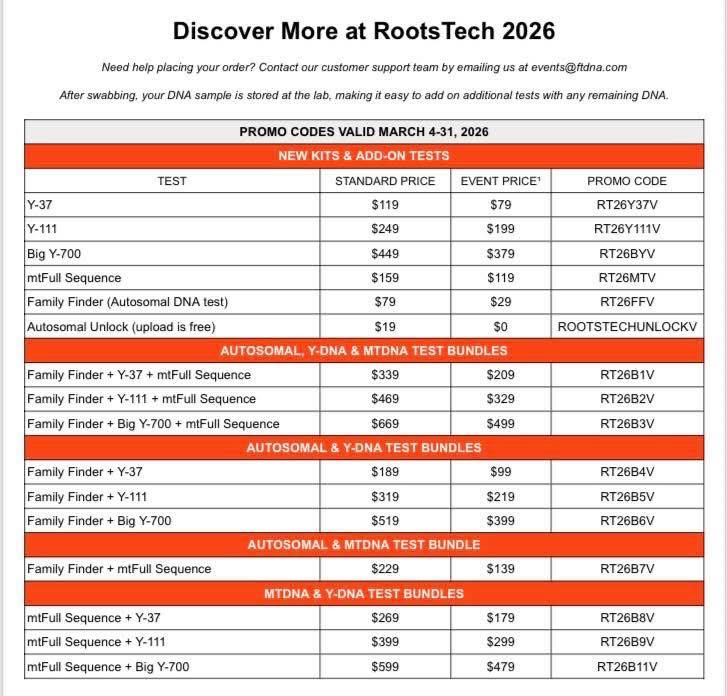
Massive FTDNA sale using the respective promo codes is running from March 4–31. Highly recommended to get either: •Family Finder (the cheapest I’ve seen yet at $29) •Y-37 test at $79 Family Finder tests both haplogroups and autosomal DNA, whereas Y-37 focuses on the patrilineal line. Once your test is complete, join the Kurdish DNA Project on FTDNA, and we will try to find sponsors to fully sequence your Y-DNA. This is very important to improve our understanding of Kurdish genetics.
Ari tweet mediaAri tweet media
English
2
5
31
9.7K
Ari
Ari@KurdiCompendium·
@HemdadArwandi Important to note these events are happening within Persis itself which is linguistically exactly where you would expect Kurds to have lived during this time.
English
0
0
8
489
Ari
Ari@KurdiCompendium·
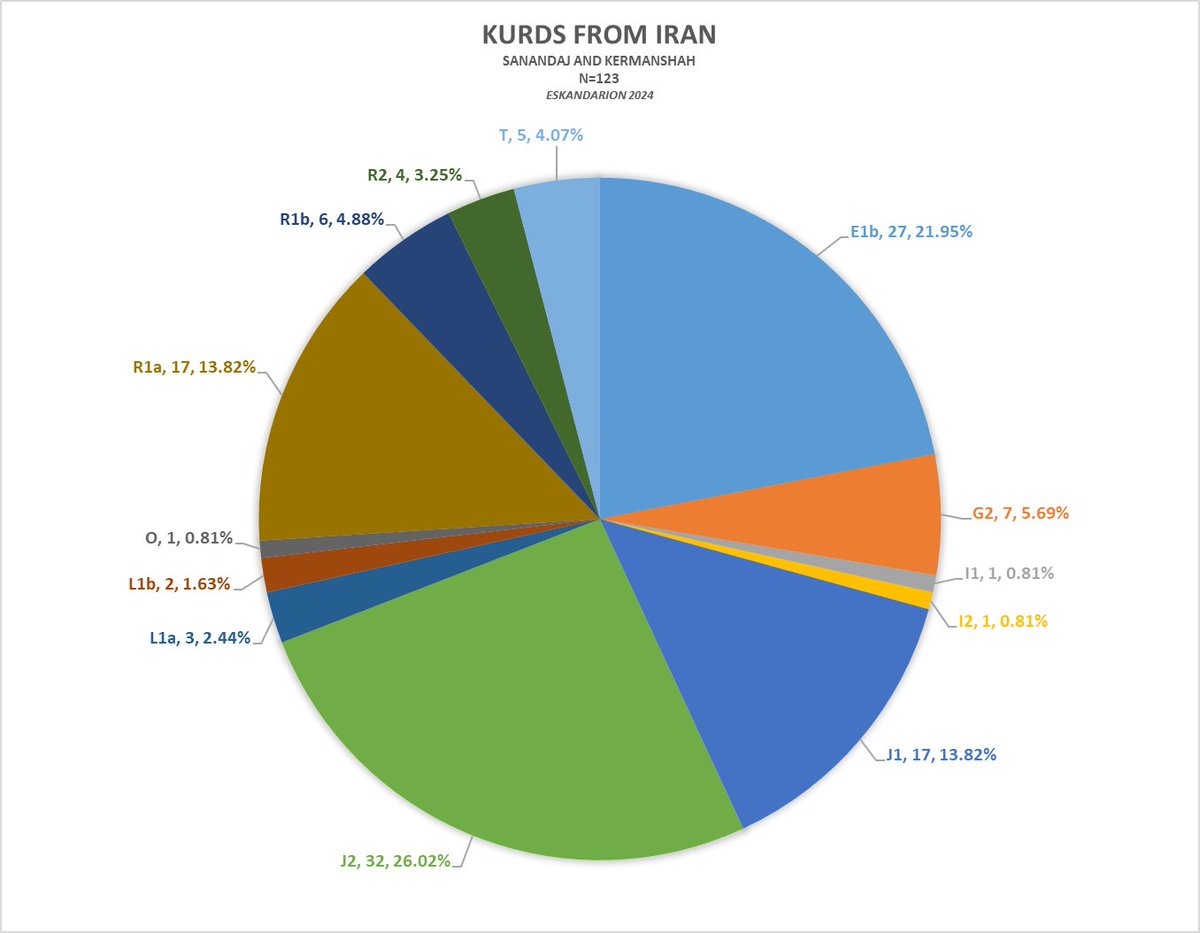
Recompleted the Y-STR 17 profiles from Eskandarion et al. (2024) by checking the calls against YFull STR data, which generally provides much better Y-DNA predictions than Morley or NevGen. NevGen was used specifically for the J1-ZS4416 calls, as the YFull predictor struggled with this haplogroup in particular and instead incorrectly predicted it under haplogroup E. I redacted 2 Y haplogroups from Eskandarion et al. due to major missing and problematic STR values at the root and base nomenclature levels, making it impossible to determine their exact position under GHJIK. However, they were clearly not haplogroup E, so the E count shown here is marginally inflated. Overall, 17 STRs represents low resolution testing. Commercial services such as FTDNA have at least 37 STR markers as a minimum standard as of 2026. Although rare, 17 STRs can result in completely incorrect haplogroup assignments. They are not sufficient for confidently predicting terminal clades, even though a few samples in this study seemingly have deep clades. Scientific papers like Grugni et al from 2012 should be discarded as it only tests 10 STRs which is really rubbish quality.
Ari tweet media
English
3
8
34
10.9K
Ari
Ari@KurdiCompendium·
The funny part is that the average Lur will get upset if you call him or her a Kurd, and the Kurds who keep insisting on their identity only make them dislike Kurds more. The majority of Laks who live in Lorestan identify as Lurs. Shiite Kurds in Iran are far less likely to support separatism than Sunni Kurds in Iran. Sectarianism is a major factor that influences the average person’s politics there. This is based on my personal experience, both inside and outside of Iran.
English
4
2
36
1.3K
Shoresh Geshti
Shoresh Geshti@Geshti_Azadi·
Focusing on the Lurs when you're losing the Feylis to Persianization, is one heck of a miscalculation that we need to put behind us, and in a hurry.
English
8
5
47
3.3K
Ari
Ari@KurdiCompendium·
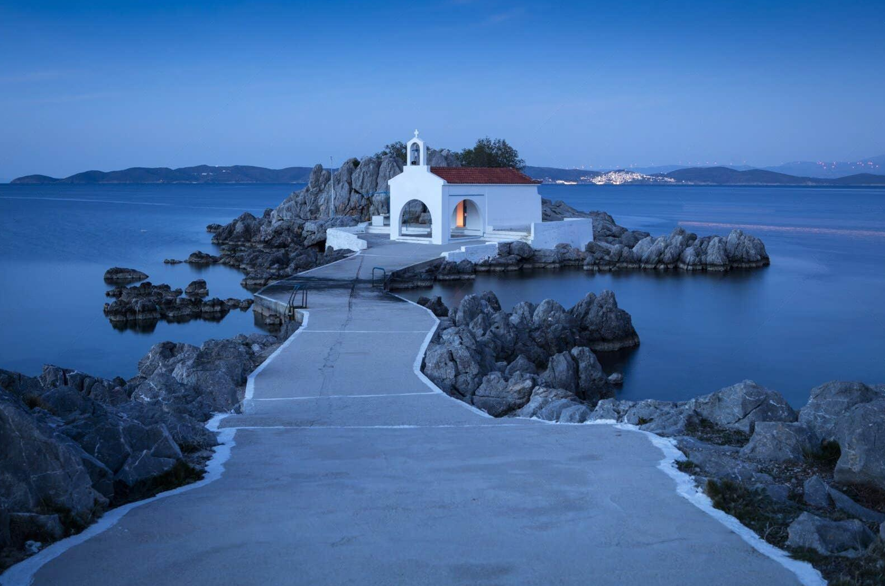
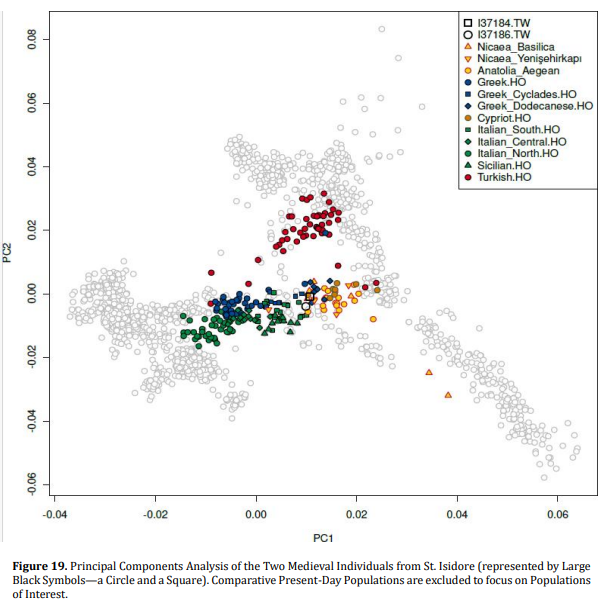
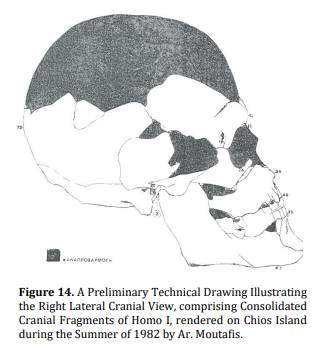
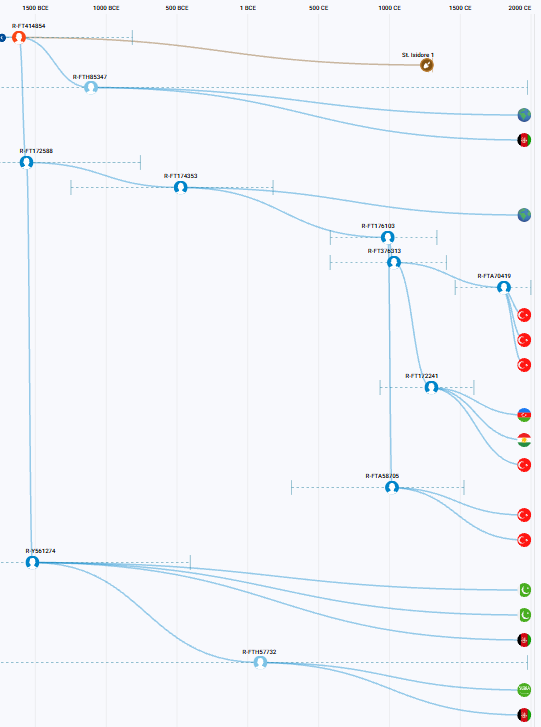
Got my first notable (NEW) ancient Y-DNA match with a Greek who died and was buried at St. Isidore Cathedral on Chios Island, Greece. Has the paternal lineage R1a-Z93 > Z2125 > YP413 > FT414854, from which we share a common ancestor who lived in 1590 BCE. Modern FT414854 descendants include Kurds and Afghans. He was either born during 1231 AD or 1260 AD. He died during 1274 AD or 1303 AD. This ancient sample quite clearly has a proto-Iranian mediated lineage, but his autosomal DNA seemingly does not look different from other Greek counterparts. This suggests that the Iranian paternal lineage had long since been mediated into the local Greek gene pool he belonged to by the time he was born. Overall the ancient genetic sample has quite decent Y-DNA coverage, but given typical ancient DNA degradation, there is a reasonable chance the placements could be more precise and closer in time and position than currently shown. Therefore his DNA match with our Kurdish branch could potentially be much more closely linked. But to be clear, he could also just match the Afghan branches, or remain as a diverged lineage from all of us. The nature of this haplogroup is Iron Age south central Asian Iranian. This is because the modern diversity of this haplogroup, including notable upstream diversity on FGC22248, is centred around Afghanistan. A Turkic mediation should be discounted, especially routes mediated via steppe Iranians since their Y-DNA is well understood, and typically falls under different R1a lineages such as R-Y57 and R-YP5505. Interestingly, among modern samples there is one Anatolian Turk under FT414854 falls within a large Kurdish Y-DNA cluster that formed in 1052 AD and shows a slight shift toward Iranian autosomal ancestry. There is also an Azeri within this same Kurdish cluster who has several Kurdish DNA matches after 1320 AD. These samples do not impact the diversity of FGC22248 which is strongly rooted among SCA descended Iranics like Achomis. The cause of the mediation of this Iranian haplogroup into the ancient Greek sample remains unclear outside of it being non-steppe Iranian, but it could realistically range from Achaemenid to early Islamic movements. If the Iranian ancestor of this Greek sample lived approximately between 600 AD and 1200 AD, then the probability of him belonging to the Kurdish branch FT176103 is quite high, as there are numerous historical accounts of Kurds entering Byzantine service in the early Islamic period. This Cathedral in which this ancient Greek was found was built to honour its patron saint, commemorating his martyrdom and burial site. It also preserves legends of St. Merope of Ephesus, who was martyred for defying Roman orders by burying St. Isidore and was interred nearby. Its foundations reportedly overlay a Roman era necropolis. This Greek was buried alongside a female. To learn more about these two burials and the site they belong to, read the following publication as its quite interesting: academia.edu/154182289/Sacr…
Ari tweet mediaAri tweet mediaAri tweet mediaAri tweet media
English
5
4
53
9.3K
Ari
Ari@KurdiCompendium·
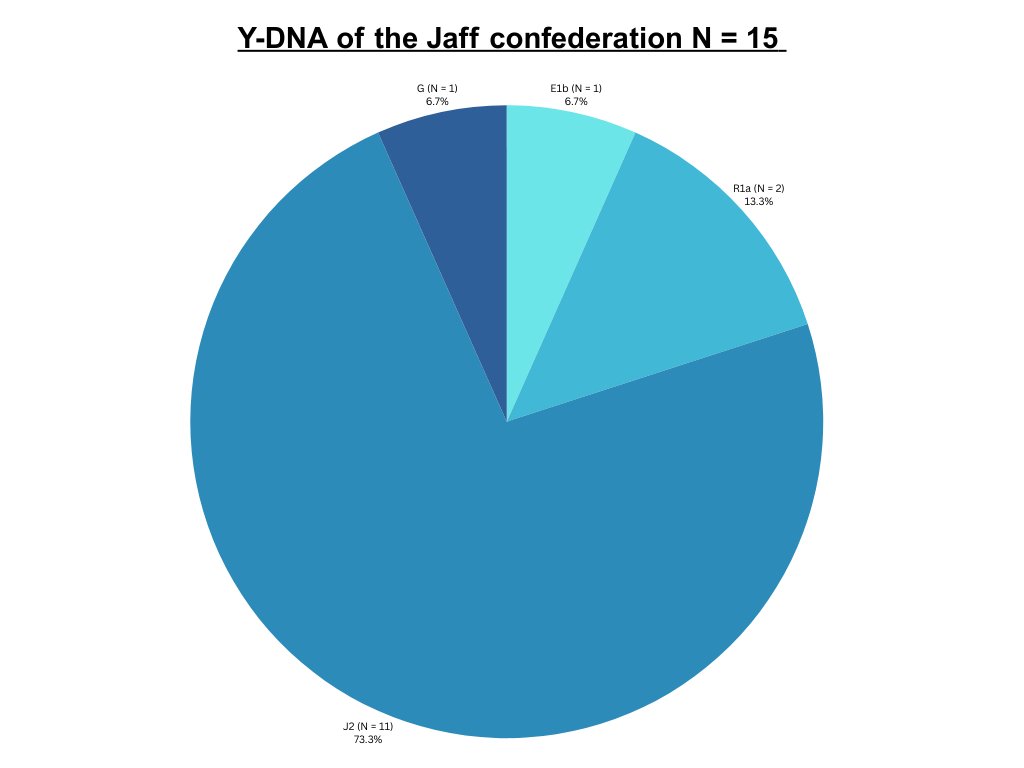
It's a bit early to draw firm conclusions, but it seems that the Jaff tribal core consists of ex-Goranis or Southern Kurds, rather than an original Sorani tribe. The Borakay J2 lineage found among them most likely matches the L210 > FTC38265 branch seen in Hawramis and tribeless Suli samples. The leading clan of the Jaffs (The branch of Kaikhusru tested through Daud Beg), match a major old religious Hawrami family (House of Tavil) on J2-L70 > CTS3601, and possibly on the downstream FGC2861. Interestingly, testers from this particular lineage are almost entirely Arabized or Turkified in Iraq over the past 1250 years or so. Out of 5 known testers, 4 are Iraqi Arabs and one is an Iraqi Turkmen. It should also be noted that some of the largest tribal cores among Iraqi Turkmens descend from ex-Goranis. To a much smaller degree Iraqi Arabs also. A few pieces of historical data may also align with this finding: 1). The region the Jaffs come from is not within the historical range of Sorani but rather a very late stage of Sorani expansion. Southern Sorani is spoken there with clear Gorani-type influences. 2). Soane in 1913 states: "[...] the Jaf, a Kurdish nomad tribe of great strength, speaking an original Kurdish language much corrupted and mingled with Lurish forms." (probably means SK?) Make of this what you will. 3). The Encyclopedia of Missions (1891) states that, aside from the speakers of "the original and beautiful Jaff language (CK)," who reportedly include many Gorans who forsook their language, there are "Kocher (nomadic) Jaffs" who speak Goranic. 4). Sultan Sahak supposedly had a Jaff mother, and a renowned Yarsan poet is Abidin Jaff. Jaff princes also often sponsored Gorani poetry. What possibly happened is that after the majority of Jaff were driven out of Jawanrud by the Ardalans (Goran) and took refuge among the Sakri Babans around the year 1700, their elite adopted Central Kurdish (CK) due to its prestige, and the remainder of the confederation followed suit over the next two centuries. As Jaff strength grew, they eventually became associated with Sorani, and the non-Jaffs they presided over began adopting it as well, due to the prestige of the Jaffs. The Jaff link to the Jawaniyyah tribe needs to be investigated further. Jawaniyyah were attested by Al-Masudi in the 900s where they formed an emirate east of Baghdad, before fizzling out and seemingly Arabising. This could be why there are so many Iraqis with the Jaff haplo, but Iraqis independently have a decent amount of Goran lineages anyways. The etymology of Jaff supposedly comes from a corruption of Jaw(an) > Javan > Jafan, but I'm not sure if this is confirmed. Jaff name being tied to their homeland of Jwanru is perfectly reasonable if this linguistic etymology is correct. The Yazidi Mishur of Pir Sini Darani from the beginning of the 1200s mentions a tribe called Jwankan. This could be a link, but i wouldn't assert it as a fact. We need much larger sample sizes to compare the lineages, both modern and ancient in the future, to draw more definitive conclusions. I will revisit this topic at a later date when more evidence piles up.
Ari@KurdiCompendium

Patrilineal lineage of one of the largest Kurdish tribal confederations, the Jaffs. It should be noted immediately that the Jaffs have multiple branches of J2, and their high frequency is most likely a fluke rather than the result of a bottlenecked lineage shared across all tribes of the confederation. Dawood Fattah Beg Al Jaff has the lineage J2 Z438, likely falling under J2 L70 > FGC2861. The paternal male cousin of Hanna Jaff is currently undergoing complete Y700 sequencing to determine the exact position of their paternal lineage. This family is, or historically was, the leading clan of the confederation. The Borakay tribe has the patrilineal lineages J2 Z7700 > Y68577, R1a Z93, and J2 M67, potentially J2 L210. The Waisi clan shares the same lineage as the Borakays, J2 Z7700 > Y68577. The most famous member of this clan is the singer Aziz Waisi. 1 J2 M47 result comes from the Palani clan. Various other results without specific tribal or clan identification among the Jaffs include: 1 R1a YP4141 from Slemani 1 J Y8344 Sharazuri, (possibly unreliable, claims begzade) 1 G Z36520, potentially G Y164809, from Slemani, originally from Diwandarreh 1 E V12 > BY74420 from Slemani Unknown locations include two unsequenced J2 samples with no further information; one J2 L70, one J2 PF5040, and one J2 L210.

English
2
2
29
3.1K
Ari
Ari@KurdiCompendium·
Patrilineal lineage of one of the largest Kurdish tribal confederations, the Jaffs. It should be noted immediately that the Jaffs have multiple branches of J2, and their high frequency is most likely a fluke rather than the result of a bottlenecked lineage shared across all tribes of the confederation. Dawood Fattah Beg Al Jaff has the lineage J2 Z438, likely falling under J2 L70 > FGC2861. The paternal male cousin of Hanna Jaff is currently undergoing complete Y700 sequencing to determine the exact position of their paternal lineage. This family is, or historically was, the leading clan of the confederation. The Borakay tribe has the patrilineal lineages J2 Z7700 > Y68577, R1a Z93, and J2 M67, potentially J2 L210. The Waisi clan shares the same lineage as the Borakays, J2 Z7700 > Y68577. The most famous member of this clan is the singer Aziz Waisi. 1 J2 M47 result comes from the Palani clan. Various other results without specific tribal or clan identification among the Jaffs include: 1 R1a YP4141 from Slemani 1 J Y8344 Sharazuri, (possibly unreliable, claims begzade) 1 G Z36520, potentially G Y164809, from Slemani, originally from Diwandarreh 1 E V12 > BY74420 from Slemani Unknown locations include two unsequenced J2 samples with no further information; one J2 L70, one J2 PF5040, and one J2 L210.
Ari tweet media
English
5
6
42
10.1K