Sabitlenmiş Tweet
KuyaAllen
1.3K posts

KuyaAllen
@KuyaAllenE
Restart. Recalibrate. Reconquer.
Katılım Ağustos 2019
185 Takip Edilen361 Takipçiler

Nabasa ko lang, the employees in the Philippines are the #1 most stressed in South East Asia. Pang-5 tayo sa pinaka masayang bansa in the same region. Pang-76th naman in the world.
Pahinga. Hingang malalim. Ingatan ang sarili.
Pilipinas, September is self-care awareness month.
Filipino
KuyaAllen retweetledi

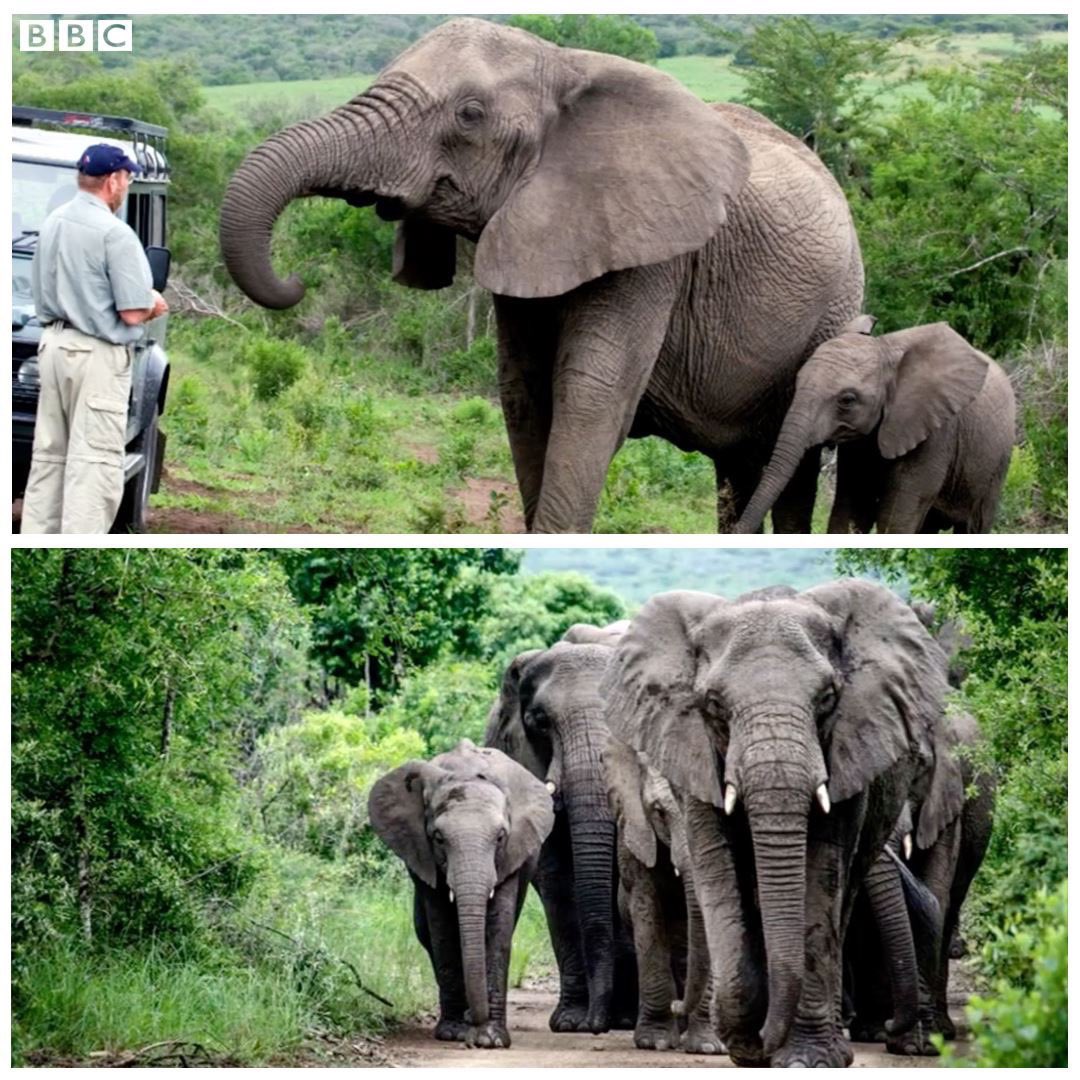
In 2012, a herd of elephants walked for 12 hours to the house of Lawrence Anthony ( the man who had saved them) following his passing, even though no one alerted them to the event
They stood around the house in an apparent vigil for two days, in quiet contemplation
Exactly a year later, on the anniversary of his passing, the same herd once more made the journey to his house.

English

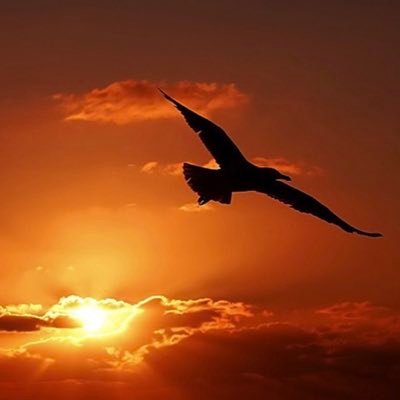
𝐘𝐎𝐔 𝐀𝐑𝐄 𝐘𝐎𝐔 - 𝐘𝐀𝐘!
You’ll end up miserable trying to live a life while pretending to be somebody you’re not.
You are you. You grow you.
Find your strengths, reinforce them.
Acknowledge your weaknesses, improve.
#goals2023
English
KuyaAllen retweetledi

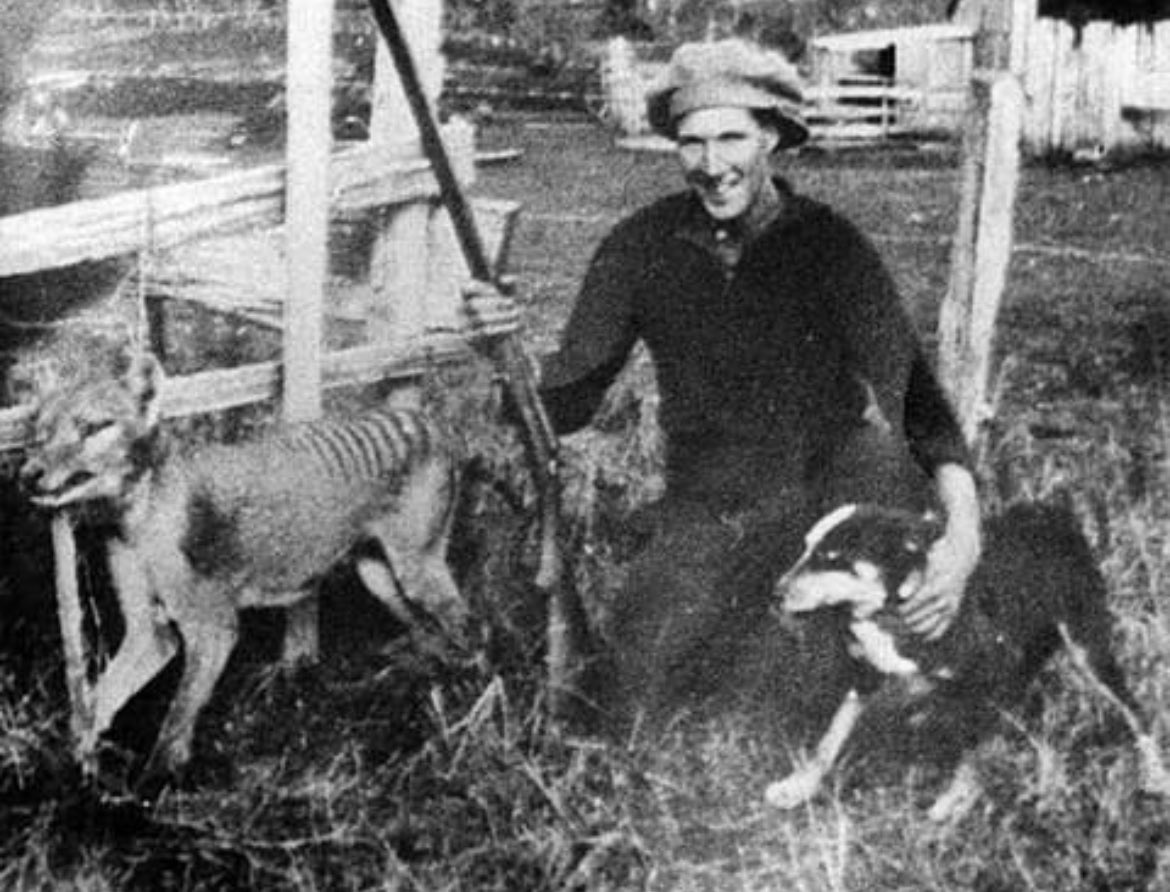
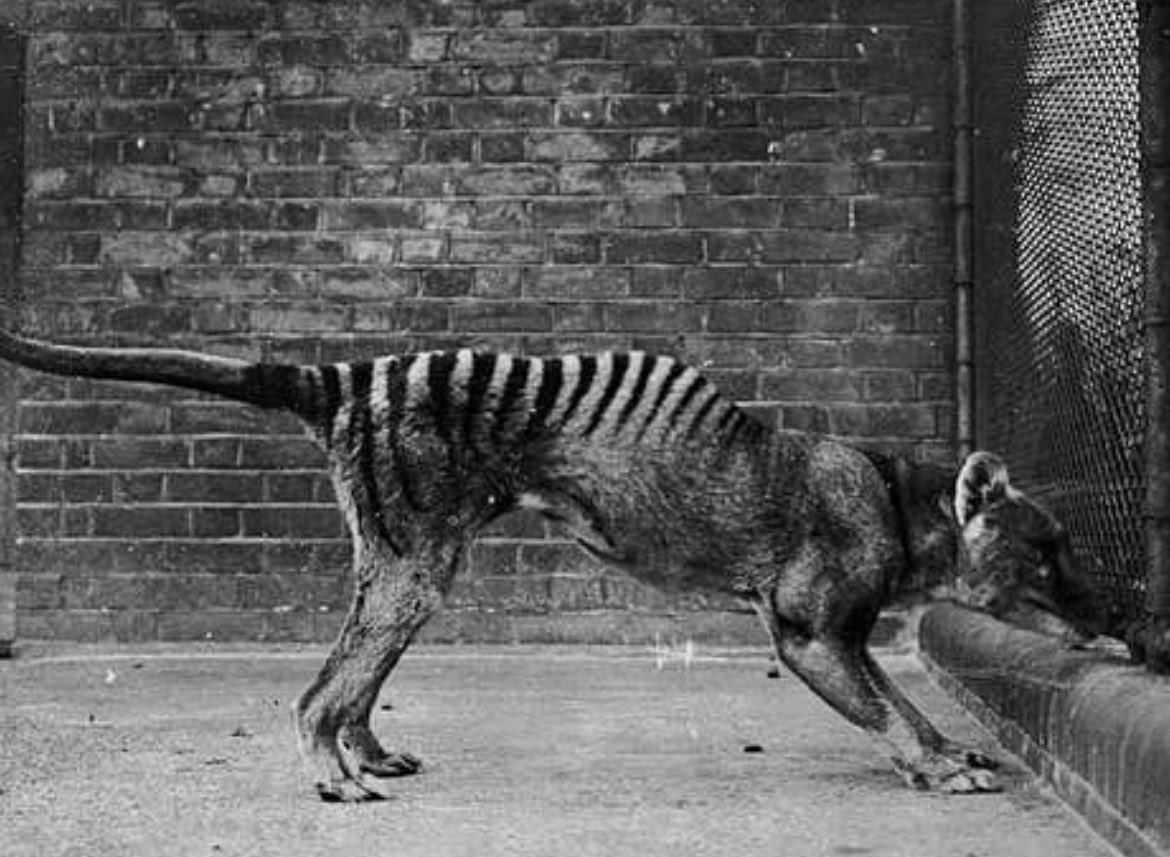
Wilfred Batty of Mawbanna, Tasmania, holds a significant place in the history of the Tasmanian tiger, also known as the thylacine. He is famously remembered as the person responsible for shooting the last known Tasmanian tiger in the wild. This unfortunate event took place in May 1930, when Batty discovered the tiger in his hen house.
During the late 19th and early 20th centuries, the Tasmanian government implemented a controversial bounty program that offered a monetary reward for every dead Tasmanian tiger. This program aimed to protect livestock by reducing the thylacine population, as the marsupials were occasionally known to prey upon chickens and sheep. The bounty offered was £1 per head, a considerable amount at the time, which would be equivalent to £100 or more in today's currency.
It was against this backdrop that Wilfred Batty encountered the last Tasmanian tiger in the wild. Faced with the prospect of losing his chickens to this elusive creature, Batty made the fateful decision to shoot the animal. In doing so, he unwittingly became a part of history, forever linked to the tragic demise of an entire species.
Sadly, this was not the end of the thylacine's story. The last known Tasmanian tiger, named Benjamin, spent the remainder of its days in captivity at the Beaumaris Zoo in Hobart, Tasmania. Benjamin's life became a symbol of the devastating impact of human activity on wildlife. Despite efforts to breed Benjamin with a female thylacine, no offspring were produced, and the species was unable to recover from the brink of extinction.
On September 7, 1936, Benjamin took its final breath, marking the end of an era. The death of this iconic animal served as a stark reminder of the irreversible consequences of human actions and the importance of conservation efforts.


English