Faerie Liquid 🎗️

1.3K posts

Faerie Liquid 🎗️ banner
Faerie Liquid 🎗️

Faerie Liquid 🎗️

@LFaeries96241

🇮🇱🇮🇱🇮🇱🇮🇱🇮🇱

Here Katılım Ocak 2024
1.1K Takip Edilen1.1K Takipçiler
Faerie Liquid 🎗️ retweetledi
⭕️Faerie ❤️
⭕️Faerie ❤️@LiquidFaerie·
On 7 October 2023, while Hamas terrorists were still inside Israeli territory slaughtering civilians, raping women and dragging hostages across the border into Gaza, the Palestine Solidarity Campaign decided the moment had come to ring the Metropolitan Police. At 12:50 pm British Summer Time – 2:50 pm in Israel – an organiser calmly notified the Met of plans for a national march in London the following Saturday, 14 October. Let that sink in. At the precise moment the call was made, a barbaric and savage attack was still raging in the kibbutzim, at the Nova site and towns of southern Israel. Hostages were being abducted in real time. Rockets were still raining down on Israeli communities. Prime Minister Netanyahu had declared the country “at war” only three hours earlier. Israeli forces would not regain full control of the attacked areas until the 10th October. Yet, the PSC’s priority, with the massacre still unfolding live on social media & telegram channels around the world, was to ensure their protest could go ahead in seven days’ time. The @metpoliceuk , to their eternal discredit, simply logged the notification. No objection. No urgent questions about the grotesque timing. No suggestion that perhaps organising a mass demonstration while civilians of every nationality were being butchered might indicate something other than pure concern for Gaza. Under the Public Order Act the police do not “grant permission” for protests; they merely note the details and impose conditions if they see fit. Conditions were indeed imposed later under Sections 12 and 14, restricting the route and keeping demonstrators away from the Israeli Embassy. However, the march itself was never in doubt. The notification was accepted with bureaucratic indifference while the blood was still flowing in Israel. This was not some administrative oversight. It was the glaringly obvious clue the Met refused to see. When a group phones the police to announce a major demonstration at the exact moment Jews and others are being hunted, raped and murdered in Israel, the reasonable observer might conclude that the organisers are not exactly heartbroken by the slaughter. The PSC’s haste spoke volumes. They were not reacting to a war that had not yet begun; they were reacting to a successful terrorist atrocity that was still in progress. And the Met, guardian of public order in the capital, treated it as just another Saturday-afternoon booking. The following day, 8th October, smaller crowds had already gathered outside the Israeli Embassy in what were described as “emergency” protests. By Monday 9th October another demonstration was held directly outside the embassy gates. I remind you, Israel didn’t gain control until the 10th October. The police were present, they imposed restrictions rather than cancellations. The message was clear: the right to assemble, even in grotesque celebration of an ongoing massacre, would be protected. British law safeguards peaceful protest. What it does not require is that the police pretend not to notice when the timing of that protest is itself an act of contempt. The PSC’s telephone call on the 7th October was not neutral administration; it was a political statement delivered while the terrorists’ work was still unfolding. That the Metropolitan Police logged it without a murmur of unease tells you everything you need to know about institutional blindness in the face of hatred. The march went ahead. The bodies were still being counted. London’s streets bore witness to what the organisers truly felt the moment the attack began.​​​​​​​​​​​​​​​​​​​​​​​​​​​​​​​​​​​​​​​​​​​​​​​​​​ It was a celebration & everyone should be disgusted & appalled. The UK has this official “severe” terrorist warning hanging over it right now. But for every one of my Jewish British friends, that warning didn’t arrive from this government alert. It hit at 12.50 on 7 Oct, with that phone call & the institutional indifference to it.
⭕️Faerie ❤️ tweet media
English
20
95
217
2.9K
Faerie Liquid 🎗️ retweetledi
⭕️Faerie ❤️
⭕️Faerie ❤️@LiquidFaerie·
You know, there’s this chapter in history that cuts through so much of the noise around the Israel ‘palestine’ story, and hardly anyone talks about it. It’s the Peel Commission of 1937. Picture this. After the Balfour Declaration and the San Remo Conference, the British Mandate covered everything we now call Israel and Jordan. Britain had promised a national home for the Jews in that whole stretch of land. Then, in 1921 and 1922, Winston Churchill drew a line down the Jordan River. 78% of the mandate, the bigger eastern chunk, was carved off and handed to Arab rule. That became Jordan. Jews kept the west bank of the river. Arabs got most of the territory. First partition done. Yet the fighting over the remaining 22% never stopped. In 1929 came the massacres in Hebron and other towns. Then the Great Arab Revolt, led by Haj Amin al-Husseini, brought years of coordinated attacks on Jewish communities. By 1937 Britain had had enough. They set up the Peel Commission to find a way out. What they proposed was stark. Of that leftover 22%, the Jews were offered a narrow, broken strip, roughly 15% of it, along the coast and in Galilee. No big immigration allowed, tight rules on land. The Arabs were offered about 80%, including the Negev, Judea, Samaria and the Jordan Valley. Five percent stayed international. Think about that for a second. After already giving up 78% of the original homeland, the Jews were now looking at just 3% of the whole mandate. It was tiny, it was unfair, and it came with strings. Still, after fierce arguments inside the Zionist movement, they said yes. Not because it felt right, but because any state was better than none at all. The Arab leadership? They said no. No talks, no counter-offer, just flat rejection. That moment in 1937 laid the pattern bare. One side ready to accept a small, imperfect Jewish state. The other side refusing any Jewish state, whatever the size. It wasn’t about borders or details. It was about existence. And that same refusal has echoed down the decades, You see, no matter what the Arabs are offered, they always refused. There should be no more offers, that old adage of offering a hand & they take an arm seems pertinent.
⭕️Faerie ❤️ tweet media
English
35
246
597
12.8K
Faerie Liquid 🎗️ retweetledi
⭕️Faerie ❤️
⭕️Faerie ❤️@LiquidFaerie·
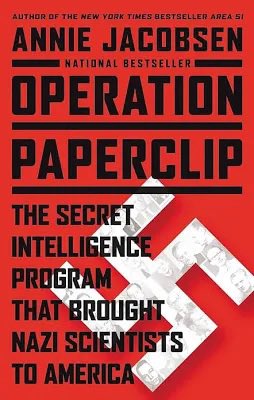
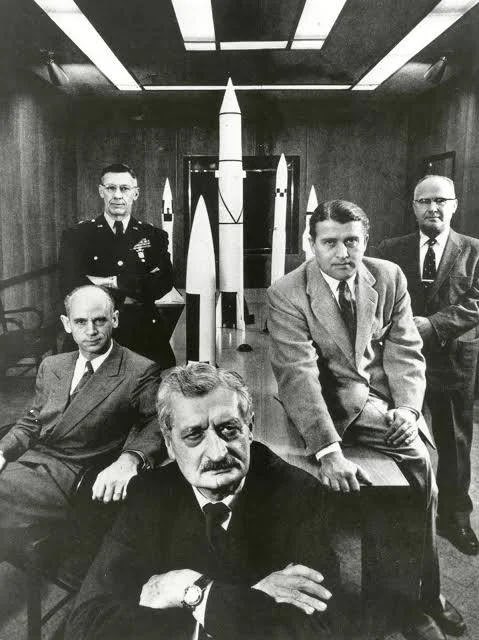
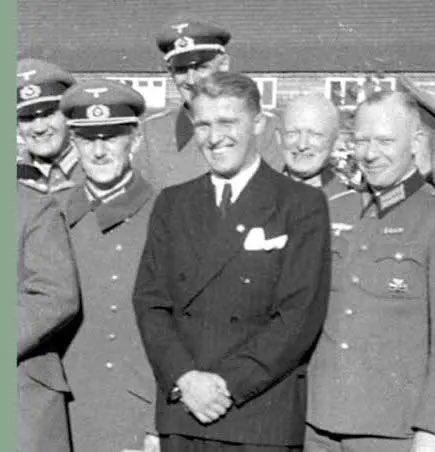
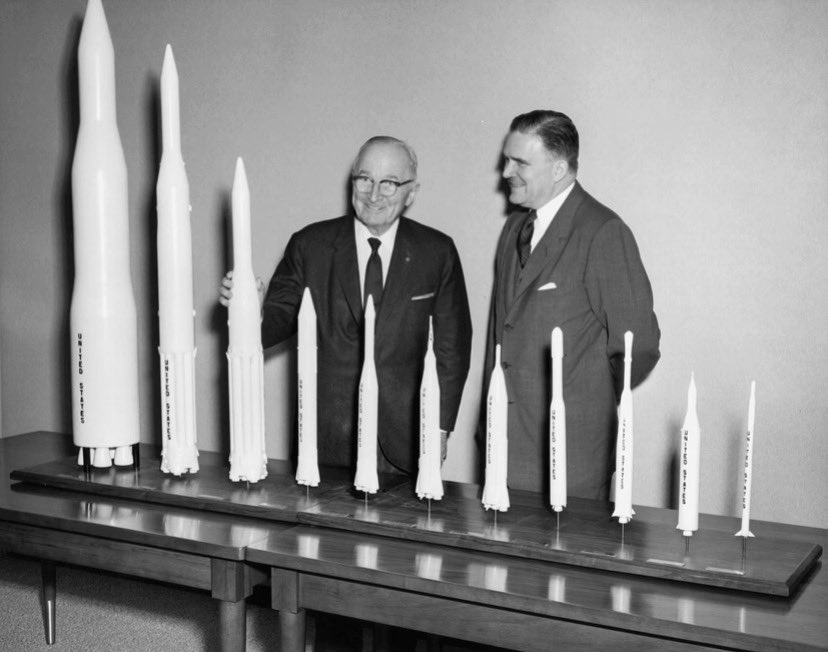
𝑵𝒂𝒛𝒊𝒔 𝒊𝒏 𝑨𝒎𝒆𝒓𝒊𝒄𝒂: 𝑻𝒉𝒆 𝑷𝒐𝒔𝒕-𝑾𝒂𝒓 𝑹𝒆𝒇𝒖𝒈𝒆 𝑻𝒉𝒂𝒕 𝑺𝒉𝒂𝒑𝒆𝒅 𝒂 𝑵𝒂𝒕𝒊𝒐𝒏 🧵 ————————— “𝑇ℎ𝑒𝑟𝑒 𝐼 𝑤𝑎𝑠 𝑙𝑖𝑣𝑖𝑛𝑔 𝑟𝑜𝑦𝑎𝑙𝑙𝑦 𝑖𝑛 𝑎 𝑠𝑘𝑖 ℎ𝑜𝑡𝑒𝑙 𝑜𝑛 𝑎 𝑚𝑜𝑢𝑛𝑡𝑎𝑖𝑛 𝑝𝑙𝑎𝑡𝑒𝑎𝑢,” Wernher von Braun later recalled, “𝑡ℎ𝑒 𝐹𝑟𝑒𝑛𝑐ℎ 𝑏𝑒𝑙𝑜𝑤 𝑢𝑠 𝑡𝑜 𝑡ℎ𝑒 𝑤𝑒𝑠𝑡, 𝑎𝑛𝑑 𝑡ℎ𝑒 𝐴𝑚𝑒𝑟𝑖𝑐𝑎𝑛𝑠 𝑡𝑜 𝑡ℎ𝑒 𝑠𝑜𝑢𝑡ℎ. 𝐵𝑢𝑡 𝑛𝑜 𝑜𝑛𝑒, 𝑜𝑓 𝑐𝑜𝑢𝑟𝑠𝑒, 𝑠𝑢𝑠𝑝𝑒𝑐𝑡𝑒𝑑 𝑤𝑒 𝑤𝑒𝑟𝑒 𝑡ℎ𝑒𝑟𝑒.” In the chaotic final days of the Second World War, the rocket engineer and his team deliberately positioned themselves in the Austrian Alps to surrender to advancing American forces rather than the Red Army. On 2 May 1945 they gave themselves up. Within months, von Braun and more than 100 of his colleagues had been secretly transported to the United States. Their Nazi pasts, including von Braun’s own membership of the SS, were quietly set aside. By September 1945 the first group had arrived at Fort Bliss in Texas to begin work for the US Army. It was the start of one of the most controversial intelligence operations in American history. 𝑶𝒑𝒆𝒓𝒂𝒕𝒊𝒐𝒏 𝑷𝒂𝒑𝒆𝒓𝒄𝒍𝒊𝒑: 𝑆𝑐𝑖𝑒𝑛𝑐𝑒 𝑂𝑣𝑒𝑟 𝑆𝑐𝑟𝑢𝑝𝑙𝑒𝑠 ———————— The programme that brought von Braun to America was originally called Overcast and later renamed Operation Paperclip. Run by the Joint Intelligence Objectives Agency, it ultimately relocated more than 1,600 German scientists, engineers and technicians, along with their families, between 1945 and the early 1960s. The aim was simple: to harness German expertise for the Cold War and deny it to the Soviet Union. Nazi Party memberships and wartime records were deliberately obscured or removed from files, a bureaucratic sleight of hand that gave the operation its name, after the paperclips used to attach revised biographies. Wernher von Braun, who had joined the Nazi Party in 1937 and the SS in 1940, had directed the V-2 rocket programme at Peenemünde. The weapon killed thousands of civilians in Britain and the Low Countries. Its production at the underground Mittelwerk factory relied heavily on slave labour from the Mittelbau-Dora concentration camp complex. Roughly 20,000 prisoners, including many Jews as well as political prisoners and others, died there from exhaustion, starvation, disease, beatings, hangings and executions. Von Braun visited the Mittelwerk facility at least a dozen times. He was aware of the brutal conditions and participated in decisions about the deployment of prisoner labour. As technical director he bore responsibility within a system that exploited and caused the deaths of thousands of concentration camp inmates to build the rockets. In America he became a celebrity. He helped develop the Redstone and Jupiter missiles before transferring to NASA, where he led the team that designed the Saturn V rocket. That vehicle carried the Apollo astronauts to the Moon in 1969. Arthur Rudolph, production manager of the V-2 programme and a man an American investigator once described as “100% NAZI, dangerous type,” followed a similar path. A member of the Nazi Party since 1931 and the SA stormtroopers, he too arrived under Paperclip. He rose to become a senior figure at NASA and played a key role in the Saturn V project. In 1984, facing investigation by the US Justice Department’s Office of Special Investigations for his treatment of slave labourers at Mittelbau-Dora, he renounced his American citizenship and returned to Germany. Kurt Debus, who had belonged to both the SA and the SS, directed the launch of America’s first satellite and later became the first director of NASA’s Kennedy Space Center. 1/2⬇️
⭕️Faerie ❤️ tweet media⭕️Faerie ❤️ tweet media⭕️Faerie ❤️ tweet media⭕️Faerie ❤️ tweet media
English
8
20
52
1.1K
Faerie Liquid 🎗️ retweetledi
⭕️Faerie ❤️
⭕️Faerie ❤️@LiquidFaerie·
𝑩𝒐𝒐𝒎 𝑭𝒆𝒔𝒕𝒊𝒗𝒂𝒍: 𝑷𝒆𝒂𝒄𝒆, 𝑳𝒐𝒗𝒆, 𝒂𝒏𝒅 𝑺𝒆𝒍𝒆𝒄𝒕𝒊𝒗𝒆 𝑩𝒍𝒊𝒏𝒅𝒏𝒆𝒔𝒔 —————————— How terribly original. Another psytrance gathering draped in tie-dye and self-righteousness has decided that “peace” means sailing towards Gaza while conveniently forgetting the actual massacre at a similar event just a few years ago. Well done, Boom. You’ve turned hypocrisy into an art form. For those keeping score, Thiago, one of Booms own team members, is now enjoying Israeli hospitality after joining a “peaceful flotilla” heading to Gaza. Boom’s response? A sanctimonious statement declaring that “PEACE IS NOT A CRIME” and denouncing his detention as some dreadful affront to pacifism. They appeal to the global psytrance community, particularly those in the country whose authorities had the nerve to arrest these floating humanitarians. “Pacifism is not terrorism”, they solemnly intone. “Only love brings love.” Spare us the incense and didgeridoos. Since 7/10 they opened their wallets for Oxfam and Doctors Without Borders (MSF) in Gaza. How generous. How enlightened. Never mind that MSF has well-documented form when it comes to rather cosy associations with Hamas operatives and infrastructure. Never mind that someone actually spoke to them on the phone in 2024 with a polite warning about exactly where that cash might end up. They knew “precisely what they were doing”, apparently. Of course they did. Yet when it came to the Nova festival - their fellow psytrance brothers and sisters slaughtered, raped, and dragged into tunnels in the most barbaric attack on a dance floor in living memory – Boom’s legendary compassion suddenly evaporated. Not one solitary cent for the survivors drowning in PTSD and trauma. Not a whisper of support for the Israeli kids whose “oneness” experience involved Hamas butchers rather than glow sticks and unity mantras. The “we are one” ethos appears to have strict geographic and ethnic exclusions. How very selective this universal love turns out to be. One minute they are co-creating spaces free from dominant culture; the next they are cheerleading for a cause that has made an industry out of dominant barbarism. Performative nonsense dressed up as moral courage. They celebrate oneness, apparently, except when that oneness includes Jews dancing at a festival much like their own. Then the compassion mysteriously dries up, replaced by flotilla cosplay and fundraising for outfits with questionable friends in Gaza. Israelis & all Jews would do well to give Boom a wide berth. This is not a festival; it is a hypocrisy rave with better visuals. The same crowd that preaches love and peace cannot find it in their hearts to support the victims of 7 October, but they can certainly find funds and solidarity for those on the other side of the conflict. Actions, as they say, speak louder than the thumping basslines. If this is what Boom’s much-vaunted values look like in practice – supporting one side’s suffering while airbrushing the other – then their “peace” was never about peace at all. It was always about picking a side and pretending the choice was virtuous. The psytrance scene deserves better than this fashionable delusion. So do the principles of actual humanism, which apparently stop at the Israeli border.
⭕️Faerie ❤️ tweet media
English
8
14
62
2K
Faerie Liquid 🎗️ retweetledi
⭕️Faerie ❤️
⭕️Faerie ❤️@LiquidFaerie·
It is hard to imagine what it must have felt like for those Jewish families in Topoľčany. They had survived the Holocaust, lost so much, and finally made their way home, only to discover that the hatred had not ended with the war. On 24 September 1945, in this small Slovak town, one of the worst postwar attacks on Holocaust survivors unfolded. It was not some isolated outburst. It grew straight out of resentment over stolen property and old prejudices that had never really gone away. Before the war, about three thousand Jews lived in Topoľčany, making up a lively part of the community. Many owned shops and businesses. Then came the Slovak State under Nazi influence. Jewish homes and shops were seized in what they called Aryanisation. Locals took over two thousand three hundred businesses. When the survivors returned after liberation in 1945, around five hundred and fifty to seven hundred of them, they naturally wanted their things back. That created tension. People who had profited from the theft did not want to hand anything over. Some survivors had even fought as partisans in the Slovak National Uprising, yet they still faced suspicion and threats. The spark that set everything off was a rumour about a local Catholic school. Word spread that the state might take it over and replace the nuns with Jewish teachers. On the morning of the twenty-fourth, around sixty women, mostly mothers, marched to the district committee to protest. They accused Jews of pushing the change so their own children could take over. Tensions were already high from earlier incidents. Stones had been thrown at Jews the day before. Antisemitic leaflets had been circulating for weeks. Then the situation exploded at the school itself. A Jewish doctor named Karol Berger was there doing his job, vaccinating seven- and eight-year-old children against typhus. Some of the kids cried, as children often do during injections. Three mothers complained that the doctor was bothering their little ones. A fourth woman heard the word and ran into the street shouting that Jews were poisoning Christian children. The cry spread like wildfire. A mob of two hundred to three hundred people rushed the school. They dragged Berger out, stabbed him with a knife, and beat him badly. He only escaped with help from a Jewish soldier and hid in the police station before ending up in hospital. What followed was chaotic and frightening. The crowd moved through the streets and into Jewish homes and shops. They beat people with metal rods, rifle butts, and anything they could grab. Homes were looted. One man was even wounded by a hand grenade thrown under his knees. Soldiers from the local garrison joined in rather than stopping it. The small police force, just seven officers, could not control the situation. In fact, some of them took part. The violence spilled beyond the town into nearby villages like Žabokreky, Chynorany, Krásno, and Nedanovce. In Žabokreky, two Jewish partisans who had fought in the uprising were beaten with carbines until they bled. In Chynorany, rioters hunted for Ondrej Weiss and threatened to kill him while they ransacked his apartment and stole the few valuables his family had saved. 1/4⬇️
⭕️Faerie ❤️ tweet media
English
9
133
423
16.1K
Faerie Liquid 🎗️ retweetledi
⭕️Faerie ❤️
⭕️Faerie ❤️@LiquidFaerie·
In 1968 and 1969, Poland’s communist government, led by Władysław Gomułka, ran a state-backed campaign against the country’s remaining Jews. It began after Israel’s victory in the 1967 Six-Day War. Gomułka gave a speech that June, warning of a supposed “fifth column” of Polish Jews who supported Israel. What started as anti-Israeli talk quickly became an anti-Jewish drive inside Poland. The campaign stepped up sharply in March 1968. Student protests had broken out at universities, including Warsaw, over censorship and other grievances. Some of the students had Jewish roots. The authorities used this as an excuse to label the unrest a “Zionist” plot. They launched a huge propaganda effort: thousands of workplace and factory meetings passed resolutions condemning “Zionists.” Official media and party speakers avoided the word “Jew” in public, but everyone understood the target. Purges hit hard. Jews, or people with Jewish ancestry, were removed from jobs in the government, the army, universities, cultural institutions, and the party itself. Generals and high-ranking officers lost posts. Professors and intellectuals faced dismissal. The pressure was systematic: public accusations, loss of position, and social isolation. Many felt they had no future left in Poland. Between 1968 and 1972, roughly 13,000 to 20,000 people of Jewish origin left the country. Most went in 1968 and 1969. The government encouraged or forced their exit, often stripping them of Polish citizenship and making them leave assets behind. They headed mainly to Israel, but also to Sweden, Denmark, the United States, and elsewhere. Before the campaign, only about 25,000 to 30,000 Jews remained in Poland after the Holocaust and earlier waves of emigration. By the early 1970s, just a few thousand were left. It was not street violence like the old pogroms. Instead, it was cold, official pressure that destroyed the last organised Jewish life in Poland. For that reason, some call the 1968 events the “last pogrom.” It ended centuries of Jewish presence in the country in a final, state-driven way. Families who had survived the Holocaust now faced another rupture. Many described a deep sense of betrayal and loss, as if the place they had rebuilt in was turning them out for good. The whole episode also tied into power struggles inside the Communist Party. Figures like General Mieczysław Moczar pushed the campaign to sideline rivals. The human cost fell squarely on Poland’s small Jewish community. It left the country quieter, smaller in diversity, and with a painful chapter that still echoes today. 1/5⬇️
⭕️Faerie ❤️ tweet media⭕️Faerie ❤️ tweet media
English
4
54
121
3.5K
Faerie Liquid 🎗️ retweetledi
⭕️Faerie ❤️
⭕️Faerie ❤️@LiquidFaerie·
Ani Maamin ACAPELLA - Shlomo Carlebach Feat. Eli Levin | אני מאמין ווקאלי - ר' שלמה קרליבך ואלי לוין
1
8
35
1.1K
Faerie Liquid 🎗️ retweetledi
⭕️Faerie ❤️
⭕️Faerie ❤️@LiquidFaerie·
78 𝑦𝑒𝑎𝑟𝑠 𝑠𝑖𝑛𝑐𝑒 𝑡ℎ𝑒 𝑐𝑟𝑦 𝑟𝑜𝑠𝑒 𝑓𝑟𝑜𝑚 𝑡ℎ𝑒 𝑟𝑢𝑖𝑛𝑠, 𝑠𝑐𝑎𝑡𝑡𝑒𝑟𝑒𝑑 𝑐ℎ𝑖𝑙𝑑𝑟𝑒𝑛 𝑏𝑒𝑔𝑎𝑛 𝑡ℎ𝑒 𝑙𝑜𝑛𝑔 𝑤𝑎𝑙𝑘 ℎ𝑜𝑚𝑒. 𝑇ℎ𝑒𝑦 𝑐𝑎𝑟𝑟𝑖𝑒𝑑 𝑛𝑜𝑡ℎ𝑖𝑛𝑔 𝑏𝑢𝑡 𝑚𝑒𝑚𝑜𝑟𝑦 𝑎𝑛𝑑 𝑠𝑡𝑢𝑏𝑏𝑜𝑟𝑛 ℎ𝑜𝑝𝑒. 𝑆𝑢𝑖𝑡𝑐𝑎𝑠𝑒𝑠 𝑡𝑖𝑒𝑑 𝑤𝑖𝑡ℎ 𝑠𝑡𝑟𝑖𝑛𝑔, 𝑡𝑜𝑛𝑔𝑢𝑒𝑠 𝑜𝑓 𝑒𝑥𝑖𝑙𝑒 𝑌𝑖𝑑𝑑𝑖𝑠ℎ, 𝐿𝑎𝑑𝑖𝑛𝑜, 𝐴𝑟𝑎𝑏𝑖𝑐, 𝐴𝑚ℎ𝑎𝑟𝑖𝑐, 𝑅𝑢𝑠𝑠𝑖𝑎𝑛 𝑢𝑛𝑡𝑖𝑙 𝐻𝑒𝑏𝑟𝑒𝑤 𝑟𝑒𝑡𝑢𝑟𝑛𝑒𝑑 𝑙𝑖𝑘𝑒 𝑎 𝑓𝑜𝑟𝑔𝑜𝑡𝑡𝑒𝑛 𝑚𝑒𝑙𝑜𝑑𝑦 𝑟𝑒𝑚𝑒𝑚𝑏𝑒𝑟𝑒𝑑. 𝑇𝑒𝑛𝑡𝑠 𝑟𝑜𝑠𝑒 𝑜𝑛 𝑠𝑎𝑛𝑑 𝑎𝑛𝑑 𝑠𝑡𝑜𝑛𝑒. 𝑁𝑜 𝑤𝑎𝑡𝑒𝑟. 𝑁𝑜 𝑙𝑖𝑔ℎ𝑡. 𝑂𝑛𝑙𝑦 𝑓𝑖𝑒𝑟𝑐𝑒 𝑠𝑢𝑛 𝑎𝑛𝑑 𝑠𝑖𝑙𝑒𝑛𝑐𝑒. 𝑇ℎ𝑒𝑦 𝑠𝑎𝑛𝑔. 𝑇ℎ𝑒𝑦 𝑝𝑙𝑎𝑛𝑡𝑒𝑑. 𝑇ℎ𝑒𝑦 𝑎𝑟𝑔𝑢𝑒𝑑. 𝑇ℎ𝑒𝑦 𝑏𝑢𝑖𝑙𝑡. 𝑈𝑛𝑑𝑒𝑟 𝐺-𝑑’𝑠 ℎ𝑎𝑛𝑑 𝑜𝑟 𝑏𝑒𝑐𝑎𝑢𝑠𝑒 𝐻𝑖𝑠 ℎ𝑎𝑛𝑑 𝑛𝑒𝑣𝑒𝑟 𝑙𝑒𝑓𝑡 𝑡ℎ𝑒 𝑑𝑒𝑠𝑒𝑟𝑡 𝑏𝑙𝑜𝑜𝑚𝑒𝑑. 𝑂𝑟𝑎𝑛𝑔𝑒 𝑔𝑟𝑜𝑣𝑒𝑠 𝑏𝑟𝑜𝑘𝑒 𝑡ℎ𝑟𝑜𝑢𝑔ℎ 𝑑𝑢𝑠𝑡. 𝑊ℎ𝑒𝑎𝑡 𝑎𝑛𝑠𝑤𝑒𝑟𝑒𝑑 𝑟𝑎𝑖𝑛. 𝐵𝑎𝑟𝑒 ℎ𝑖𝑙𝑙𝑠 𝑑𝑟𝑒𝑠𝑠𝑒𝑑 𝑖𝑛 𝑝𝑖𝑛𝑒 𝑎𝑛𝑑 𝑎𝑙𝑚𝑜𝑛𝑑. 𝑆𝑤𝑎𝑚𝑝𝑠 𝑑𝑟𝑎𝑖𝑛𝑒𝑑. 𝑀𝑎𝑙𝑎𝑟𝑖𝑎 𝑓𝑜𝑟𝑔𝑜𝑡𝑡𝑒𝑛. 𝐿𝑖𝑓𝑒 𝑐𝑜𝑎𝑥𝑒𝑑 𝑓𝑟𝑜𝑚 𝑟𝑜𝑐𝑘 𝑎𝑛𝑑 𝑡ℎ𝑜𝑟𝑛. 𝐶𝑖𝑡𝑖𝑒𝑠 𝑟𝑜𝑠𝑒 𝑤ℎ𝑒𝑟𝑒 𝑗𝑎𝑐𝑘𝑎𝑙𝑠 ℎ𝑜𝑤𝑙𝑒𝑑. 𝐶ℎ𝑖𝑙𝑑𝑟𝑒𝑛 𝑙𝑒𝑎𝑟𝑛𝑒𝑑 𝑡ℎ𝑒𝑦 𝑐𝑜𝑢𝑙𝑑 𝑠𝑡𝑎𝑛𝑑 𝑡𝑎𝑙𝑙 𝑢𝑛𝑎𝑓𝑟𝑎𝑖𝑑. 𝐹𝑟𝑜𝑚 𝑡ℎ𝑒 𝑎𝑠ℎ𝑒𝑠 𝑜𝑓 𝑠𝑖𝑥 𝑚𝑖𝑙𝑙𝑖𝑜𝑛, 𝑎 𝑓𝑙𝑎𝑚𝑒 𝑘𝑖𝑛𝑑𝑙𝑒𝑑 𝑡ℎ𝑎𝑡 𝑟𝑒𝑓𝑢𝑠𝑒𝑠 𝑡𝑜 𝑑𝑖𝑒. 𝑊𝑒 𝑠𝑝𝑒𝑎𝑘 𝑜𝑢𝑟 𝑎𝑛𝑐𝑖𝑒𝑛𝑡 𝑡𝑜𝑛𝑔𝑢𝑒. 𝑊𝑒 𝑠𝑖𝑛𝑔 𝑜𝑢𝑟 𝑠𝑜𝑛𝑔𝑠. 𝑊𝑒 𝑑𝑒𝑓𝑒𝑛𝑑 𝑜𝑢𝑟𝑠𝑒𝑙𝑣𝑒𝑠 𝑤𝑖𝑡ℎ 𝑜𝑢𝑟 𝑜𝑤𝑛 ℎ𝑎𝑛𝑑𝑠. 𝑇ℎ𝑒 𝑙𝑎𝑛𝑑 𝑓𝑙𝑜𝑢𝑟𝑖𝑠ℎ𝑒𝑠. 𝑇𝑜𝑚𝑎𝑡𝑜𝑒𝑠 𝑔𝑟𝑜𝑤 ℎ𝑒𝑎𝑣𝑦 𝑖𝑛 𝑡ℎ𝑒 𝑁𝑒𝑔𝑒𝑣. 𝐼𝑛𝑛𝑜𝑣𝑎𝑡𝑖𝑜𝑛 𝑟𝑖𝑠𝑒𝑠 𝑓𝑟𝑜𝑚 𝑎𝑛𝑐𝑖𝑒𝑛𝑡 𝑠𝑜𝑖𝑙. 𝑂𝑛 𝑆ℎ𝑎𝑏𝑏𝑎𝑡 𝑡ℎ𝑒 𝑛𝑎𝑡𝑖𝑜𝑛 𝑝𝑎𝑢𝑠𝑒𝑠, 𝑏𝑟𝑒𝑎𝑡ℎ𝑖𝑛𝑔 𝑡ℎ𝑒 𝑎𝑖𝑟 𝑜𝑓 𝑎𝑛𝑐𝑒𝑠𝑡𝑜𝑟𝑠 𝑜𝑛 𝑡ℎ𝑒𝑠𝑒 𝑠𝑎𝑚𝑒 ℎ𝑖𝑙𝑙𝑠. 78 𝑦𝑒𝑎𝑟𝑠 𝑦𝑜𝑢𝑛𝑔 3500 𝑦𝑒𝑎𝑟𝑠 𝑜𝑙𝑑 𝑎 𝑏𝑙𝑖𝑛𝑘 𝑖𝑛 𝑒𝑡𝑒𝑟𝑛𝑖𝑡𝑦, 𝑦𝑒𝑡 𝑙𝑜𝑛𝑔 𝑒𝑛𝑜𝑢𝑔ℎ 𝑓𝑜𝑟 𝑎 𝑝𝑒𝑜𝑝𝑙𝑒 𝑡𝑜 𝑟𝑒𝑡𝑢𝑟𝑛, 𝑎 𝑙𝑎𝑛𝑔𝑢𝑎𝑔𝑒 𝑡𝑜 𝑟𝑒𝑣𝑖𝑣𝑒, 𝑎 𝑑𝑒𝑠𝑒𝑟𝑡 𝑡𝑜 𝑡𝑢𝑟𝑛 𝑔𝑟𝑒𝑒𝑛, 𝑎 𝑛𝑎𝑡𝑖𝑜𝑛 𝑡𝑜 𝑏𝑒 𝑏𝑜𝑟𝑛 𝑎𝑛𝑑 𝑠𝑡𝑖𝑙𝑙 𝑠𝑡𝑎𝑛𝑑- 𝑙𝑒𝑎𝑟𝑛𝑖𝑛𝑔, 𝑓𝑖𝑔ℎ𝑡𝑖𝑛𝑔, 𝑢𝑛𝑏𝑟𝑜𝑘𝑒𝑛. 𝑃𝑟𝑜𝑢𝑑. 𝑆𝑡𝑟𝑜𝑛𝑔. 𝐻𝑒𝑟𝑒.​​​​​​​​​​​​​​​​​​​​​​​​​​​​​​​​​​​​​​​​​​​​​​​​​​ Happy Independence Day Israel 💙🇮🇱
⭕️Faerie ❤️ tweet media⭕️Faerie ❤️ tweet media⭕️Faerie ❤️ tweet media
English
18
52
155
1.6K
Faerie Liquid 🎗️ retweetledi
⭕️Faerie ❤️
⭕️Faerie ❤️@LiquidFaerie·
Yakov Smushkevich was a lieutenant general in the Soviet Air Forces & served as commander of the Soviet Air Force from 1939 to 1940. Born on 14 April 1902 in Rokiškis, then part of the Russian Empire and now in Lithuania, he came from a poor Jewish family. Smushkevich completed only three grades of primary school. He joined the Red Army in 1918 at the age of 16 and took part in the Russian Civil War. By the early 1930s he had graduated from military training & commanded a mixed aviation brigade. In 1936 and 1937 he volunteered for the Spanish Civil War, where he served under the pseudonym General Douglas. He played a key role in organising Republican aviation, including operations in the defence of Madrid & actions against Italian forces. For his service he received the title Hero of the Soviet Union on 21 June 1937, becoming the first Jewish Soviet citizen to be awarded this honour. In 1938, while preparing for the May Day parade, Smushkevich was seriously injured in an aircraft crash. He suffered severe leg injuries but recovered returned to duty. In 1939 he commanded Soviet aviation during the Battles of Khalkhin Gol against Japanese forces on the Mongolian border, serving under Georgy Zhukov. For his contribution Smushkevich received a second Hero of the Soviet Union award in November 1939. He became one of the first officers to receive the title twice and the first from the air force. He was later promoted and appointed commander of the entire Soviet Air Force. During the Winter War against Finland in 1939 and 1940, the Soviet Air Forces suffered significant losses. Smushkevich visited forward areas & produced reports that highlighted serious shortcomings, including inadequate pilot training, poor aircraft maintenance, difficulties with navigation in bad weather and weaknesses in the chain of command. A notable portion of the losses resulted from accidents rather than enemy action. Such direct criticism carried risks under Stalin, as it could be interpreted as pointing to systemic failures. Smushkevich was relieved of his post as air force commander in 1940 & reassigned to other aviation oversight roles. Just days before Nazi Germany launched Operation Barbarossa on 22 June 1941, while recovering in hospital from leg surgery, he was arrested on fabricated charges of involvement in an anti-Soviet military conspiracy. On the first day of the German invasion the Luftwaffe carried out surprise attacks on Soviet forward airfields. Many Soviet aircraft were parked in dense, exposed formations without proper dispersal or camouflage. Ground crews received no timely warning. Soviet records indicate that well over 1,000 aircraft were lost on 22 June alone, with the great majority destroyed on the ground. Losses continued to mount rapidly in the following days. These vulnerabilities reflected organisational and readiness problems that Smushkevich had identified in earlier reports. Smushkevich refused to sign false confessions despite interrogation. On 28 October 1941, as German forces advanced towards Moscow, he was executed without trial in Kuybyshev (now Samara) on the personal order of Lavrentiy Beria. He was 39 years old. Several other senior air force officers, including Grigory Shtern and Pavel Rychagov, were executed at the same time. The purges of the late 1930s and continuing into 1941 removed many experienced commanders from the Soviet military. Replacements were chosen for political loyalty rather than expertise. After Stalin’s death his case was reviewed. He was rehabilitated in 1954, the fabricated charges were dropped & his awards were reinstated. A monument now stands in his birthplace of Rokiškis. Smushkevich rose from modest origins through talent & service, yet fell victim to the political repression of the system he had helped defend His fate formed part of the broader damage inflicted on Soviet military leadership in the period immediately before & after the German invasion. 1/2⬇️
⭕️Faerie ❤️ tweet media⭕️Faerie ❤️ tweet media⭕️Faerie ❤️ tweet media
English
3
11
51
1.2K
Faerie Liquid 🎗️ retweetledi
⭕️Faerie ❤️
⭕️Faerie ❤️@LiquidFaerie·
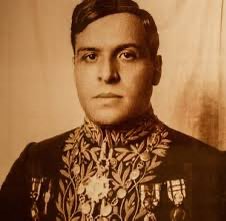
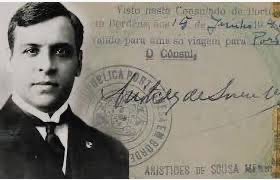
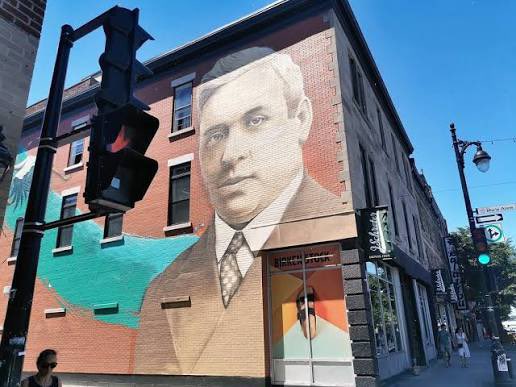
He saved 10 000 Jews at great personal sacrifice this is the story of Aristides de Sousa Mendes do Amaral e Abranches. 🧵 Aristides was born on 19 July 1885 in Cabanas de Viriato, near Viseu in Portugal, into a provincial aristocratic family. His father was a judge on the Coimbra Court of Appeals and his mother was a granddaughter of the 2nd Viscount of Midões. He studied law at the University of Coimbra, graduating in 1908 alongside his twin brother César, who later served as Portugal’s foreign minister. In 1910 he entered the diplomatic service and over the following decades held consular posts in British Guiana, Zanzibar, Brazil, San Francisco, Spain, and Antwerp. In 1908 he married his cousin and childhood sweetheart Maria Angelina Coelho de Sousa. The couple had fourteen children. In 1938 he was appointed consul-general in Bordeaux, with responsibility for south-western France. In November 1939 the Portuguese dictator António de Oliveira Salazar issued Circular 14, an instruction sent to all Portuguese diplomats. It forbade the granting of visas to certain categories of refugees, particularly Jews, Russians, and stateless persons. Portugal remained officially neutral during the Second World War but maintained a regime that was quietly sympathetic to the Axis powers. Sousa Mendes initially complied with the circular, though he issued a small number of visas in defiance of it during late 1939 and early 1940, for which he received official reprimands. Germany invaded France in May 1940. As the German army advanced, hundreds of thousands of refugees fled south towards the Spanish border. Many converged on Bordeaux, where a Portuguese transit visa offered the last realistic route to safety through neutral Spain and Portugal. The consulate at 14 Quai Louis XVIII was besieged. Refugees filled the waiting rooms, staircases & the street outside. They slept in the square and pleaded for help through the windows. Among them was Rabbi Chaim Tzvi Kruger, a Hassidic rabbi originally from Poland who had fled Belgium with his wife and five children. Sousa Mendes invited the family into the consulate and offered them visas. Kruger refused to accept help for his own family alone and begged Sousa Mendes to assist all the Jewish refugees stranded in the city. Sousa Mendes cabled Lisbon twice requesting emergency authorisation. Both requests were denied. For several days he withdrew into his residence. On the morning of 17 June 1940 he emerged and announced to his staff: “𝐹𝑟𝑜𝑚 𝑛𝑜𝑤 𝑜𝑛 𝐼’𝑚 𝑔𝑖𝑣𝑖𝑛𝑔 𝑒𝑣𝑒𝑟𝑦𝑜𝑛𝑒 𝑣𝑖𝑠𝑎𝑠. 𝑇ℎ𝑒𝑟𝑒 𝑤𝑖𝑙𝑙 𝑏𝑒 𝑛𝑜 𝑚𝑜𝑟𝑒 𝑛𝑎𝑡𝑖𝑜𝑛𝑎𝑙𝑖𝑡𝑖𝑒𝑠, 𝑟𝑎𝑐𝑒𝑠 𝑜𝑟 𝑟𝑒𝑙𝑖𝑔𝑖𝑜𝑛𝑠.” His son Pedro Nuno, along with another son José António, his wife, the consular secretary José de Seabra, and Rabbi Kruger, helped establish an assembly line. Passports arrived in stacks. Sousa Mendes and his team stamped and signed them. To speed the process he shortened his signature to “Mendes” or “A. Mendes”. No fees were charged and many visas were issued without being recorded in the official register, preventing Lisbon from easily tracing them. He worked without sleep for days, and by the end his signature had become almost illegible. 1/2⬇️
⭕️Faerie ❤️ tweet media⭕️Faerie ❤️ tweet media⭕️Faerie ❤️ tweet media⭕️Faerie ❤️ tweet media
English
5
23
84
1.3K
Faerie Liquid 🎗️ retweetledi
⭕️Faerie ❤️
⭕️Faerie ❤️@LiquidFaerie·
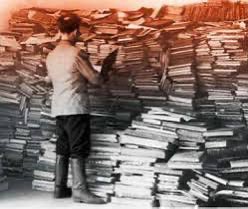
Would you risk your life for a manuscript, a book, a sketch? A group of 40 scholars living under Nazi rule in the Vilna Ghetto did. They were “The Paper Brigade” “𝐺ℎ𝑒𝑡𝑡𝑜 𝑖𝑛𝑚𝑎𝑡𝑒𝑠 𝑙𝑜𝑜𝑘𝑒𝑑 𝑎𝑡 𝑢𝑠 𝑎𝑠 𝑖𝑓 𝑤𝑒 𝑤𝑒𝑟𝑒 𝑙𝑢𝑛𝑎𝑡𝑖𝑐𝑠. 𝑇ℎ𝑒𝑦 𝑤𝑒𝑟𝑒 𝑠𝑚𝑢𝑔𝑔𝑙𝑖𝑛𝑔 𝑓𝑜𝑜𝑑𝑠𝑡𝑢𝑓𝑓𝑠 𝑖𝑛𝑡𝑜 𝑡ℎ𝑒 𝑔ℎ𝑒𝑡𝑡𝑜, 𝑖𝑛 𝑡ℎ𝑒𝑖𝑟 𝑐𝑙𝑜𝑡ℎ𝑒𝑠 𝑎𝑛𝑑 𝑏𝑜𝑜𝑡𝑠. 𝑊𝑒 𝑤𝑒𝑟𝑒 𝑠𝑚𝑢𝑔𝑔𝑙𝑖𝑛𝑔 𝑏𝑜𝑜𝑘𝑠, 𝑝𝑖𝑒𝑐𝑒𝑠 𝑜𝑓 𝑝𝑎𝑝𝑒𝑟, 𝑜𝑐𝑐𝑎𝑠𝑖𝑜𝑛𝑎𝑙𝑙𝑦 𝑎 𝑇𝑜𝑟𝑎ℎ 𝑠𝑐𝑟𝑜𝑙𝑙 𝑜𝑟 𝑚𝑒𝑧𝑢𝑧𝑎ℎ𝑠.” Shmerke Kaczerginski The Paper Brigade was the name given to a group of Jewish intellectuals, poets, scholars & writers from the Vilna Ghetto who, while performing forced labour for the Nazis, risked their lives to smuggle & conceal thousands of rare books, manuscripts, documents, artworks & other cultural treasures. These items came mainly from the pre-war collections of YIVO, the Yiddish Scientific Institute, which was headquartered in Vilna, as well as from the Strashun Library, the Great Synagogue & numerous other Jewish institutions in the city known as the “Jerusalem of Lithuania”. After the Nazi occupation of Vilna in June 1941, the Einsatzstab Reichsleiter Rosenberg established a special unit to loot Jewish cultural property. Except, they spoke neither Hebrew or Yiddish! So, in 1942 the Germans created a forced labour brigade drawn from the ghetto population, consisting of around forty scholars and literary figures at its peak. Their official task was to sort, catalogue and pack the vast holdings for shipment to Germany, where the materials were destined for a planned Nazi Institute for the Study of the Jewish Question in Frankfurt. Valuable items were to be sent to Germany for “research”, while the remainder was to be pulped. Key members of the brigade included Zelig Kalmanovitch, who had been co-director of YIVO before the war, the poets Abraham Sutzkever and Shmerke Kaczerginski, librarian Herman Kruk, and others such as Uma Olkenicki, Khaykel Lunski, Rachela Pupko-Krinsky, and Abram Zeleznikov. Sutzkever and Kaczerginski emerged as the main leaders of the resistance effort within the group. The brigade worked daily at the former YIVO building on Wiwulska Street, outside the ghetto. At first, some members engaged in passive resistance: they read books aloud instead of sorting them, composed poetry rather than completing assigned work, or simply refused to destroy materials. They also smuggled Soviet military manuals, mostly on making grenades and mines, to Jewish partisans inside the ghetto. Under the leadership of Sutzkever and Kaczerginski, the group moved to more active measures. A core team of about two dozen men and women began smuggling selected items out of the building each evening by concealing books, manuscripts and documents under their clothing. These were then hidden within the ghetto in various secret locations, including behind walls, under floorboards, in bunkers and in concealed compartments. To overcome the limits of what could be carried on their persons, the brigade also constructed a secret repository in the attic and beneath the YIVO building itself, where they hid approximately five thousand books and manuscripts. Some materials were entrusted to sympathetic non-Jews outside the ghetto, such as the Polish librarian Ona Šimaitė. Among the treasures rescued were the diary of Theodor Herzl, which YIVO had acquired from his son; the only surviving manuscript written by the Vilna Gaon; the eighteenth-century pinkas (register) of the Vilna Gaon’s elite study group; letters and manuscripts by Sholem Aleichem and other major Jewish writers; and correspondence from non-Jewish figures such as Leo Tolstoy, Maxim Gorky, and Romain Rolland. Works of art were also saved, including a sketch by Picasso.
⭕️Faerie ❤️ tweet media⭕️Faerie ❤️ tweet media⭕️Faerie ❤️ tweet media⭕️Faerie ❤️ tweet media
English
4
27
77
1.9K
Faerie Liquid 🎗️ retweetledi
⭕️Faerie ❤️
⭕️Faerie ❤️@LiquidFaerie·
To the Irish, the Spaniards, the blue-haired keffiyeh clowns, the groypers, the Nazis, the Islamists, and every sour-faced middle-aged virtue signaller chasing relevance like a dog after scraps. Thank you, you snivelling pack of bigots. For your lies, your hate, your toxic propaganda, we swallowed every drop and it tastes like rocket fuel for what comes next. Let me spell this out slowly, since clear thinking is obviously beyond you. Before 7 October we were fractured. Plenty of Jews, both in the Galut (exile) & in Israel , still clung to that soft-left fantasy, dialogue, concessions, coexistence. It created a rift between those that took a more realistic view, that is, terrorists, no matter how much you concede are hardwired to terrorise. Then came 8 October. Blood still sticky on the grass, bodies not yet buried after the worst slaughter of Jews since the Holocaust, Israel not in Gaza yet. And you lot? You flooded the streets in your pre-planned victory parties. Not protests, celebrations. “Genocide” howled from your twisted mouths before we’d even counted our dead. That day ripped the scales off our eyes, tore the blindfold off. Jews who barely gave Israel or Zionism a thought suddenly saw it as clear as Waterford crystal. A few generations after the Holocaust and here you were, proving exactly why we need our own land, our own army, our own unapologetic strength. No more trusting the world’s empty promises. Two and a half years of your filth. Burnt synagogues, smashed shops, twenty murdered Jews in exile, your terrorist chants and Holocaust denial. Every single vile act has backfired. The more you shriek, the stronger we become. The more you hate, the more lightbulbs flashed on across our people. You didn’t break us. You forged us in fire. Quiet Jews are now learning Hebrew, heading home, arming themselves with truth, resolve & weapons. Decent folk of every faith are waking up and standing beside us. You are the greatest gift Zionism has ever received. So thank you, you pathetic, cowardly failures. Your every tantrum spits out more Zionists by the hour. You’ve welded us together in steel. Even comfortable Galut Jews are now fighters who will not bend, will not apologise, and will not forget. And here’s the part you should lose sleep over. The internet is forever, you spineless worms. Your masked faces, your Nazi salutes wrapped in keffiyehs, your sick dancing on fresh Jewish graves, every slur, every threat, it’s all saved, timestamped, and waiting. Psychologists & historians will pick over your rotting legacy like vultures on roadkill, studying you as the latest chapter of every failed hate cult that came before. Your names, your faces, your children’s shame, it’s already written. You will be remembered as nothing but footnotes of contempt. Thanks again Lots of love from a proud Jewish Zionist who sees you for the weak, snarling, gutless creatures you are.
⭕️Faerie ❤️ tweet media
English
170
933
3.5K
43.5K
Faerie Liquid 🎗️ retweetledi
⭕️Faerie ❤️
⭕️Faerie ❤️@LiquidFaerie·
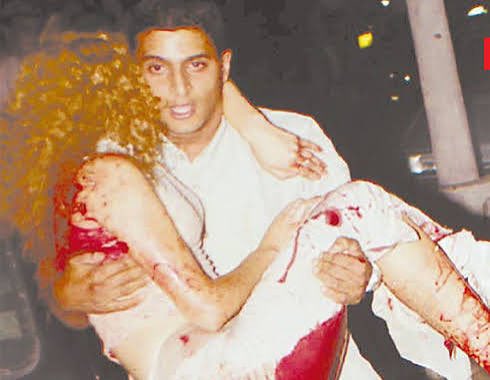
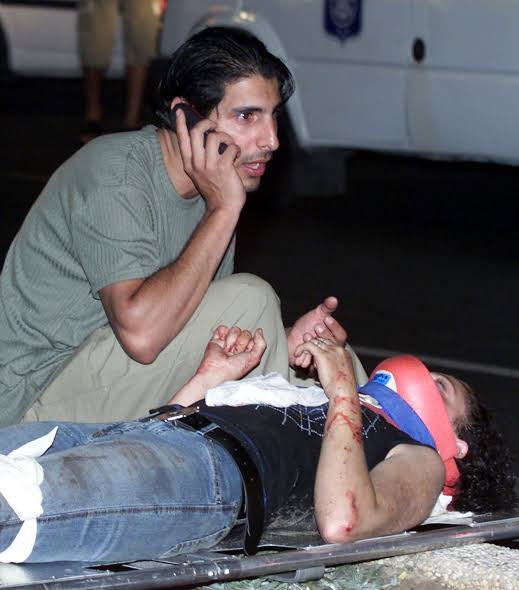
On 1 June 2001, at approximately 11:27 p.m., a Hamas-affiliated suicide bomber detonated a 2.5-kilogram explosive device packed with ball-bearings outside the Dolphinarium discotheque on the Tel Aviv beachfront promenade. The club was popular with teenage immigrants from the former Soviet Union and a large crowd of young people, mostly girls aged between 14 and 18, had gathered in line for a dance party. The blast killed 21 Israelis, 16 of them teenagers, and injured 120 others. It became one of the deadliest attacks of the Second Intifada. The bomber, Saeed Hotari, a 22-year-old militant linked to Hamas, had disguised himself in a manner that led some in the crowd to mistake him for an Orthodox Jew from Asia. He wandered among the teenagers waiting to enter, banging a drum that contained the explosives and taunting them in Hebrew with the words “Something’s going to happen.” At 11:27 p.m. he detonated the device. Witnesses described body parts scattered across the pavement and bodies piled on the sidewalk as emergency services arrived. Eighteen-year-old Polena Vallis had spent the evening preparing to go out after weeks of exam pressure at school. She checked her reflection, applied perfume and a touch of eye shadow, and felt ready for a night of fun. On the way to the Dolphinarium with her friend Emma she joked about recent disasters in Israel, including the collapse of a dance floor at a wedding hall. As they joined the queue outside the club the girls chatted and giggled with the excited crowd. Suddenly a deafening boom shook the air, followed by the smell of blood and burning flesh. Human remains flew in all directions. Polena felt as though she had been thrown into an oven. The force knocked her to the ground. When she stood and tried to run she saw boys and girls on fire around her. She and her friends collapsed together behind a car. Looking down, she noticed her legs covered in blood. Only when a friend screamed did she realise there was a gaping hole in her right thigh. All the way to hospital in the ambulance she prayed to faint so she would not hear the groans of a dying girl beside her. She underwent two operations that night and later learned that two nails from the bomb had lodged in Emma’s brain. One was removed; the other could not be touched. Emma survived after a long struggle, and both girls later met again in rehabilitation. Irina Lipkin, then 17, stood in the queue only two metres from the bomber when he detonated the device. “𝘛𝘩𝘦𝘳𝘦 𝘸𝘢𝘴 𝘢 𝘭𝘢𝘳𝘨𝘦 𝘤𝘳𝘰𝘸𝘥 𝘢𝘵 𝘵𝘩𝘦 𝘦𝘯𝘵𝘳𝘢𝘯𝘤𝘦, 𝘢𝘯𝘥 𝘪𝘯 𝘢 𝘴𝘱𝘭𝘪𝘵 𝘴𝘦𝘤𝘰𝘯𝘥 𝘐 𝘸𝘢𝘴 𝘪𝘯𝘴𝘪𝘥𝘦 𝘵𝘩𝘦 𝘦𝘹𝘱𝘭𝘰𝘴𝘪𝘰𝘯. 𝘐 𝘴𝘢𝘸 𝘦𝘷𝘦𝘳𝘺𝘵𝘩𝘪𝘯𝘨 𝘪𝘯 𝘴𝘭𝘰𝘸 𝘮𝘰𝘵𝘪𝘰𝘯, 𝘵𝘩𝘦 𝘸𝘢𝘷𝘦 𝘰𝘧 𝘣𝘶𝘳𝘯𝘪𝘯𝘨 𝘩𝘦𝘢𝘵 𝘦𝘯𝘷𝘦𝘭𝘰𝘱𝘪𝘯𝘨 𝘮𝘦. 𝘛𝘩𝘦 𝘧𝘳𝘪𝘦𝘯𝘥𝘴 𝘸𝘩𝘰 𝘸𝘦𝘳𝘦 𝘴𝘵𝘢𝘯𝘥𝘪𝘯𝘨 𝘯𝘦𝘹𝘵 𝘵𝘰 𝘮𝘦 𝘸𝘦𝘳𝘦 𝘵𝘩𝘳𝘰𝘸𝘯 𝘪𝘯 𝘢𝘭𝘭 𝘥𝘪𝘳𝘦𝘤𝘵𝘪𝘰𝘯𝘴.” At Ichilov Hospital staff asked her what her two best friends had been wearing that night. Only later did she discover that one of them had been killed. The scene of burned and wounded teenagers arriving at the hospital left a lasting mark on the 17-year-old. Years afterwards she still suffered severe post-traumatic stress and fought for recognition of her injuries. Mike Lampert, another survivor who was seriously wounded that night, still bears the physical and mental scars. “𝐼 𝑡𝑟𝑦 𝑡𝑜 𝑓𝑜𝑟𝑔𝑒𝑡, 𝑏𝑢𝑡 𝑢𝑛𝑓𝑜𝑟𝑡𝑢𝑛𝑎𝑡𝑒𝑙𝑦, 𝐼 𝑟𝑒𝑙𝑖𝑣𝑒 𝑡ℎ𝑒 𝐷𝑜𝑙𝑝ℎ𝑖𝑛𝑎𝑟𝑖𝑢𝑚 𝑎𝑡𝑡𝑎𝑐𝑘 𝑒𝑣𝑒𝑟𝑦 𝑑𝑎𝑦. 𝐸𝑣𝑒𝑟𝑦 𝑡𝑖𝑚𝑒 𝑖𝑛 𝑓𝑟𝑜𝑛𝑡 𝑜𝑓 𝑡ℎ𝑒 𝑚𝑖𝑟𝑟𝑜𝑟 𝐼 𝑠𝑒𝑒 𝑡ℎ𝑒 𝑠𝑐𝑎𝑟𝑠 𝑙𝑒𝑓𝑡 𝑎𝑙𝑙 𝑜𝑣𝑒𝑟 𝑚𝑦 𝑏𝑜𝑑𝑦.” He was recognised as 35% disabled because of his physical injuries and continues to spend hundreds of shekels a month on medication simply to manage daily life. 1/2⬇️
⭕️Faerie ❤️ tweet media⭕️Faerie ❤️ tweet media⭕️Faerie ❤️ tweet media⭕️Faerie ❤️ tweet media
English
24
123
287
48.1K
Faerie Liquid 🎗️ retweetledi
⭕️Faerie ❤️
⭕️Faerie ❤️@LiquidFaerie·
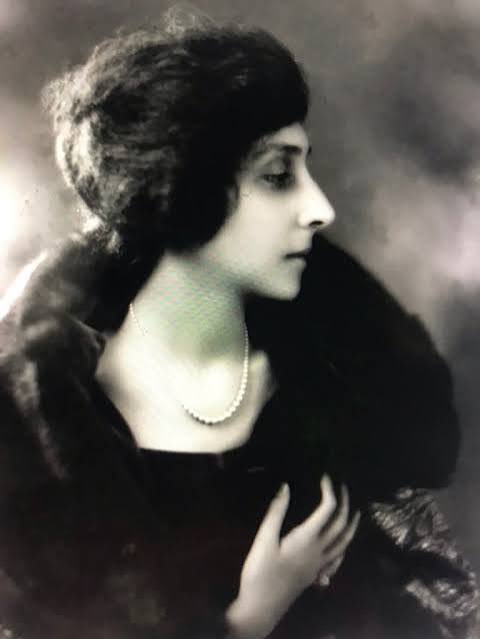
Imagine this, a Jewish woman in early 20th-century Texas, with limited formal education, navigating divorce and building a luxury brand in a frontier city. Carrie Marcus Neiman built something special in Dallas that still echoes today. She co-founded Neiman Marcus in 1907 with her brother Herbert Marcus and her husband Al Neiman, turning a bold idea into one of America’s most iconic luxury stores. Born on 3 May 1883 in Louisville, Kentucky, to German-Jewish immigrants, she moved as a child to Hillsboro, Texas, and later Dallas. Without much formal schooling, she started working young at A. Harris & Co. and quickly stood out. Her charm, sharp eye for style, and knack for making customers feel special made her one of the city’s top-paid saleswomen. In 1905 she married Al Neiman. The three partners tried a sales promotion business in Atlanta, sold it for a nice profit, and headed back to Dallas. They opened Neiman Marcus right in the middle of the 1907 financial panic. It was a specialty shop for high-quality women’s ready-to-wear clothes, something pretty new for Texas. Most women still had things made by seamstresses or sewed their own. Carrie led the buying. She travelled to New York, picked out elegant, well-made pieces with clean lines and fine fabrics and trusted her instincts. The stock sold out in a month. In 1907, women in America were treated as secondary citizens with limited legal, political and economic rights, largely confined to traditional domestic roles while being economically dependent on men. Women could not vote in federal elections, serve on juries, or hold most public offices. While some property rights had been granted by 1907, many married women still faced legal barriers that limited their independent control over finances or legal identity, often legally subordinate to their husbands. Women were largely expected to be homemakers and those who sought careers or public roles were often seen as challenging traditional social orders. It took real grit for Carrie to enter the business world as she did. She once looked back on that first buying trip and said, “𝐼 𝑚𝑎𝑟𝑣𝑒𝑙 𝑎𝑡 𝑚𝑦 𝑐𝑜𝑢𝑟𝑎𝑔𝑒 𝑜𝑛 𝑡ℎ𝑎𝑡 𝑓𝑖𝑟𝑠𝑡 𝑏𝑢𝑦𝑖𝑛𝑔 𝑡𝑟𝑖𝑝.” She knew everything rode on her choices for customers she hadn’t even met yet. Carrie shaped the store’s heart, focusing on quality, personal service and taste. She believed in listening to what women actually wanted, even if it meant going the extra mile. As her nephew Stanley Marcus remembered, she would drop everything to help a regular customer. In another reflection she shared, “𝘛𝘩𝘦𝘳𝘦 𝘢𝘳𝘦 𝘯𝘰 𝘳𝘶𝘭𝘦𝘴 𝘪𝘯 𝘵𝘩𝘦 𝘧𝘢𝘴𝘩𝘪𝘰𝘯 𝘣𝘶𝘴𝘪𝘯𝘦𝘴𝘴,” which captures her practical, confident approach. Jewish people were excluded from many social circles in early 20th-century Dallas, Carrie and her brother, Herbert Marcus, were key in founding the Columbian Club. This club served as a vital social hub for Dallas's Jewish community. Life wasn’t always smooth. She and Al divorced in 1928 after his infidelity. Herbert bought out Al’s share, and Carrie stayed deeply involved. She kept guiding the business and later served as chair of the board. She passed away on 6 March 1953 in Dallas at 69. Sources differ slightly on the exact cause, some noting complications from pleurisy after a New York trip, others mentioning lung cancer. Carrie faced real barriers, yet her taste and care for customers turned Neiman Marcus into a symbol of elegance. Carrie was a prominent example of Jewish, German immigrant success, often referred to as an exemplar of style and elegance. She didn’t just sell clothes. She helped women feel seen and stylish in a changing world.
⭕️Faerie ❤️ tweet media⭕️Faerie ❤️ tweet media⭕️Faerie ❤️ tweet media⭕️Faerie ❤️ tweet media
English
8
29
118
1.8K
Faerie Liquid 🎗️
Faerie Liquid 🎗️@LFaeries96241·
“They wrap it in the language of human rights, of course. They always do. ‘No Music For Genocide’ sounds so much more palatable than ‘No Jews On Our Stage’.”
⭕️Faerie ❤️@LiquidFaerie

Here we go again. Another day, another pompous open letter from a parade of faded rock stars & virtue-signalling has-beens, all piling on to the sacred cause of “No Music For Genocide” & demanding a boycott of Israel at Eurovision '26. @paulwellerHQ @idlesband @MassiveAttackUK @PalomaFaith @KNEECAPCEOL @ScreamOfficial & a 1000 other enlightened souls have bravely taken up their guitars & laptops to declare that the real villains of the world are the Jews who dare to show up at a song contest. How touching. How principled. How utterly predictable. Let’s pause for a moment & recall 7 October '23. Israeli youngsters at a music festival slaughtered in cold blood by Hamas terrorists who raped, burned & mutilated their way through the crowd while filming it for social media. The worst, wait, only massacre at a music festival. Silence. Not a peep. Not one letter. Not one tweet of outrage from Weller or IDLES’ righteous feed. No tearful Instagram stories from Paloma. No furious statements from Massive Attack about the genocide of Jews at a peace concert. Nada. Apparently dead Jews at a festival are not the sort of genocide that bothers these sensitive artistes. They were rather relaxed about it. Some may even call it selective blindness. But let a Jewish state respond by trying to dismantle the death cult that started it all & the airwaves fill with anguished howls about “genocide”. Suddenly Eurovision is the hill these ageing rebels choose to die on. Israel must be excluded, the Jews must be shunned, the music must be kept pure & free of any Israeli taint. How noble. How consistent. How revealing. And where, pray tell, was this towering moral courage when Iranians were being gunned down in the streets for daring to remove a hijab? When Christians across the Middle East & Africa were being slaughtered, when Yazidis were enslaved & raped by the thousands? Crickets. Not a sausage. Funny that. It seems the only time these “activists” find their voice & their solidarity is when Jews are involved either as victims who must be ignored or as defenders who must be punished. Dead Jews? Tragic but, you know, complicated. Jews fighting back? Unforgivable. Israeli musicians at Eurovision? An outrage that requires immediate artistic excommunication. The hypocrisy is so rank it could curdle milk. These are the same people who spent decades lecturing the rest of us about tolerance, anti-racism, all while quietly nursing a very particular form of bigotry that somehow always ends up targeting the world’s only Jewish state. They wrap it in the language of human rights, of course. They always do. “No Music For Genocide” sounds so much more palatable than “No Jews On Our Stage”. Primal Scream, Massive Attack, IDLES, the whole lot of them: a collection of has-beens & never-quite-weres clinging to relevance by attaching themselves to the fashionable cause of the hour. They couldn’t organise a decent protest against actual slavery or the daily execution of gay people in half a dozen countries, but they can certainly muster a thousand signatures to keep an Israeli singer out of a glitzy European song contest. Priorities, after all. The message is clear enough. Jewish blood at a music festival is acceptable. Jewish participation in a music festival is an abomination. And they expect the rest of us to take their moral posturing seriously. Spare us. The stench of selective outrage, performative compassion & barely concealed Jew hatred is overpowering. These artists have not discovered a sudden passion for ‘palestinians’. They have simply found a socially acceptable way to indulge the oldest hatred of all. Eurovision '26 will survive without them & their tedious letters. The rest of us will continue to notice exactly who stays silent when Jews are slaughtered & who finds their voice only when Jews refuse to die quietly. Vile, snivelling, selective has-beens the lot of them.
English
0
0
1
8
Faerie Liquid 🎗️ retweetledi
⭕️Faerie ❤️
⭕️Faerie ❤️@LiquidFaerie·
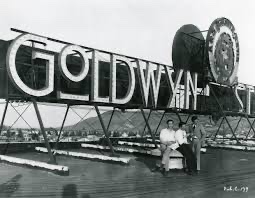
𝑯𝒐𝒍𝒍𝒚𝒘𝒐𝒐𝒅 𝒂𝒏𝒅 𝒕𝒉𝒆 𝑱𝒆𝒘𝒊𝒔𝒉 𝒑𝒆𝒐𝒑𝒍𝒆 : The real story of why there are so many Jews in Hollywood is, itself, largely about America’s long history of racism and antisemitism. For centuries in Europe and America, Jews were shut out of most avenues to wealth. Until the 1800s, we were forbidden from owning land in most of Europe and barred from most guilds, industries, and professions. As a result, European Jews seeking upward mobility turned to urban, cosmopolitan occupations like trade, the lending of money (which was often forbidden to Christians), and, when they could, to emerging professions like law. Many also turned to theatrical entertainment, which was often regarded as too indecent and, for men, “effeminate” for respectable Christians. This continued in the United States, but with more opportunity for entrepreneurship. The elite law firms banned Jews, so Jews started their own, often with a non-Jewish partner as the first name on the door. The elite hospitals refused to hire Jewish doctors, so Jews started their own. The elite theaters refused to employ Jews, so Jews came to dominate vaudeville — and, eventually, the nascent film industry, which, like vaudeville, was seen as too vulgar, too working-class, too low-brow for good Christians to be involved with. In the California of the 1920s and 1930s, these first-generation immigrants from Eastern Europe built their own power structures, their own studios, even their own country clubs, when they were shut out of existing ones. While there were many non-Jewish studios as well for example , Disney, D.W. Griffith’s and Harry Aitken’s Epoch. Jewish immigrants founded Metro-Goldwyn-Mayer, Warner Brothers, Paramount, Loew’s, and Universal. Jews became disproportionately present not just among studio bosses but throughout the whole Hollywood scene, agents, music moguls, lawyers, everybody. In Sandler’s words, “Tom Cruise isn’t Jewish, but I heard his agent is.” Shunned by antisemitism, these formerly immigrant Jews created their own empire. As Neal Gabler discusses in his book An Empire of Their Own: How the Jews Invented Hollywood, these Jewish producers, directors, and screenwriters — mostly first-generation immigrants from Eastern Europe — created a whole new American mythos, about a land where you could come from nothing and still make something of yourself. While overtly Christian themes were still common, Hollywood’s golden age also presented a kind of secular, melting-pot American: decent and hard-working, who stands up to bullies and works his way up. This was no utopia but Louis Mayer, the Warners, Adolph Zukor, and their generation of immigrant moguls promoted, and created, a new version of the American dream. They also faced continued antisemitism. While Jewish studio moguls were one thing, Jewish actors were something else — and most changed their names to gain mainstream acceptance. Emanuel Goldenberg became Edward G. Robinson. Betty Perske became Lauren Bacall. Issur Danielovitch Demsky became Kirk Douglas and Nathan Birnbaum became George Burns. Even now, a century later, there are still a disproportionate number of American Jews in the entertainment industry. It’s culturally prevalent in American Jewish culture; it’s a thing a lot of Jews do, whether in front of the camera, behind it, or in the studio offices. The networks that first generation of moguls built are now firmly entrenched, and the “alternative” country clubs they founded are now where deals are closed and fortunes are made. The Jewish-American founders of the major Hollywood studios left their mark with the culture they created: enduringly popular movies that emphasize what’s shared in American and Jewish values, blurring the hyphen between “Jewish” and “American” until generations to come could consider these identities one and the same. They told stories about love for family, community, and country. Stories about earning an honest living through hard work, and conducting one’s business fairly. Stories about protecting the less powerful and standing up to bullies. Stories about braving the wilderness and braving a new country to find a place to call home. Stories about faith, hope, healing, truth, justice, and the American way. The founders of Hollywood fostered a comfortable environment for other Jewish people to feel safe working in, an empire of their own, which is why there are still so many Jews working in Hollywood today. Sources : Stuart Weinstock Jay Michaelson
⭕️Faerie ❤️ tweet media
English
36
86
352
18.8K
Faerie Liquid 🎗️ retweetledi
⭕️Faerie ❤️
⭕️Faerie ❤️@LiquidFaerie·
🧵the Nazis looted art from Jewish families, this thread, which I will continue to add to, tells some of the stories: *~*~*~* Adalbert, or Bela, Parlagi and his wife Hilda lived in Vienna with their children Franz and Hedwig. They weren’t wealthy, but they loved art. In 1936 they bought the little Claude Monet pastel at auction. It’s called Bord de Mer, painted around 1865, just seven by eleven inches. It shows a peaceful bit of Normandy coast, rocks and soft waves under gentle light. Nothing loud, just calm and lovely. Then came the Anschluss in March 1938. Austria joined Nazi Germany, and the race laws hit the Parlagis hard. They fled a month later, first to Switzerland, then on to London by December. Before they left, they stored their furniture, carpets, porcelain and eight paintings, including the Monet, with a reliable Vienna shipping firm. They hoped to send for everything once they settled. Their goods never reached them. In 1940 the Gestapo seized the warehouse. The collection went to auction at Vienna’s Dorotheum to help pay for the war machine. A Nazi art dealer picked up the pastel in 1941. The family lost all trace of it. Bela and Hilda built a new life in Britain and survived the war. Afterwards Bela started writing letters, chasing auction records, filing claims. He kept at it until he died in 1981. His son Franz took over the search, studying old papers and going to conferences on looted art. Franz passed in 2012 without seeing the painting again. Then the grandchildren, Françoise Parlagi and Helen Lowe, stepped in. In 2014 they asked the Commission for Looted Art in Europe, a small British team, to help. The researchers spent years combing archives. The breakthrough came in 2023. The pastel suddenly appeared listed for sale at Simpson Galleries in Houston. The Commission spotted the match with the family’s 1936 receipt and called the FBI’s Art Crime Team. Agents from New York and New Orleans traced it quickly. It had passed through a New Orleans dealer, M.S. Rau Antiques, around 2017 or so, then gone to Dr Kevin Schlamp and his wife Bridget Vita-Schlamp in Louisiana. The couple had bought it in good faith a few years earlier and had no idea of its past. When the FBI explained everything, they gave it up straight away, no fuss. A federal court in Louisiana sorted the paperwork in May 2024. On 9 October 2025, at the FBI office in New Orleans, agents lifted a cloth and handed the little pastel back to Françoise and Helen. The granddaughters stood there smiling. One said it felt unreal. Their grandfather would have been so proud, they told the room. After eighty-four years, two trips across the Atlantic and a long, patient fight, it was finally home. The family is still hunting for the other six pieces taken from that same Vienna collection, works by artists like Pissarro and Signac. The Monet’s return is one bright spot in a much bigger story of loss, but persistence paid off in the end. ⬇️
English
4
58
234
4.7K
Faerie Liquid 🎗️ retweetledi
⭕️Faerie ❤️
⭕️Faerie ❤️@LiquidFaerie·
It was just after two on a bright August afternoon in 2001. A clean-shaven young man with a guitar case over his shoulder walked into the busy Sbarro pizzeria in central Jerusalem. The place was packed, the way it always got on warm summer days, full of tourists grabbing a slice, teenagers laughing with friends and mums with little ones in tow. Izz al-Din Shuheil al-Masri went straight to the counter. He stopped near two girls, Malki Roth, fifteen, and her best friend Michal Raziel, sixteen. No one there could have guessed what was really inside that case. It was not a guitar. It was a bomb packed with nails, shrapnel and explosives, built by his Hamas comrade Abdullah Barghouti. What most people did not know at the time was that the whole attack had been planned with cold care by another Hamas member, Ahlam Tamimi. She was twenty then, a university student who had scouted the restaurant because it drew families and children. She chose it on purpose. Tamimi helped get the bomb into Jerusalem, dressed like an ordinary Israeli to blend in, drove the bomber right to the door, and left him there before slipping away. A few minutes later the device went off. Malki died instantly. Michal was rushed to hospital but died later that day with her devastated mum at her side. The blast killed thirteen more people, among them a pregnant woman and eight children. Another 130 were hurt. One mum, Chana Nachenberg, was left in a vegetative state for more than twenty years. Her three-year-old daughter, who had been with her, somehow survived and grew up to have a child of her own. The street outside turned into a scene no parent should ever see. Blood on the pavement, broken glass everywhere, bodies of the dead and dying. A shopkeeper nearby told reporters he was thrown a metre into the air by the force. “𝑇ℎ𝑒𝑟𝑒 𝑤𝑒𝑟𝑒 𝑏𝑎𝑏𝑖𝑒𝑠 𝑡ℎ𝑟𝑜𝑤𝑛 𝑡ℎ𝑟𝑜𝑢𝑔ℎ 𝑡ℎ𝑒 𝑤𝑖𝑛𝑑𝑜𝑤, 𝑐𝑜𝑣𝑒𝑟𝑒𝑑 𝑤𝑖𝑡ℎ 𝑏𝑙𝑜𝑜𝑑.” It is hard to imagine. One ordinary lunch, one moment of normal life, gone in a flash. Malki was just a kind-hearted Jewish girl who loved music and helping others. Her parents, Frimet and Arnold Roth, have spent the years since trying to make sure the people responsible face real justice. Tamimi was caught, tried in Israel and given sixteen life sentences. But in 2011 she was freed as part of a prisoner swap. She now lives openly in Jordan. The United States has charged her over the American victims, including Malki, who held US citizenship too. Jordan has so far refused to hand her over. The Roth family keeps pushing for her extradition, so justice can be served. If you want to learn more or support the call for justice for Malki look here: kerenmalki.org/want-help-brin…
English
13
92
226
11.8K
Faerie Liquid 🎗️ retweetledi
⭕️Faerie ❤️
⭕️Faerie ❤️@LiquidFaerie·
🧵Simon Wiesenthal was born on 31 December 1908 in Buczacz, in what is now Ukraine. He trained as an architect and settled in Lwów with his wife Cyla before the war changed everything. When the Nazis took over in 1941, they arrested him and forced him into hard labour. From there, his path led through five concentration camps: Janowska, Plaszow, Gross-Rosen, Buchenwald and finally Mauthausen. He endured years of brutality. Transports between camps were hellish. On one journey from Buchenwald to Mauthausen in open lorries, only 1,200 out of 3,000 prisoners survived the cold and exhaustion. His wife Cyla managed to hide her Jewish identity and posed as a Pole to stay alive. In the end, Simon lost 89 members of their families to the Nazis. American troops liberated Mauthausen on 5 May 1945. Simon was skin and bones, barely standing. Yet within three weeks he sat down and made a list. He wrote down names of Nazi criminals he remembered, people who had escaped justice. He handed it straight to the US Army’s counterintelligence team at the camp. That simple act marked the start of his life’s work. He moved to Linz in Austria and began gathering evidence for war-crimes trials. He set up the Jewish Historical Documentation Centre there. Day after day he tracked leads, interviewed survivors and built files on fugitives. He never called himself a Nazi hunter. He just believed the guilty should face a courtroom. That simple act set the tone for everything that followed. No computers, no fancy databases, just paper, memory and raw unbridled determination. He joined the War Crimes Section of the US Army and helped gather evidence for the early trials at Dachau and Nuremberg. But he knew the real work was only beginning. In 1947 he opened the Jewish Historical Documentation Centre in Linz, Austria. There he and a small team collected 3,289 sworn statements from fellow survivors across Europe. Each testimony became a vital piece of the puzzle. He organised everything on index cards. Thousands of them. He sorted the names by concentration camp and by place, cross-referencing every detail he could find. Survivors brought him letters, photos, scraps of paper, anything that named a guard or an officer. He filed it all. When the Linz centre closed in 1954, he sent the materials to Yad Vashem in Israel so the evidence would never be lost. In 1961 he reopened a new Documentation Centre in Vienna. This time it was just him in a tiny office, funded by donations and occasional help from Mossad. He kept thick dossiers on hundreds of suspects. Each file held survivor statements, old address books, telephone directories, and any official record he could beg or borrow. He spent hours writing letters to police forces, consulates and justice ministries across Europe and South America. He asked survivors to write down what they remembered, even years later. Sometimes he quietly watched the families of fugitives, or sent a trusted contact to take a photo without being noticed. 1/3 ⬇️
⭕️Faerie ❤️ tweet media⭕️Faerie ❤️ tweet media
English
15
123
423
6.7K
Faerie Liquid 🎗️ retweetledi
⭕️Faerie ❤️
⭕️Faerie ❤️@LiquidFaerie·
🧵Stories from the Holocaust can leave you feeling crushed by the sheer weight of it all. Then one like this comes along, about a man who never sought the spotlight, acts of quiet courage that rippled out and touched thousands of lives, and it fills you with so much hope. José Arturo Castellanos Contreras was that man. Here is how it all unfolded, step by step, with every detail straight from the records. He was born on 23 December 1893 in San Vicente, El Salvador, into a comfortable military family. His father was a general, so young José followed the path and joined the army at seventeen. He climbed the ranks steadily, becoming a colonel and second chief of the general staff. By the mid-1930s he had seen enough of his own government’s fascist leanings under dictator Maximiliano Hernández Martínez to feel uneasy. So the regime posted him abroad, first as consul general in Liverpool in 1937, then to Hamburg in 1938. That posting changed him. He watched Kristallnacht unfold, shops smashed, families dragged away. He tried to help a few Jewish people with visas, but his bosses back home shut it down. The horror stuck with him. By 1942 he was in neutral Switzerland, running the Salvadoran consulate in Geneva. One day, his friend, a Hungarian-Jewish businessman named György Mandl walked in, desperate. The Nazis were tightening their grip on his family. José listened, then did something bold yet simple. He issued Salvadoran citizenship papers for Mandl, his relatives and gave him the made-up title of first secretary at the consulate. To make it sound more fitting, Mandl later added “Mantello” to his name. Those documents kept the Gestapo at bay and spared the family from Auschwitz. That one act could have been the end of it, a private favour. But José and Mantello saw the bigger picture. They quietly turned the small consulate into a lifeline. Working late into the night, they produced official-looking Salvadoran citizenship certificates, no fees, no questions. These papers let Jewish families claim protection from the Red Cross and Swiss diplomats. They smuggled thousands more through contacts like Carl Lutz, the Swiss consul in Budapest. At one point they even set up production in an old glass factory to keep up with demand. Historians put the number saved at between 25,000 and 40,000 people, mostly from Hungary but also Poland, Czechoslovakia, Romania, Bulgaria and France. Whole families who would have faced the death camps instead lived. Picture the tension in that quiet Geneva office: stamps pressing down, papers folded carefully, every knock at the door a possible risk. José knew he was going against his own government and the Nazi machine. One mistake could have cost him everything. Yet he carried on, day after day, because he saw people, not politics. After the war he returned to San Salvador. He married a Swiss woman, Maria Schürmann, and they raised three children. He rarely spoke about what he had done. His daughter Frieda only learned the full story in the 1970s when she read a newspaper article at the age of twenty-two. American author Leon Uris tracked down the retired colonel in San Salvador. This was the first time Castellanos’s own family, including his daughter Frieda, learned the full extent of his wartime efforts. During this conversation, he downplayed his heroism, stating, “𝐼 𝑜𝑛𝑙𝑦 𝑑𝑖𝑑 𝑤ℎ𝑎𝑡 𝑎𝑛𝑦𝑜𝑛𝑒 𝑤𝑜𝑢𝑙𝑑 ℎ𝑎𝑣𝑒 𝑑𝑜𝑛𝑒 𝑖𝑛 𝑚𝑦 𝑝𝑙𝑎𝑐𝑒”. Following the discovery of his story by the local media, Castellanos gave a brief radio interview. Despite this, his story did not receive significant international attention until the early 2000s, decades after his death in 1977. Although the original 1972 audio or transcript is not publicly available as a direct click-through link in the search results, the story of this meeting is heavily cited in numerous articles. He passed away on 18 June 1977, aged eighty-three, still largely unknown outside a small circle. 1/3 ⬇️
⭕️Faerie ❤️ tweet media⭕️Faerie ❤️ tweet media
English
9
92
258
4.8K