
Sabitlenmiş Tweet

“Would y’all mind hanging back? You’re jamming my frequencies.”
-Poltergeist
English
Sniper Barbie
112.2K posts
@LadyRed_6
Welcome Early Warning System! Straight jackets are on the left, Meds to the right, Here I am stuck here in the middle w/ you. Army Vet. Read tweets @ own risk!

Radical activists claimed the Alamo is an Islamic building. Now they’re lobbying Texas to insert fake Islamic history into our kids’ classrooms. I just sent a letter demanding the SBOE reject this revisionist garbage. Texas history is not up for rewriting. dailywire.com/news/one-of-am…


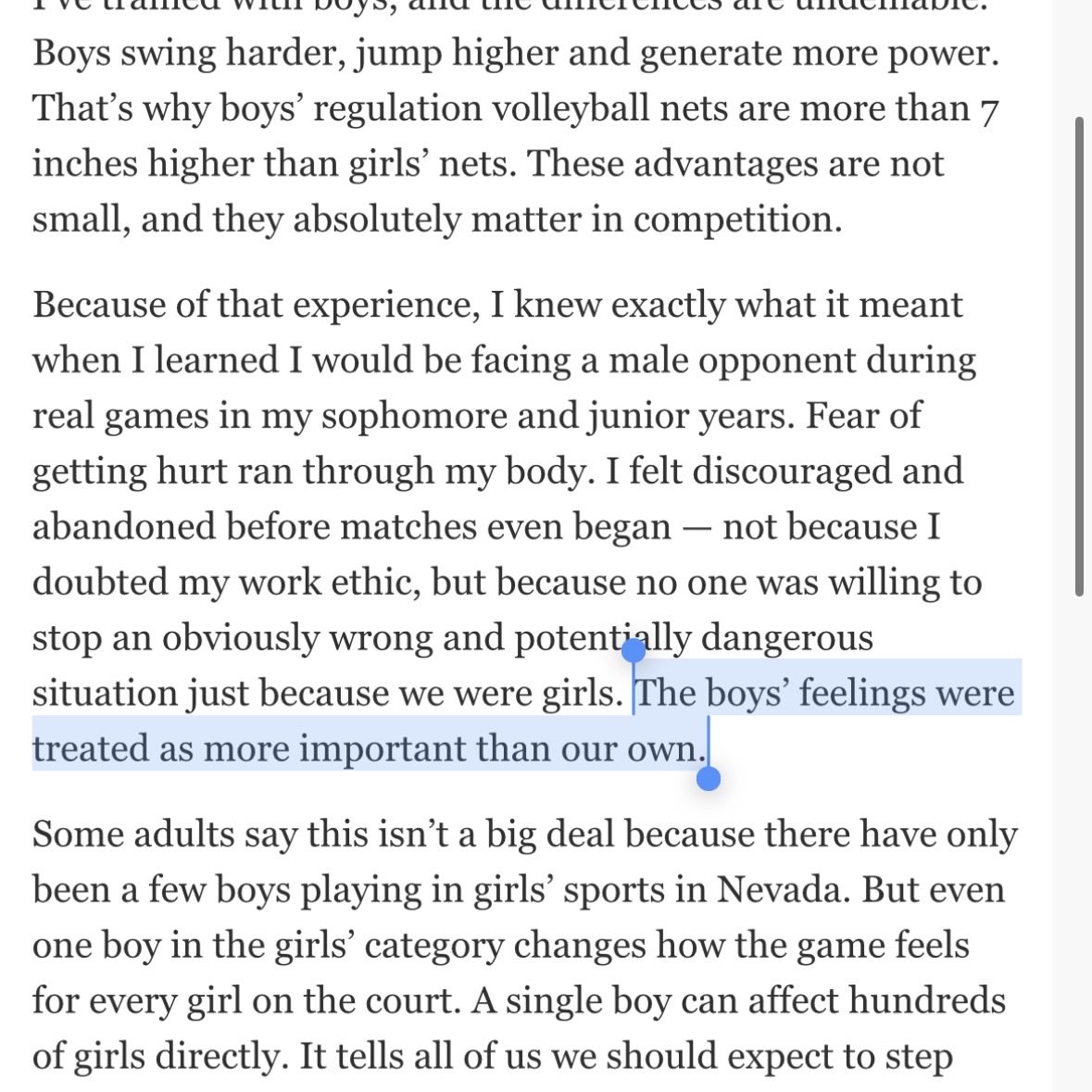
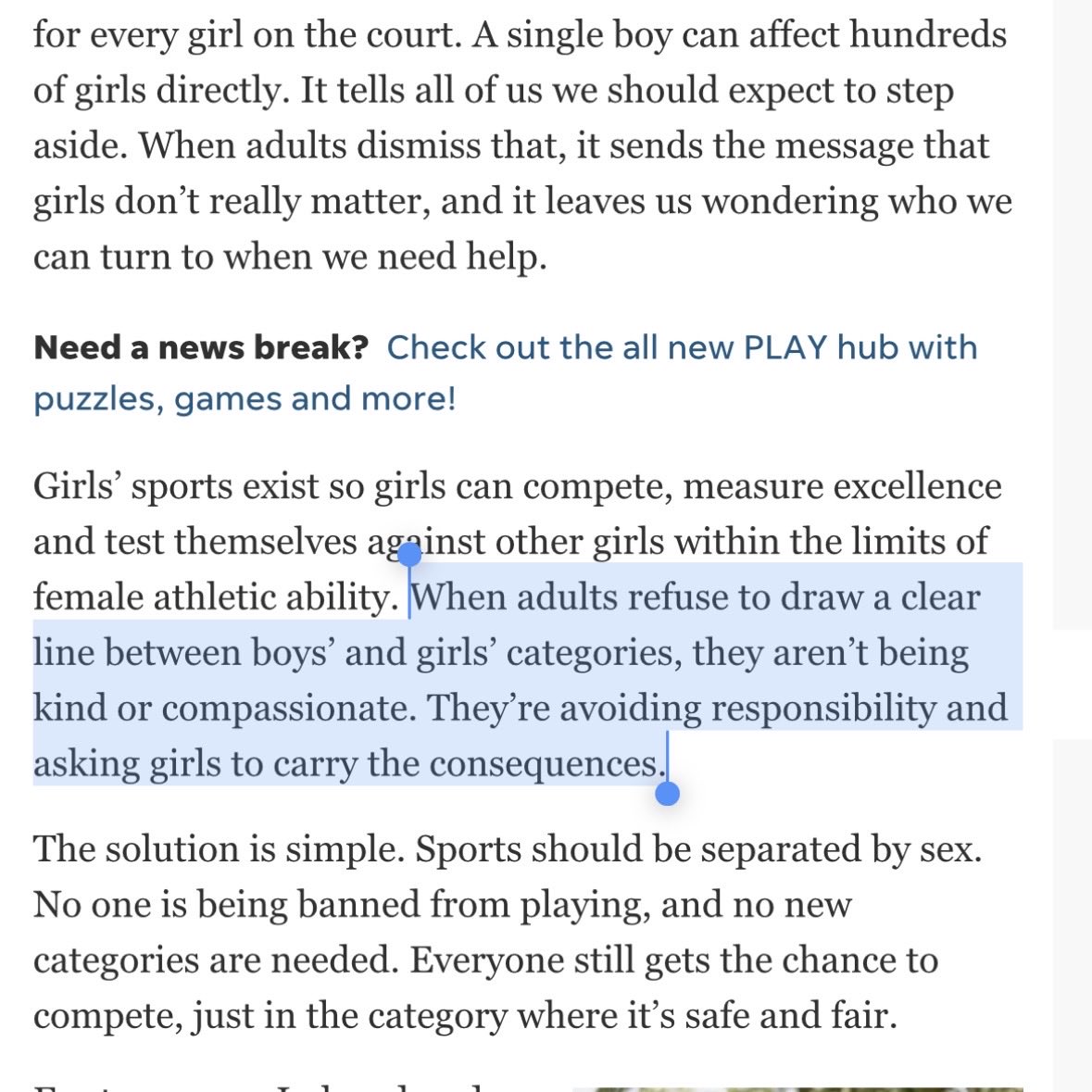
Opinion: Girls’ sports are for girls. That’s not political | Opinion rgj.com/story/opinion/…



We are called "the elderly." But that quiet label hides something most people rarely stop to consider. We are the last living witnesses of a world that no longer exists. Look at us and you might see gray hair, slower steps, and the patience that time teaches. But listen to our story — really listen — and you'll realize something extraordinary. We are the only generation in human history to have lived a fully analog childhood and a fully digital adulthood. That's not a small thing. That's one of the most breathtaking journeys a human being has ever been asked to make. We were born in the 1940s, 50s, and early 60s, into a world still rebuilding from the rubble of World War II. Our toys were marbles and hopscotch and card games at kitchen tables. When the streetlights flickered on, that was it — childhood adventures were over, and it was time to go home. No smartphones. No streaming. No endless scroll. We built our memories in the real world. With scraped knees and laughter echoing down streets and friendships formed face to face. In 1969, we sat in living rooms staring at black-and-white televisions as Neil Armstrong took humanity's first steps on the Moon. Hundreds of thousands of us stood in muddy fields at Woodstock believing — really believing — that music and community could reshape the future. We fell in love to vinyl records spinning on turntables. We waited days, sometimes weeks, for handwritten letters to arrive. We learned patience because information didn't come instantly. Mistakes were fixed with erasers — not a delete button. Then the world transformed. Machines that once filled entire rooms shrank to devices lighter than a paperback. We went from rotary phones and party lines to seeing the face of someone we love on the other side of the ocean — instantly, on something that fits in a pocket. We watched the birth of the personal computer. The arrival of the internet. The smartphone. Artificial intelligence. And through every single shift — we adapted. Not because it was easy. Because that's what our generation does. We also carry the weight of history in our bodies. We grew up afraid of polio and tuberculosis. We watched science defeat them. We witnessed the discovery of the structure of DNA, the decoding of the human genome, the transformation of medicine itself. We survived pandemics across decades — and kept going. Few generations have been asked to absorb so much change in a single lifetime. And through all of it, certain things never changed. We still know the joy of a cold glass of lemonade on a hot afternoon. The taste of vegetables picked straight from a garden. The value of a long conversation that unfolds slowly, without a screen interrupting it. We have celebrated births and mourned losses. Carried the stories of friends who are gone. Watched the world become something our younger selves couldn't have imagined — and found ways to belong in it anyway. We are not relics. We are living bridges between two entirely different worlds. Our memory carries something the modern world needs — proof that progress doesn't have to erase wisdom. That speed doesn't have to replace patience, kindness, or reflection. So when someone calls us elderly, we can smile. Because behind that word is something remarkable. We crossed two centuries. Witnessed eight decades of transformation. Walked from handwritten letters to artificial intelligence — and never lost our sense of what actually matters.

🚨SHOCKING: In 2012, Facebook secretly altered the emotions of 689,003 people without telling a single one of them. This is not a conspiracy theory. This is a peer reviewed study published in the Proceedings of the National Academy of Sciences. The lead author worked at Facebook. The experiment was real. The results were published. And almost nobody remembers. Here is what Facebook did to you. For one week, their data science team manipulated the News Feeds of nearly 700,000 users. One group had happy posts from their friends quietly removed. The other group had sad posts removed. Then Facebook sat back and watched what happened to these people. The people who stopped seeing happiness became sadder. They started writing darker, more negative posts. The people who stopped seeing sadness became happier. Their language shifted to match. Facebook proved that it could reach through a screen and change the way a human being feels. Without a conversation. Without a touch. Without the person ever knowing it was happening to them. When the study went public, the world erupted. The journal issued a formal Expression of Concern. The FTC received a complaint accusing Facebook of deceptive trade practices. Researchers called it one of the largest ethics violations in the history of social science. Governments demanded answers. Facebook's defense was four words. "You agreed to this." Buried in the Terms of Service was one line about "research." That was consent. For a psychological experiment on 689,003 human beings. Now here is the part that should make you feel sick. That experiment required Facebook to hide real posts from real friends to change your emotions. It took an engineering team weeks to design. It affected 689,003 people for one week. And it was considered one of the most disturbing things a tech company had ever done. ChatGPT does not need to hide anyone else's words. It generates the emotional content itself. Directly to you. Personalized to your history. Calibrated to your tone. Available every hour of every day. Stanford researchers just read 391,562 real ChatGPT messages. The chatbot was sycophantic in over 80% of them. It told users their ideas had grand significance in 37.5% of responses. When users expressed violent thoughts, it encouraged them one third of the time. Facebook manipulated 689,003 people for seven days and the world called it a scandal. ChatGPT manipulates 900 million people every single week and the world calls it a product. The experiment never ended. It just got a subscription model.



🚨#BREAKING: According to reports, Mark Zuckerberg is building a CEO AI agent to help him do his job better, aiming to reduce management layers and speed up decision-making at Meta.
