Z@ZeeContrarian1
𝗪𝗵𝘆 𝗧𝗮𝗸𝗶𝗻𝗴 𝗢𝘃𝗲𝗿 𝗞𝗵𝗮𝗿𝗮𝗴 𝗜𝘀𝗹𝗮𝗻𝗱 𝗦𝗵𝗼𝘂𝗹𝗱 𝗟𝗲𝗮𝗱 𝘁𝗼 𝗥𝗲𝗹𝗲𝗮𝘀𝗲 𝗼𝗳 𝗣𝗿𝗲𝘀𝘀𝘂𝗿𝗲 𝗼𝗻 𝘁𝗵𝗲 𝗦𝘁𝗿𝗮𝗶𝘁 𝗼𝗳 𝗛𝗼𝗿𝗺𝘂𝘇
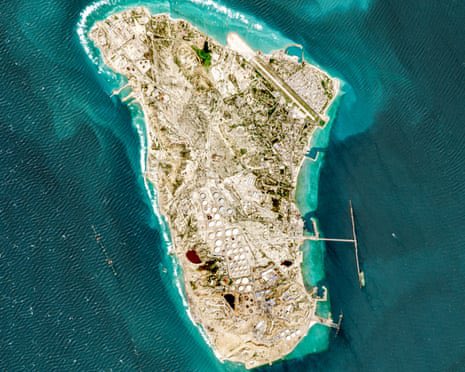
Everything in this situation comes down to one place: Kharg Island.
A few numbers explain why.
Iran produces roughly 3.3 million barrels of oil per day. Oil revenue funds about 25–40% of the Iranian government budget. And around 90% of Iran’s crude exports leave through Kharg Island.
So in practical terms, almost the entire export economy of Iran runs through one small island.
If the infrastructure on Kharg Island is destroyed or taken out of operation, Iran effectively loses the ability to export most of its oil. That means losing one of the main sources of hard currency that funds the state, the military, and the broader system around it.
More importantly, there is no quick way back. Kharg Island is the result of decades of infrastructure development: pipelines from the oil fields, massive storage tanks, and specialized offshore loading terminals. Rebuilding that system would require technology, capital, and international cooperation that Iran simply does not have access to today.
If that infrastructure is gone, business as usual NEVER comes back. In practical terms it sends the Iranian economy back decades.
Iran understands this.
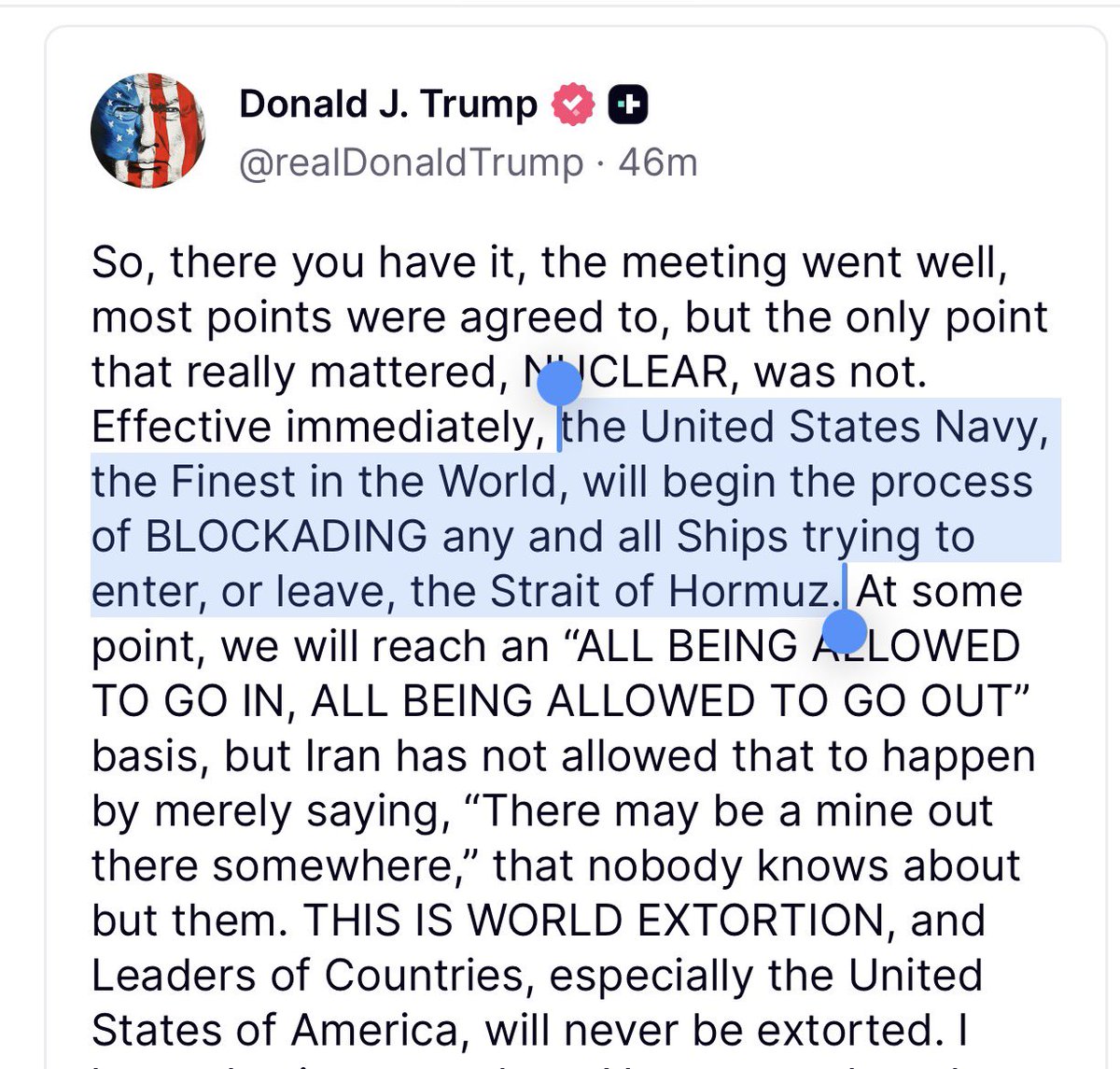
There are already voices suggesting a partial approach around the Strait of Hormuz, allowing certain countries to pass while restricting others, possibly settling trade in alternative currencies such as yuan. The idea is to maintain leverage without triggering the destruction of the country’s economic lifeline.
Because once that line is crossed, everything changes.
𝗜𝗳 𝗞𝗵𝗮𝗿𝗴 𝗜𝘀𝗹𝗮𝗻𝗱 𝗶𝘀 𝗱𝗲𝘀𝘁𝗿𝗼𝘆𝗲𝗱, 𝘁𝗵𝗲 𝗲𝗰𝗼𝗻𝗼𝗺𝗶𝗰 𝗯𝗮𝗰𝗸𝗯𝗼𝗻𝗲 𝗼𝗳 𝘁𝗵𝗲 𝗜𝗿𝗮𝗻𝗶𝗮𝗻 𝘀𝘆𝘀𝘁𝗲𝗺 𝗲𝗿𝗼𝗱𝗲𝘀 𝗼𝘃𝗲𝗿 𝘁𝗶𝗺𝗲 𝗮𝗻𝗱 𝗿𝗲𝗰𝗼𝘃𝗲𝗿𝘆 𝗯𝗲𝗰𝗼𝗺𝗲𝘀 𝗶𝗺𝗽𝗼𝘀𝘀𝗶𝗯𝗹𝗲. 𝗙𝗿𝗼𝗺 𝗜𝗿𝗮𝗻’𝘀 𝗽𝗲𝗿𝘀𝗽𝗲𝗰𝘁𝗶𝘃𝗲 𝗶𝘁 𝗺𝗮𝘆 𝘁𝗵𝗲𝗿𝗲𝗳𝗼𝗿𝗲 𝗯𝗲 𝗿𝗮𝘁𝗶𝗼𝗻𝗮𝗹 𝘁𝗼 𝗮𝗯𝘀𝗼𝗿𝗯 𝘁𝗵𝗲 𝗽𝗿𝗲𝘀𝘀𝘂𝗿𝗲 𝗻𝗼𝘄, 𝗿𝗲𝗱𝘂𝗰𝗲 𝗲𝘀𝗰𝗮𝗹𝗮𝘁𝗶𝗼𝗻 𝗮𝗿𝗼𝘂𝗻𝗱 𝘁𝗵𝗲 𝘀𝘁𝗿𝗮𝗶𝘁 𝗼𝗳 𝗛𝗼𝗿𝗺𝘂𝘇, 𝗮𝗹𝗹𝗼𝘄 𝘀𝗼𝗺𝗲 𝘀𝗵𝗶𝗽𝘀 𝘁𝗵𝗿𝗼𝘂𝗴𝗵, 𝗮𝗻𝗱 𝘄𝗮𝗶𝘁 𝗳𝗼𝗿 𝘁𝗵𝗲 𝗨𝗻𝗶𝘁𝗲𝗱 𝗦𝘁𝗮𝘁𝗲𝘀 𝘁𝗼 𝗹𝗼𝘀𝗲 𝗶𝗻𝘁𝗲𝗿𝗲𝘀𝘁 𝗶𝗻 𝗮 𝗽𝗿𝗼𝗹𝗼𝗻𝗴𝗲𝗱 𝗰𝗼𝗻𝗳𝗹𝗶𝗰𝘁.
If Kharg Island survives, business as usual can eventually return.
If Kharg Island is gone, the economic foundation of the regime disappears.
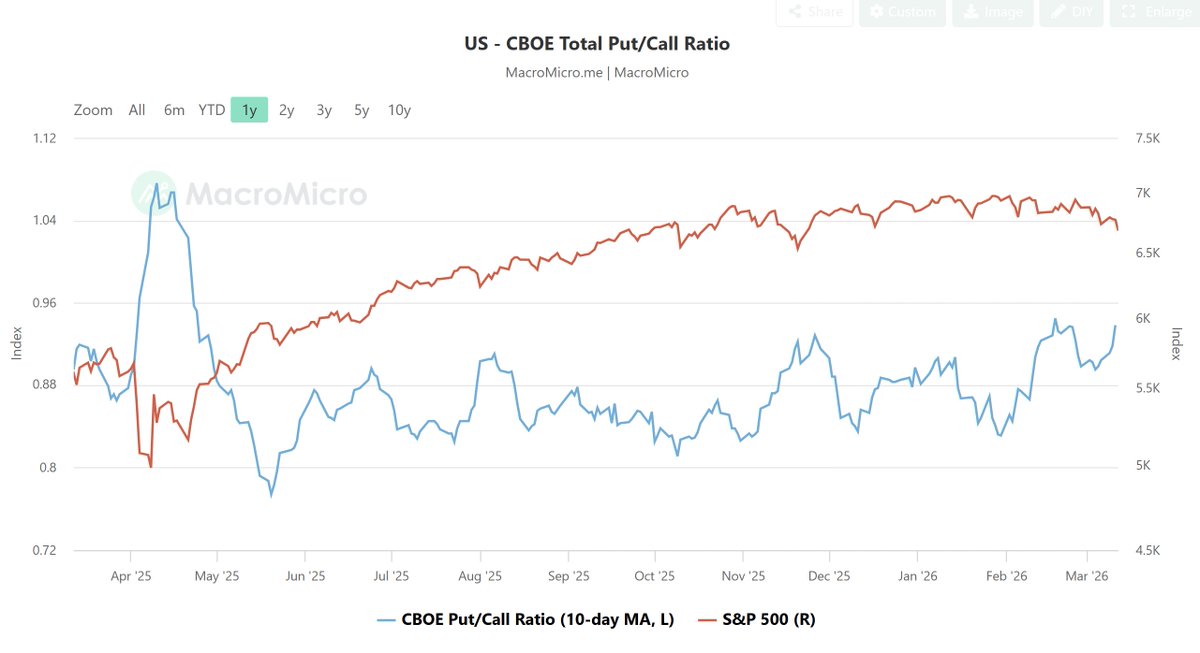
From a market perspective, geopolitical shocks usually peak early. Fear spikes, volatility rises, and then conditions stabilize once the boundaries of the conflict become clearer.
That is why I continue to believe March is likely the peak for oil prices and volatility in this cycle.