Sabitlenmiş Tweet

Ethical Implications Surrounding CRISPR Technology and the "Covid Shot" by Deanna Watson January 13, 2024
(PLEASE NOTE: I AM A SCHOLAR. Any information provided within this article has sources cited. Photo Credit was established on Linked using Microsoft Design Studio)
(The law states that constitutional protections against government actions apply when private companies exercise “powers traditionally exclusively reserved to the State” (Jackson v. Metropolitan Edison Co., 419 U.S. 345 (1975)). However, “Section 230” (47 U.S.C. § 230) protects social media providers from civil lawsuits for their good-faith actions restricting access to objectionable content. This post was previously "removed," and I was advised to see policies regarding content violations. I have reviewed the policies and have not violated any of LinkedIn's policies. This article and all its content are original, including, but not limited to, all sources cited, which are not listed on LinkedIn Policies. The last post that was removed had a photo that was also mentioned. That photo has been released in case the owner disputed its content)
Please look at these videos before reading the article:
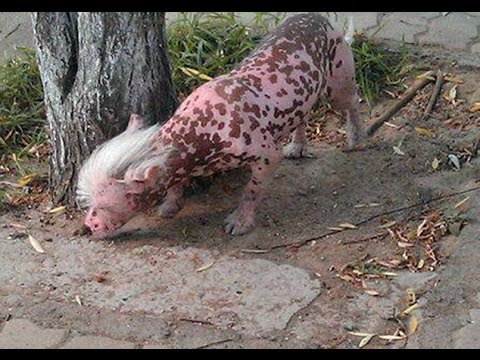
18 Genetically Modified Organisms You Didn't Know About. (youtu.be/bmi45JLJOgU)
Regeneration in Humans (Automatic Organ and Limb Regeneration Goals) (youtu.be/oIq1_J-7wl4?si…)
A creature that regenerates brain, heart, and limbs (Would you like to live forever) (t.co/KGMAhCsVyj)
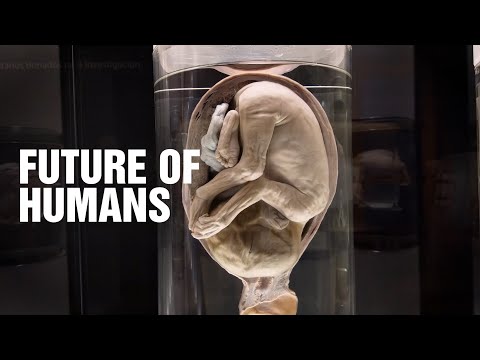
Future of Humans (t.co/sWQHSAx7g5)
Romans 8:28: “And we know that in all things God works for the good of those who love him, who have been called according to his purpose.”
CRISPR (/ ˈ k r ɪ s p ər /) (an acronym for clustered regularly interspaced short palindromic repeats) (britannica.com/technology/CRI…). It cuts the DNA of one gene and replaces it with another gene. It primarily changes the entire DNA of plants, animals, and humans.
CAS Systems (CRISPR Associated) proteins (ncbi.nlm.nih.gov/pmc/articles/P…) are an adaptive immune system in most archaea and many bacteria forms. CRISPR to eliminate COVID-19 virus genomes in cells to control the outbreak of the SARS-CoV-2 pandemic which is the Covid-19 virus; there is an urgent need to develop vaccines and specific antiviral drugs against the SARS-CoV-2 virus. However, creating the vaccine is a long and complex process that takes 5 to 10 years to commercialize.
"World Health Organization (WHO) permitted the use of seventeen COVID-19 vaccine candidates under the Act of Emergency Use Authorization (EUA). These seventeen COVID-19 vaccine candidates were developed in under 1 year with valid experimental (pre-clinical and clinical) data but still need long-term, extensive research and should meet all the regulatory norms under process according to the National Library of Medicine (2021) (ncbi.nlm.nih.gov/pmc/articles/P…)."
Previous research suggested in a review by Hou, T et al. (2020) (doi-org.nl.idm.oclc.org/10.1371/journa…) supposedly being able to diagnose people with CRISP-based diagnostic was implemented for nearly five million people. The risks of using this diagnostic tool were not explained to the people who were used to diagnose COVID-19; failing to supply the information could be partially viewed as a "lack of consent." The main issue is that CRISPR technology alters the genome of plants, animals, and humans. Fundamentally, this diagnostic tool may change a person's human genome. The authors indicated that it was important for the CRISPR diagnostic tool to aid in the process of, specifically, helping people diagnose COVID-19. The goal was not to make people aware of CRISPR's technological uses. Essentially, if the goal was only to analyze people with COVID-19, not specifically make them aware of CRISPR's specialized services, why not use a medical provider to create the vaccine that cannot also alter the human genome?
For this reason, ethics surrounding using CRISPR technology in CAS systems should be analyzed. What can CRISPR CAS systems accomplish in the world? CRISPR technological CAS systems CRISPR technology is centered around changing the genetic DNA of plants, animals, and humans. It allows people the opportunity to become immune to genetic diseases, such as blindness, cancer, incurable diseases like HIV/AIDS, and other diseases. Conceivably, using CRISPR technology violates society's deontology, autonomy, and civil liberties(Nature, 2019) (nature.com/articles/d4158…)
Featherless chickens (cabi.org/agbiotechnet/n…) were created using CRISPR technology and are genetically engineered (GMOs). (CRISPR COVID VACCINE) RNA (Mapping) is used in Covid mRNA vaccines.
KEY TERMS
CRISPR CAS9 (also known as germline editing) (medlineplus.gov/genetics/under…) attempts to achieve adequate efficiency and precision of genetic engineering technology in human embryos.
MOLECULAR BIOLOGY – can identify the innate mechanisms that allow damaged tissues, organs, and limbs to repair and regenerate (MDI Biological Laboratory 2022) (mdibl.org/2022-publicati…). Frogs Can Regrow Limbs - Might Lead to Human Reproduction.
GENE THERAPY is a system that involves the alteration of the DNA or RNA of an organism to facilitate therapeutic uses. It can be used for the treatment or prevention of different diseases by allowing the correction, deletion, addition, or replacement of target genes (CAS9, 2021) (cas9.com/what-is-the-di…).
GENE DRIVES encode a desired genomic change along with the components of the CRISPR system, and it will cut and replace the original sequence with the latest version in each generation, eliminating the population of rats, possums, and others by 2050 (Esvelt, K. M et al., 2017) (pubmed.ncbi.nlm.nih.gov/29145398/).
CRISPR BABIES: The first known genetically modified organisms (GMO) of human embryos, called “CRISPR Babies (Genetically modified humans),” were created in 2018 and are immune to HIV (CRISPR Babies) DESIGNER BABIES: (also named future world regulators or “Superhumans”) are preimplantation genetic diagnosis (PGD) that are known as “designer babies” and have redesigned enhanced IQ intelligence, social skills, muscle strength (elasticity), intellect, and even the ability to change the eye color, and a limitless number of other traits (Designer Babies) (Nature, 2019) (nature.com/articles/d4158…).
GENETIC ENGINEERING (also called genetic modification) is a process that uses laboratory-based technologies to alter the DNA makeup of an organism. This may involve changing a single base pair of DNA (A-T or C-G), deleting a region of DNA, or adding a new segment of DNA (Genome.gov). For example, genetic engineering may involve adding a gene from one species to an organism from a different species to produce a desired trait. Used in research and industry, genetic engineering has been applied to the production of cancer therapies, brewing yeasts, genetically modified plants, livestock, and more (Smith, 2024) (genome.gov/genetics-gloss…) PLEASE NOTE: Due to the nature of genetic engineering and its implications this term can be used interchangeably with racial cleansing, eugenics as the source updates website quite frequently.)
CRISPR TECHNOLOGY of CAS SYSTEMS (acronym clustered regularly interspaced short palindromic repeats) is centered around redesigning by splicing the genetic DNA make-up of one gene and replacing it with another gene in plants, animals, and humans. CAS (acronym CRISPR Associated) Protein systems are adaptive immune systems represented in most archaea and many bacteria forms. There are numerous CAS proteins with various functions: Cas9 is an enzyme that cuts specific sites in DNA, for example. CRISPR sequences and Cas proteins combine as a CRISPR-Cas system (Navatein Biosciences 2022) (novateinbio.com/content/96-cri…).
With this data and research, Assessing Scientific Education of Genetic Engineering for Public Awareness: Connections related to Minorities, Health, and Legal Communities will allow the opportunity to attenuate as to which legal communities (i.e., legislative, executive, and judicial branches) should govern the oversight of ethics, morale, and illegal experimentation of the use of CRISPR Technology, and health (i.e., Environmental Protection Agency (EPA), Food & Drug Administration (FDA), World Health Organization (WHO), Center for Disease Control (CDC, etc.,) communities. This will employ awareness for the public to be with interference or in support of the continued innovative development of CRISPR TECHNOLOGY (National Library of Medicine, 2018) (ncbi.nlm.nih.gov/pmc/articles/P…).
The birth of CRISPR technology in 1987 attempted to eliminate the natural selection process, according to Lau et al. (2017) (doi-org.nl.idm.oclc.org/10.1139/bcb-20…). The curative science of CRISPR technology started when it was introduced into science by identifying five identical sequences of twenty-nine nucleotides separated by thirty-two nonrepeating spacers of sequence to identify the DNA gene protein. The authors agree that the CRISPR CAS9 system using germline editing successfully placed the adaptive immunity spacer that can allow gene editing in the genome. The authors suggest that CRISPR enables the detection of bacteria and archaea (corrupt cells, such as HIV, Blindness, Lupus, and others). They found 84% of archaea and 45% of bacteria, and CRISPR identified the patterns associated with these corrupted cells. Ignoring the unknown risks of using CRISPR technology may have some unfavorable effects in the future.
Due to the confusion mentioned above regarding CRISPR’s beginning, the debate is ignited around the credit for CRISPR use (Das et al., 2017)(currentscience.ac.in/Volumes/112/07…). CRISPR’s Historical Timeline Understanding the history of CRISPR Technology of CAS (See Appendix A) systems starts with the human genome.
CRISPR technology attempts to change the human genome, which is the genetic DNA of plants, animals, and humans. The genome is the entire set of DNA instructions (See Appendix A- Disregard this is a part of my research can read when it's published) found in a cell. In humans, the genome consists of 23 pairs of chromosomes in the cell's nucleus and a small chromosome in the cell's mitochondria. A genome contains all the information needed for an individual to develop and function. In the last few decades, parasitic genetic elements to control natural populations began to change in the mid-20th century.
Spreading genes promoted the growth of popularized evolution within the human genome. This caused variations of parasitic gene elements that cause illness (Arvid et al., 2016) (pdfs.semanticscholar.org/7495/7e4b11e0b…).
Furthermore, in the 1940s, researchers thought of using gene drives to eradicate populations of pests and disease vectors and to reduce or eliminate invasive species that wreak havoc on natural ecosystems (Wyss Institute, 2017) (wyss.harvard.edu/technology/gen…).
In 1960, George B. Craig, a mosquito biologist, and two of his colleagues, W.A. Hickey and R.C. Vandehey, suggested using a breeding program in which a "male-producing factor" is naturally present in some male Aedes Aegypti mosquitoes would be harnessed to control mosquito populations. When male mosquitoes breed with this male-producing factor, most of their offspring develop as males (National Library of Medicine, 2016)(ncbi.nlm.nih.gov/books/NBK37928…).
In 1972, Friedman et al. introduced ethical standards for gene therapy. However, in 1980, genetic engineering was only performed in patients with thalassemia with the approval of the institutional review board (Ryota, 2020) (pdfs.semanticscholar.org/af2b/a1bb2a242…).
On July 25, 1978, Louis Brown, the first "test-tube baby," was conceived through in-vitro fertilization (IVF). Her mother, Lesley Brown, and father, John Brown, were excited when Robert G. Edwards developed this scientific discovery (National Library of Medicine, 2019)(ncbi.nlm.nih.gov/pmc/articles/P…).
In 1990, the first gene therapy was a system that involved the alteration of the DNA or RNA of an organism to facilitate therapeutic uses. French Anderson administered this at NIH. This gene therapy was provided to a four-year-old with a rare immune disorder, adenosine deficiency, that included copies of the ADA gene (Lewis, 2018)(dnascience.plos.org/2018/05/18/fre…).
In 1996, the first case of parents selecting their child's gender for non-medical reasons was cited. Monique and Scott Collins wanted a baby girl. This highly publicized event introduced the concept of a “designer baby,” also called future world regulators. These babies could be injected with enhanced traits such as muscle strength, social skills, and intellect to promote an advanced IQ. Many problems arose because people began to think about other characteristics that could be altered. Some ideas were eye color, hair color, athleticism, and skin color (Ly, 2011)(embryo.asu.edu/pages/ethics-d…).
In 1998, Jessie Gelsinger, a 17-year-old male, had Transcarboxylase Deficiency Syndrome (OTCD), a rare metabolic disorder. This patient was treated by Dr. James M. Wilson, a Scientist and medical Geneticist, in a clinical trial utilizing CRISPR gene therapy. Dr. Wilson’s motivation for using CRISPR gene therapy was implicitly influenced by the clinical trial results and financial gain (Wilson, 2012)(papers.ssrn.com/sol3/papers.cf…). Unfortunately, Jessie Gelsinger passed away during the clinical trial. His death was assumed to be a result of the clinical trial. Dr. Wilson has been involved in several investigations and a lawsuit surrounding Jesse’s death (CBS News, 2000)(cbsnews.com/news/gene-ther…).
According to Nerlich et al. (2003) (file:///C:/Users/execu/Downloads/Nerlich_B_Clarke_D_D_Johnson_S_2003_The.pdf) report that Dr. John Wagner was the first physician to create a designer baby, Adam Nash, in 2000. Adam was created through genetic screening and CRISPR in-vitro fertilization (IVF). The purpose of creating Adam was to save his older sister Molly, who had a rare congenital disease, a severe type of Fanconi Anemia. Adam’s specific goal was to be able to donate bone marrow to his sister that would save his sister’s life. The information regarding the first use of in-vitro fertilization (IVF) contrasts with a report by the National Library of Medicine (2019) (ncbi.nlm.nih.gov/pmc/articles/P… ) that stated the first designer baby was created in 1978. It seems most scientists want to take credit for being the first to discover CRISPR uses. Could this be what led rogue scientist He Jianku to create the first CRISPR designer babies?
In 2017, the Food and Drug Administration made some significant changes to DNA-related genetic titles, including an addition to the genetic editing process. This process was developed using genome editing technologies and techniques such as recombinant DNA constructs, titled Intentional Genomic Alterations (IGAs). This process was specific to animals used in ‘bio-pharma’ research (FDA, 2017) (fda.gov/media/74614/do… - You can download and keep a copy in case it's removed)
In 2018, Jackson et al. (2018) (ncbi.nlm.nih.gov/pmc/articles/P…) wrote that CRISPR-Cas9 developed an editing process that helped restore the effectiveness of the first-line chemotherapies for lung cancer. Some inherited conditions such as cystic fibrosis (CF), hemophilia, and an inherited predisposition to breast cancer were treated with CRISPR-CAS9 in genetic engineering. Alternatively, The Boston College Law Review (2018) suggests that CRISPR-CAS9 germline editing has limited information about the current risks. Fundamentally, germline editing fails to provide an understanding of the future complications and the risks of acquiring a new medical condition. According to the author, CRISPR-CAS9 germline editing should not be used.
In 2019, the United States House Committee voted to continue the ban on genetically modified babies. The House Committee cited that the risks involved with germline therapy were too harmful. Many representatives highlighted that this therapy was a moral issue, against ethical standards. Furthermore, representatives cautioned the house regarding the risks involved with untested clinical trials. It is noteworthy that Representative Kay Granger (R-Texas) stated, "It would be irresponsible for us to fund FDA's review of this hazardous research. " Additionally, Representative Robert Aderholt (R-Alabama) agreed with Granger and stated, “There are just too many unknowns” and “Many of us believe it's just a step too far too soon.” Similarly, Marcy Darnovy, who runs the Center for Genetics and Society, states in the House vote, "There is no compelling medical argument for heritable genome editing, and no need to subject our children to the risks it would entail because we already have ways to prevent transmission of inheritable disease" (Stein, 2018) (npr.org/sections/healt…).
In 2021, the World Health Organization (WHO) provided the first global recommendations to help establish human genome editing as a public health tool, emphasizing safety, effectiveness, and ethics (WHO, 2021). This contrasts with the House vote mentioned above, which bans genetically modified babies, including untested clinical trials. Specifically, as discussed in Stein (2018), Representative Debbie Wasserman Schultz (D-Florida) commented, "This is not 2001: Space Odyssey or 1984 or a mad scientist playing games with genetic material". Representative Shultz publicized that her family members possess genetic mutations. This puts them at a higher risk for breast cancer. She said, “There are real opportunities... to try to cut off the passing on of genetic mutations that can have dramatic life-altering implications". There are oppositional thoughts regarding using CRISPR technology in genetic engineering. The history reflects the cognitive dissonance regarding CRISPR technologies and the challenges around ethical practices. These challenges are reflected in many health, scientific, and legal communities, such as the Food & Drug Administration (FDA), World Health Organization (WHO), Center for Disease Control (CDC), government bodies, and litigation. The scale of Satisfaction, The way to measure an individual’s satisfaction with supporting the use of CRISPR TECHNOLOGY, is determined by the degree to which someone values several beliefs in autonomy, attitudes and deontology, technological perception, family values, and civil liberties. The objective is to develop a statistical pattern that proves or disproves this hypothesis. CRISPR BABIES In 2018, Chinese scientist He Jiankui created the first genetically modified organism (GMO) of human embryos, called “CRISPR Babies,” or genetically modified human organisms. Despite criticism that germ-line editing could impact pro-genies, Jiankui continued his illegal experimentation research with embryos, creating the first CRISPR twin babies immune to HIV (Bertka, C. M. 2020) (doi-org.nl.idm.oclc.org/10.1111/zygo.1…).
Conclusion
CRISPR Gene Drives gene drives and can cause infertility in certain animals that may be viewed as pests, preventing them from reproducing, which can negatively impact ecological systems worldwide. Featherless Chicken is easy to process and keeps cool: A featherless chicken has been produced using conventional breeding techniques to aid poultry production in hot climates. Hebrew University, Israel. The authors state that they created and produced featherless chicken to thrive in hot environments and cause less pollution (Featherless Chicken). Changing the genome of animals to make production more efficient could lead to unethical practices and health problems with the consumption of these chickens. Unknown risks need to be analyzed more closely—the World Health Organization’s (WHO). The World Health Organization (WHO) Human Genome Editing Recommendations Committee produced a series of recommendations for CRISPR-Cas9 centered around redesigning by splicing the genetic DNA makeup of one gene and replacing it with another gene in plants, animals, and humans.
WHO supports that CRISPR CAS9, human genome editing, has the potential to advance the ability to treat and cure disease and has realized that if it is deployed, it will benefit all people. CRISPR technology could have the potential to impact the world negatively. – Monitoring clinical trials using human genome editing technologies is of concern – there are concerns about possibly illegal, unregistered, unethical, and unsafe human genome editing research and other activities, which should be examined more closely.
The Food and Drug Administration (FDA) has allowed scientists to experiment on the human genome with these new technologies that are currently available. Scientists want to get rid of genetic diseases as much as possible. Science Focus (2021)(sciencefocus.com/the-human-body…) has stated that mRNA is helping block the spread of SARS-CoV-2 coronavirus over the COVID-19 pandemic. In addition, Science Focus announced that the "COVID-19 virus is genetically modified so that it can’t grow in human Vaccines." There is nothing anyone can do about CRISPR Technology because it has already been approved. CRISPR Technology is not widely discussed because legal and health communities are unaware of how they will fully release this information to the general public. Awareness needs to be created around this issue. CRISPR technology uses cells from places that the government will not openly tell anyone, but it replaces your genes with the genes of animals and sea creatures with enhanced traits. No risk is acceptable enough to change who God created you to be.
Please educate yourself so that you are well informed to understand the things of evil.
Ephesians 2:1-2 “As for you, you were dead in your transgressions and sins, 2 in which you used to live when you followed the ways of this world and of the ruler of the kingdom of the air, the spirit who is now at work in those who are disobedient.” biblegateway.com/passage/?searc…
Ephesians 6:11-13 "11 Put on the full armor of God, so that you can take your stand against the devil’s schemes. 12 For our struggle is not against flesh and blood, but against the rulers, against the authorities, against the powers of this dark world and against the spiritual forces of evil in the heavenly realms. 13 Therefore put on the full armor of God, so that when the day of evil comes, you may be able to stand your ground, and after you have done everything, to stand" biblegateway.com/passage/?searc…
Revelation 13:17, “so that they could not buy or sell unless they had the mark, which is the name of the beast or the number of its name." Below is more information on Molecular Biology.
MDI Biological Laboratories below focuses on changing the genetic DNA of humans, plants, and animals. This genetic engineering can sometimes be perceived as innovative. Some people understand that it eliminates natural selection and the genome that God created. For this reason, why would anyone want to participate in experiments with irreversible unknown risks?
Revelation 13:15-18: "15 The second beast was given power to give breath to the image of the first beast, so that the image could speak and cause all who refused to worship the image to be killed. 16 It also forced all people, great and small, rich and poor, free and enslaved person, to receive a mark on their right hands or their foreheads, 17 so that they could not buy or sell unless they had the mark, which is the name of the beast or the number of its name. 18 This calls for wisdom. Let the person with insight calculate the number of the beast, for it is the number of a man.[a] That number is 666. What about the mark of the beast? In what ways do you believe the mark of the beast will infiltrate the world when everyone will be required to get the mark?
Proverbs 14:12 "12 There is a way that appears to be right, but in the end it leads to death." In what ways do you believe that people will be deceived into taking and accepting the mark? Will there be incentives to get it? Make sure no one deceives you 1 John 3:7!!! biblegateway.com/passage/?searc…
Hosea 4:6: "My people are destroyed from lack of knowledge. “Because you have rejected knowledge, I also reject you as my priests; because you have ignored the law of your God, I also will ignore your children." biblegateway.com/passage/?searc….
THE BENEFITS NEED TO OUTWEIGH THE RISKS OF USING CRISPR TECHNOLOGY BASED ON EVIDENCE IN THIS ARTICLE. When technology is used, humans who go rogue can use and abuse it.
PLEASE NOTE: All citations have been printed to PDF to limit misinformation since SOME, not all, but SOME, authors can change information anytime. Thank you for reading.
Remember that. Questions to Blogs Can be Discussed during @Laws, Life & Health: Let’s Talk About It. Podcast Everyday @7pm (closed Wednesday & Saturday)
Author Deanna Watson>>>(suddenchangescorporation.org/about-ceo-dean…) CEO of Sudden Changes Corporation, Ph.D. Student, Chicago, IL
YouTube

YouTube
YouTube

English