
Metal_Lawyer 🎸🤘⚖️ retweetledi
Metal_Lawyer 🎸🤘⚖️
5.3K posts


Metal_Lawyer 🎸🤘⚖️
@LegalDistortion
lawyer seeking knowledge through the power of heavy metal || music is therapy || be authentic: share your truth, for the truth is out there ||
United States Katılım Nisan 2018
5.4K Takip Edilen779 Takipçiler

@SecKennedy If I eat every food on this image, will I finally achieve my goal of looking and sounding like I crawled out from under a bridge
English

Ultra-processed foods are out. Whole, nutrient-dense foods are in.
This will transform the American dietary culture and Make America Healthy Again.
English
@RichardHanania Pure xenophobic scapegoating, smearing a whole community for fraud while ignoring how his party's cuts enable the real crooks in power.
English

JD Vance on why Americans don’t have kids: “They cannot afford daycare because Somali fraudsters are ripping off the money we’re trying to put into the system.”
He’s always doing this. The lowest form of demagoguery.
English
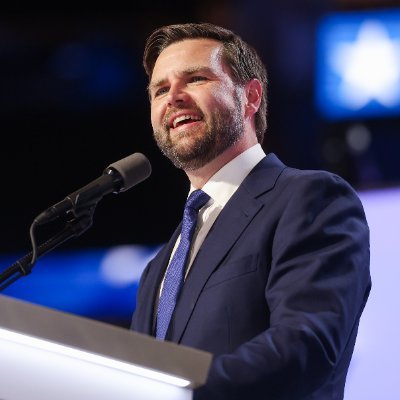
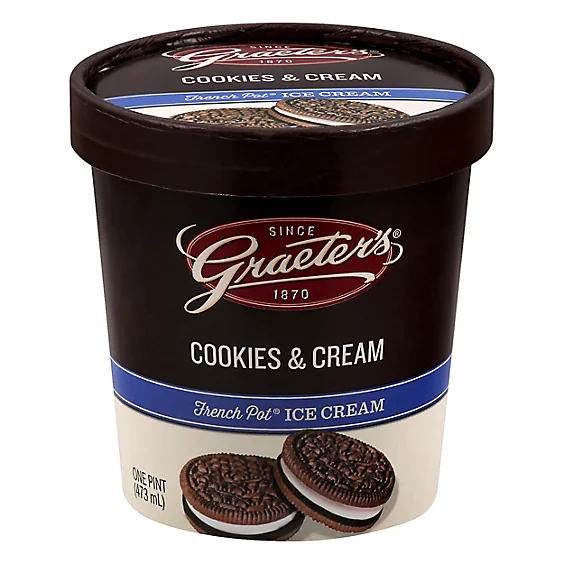
@JDVance @SecKennedy Brother that’s not even close to a top tier level Graeter’s…where’s Buckeye or black raspberry chip
English
hey @SecKennedy this new food pyramid is solid but you forgot to include one dietary staple:
English
@LueElizondo Well to be fair, it's always coming until it's here
English

@krassenstein @JDVance The one agent pulled the gun BEFORE she even started moving. How is that self defense? He was not even in the path the vehicle would be heading as part of her exit.
English

@JDVance Every congressional Republican and every republican running for Office should be asked two simple questions:
Why was the tire pointed away from the agent if she wanted to run him over and why is Trump and Vance lying?
English
Every congressional democrat and every democrat who's running for president should be asked a simple question:
Do you think this officer was wrong in defending his life against a deranged leftist who tried to run him over?
These people are going to try to arrest our law enforcement for doing their jobs. The least the media could do is ask them about it.
x.com/i/status/20089…
English
Metal_Lawyer 🎸🤘⚖️ retweetledi

@JDVance when will you be asked why you condone murdering moms?
English
@ZaidJilani @JDVance This is a great response. Not combative, just compassionate to the life lost and the family upended.
English

@JDVance Brother why are you referring to a woman who was killed and leaves behind family that way? Even if you think she was in the wrong (that's for a court and investigation to conclude not you by the way) that's a vulgar description not befitting a man who believes he will be Judged.
English
@JDVance Maybe every single republican who holds office or runs for office should be asked to watch the videos - from every available angle - and then defend every false position they are taking live on camera.
English
@AdamSchefter John, why go to Miami when you can instead go to Vegas and watch a franchise completely crash and burn and blow their shot even after drafting Mendoza. Plus you can have your brother Jim beat you at least twice a season!
English

ESPN Sources: Dolphins fired head coach Mike McDaniel.
Dolphins owner Stephen Ross met with McDaniel this week to discuss the season. After that meeting and reflection, Ross decided to move on.

English

@TheGreatB00ks Unrelated to Homer, but curious if y'all have thoughts on the best translations of other classic works? Thinking like how the Buss translation of Count of Monte Cristo is widely viewed as the "best"...what are some other classic works that have multiple translators you recommend?
English
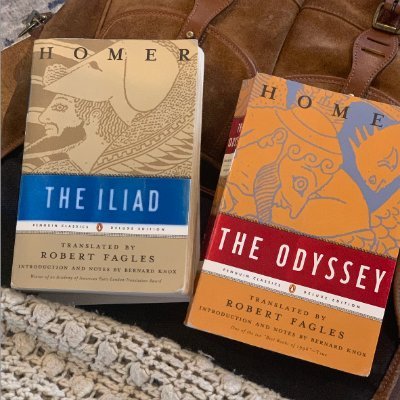
We are asked about Wilson's translation often.
We do not recommend it - at all.
Here are a few reasons why:
Archaeo - Histories@archeohistories
When Emily Wilson published her translation of The Odyssey, it quietly but decisively shifted how many readers understood one of the foundations of Western literature. For centuries, English versions of the poem had been shaped by male translators who often filtered Homer’s Greek through Victorian, Edwardian, or mid-20th Century assumptions about gender, class, and morality. Wilson approached the text with a different aim: fidelity not to tradition, but to the language itself. Her translation pays close attention to what the Greek actually says, rather than what earlier translators assumed it meant. Where previous versions softened Odysseus into a noble hero or exaggerated the moral failings of female characters, Wilson strips away editorial judgment. Words that had long been rendered with moralizing or misogynistic overtones—especially when applied to women, servants, or the enslaved—are reexamined and translated with consistency and precision. A term describing women as sexually suspect, for example, is no longer quietly upgraded to “faithful” or “pure” when it suits male sympathy. Equally important is what Wilson avoids. She resists anachronistic language that romanticizes violence, hierarchy, or domination. Her Odysseus is clever and ruthless, not automatically admirable; Penelope is intelligent and strategic, not merely patient and chaste. Enslaved women are named as enslaved, not euphemized into “maids,” forcing modern readers to confront the social realities the poem assumes rather than smoothing them away for comfort. Wilson’s choices don’t modernize Homer—they clarify him. By refusing to insert gendered judgment or inherited bias, her translation reveals how much earlier versions reflected the values of their translators rather than the ancient text. The result is an Odyssey that feels sharper, more unsettling, and more honest: a poem about power, survival, and storytelling itself, finally allowed to speak without centuries of moral varnish. © Reddit #archaeohistories
English
Metal_Lawyer 🎸🤘⚖️ retweetledi

Metal_Lawyer 🎸🤘⚖️ retweetledi

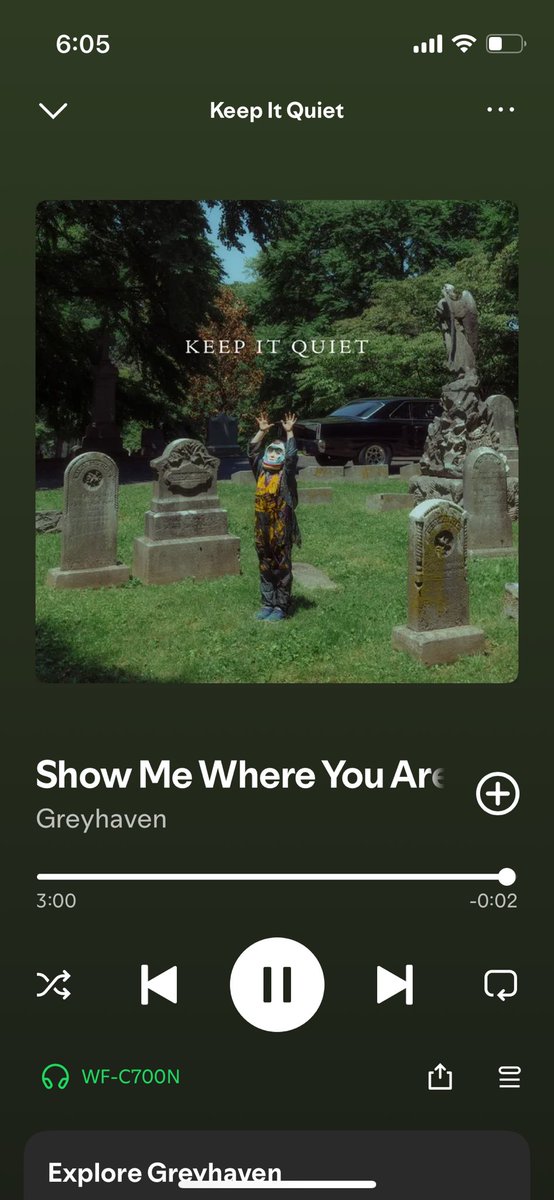
for a record called keep it quiet these songs are pretty loud
English
@itzKryptoxic Loved this…want more like it. Anyone have recommendations?
English

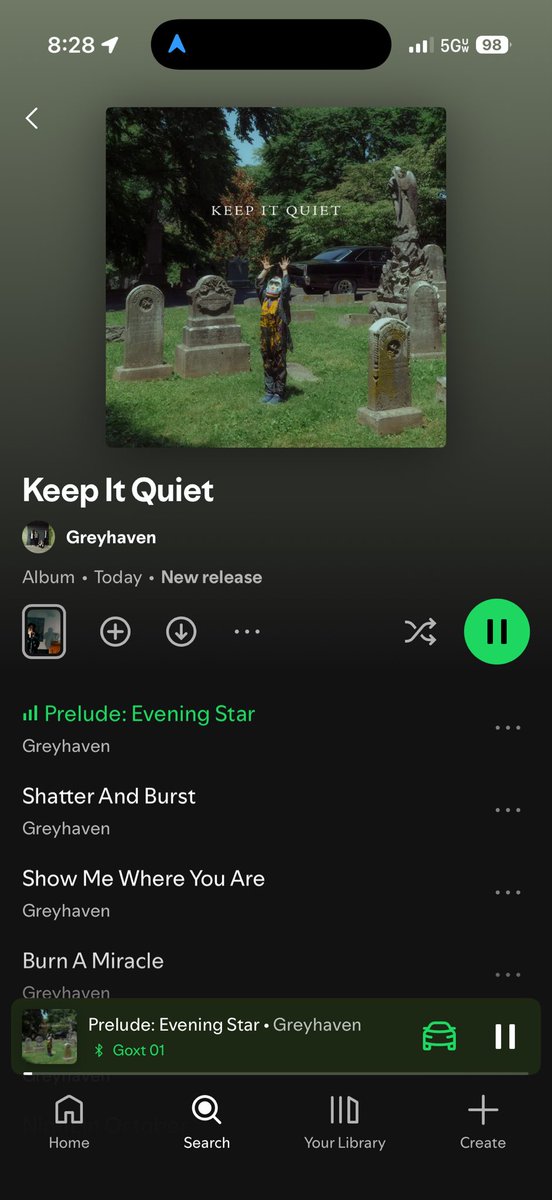

Metal_Lawyer 🎸🤘⚖️ retweetledi

NEW GREYHAVEN RECORD ONE OF THE BEST AND RAWEST BANDS ON THIS EARTH GREYHAVEN FOREVER
English
@Manhattva So just trying to understand the timeline. Because before today, Trump wanted it, right? But because he didn’t receive it, now it lost all meaning and value? Got it.
English

As of today,
The Nobel Peace Prize no longer holds any meaning or value.
It’s a shame.
Th Left eventually destroys everything they touch.
English
Metal_Lawyer 🎸🤘⚖️ retweetledi

Law school: “You’ll argue in front of the Supreme Court!”
Practice: “Please fix this comma before the lender notices.”
English
Metal_Lawyer 🎸🤘⚖️ retweetledi

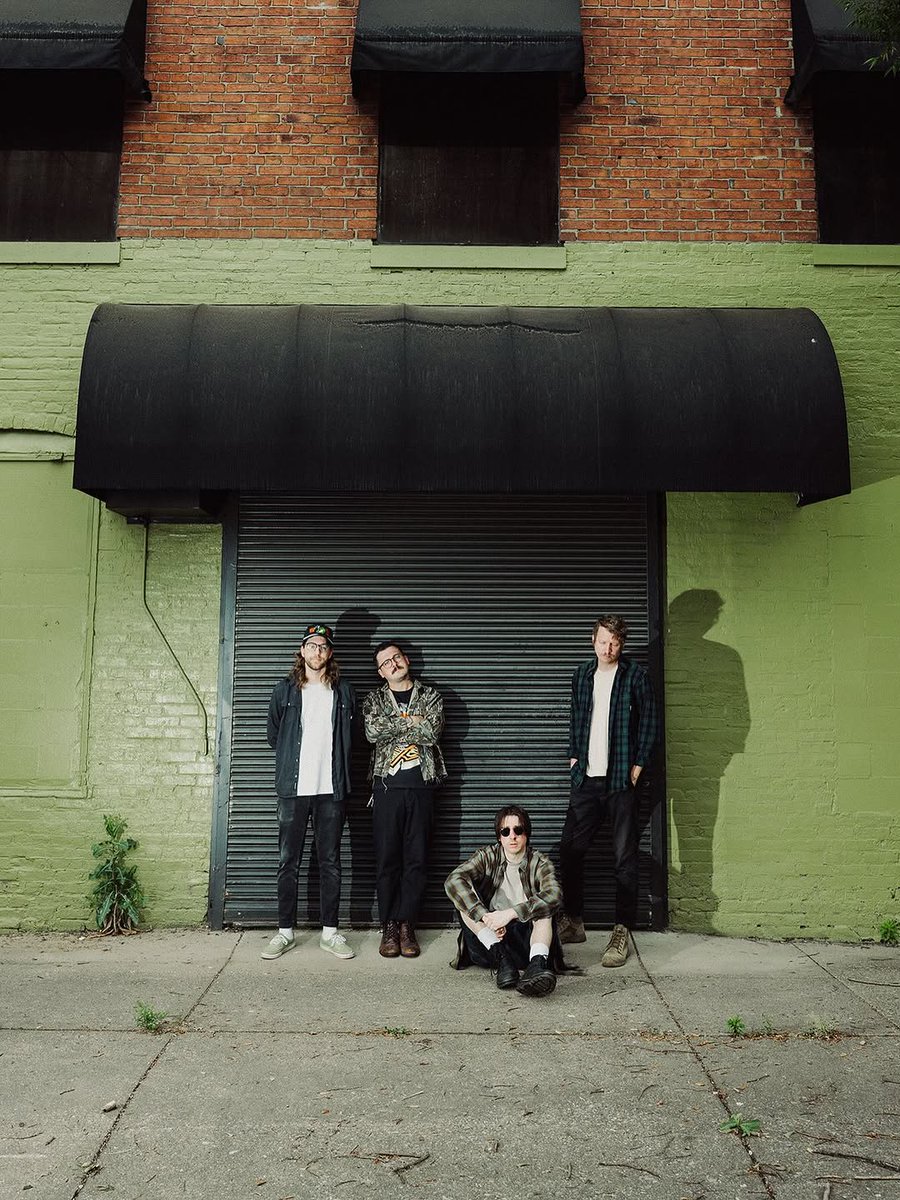
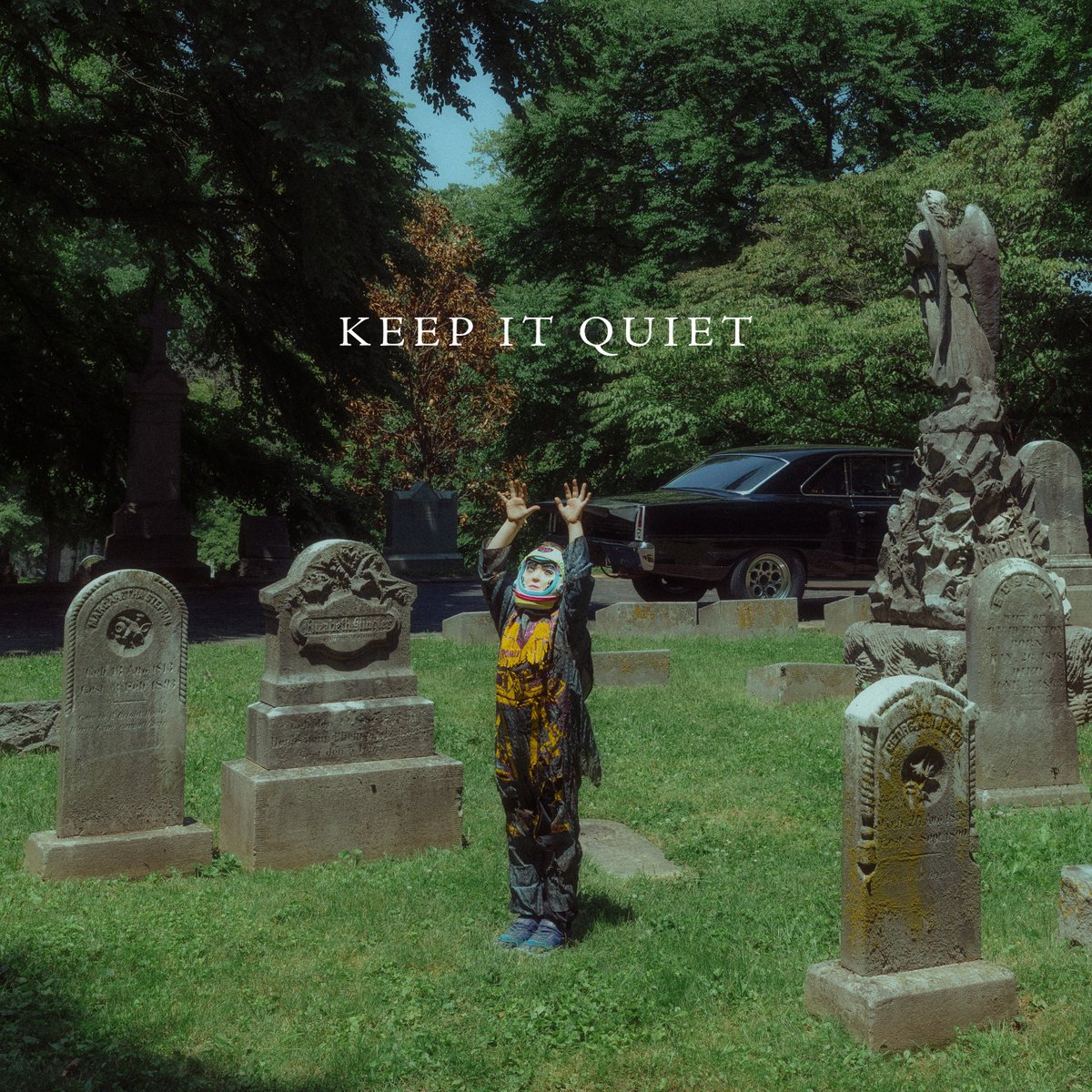
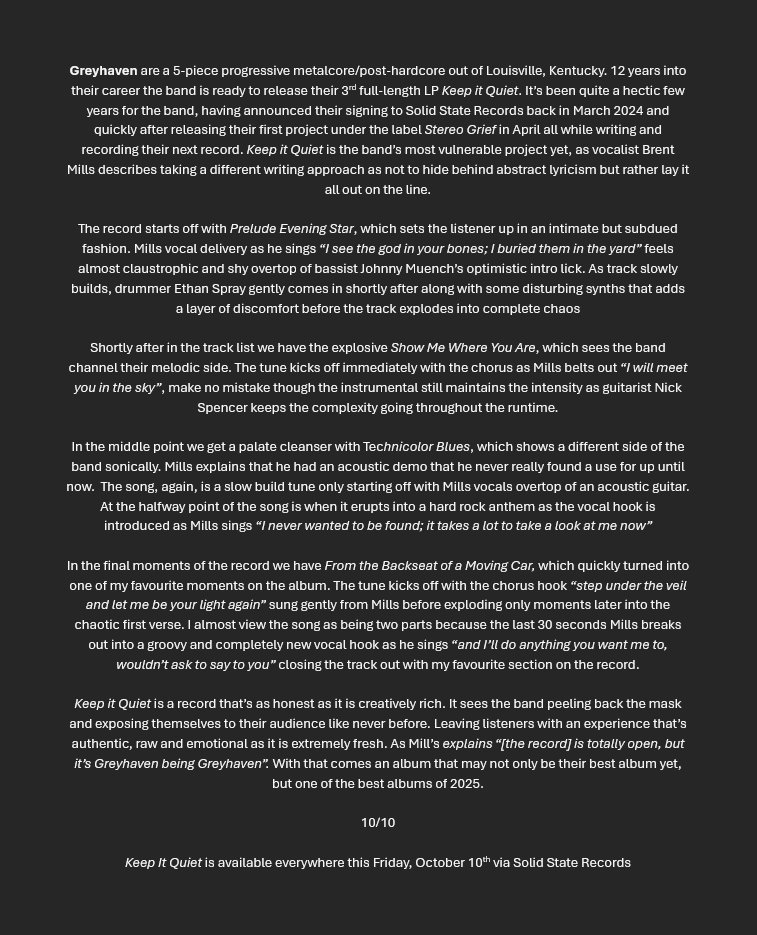
Greyhaven - Keep it Quiet - Review
"Keep it Quiet is a record that's as honest as it is creatively rich. It sees the band peeling back the mask and exposing themselves to their audience like never before. With that comes an album that may not only be their best album yet, but one of the best albums of 2025"
10/10
Keep it Quiet is available everywhere this Friday, October 10th via Solid State Records
English