Anna Legat

13.5K posts

Anna Legat banner
Anna Legat

Anna Legat

@LegatWriter

Writer of crime & historical fiction. @The_CWA and @HistoriaHWA A Pact with the Devil out now. A consummate reader. Escapist taking a sharp left turn.

Wiltshire Katılım Eylül 2016
1.5K Takip Edilen2.3K Takipçiler
Anna Legat retweetledi
Deborah Swift
Deborah Swift@swiftstory·
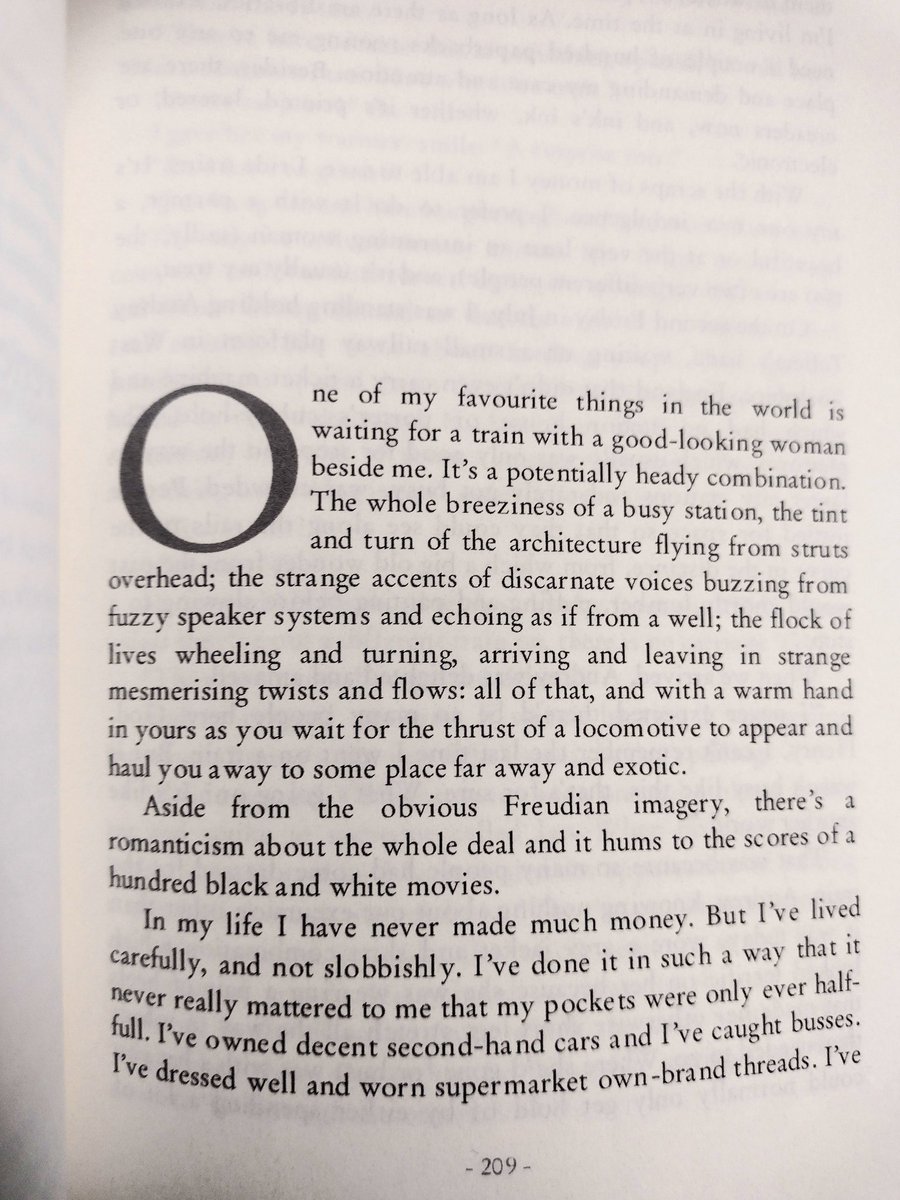
#99p #KindleDeal #WW2 #Fiction 'One of this year’s most powerful and affecting reads' - Sheffield Star 'emotional and moving ... immaculate research that never overshadows the heart of the story' - Suzanne Fortin ' poignant and powerful' - Lana Kortchik mybook.to/EnemysWife
Deborah Swift tweet media
English
0
15
13
117
Anna Legat retweetledi
Carol McGrath
Carol McGrath@carolmcgrath·
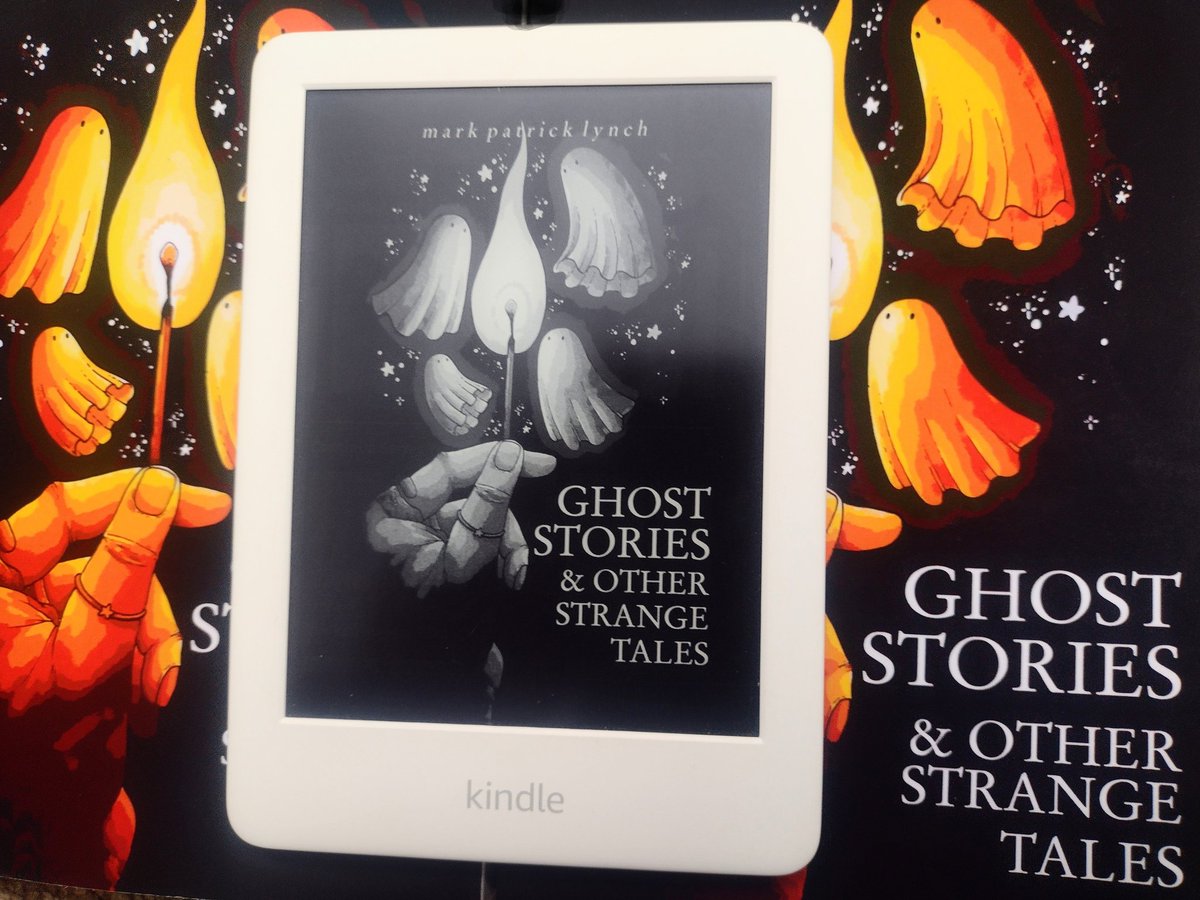
4th June publication. If you love the Tudors you will love this novel about Elizabeth Seymour.
Cathie Dunn – historical fiction & history@cathiedunn

Coming soon on #blogtour with The Coffee Pot Book Club: ✨The Queen's Sister by Carol McGrath✨ Discover an enthralling tale of a remarkable woman who balanced life & loyalty in precarious times! thecoffeepotbookclub.blogspot.com/2026/04/blog-t… #HistoricalFiction #WomenInHistory #Tudors @carolmcgrath
English
0
4
9
263
Anna Legat retweetledi
Mary-Ann Thorson𐃆
Mary-Ann Thorson𐃆@NoctrnlValkyrie·
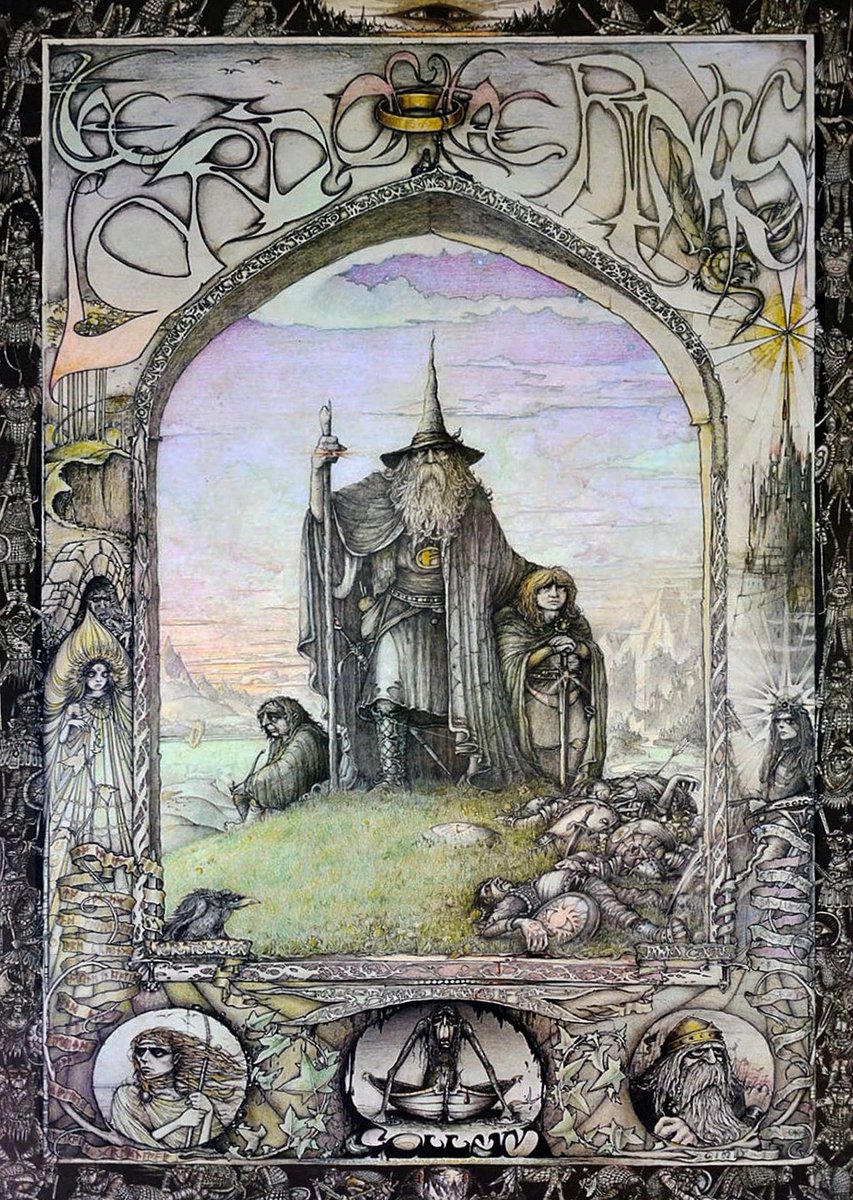
“Yet it is not our part to master all the tides of the world, but to do what is in us for the succour of those years wherein we are set, uprooting the evil in the fields that we know, so that those who live after may have clean earth to till.” ― J.R.R. Tolkien, The Lord of the Rings
Mary-Ann Thorson𐃆 tweet media
English
2
33
100
1.1K
Anna Legat retweetledi
Terry Tyler
Terry Tyler@TerryTyler4·
I loved this book, and if you're a #Tudor #History lover, I am sure you will too! #FREE until end May 21! LA PETITE BOULAIN by Gemma Lawrence mybook.to/4YDQXZ1 The early years of #AnneBoleyn 👑 Also... the next two books in the series are just 0.99 until end May 24th 😃
English
0
19
11
126
Anna Legat retweetledi
Peter Tonkin
Peter Tonkin@petertonkin50·
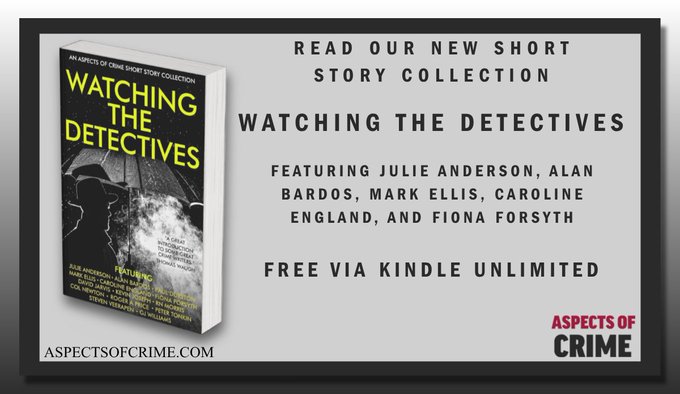
Back from research trip to Madrid & Toledo (ships n' swords). Poley & Marlowe now in Vlissingen heading for Brussels to see what effect singeing P's beard has had on Alba's invasion plans if any. Meanwhile Poley adds to M's spycraft & they confront Baines & Cullen & Sir A Standen
Peter Tonkin tweet media
English
0
2
6
105
Jemahl Evans
Jemahl Evans@Temulkar·
@LegatWriter Stubborn and stupid, we all told him he'd get hurt, and he was 6 years older than me so should rationally realised the risk. I got blamed for winding him up 😂
English
1
0
1
15
Anna Legat
Anna Legat@LegatWriter·
@Temulkar Oh dear! It's slippery slope only just to walk. Daredevil, your brother!
English
1
0
0
11
Jemahl Evans
Jemahl Evans@Temulkar·
@LegatWriter I love that place, I could see it from my bedroom window in Trowbridge as a kid, and we would ride our bikes up there and slide down the front legs. Brother broke his collar bone trying to ride down it 🙄
English
1
0
1
47
Anna Legat retweetledi
Bluemoose Books
Bluemoose Books@Ofmooseandmen·
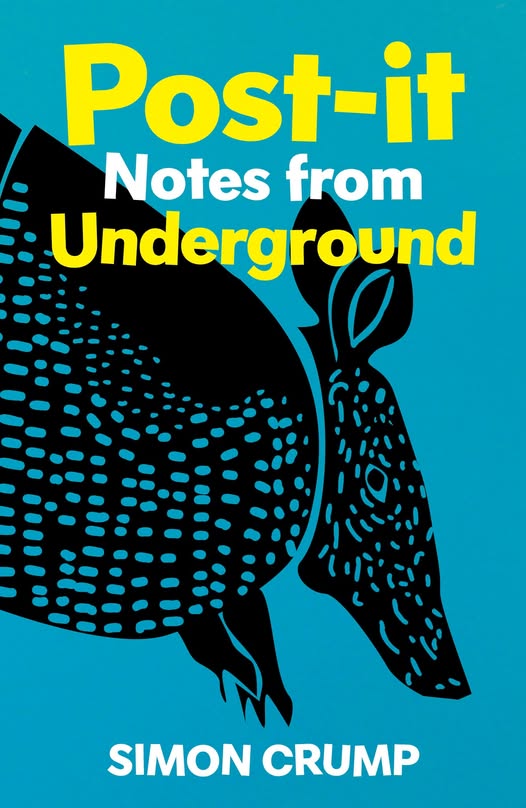
As reported in @SkyNews 'UK-based bank to replace 'lower-value human capital' with AI.' The new term for 'working class.' If you are able please do read. Post - it Notes From Underground by Simon Crump. Out on 25th June - Launch @WstonesLeeds When the cleaners fight back
Bluemoose Books tweet media
English
0
15
21
483
Jemahl Evans
Jemahl Evans@Temulkar·
I have a feeling Burnham is going to lose... He seems to be offering more of the same but with better vibes. Not sure that's going to cut it 🤷‍♂️
English
1
0
6
81
Anna Legat retweetledi
Ihtesham Ali
Ihtesham Ali@ihtesham2005·
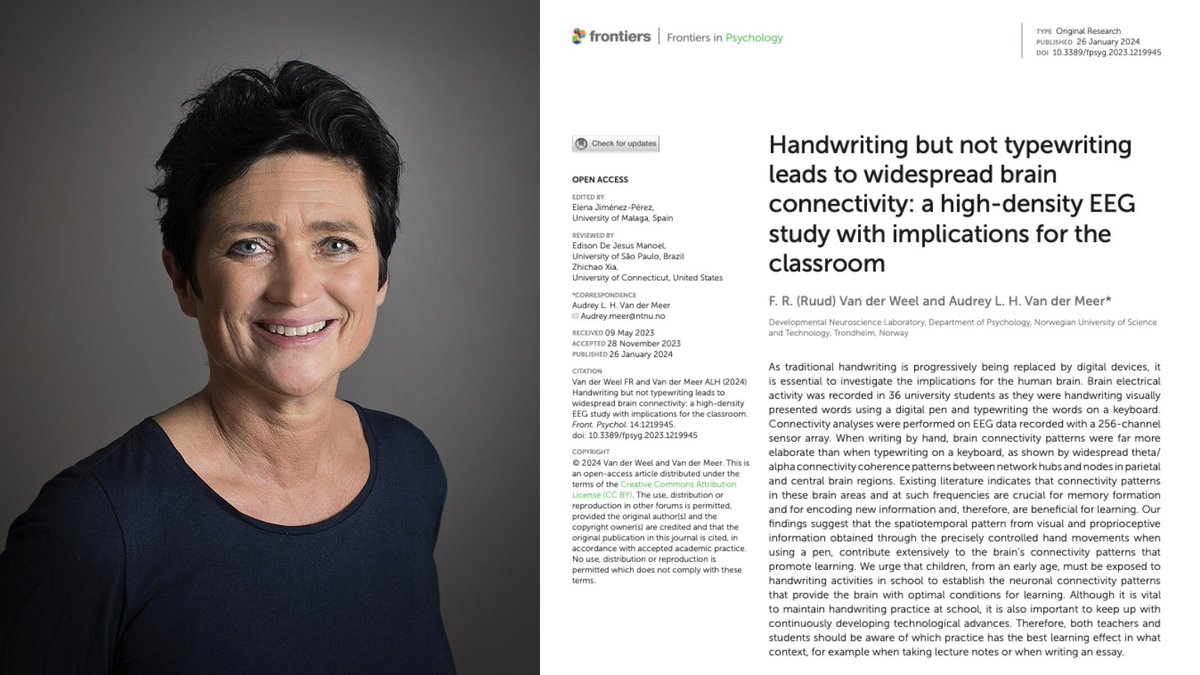
A Norwegian neuroscientist spent 20 years proving that the act of writing by hand changes the human brain in ways typing physically cannot, and almost nobody outside her field has read the paper. Her name is Audrey van der Meer. She runs a brain research lab in Trondheim, and the paper that closed the argument was published in 2024 in a journal called Frontiers in Psychology. The finding is brutal enough that it should have changed every classroom on Earth. The experiment was simple. She recruited 36 university students and put each one in a cap with 256 sensors pressed against their scalp to record brain activity. Words flashed on a screen one at a time. Sometimes the students wrote the word by hand on a touchscreen using a digital pen, and sometimes they typed the same word on a keyboard. Every neural response was recorded for the full five seconds the word stayed on screen. Then her team looked at the part of the data most researchers had ignored for years, which is how different parts of the brain were communicating with each other during the task. When the students wrote by hand, the brain lit up everywhere at once. The regions responsible for memory, sensory integration, and the encoding of new information were all firing together in a coordinated pattern that spread across the entire cortex. The whole network was awake and connected. When the same students typed the same word, that pattern collapsed almost completely. Most of the brain went quiet, and the connections between regions that had been alive seconds earlier were nowhere to be found on the EEG. Same word, same brain, same person, and two completely different neurological events. The reason turned out to be something nobody had really paid attention to before her work. Writing by hand is not one motion but a sequence of thousands of tiny micro-movements coordinated with your eyes in real time, where each letter is a different shape that requires the brain to solve a slightly different spatial problem. Your fingers, wrist, vision, and the parts of your brain that track position in space are all working together to produce one letter, then the next, then the next. Typing throws all of that away. Every key on a keyboard requires the exact same finger motion regardless of which letter you are pressing, which means the brain has almost nothing to integrate and almost no problem to solve. Van der Meer said it plainly in her interviews. Pressing the same key with the same finger over and over does not stimulate the brain in any meaningful way, and she pointed out something that should scare every parent who handed their kid an iPad. Children who learn to read and write on tablets often cannot tell letters like b and d apart, because they have never physically felt with their bodies what it takes to actually produce those letters on a page. A decade before her, two researchers at Princeton ran the same fight using a completely different method and ended up at the same answer. Pam Mueller and Daniel Oppenheimer tested 327 students across three experiments, where half took notes on laptops with the internet disabled and half took notes by hand, before testing everyone on what they actually understood from the lectures they had watched. The handwriting group won by a wide margin on every question that required real understanding rather than surface recall. The reason was hiding in the transcripts of what the two groups had actually written down. The laptop students typed almost word for word, capturing more total content but processing almost none of it as they went, while the handwriting students physically could not write fast enough to transcribe a lecture in real time, which forced them to listen carefully, decide what actually mattered, and put it in their own words on the page. That single act of choosing what to keep was the learning itself, and the keyboard had quietly skipped the choosing and skipped the learning along with it. Two studies. Two countries. Same answer. Handwriting makes the brain work. Typing lets it coast. Every note you have ever typed instead of written went into your brain through a thinner pipe. Every meeting, every book highlight, every idea you captured on your phone instead of on paper was processed at half depth. You did not forget those things because your memory is bad. You forgot them because typing never woke the part of the brain that would have made them stick. The fix is the thing your grandmother already knew. Pick up a pen. Write the thing down. The slower road is the faster one.
Ihtesham Ali tweet media
English
2.4K
44.2K
119K
9.4M
Anna Legat retweetledi
Tolkien World
Tolkien World@TolkienWorldG·
On May 18, 1939, Professor Tolkien gave his famous lecture “On Fairy Stories” at the University of St Andrews. There he argued that fairy tales and myths are deeply human stories, not childish distractions. He believed fantasy allows people to experience wonder again, recover a sense of beauty in ordinary things, and find hope. One of Tolkien’s most famous points was his defence of “escape” in storytelling. He argued there is nothing shameful about wanting to escape darkness, famously asking: “Why should a man be scorned if, finding himself in prison, he tries to get out and go home?” Here is an excerpt: “The realm of fairy-story is wide and deep and high and filled with many things: all manner of beasts and birds are found there; shoreless seas and stars uncounted; beauty that is an enchantment, and an ever-present peril; both joy and sorrow sharp as swords. In that realm a man may, perhaps, count himself fortunate to have wandered, but its very richness and strangeness tie the tongue of the traveller who would report them. And while he is there it is dangerous for him to ask too many questions, lest the gate should be shut and the keys be lost.”
Tolkien World tweet media
English
27
483
2.1K
41K