Don Lemande retweetledi

APC wants you to stop tweeting about Obi–Kwankwaso, but don’t listen to them. Keep tweeting about Obi-Kwankwaso; we’re amplifying your tweets.

English
Don Lemande
5.7K posts


@Lemandex
Good Human, depends who is asking | Different shades of pepper | Crypto enthusiast



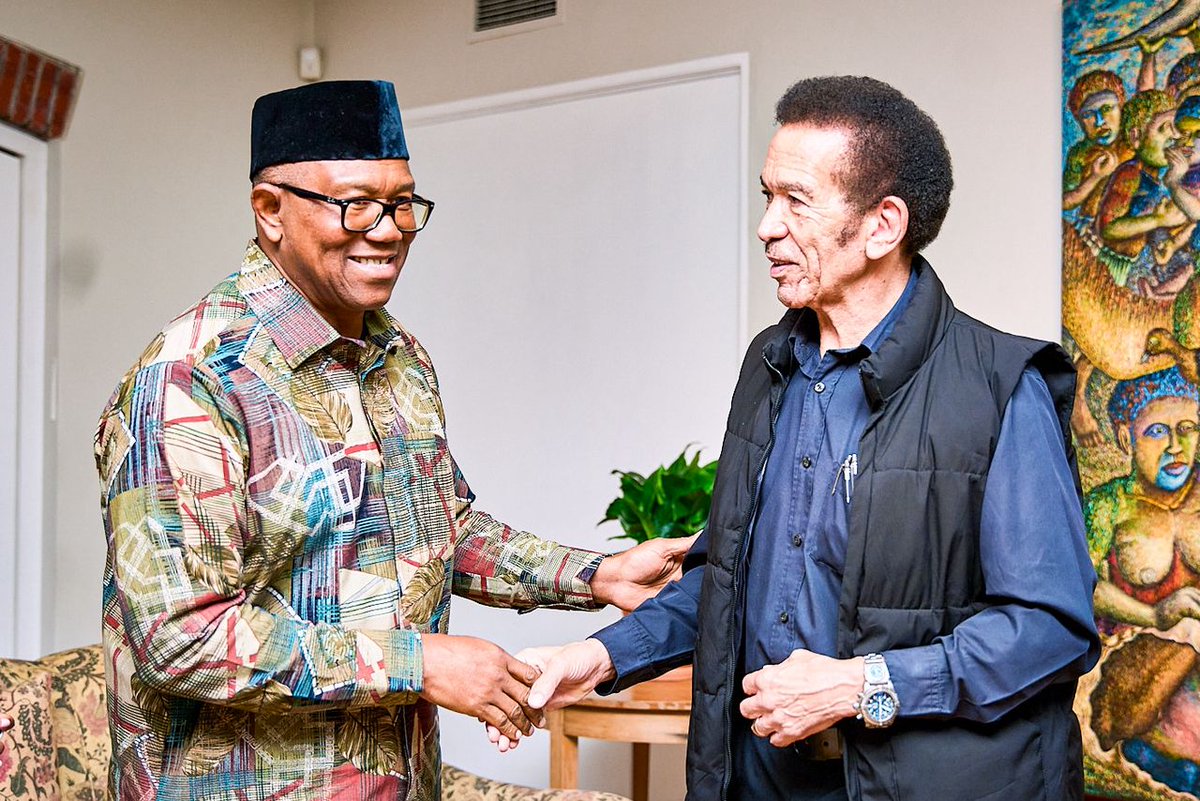

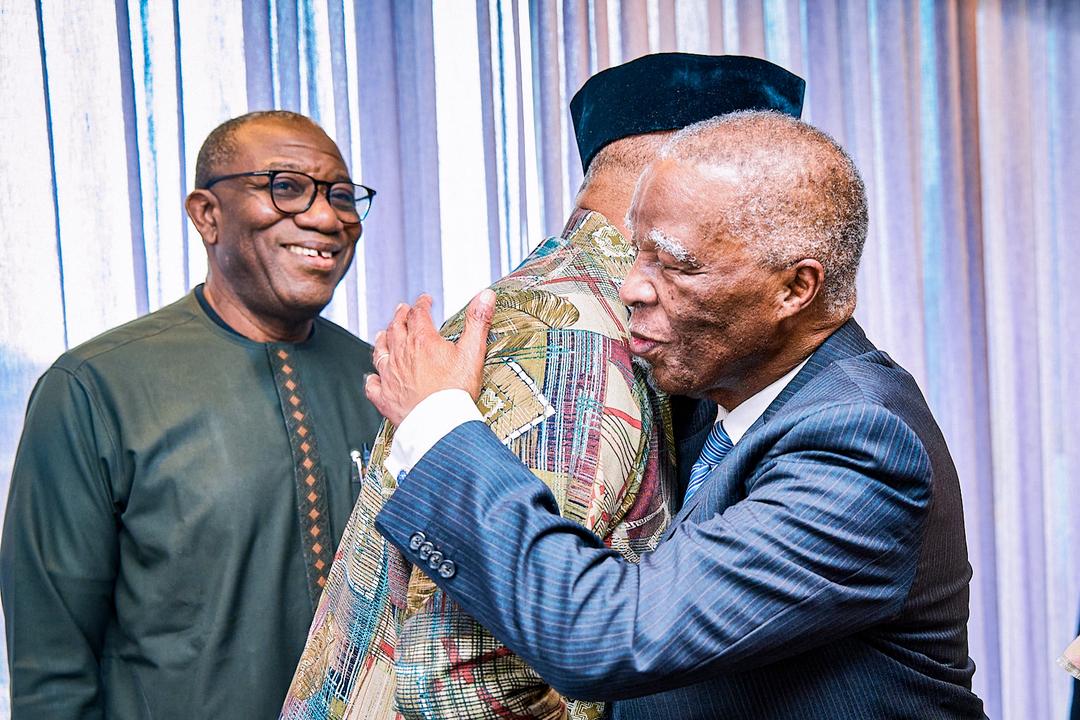
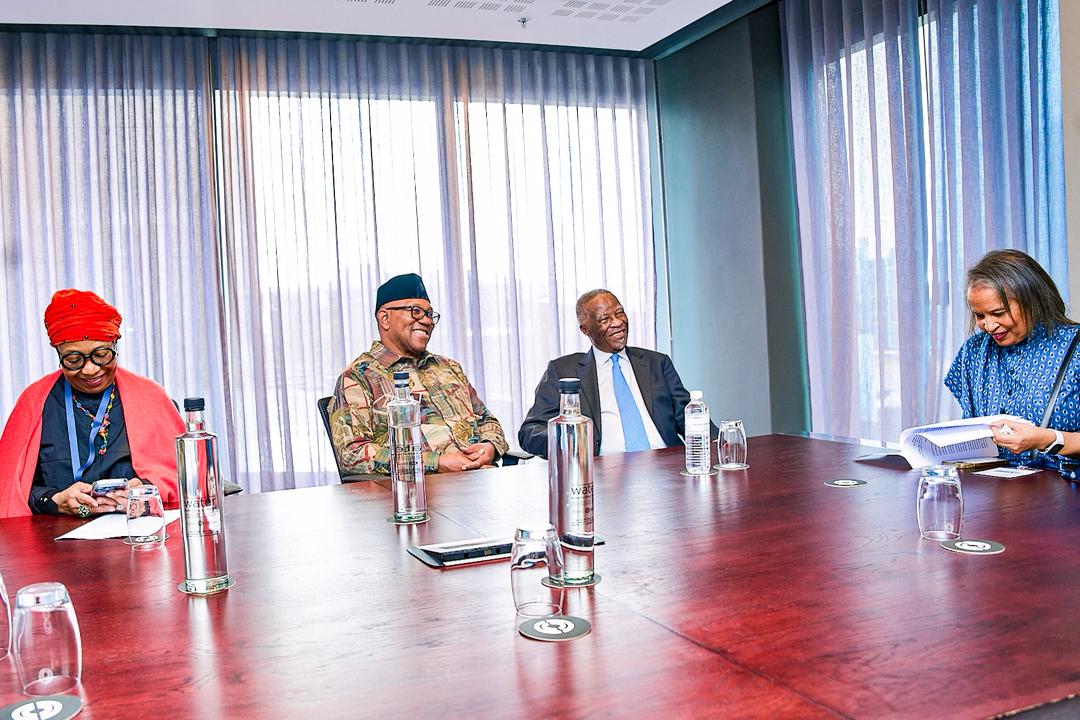




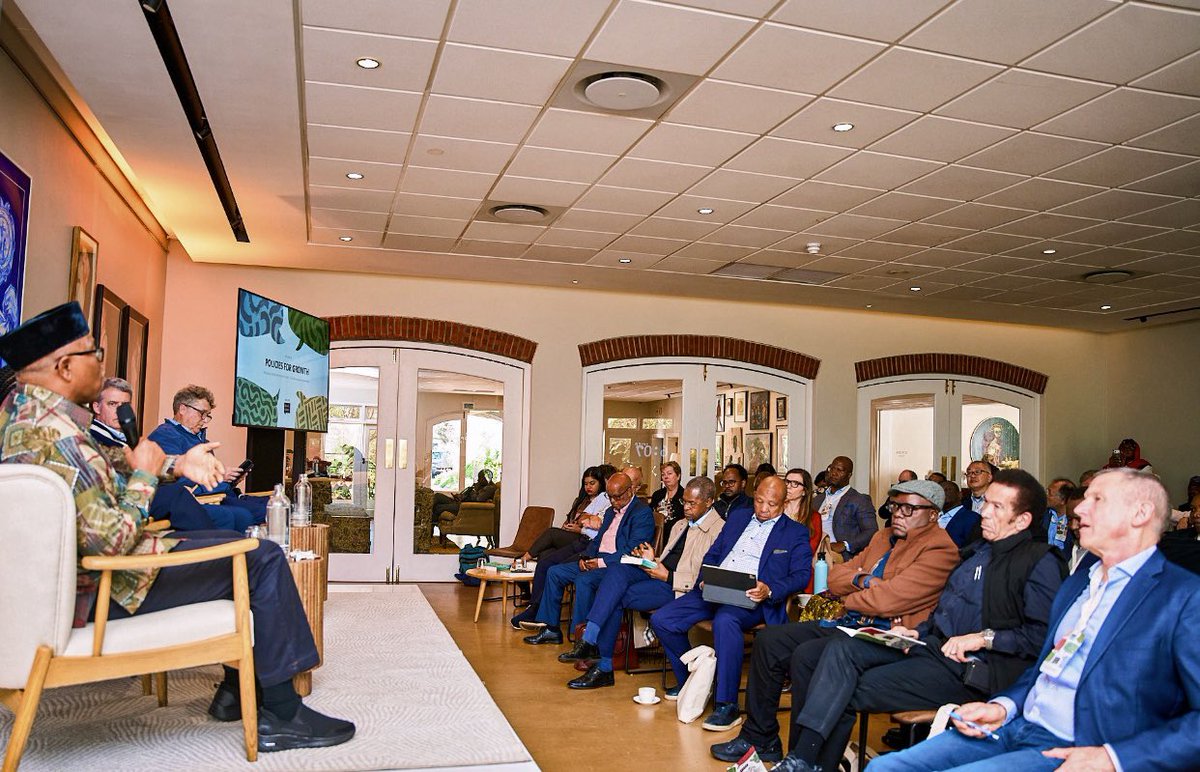
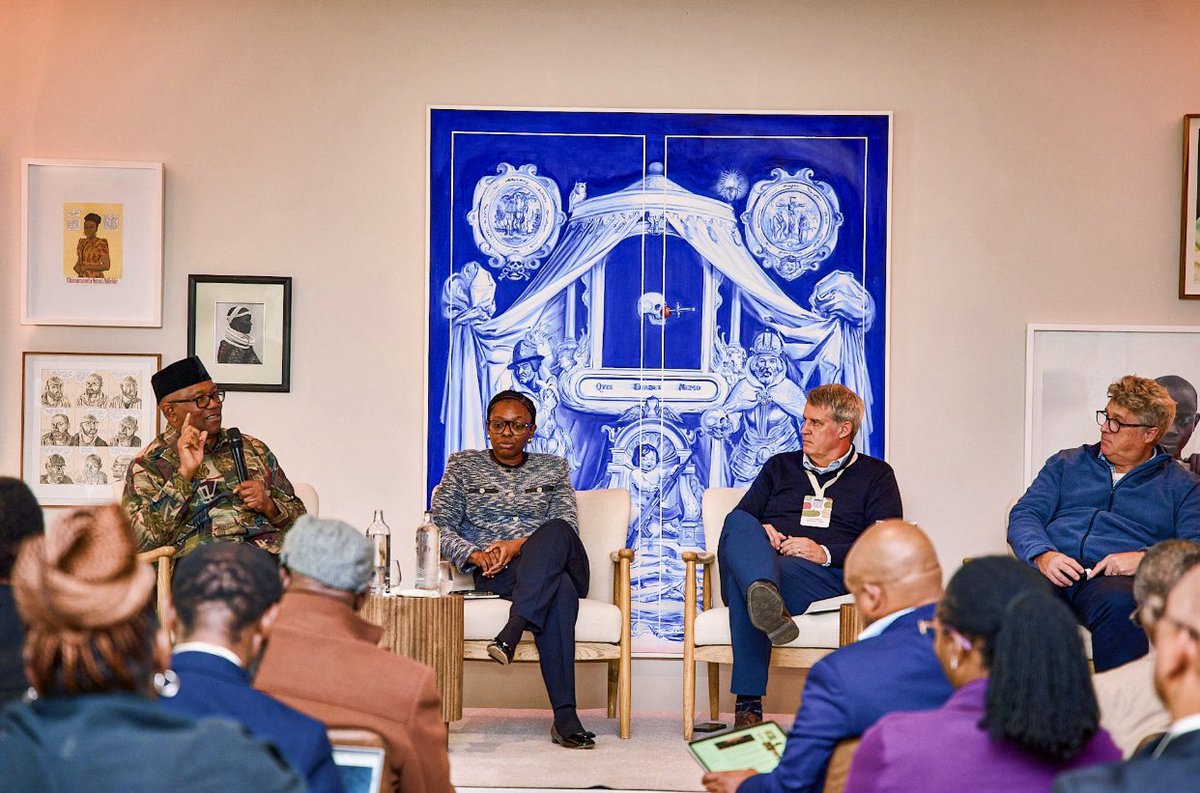
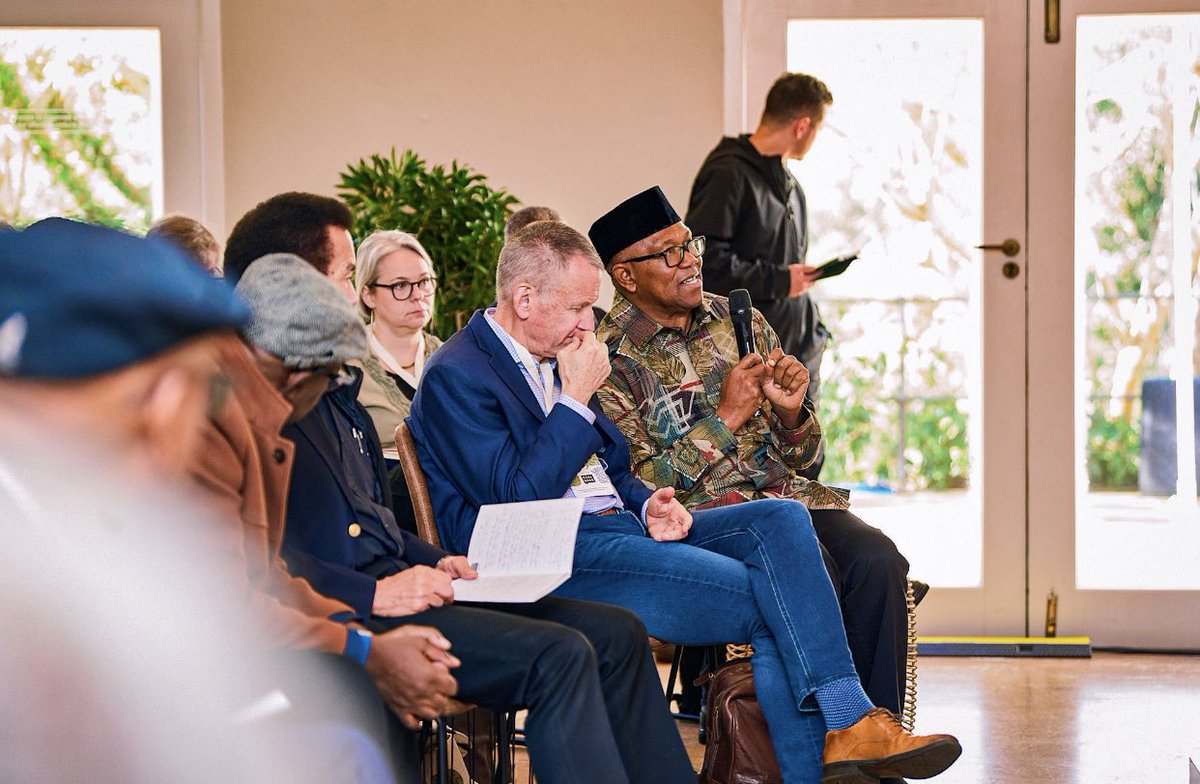


After speaking with Nigerians in Cape Town yesterday, I was able to have meaningful discussions this morning with three South African ministers and political party leaders regarding the ongoing challenges related to immigration, regional collaboration, and fostering peaceful coexistence between our nations. I had the pleasure of meeting with Mr Leon Schreiber, the South African Minister of Home Affairs and a prominent figure in the Democratic Alliance; Mr Velenkosini Hlabisa, the Minister of Cooperative Governance and Traditional Affairs and leader of the Inkatha Freedom Party (IFP); and Mr Gayton McKenzie, the Minister of Sports, Arts and Culture and leader of the Patriotic Alliance (PA). Our conversations were productive and candid, focusing on the current challenges that affect both countries—particularly those related to migration, economic strains, youth unemployment, security issues, and the rising tensions faced by African foreigners in South Africa. I firmly believe that Nigeria and South Africa, both prominent African nations, must enhance dialogue, bolster cooperation, and seek solutions based on justice, mutual respect, and adherence to the rule of law. In challenging times, leaders and citizens alike need to demonstrate responsible leadership, compassion, and restraint. We collectively stressed the importance of law-abiding behaviour, avoiding violence, resisting hate or provocation, and allowing lawful institutions to address grievances through democratic and constitutional processes, regardless of the challenges we face. The progress of Africa hinges on our ability to create unity, foster economic inclusivity, invest in our communities, and uphold the dignity of every African, no matter where they live. -PO
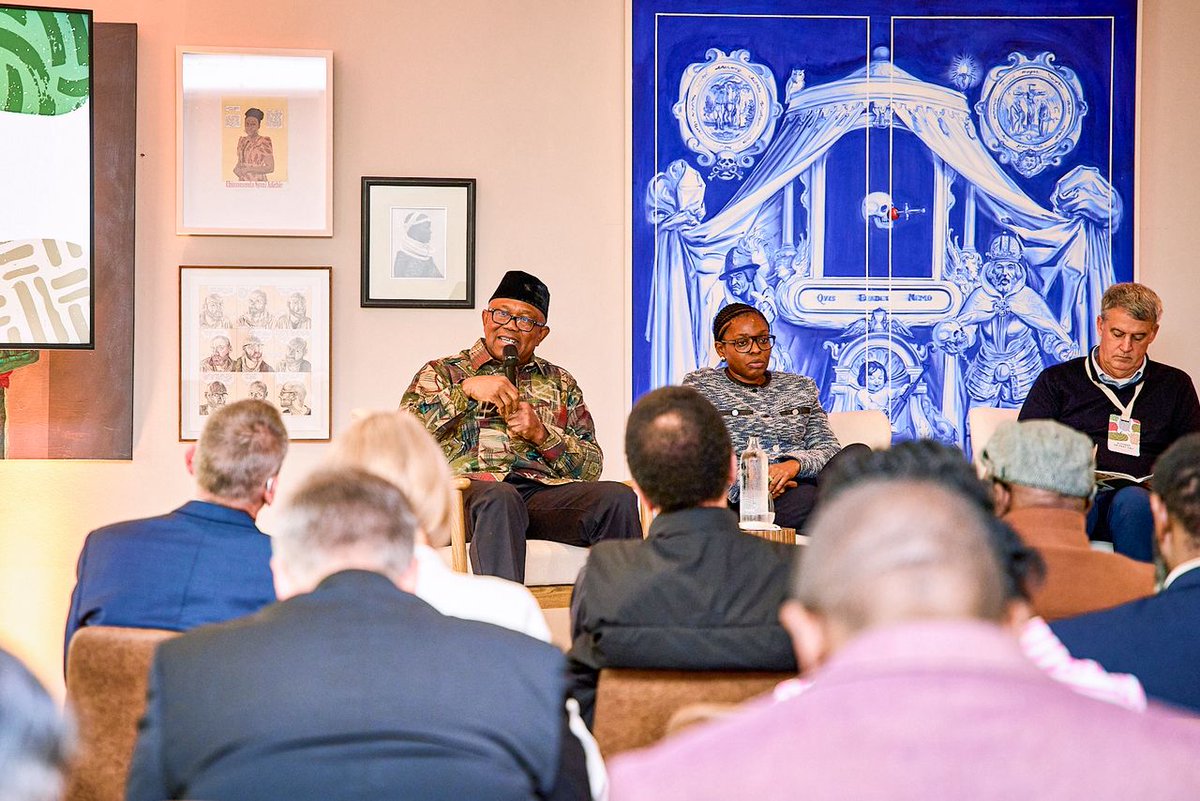
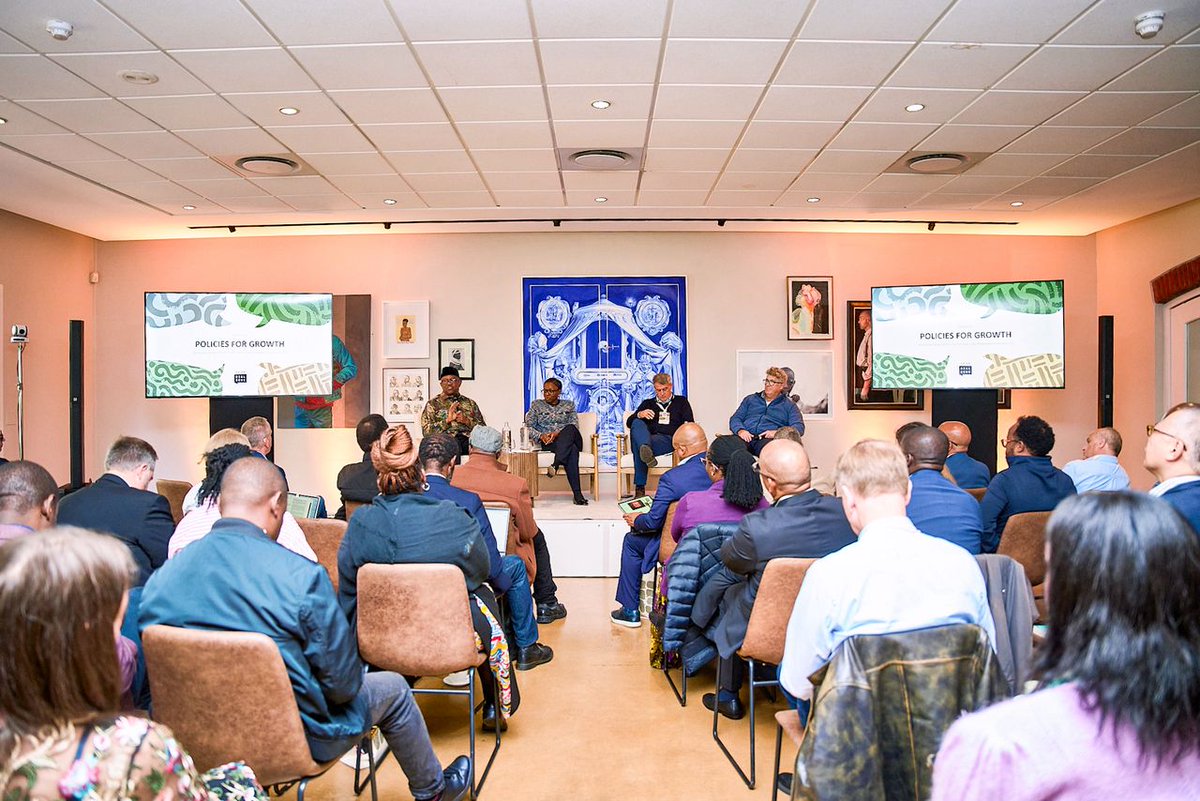
Yesterday in South Africa, after meeting with the ministers in the morning, I delivered a guest speech at the Spier Dialogue Event on “Policies for Growth in Africa” in Cape Town, where I reiterated that Africa has no reason to remain poor. Our continent is blessed with enormous natural and human resources. Africa holds huge mineral reserves, possesses over 60% of the world’s uncultivated arable land, and has the youngest population globally. These are not liabilities; they are strategic assets for economic transformation. Yet, despite these enormous advantages, Africa continues to lag due to poor leadership, corruption, weak institutions, and the high cost of governance. Africa must now look ahead and move forward with decisive action. We must shift our focus from politics and endless election cycles to productivity, development, and nation-building. The future of Africa lies in investing aggressively in Human Development Index (HDI) indicators, especially education, healthcare, and lifting people out of poverty. Today, many African countries still record low life expectancy, high infant mortality, widespread unemployment, and growing poverty levels. Small and medium-scale businesses, which should be the engine of growth, are collapsing under harsh economic conditions, poor infrastructure, and policy inconsistency. What Africa needs is competent leadership with the capacity, compassion, and commitment to prioritise production over consumption, and development over politics. If we invest in our people, strengthen institutions, reduce the cost of governance, combat corruption, and create an environment where businesses can thrive, we can build a more productive, secure, democratic, and prosperous Africa that works for all its people. A New Africa is Possible. -PO


“UK banks gave me loans based on my educational background, not on collateral” — Peter Obi