LibroImprobable
6.7K posts

LibroImprobable
@LibroImprobable
Un lector aficionado cualquiera. ❤️libros que me gustan, 🔄libros que he leído y teatro.


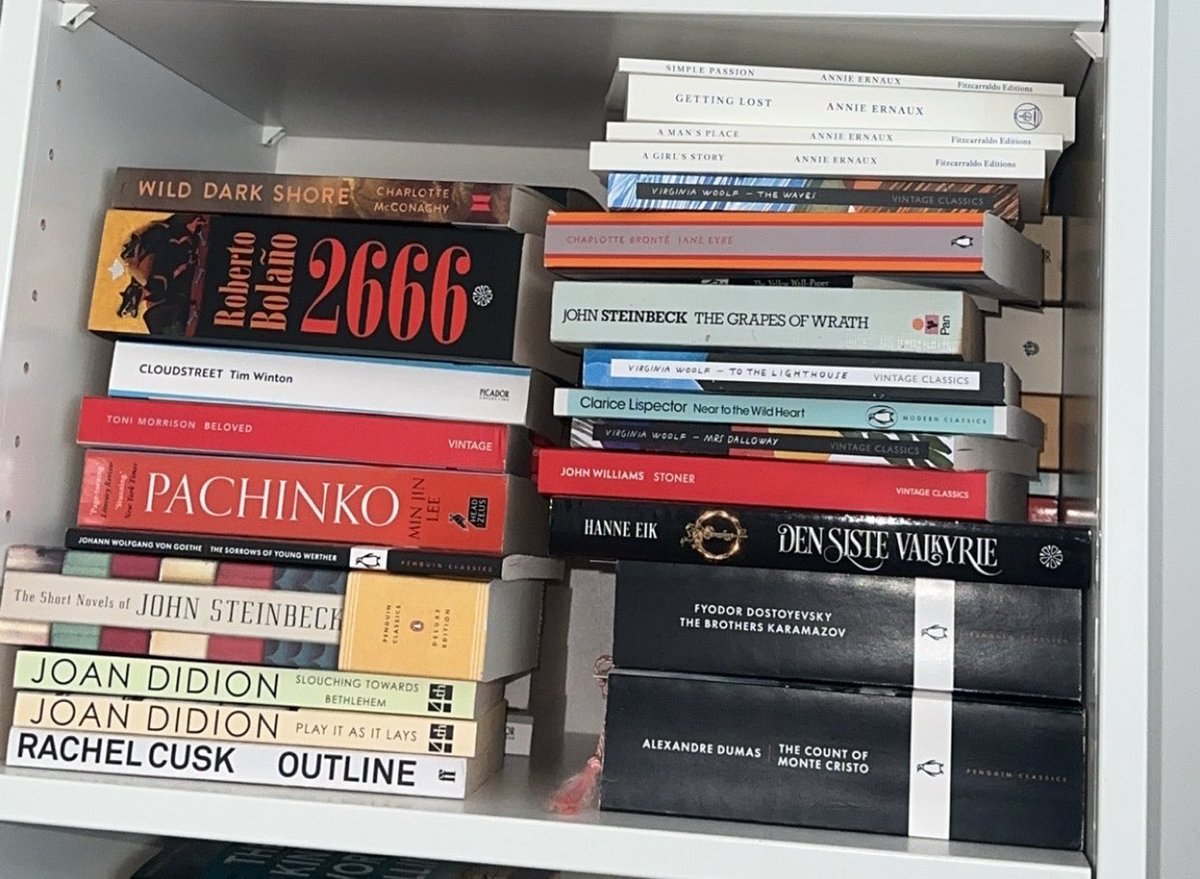
Qué tranquilidad que me queden tantos libros básicos por leer. Qué bueno tener enormes lagunas donde chapotear. Qué escándalo tan disfrutable el tener pendientes varias obras esenciales. Qué maravilla no haberlo leído nunca todo y que la literatura, aún, me siga esperando.

Cleopatra lived closer to the creation of the iPhone than to the construction of the Great Pyramid.


A new DNA study has revived a long‑running theory that Christopher Columbus may not have been Italian at all, but actually Pedro Álvarez de Soutomaior, a Galician nobleman also known as Pedro Madruga. Researchers compared genetic material from remains believed to be linked to Columbus with DNA from documented descendants of Madruga’s family line, finding striking similarities. This theory argues that Madruga disappeared from historical records after a regional war in Galicia, the same moment Columbus suddenly emerged in Portugal with a new identity, nautical expertise, and connections that would later launch his Atlantic voyages. Supporters of the theory point to additional clues: Columbus named over 100 places in the Americas after Galician towns, and 80 handwriting experts have concluded that Columbus’s writing style is virtually identical to Madruga’s. If true, this would radically reshape the accepted biography of one of history’s most famous explorers, suggesting he may have concealed his origins for political survival. While the theory remains debated, the new DNA evidence has pushed it further into mainstream historical discussion. One of the strangest supporting clues is Columbus’s 'obsessive use of Galician‑Portuguese language patterns', even in private notes. His letters contain idioms, spelling habits, and grammatical structures that do not match Italian dialects of the era but align closely with the writing of nobles from southern Galicia. Even more intriguing: Columbus repeatedly used Galician nautical terms that were not common in Genoa or broader Italy, but were standard among sailors from the exact region where Pedro Madruga ruled. Linguists argue this is nearly impossible to fake, especially for someone supposedly born and raised in Italy, and it quietly strengthens the case that Columbus was hiding a past tied to Galicia’s political conflicts. © The Historian's Den #drthehistories


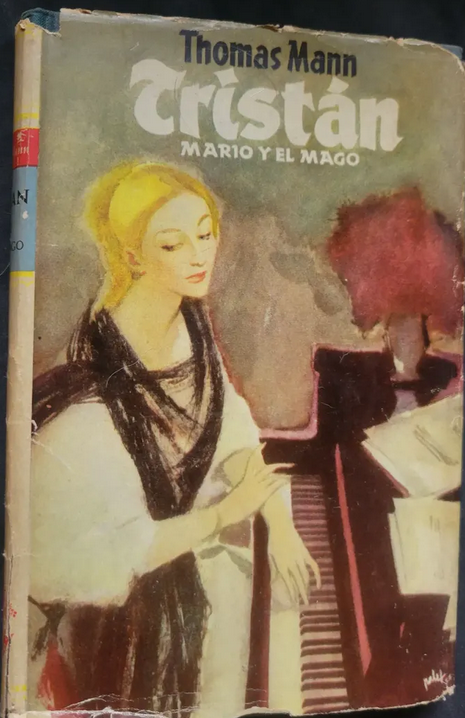
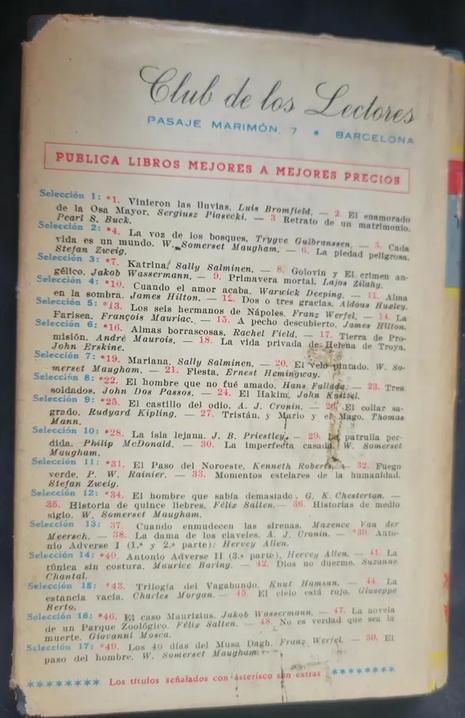
Creo que no he enseñado por aquí estas joyitas de Thomas Mann, heredadas de mi padre, que no he leído todavía; pero las empezaré pronto. ¿Las conoces, @Mazarbul1 ?


Have you ever read a book by an author that was so good it made you want to read everything else they've written?


@FPJ_Loretta Los conozco y he sufrido, te hace falta Smidge, específico para este tipo de bichos. Me lo regalaró en Escocia un verano en una granja, el Autan y similares se lo beben.