
Lidia Ziemnicka-Otto
18.9K posts

@LidiaOtto
Teacher Arts journalist Author Poet Essayist Photographer Philosopher Linguist Culture Languages Photography Art Music Science Imprint https://t.co/prlDdB5Co5


Aus der Eifel zum Weltstar: Mit Mario Adorf verlieren wir einen der ganz Großen des deutschen Films – mit über 200 Rollen, einer unverwechselbaren Wucht und Menschlichkeit, die das internationale Kino geprägt hat wie kaum ein anderer. Sein Werk bleibt.


The first woman to be awarded a Nobel Prize, the first individual to be awarded two Nobel Prizes and still today the only individual with two Nobel Prizes in two different scientific categories: Marie Skłodowska Curie. Skłodowska Curie developed the term radioactivity, discovered the chemical elements polonium and radium and contributed to develop new cancer treatments. For her scientific dedication and remarkable breakthroughs, she was awarded the 1903 physics prize and the 1911 chemistry prize. Learn more: bit.ly/4qGyRS1 #InternationalWomensDay


✨ A sky full of wonders above ancient stones ✨ Witness the rare alignment of Mercury, Venus, Saturn, Mars, Uranus & Neptune stretching across the night sky — a moment where time, space, and history meet. 🌌 Uranus and Neptune may be too faint for the naked eye, but captured through long exposure, they complete this breathtaking cosmic lineup. 🌠 When the universe puts on a show, you don’t blink… you capture it. #PlanetaryAlignment #NightSky #SpaceLovers #Astrophotography #Stonehenge #CosmicView


On International Mother Language Day, we celebrate the 24 official EU languages that ensure everyone can take part in democracy. Every language is a voice. Every voice shapes our Union. United in diversity.

Dziś świętujemy Międzynarodowy Dzień Języka Ojczystego #MiędzynarodowyDzieńJęzykaOjczystego #JęzykPolski #Polszczyzna

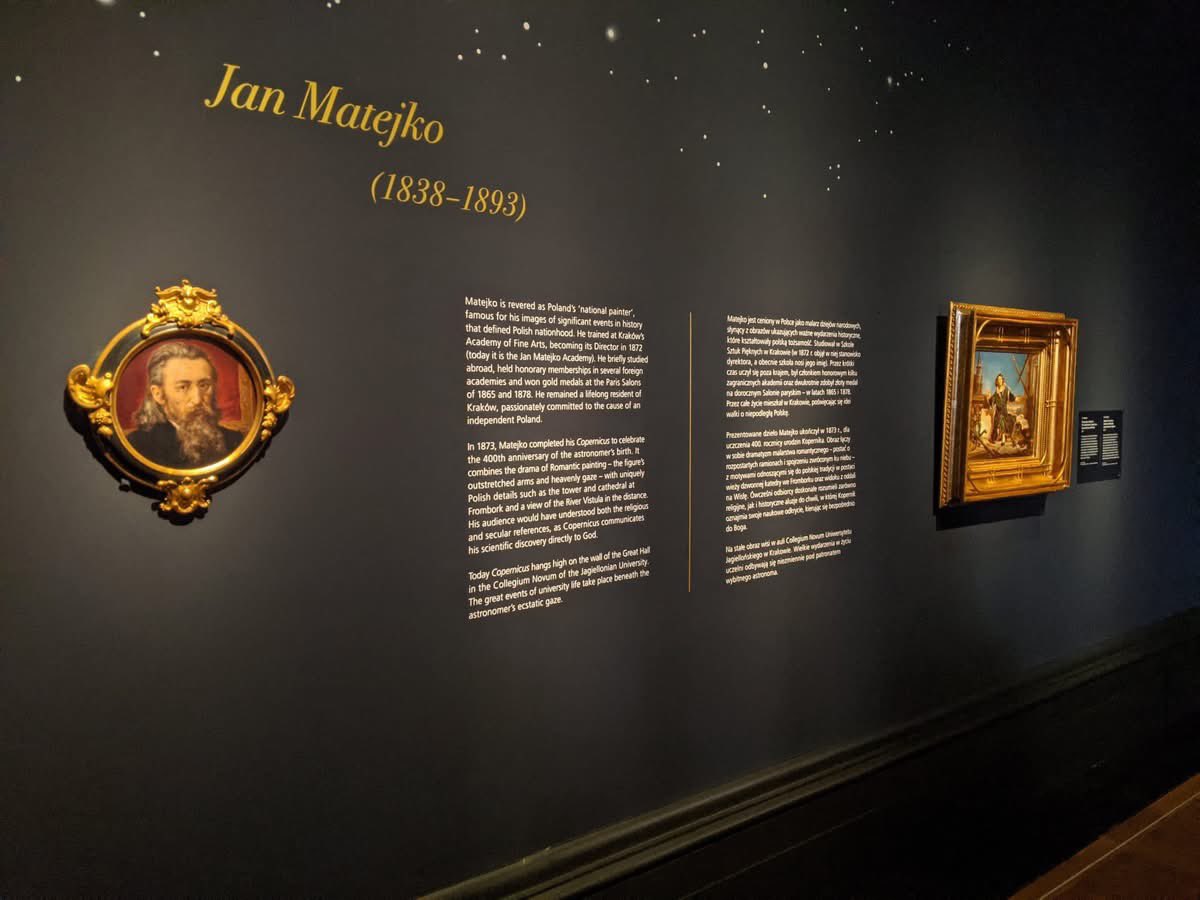
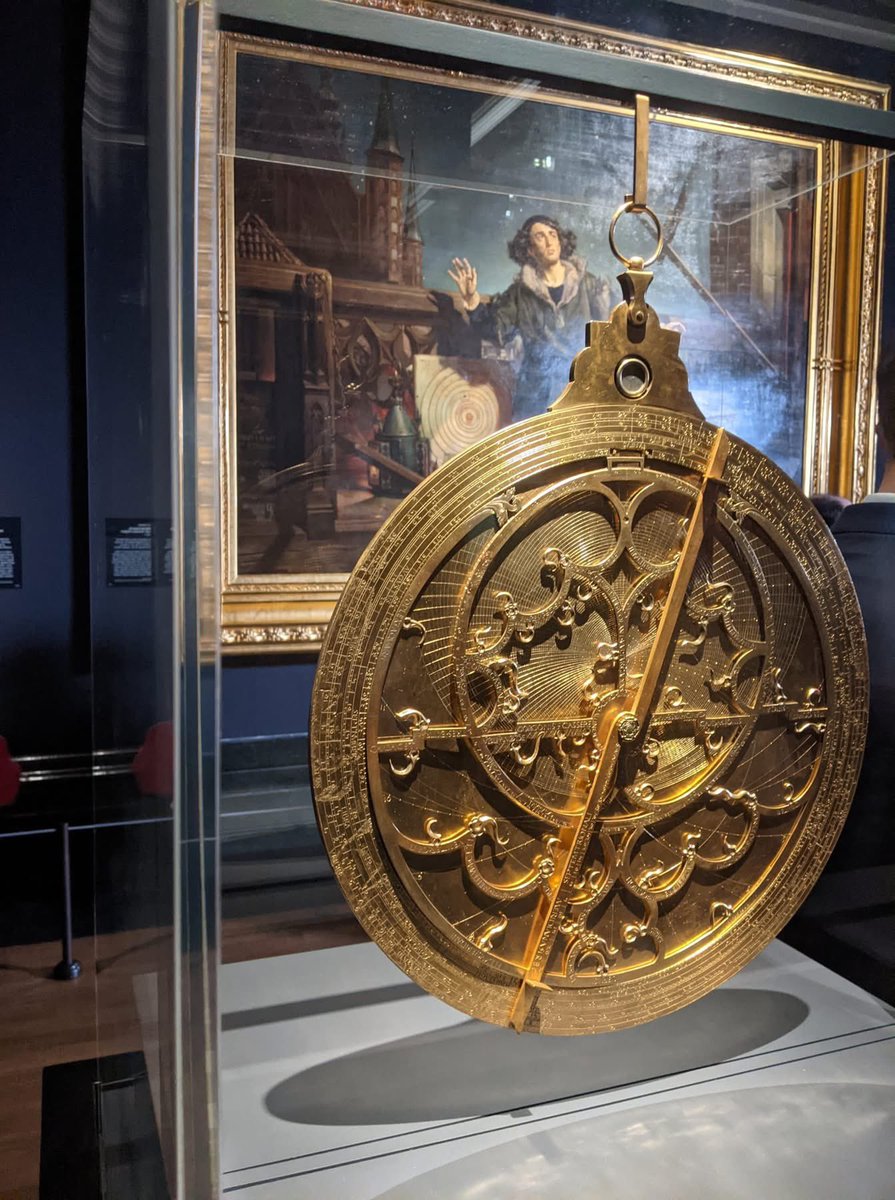
Happy Birthday to Nicolaus Copernicus (February 19, 1473 – May 24, 1543)!Today marks the anniversary of the birth of one of history's most transformative thinkers—the Polish astronomer whose ideas literally turned the world (and our understanding of it) upside down.en.wikipedia.org In an era when the geocentric model—Earth as the immovable center of the universe—had dominated for nearly 1,400 years (thanks to Ptolemy and ancient authority), Copernicus dared to propose something radical: the Sun sits at the center, with Earth and the other planets orbiting it in circular paths. This heliocentric vision challenged religious doctrine, common sense, and centuries of accepted wisdom.His groundbreaking book, De revolutionibus orbium coelestium ("On the Revolutions of the Heavenly Spheres"), was published in 1543—the very year he died. Legend says he received the first printed copy on his deathbed.facsimiles.com Key elements of Copernicus's model included:The Sun is near (but not exactly at) the center. Earth rotates daily on its axis (explaining day/night) and orbits the Sun annually (explaining seasons and the Sun's apparent path). Planets move in uniform circular orbits, though he retained some epicycles to match observations. The stars are immensely distant, fixed on a vast sphere. This wasn't just astronomy—it was a philosophical earthquake. By demoting Earth from the cosmic spotlight, Copernicus helped spark the Scientific Revolution, clearing the path for Kepler's elliptical orbits, Galileo's telescopic discoveries, and Newton's laws of motion and gravity.His work affirmed that careful observation, mathematics, and bold reasoning could overturn even the most entrenched beliefs. In doing so, he reshaped humanity's place in the cosmos and demonstrated the enduring power of scientific inquiry.Happy 553rd birthday to the man who showed us we're not the center of everything—but part of something far grander.