Fan Bi (buy/ advise $5-50M brands in special sits)

10K posts

Fan Bi (buy/ advise $5-50M brands in special sits) banner
Fan Bi (buy/ advise $5-50M brands in special sits)

Fan Bi (buy/ advise $5-50M brands in special sits)

@lifeofbi

Here for consumer brand deals. We buy, invest, and advise consumer brands in special situations.

🇺🇸🇦🇺🇫🇷 Katılım Ağustos 2009
798 Takip Edilen17K Takipçiler
Sabitlenmiş Tweet
Fan Bi (buy/ advise $5-50M brands in special sits)
If you're interested in: 🎧 Listening to some the most interesting $5m-$50m founders, operators, investors, acquirers, and lenders in the DTC and CPG space. 🔖 Reading about interesting M&A deals in the consumer products category. 👀 Seeing a proprietary deal a week from brands who want reach a broader audience of buyers. Sign up for the link in bio.
English
5
2
35
12.4K
Fan Bi (buy/ advise $5-50M brands in special sits)
I’ve seen more companies break from founder mismatch than market or product. What gets you from 0 to 10 usually doesn’t get you from 10 to 100. The best founders I’ve seen do two things well: Evolve fast Stay anchored in their edge Most only do one.
Oisin@OisinO

I built Recharge from 1 person to a team of 400+. And if I've learned one thing about scaling: Systems that bring you success at one stage will break at the next. This kills a lot of founders. And it would've killed me had I not learned this framework: "The Rule of Threes" Every time your headcount triples... The way the company operates has to change with it. > At 3 people, you coordinate. > At 9, you divide ownership. > At 27, you hire management. But once you hit 100+, you need managers managing managers. And your role as a leader should evolve. You can't continue operating like you're still in the previous stage. What made you great in year 1. Will kill your company at year 5. But there's a counterintuitive side to all this... You also need to figure out what SHOULDN'T change about you. Great example: Tobi at Shopify runs a $150B company and still codes. Other people find it hilarious. But the truth is, he just understands that tech is his edge. So he built systems to let him keep doing it. If you want to succeed as a founder you can't be conventionally "correct." Try to be Elon Musk and you'll become a worse YOU. Trust me... These shifts will take you further than aggressive growth strategies.

English
0
0
0
22
Evan Zhao
Evan Zhao@EvanZhao6·
@lifeofbi Honestly 3x revenue for a declining revenue brand is pretty great
English
2
0
0
167
Fan Bi (buy/ advise $5-50M brands in special sits)
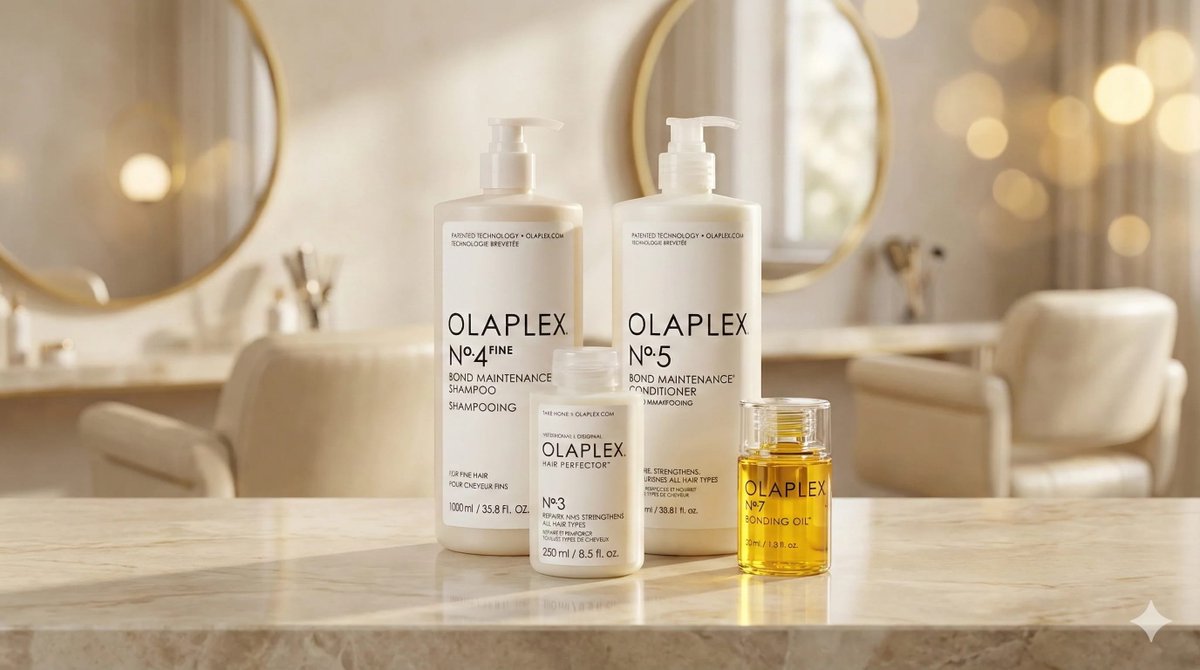
A retail investor who bought Olaplex at the 2021 IPO just learned Henkel acquired it for $1.4B. They paid $21/share. The deal price: $2.06. 90% gone. Two chemists. A garage in Santa Barbara. No VC, no institutional money. Built to $100M+ revenue on salon word-of-mouth alone. Advent bought it for ~$1.4B in 2019. Then took it public at a $16B market cap. Peak beauty mania. Peak DTC multiples. Peak everything. The IPO raised $1.55B, largely from Advent selling their own shares. By 2022 they'd pulled out nearly triple their investment. Still held majority control. Then: too much mass retail. Professional exclusivity diluted. Dupes everywhere. EBITDA down 28%. Henkel buys it for $1.4B. Same price Advent paid six years ago. Advent IPO'd at the top, sold billions into the offering, and exits after extracting the upside in between. The retail investors got the crash.
Fan Bi (buy/ advise $5-50M brands in special sits) tweet media
English
3
1
27
4.1K
Fan Bi (buy/ advise $5-50M brands in special sits)
The dairy aisle is the most underrated comeback story in CPG. We already had "Peak Yogurt" in 2015. Growth stalled. Shelf space shrank. Now, it’s no longer breakfast; it’s a macro-optimized protein delivery system. Chobani’s high-protein range grew 50% last year. Australian's biggest dairy company, Bega, just dropped $80M on capacity and saw a payback in months. Cottage cheese has also made a comeback. Consumption declined for 20 years. Plants shuttered. Then, TikTok made "Cottage Cheese Ice Cream" viral. The Protein Crowd rediscovered the macros. GLP-1 Users flooded the category for low-sugar fuel. Good Culture went from $100M to $250M in two years. Valuation? $500M+. When a category is written off, capacity shrinks. When a cultural shift (like the protein craze) hits, the survivors own the market because no one built supply for a "dead" industry.
English
3
1
17
1.7K
Matt Nichols
Matt Nichols@mnichols47·
@lifeofbi The supply chain model is so compelling that existing brands think it is too good to be true. When quince can hold minimal inventory and ship a shirt from China to Palo Alto for $6, how can others compete. @go_portless is making this a reality for existing brands/retailers.
English
2
0
2
4.5K
Fan Bi (buy/ advise $5-50M brands in special sits)
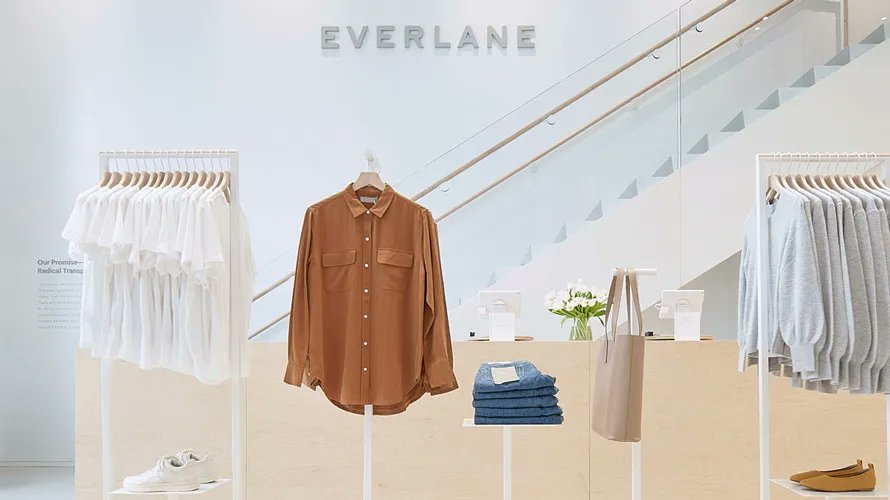
Two SF brands. Same pitch: "Luxury basics without the markup." One is fighting for survival. The other just hit a $10B valuation. The tale of Everlane vs. Quince is a masterclass in Brand vs. Machine. Everlane Launched in 2012 with "Radical Transparency." It was a vibe. It worked, until it didn’t. Revenue stalled at ~$170M. Sales have dropped for 24 months. Tried "Clean Luxury" rebrands and celeb campaigns, but the customer moved on. Hunting for a lifeline to keep the lights on. Quince Launched in 2018 with a different engine: Manufacturer-to-Consumer (M2C). They don’t hold inventory. Factories hold it until you click "buy." A massive engineering team in Bangalore uses AI to forecast demand down to the SKU and color. $50 cashmere + zero middleman = $1B+ revenue in 2025. Everlane built a story. Stories are powerful, but they’re fragile. When the mood shifts, the business cracks. Quince built a structural cost advantage. Their edge compounds every year as data improves and risk stays upstream.
Fan Bi (buy/ advise $5-50M brands in special sits) tweet mediaFan Bi (buy/ advise $5-50M brands in special sits) tweet media
English
39
24
773
177.4K
Fan Bi (buy/ advise $5-50M brands in special sits)
Eddie Bauer just canceled its retail auction. No bidders. 175 stores closing. It’s not just a retail fail, it’s a warning sign for the licensing "asset light" model that's raised $20B+ in the last few years. Here’s the breakdown of why the IP vs. OpCo strategy is cracking: The Playbook Firms like ABG and WHP Global split brands in two: Licensor: Owns the name, collects royalties (Zero risk). Operator: Runs stores, pays leases, carries inventory (All risk). The Problem The model works until the operators fail. In the last 18 months, we’ve seen 4 major collapses: - Liberated Brands (Volcom/Billabong), Chapter 11 - Forever 21, 350 stores closed - Express, WHP had to bail them out for $174M - Eddie Bauer, no one wants the stores The Reality When the operator dies, the brand equity dies with it during months of liquidation sales. The big question: Are these brands actually viable, or just famous names attached to dying retail formats?
Fan Bi (buy/ advise $5-50M brands in special sits) tweet media
English
2
0
14
2.4K
Fan Bi (buy/ advise $5-50M brands in special sits)
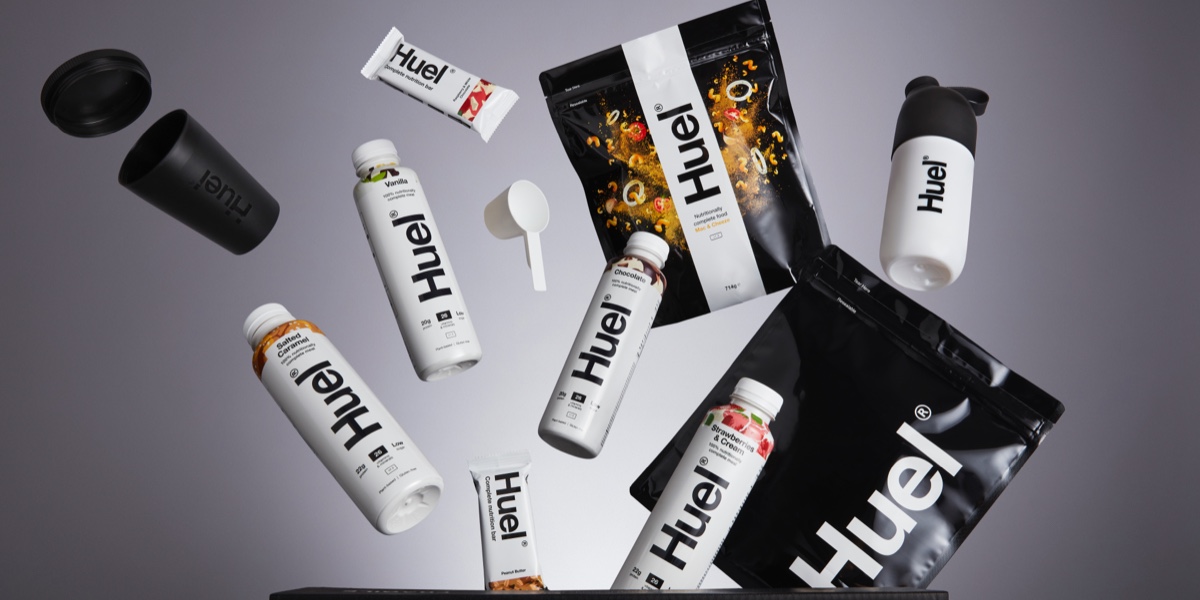
"VCs can't invest in DTC. You can't produce $1B+ outcomes." Danone just paid $1.15B for Huel. Subscription-first. DTC-majority revenue. Narrative violation. £214M revenue in 2024. Negative EBITDA in 2022, £18M+ by 2024. Founder retained majority control through $184M raised. Walking away with ~£400M. Danone didn't buy the product. They bought the customer acquisition engine and DTC infrastructure they couldn't build themselves. They said so explicitly. The angle nobody is talking about: this category, DTC meal replacement, was invented in the US by Soylent. Huel took it to the UK. Yfood took it to Germany and sold to Nestlé. DTC subscription founders in fundraising: you just got your comp. Use it.
Fan Bi (buy/ advise $5-50M brands in special sits) tweet mediaFan Bi (buy/ advise $5-50M brands in special sits) tweet media
English
6
2
52
18.7K
Fan Bi (buy/ advise $5-50M brands in special sits)
“In the US, you explain why founders should pick you. In Europe, you explain why they should raise at all.” From my convo with Sam Kaplan (Five Seasons Ventures). A few takeaways: • The holy trinity is non-negotiable: high AOV, high margin, high repeat. 80% of their portfolio has >40% subscription on first order. • Capital isn’t assumed. 1/3 had no institutional capital before entry. 50% had secondary. Investors find the best businesses. • Role models shape ambition. US → $1B exits. Europe → dynasties compounding for decades. • Growth is disciplined. Win one country → expand one market at a time. • First IC question: “Who buys this?” Not “can it get big,” but which comps actually exit. Tactically: • Retail is back (paired with short-form as a distributed salesforce) • Top brands: ~1,000 creatives/week → test fast, kill fast Full episode in link below 👇
English
1
0
10
1.5K
Fan Bi (buy/ advise $5-50M brands in special sits)
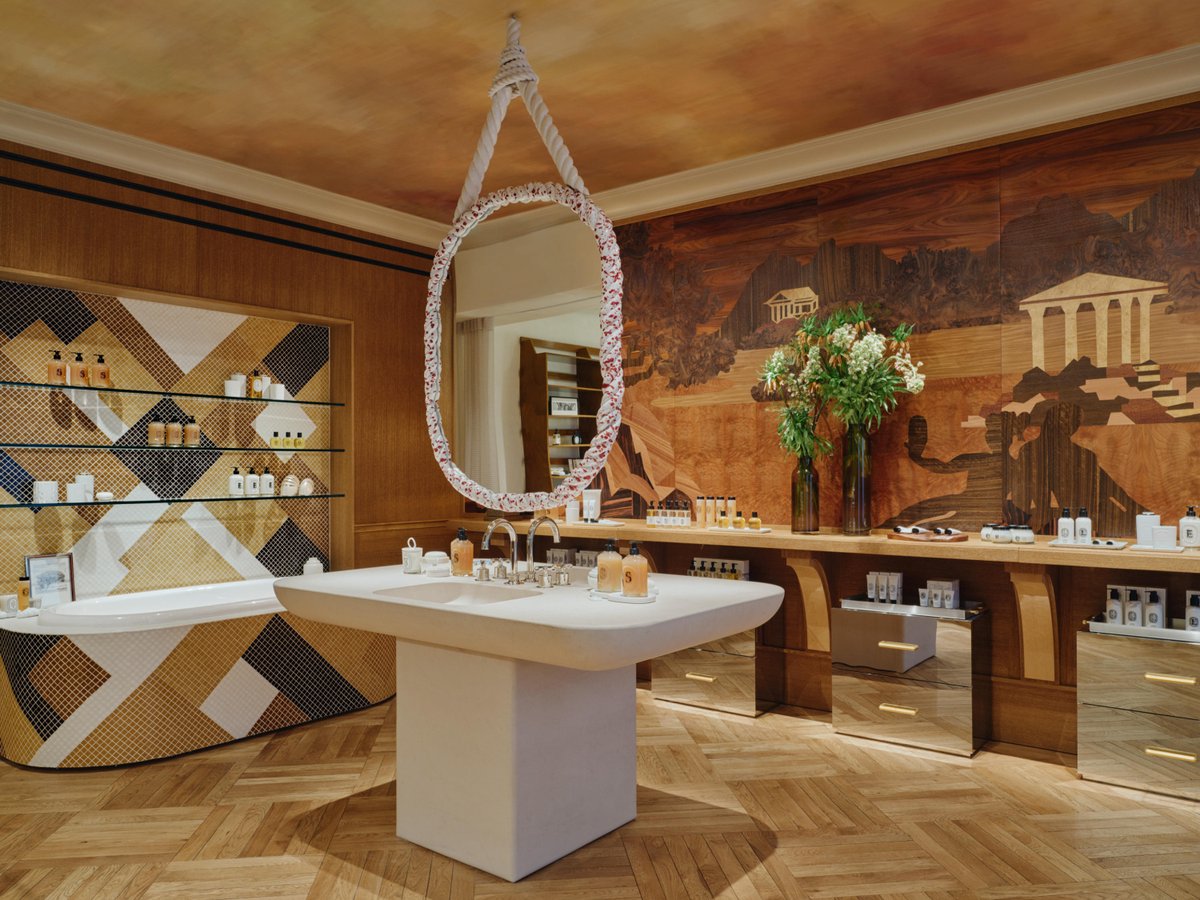
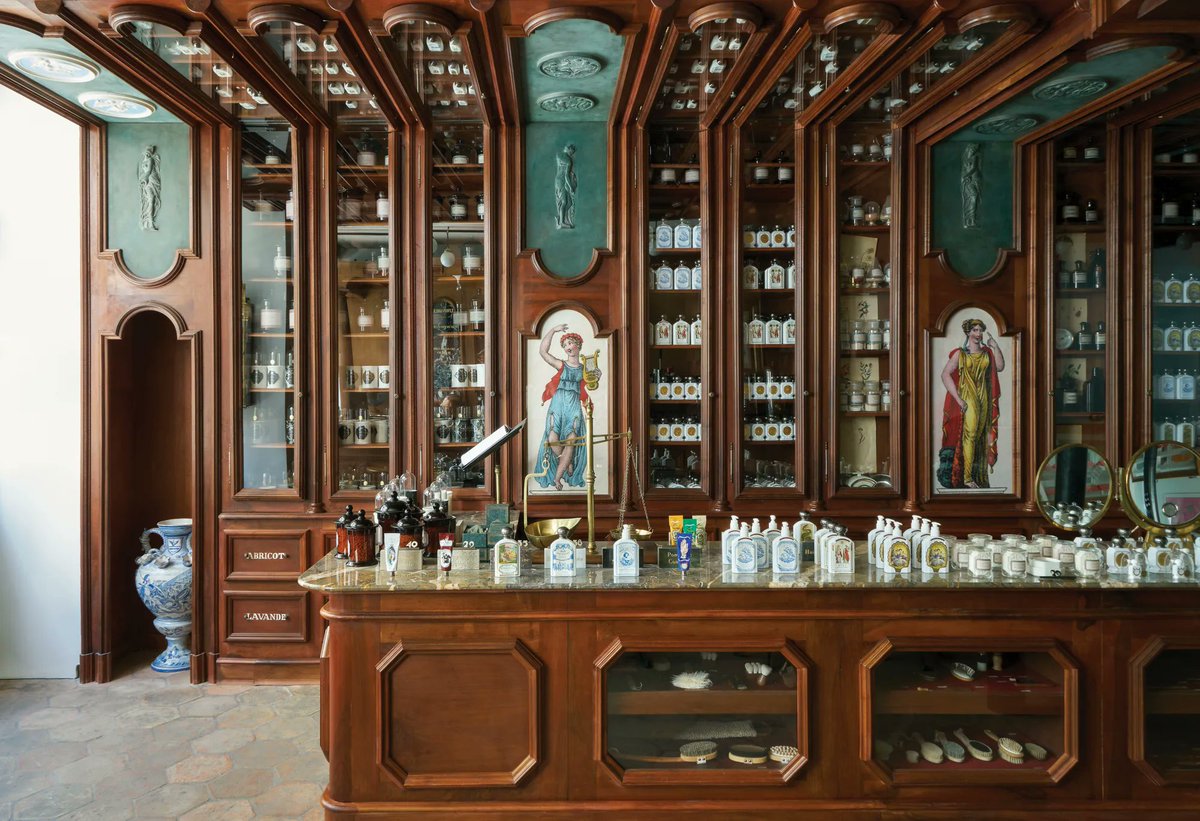
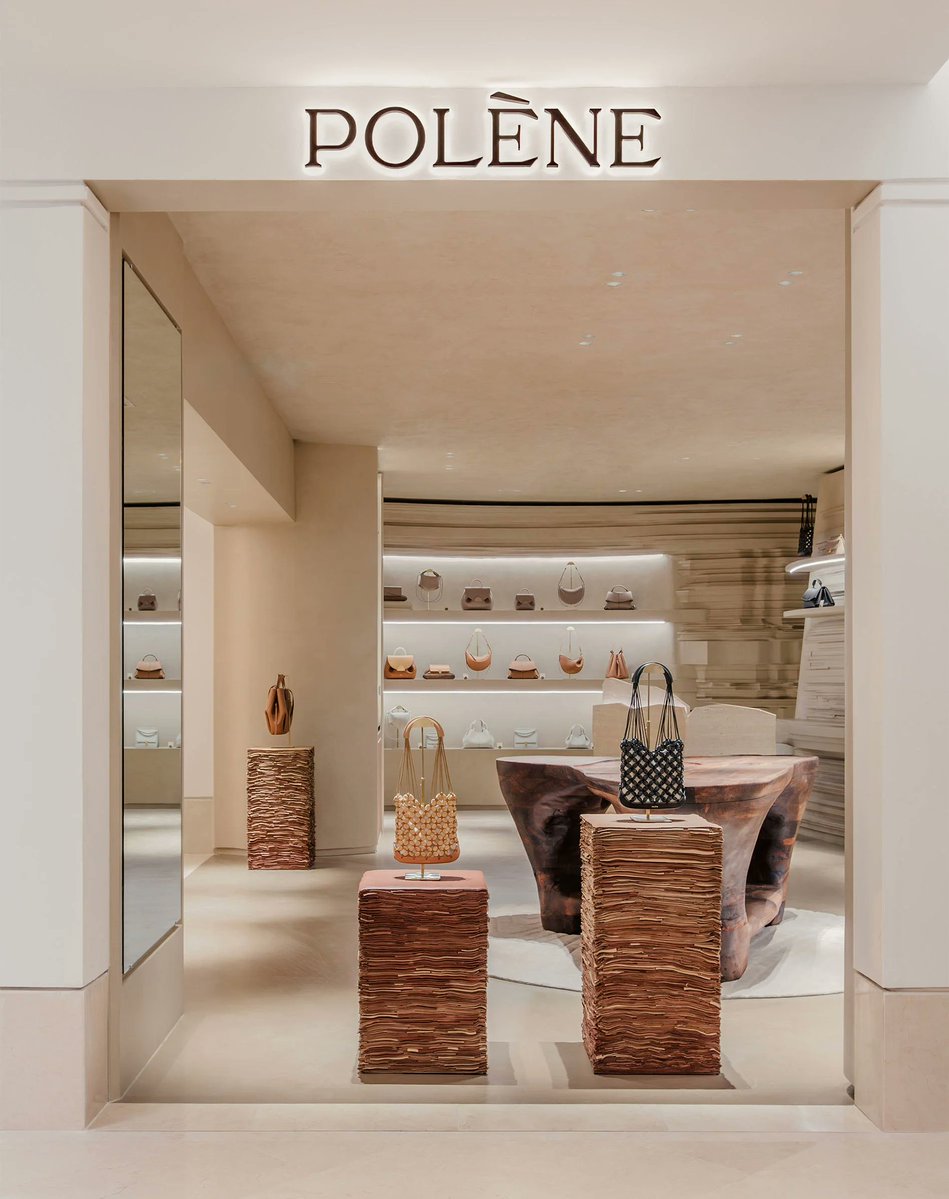
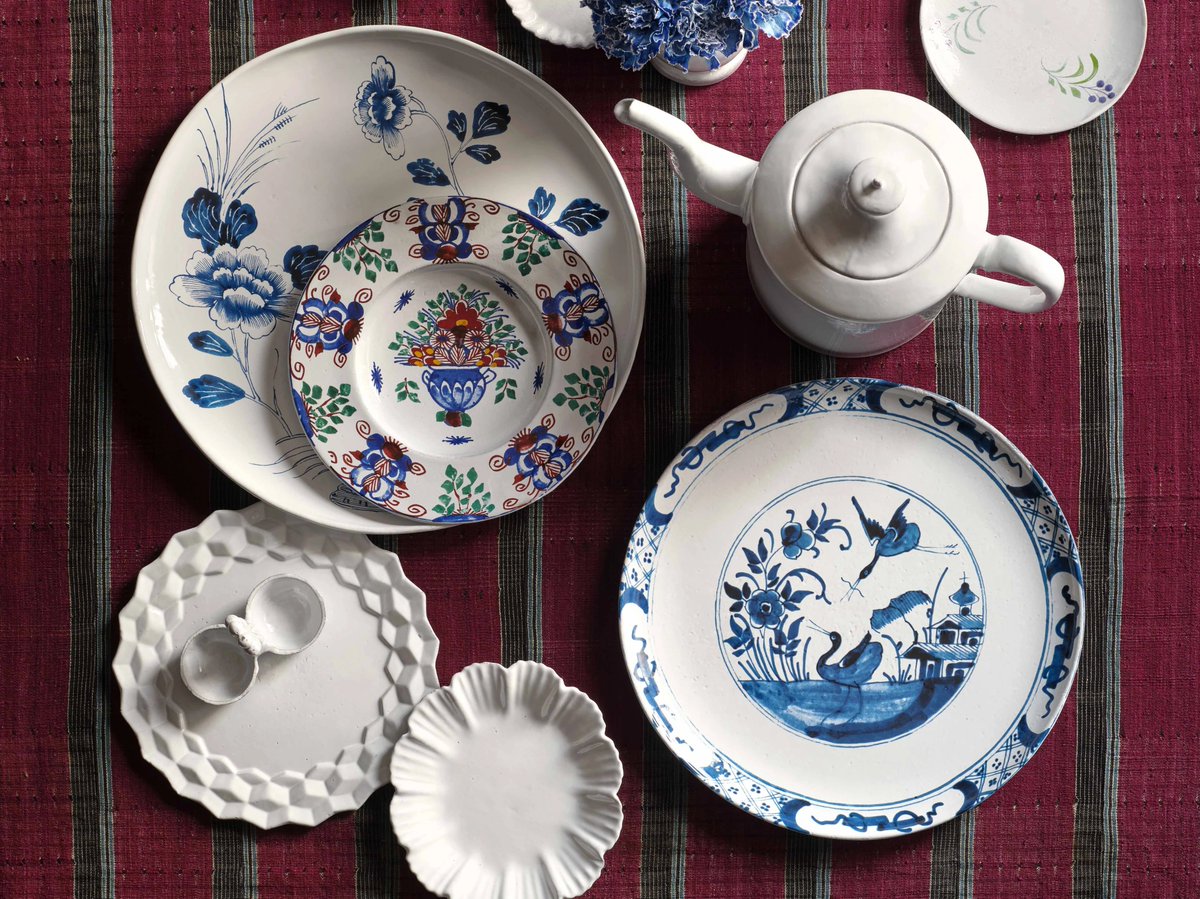
Paris has quietly become an incubator for the same playbook Sabre runs. Take a boring everyday category. Add design and storytelling. Price at €80–600. Control distribution. Turn the product into a lifestyle signal. Four examples: Diptyque (1961) Built the luxury candle category from scratch. A commodity now sells for €80- 120. ~€250M revenue. 124 boutiques globally. PE-owned since 2005. Officine Universelle Buly (revived 2014) Perfumes and body oils sold inside stores designed like 19th-century apothecaries. Handwritten labels. Marble counters. Staff in period dress. Retail as theater. LVMH acquired in 2021. Polène (2016) Three siblings. Hermès aesthetic, accessible price. Minimalist leather bags at €300 600, sold primarily DTC. Queues around the block at their Paris flagship for years. L Catterton minority stake in 2024. Astier de Villatte (1996) Handmade ceramics with a cult following among chefs and designers. ~€30M. Another commoditized category turned collectible.
Fan Bi (buy/ advise $5-50M brands in special sits) tweet mediaFan Bi (buy/ advise $5-50M brands in special sits) tweet mediaFan Bi (buy/ advise $5-50M brands in special sits) tweet mediaFan Bi (buy/ advise $5-50M brands in special sits) tweet media
English
0
1
22
2.4K
Fan Bi (buy/ advise $5-50M brands in special sits)
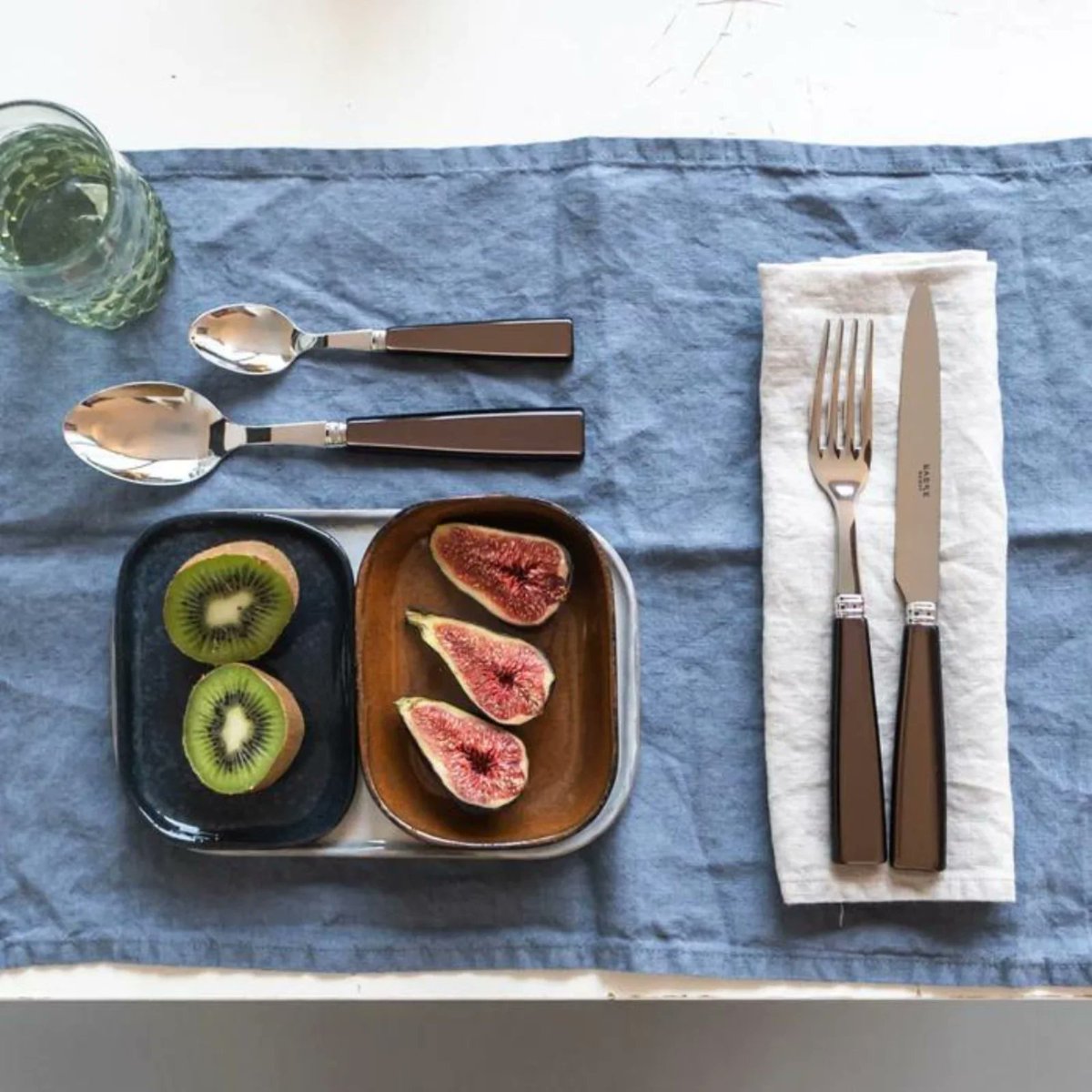
A cutlery store in Paris had a line out the door last week. Permanent store. No pop-up. No collab. Just forks and knives, €100 for a five-piece set, packed all day. So I looked into it. Sabre Paris. Founded 1993 by a goldsmith's son. Still founder-owned. ~€50M revenue. 1,500+ stockists globally. The product is colorful acrylic flatware inspired by French brasseries. They fashionized a category nobody thought was fashion. Dozens of colorways. Mix-and-match pieces. Repeat purchase behavior built in by design. Instead of one utilitarian set you buy for life, a collectible system you keep adding to. There's a whole class of Paris brands doing this. Turning ordinary household objects into €100–200 things people buy because they feel beautiful. Tomorrow I'll share five of them, candles, bags, ceramics, perfume, all quietly doing €30M–€300M on the same model. Any guesses?
Fan Bi (buy/ advise $5-50M brands in special sits) tweet media
English
0
1
20
2.8K
Fan Bi (buy/ advise $5-50M brands in special sits)
e.l.f. Beauty, 2022: $300M revenue. $1.5B market cap. 5x sales. Then three years of: +23%. +48%. +77%. The market didn't just reward the revenue. It re-rated the multiple. Revenue grew 3x. The stock grew 8x. At peak: 13x revenue, a software multiple for a company selling $10 mascaras at Walmart. Then growth moderated. Not collapsed. Moderated. +28%. Still growing. Still gaining share. 28 consecutive quarters of growth. Stock fell 65% anyway. Not because the business broke. Because the trajectory changed shape. 77% growth → 13x revenue. 28% growth → 3.5x revenue. Same company. Same products. Same Walmart shelf. The multiple compressed 75%. That's the game. You're not just selling a business. You're selling a belief about what the curve looks like in three years.
Fan Bi (buy/ advise $5-50M brands in special sits) tweet media
English
0
1
15
1.8K
Fan Bi (buy/ advise $5-50M brands in special sits)
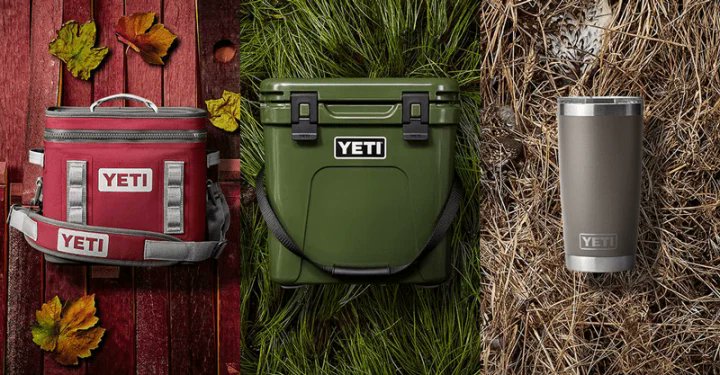
Solo Brands IPO'd in 2021 at a $2.1B valuation. It's now worth $30M. YETI, same market, same customer, is worth $3.3B. The divergence isn't macro. It isn't DTC headwinds. It's about what kind of asset each company built. Solo bought brands: Solo Stove, Chubbies, Oru Kayak, Isle Paddleboards, and called it a platform. $180M in acquisitions in four months before IPO. The pitch was synergy: shared infrastructure, shared data, shared back-office. But a fire pit buyer, a kayaker, and a Chubbies shopper are three different people with three different purchase triggers. The synergy never materialized. YETI built one brand and went deeper. The Hopper. The Rambler. The Tundra. Each new product deepened the same customer relationship instead of starting a new one. Today: $220M in annual free cash flow. $300M buyback authorization. The public markets are not rewarding brand count. They're rewarding depth of customer relationship.
Fan Bi (buy/ advise $5-50M brands in special sits) tweet mediaFan Bi (buy/ advise $5-50M brands in special sits) tweet media
English
6
2
66
12.1K
Fan Bi (buy/ advise $5-50M brands in special sits)
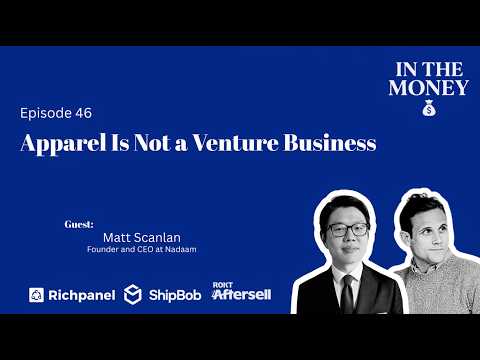
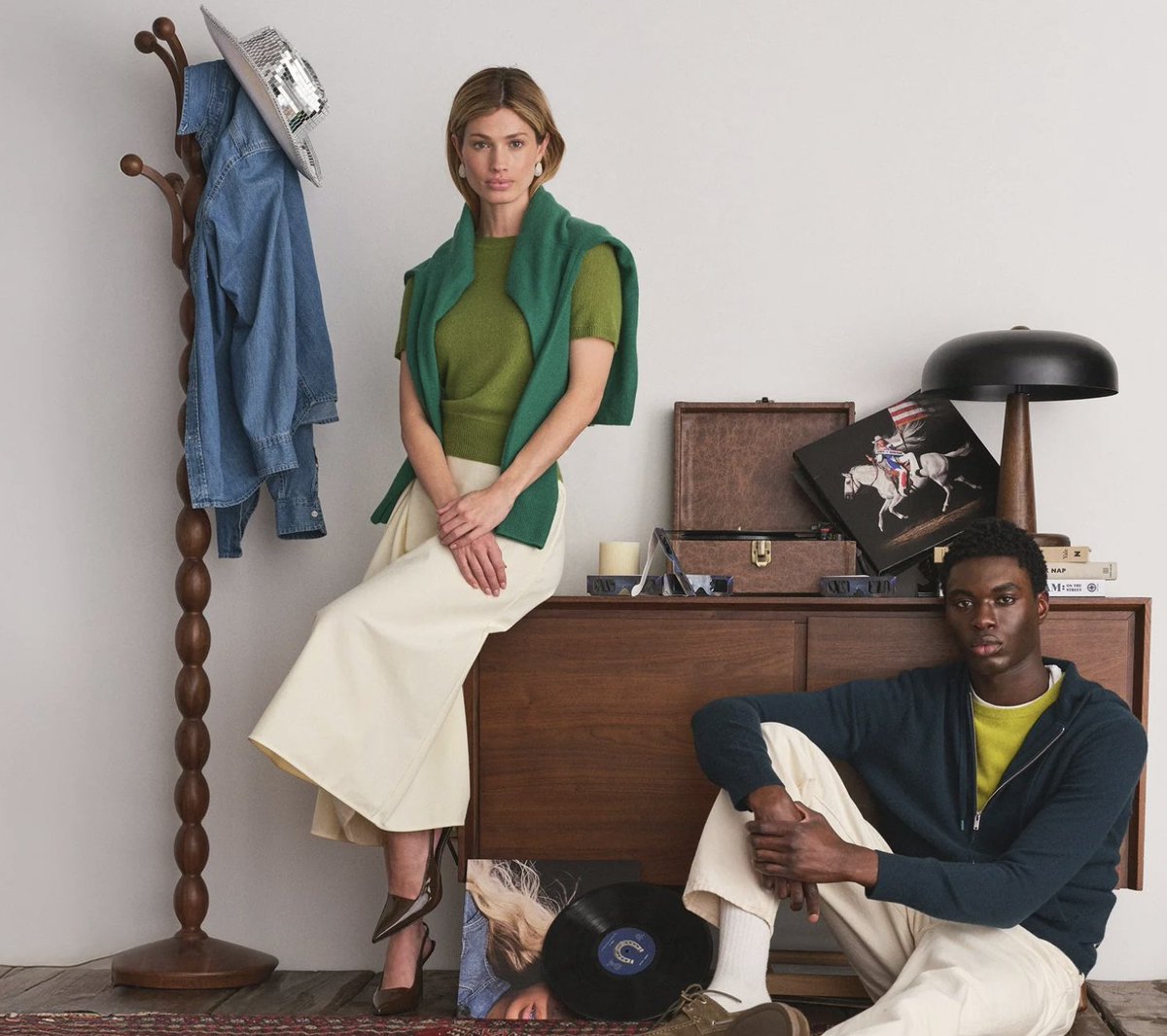
A $98 cashmere sweater still drives ~20% of Naadam's revenue. A decade later. Not luck. Discipline. Most brands I see chase SKU expansion to solve a growth problem. Matt Scanlan did the opposite, doubled down on the hero product and built everything else around it. A few things that stuck with me: → Hero products make your entire operation simpler → SKU expansion is usually a distraction disguised as strategy → DTC vs wholesale is a false religion, margins matter, not channel ideology → Brand equity compounds, but it takes 10+ years Tactical note: Naadam grew Amazon ~300% in a year using licensing deals (NFL, entertainment) to extend the hero product without diluting it. Growth in apparel rarely comes from hacks. It comes from one great product and the patience not to abandon it.
Fan Bi (buy/ advise $5-50M brands in special sits) tweet media
English
1
0
16
2K
Fan Bi (buy/ advise $5-50M brands in special sits)
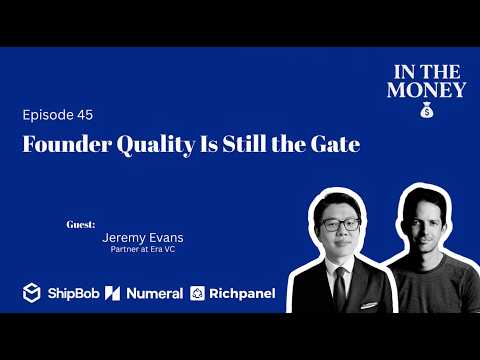
Why some of the most capital-efficient consumer brands are being built outside the US. Talked with Jeremy Evans at Era VC, a global consumer fund across AU, UK, and US. A few things that stuck: 🇦🇺 Smaller markets force discipline. Aussie and UK founders have to underwrite global expansion from day one. No room to grow sloppy. 🧠 Founder psychology is different. US founders want to dominate. AU/UK founders want to be profitable. Often within year one or two. 💪 The grind still wins. PILLAR Performance, founded by an ex-rugby player recovering from 3 knee reconstructions. Started in specialty stores. Stayed profitable almost the whole way. Now doing 8 figures globally. No shortcuts. 🛒 DTC was the arbitrage. Omnichannel is now the requirement. Acquirers want retail proof. And rising CAC makes the math closer to neutral anyway. 📱 Meta still works, but volume is the moat. Brands testing 1,000+ creatives/month, letting the algorithm find the 5-10% that scale. The meta-lesson: constraints create better businesses. Some of the best consumer brands in the world are being built far from New York and LA.
English
1
0
7
1.7K
Fan Bi (buy/ advise $5-50M brands in special sits)
Deal Alert: Premium womenswear brand with ~20,000 units looking to move inventory through off-price channels. No price floor. Motivated to clear. If you're an off-price buyer, liquidator, or channel operator DM me.
English
0
0
0
1.6K