Livy Research

3.1K posts

Livy Research banner
Livy Research

Livy Research

@LivyResearch

Fundamental equity analyst. Long/short ideas. Tech-focused. Ex-auditor. Not investment advice.

Katılım Haziran 2022
182 Takip Edilen1.7K Takipçiler
Sabitlenmiş Tweet
Livy Research
Livy Research@LivyResearch·
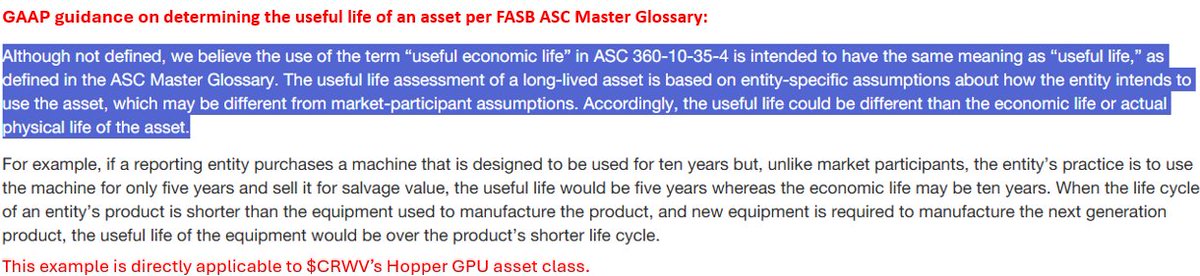
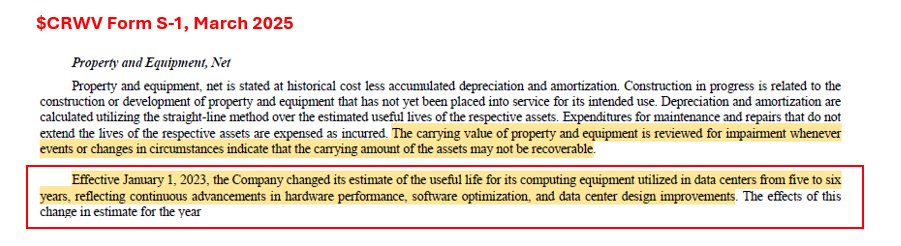
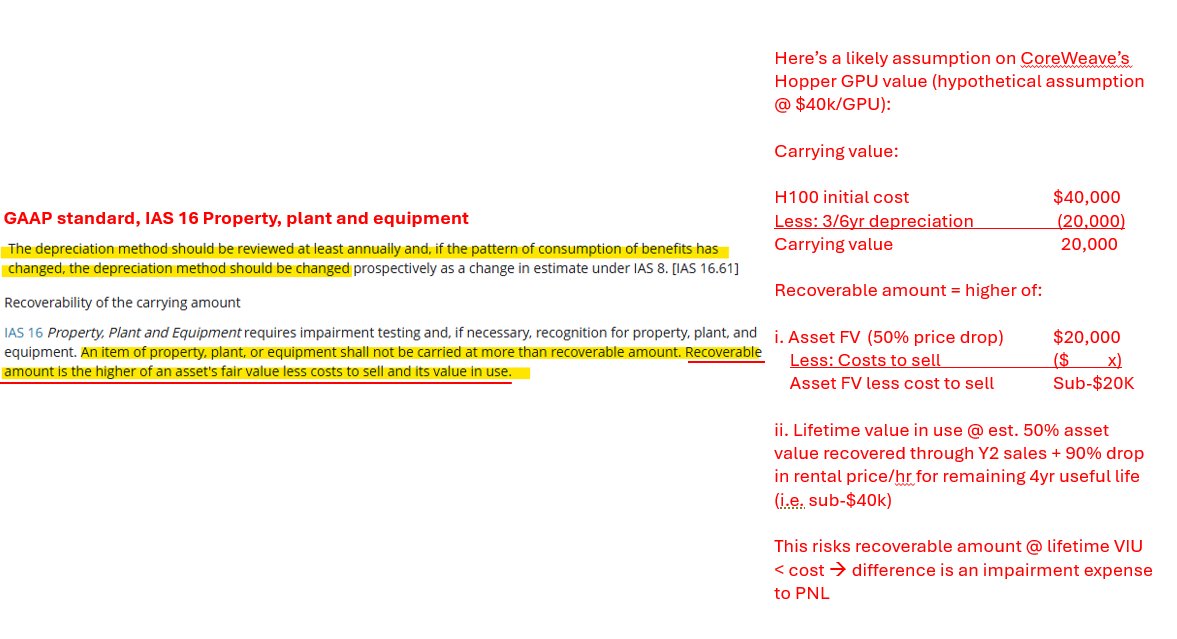
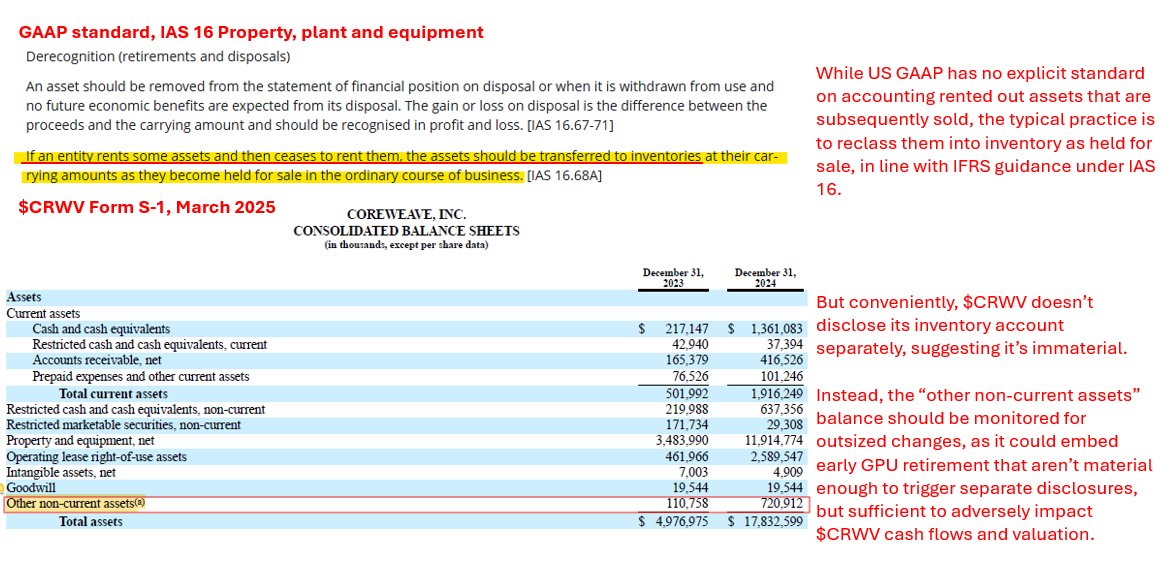
I've realized there's a huge misconception on asset "useful life" by the public. This is likely what drives the disconnect in how $CRWV cash flow is currently perceived vs. the impending risk of adjustments that'd result in a re-rate and investment loss for $NVDA. "Useful life" is a strictly defined term under GAAP - it refers specifically to the period of which an asset can generate economic benefits to the business. Even if the asset "still works", it doesn't contribute to useful life if it generates 0 revenue. $CRWV actually extended GPU useful life from 5yrs to 6yrs in Jan'23, citing tech advancements: But this doesn't necessarily mean an extended period of economic benefit generation, which is clear in the significant drop in Hopper pricing. Putting the GAAP definition for "useful life" to work will adversely effect $CRWV accounting and cash flow assumptions in several ways: 1. PPE recoverable amount assessment Hopper prices and rental rates/hr have come down 50-90% since Blackwell launch. This is sufficient to trigger a reassessment of PPE recoverable value, which GAAP requires on an annual basis anyway. PPE impairment occurs when recoverable amount < carrying value (i.e., cost less depreciation). Recoverable amount is defined as the higher of a) asset FV less costs to sell (i.e., current ~50% reduction in H100 pricing) vs. b) its value in use (i.e., 90% drop in H100 rent/hr x remaining useful life). Say $CRWV spent $40k on H100 in '22 and assumes 6yr useful life. It's likely RA < CV today, meaning impairment losses are on the table. Here's another way to put it: Say $CRWV bought a H100 at $40k, and it's only recouped $20k of it through Y2 before prices plummeted from $8/hr to $1/hr. $CRWV would need greater demand than Y1 + Y2 through Y6 to make up for the price drop w/ volume and dodge impairment. But how is it possible to generate greater demand for H100 today than when it was first released, especially when we have newer and better Blackwells? This is why PPE impairment is an underappreciated risk for $CRWV. 2. Extended/altered cash flow realization schedule There are also misconceptions that take-or-pays secure LT cash flows for $CRWV and will mitigate its exposure to asset impairment. That's not entirely true. As I've said before, $MSFT won't sign an onerous contract and commit an outsized $ to a specific GPU it knows will become obsolete quick. Even if LT contracts are take-or-pay, they're likely transferrable to newer GPUs. This leaves the older GPUs' recoverable amount short of its original cost, resulting in an imminent impairment loss. Alternatively, some $CRWV customers have committed consumption-based sums to Hopper GPUs. Considering the 90% drop in H100 rental prices, the timeline to realizing this commitment becomes significantly extended - perhaps even beyond the chip's life expectancy. This pushes out cash flow realization and adversely impacts $CRWV valuation. The scenario drives the impairment narrative home once again because the lifetime recoverable amount < cost. 3. GPU derecognition When a GPU is deemed no longer in use and derecognized, GAAP requires it to be transferred to inventory as a "held for sale" asset. This means any increase to inventory balance would be indicative of changes to $CRWV PPE composition (e.g., H100 retirement), even if it wasn't separately disclosed. But wait - $CRWV does not separately disclose its inventory balance either. It currently reports all immaterial LT asset balances in a lumpsum via "other non-current assets". This is something to keep a close eye on for sizable changes. There's risk $CRWV will start to embed older GPU retirements in other LT assets w/o separate disclosure due to "immateriality". But that doesn't mean the balance won't grow and significantly impact its cash flow assumptions.
Livy Research tweet mediaLivy Research tweet mediaLivy Research tweet mediaLivy Research tweet media
Livy Research@LivyResearch

In my past life as an auditor (to those who ask in my DMs - here's your answer), I'd witnessed a material accounting-related valuation reset on a transaction that'd blindsided my client. And this ongoing $CRWV $NVDA debacle is becoming eerily reminiscent of it. It was one of the biggest accounting backfires I've seen. My client had acquired a telco with what seemed like straightforward revenue streams - rent collected from cell towers. But a deeper dive into existing MSAs post-close uncovered a technical accounting issue that'd ultimately converge those revenues into costs. The less accommodative accounting caused the cash flow assumptions used to justify the acquisition to fall apart. The result was a forced write-off, massive goodwill impairment, and a valuation reset that blindsided my client. $CRWV and $NVDA faces a similar fate. $NVDA now owns 7% of $CRWV, whose valuation is based on LT GPU rental contracts. But here’s the caveat: $CRWV assumes a 6yr GPU lifespan, despite $NVDA accelerating its upgrades to a 1yr cadence. Prices for older H100 and even H200 chips are collapsing, down 90% and 50%, respectively. This means $CRWV will eventually be forced to shorten its depreciation schedule. This would alter the cash flow assumptions on which its valuation is based on, resulting in a massive re-rate and write-off to the $NVDA investment. Still don't believe me? The weak link's hidden in plain sight in $CRWV S-1 disclosures: $CRWV said it only deploys capex when there's confidence they can be fully recouped through LT contracts. There are 2 primary types - take or pay and consumption-based contracts. But $CRWV doesn't disclose the mix. Considering the rapid pace of tech advancements, it's unlikely customers like $MSFT are dumb enough to commit to take-or-pays on a rapidly deteriorating GPU. The contracts are likely consumption-heavy, and commitments can be transferred to newer generations of GPUs. This leaves limited evidence that $CRWV 's existing GPUs can generate sales for 6yrs. Even worse, consumption-based contracts tied to older GPUs risk becoming economically obsolete, reducing the PV of LT cash flows. Say I commit $6B to renting H100s and H100s only. With rental prices declining 90% after Y1, it's going to take significantly longer for the $6B commitment to be realized into revenue, which pushes the billing and cash receipt cycle further out. These risks are clearly not priced in for $CRWV and will ripple back to the $NVDA investment too. The AI halo effect may hold for now. But if these accounting cracks widen (it’s just a matter of time), both companies could face a sharp revaluation. Don't be blindsided like my client.

English
6
5
28
12.4K
Kakashii
Kakashii@kakashiii111·
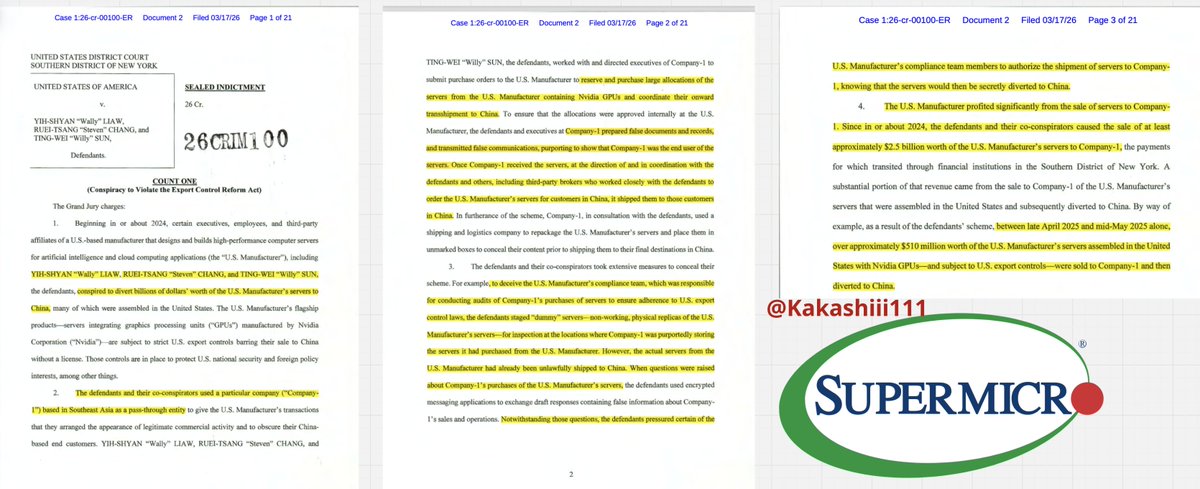
Today, my work over the years received another validation. The DoJ, together with the FBI, announced charges against three executives of SuperMicro (SMCI) for Conspiracy to Violate the Export Control Reform Act. Since at least early 2024, SMCI's executives built a sophisticated, systematic scheme to illegally divert billions of dollars worth of high-performance AI servers containing restricted Nvidia GPUs to China, using a pass-through company in Southeast Asia to evade U.S. export controls. I was the first to call out this smuggling phenomenon in late 2023, when it was just beginning to pick up volume. I tracked the flow of chips across Southeast Asia, including their final destinations in China, and identified the key participants, SMCI among them, documenting how the sophisticated, systemic scheme operated. What the DoJ described in its charging documents is precisely what I wrote about numerous times: the mechanics of how it works, the routes the GPUs travel from origin to their final destination in China, and the volume of the smuggling, which I estimated at tens of billions of dollars worth of GPUs. SMCI is a significant catch, but it is far from the only player in this smuggling ecosystem. Others remain uncharged. What has been equally troubling is that many companies, including public companies and their executives, have had knowing or willful blindness to this phenomenon, looking the other way in order to hit sales targets and meet Wall Street estimates. Meanwhile, the smuggling network has evolved in parallel with one of the fastest datacenter buildouts in Southeast Asia, involving numerous subsidiaries, local companies, and datacenter operators who have absorbed every lesson from the smuggling playbook and are now working around the clock to build a datacenter empire across the SEA region.
Kakashii tweet media
Kakashii@kakashiii111

SMCI confesses to being Nvidia's partner-in-crime in Singapore sales. Amazing.

English
41
103
629
113.3K
Livy Research
Livy Research@LivyResearch·
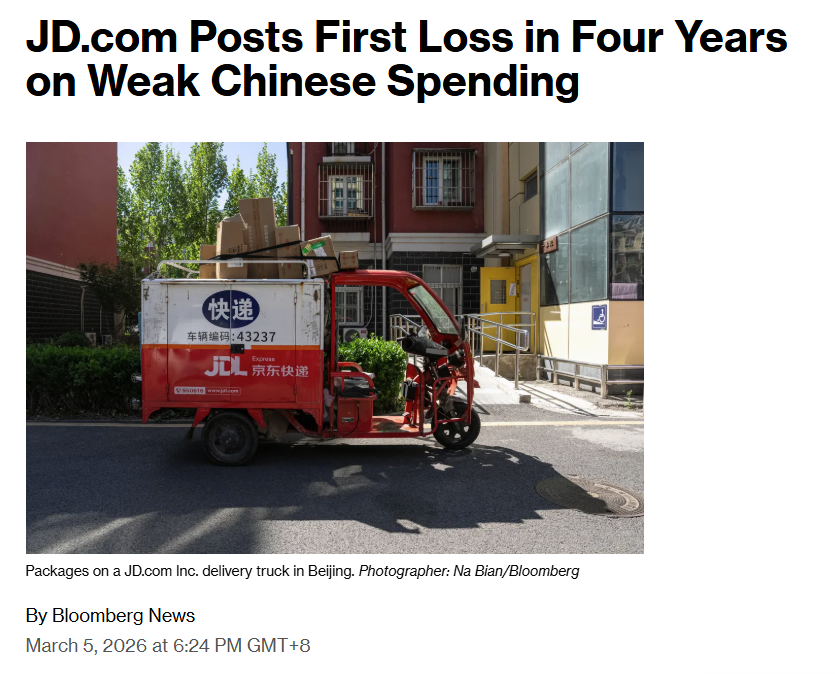
$JD posts first loss in 4 years, highlighting implications of China's extended macro weakness, compounded by costly competition in its nascent food delivery business; aligns with China's record low 4.5-5% GDP target, setting bleak outlook for Chinese commerce like $PDD
Livy Research tweet media
English
0
0
0
273
Livy Research
Livy Research@LivyResearch·
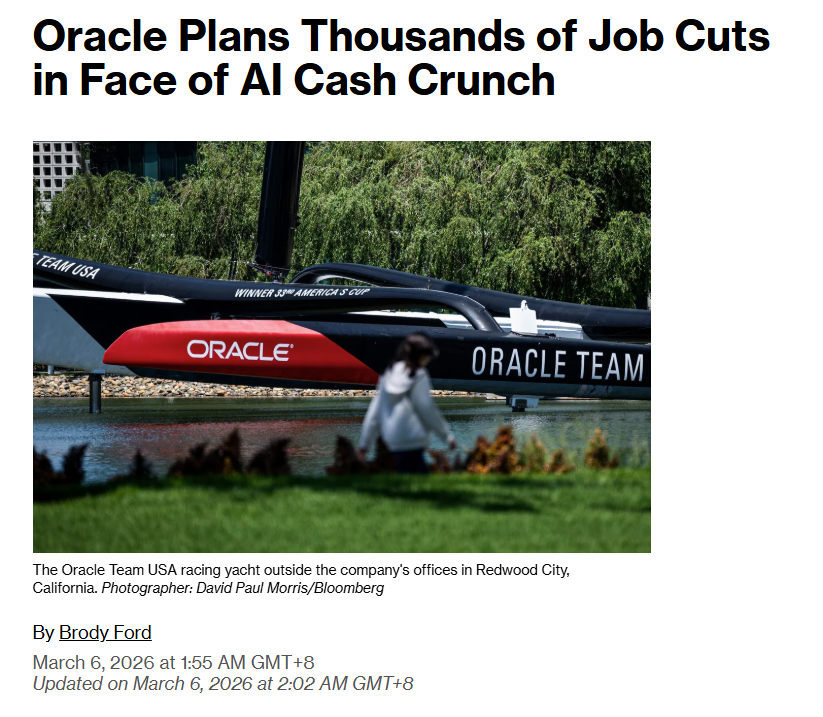
$ORCL plans thousands of layoffs beyond typical attrition, potentially part of restructuring plan announced in Sept that'll cost $1.6B; savings likely needed to offset extended negative FCF trajectory amid costly AI buildout, which remains key overhang ahead of F3Q earnings
Livy Research tweet media
English
1
0
0
176
Livy Research
Livy Research@LivyResearch·
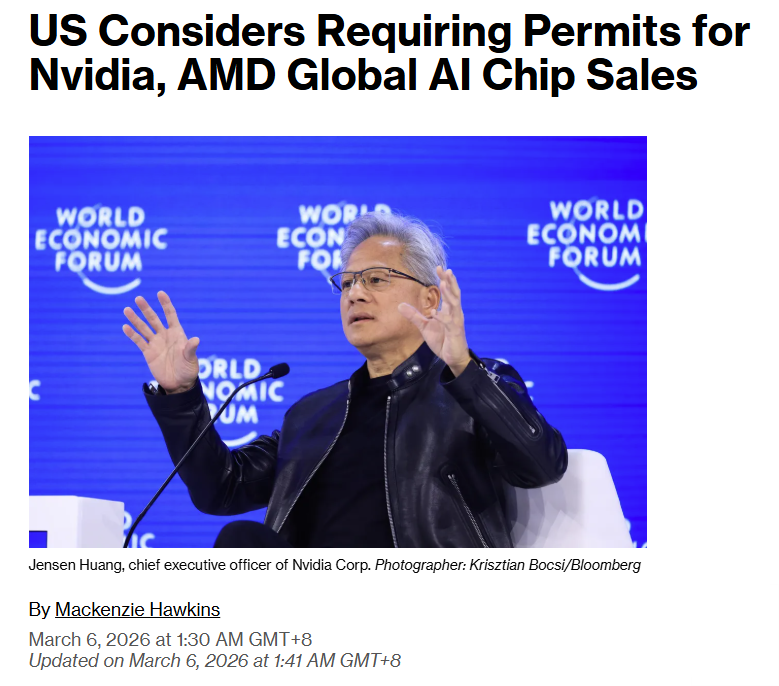
Happy Friday! Key watch items in my coverage today:🧵 US government mulls global AI chip export restriction without regulatory approval; this could potentially weaken demand and most importantly compress margins for $AMD $NVDA due to higher compliance costs
Livy Research tweet media
English
2
0
1
220
Livy Research
Livy Research@LivyResearch·
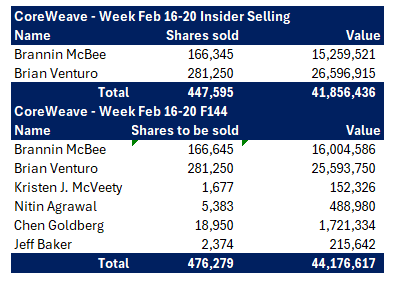
$CRWV insider selling totaled ~$42M last week (Feb 16-20) and poised to accelerate based on latest F144 filings; additional 10b5-1c selling arrangement disclosures likely in upcoming 2025 10K, adding pressure ahead of Q4 ER later this week
Livy Research tweet media
English
1
1
0
192
Livy Research
Livy Research@LivyResearch·
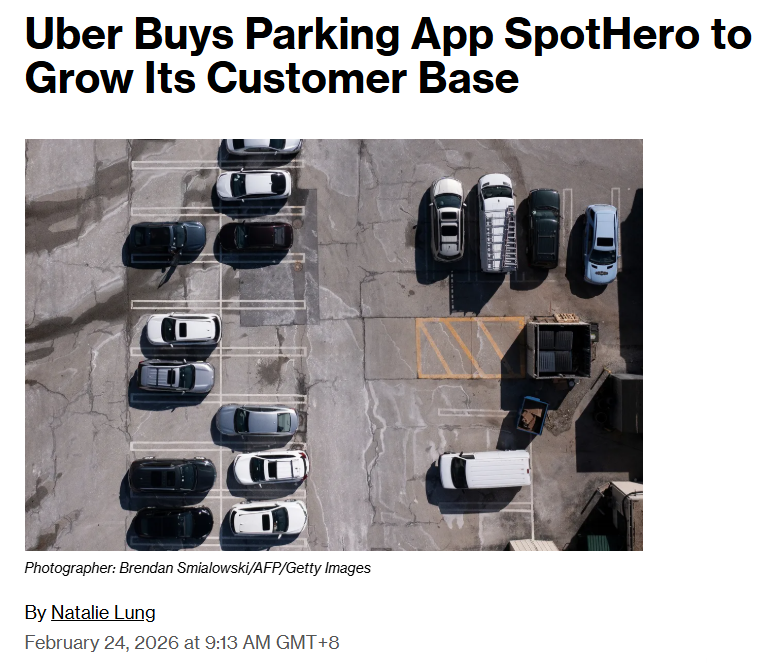
$UBER announces agreement to acquire parking reservation app SpotHero for undisclosed consideration; in addition to immediate synergies like user TAM expansion beyond rideshare, parking reservation tech stack could also integrate into future autonomous mobility infrastructure
Livy Research tweet media
English
1
0
0
157
Livy Research
Livy Research@LivyResearch·
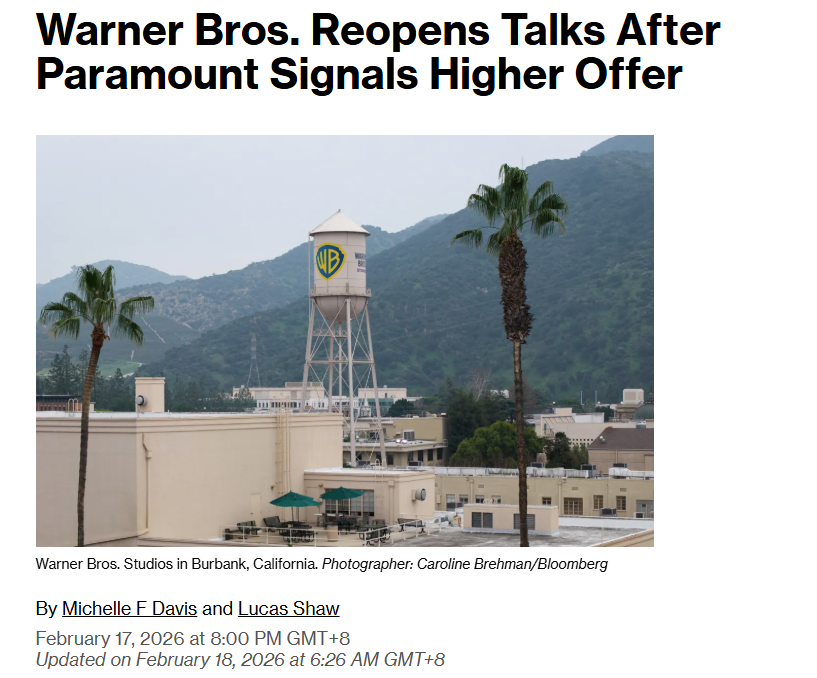
Key watch items in my coverage today:🧵 It's speculated $PSKY has upped its bid from the previous $30/share proposal for $WBD; bid war w/ $NFLX could reinforce WBD upside and provide de-risking ahead of Q4 earnings update/2026 outlook later this week
Livy Research tweet media
English
1
0
0
432
Livy Research
Livy Research@LivyResearch·
$OWL tech fund $OTC is doubling down on ARR loans, focusing extension of debt extended to unprofitable AI/software companies. Management "hopes" to convert them into EBITDA loans (i.e. profit-backed loans) within 2-3 years which is nothing but wishful thinking. It's an implosion waiting to happen.
English
0
0
0
142
Livy Research
Livy Research@LivyResearch·
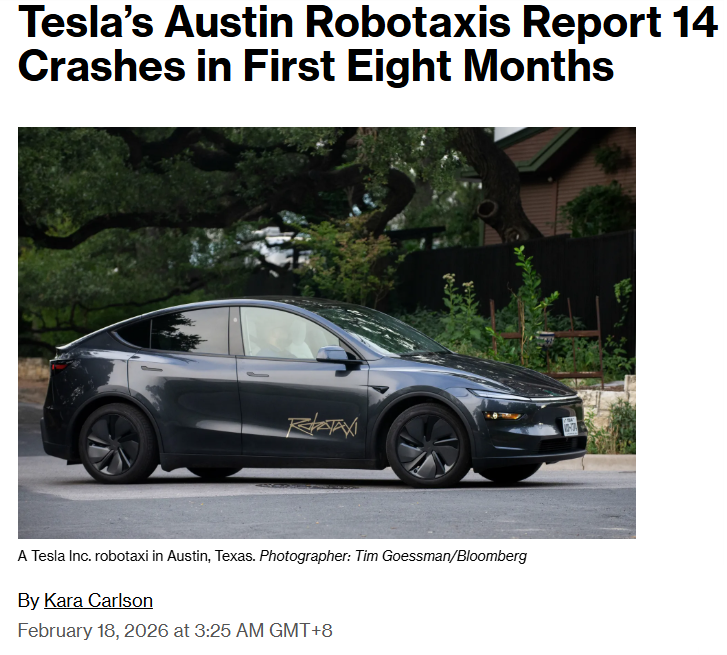
$TSLA reports 14 Robotaxi crashes in Austin since launch in June; this could draw intensified regulatory scrutiny, increasing uncertainties to monetization outlook at scale and undermining durability to current valuation premium
Livy Research tweet media
English
0
0
0
230
Livy Research
Livy Research@LivyResearch·
$WBD requests $PSKY to present its best and final offer at higher than $31/share by Feb 23; reinforce upside potential for WBD as bid war escalates, while uncertainties could increase risk premium on Netflix and PSKY valuation
Livy Research tweet media
English
1
0
0
182
Livy Research
Livy Research@LivyResearch·
$NVDA form 13F shows its stake in $ARM was likely disposed in Q4
English
1
0
0
107
Livy Research
Livy Research@LivyResearch·
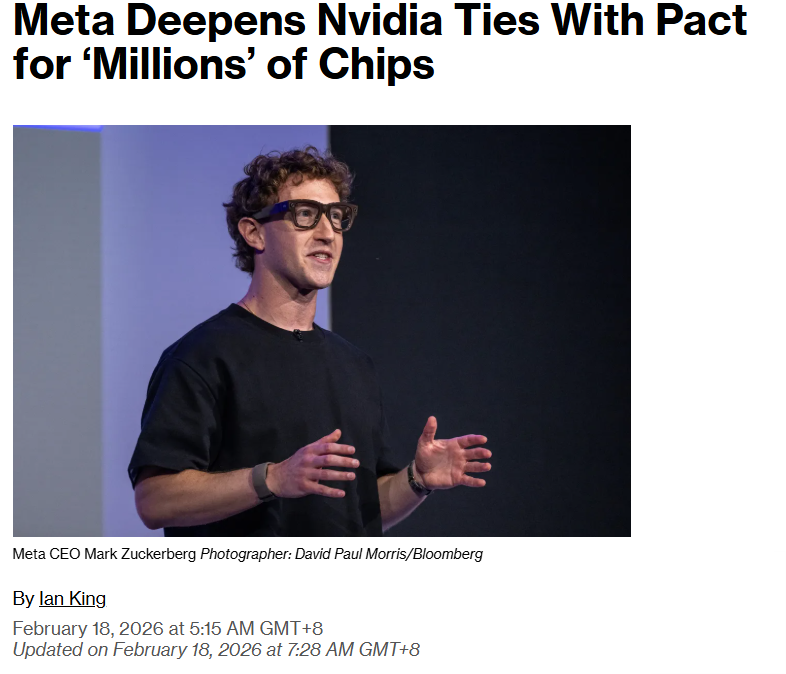
Key watch items in my coverage today:🧵 $META expands $NVDA partnership w/ commitment to upcoming Vera CPUs; highlights intensifying competition for next-gen $AMD roadmap while posing acute headwind for $INTC, as ongoing Xeon supply shortage widens its competitive disadvantage
Livy Research tweet media
English
1
0
0
248
Livy Research
Livy Research@LivyResearch·
$UBER agrees to acquire Getir's food delivery operations for $335M, and take 15% stake in the platform's remaining businesses for $100M; transaction accretive to $700M Trendyol Go Turkish delivery app acquisition last year, reinforcing Uber's Middle East portfolio returns
Livy Research tweet media
English
0
1
1
175
Livy Research
Livy Research@LivyResearch·
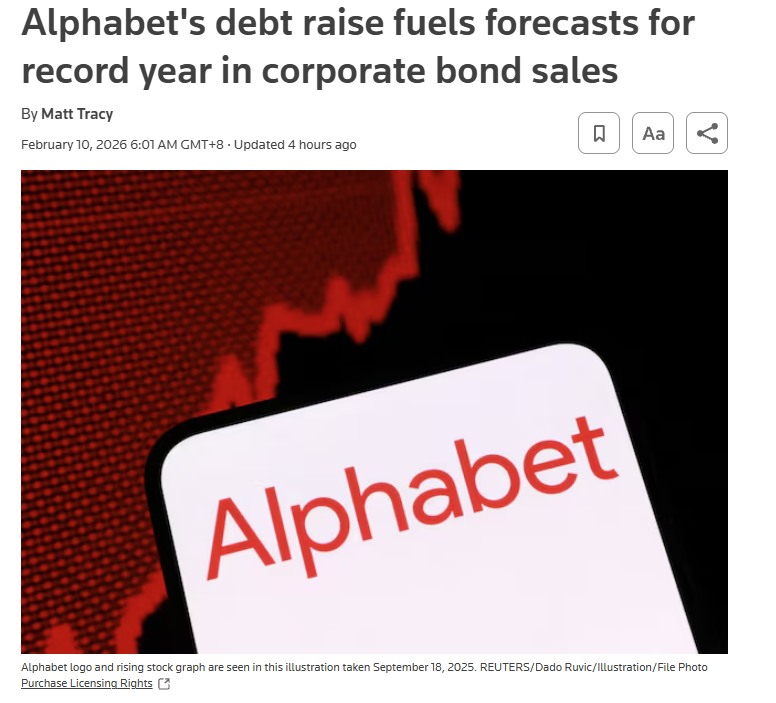
Key watch items in my coverage today:🧵 $GOOG issues $20B in new debt, drawing favorable reception w/ $100B+ orders; sets strong base for low cost financing ahead of 3Y to 100Y bond sale in UK/Switzerland that'll draw an additional $9.4B in new funding for AI capex cycle
Livy Research tweet media
English
1
0
1
248
Livy Research
Livy Research@LivyResearch·
What's more questionable is that $NVDA only reversed $180M in H20 inventory but was able to sell it for $650M in revenue. That's 72% gross margin, which is accretive at the consolidated level as of F1Q26. If H20 is so obsolete and China-specific that it warranted a $4.5B initial inventory reserve (or a write-off in essence), then the question should really be who this "unrestricted customer" is and where they came from...
English
1
0
6
10K
Kakashii
Kakashii@kakashiii111·
Remember how I emphasized the H20 accounting numbers back in Q1 2025? Here is a direct quote from me: “But let me say this again: I’ve never seen anything this questionable. This is the greatest accounting engineering I have ever seen.” Thanks to Olga Usvyatsky for bringing this to my attention and for writing a great Substack article on this SEC letter, among others. I will post the article in the replies. Apparently, this also caught the SEC’s attention. In July 2025, the SEC issued comments to Nvidia, seeking clarity on why stripping a $4.5 billion inventory-related charge from its non-GAAP presentation is consistent with Question 100.01 of the C&DIs: “We note that you disclose non-GAAP margin and non-GAAP diluted earnings per share excluding the $4.5 billion inventory charge taken in the first quarter of fiscal 2026. Please provide us more information as to the nature of the charge and explain to us why you do not believe that it represents a normal, recurring operating cost of your business. As part of your response, please tell us why you do not believe the products could be sold to another customer or have alternative use. See guidance in Question 100.01 of the SEC Staff’s Compliance and Disclosure Issues on Non-GAAP Financial Measures.” In its July 31, 2025, response, Nvidia argued that the charge was unique and unprecedented, arising directly from an April 2025 U.S. government decision to impose indefinite export-license requirements on the H20 product, rather than from operational, competitive, or technological factors. Nvidia emphasized that H20 was purpose-built for the China market to comply with earlier export controls, has minimal alternative use outside that market, and is tied to an older Hopper architecture that is no longer in demand relative to the newer Blackwell platform: “We respectfully advise the Staff that the H20 data center product was designed specifically for the Chinese market in conformance with specific USG license requirements, and there is not a market outside of China for H20. The manufacturing process and components for the H20 products are unique to our previous Hopper architecture and the Chinese market. Current demand from customers, not subject to an export control license, is primarily for our latest Blackwell architecture products, which has a significant improvement in performance and efficiency compared to the Hopper architecture products and H20. Outside of the China market for which the H20 products were specifically designed, there is minimal alternative use given the increased speed of NVIDIA product innovation, product releases and increased performance customers receive with the current Blackwell products.” But here’s what’s interesting. In its 10-Q filing for the quarter ending July 27, 2025, released on EDGAR on August 27, 2025, Nvidia recognized $650 million of H20 revenue after finding a buyer outside China: “In the second quarter, we recognized approximately $650 million of H20 revenue from sales to an unrestricted customer outside of China, resulting in a $180 million release of previously reserved H20 inventory. There were no H20 sales to China-based customers in the second quarter.” In her excellent Substack article, Olga draws a parallel between Newell Brands’ non-GAAP inventory case and Nvidia’s. The SEC’s exchange with Nvidia echoes its earlier review of Newell Brands’ non-GAAP inventory adjustments, which illustrates how the Staff distinguishes between recurring and non-recurring, regulation-driven inventory charges. In Newell’s case, the SEC initially challenged the exclusion of an inventory write-down tied to regulatory restrictions, emphasizing that lower-of-cost-or-net-realizable-value adjustments are generally part of normal operations, even when triggered by external events. Newell ultimately persuaded the Staff to allow the regulation-driven write-down to remain in non-GAAP results by demonstrating that the ban rendered the inventory unsalable and, according to the company, was unprecedented in scope. At the same time, Newell Brands agreed to remove inventory write-downs related to restructuring and strategic exits, costs the SEC viewed as recurring elements of the business, from future non-GAAP measures. Note: While these SEC exchanges with Nvidia took place back in July, they were published on EDGAR only last month. This is only ONE of dozens of accounting engineering practices, tricks, potential fraud, and other shady actions that Nvidia has done and continues to do since late 2022. I do hope this is a sign of the SEC waking up to what Nvidia is doing, but for now, I’m not optimistic.
Kakashii@kakashiii111

I have never encountered something so fishy at a press release for an earnings report. According to NVIDIA, they recorded a $6 billion write-down related to H20 in Q1, with another $8 billion in projected losses for Q2. Jensen and Colette baked those H20 profits into their Q1 guidance — so how did they still report $44.1 billion in Q1 revenue after the write-off, and now guide for the same $44.1 billion in Q2? Did they imply that without the $8 billion H20 hit, Q2 guidance would have been $52 billion? That’s way off from what analysts were projecting. I’ll dig into their 10-Q as soon as it's filed. But let me say this again: I’ve never seen anything this questionable. This is the greatest accounting engineering I have ever seen.

English
9
24
155
31.6K
Livy Research retweetledi
Livy Research
Livy Research@LivyResearch·
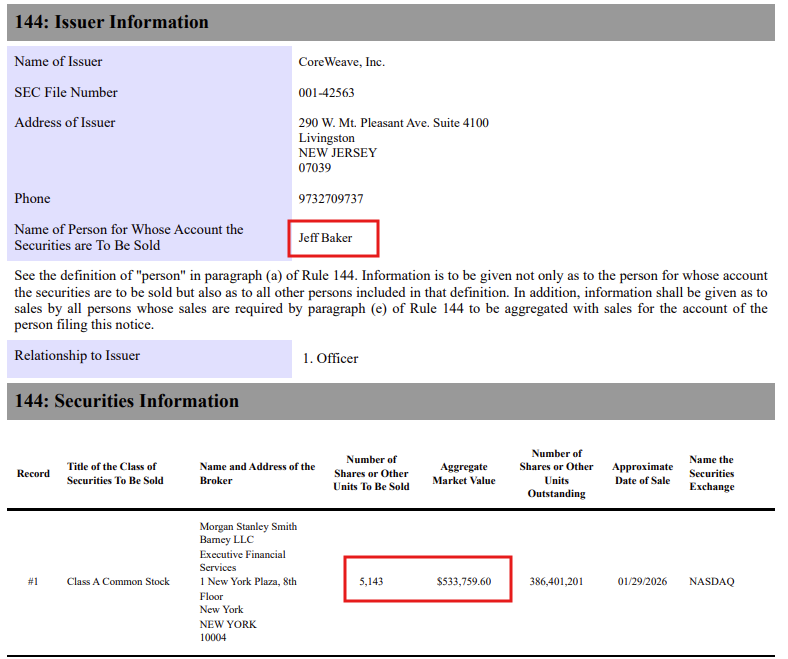
$CRWV Chief Accounting Officer has just disclosed his first insider sell of > 5,000 shares for ~$534,000 outside of 10b5-1c rule...interesting timing, as company cash needs grow, funding avenues dry up, SOX exemption expiring March...
Livy Research tweet media
Livy Research@LivyResearch

Yes, the $NVDA lifeline is very much just delaying $CRWV 's eventual bust. The $2B new capital injection exposes a critical accounting paradox and signals increasing stress in circular AI investing. From an accounting and capital allocation perspective, Nvidia has 0 interest in increasing its CoreWeave stake at this stage. There's only so much a company can invest in another before triggering equity-method accounting -- which requires the investor to absorb the investee's losses through its own P&L. Nvidia now owns 11.5% of CoreWeave. This brings it closer to the 20% threshold that automatically triggers the "significant influence" presumption under GAAP. Crossing this mark would require equity-method accounting, exposing Nvidia to CoreWeave's ballooning losses and liabilities. It's likely Nvidia still accounts for its CoreWeave stake under the cost method for now, subjecting its P&L only to the stock's MTM changes (and whether that's GAAP appropriate has become highly debatable, given their material intra-entity GPU transactions). This creates a structural paradox. Nvidia has an absolute incentive to keep CoreWeave operating, as that'd keep GPU sales growing. But investing now at CoreWeave's depressed valuations is capital inefficient. Increasing its stake from 7% to 11.5% only injected $2B incremental capital into CoreWeave. But at CoreWeave's peak, Nvidia could've funneled $4.2B for the same stake gain, which would've been recycled back as GPU revenue anyway. Meanwhile, CoreWeave's has never been more cash strapped before. The failed $CORZ acquisition removed a key balance sheet lever that could've bolstered CoreWeave's collateral and improved its access to additional borrowings. CoreWeave's now left with rising GPU capex needs and $4B+ debt coming due, with few funding avenues available. The irony is clear. CoreWeave needs Nvidia capital more than ever before, yet Nvidia's incentive to invest has never been lower. At current valuations, Nvidia cannot meaningfully fund a strategically critical partner without rapidly driving its stake towards 20% and trigger direct exposure to CoreWeave's losses. The partnership is clearly breaking down, but it doesn't stop there. Nvidia's invested in 59+ AI startups in 2025, and all of them follow the same playbook. This could be the first glimpse of weakness into increasingly circular AI investments that many are still missing.

English
1
2
5
1.4K
Livy Research
Livy Research@LivyResearch·
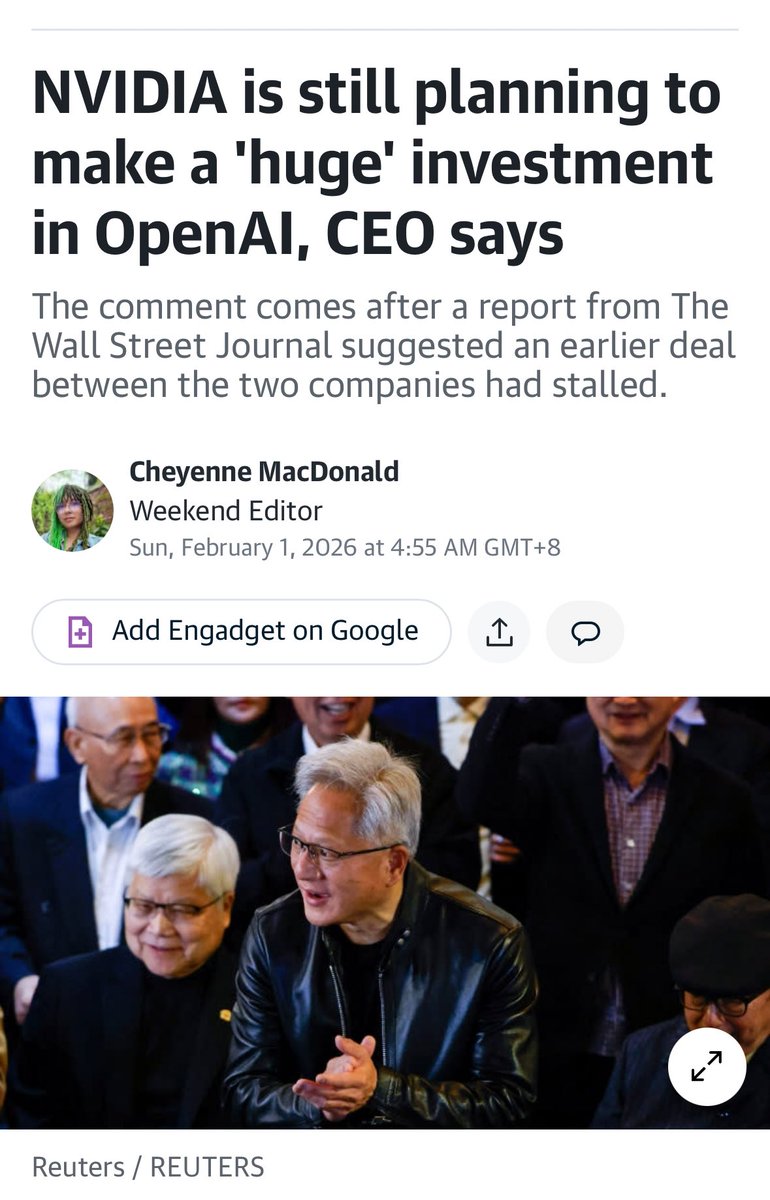
Rest assured, $NVDA will still make a “big” investment in OpenAI - just not big enough to trigger equity method accounting. Like the $CRWV investment, Jensen still needs OpenAI to foot Nvidia’s GPU growth, but he certainly does not need exposure to OpenAI’s losses on Nvidia’s P&L.
Livy Research tweet media
Livy Research@LivyResearch

Yes, the $NVDA lifeline is very much just delaying $CRWV 's eventual bust. The $2B new capital injection exposes a critical accounting paradox and signals increasing stress in circular AI investing. From an accounting and capital allocation perspective, Nvidia has 0 interest in increasing its CoreWeave stake at this stage. There's only so much a company can invest in another before triggering equity-method accounting -- which requires the investor to absorb the investee's losses through its own P&L. Nvidia now owns 11.5% of CoreWeave. This brings it closer to the 20% threshold that automatically triggers the "significant influence" presumption under GAAP. Crossing this mark would require equity-method accounting, exposing Nvidia to CoreWeave's ballooning losses and liabilities. It's likely Nvidia still accounts for its CoreWeave stake under the cost method for now, subjecting its P&L only to the stock's MTM changes (and whether that's GAAP appropriate has become highly debatable, given their material intra-entity GPU transactions). This creates a structural paradox. Nvidia has an absolute incentive to keep CoreWeave operating, as that'd keep GPU sales growing. But investing now at CoreWeave's depressed valuations is capital inefficient. Increasing its stake from 7% to 11.5% only injected $2B incremental capital into CoreWeave. But at CoreWeave's peak, Nvidia could've funneled $4.2B for the same stake gain, which would've been recycled back as GPU revenue anyway. Meanwhile, CoreWeave's has never been more cash strapped before. The failed $CORZ acquisition removed a key balance sheet lever that could've bolstered CoreWeave's collateral and improved its access to additional borrowings. CoreWeave's now left with rising GPU capex needs and $4B+ debt coming due, with few funding avenues available. The irony is clear. CoreWeave needs Nvidia capital more than ever before, yet Nvidia's incentive to invest has never been lower. At current valuations, Nvidia cannot meaningfully fund a strategically critical partner without rapidly driving its stake towards 20% and trigger direct exposure to CoreWeave's losses. The partnership is clearly breaking down, but it doesn't stop there. Nvidia's invested in 59+ AI startups in 2025, and all of them follow the same playbook. This could be the first glimpse of weakness into increasingly circular AI investments that many are still missing.

English
0
1
5
806
Livy Research
Livy Research@LivyResearch·
@kakashiii111 $NVDA will fund OpenAI but just enough to dodge equity method accounting so it doesn’t get exposed to its losses but still maintain GPU growth for Nvidia
English
1
0
8
1.1K
Kakashii
Kakashii@kakashiii111·
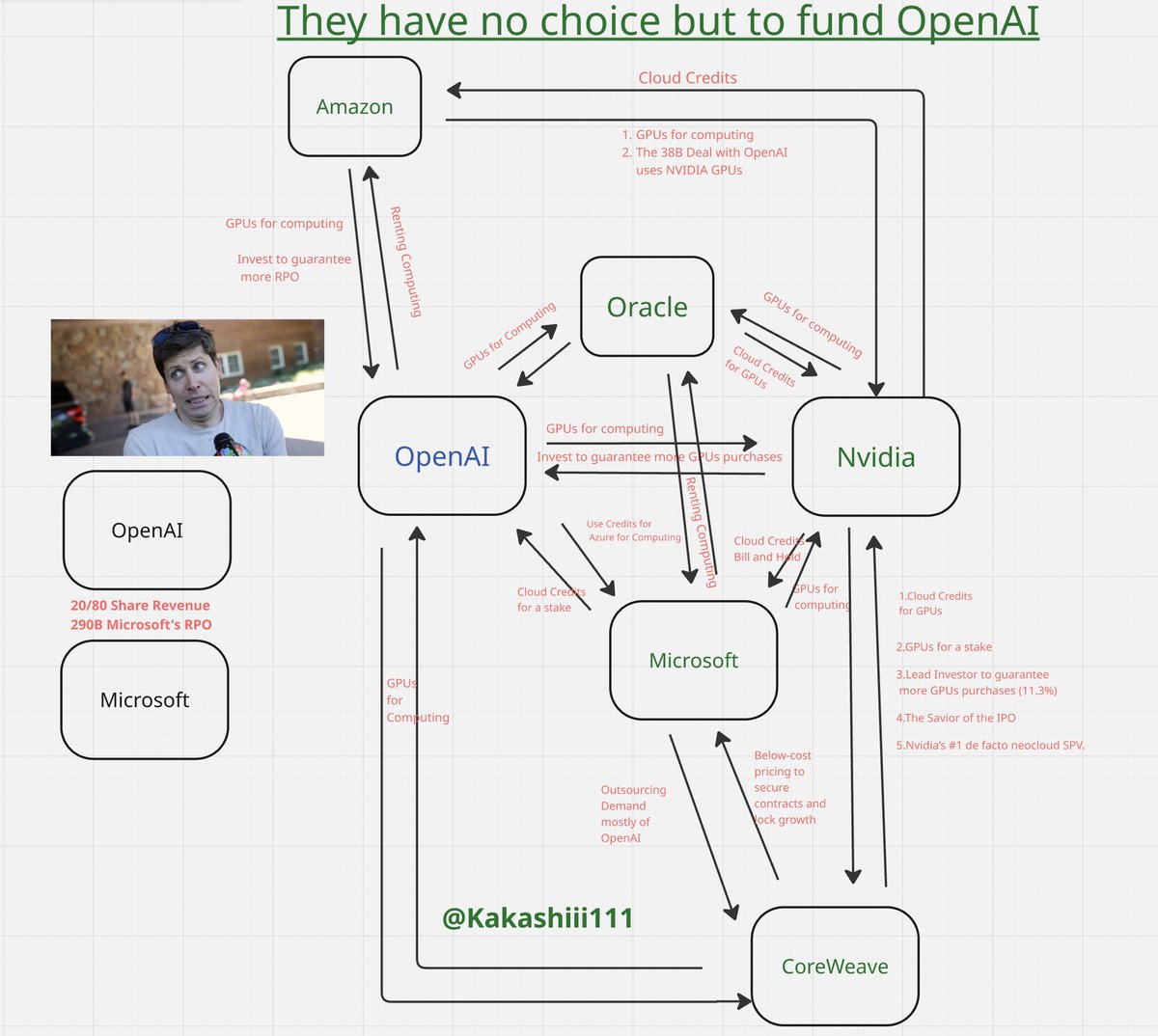
They have no choice but to fund OpenAI
Kakashii tweet media
English
18
34
224
80.1K
Livy Research
Livy Research@LivyResearch·
@kakashiii111 Like I said, $NVDA wants to invest in these companies to keep GPU demand coming, but Jensen has no interest in absorbing their losses through consolidating / equity accounting these investments. $100B OpenAI investment would trigger this. x.com/livyresearch/s…
Livy Research@LivyResearch

Yes, the $NVDA lifeline is very much just delaying $CRWV 's eventual bust. The $2B new capital injection exposes a critical accounting paradox and signals increasing stress in circular AI investing. From an accounting and capital allocation perspective, Nvidia has 0 interest in increasing its CoreWeave stake at this stage. There's only so much a company can invest in another before triggering equity-method accounting -- which requires the investor to absorb the investee's losses through its own P&L. Nvidia now owns 11.5% of CoreWeave. This brings it closer to the 20% threshold that automatically triggers the "significant influence" presumption under GAAP. Crossing this mark would require equity-method accounting, exposing Nvidia to CoreWeave's ballooning losses and liabilities. It's likely Nvidia still accounts for its CoreWeave stake under the cost method for now, subjecting its P&L only to the stock's MTM changes (and whether that's GAAP appropriate has become highly debatable, given their material intra-entity GPU transactions). This creates a structural paradox. Nvidia has an absolute incentive to keep CoreWeave operating, as that'd keep GPU sales growing. But investing now at CoreWeave's depressed valuations is capital inefficient. Increasing its stake from 7% to 11.5% only injected $2B incremental capital into CoreWeave. But at CoreWeave's peak, Nvidia could've funneled $4.2B for the same stake gain, which would've been recycled back as GPU revenue anyway. Meanwhile, CoreWeave's has never been more cash strapped before. The failed $CORZ acquisition removed a key balance sheet lever that could've bolstered CoreWeave's collateral and improved its access to additional borrowings. CoreWeave's now left with rising GPU capex needs and $4B+ debt coming due, with few funding avenues available. The irony is clear. CoreWeave needs Nvidia capital more than ever before, yet Nvidia's incentive to invest has never been lower. At current valuations, Nvidia cannot meaningfully fund a strategically critical partner without rapidly driving its stake towards 20% and trigger direct exposure to CoreWeave's losses. The partnership is clearly breaking down, but it doesn't stop there. Nvidia's invested in 59+ AI startups in 2025, and all of them follow the same playbook. This could be the first glimpse of weakness into increasingly circular AI investments that many are still missing.

English
0
0
0
143