Humans have become the ultimate 'now-focused' species.
We demand instant answers for why it is hot one day, cold the next. We seem blissfully unaware that the deep ocean might be responding to the sun from as long ago as the 12th century.
To respect the ocean is to respect its natural inertia. It teaches us that the Earth cannot be 'fixed' or 'broken' by short-lived policies or computerized data. It is a ponderous, ancient global time machine. Its invisible clockwork does not care about our election cycles or social media trends.
We have mistaken the light breezes of the atmosphere for the powerhouse of the world. We stand on a slender rock, watching the air and counting in parts-per-million, while beneath us are the true masters of time — the oceans — circulating heat from a millennium ago.
To truly love the world is to acknowledge its sheer weight, its inertia and its indifference to our passing ideological storms.
We have traded the natural wonder of a robin's song for a globalised anxiety about what spreadsheets do.
The cheapest verified studio loft rentals in the Southwestern United States range from $900 to $1,436 per month, with the most affordable inventory concentrated in Las Vegas, Nevada.
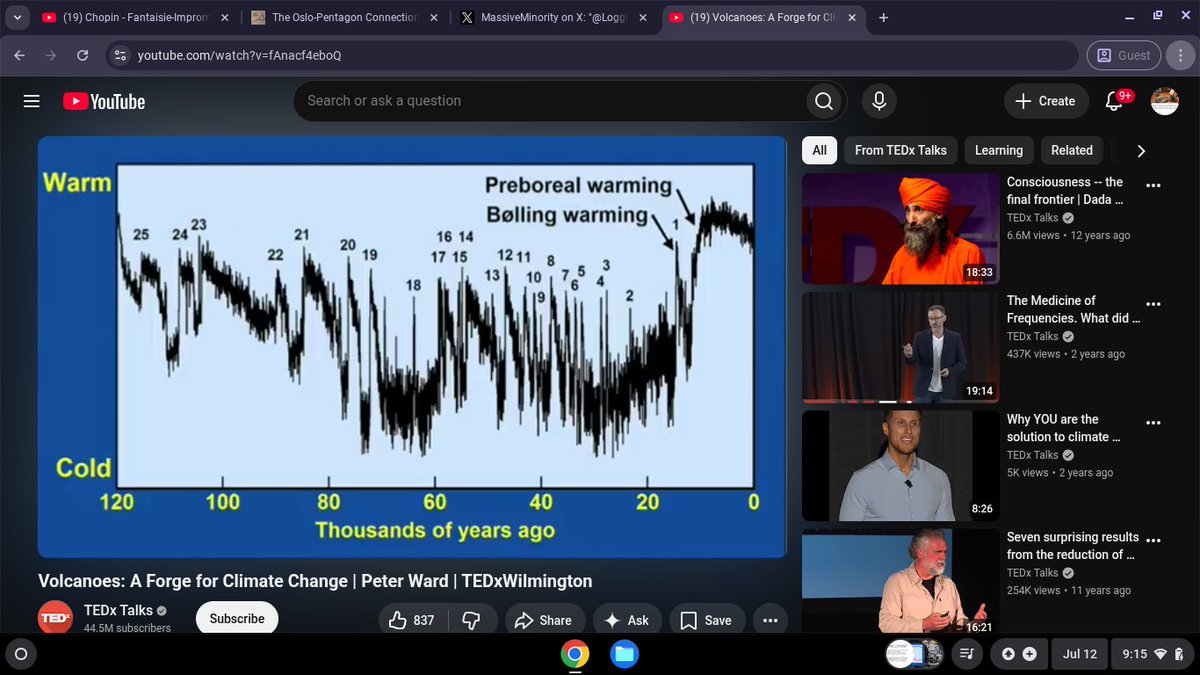
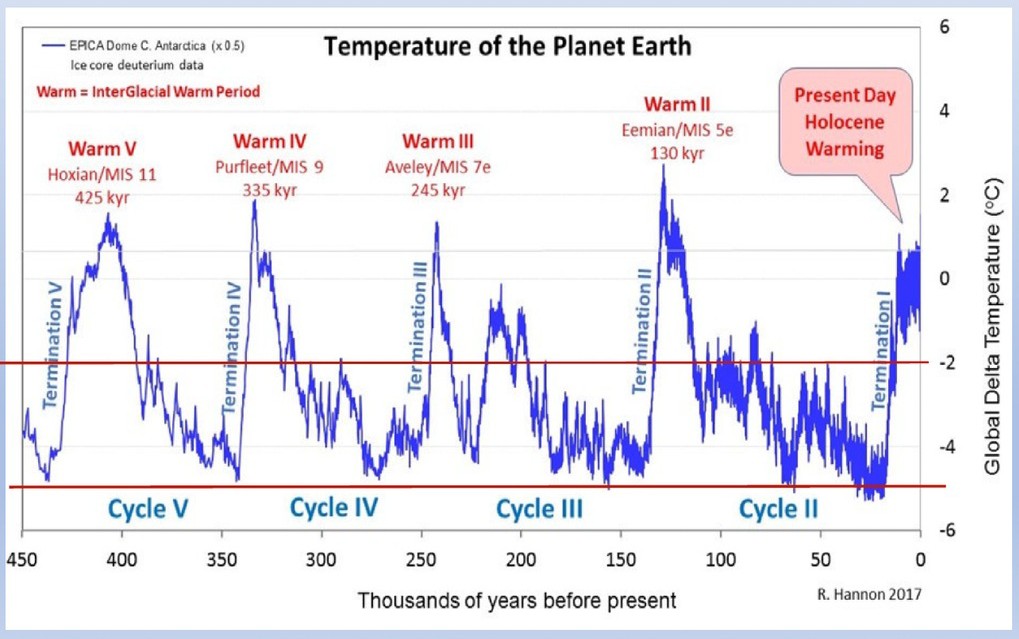
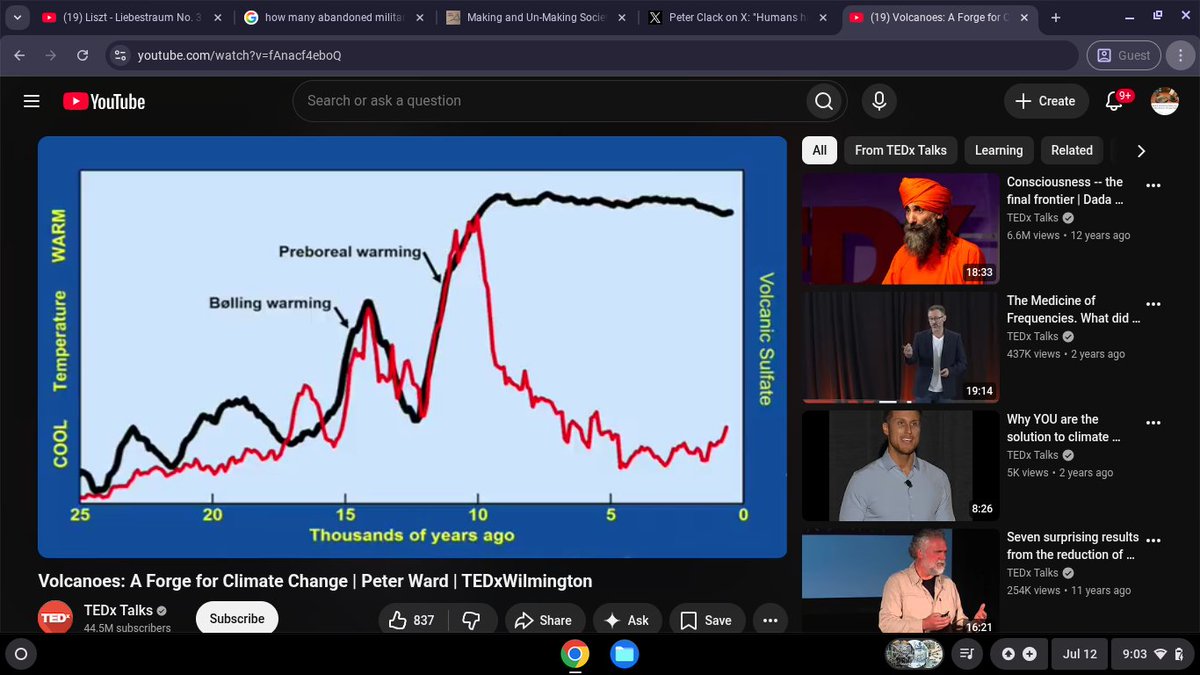
The severity of ice age glacial periods is simply colossal. Once started, nothing human could stop such devastation.
Such an event is already etched into the possible scenarios that are likely to befall mankind. But this scenario is based on the actual historical and geological record. The global warming agenda is based on computer driven scenarios - but mostly by emotional blackmail and ideology. There is a big difference.
Such an ice age event would become the greatest disaster of them all for an urbanised and sedentary human civilisation, stretched thinly across the planet. All human towns and cities combined still cover only 1% to 3% of the world's land surface, highlighting how much 'empty' space or wilderness remain.
About 20,000 to 18,000 years ago during the Last Glacial Maximum, the massive Laurentide Ice Sheet and Eurasian ice sheets were indeed up to 2 miles (3.2 km) thick in places. However, by 6,000 years ago, those immense continental ice sheets had largely shrunk, although smaller remnants persisted in Canada before finally disappearing.
Long-term tectonic shifts — like the isolation of Antarctica and the closing of the Isthmus of Panama — combined with a gradual drop in atmospheric CO₂ over millions of years, set the stage by cooling the planet down.
This regular pulse of ice ages and interglacials over the last 2.58 million years has been driven by orbital anomalies known as Milankovitch cycles. On top of these massive orbital tides, smaller solar and oceanic cycles have historically triggered shorter historical warm periods — such as the Roman and Medieval — which expanded greening, boosted agriculture and drove human prosperity.
Earth has warmed only by around 1.4°C in the 250 years since the start of the Industrial Revolution; global average temperatures are calculated to have reached 15°C as a result.
This is still more than 6 degrees cooler than a global average of 18-25 degrees throughout much of the Phanerozoic Eon, beginning 541 million years ago.
@GiantMinority@PeterDClack that correlates nicely but not always causation but here makes sense. Its a combination of sun/orbit, ocean, and geology/mantle plus....
@GiantMinority@PeterDClack Mostly orbital forcings or changes in the Earth's orbits. Also feedbacks like albedo changes as ice melts it absorbs more sunlight for example.
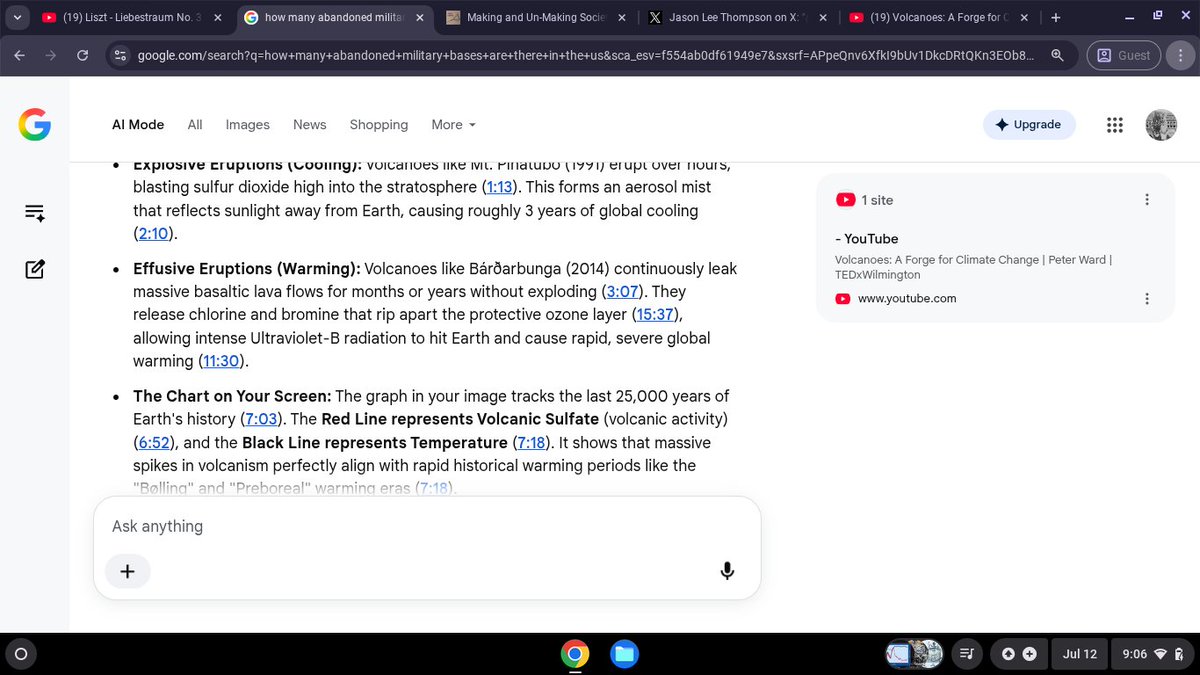
@PeterDClackyoutube.com/watch?v=fAnacf… And then there is the giant mantle and core that can even dwarf the ocean in some respects and under some conditions and time scales. The can warm with oozing basalt flows that covered miles in Siberia at one time and made islands explosion block out sun