LogoDecks™

299 posts

LogoDecks™ banner
LogoDecks™

LogoDecks™

@LogoDecks

Join the logo obsession. Revealing hidden stories, golden ratios & clever symmetries in famous brands.

Katılım Eylül 2023
194 Takip Edilen8.1K Takipçiler
Sabitlenmiş Tweet
LogoDecks™
LogoDecks™@LogoDecks·
The Japan Railways (JR) Group logo, introduced in 1987 following the privatization of Japan National Railways, was created through a collaborative design effort led by the Nippon Design Center. Yusuke Kaji served as Creative Director, guiding the overall visual identity strategy, while Yoji Yamamoto acted as Art Director and principal designer of the distinctive “JR” letterform. The project was further supported by Kazumasa Nagai, who functioned as Supervising Editor and provided senior creative oversight, and Ikuo Kenmori, who worked as Producer, coordinating the development and implementation of the identity system. Together, this team designed a bold, connected logotype intended to remain legible at high speeds and across varied applications such as trains, signage, and printed materials. The resulting design allowed each regional JR company to adopt its own color variation while maintaining a unified national symbol, helping establish one of the most recognizable transportation brands in the world. #logodecks
LogoDecks™ tweet media
English
10
657
4.5K
1.3M
LogoDecks™
LogoDecks™@LogoDecks·
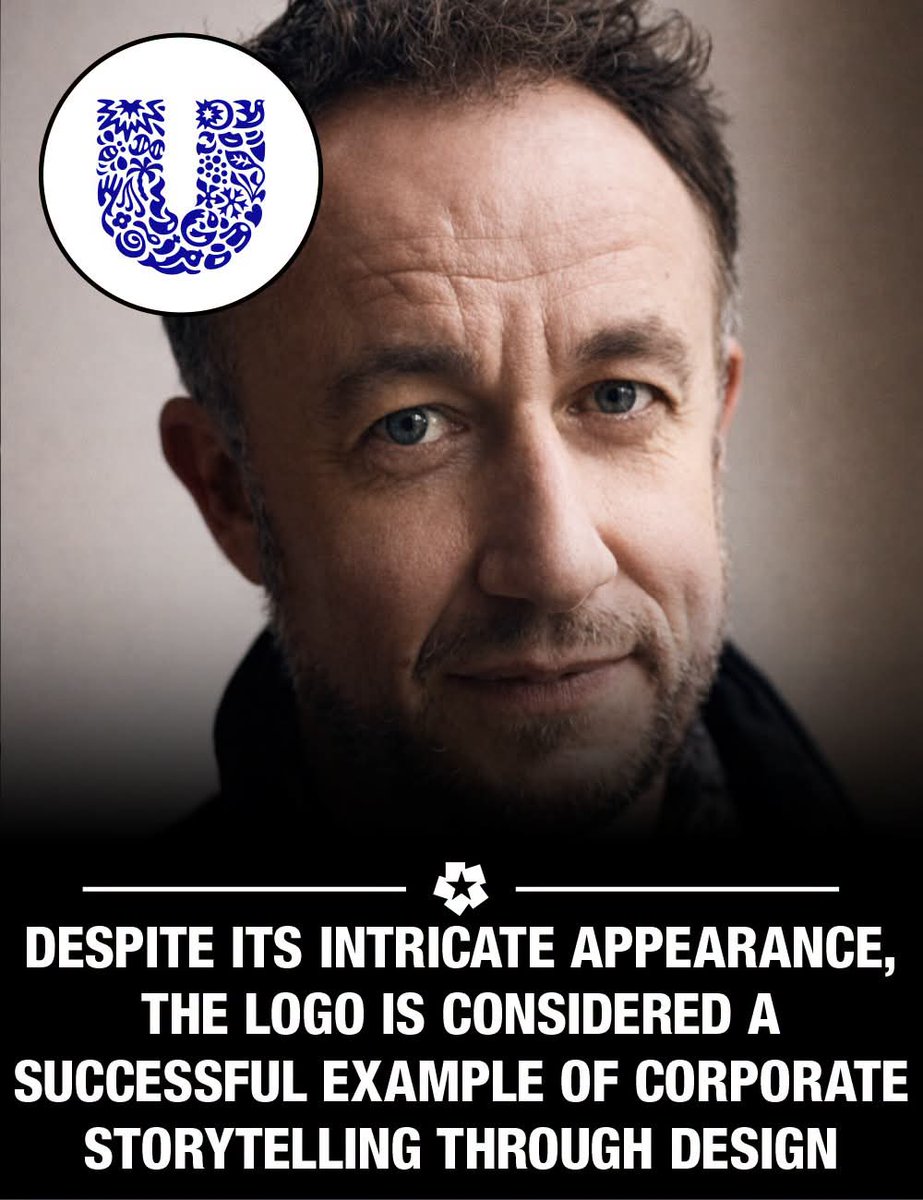
This Logo Isn't Just a Letter—It's a Visual Storytelling Masterpiece. The Unilever logo, designed by British designer Miles Newlyn and introduced in 2004, is widely regarded as a masterpiece of corporate branding. At first glance, it appears to be a simple blue letter “U,” but a closer look reveals a collection of 25 individual symbols carefully arranged to form the iconic shape. Each symbol represents a different aspect of Unilever’s business, values, products, and commitment to improving everyday life. Elements such as the heart, sun, bird, fish, spoon, and hand symbolise themes including care, vitality, sustainability, nutrition, and innovation. The logo was created to unify Unilever’s diverse portfolio of brands under a single visual identity while communicating a broader corporate purpose. Its intricate yet cohesive design tells a story about the company’s connection to people, health, and the environment. More than a corporate mark, the Unilever logo demonstrates how thoughtful design can transform a simple letter into a powerful symbol of brand identity and purpose. #logodecks
LogoDecks™ tweet media
English
0
5
20
1.3K
LogoDecks™
LogoDecks™@LogoDecks·
How One Red Letter Solved a Massive Branding Problem. The iconic Mobil logo, designed in 1964 by Tom Geismar of Chermayeff & Geismar, is a masterclass in modernist corporate identity. The clean, geometric sans-serif wordmark features five blue letters and a single, vibrant red "O". This brilliant colour choice was highly intentional, serving both functional and aesthetic purposes. Strategically, the red "O" was introduced to help consumers correctly pronounce the company name as "Mo-bil" rather than "Mo-bile." Visually, the perfect circle mirrors the revolutionary cylindrical gas pumps and circular canopy architecture designed simultaneously by Eliot Noyes for Mobil’s service stations. By isolating one letter in a contrasting hue, the designers created an instant focal point that transformed a simple name into an unforgettable global trademark. Over sixty years later, this timeless design element continues to stand out, proving how a subtle, thoughtful shift in colour can define a brand's legacy. #logodecks
LogoDecks™ tweet media
English
1
2
10
1K
LogoDecks™
LogoDecks™@LogoDecks·
Why Braun Didn’t Need a Symbol to Stand Out. Braun’s logo is famous for its oversized “A”, a subtle but powerful design decision rooted in modernist principles. Rather than relying on symbols or decoration, the designers amplified a single letter to create instant recognition. The enlarged “A” breaks the natural rhythm of the word “Braun”, giving the eye a focal point and a distinctive silhouette. This was especially important in real-world use, where the logo often appeared small on radios, shavers, and audio equipment, needing clarity at a glance. The idea reflects Braun’s broader philosophy of functional minimalism, design should be rational, clear, and stripped of unnecessary ornament. By transforming typography itself into identity, Braun achieved branding that felt both understated and unforgettable. The result is a logo that doesn’t shout, yet stands out across decades of use, proving that even the smallest typographic intervention can define an entire brand. #logodecks
LogoDecks™ tweet media
English
0
6
31
1.4K
LogoDecks™
LogoDecks™@LogoDecks·
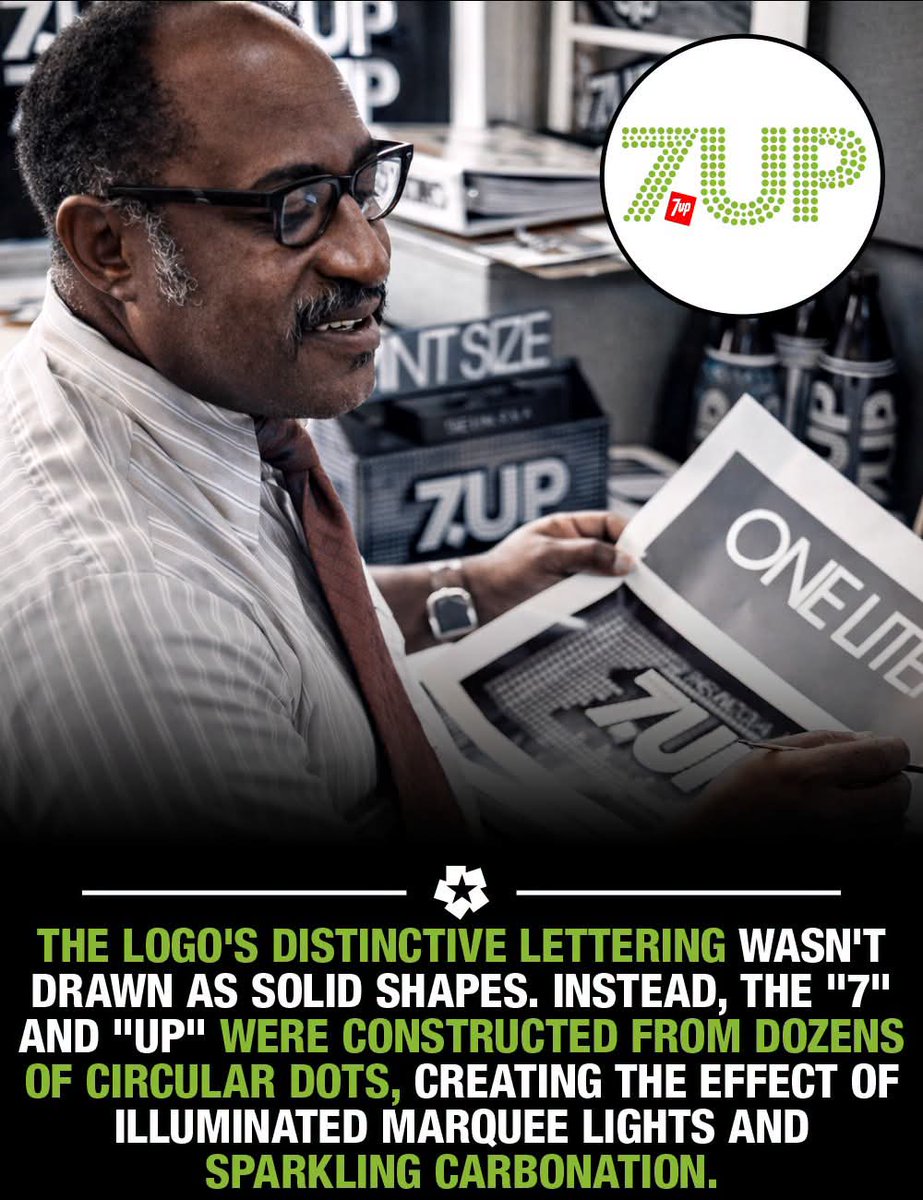
How Thomas Miller Turned Bubbles into a Logo. Introduced in 1975, the 7UP logo designed by Thomas Miller transformed a simple wordmark into a vibrant visual experience. The design used dozens of evenly spaced dots to construct the “7” and “UP,” creating a sense of light, motion, and effervescence that perfectly reflected the drink’s sparkling character. Inspired by illuminated signage and the playful energy of carbonation, the dot aesthetic gave the brand a distinctive personality unlike anything else in the soft drink market. Bold, geometric, and instantly recognisable, the logo blended modernist design principles with visual excitement, helping establish a lasting icon of beverage branding. #logodecks
LogoDecks™ tweet media
English
0
1
7
704
LogoDecks™
LogoDecks™@LogoDecks·
How Sugarloaf Shaped Olympic History. The Rio 2016 Olympic logo is a striking symbol of unity, movement, and the spirit of Brazil. Inspired by Sugarloaf Mountain, one of Rio de Janeiro's most iconic landmarks, its flowing outline echoes the mountain's distinctive silhouette rising above the coastline. The design also depicts three figures holding hands in a continuous embrace, representing friendship, diversity, and togetherness. By blending human connection with a celebrated natural landmark, the logo captures the essence of Rio itself. Its organic curves convey energy and celebration, making it a memorable emblem that reflects both the city's landscape and its people. #logodecks
LogoDecks™ tweet media
English
0
0
10
1.2K
LogoDecks™
LogoDecks™@LogoDecks·
From 1982 to Today: The Adobe Logo’s Enduring Legacy. Did you know? Adobe’s iconic “A” has been part of the company’s identity since its founding in 1982. Designed by Marva Warnock, the geometric letter “A” featured a distinctive triangular shape that immediately set Adobe apart from other technology companies. While Adobe’s branding has evolved over the decades, the core concept of that original “A” has remained remarkably consistent. From the company’s earliest logo to the modern red icon recognised worldwide, the famous “A” continues to serve as the visual foundation of the Adobe brand, proving that great design can stand the test of time. #logodecks
LogoDecks™ tweet media
English
0
1
11
1.2K
LogoDecks™
LogoDecks™@LogoDecks·
The Man Behind the LEGO Logo: Rolf Lagersson’s Lasting Legacy. Rolf Lagersson was a Swedish graphic designer and illustrator best known for co-designing the LEGO logo introduced in 1973 alongside Danish designer Niels Hartmann. Created as LEGO expanded internationally, the logo unified the company’s branding under a single, recognisable identity. Its distinctive design features bold white rounded letters outlined in black and yellow, set against a bright red square background. The playful “bubble” lettering conveys creativity and fun, while the strong colour contrast ensures visibility on packaging, advertising, and products. Remarkably, the logo has remained largely unchanged for more than fifty years, becoming one of the most recognisable brand symbols in the world. #logodecks
LogoDecks™ tweet media
English
0
5
23
1.4K
LogoDecks™
LogoDecks™@LogoDecks·
From a Quick Drawing to a Global Guitar Symbol. Did you know that one of the most iconic logos in guitar history was reportedly created in just 15 minutes? Robert Perine, Fender’s advertising and marketing director in the late 1950s, designed the famous “Transition” logo to give the company a more consistent visual identity. The logo featured thicker, more refined lettering than the earlier “Spaghetti” logo and quickly became synonymous with Fender’s golden era instruments. Perine’s influence extended far beyond logo design. He was also responsible for creating Fender’s legendary advertising slogan, “You won’t part with yours either.” The campaign showcased musicians proudly holding their Fender instruments and suggested that once a player owned a Fender, they would never want to let it go. The slogan became one of the company’s most successful marketing efforts and helped strengthen Fender’s reputation among musicians worldwide. Remarkably, both the logo and advertising campaign remain celebrated today, highlighting Perine’s lasting impact on Fender’s brand and legacy. #logodecks
LogoDecks™ tweet media
English
0
0
4
714
LogoDecks™
LogoDecks™@LogoDecks·
Cat That Carries Trust: How Kenya Hara Refined Japan’s Beloved Kuroneko. Kenya Hara, born in 1958, stands as one of Japan’s most revered graphic designers, renowned for his philosophy of “emptiness” and minimalist elegance that prioritises sensory awareness over visual noise. As longtime art director of Muji and president of Nippon Design Center, he crafts experiences defined by restraint and quiet depth. In 2021, Hara refined the beloved Yamato Transport “Kuroneko” (Black Cat) logo, a mother cat gently carrying her kitten within a yellow oval. Originally introduced in 1957, the mark symbolises careful, reliable delivery. Hara preserved its emotional warmth while subtly modernising lines, proportions, and typography to enhance clarity across digital screens and vehicle liveries. This thoughtful evolution reinforces Yamato’s reputation for precision and care without alienating public affection. Hara demonstrates that powerful design often whispers rather than shouts, transforming a humble symbol into an enduring global emblem of considerate logistics. #logodecks
LogoDecks™ tweet media
English
0
3
40
1.6K
LogoDecks™
LogoDecks™@LogoDecks·
From a Bank Flag to a Worldwide Brand: The Genius of Henry Steiner Few corporate logos have stood the test of time as successfully as the HSBC hexagon, designed by Henry Steiner in 1983. Often called the “Father of Hong Kong Graphic Design,” Steiner created a symbol that blended history, simplicity, and global relevance. The logo was inspired by HSBC’s historic house flag, which featured a distinctive red-and-white geometric pattern. Steiner transformed this heritage element into the now-famous hexagon, creating a modern identity that could be recognised around the world. The design also contains subtle references to the Cross of Saint Andrew, reflecting the Scottish roots of the bank’s founder. Steiner described the symbol as representing trade, communication, and connections between East and West. Built from simple geometric shapes, the logo works across every medium, from bank cards to skyscrapers. More than four decades later, the HSBC hexagon remains largely unchanged, demonstrating the power of thoughtful, timeless design. #logodecks
LogoDecks™ tweet media
English
1
2
14
1.1K
LogoDecks™
LogoDecks™@LogoDecks·
Karol Śliwka (1932–2018) was one of Poland’s most influential graphic designers, known for his disciplined, minimalist visual language and his exceptional ability to distill ideas into clear, memorable symbols. Over his long career, he created more than 400 logos for major institutions, companies, and cultural organizations. His best-known work includes the iconic PKO Bank Polski “money box” symbol, and the Polish Sports Federation, 1973, a mark that exemplifies his characteristic clarity and strong geometric structure. The design combines dynamism with national identity while maintaining the simplicity that defined his style. Śliwka’s influence on Poland’s post-war visual culture was profound; many of his logos remained in use for decades and helped shape the country’s modern graphic identity. Today he is remembered as one of the foundational figures of Polish design and a master of the modernist logo. #logodecks
LogoDecks™ tweet media
English
1
6
34
1.7K
LogoDecks™
LogoDecks™@LogoDecks·
Bruce Blackburn (1938–2021) was an American graphic designer best known for several iconic pieces of national visual identity, including the 1976 American Bicentennial logo. A partner in the design firm Chermayeff & Geismar early in his career and later founder of his own studio, Blackburn became influential in modernist U.S. graphic design. His most enduring work is the American Revolution Bicentennial symbol, a five-pointed star formed from a continuous red, white, and blue ribbon. Introduced in 1974, the logo was selected from thousands of submissions for its simplicity, unity, and contemporary expression of national heritage. It appeared on everything from official publications and signage to merchandise and celebrations throughout the country during the 1976 commemorations. Blackburn’s ability to combine clarity, symbolism, and versatility helped cement the mark as one of the most recognizable government-commissioned designs in U.S. history. #logodecks
LogoDecks™ tweet media
English
0
8
55
1.4K
LogoDecks™
LogoDecks™@LogoDecks·
Walter Landor (1913–1995) was a pioneering industrial and brand designer whose work helped define the field of modern corporate identity. Born in Germany and later based in the United States, he founded Landor Associates, a firm known for its research-driven approach and its emphasis on understanding how brands function in real environments. By the late 20th century, Landor’s studio had become one of the most influential branding agencies in the world. In 1980, Landor designed the Fuji logo, created for Fuji Film at a moment when the company was expanding globally. The mark featured a stylized, geometric representation of Mount Fuji paired with clean, modern typography. Its angular peak and distinctive banding conveyed both technological precision and a strong connection to Japanese identity. The design exemplified Landor’s philosophy that a logo should be simple, memorable, and adaptable across packaging, advertising, and international markets. The Fuji logo became one of the most recognizable corporate symbols of the era and supported the company’s transition from a domestic film manufacturer to a global technology brand. Landor’s contribution remains a benchmark in the evolution of corporate identity design. #logodecks
LogoDecks™ tweet media
English
0
16
113
3.4K
LogoDecks™
LogoDecks™@LogoDecks·
Yusaku Kamekura (1915–1997), a pioneering Japanese graphic designer, is renowned for blending Bauhaus principles with traditional Japanese aesthetics. In 1963, he submitted an unused logo proposal for Shell, a British oil giant seeking to modernize its dated 1900 Pecten symbol. Amid a redesign competition involving four designers, Kamekura’s proposal, detailed in a 1971 Graphic Design issue, explored a simplified, modern form, possibly with a custom typeface, reflecting his minimalist style seen in works like the 1964 Tokyo Olympics logo. Though not selected, Raymond Loewy’s design was chosen, Kamekura’s concept showcased his innovative approach to corporate identity. #logodecks
LogoDecks™ tweet media
English
0
18
140
5.1K
LogoDecks™
LogoDecks™@LogoDecks·
Adrian Frutiger (1928–2015) was a Swiss type designer and visual-communication pioneer whose work bridged typography, signage, and corporate identity. Although celebrated primarily for typefaces such as Univers, Frutiger, Avenir, and OCR-B, he also created a number of influential logos marked by clarity, geometric balance, and intuitive symbolism. Designing the Autoroute du Sud de la France logo, a clean, symbolic representation of a highway merging toward the horizon, expressing motion, infrastructure, and national connectivity through minimal shapes. Another notable mark is the Musées Nationaux de France logo, where Frutiger applied his characteristic restraint to create a refined, culturally resonant symbol suited to a broad network of museums. His approach consistently emphasized legibility and functional elegance, traits that extended into his signage systems for the Paris Métro and various international airports. Through both his typefaces and visual identities, Frutiger helped define the visual language of the late 20th century, leaving a legacy of design that continues to influence contemporary branding, public information systems, and modern graphic communication. #logodecks
LogoDecks™ tweet media
English
0
7
72
2K
LogoDecks™
LogoDecks™@LogoDecks·
Raymond Loewy, the legendary industrial designer known as the "Father of Streamlining," created the iconic OP logo for Plastic Omnium in 1966. The mark masterfully fuses the letters "O" and "P" into a continuous infinity-inspired loop, symbolizing innovation and endless possibilities in plastics and mobility. The construction drawings are prized in design history for showing the rigorous craftsmanship behind seemingly simple marks. They highlight how great logos aren't just artistic, they're meticulously engineered systems. This level of detail was crucial before digital design tools; it ensured brand consistency in an era of manual reproduction (engraving, printing plates, signage fabrication). #logodecks
LogoDecks™ tweet media
English
0
8
115
3.7K
LogoDecks™
LogoDecks™@LogoDecks·
Saul Bass (1920–1996), a pioneering American graphic designer, transformed corporate branding with his minimalist approach. In 1969, Bass redesigned the Bell System logo for AT&T, creating a sleek, iconic bell symbol that became a hallmark of modern design. His process began with analyzing the outdated 1939 logo, which was overly ornate and impractical for widespread use. Bass prioritized simplicity, ensuring the new logo was scalable across 135,000 vehicles, 22,000 buildings, 1,250,000 phone booths, and 170 million directories. He sketched extensively, refining the bell into a clean, geometric form that retained brand recognition while embracing modernity. His 27-minute pitch film to AT&T executives detailed this vision, blending cultural trends with practical branding solutions, including proposals for uniforms and phone books. Though not all ideas were implemented, the logo achieved 93% recognition, cementing Bass’s legacy in design innovation until its replacement in 1983. #logodecks
LogoDecks™ tweet media
English
3
14
127
4.5K
LogoDecks™
LogoDecks™@LogoDecks·
Paula Scher, a celebrated graphic designer and Pentagram partner since 1991, has left a lasting mark on modern design with her bold typography and iconic logos. She redesigned the Windows 8 logo in 2012, simplifying it into a minimalist, four-pane window symbol that reflected the Metro design language, emphasizing functionality and modernity. Scher also created logos for Citibank, the High Line, The Public Theater, Tiffany & Co., and Shake Shack, blending cultural and corporate aesthetics over her 50-year career. #logodecks
LogoDecks™ tweet media
English
0
11
140
4.6K
LogoDecks™
LogoDecks™@LogoDecks·
Yūsaku Kamekura (1915–1997) was a pioneering Japanese graphic designer, dubbed the "Boss" of post-WWII design for blending modernism with national motifs. Born in Niigata Prefecture, he studied at Tokyo's Institute of New Architecture and Industrial Arts, launching his career with book covers and posters in the 1930s. His corporate logos for Nikon, TDK, and Japan Airlines elevated Japanese visual identity globally. Kamekura's masterpiece is the 1964 Tokyo Olympics emblem, unveiled in 1961. Amid a competition with designers like Ikko Tanaka, his minimalist design, a bold red sun disk (evoking the Hinomaru flag) atop the five golden Olympic rings on white, paired with sans-serif "Tokyo 1964" text, won unanimously. Created hours before the deadline, it symbolized Japan's post-war renewal as Asia's first host Games. #logodecks
LogoDecks™ tweet media
English
0
42
220
7.3K