servando lopez

323 posts

servando lopez banner
servando lopez

servando lopez

@LopezAlais

Medicina perioperatoria. #Anestesia ambulatoria. Amor pola #Ribeira Sacra. Bon paladar

Spain Katılım Şubat 2013
166 Takip Edilen74 Takipçiler
servando lopez retweetledi

Lorena Varela
Lorena Varela@Lorena_Varela_R·
La especialidad de la Medicina Perioperatoria en España debe tener el mismo tiempo de formación que en la gran mayoría de países europeos!!! x.com/sedar_es/statu…
SEDAR@sedar_es

Reclamamos al Ministerio @sanidadgob y a las Consejerías de Sanidad que se actualice nuestro programa de formación MIR al mismo nivel que la formación europea. Llevamos 28 años de retraso en la actualización del programa MIR. ¡NO, sin el quinto año! bit.ly/4e5iqc8

Español
2
15
27
2.7K
servando lopez retweetledi
Luis M Torres
Luis M Torres@lmtorres53·
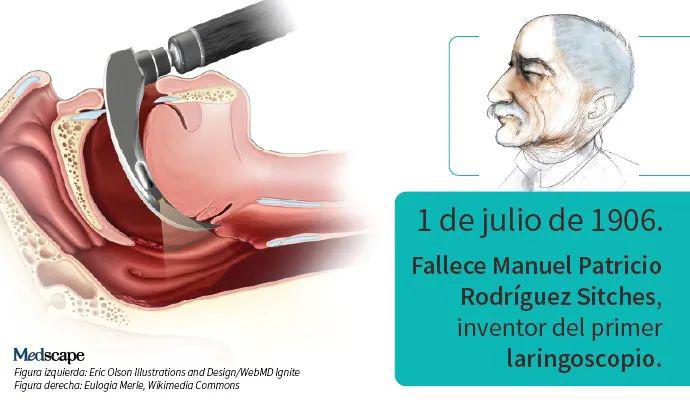
el 1 de julio de 1906 murió Manuel Patricio Rodríguez Sitches, inventor del. No fue médico, sino cantante de ópera y maestro de canto español.
Luis M Torres tweet media
Español
0
6
15
920
servando lopez retweetledi
SEDAR
SEDAR@sedar_es·
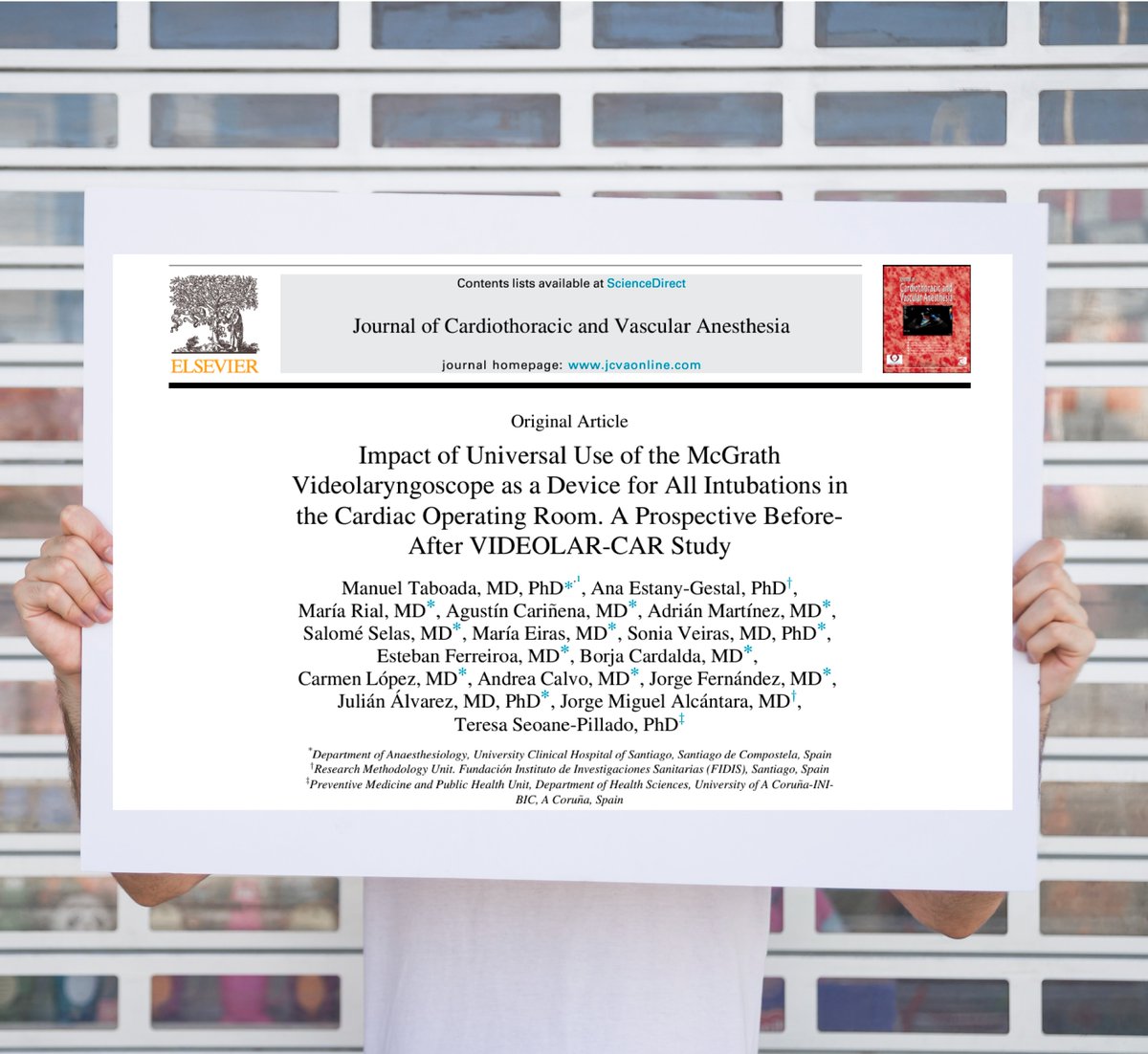
LD vs VLC McGrath pala MAC como IOT al 1º intento ¿Veis los resultados? 🤯 VLC: mayor incidencia de “intubación fácil”, mayor éxito al 1º intento, mejora del % de visión glótica y menir necesidad de dispositivos suplementarios en el manejo de la vía aérea n9.cl/chhk0
SEDAR tweet media
Español
0
20
39
5.9K
servando lopez retweetledi
SEDAR
SEDAR@sedar_es·
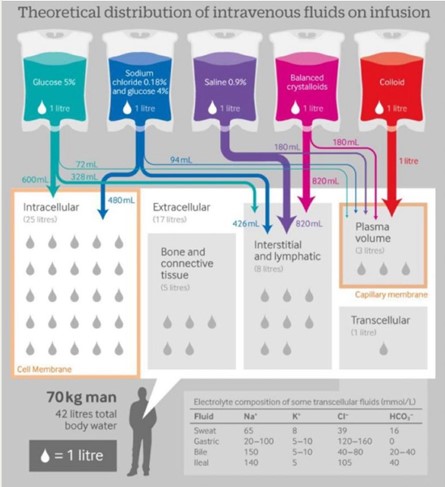
#DocenciaSEDAR INFOGRAFÍA: Distribución teórica de los diferentes tipos de fluidos en infusión EV. ¡OJO! No son iguales, ni parecidos!
SEDAR tweet media
Español
1
42
142
22.5K
servando lopez retweetledi
Dr.Kartik Sonawane
Dr.Kartik Sonawane@KartikBSonawane·
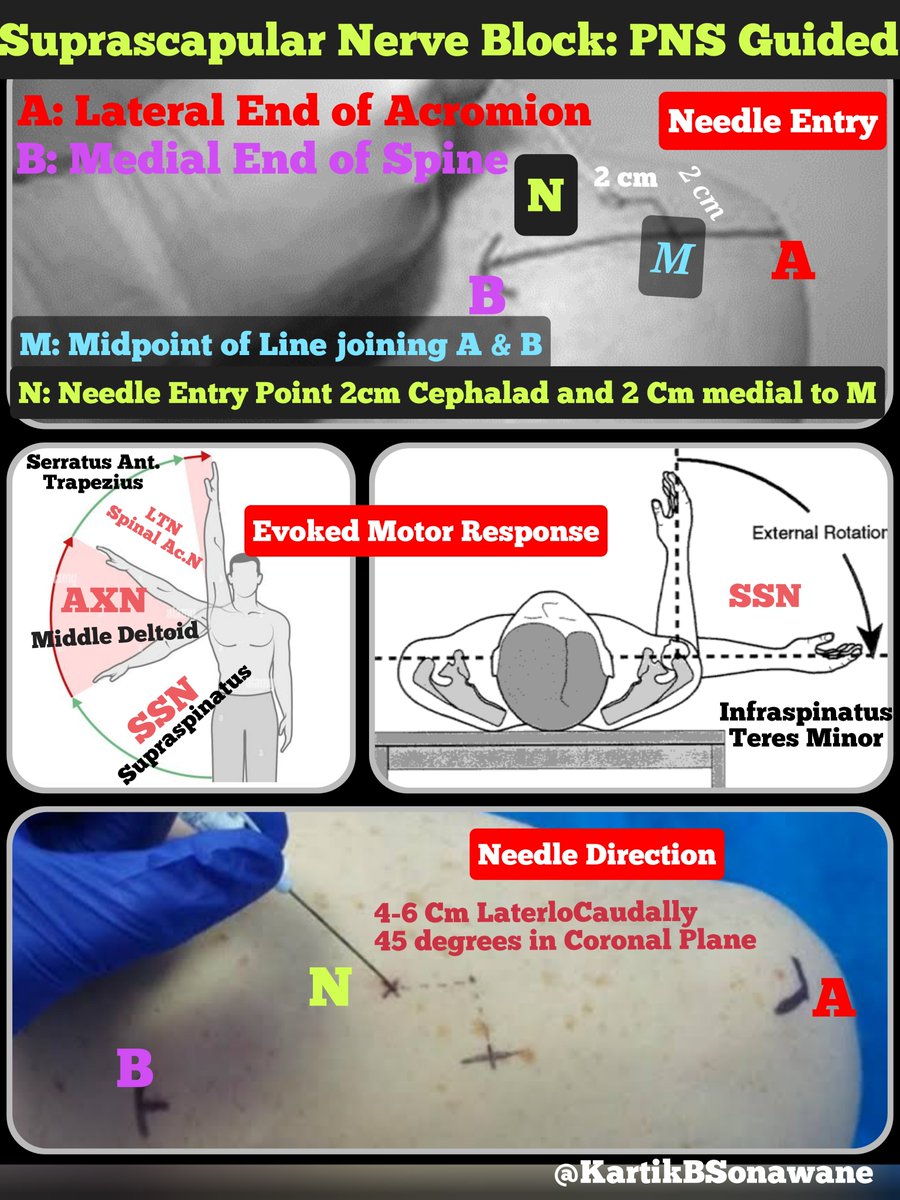
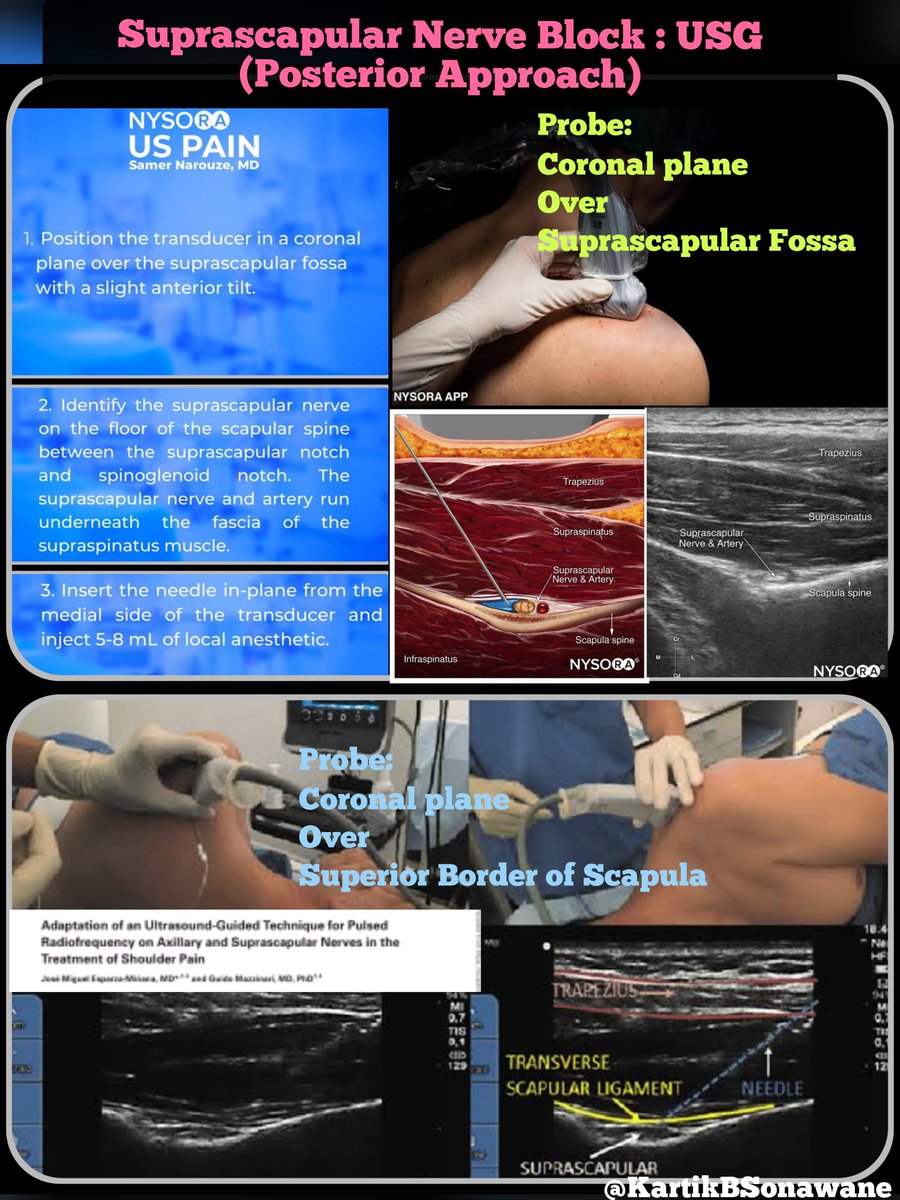
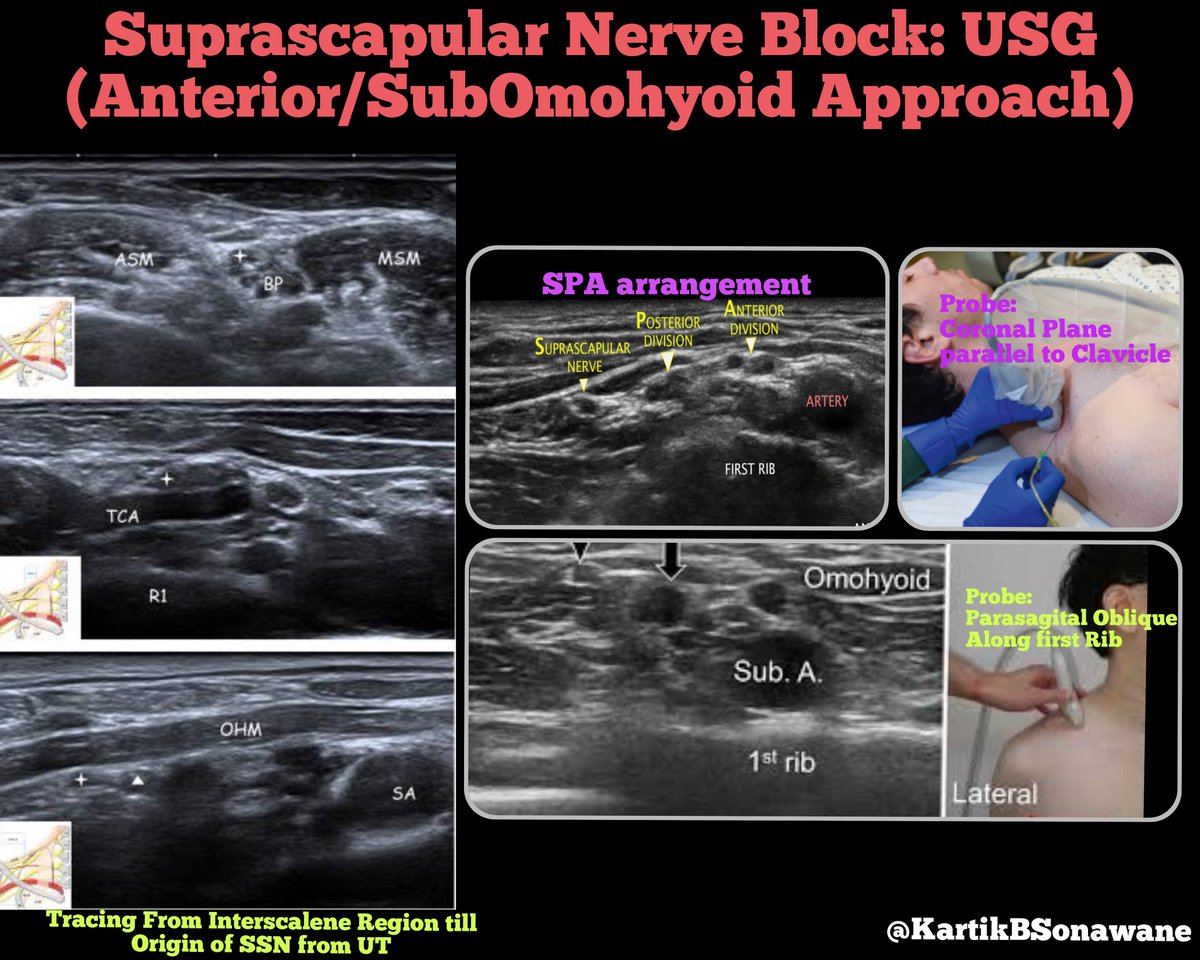
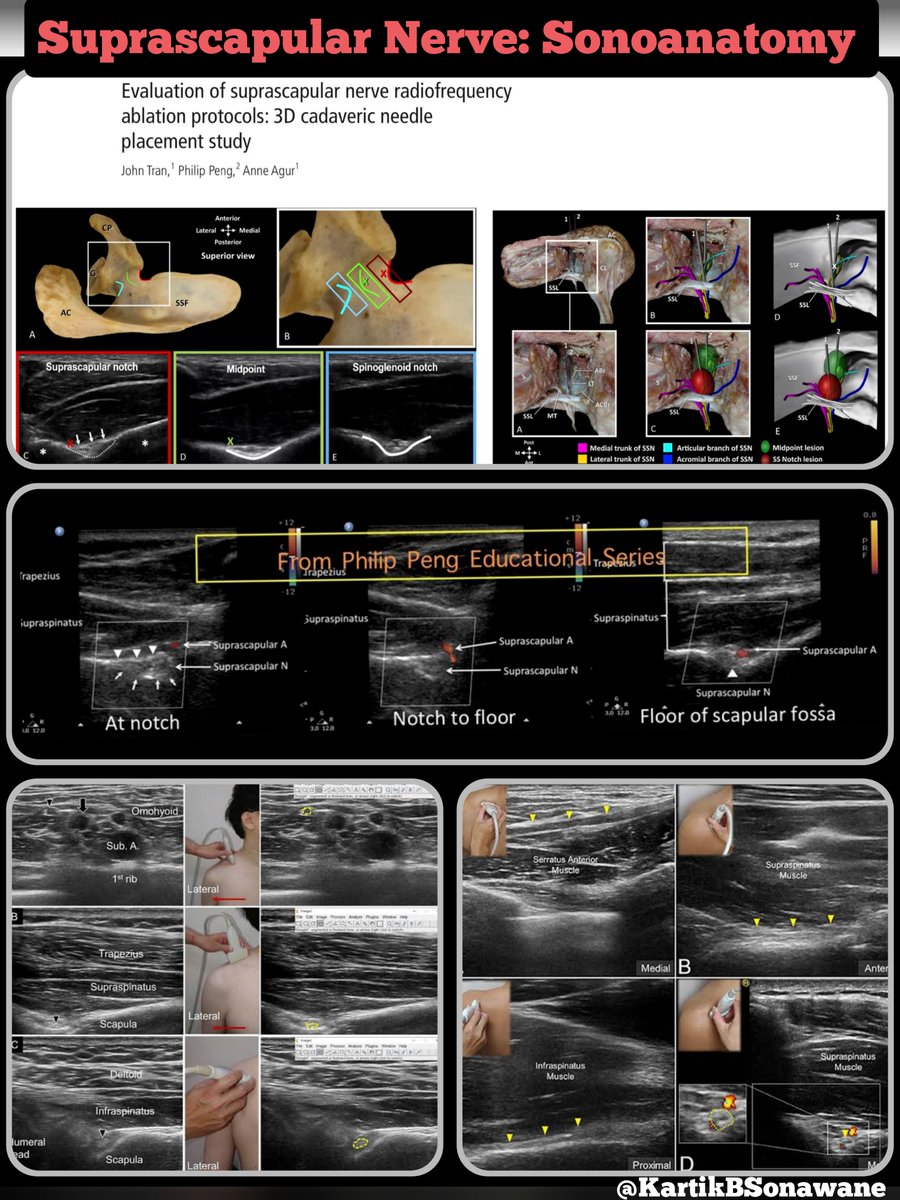
"Suprascapular Nerve Block: PNS & USG Guided" Mastering the Suprascapular Nerve Block: Anatomy and Technique Explained #MedicalEducation #PainManagement #Anatomy #NerveBlockA #SSNBlock #SuprascapularNerve #SuprascapularNerveBlock #MedTwitter #EDRA My 10 Points: A. RELEVANT ANATOMY: 1. Root Value: C5-C6. Origin: Superior (Upper) Trunk of the brachial plexus. One of the Preterminal (Supraclavicular) branches of the BP (with DSN, LTN, Subclavian Nerve, and accessory Phrenic Nerve). 2. Course: a) After branching from the upper trunk, the SSN passes across the posterior triangle of the neck parallel to the inferior belly of the omohyoid muscle and deep to the trapezius muscle. b) Travels along with the suprascapular vessels from the anterior-posterior direction under the belly of the omohyoid. (Can be targeted via an Anterior approach). c) Enters the supraspinous fossa via the suprascapular Notch underneath the superior transverse scapular ligament. (Can be targeted here via Posterior approach). d) Suprascapular vessels lie over the superior transverse scapular ligament, whereas SSN passes underneath the ligament. Therefore, Vessels are seen above the hyperechoic ligament under ultrasound upon keeping the probe over the superior border of the scapula to visualize the suprascapular Notch. e) Travel from the supraspinous fossa to the infraspinous fossa lateral to the Sphenoglenoid Notch. f) The “Sphenoglenoid Notch,” also known as the “Greater Scapular Notch,” connects the supraspinatus fossa to the infraspinatus fossa. This Notch is converted into Sphenoglenoid foramen by the “Inferior Transverse Scapular Ligament” that passes from the lateral aspect of the scapula to the posterior part of the glenoid. 3. Innervation: a) The suprascapular nerve is a Mixed nerve. b) Motor fibers to : Supraspinatus, infraspinatus and part of the teres minor muscles. c) Sensory fibers to: Acromioclavicular joint, the subacromial space and the posterior capsule of the glenohumeral joint. d) No Dermatomal Supply: Notably, SSN do not have any dermatomal innervation, as incorrectly shown by many literature. Posterior skin up to the spine of the scapula is actually supplied by the supraclavicular nerve (C3-C4), which covers the cape of the shoulder region (limited anteriorly by the clavicle and posteriorly by the spine of the scapula). 4. SSN INJURY: a) Modalities: Trauma, repetitive motions leading to compression, as a surgical complication, or space-occupying lesion (especially in the suprascapular Notch). b) Symptoms: Shoulder pain (exacerbated by movement) on the top and posterior aspect, inability to abduct or externally rotate the arm, Supraspinatus or infraspinatus muscle atrophy, limited range of motion, especially throwing or lifting, or instability of the shoulder joint. 5. Unique Evoked Motor Response: a) SSN supplies Supraspinatus and infraspinatus muscles. b) The Supraspinatus muscle is responsible for the first 15 degrees of shoulder joint abduction. c) Infraspinatus and Teres Minor muscles are responsible for external or lateral shoulder joint rotation. d) Teres minor is supplied by axillary nerve (C5-C6) and infraspinatus by SSN (C5-C6). e) Stimulation of the axillary nerve causes contraction of the Deltoid and Teres Minor. f) The deltoid muscle is responsible for many shoulder movements like flexion, 15-90 degree shoulder abduction, and extension. g) Stimulation of SSN causes the first 15-degree abduction of the shoulder joint (by Supraspinatus), which is difficult to appreciate in splinted or casted upper limbs. However, lateral shoulder rotation due to infraspinatus contraction can be well appreciated upon SSN stimulation. h) So, External (Lateral) Rotation of the Shoulder is the only unique evoked motor response of SSN. B. SUPRASCAPULAR NERVE BLOCK 6. Indications: a) For chronic shoulder pain due to rotator cuff pathology, arthritis, and adhesive capsulitis. b) As a phrenic-sparing regional analgesia option in combination with axillary nerve block (SSNB +ACNB = Shoulder Block) for shoulder surgeries. c) For Diagnostics purposes to detect SSN pathology as a cause of undiagnosed shoulder pain. d) For refractory shoulder pain where conservative treatments like analgesics, physical therapy, or steroid injection fail. e) As an on-arrival analgesic block for shoulder trauma, especially shoulder fractures or dislocations where immediate pain control is required. f) As a palliative care to manage severe shoulder pain in patients with metastatic cancer or primary tumors involving the shoulder girdle. Contraindications: LA allergy, Local infection, Sepsis, Coagulopathy, patient refusal, preexisting neurological disorders, etc. 7. PNS-Guided (Only Posterior approach described) a) Position of the patient: Sitting position with the arm in full adduction. Ask the patient to adduct the arm, flex the elbow, and touch the opposite shoulder if possible. b) Marking: Mark a Midpoint of the line connecting the lateral part of the acromion and the medial end of the spine. c) Needle insertion point: The insertion point is 2 cm medial and 2 cm cephalad to the midpoint. d) Needle Direction: A 10-cm insulated needle is inserted 4 to 6 cm lateralocaudally (45 degrees in the coronal plane), with a ventral inclination of about 30 degrees. e) Accepted Motor response (at 0.3-0.5 mA): External Rotation of the shoulder or pain-free ‘knocking’ sensation in the shoulder. f) LA Volume: 5-10 ml. 8. SONOANATOMY: DIFFERENT PROBE POSITIONS a) For Anterior Approach: · In the Coronal plane parallel to the clavicle. · Parasagittal oblique plane in the long axis of the first rib. b) Posterior Approach: · Coronal (Over the superior border of the scapula): In this location, the Transverse scapular ligament can be seen, and Suprascapular vessels can be seen above it. · Coronal (Over the Supraspinous fossa above the spine of the scapula): The ligament won’t be visible. SSN, along with vessels, can be seen below the supraspinatus muscle. · Parasagittal plane: Oblique transducer position with one end over the scapular spine and the other one pointing towards the coracoid process. SSN can be seen in the long axis. 9. ULTRASOUND-GUIDED (ANTERIOR (Subomohyoid) APPROACH): a) Patient Positioning: Supine with head turned towards the opposite side. b) Anatomical Landmarks: Supraclavicular fossa and the Clavicle. c) USG Probe Position and Sonoanatomy: As mentioned above in point no 8. d) Probe Maneuvering to locate and confirm SSN: · Obtain a standard supraclavicular view with the subclavian artery medial and the brachial plexus posterolateral. · Visualize the brachial plexus, mainly Superior Trunk, in the short axis. · Identify hyperechoic SSN as it branched off from the superior trunk and trace until it coursed beneath the hypoechoic inferior belly of the omohyoid muscle. · SSN can be seen at the most lateral and posterior part of the brachial plexus. · Sometimes, a pulsating suprascapular artery can be seen along with the SSN at this subomohyoid location. · Translate the transducer laterally toward the ipsilateral shoulder, following the suprascapular nerve. · The SSN will separate from the brachial plexus as the plexus is imaged more laterally. At this point, visualize the “SPA arrangement” of the nerves from lateral to medial: Suprascapular, posterior (division of the superior trunk), anterior (division of the superior trunk). e) Needle direction: A 5-cm block needle is inserted in line with the probe in a lateral-to-medial orientation toward the SSN. f) LA Volume: 5-ml aliquots to achieve circumferential spread around the neurovascular bundle. g) Advantages: · Relatively easier than the conventional posterior approach. · Suitable for continuous catheter technique. · Proximal block, so no chance of any sparing. · Low-volume and low conc. LA can avoid possible Phrenic Nerve involvement. h) Disadvantages/Complications: · Phrenic nerve palsy may occur (less likelihood than interscalene block). · Nerve/Vessel injury. 10. ULTRASOUND-GUIDED POSTERIOR APPROACH: a) Patient Positioning: Seated or in a lateral decubitus position with the affected arm resting on the lap or supported on a pillow. b) Anatomical Landmarks: Spine of the scapula, the acromion, and the suprascapular Notch. c) USG Probe Position and Sonoanatomy: As mentioned above in point no 8. d) Needle Insertion: Use an in-plane/out-of-plane approach towards the suprascapular Notch or floor of the supraspinous fossa. e) LA Injection: 5-10 ml of the LA around the suprascapular nerve creating bulging of transverse scapular ligament or depositing LA after hitting bone over the suprascapular fossa is sufficient. f) Advantages: · Suitable for continuous catheter technique. · It will not involve the phrenic nerve. g) Disadvantages/Complications: · Relatively difficult approach. · Nerve/Vessel injury. · Sparing of proximal branches supplying a posterosuperior portion of the shoulder joint in the distal approach (especially over the suprascapular fossa after the branching point).
Dr.Kartik Sonawane tweet mediaDr.Kartik Sonawane tweet mediaDr.Kartik Sonawane tweet mediaDr.Kartik Sonawane tweet media
English
3
33
84
5.6K
servando lopez retweetledi
Javier Garcia Fernandez
Javier Garcia Fernandez@JG_Anestesia·
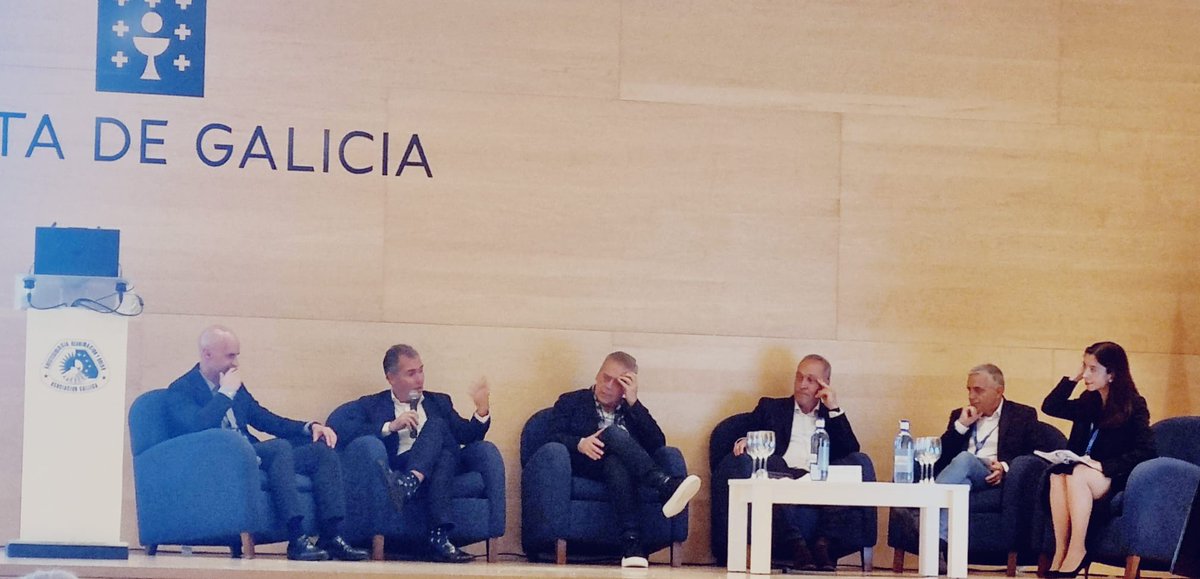
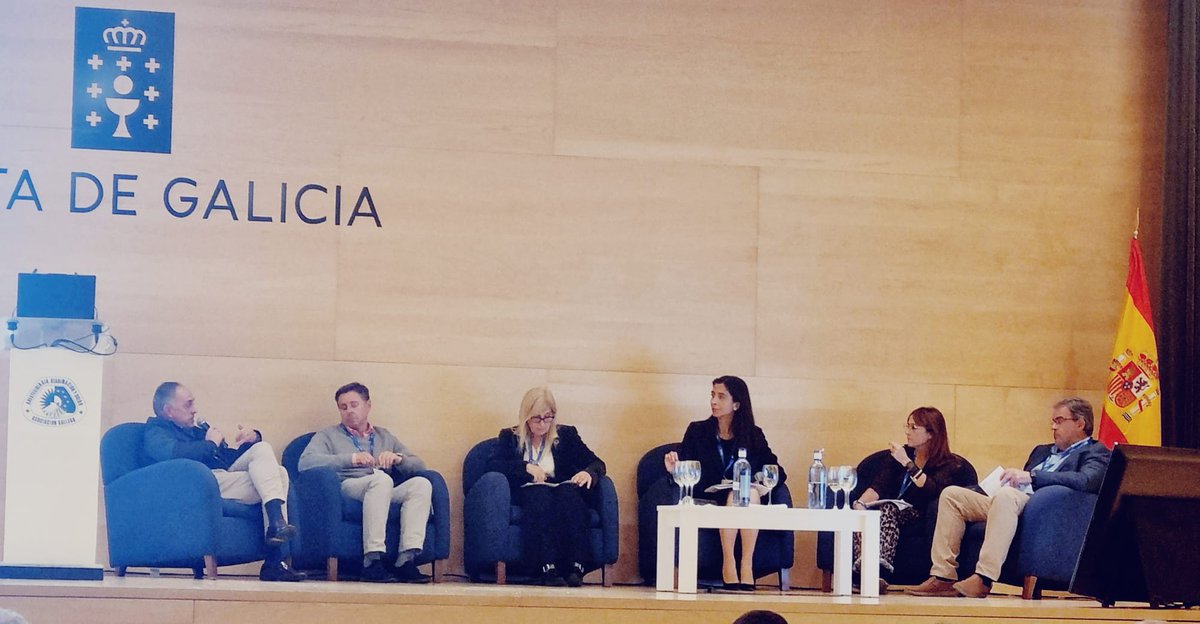
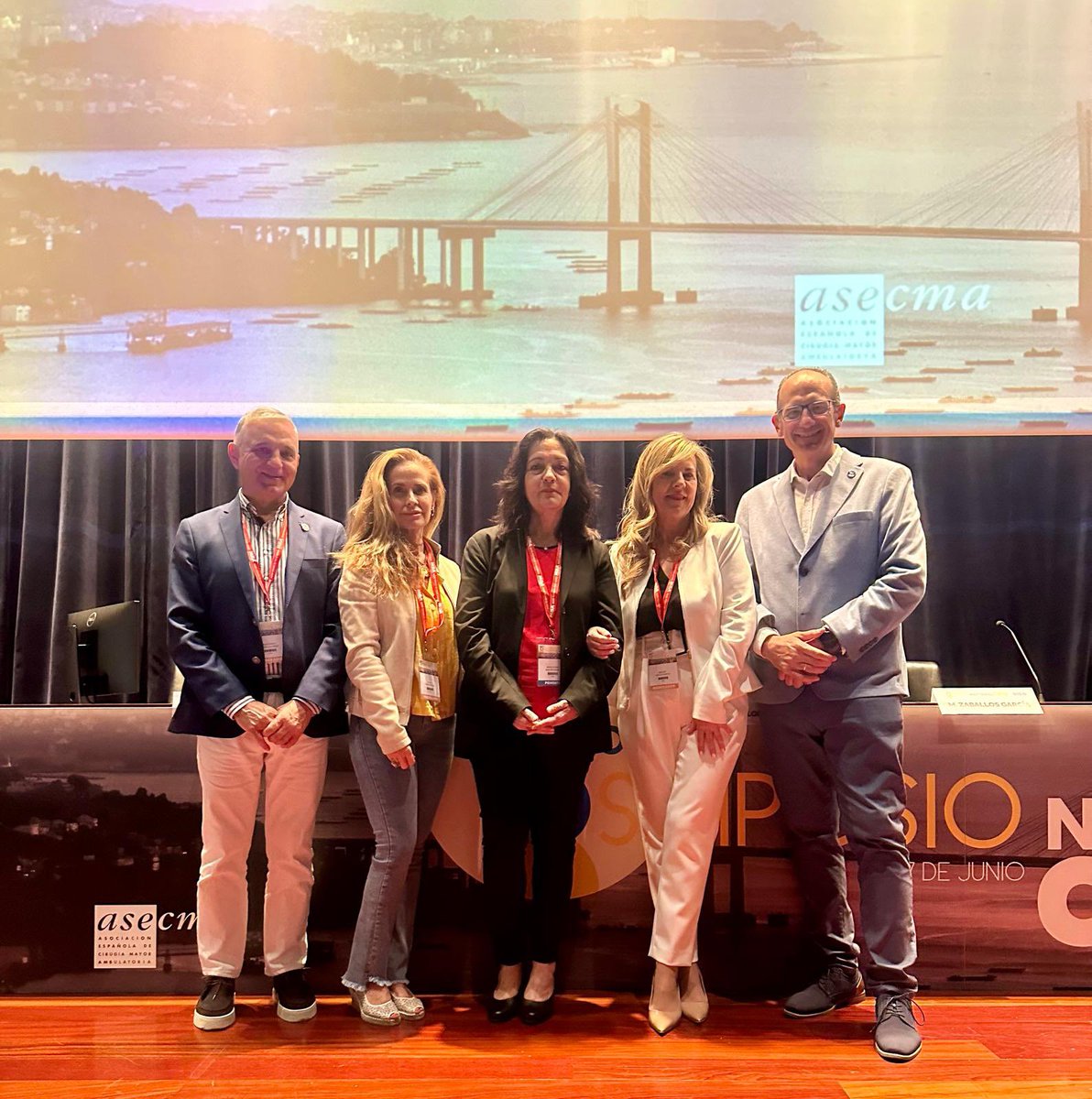
Ayer estuve en la mesa de sociedades del 15 Simposio Nacional de @ASECMA. Un placer y un honor participar en este encuentro multidisciplinar. El médico anestesiólogo debe ser el que lidere y sea el motor del cambio de la CMA. ¡Enhorabuena a tod@s#orgullodeseranestesista
Javier Garcia Fernandez tweet mediaJavier Garcia Fernandez tweet media
Español
0
9
16
946
servando lopez retweetledi
Pilar Argente Navarro
Pilar Argente Navarro@argente_pilar·
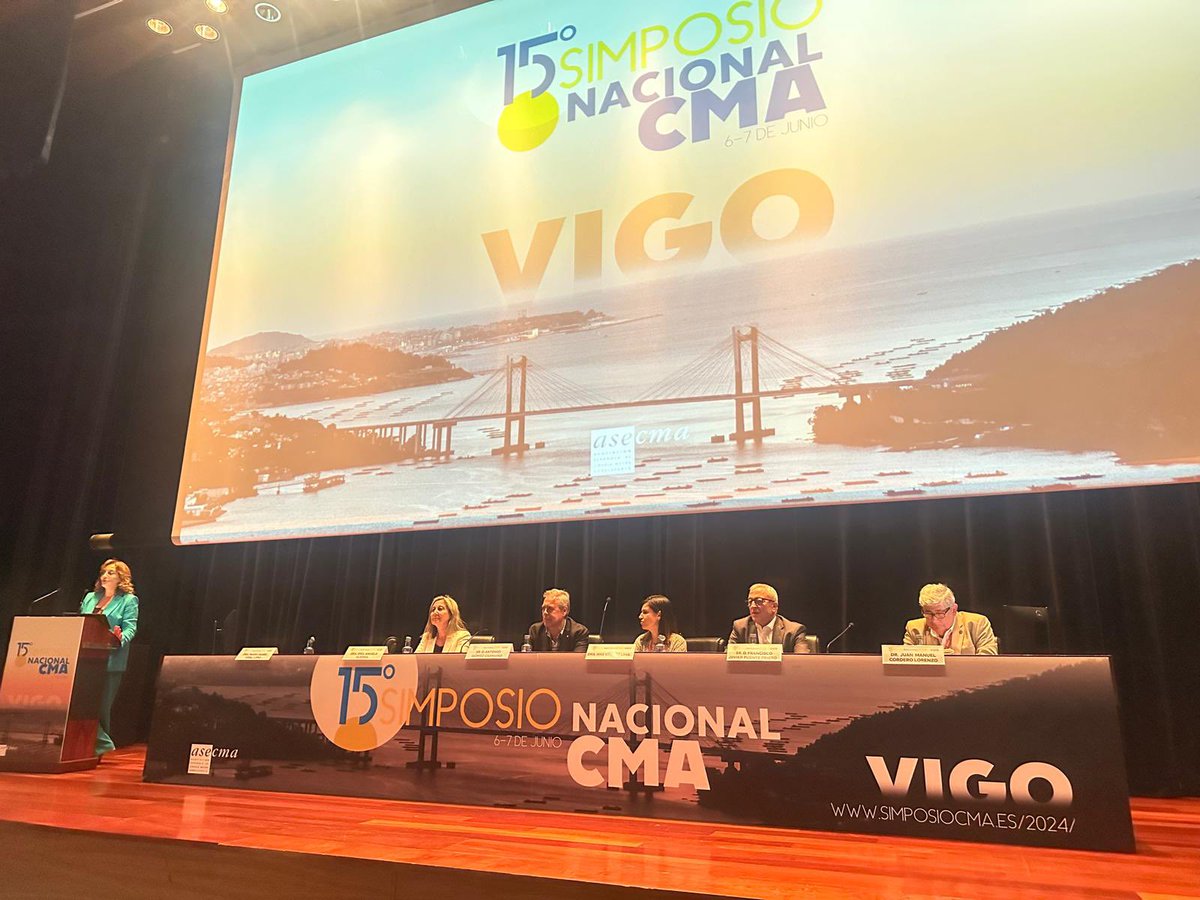
Un orgullo estar en el 15 simposio nacional de cirugía mayor ambulatoria rodeada de amigos. Gracias a #Vigo por acogernos, os animo a participar... un gran espacio multidisciplinar cirugía, enfermería, anestesia en pro de los pacientes calidad y seguridad @ASECMA @sedar_es
Pilar Argente Navarro tweet media
Español
1
6
25
1.5K
servando lopez retweetledi
Dr.Kartik Sonawane
Dr.Kartik Sonawane@KartikBSonawane·
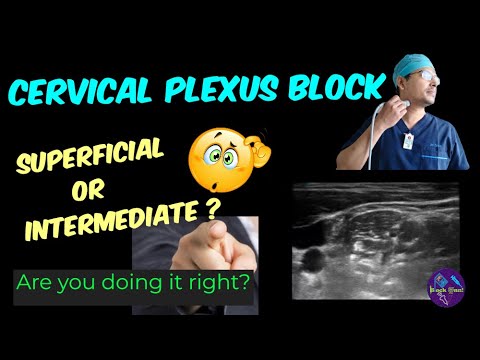
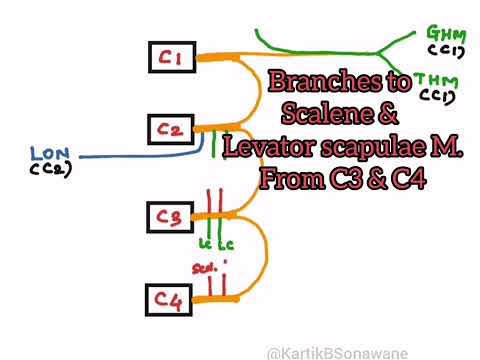
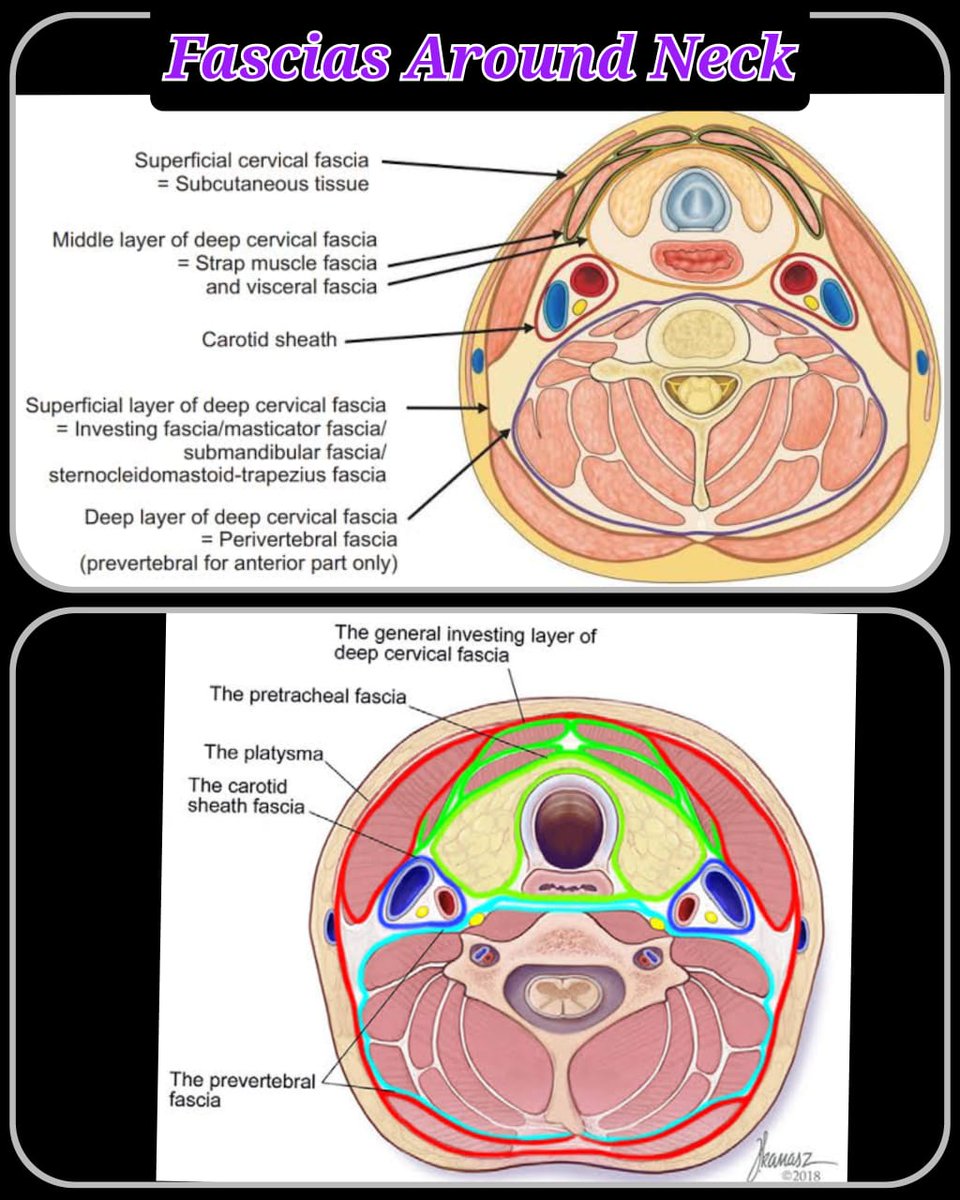
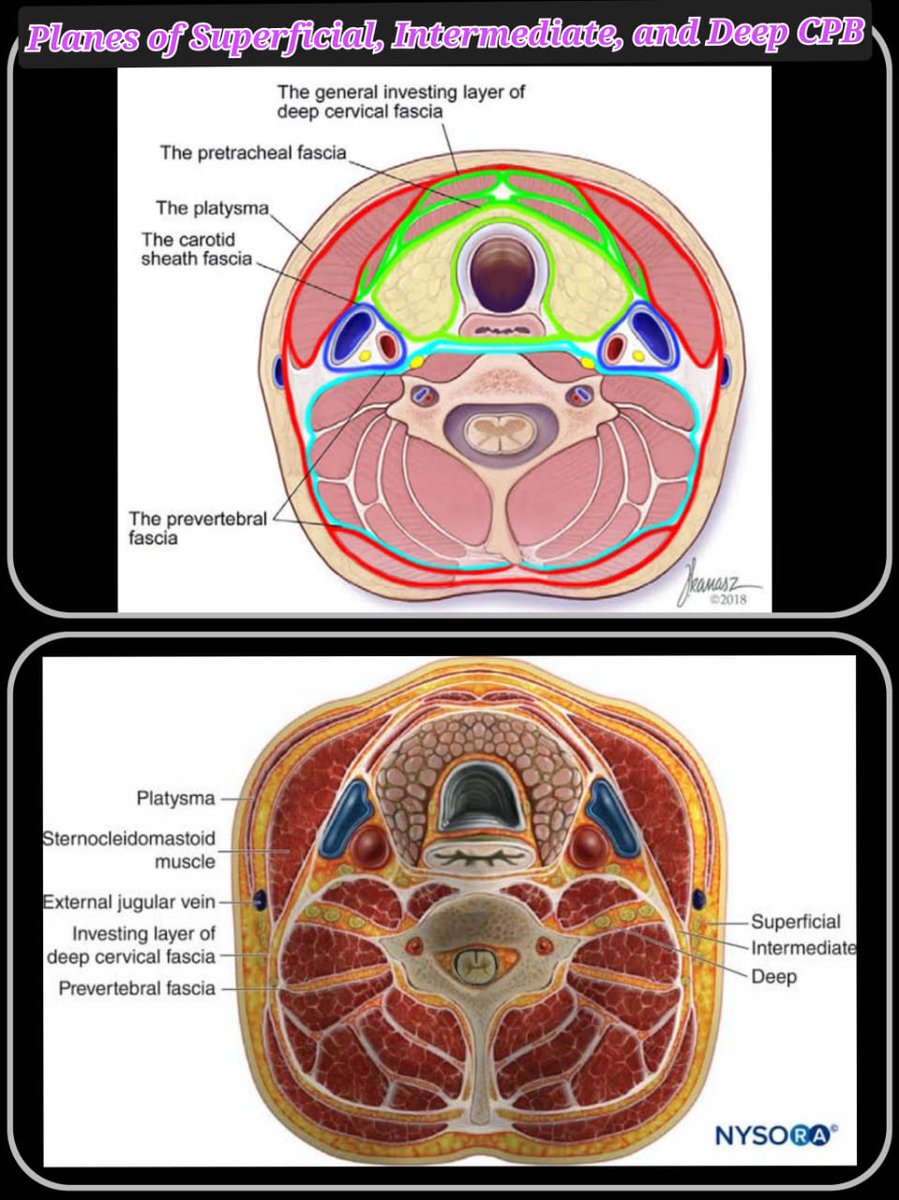
“An Ultrasound-Guided Superficial Cervical Plexus Block” #UGRA #SCPB #SuperficialCervicalPlexus #CervicalPlexusBlock #MedTwitter #EDRA My 10 Points: 1. Indications: · Superficial procedures on the neck, cervical lymph node biopsy, ear surgeries, and dermatological procedures. · Pain management for conditions like clavicle fractures. · As a supplementary block for scalp, shoulder, thyroid, proximal humerus, clavicle, or scapula surgeries. 2. Fascias around the neck: Understanding the fascial arrangements in the neck is crucial to effectively and safely administering the anesthetic when performing cervical plexus blocks. a. Superficial Cervical Fascia: The outermost fascial layer of the neck encases the platysma muscle and contains subcutaneous fat, superficial veins, and cutaneous nerves. b. Deep Cervical Fascia: It is divided into three layers (investing layer, pretracheal layer, and prevertebral), creating compartments that separate and protect the various structures within the neck. · Investing Fascia: It surrounds the entire neck, splitting to enclose the trapezius and sternocleidomastoid (SCM) muscles. The landmark-guided cervical plexus block is performed at the posterior border of the SCM, where this fascia is encountered. · Pretracheal Fascia: Located anteriorly in the neck, it surrounds the trachea, esophagus, and thyroid gland. Though not directly involved in the cervical plexus block, its anatomical relationship is important for understanding the neck’s compartmentalization. · Prevertebral Fascia: This layer surrounds the vertebral column and associated muscles. It is significant for deep cervical plexus blocks. c. Carotid Sheath: Formed by contributions from the investing, pretracheal, and prevertebral layers. It encloses the carotid artery, internal jugular vein, and vagus nerve. Awareness of the carotid sheath is crucial during blocks to avoid vascular injury. d. Brachial Plexus Sheath: Formed by contributions from neighboring fascias like investing, pretracheal and prevertebral. 3. Fascial Planes: · Superficial Space: Between the superficial cervical fascia and investing layer, where the superficial branches of the cervical plexus run. · Intermediate Space: Contains structures such as the SCM and the deeper neurovascular bundle. · Some older descriptions of the superficial cervical plexus block actually describe what is more recently described as the ‘intermediate cervical plexus block’ (the portion of the plexus passing between the ‘investing’ and the ‘prevertebral’ layers of deep cervical fascia. 4. Block Nomenclature as per fascial planes: a. Superficial Cervical Plexus Block · Technique: The injection is made subcutaneously along the posterior border of the sternocleidomastoid (SCM) muscle. · Advantages: Simple to perform with minimal risk of deep structure injury. · Risks/Complications: Few, mainly related to improper technique such as hematoma or local anesthetic toxicity if injected intravascularly. b. Intermediate Cervical Plexus Block · Technique: The injection is made at the posterior border of the SCM, similar to the superficial block, but the needle is inserted deeper to reach the fascial plane between the investing and prevertebral layers of the deep cervical fascia. · Indications: Procedures similar to those indicated for the superficial block but where slightly more extensive anesthesia is required, possibly involving deeper tissues. · Advantages: Provides a broader field of anesthesia compared to the superficial block. · Risks/Complications: Slightly higher risk of complications like inadvertent nerve or vascular injury, blockade of the phrenic nerve (in its course anterior to the anterior scalene muscle slightly lower down in the neck) or recurrent laryngeal nerve or interscalene brachial plexus (in its course, again, slightly lower down in the neck particularly with larger volumes/concentrations) and Horner’s syndrome (blurred vision, eyelid droop). c. Deep Cervical Plexus Block · It targets the deep branches (motor and sensory) of the cervical plexus that innervate deeper structures, such as the prevertebral muscles, and contribute to the formation of the phrenic nerve. · Technique: The needle is inserted at the posterior border of the SCM muscle, but it is advanced deeper to reach the level of the transverse processes of the cervical vertebrae (typically C2-C4). The local anesthetic is deposited near the deep cervical plexus and the vertebral bodies. Look for bifurcation of carotid to identify C4 level. · Indications: More extensive neck surgeries such as carotid endarterectomy, extensive lymph node dissection, or surgeries involving deeper cervical structures. Chronic pain management for conditions like cervical radiculopathy. · Advantages: Provides extensive anesthesia covering both superficial and deep structures. · Risks/Complications: Higher risk of complications like the risk of puncturing the vertebral artery or spinal cord, the Potential for LAST if the anesthetic spreads into the vertebral venous plexus, and the risk of phrenic nerve block leading to diaphragmatic paralysis. 5. Ultrasound Guidance: · Ultrasound guidance enhances the safety and efficacy of the superficial cervical plexus block by allowing real-time visualization of anatomical structures, including nerves, blood vessels, and muscles, enhancing the accuracy of the injection. · Patient Positioning: The patient is positioned supine with the head turned slightly to the opposite side to expose the neck for optimal ultrasound access. · Ultrasound Probe Placement: A high-frequency linear ultrasound probe is placed transversely at the midpoint of the posterior border of the SCM. 6. Sonoanatomy: · Under ultrasound, key structures such as the hypoechoic SCM muscle, the hyperechoic cervical transverse processes, and the interscalene groove are identified. The nerve structures appear as hypoechoic (dark) oval or round shapes. · In smaller children and infants, the SCM is underdeveloped and thin. Care needs to be taken to carefully orientate oneself to recognize the anatomy. · Note the external jugular vein may cross the field: Adjusting pressure with the probe may help identify such vessels. 7. Needle Insertion: · The needle is inserted in-plane with the ultrasound probe to allow continuous visualization of the needle tip as it advances towards the target area. · For intermediate cervical plexus, advance needle tip through ‘investing’ deep fascia (the ‘pop’ described in the landmark technique) and slide into position underneath SCM, keeping an eye on vessels e.g. internal jugular vein medially. Upon negative aspiration, inject LA hydro dissecting the plane between the sternocleidomastoid and levator scapulae muscles and their deep cervical fascias (investing and prevertebral). 8. Local Anesthetic Injection: · After confirming the correct position with ultrasound, local anesthetic is injected, and its spread is visualized in real-time to ensure adequate coverage of the cervical plexus branches. · LA Volume: 5-10 ml/0.1-0.3 ml/kg. 9. Advantages: · Ultrasound guidance increases the accuracy of the block, reduces the risk of inadvertent vascular puncture, and minimizes the volume of local anesthetic needed, potentially lowering the risk of systemic toxicity. · The intermediate block may be more successful, as compared with the true superficial block, in providing more profound analgesia or anesthesia of the neck, particularly for deep structures such as the carotid artery and deeper muscles that may have an autonomic sympathetic or ‘visceral’ distribution of pain. 10. Risks and Complications: · While ultrasound guidance reduces some risks, potential complications such as infection, hematoma, and transient nerve injury remain. Proper training and technique are essential to minimize these risks. Important Links: youtu.be/HwymFXelRUo?si… youtu.be/hmfvUldlvfY youtu.be/IFdlZvxtuk4?si… youtu.be/uEVXx_rgaNk?si…
YouTube video
YouTube
YouTube video
YouTube
YouTube video
YouTube
YouTube video
YouTube
Dr.Kartik Sonawane tweet mediaDr.Kartik Sonawane tweet mediaDr.Kartik Sonawane tweet mediaDr.Kartik Sonawane tweet media
English
0
35
83
5.7K
servando lopez retweetledi
Mónica García
Mónica García@Monica_Garcia_G·
La retirada del Premio Nacional de Tauromaquia es un importante primer paso hacia una cultura sin sufrimiento, a la altura de una país que avanza como España. No se puede premiar el maltrato animal.
Español
869
324
2.5K
155.7K
servando lopez retweetledi
Mónica García
Mónica García@Monica_Garcia_G·
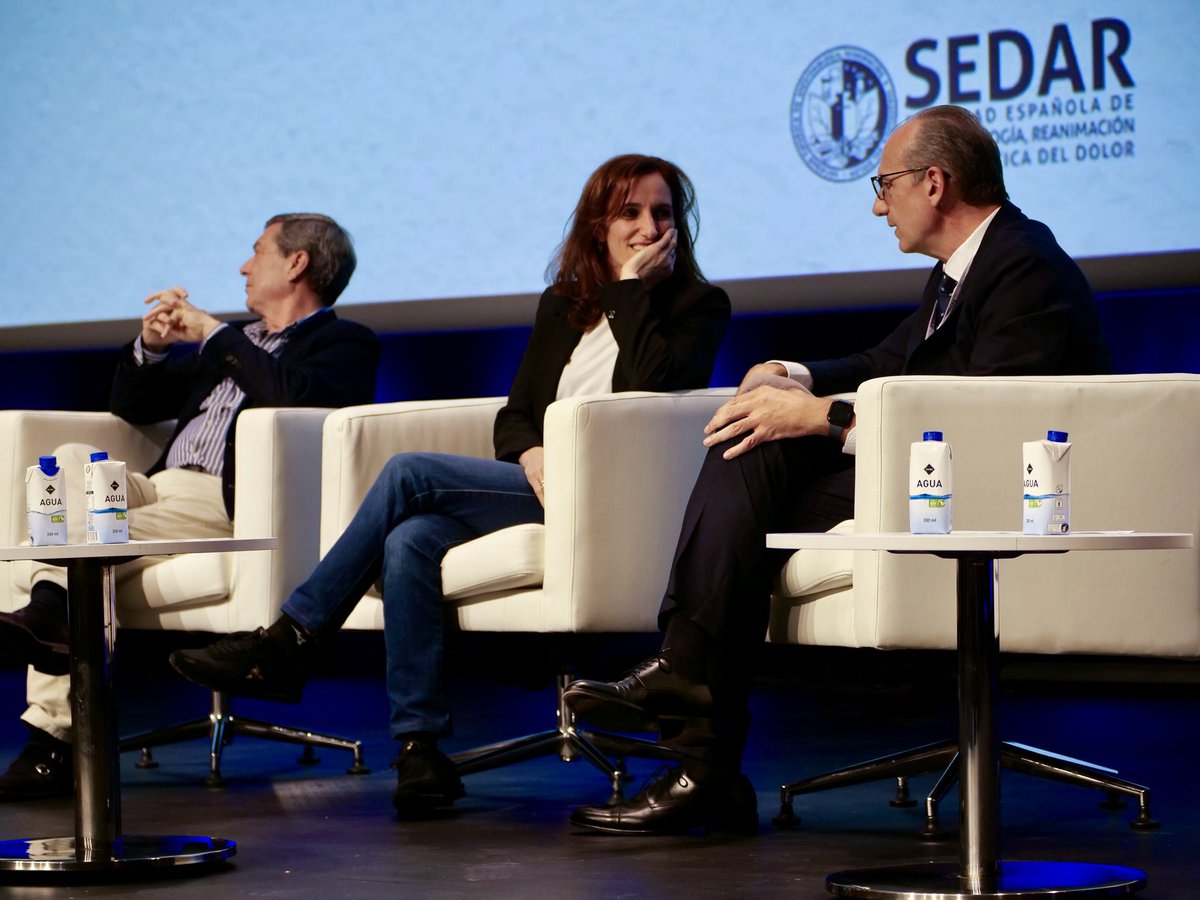
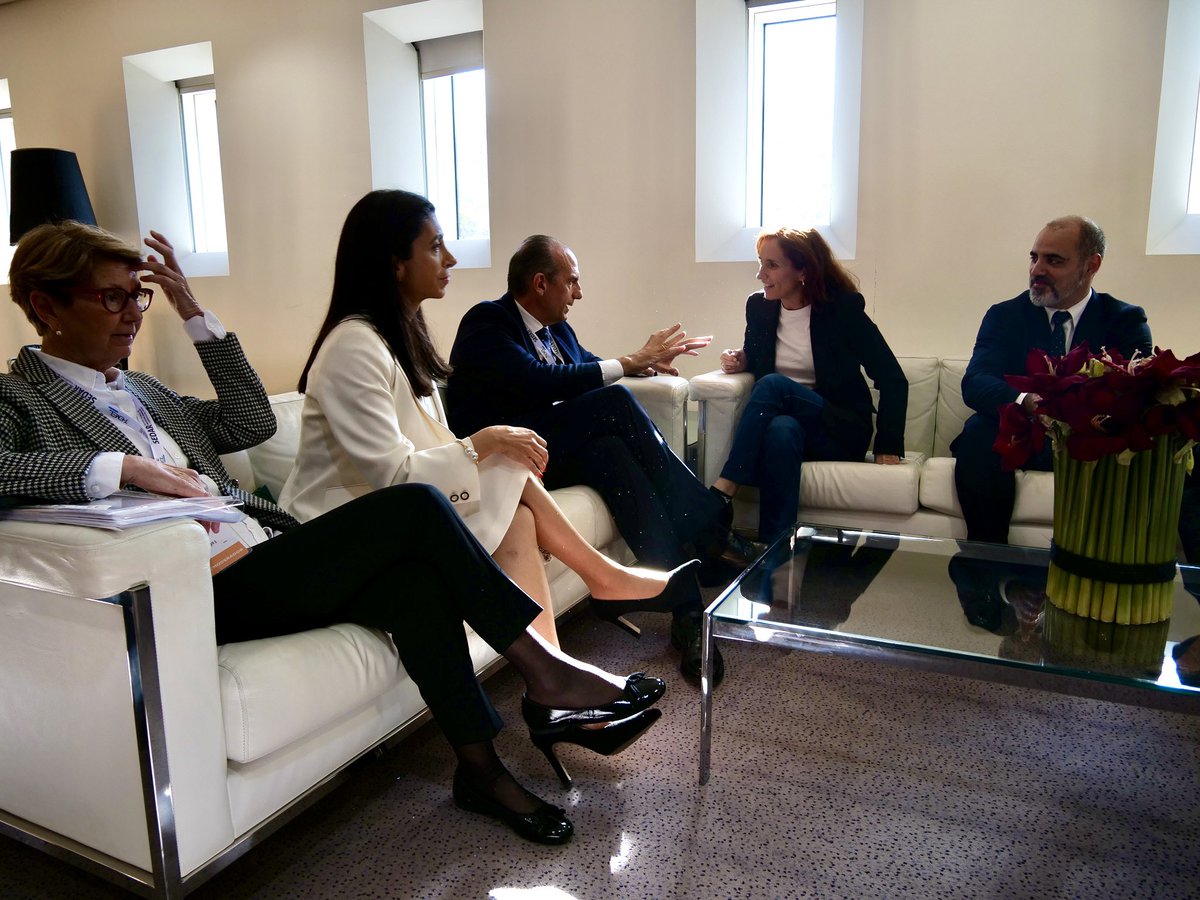
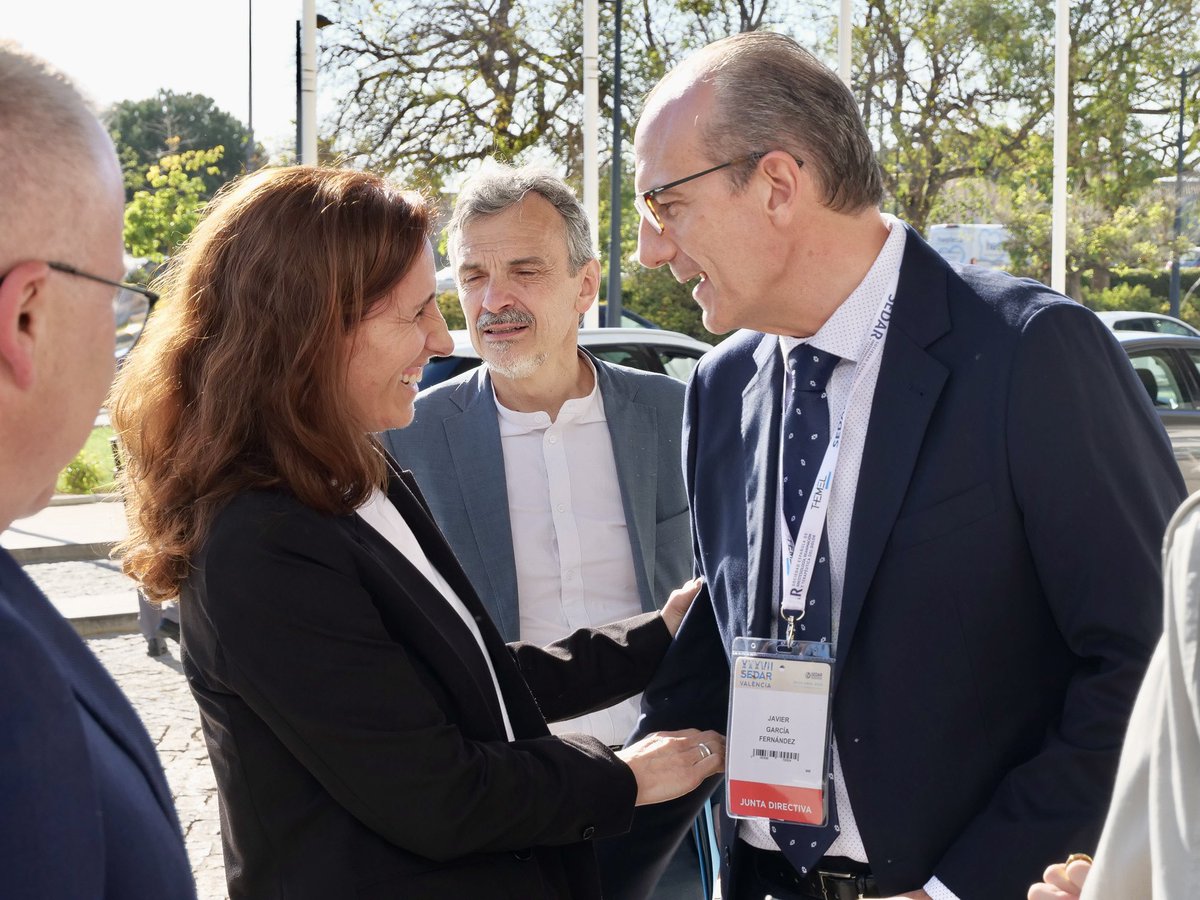
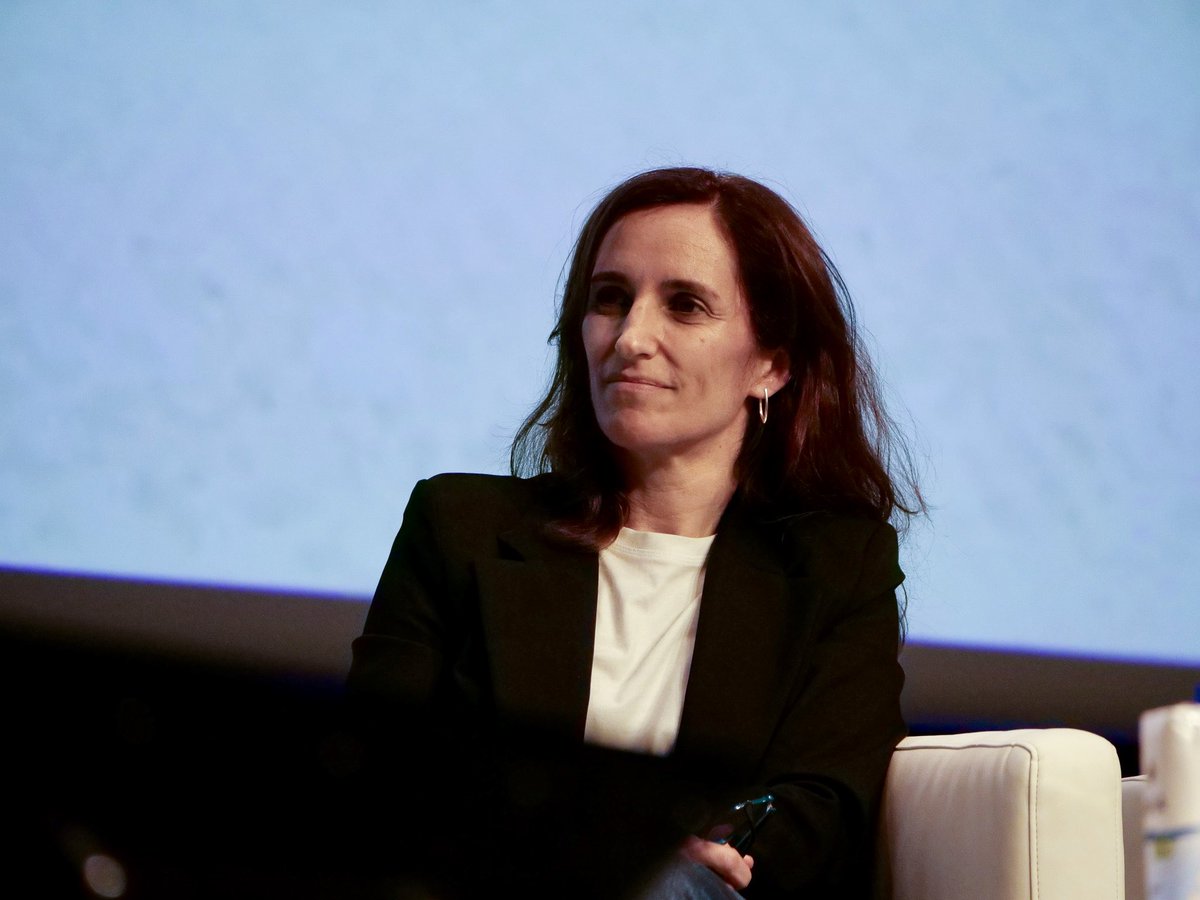
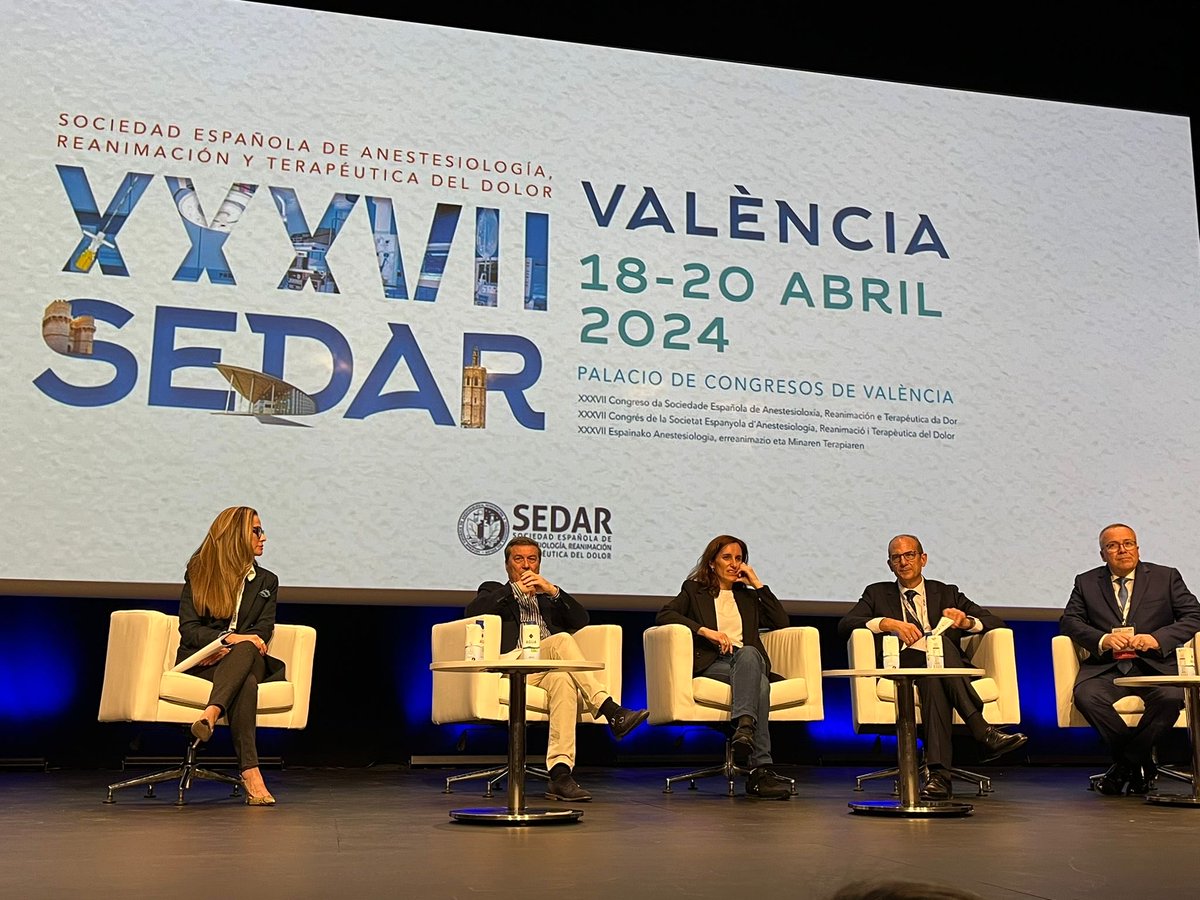
En el Congreso de @sedar_es, sintiéndome como en casa con mis compañeros y compañeras de especialidad. Gracias por levantar a diario los mejores valores que representa la anestesiología.
Mónica García tweet mediaMónica García tweet mediaMónica García tweet mediaMónica García tweet media
Español
74
22
99
16.3K
servando lopez retweetledi
SEDAR
SEDAR@sedar_es·
📍SALA 1A #AmbulatoriaSEDAR PRO/CON - CIRUGÍA AMBULATORIA EN PACIENTE DE ALTO RIESGO Modera: Dr. Servando López Álvarez @LopezAlais PRO: Dra. Paula Dieguez García CON: Dr. Filadelfo Bustos Molina
Español
0
2
3
326
servando lopez retweetledi
SEDAR
SEDAR@sedar_es·
📍AUDITORIO 3 #DolorSEDAR MESA REDONDA: EL DOLOR POST OPERATORIO COMO LA VARIABLE CLAVE EN LA CALIDAD Modera: Dr. Servando López Álvarez @LopezAlais Participa: Dr. Antonio Montes Pérez Dra. Neus Esteve Pérez Dra. Susana Moliner Velázquez
Español
1
3
3
501