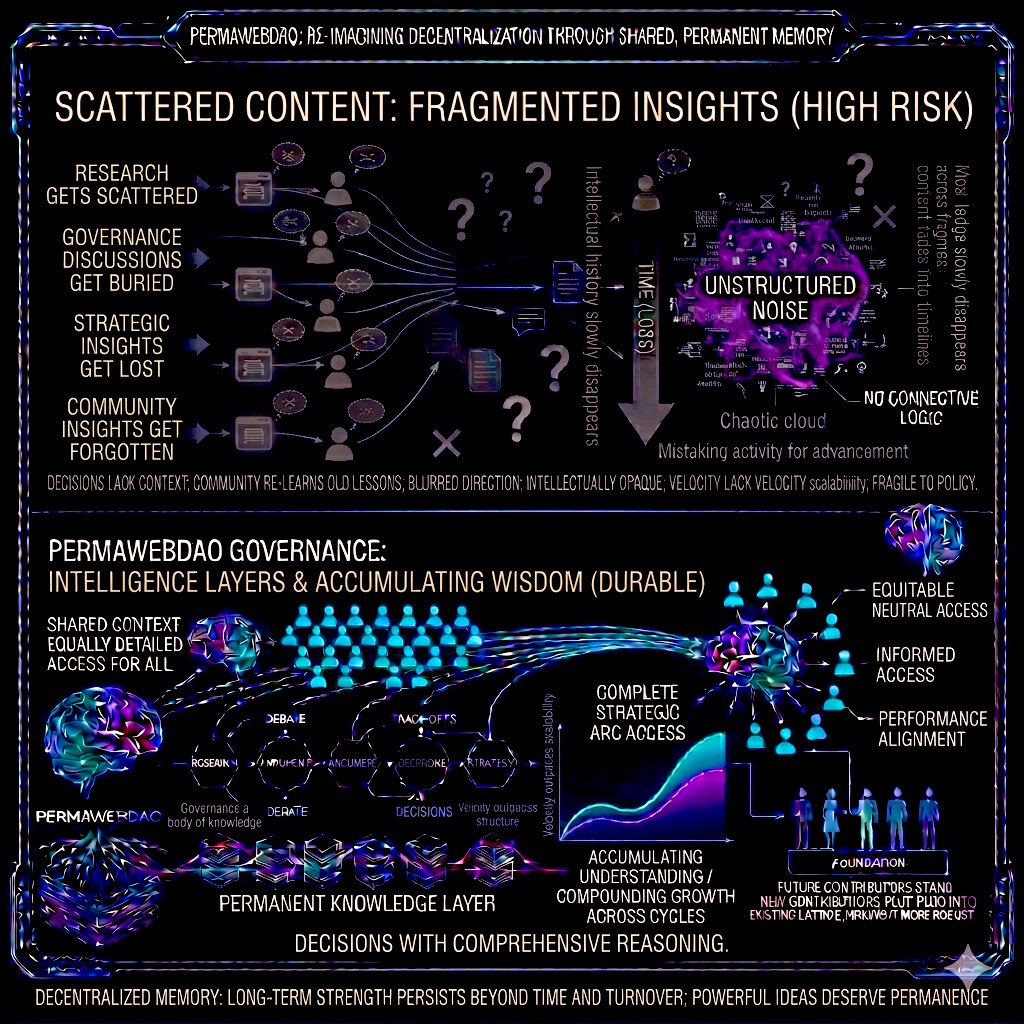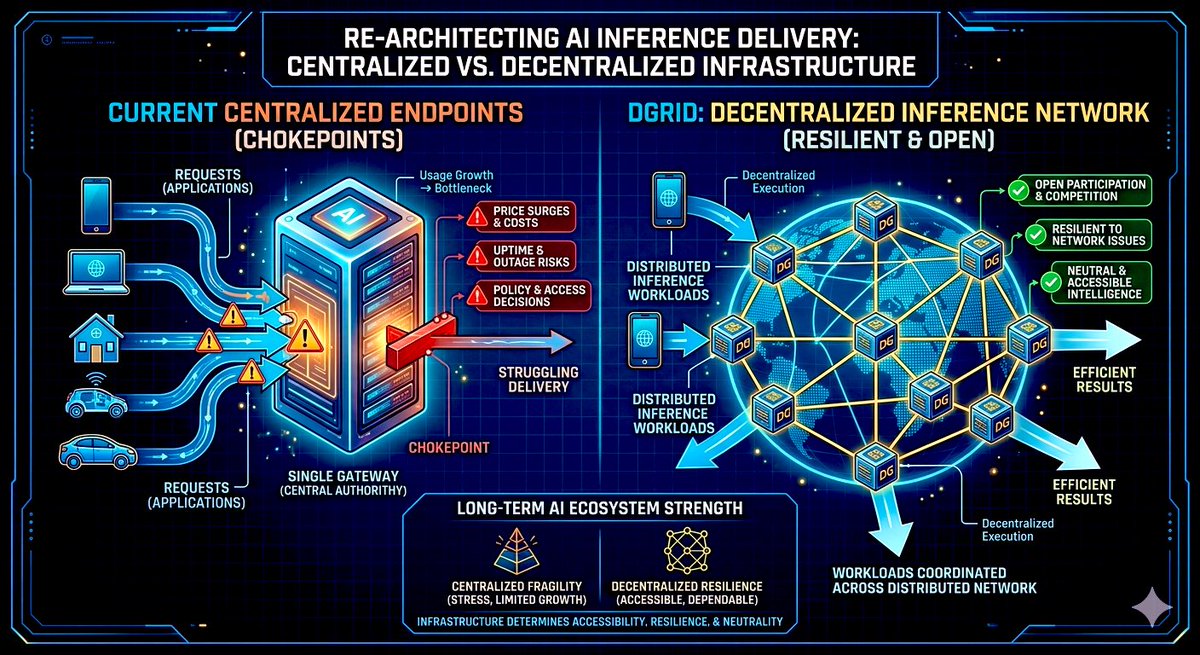
Compute That Adjusts, Records That Remain dgrid_ai dgrid_ai is designed around a shift that is becoming impossible to ignore. AI workloads do not behave like traditional software demand. They appear suddenly, grow rapidly during experimentation or training, and then redistribute as new applications emerge. Static infrastructure models were built for steadier patterns and often struggle when usage becomes this dynamic. Instead of concentrating capacity in fixed environments, dgrid_ai emphasizes distributed coordination. Compute resources can be shared across a network and reassigned as conditions change. When workloads spike in one place, the system can rebalance. When demand slows, resources are not left sitting idle. This approach improves efficiency while strengthening resilience. Infrastructure becomes capable of adjusting internally instead of forcing developers to constantly expand or restructure their systems. As AI adoption grows, that adaptability becomes increasingly important. permawebDao permawebDao focuses on something many fast moving ecosystems overlook: continuity. Innovation cycles can produce rapid growth, but without long term preservation, the results of that progress can disappear just as quickly. By supporting decentralized governance and durable storage, permawebDao ensures that applications and records remain accessible. Communities maintain oversight and stewardship over their contributions, preserving both the data and the context behind it. When infrastructure adapts to change and information persists across time, ecosystems become stronger. One layer manages the movement and volatility of modern compute. The other protects the knowledge and systems created along the way.